Love & Fury: New York’s Fight Against AIDS
AIDS in New York: A Timeline of Action & Loss
- 1980–81 In late 1980, New Yorkers begin to witness symptoms of mysterious illnesses in gay men. Friends, lovers, and partners—people like Paul Popham, Larry Kramer, and Enno Poersch—watch as those around them fall ill and die without explanation. Physicians are also observing similarly inexplicable illnesses among women and injection-drug users.
- July 1981 The CDC reports 41 cases of Kaposi’s sarcoma (a type of cancer that forms in the lining of blood vessels and lymph nodes, causing lesions on the skin) and Pneumocystis pneumonia (PCP, a serious lung condition that typically affects people with weakened immune systems) in gay men. New York City is one of the early epicenters. By year’s end, dozens have died in the city, but despite medical evidence of a new epidemic, there is no official government response.
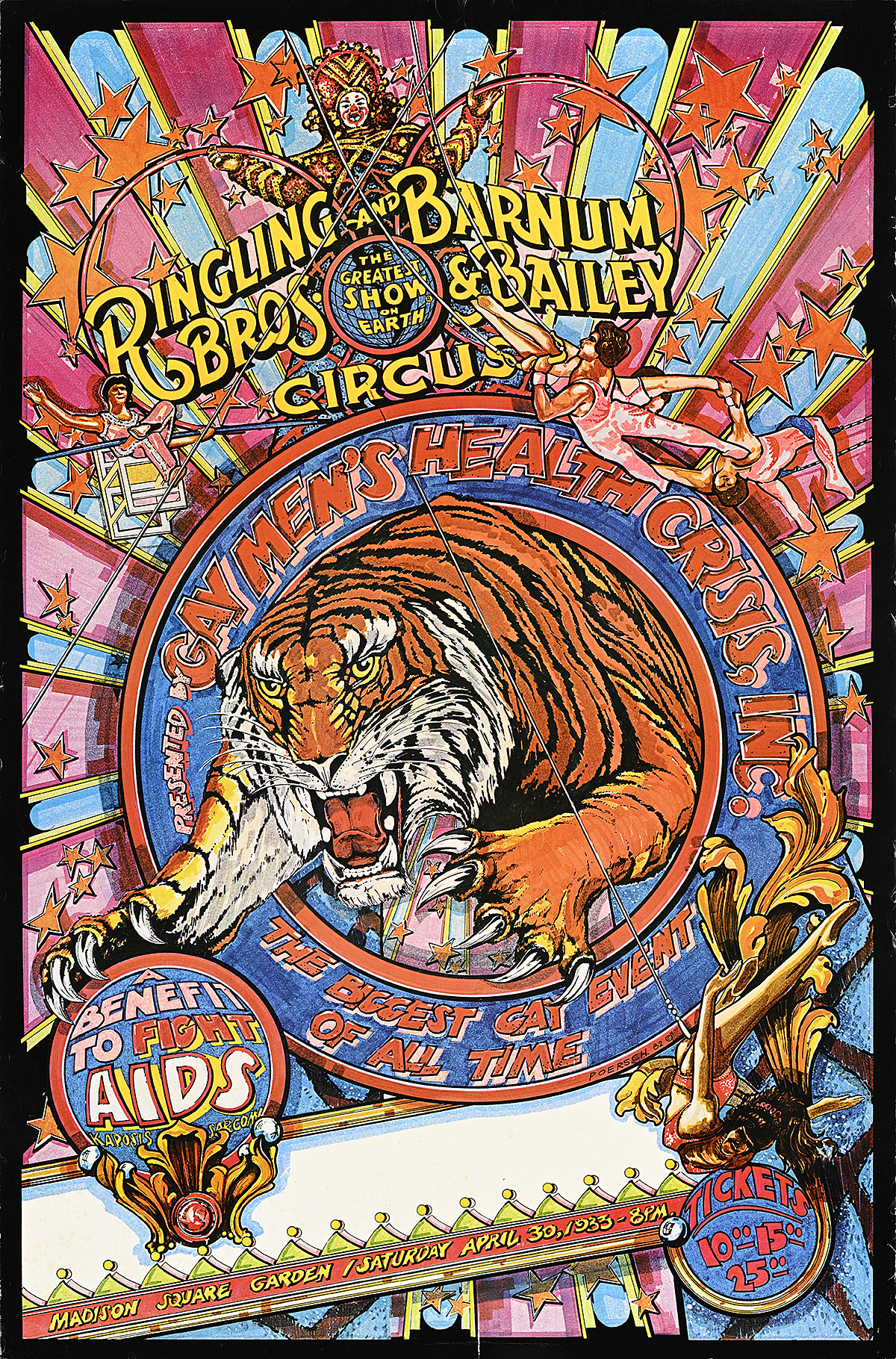
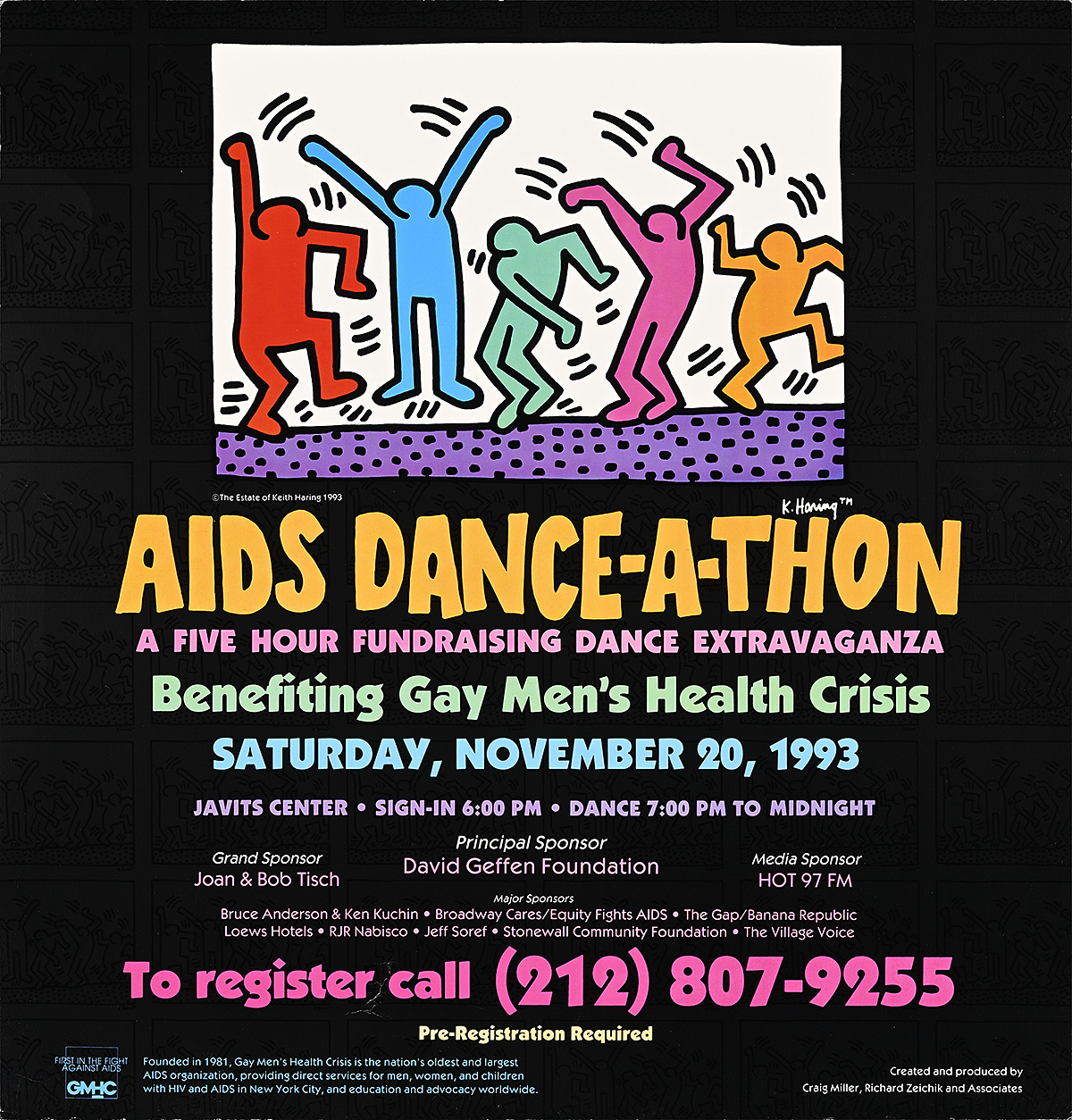
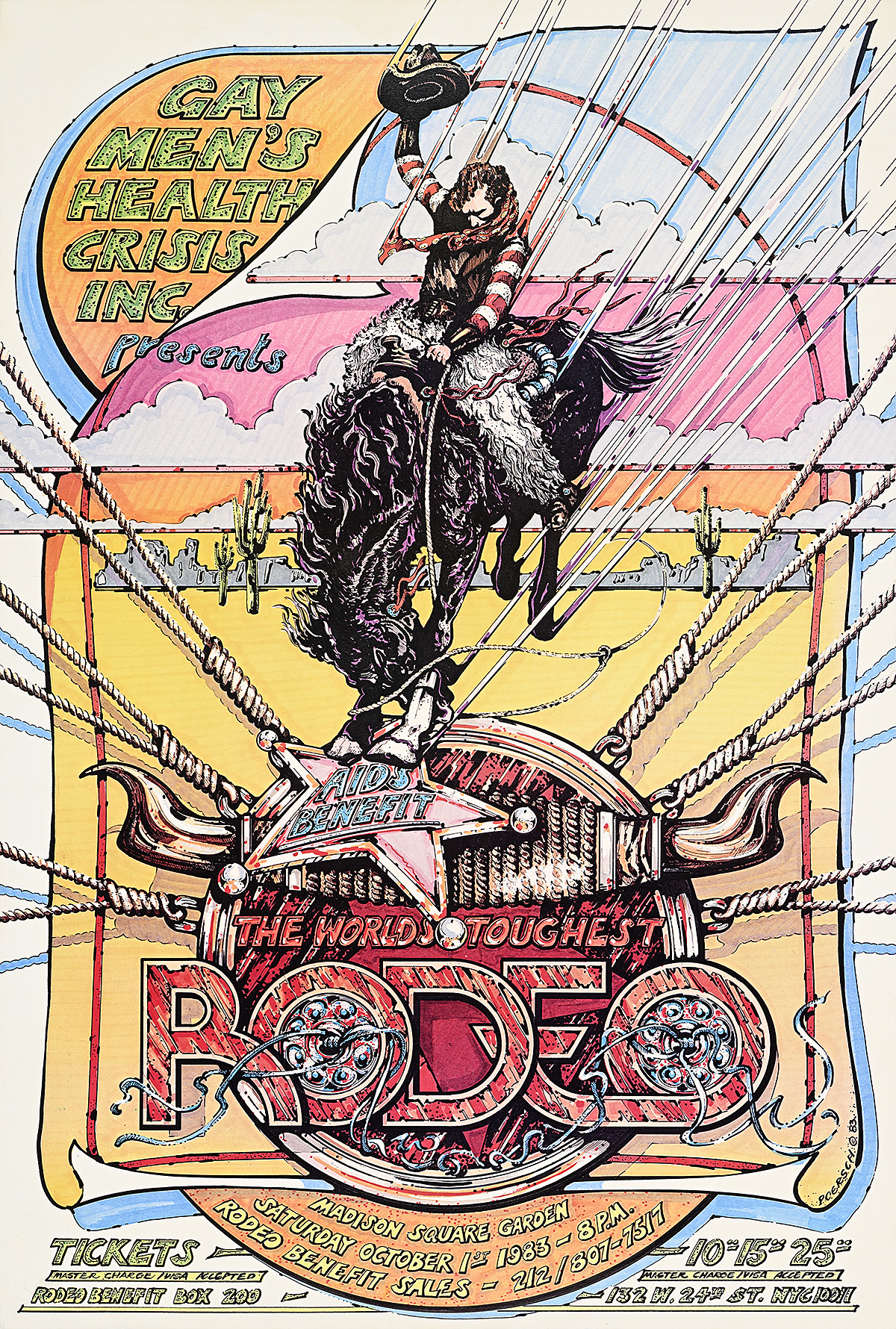
- January 1982 Gay Men’s Health Crisis (GMHC), the first AIDS service organization in the country, is founded in Larry Kramer’s apartment. Volunteers answer calls, create support groups, and launch public education campaigns.
- July 1982 The New York AIDS Network, a coalition of community groups and individuals, is established to disseminate accurate information and to pressure local leaders to take action.
- September 1982 The CDC first uses the term Acquired Immune Deficiency Syndrome (AIDS) to describe the illness and provides the first official definition: “A disease at least moderately predictive of a defect in cell-mediated immunity, occurring in a person with no known cause for diminished resistance to that disease.”
- December 1982 New York has more than 500 reported AIDS cases by the end of the year. Compassionate, community-based responses are emerging faster than any form of government aid.
- 1983 GMHC receives its first public funding from the New York City Department of Public Health.
- May 1983 Michael Callen and Richard Berkowitz, both living with AIDS, publish their pamphlet How to Have Sex in an Epidemic: One Approach, providing some of the first “safer sex” guidelines grounded in care, intimacy, and lived experience.
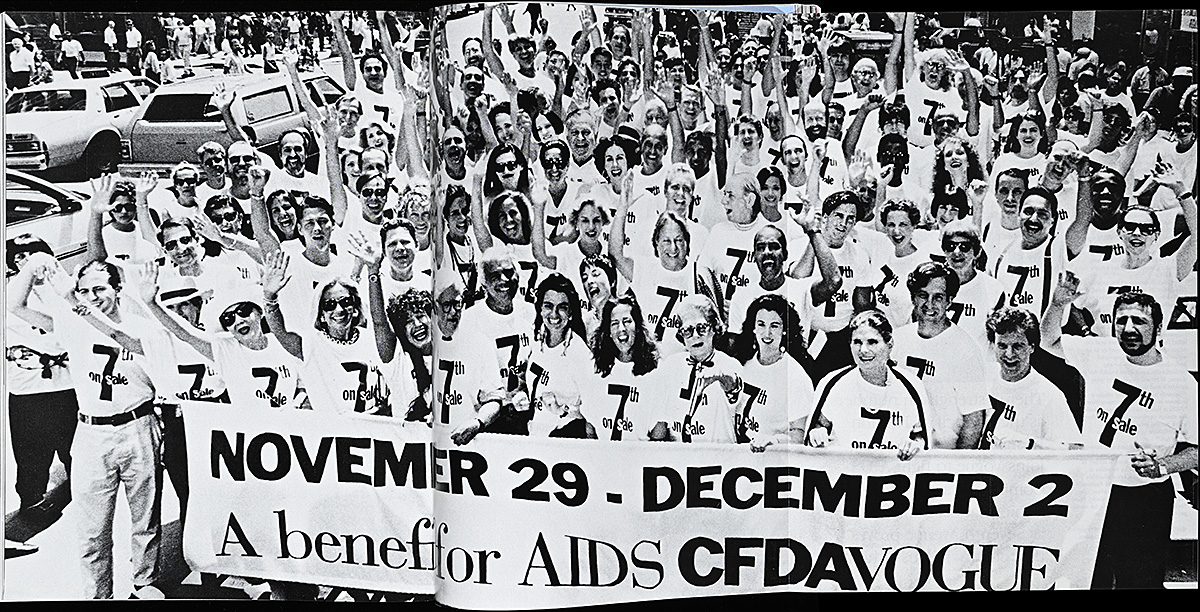
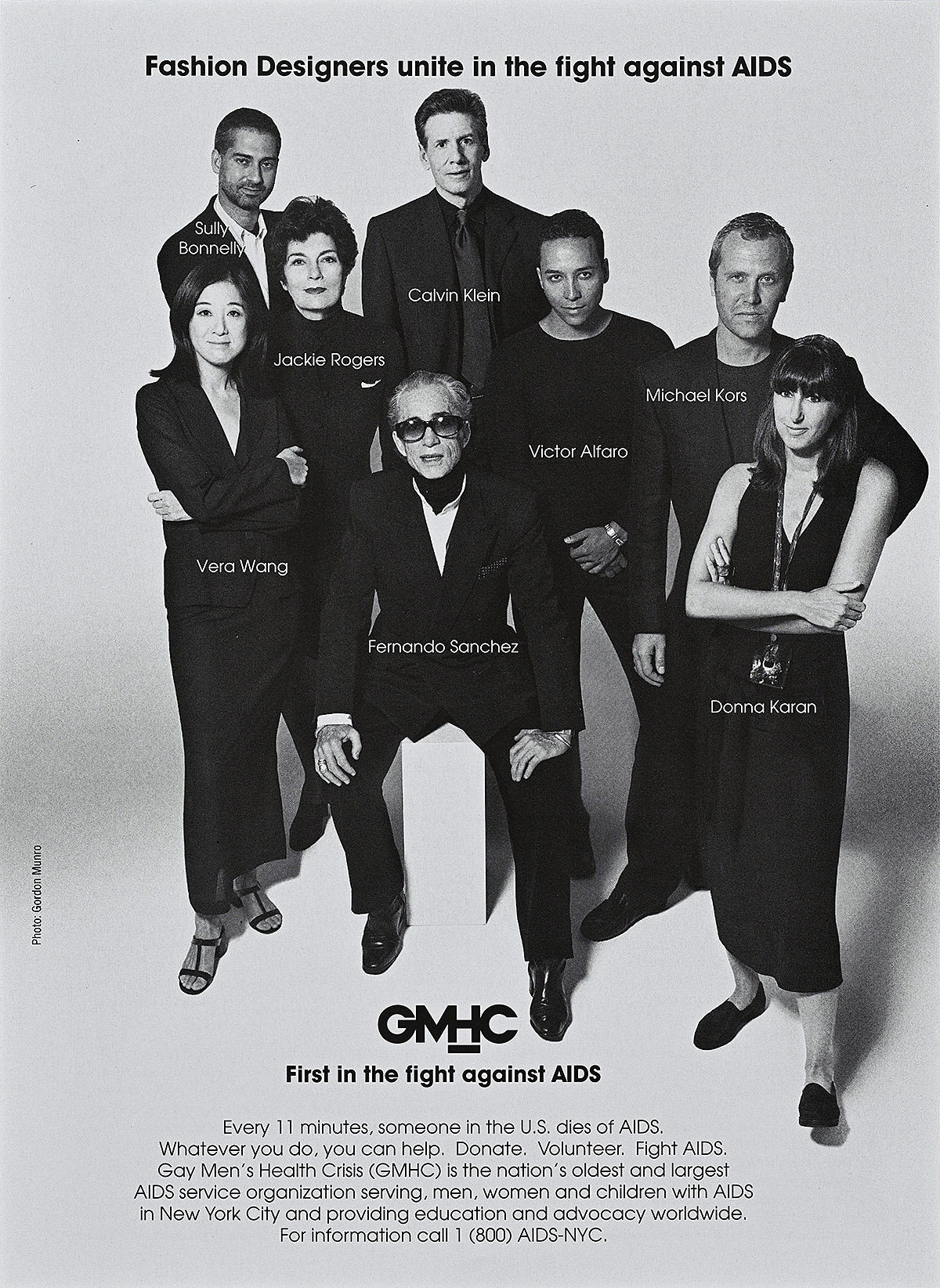
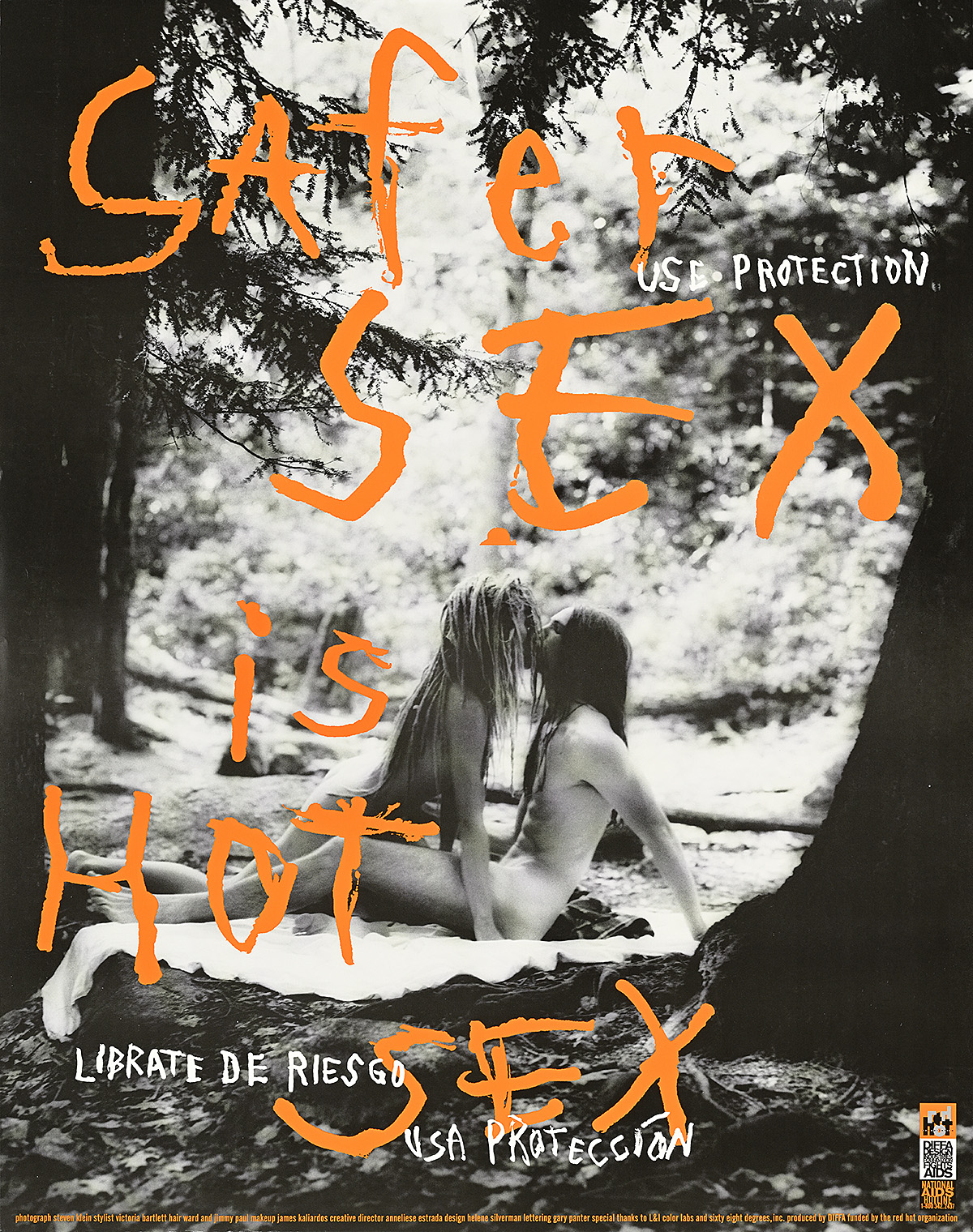
- 1984 Design Industries Foundation Fighting AIDS (DIFFA) is established in New York City to raise funds for the cause.
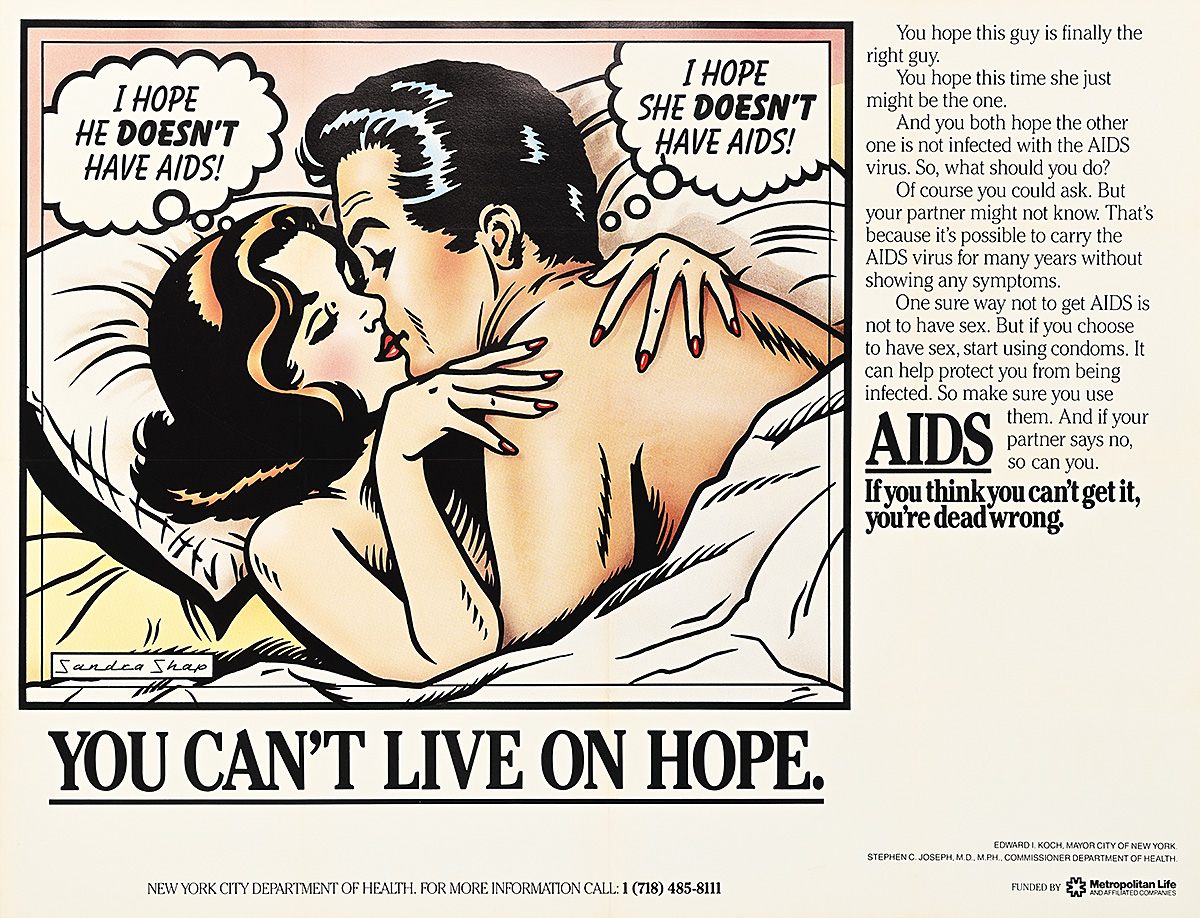
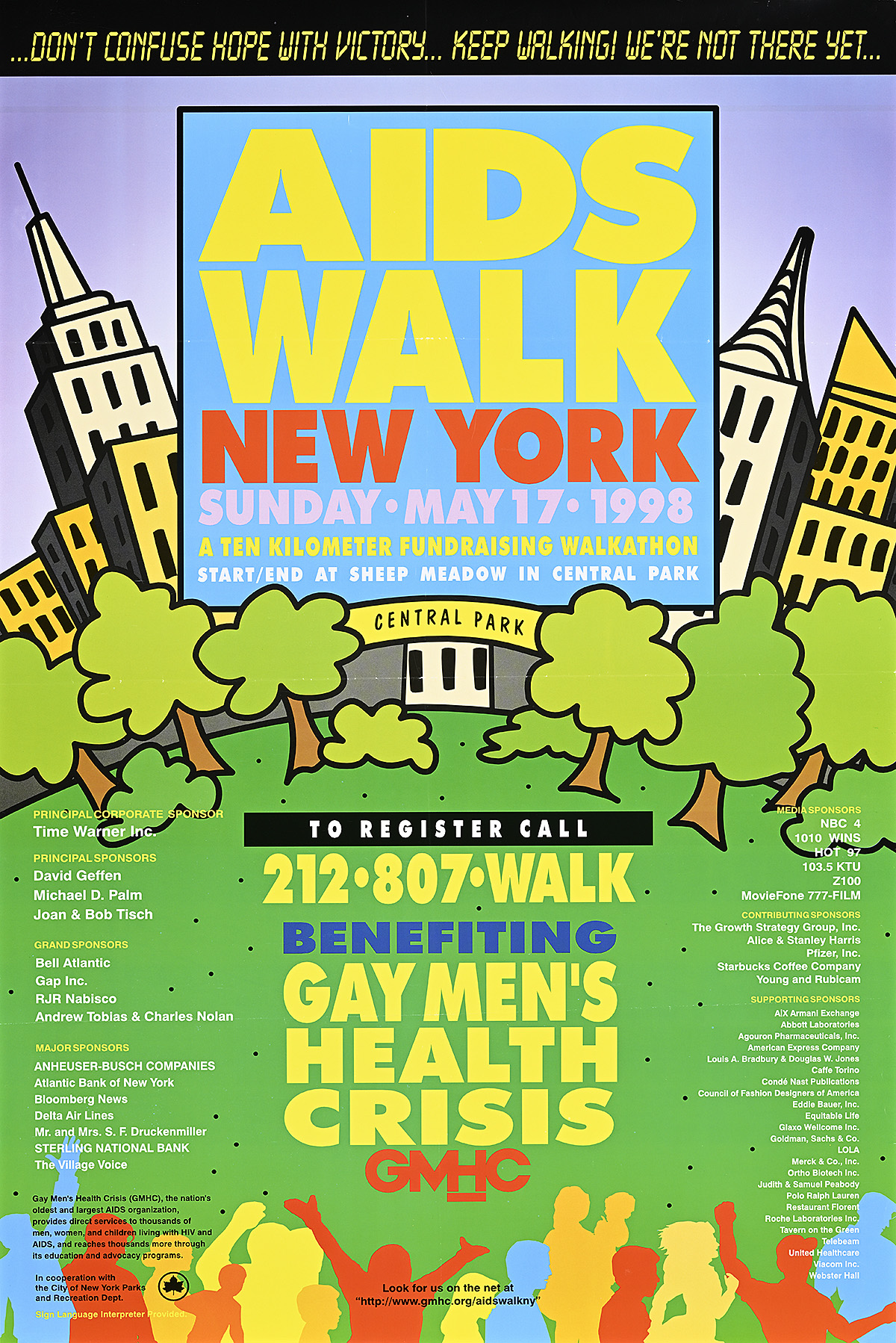
The city’s health department launches its first public campaigns, relying on fear-driven messages like “You Can’t Live on Hope.” - May 18, 1986 AIDS Walk New York begins with more than 4,500 participants, raising nearly $710,000 for GMHC. This annual event becomes a mainstay of New York’s AIDS response.
- June 1986 The U.S. Supreme Court upholds Georgia’s sodomy law in Bowers v. Hardwick, ruling that the Constitution does not protect the right of gay men to have consensual sex in the privacy of their own homes. The decision reinforces criminalization and stigma at a time when the AIDS crisis is devastating the gay community.
- December 1986 AIDS-related deaths in the city exceed 6,500 by the end of the year.
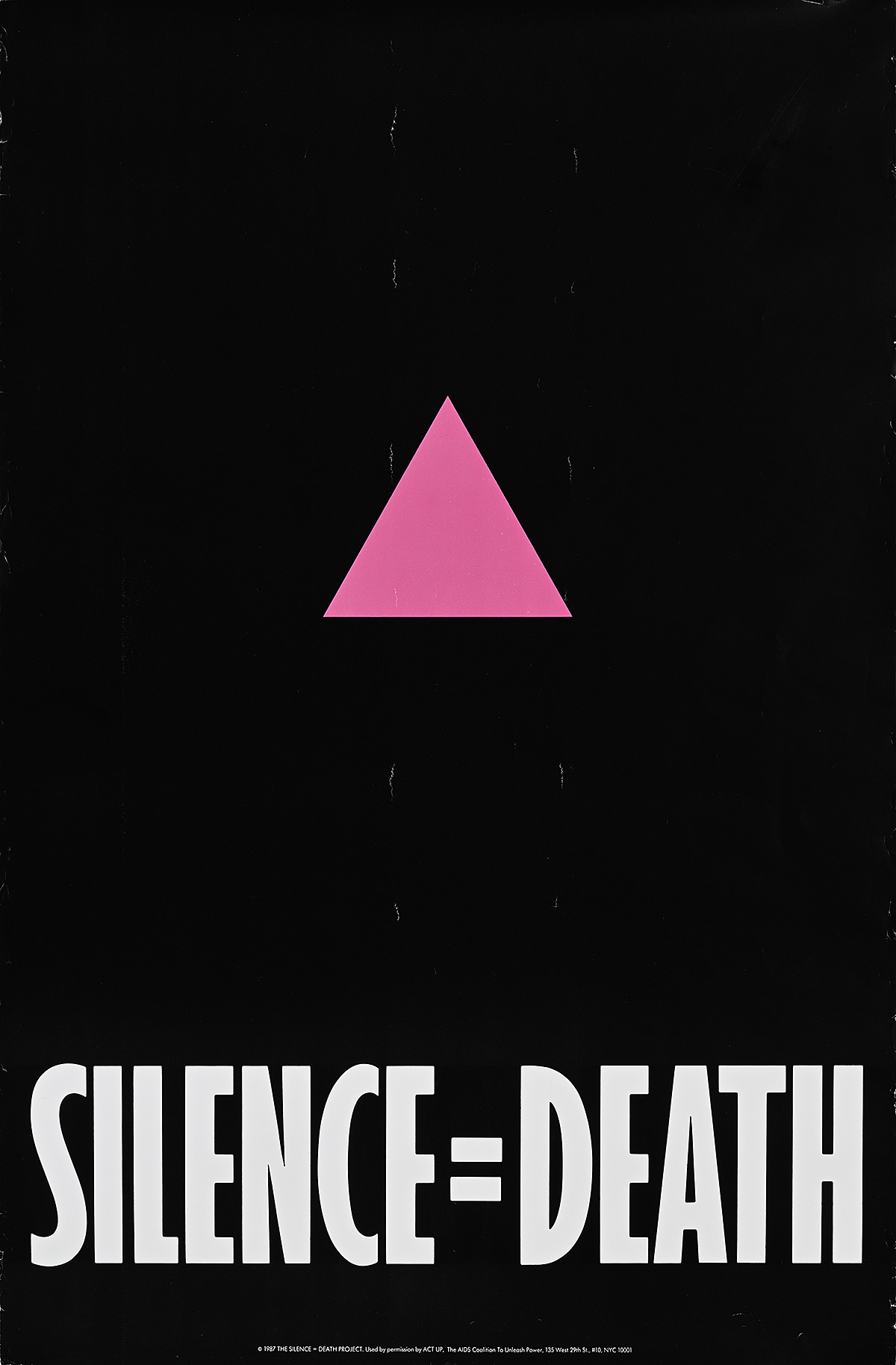
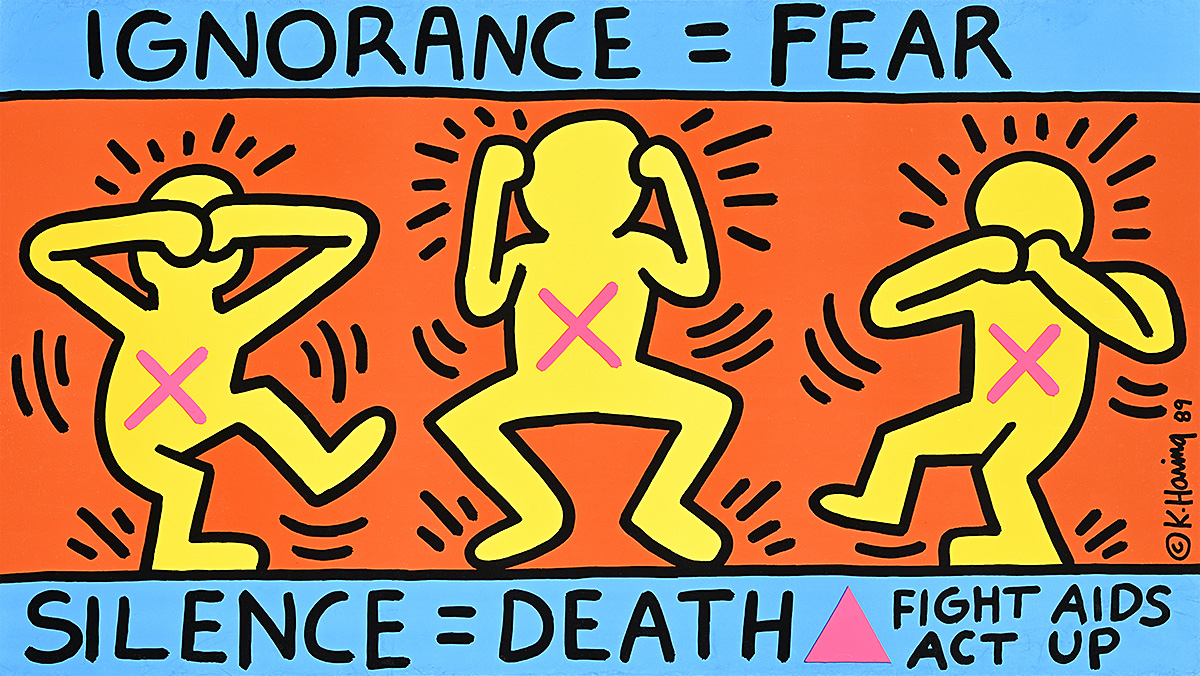
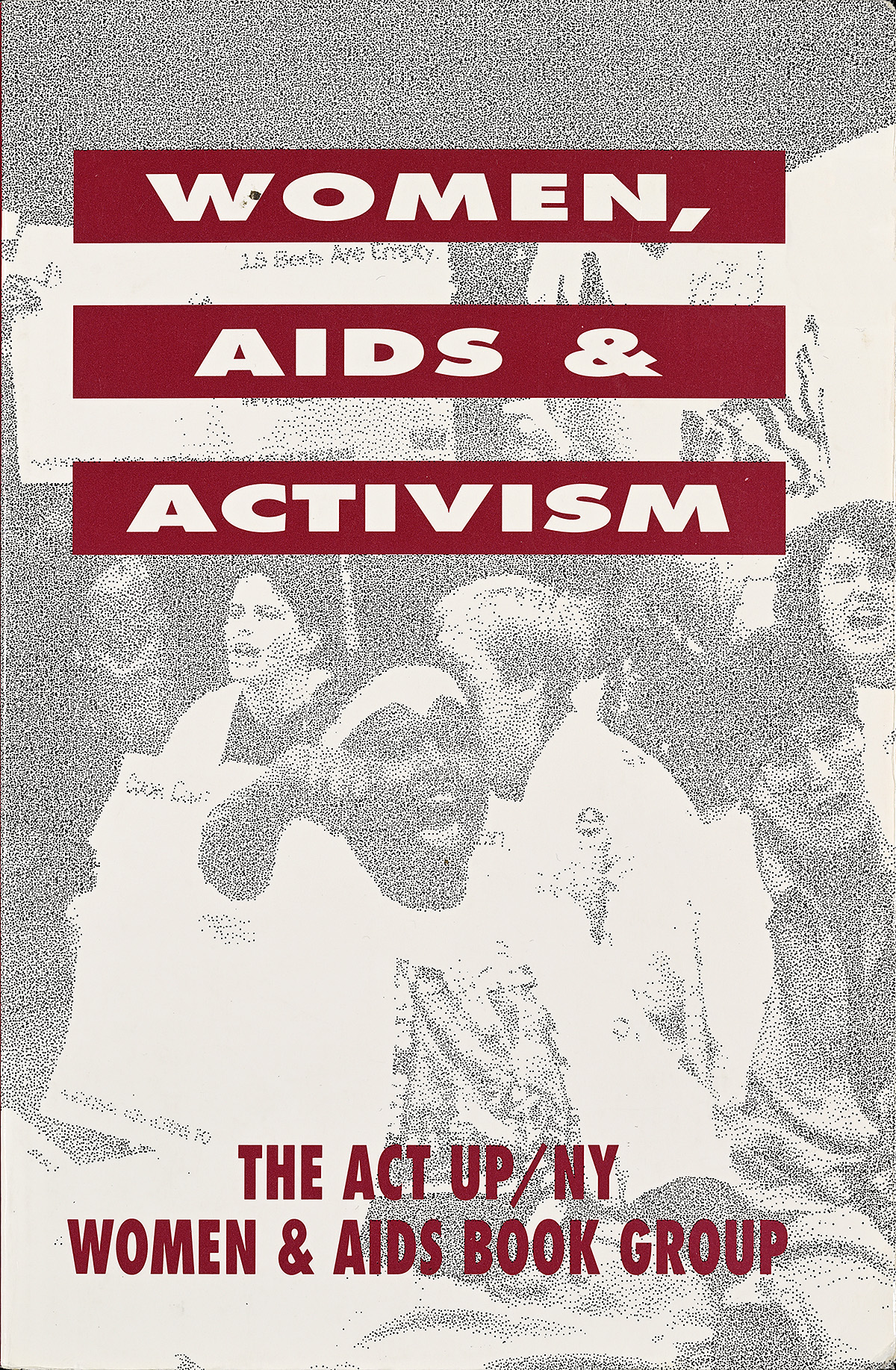
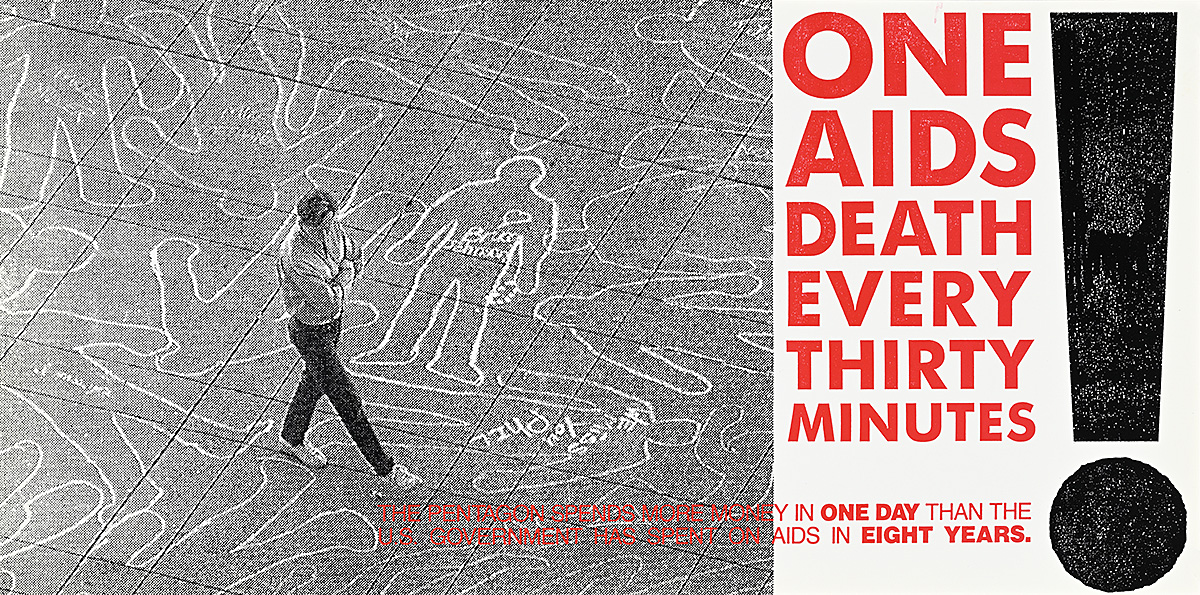
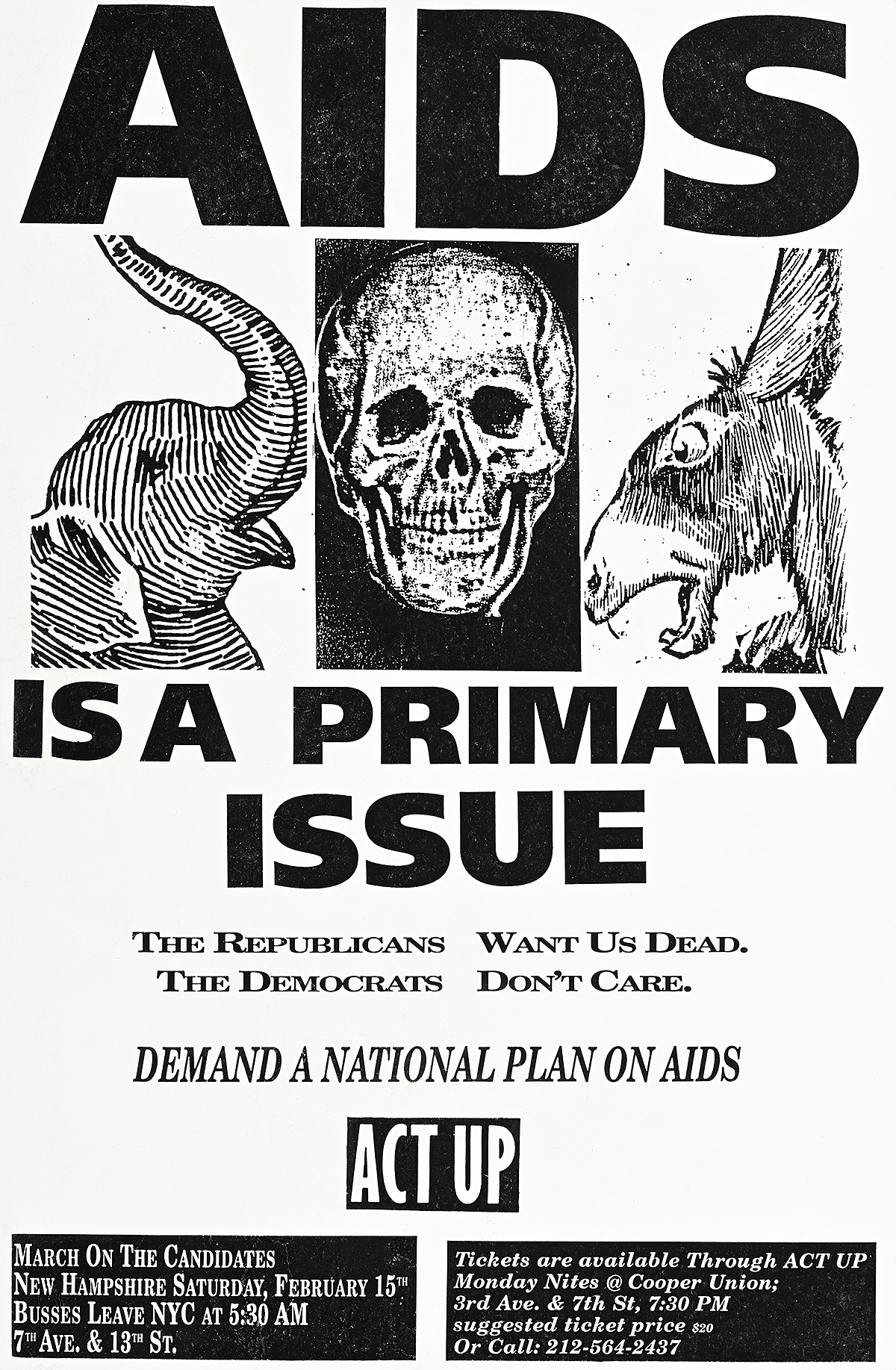
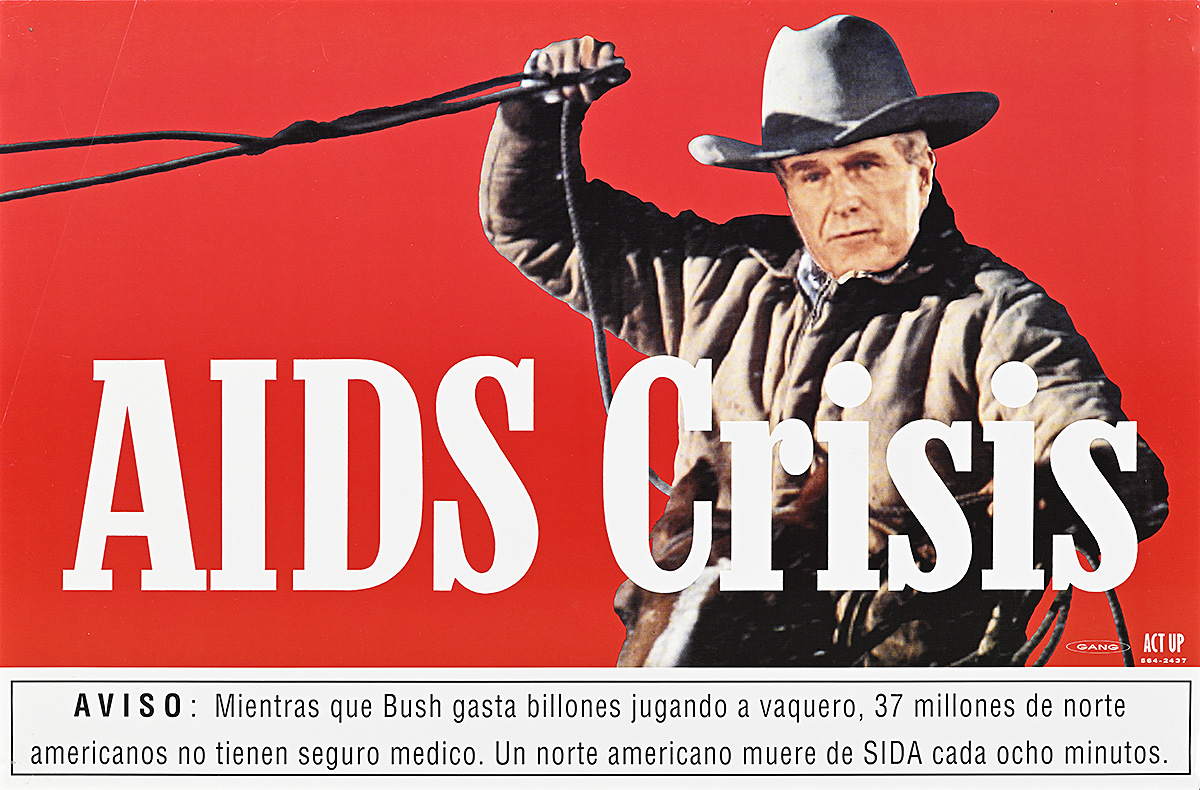
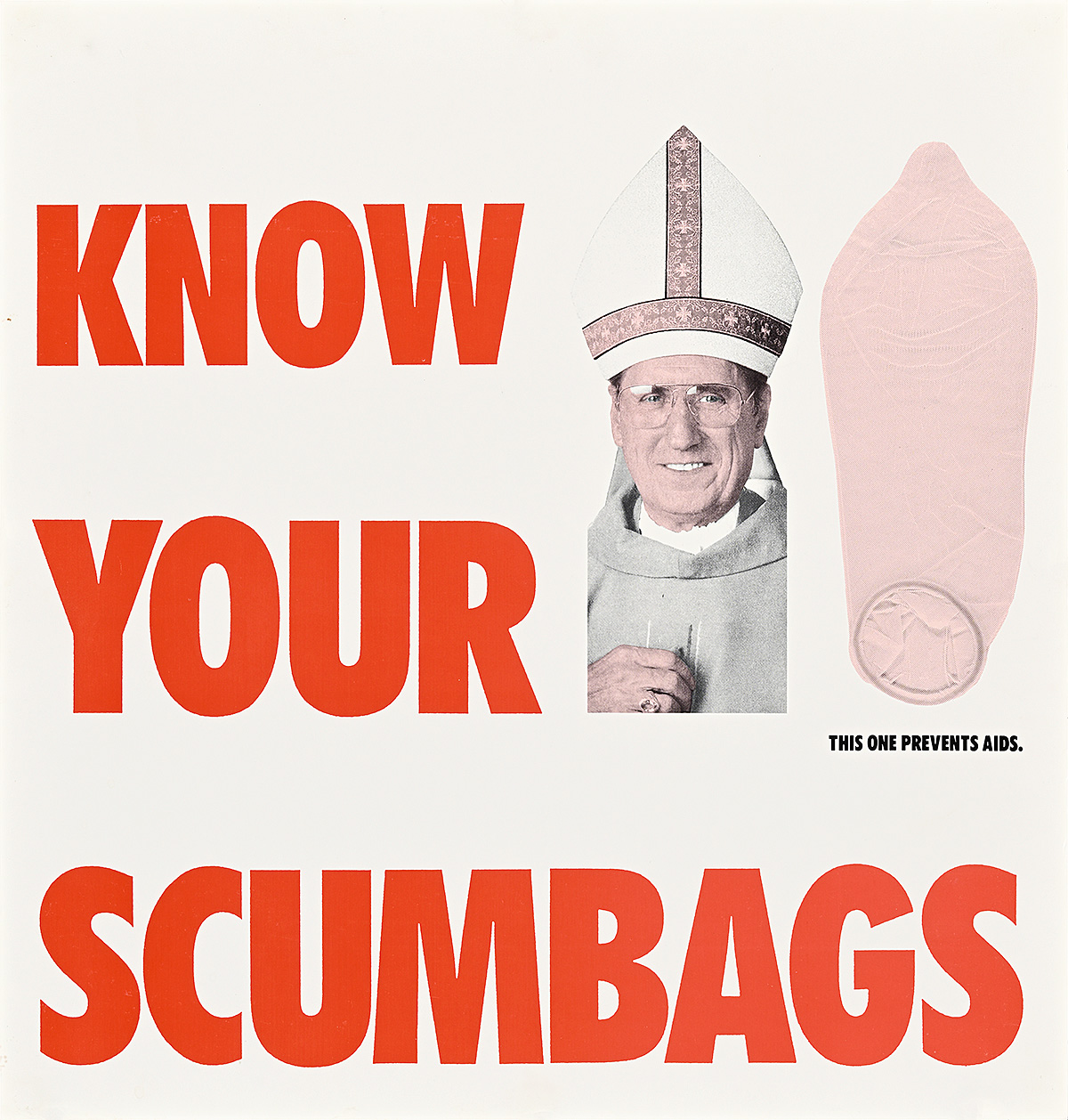
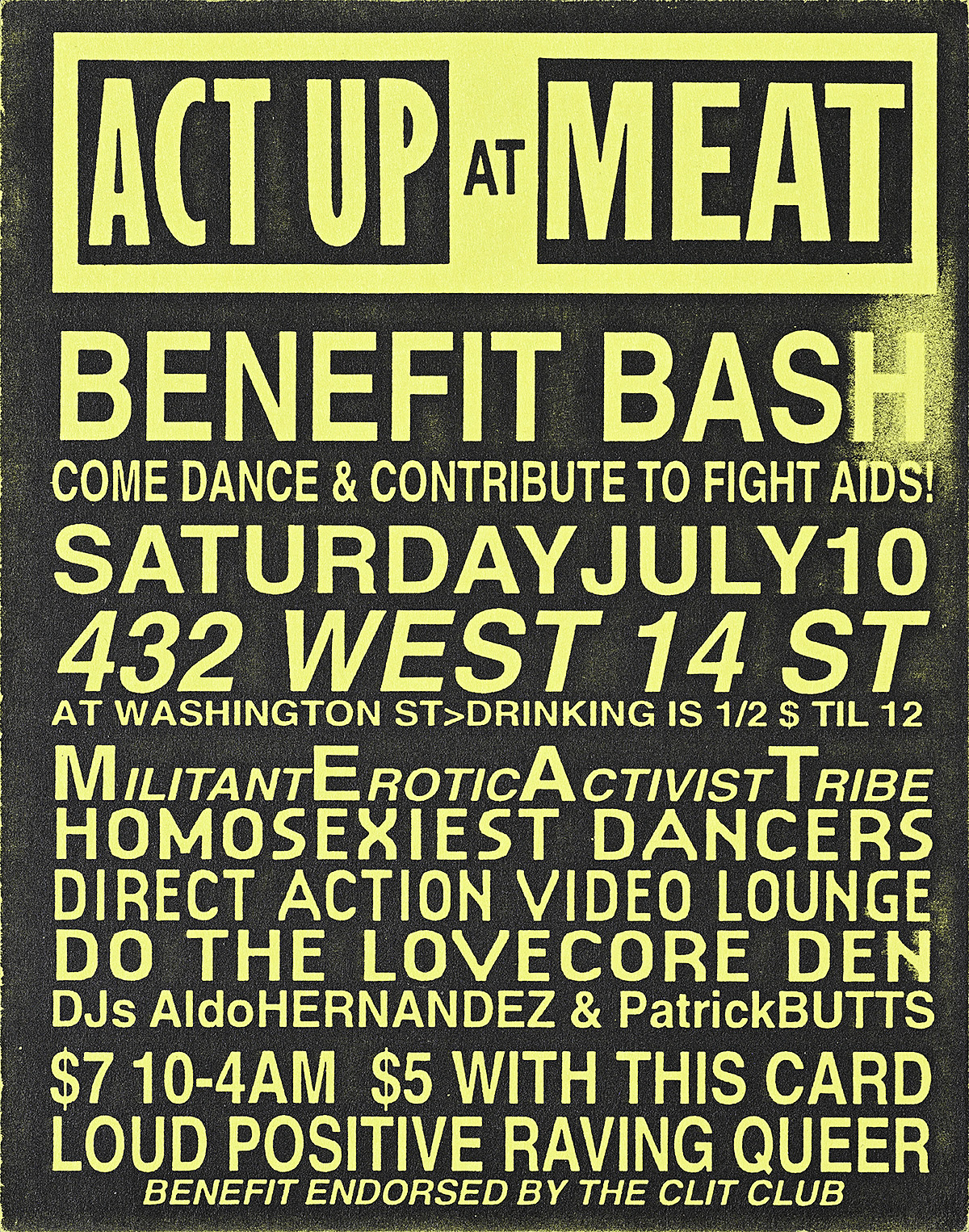
- March 1987 AIDS Coalition to Unleash Power (ACT UP) is founded at the Lesbian and Gay Community Services Center in New York. What begins as a furious speech by Larry Kramer becomes a force that reshapes public discourse through direct action and fearless graphic design.
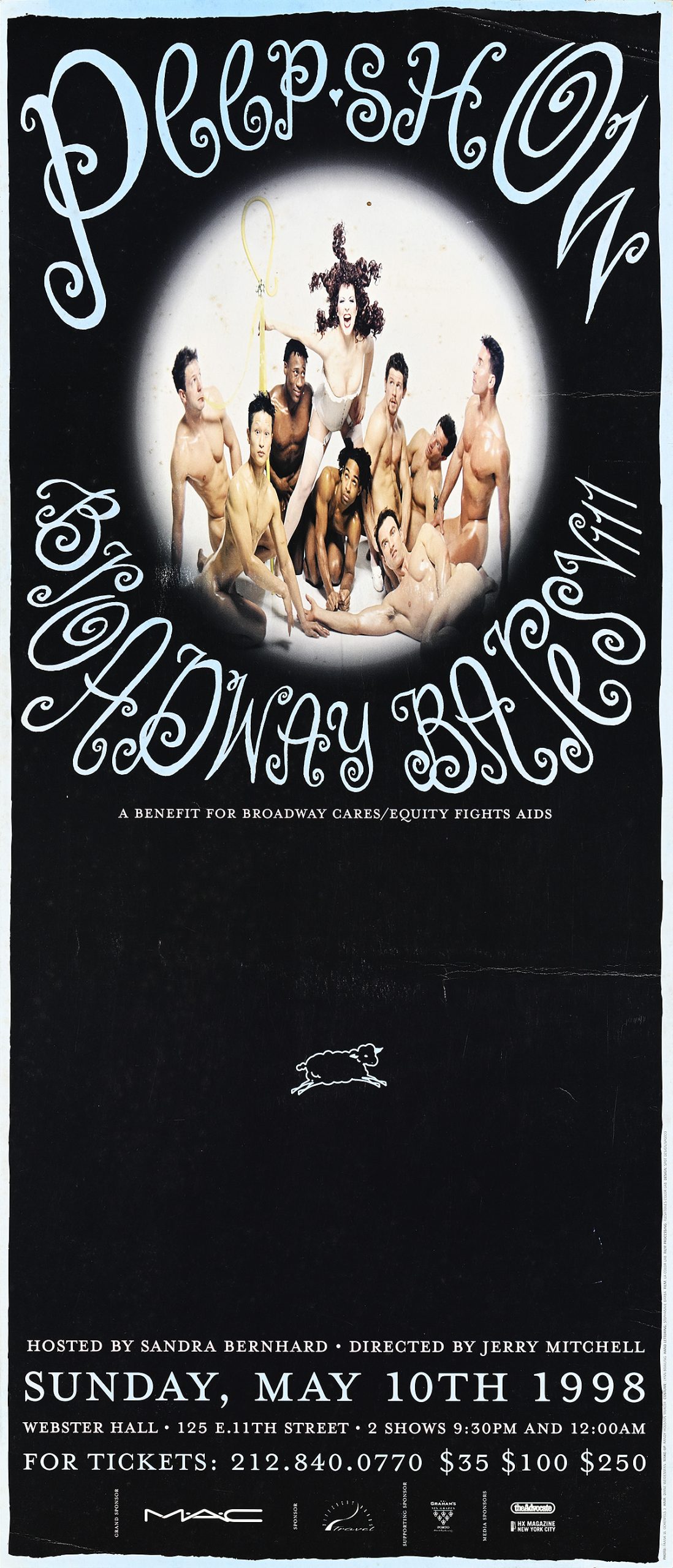
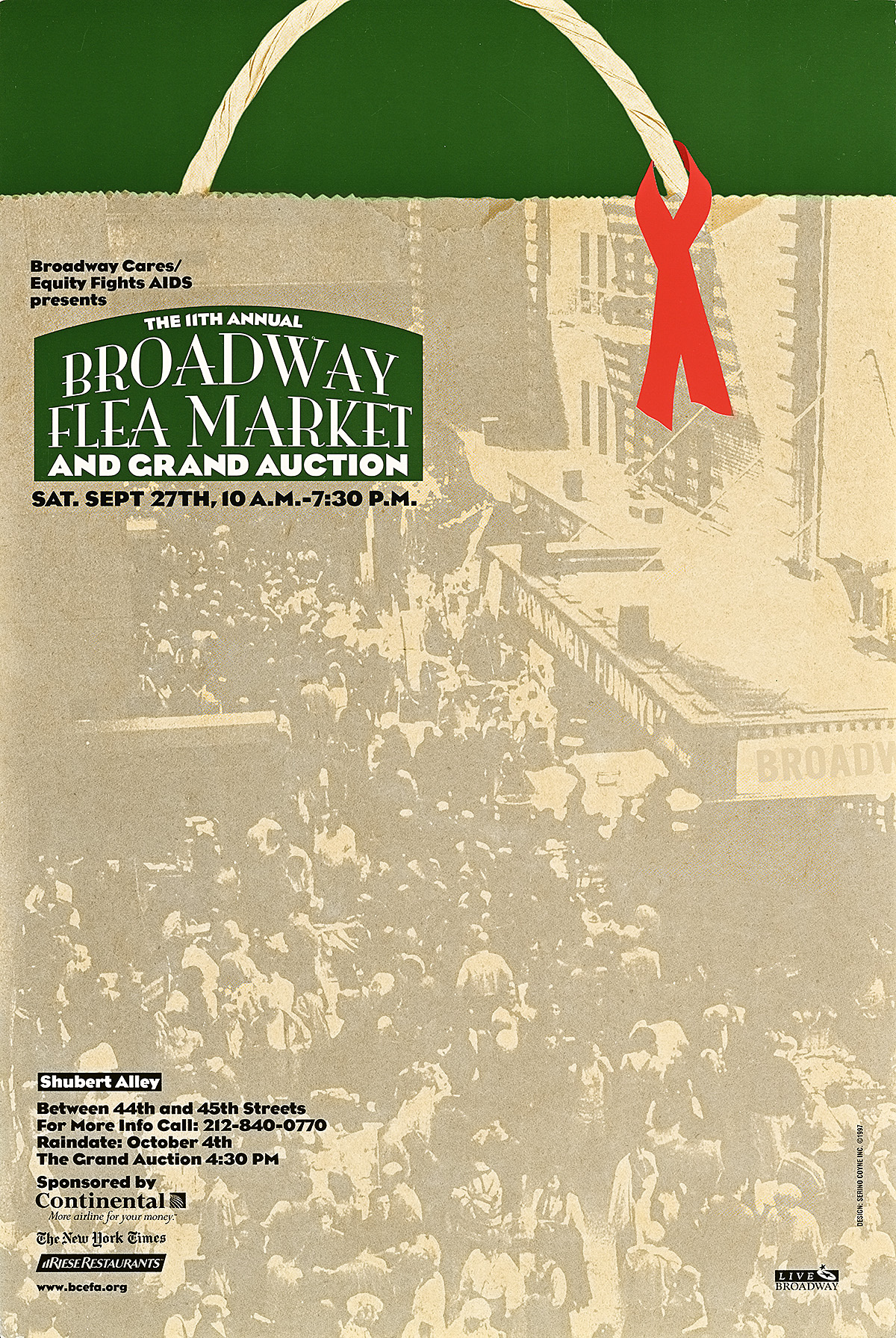
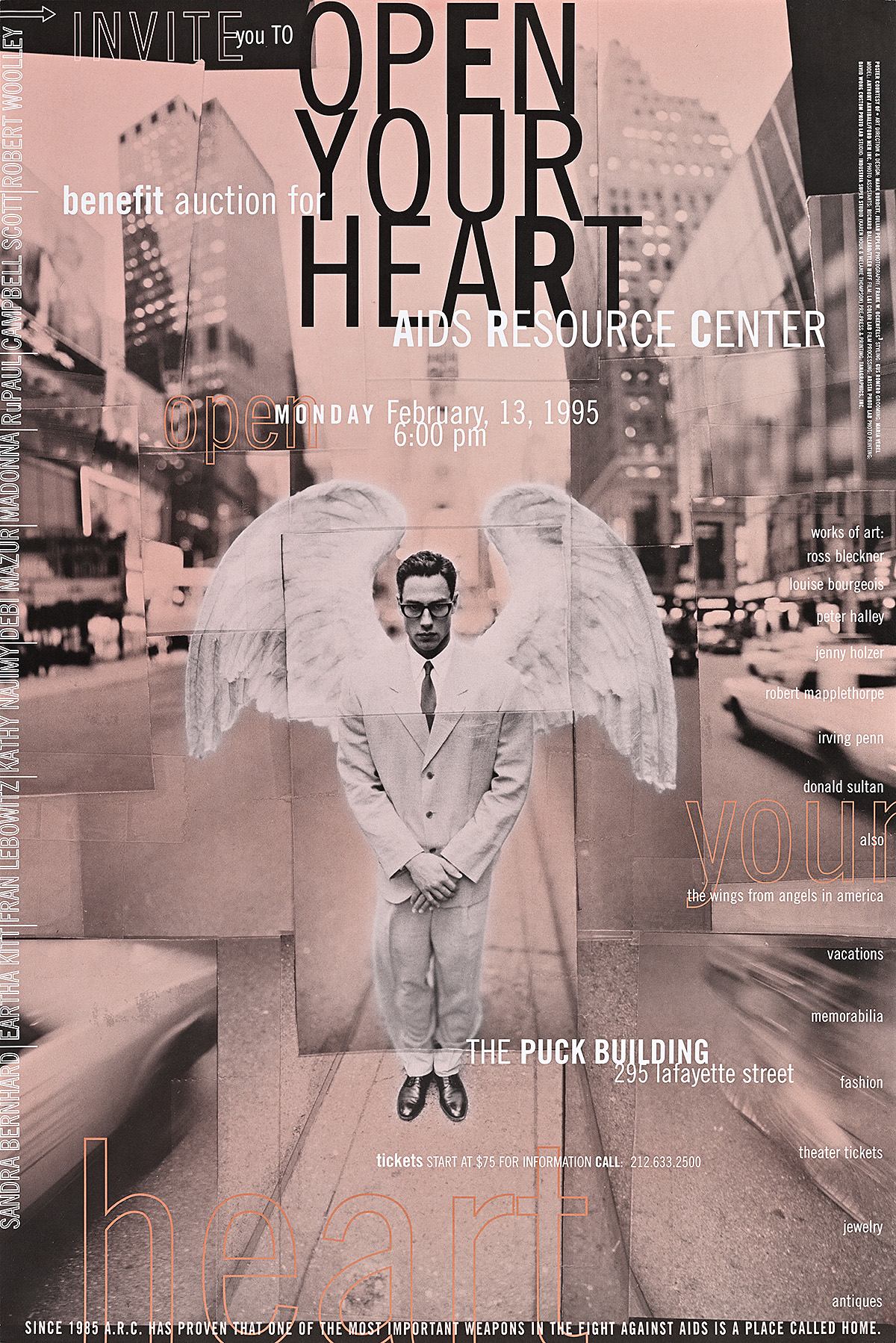
- February 1988 Broadway Cares is established by members of The Producers’ Group to raise funds for AIDS-related causes as arts and fashion professionals join the movement.
- 1989 AIDS becomes the leading cause of death among young men in New York City and the cumulative death toll surpasses 19,494.
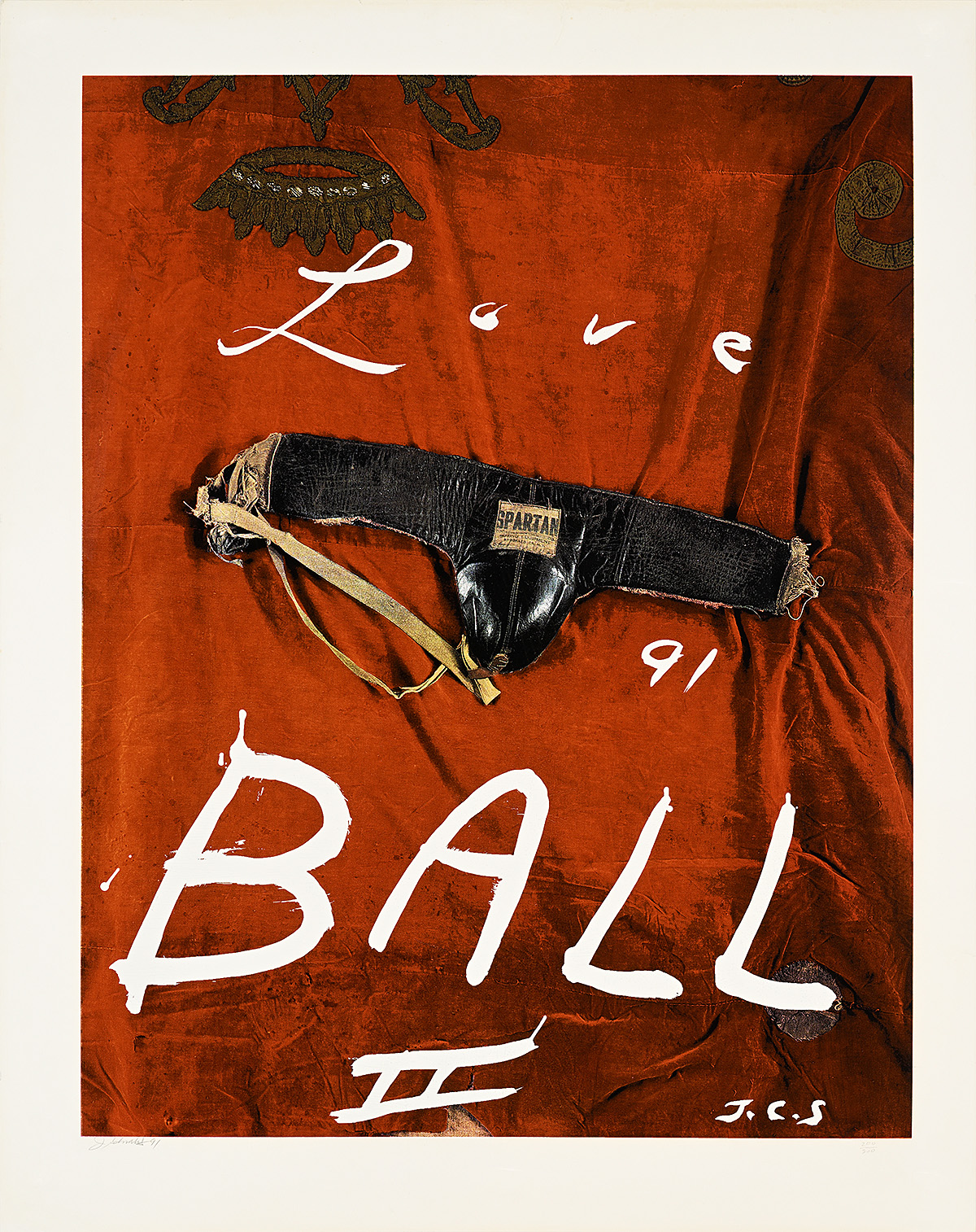
- May 1989 “Queen of the Night” Susanne Bartsch inaugurates her first Love Ball at the Roseland Ballroom in New York City, rallying the fashion community to raise $400,000 for those affected by AIDS.
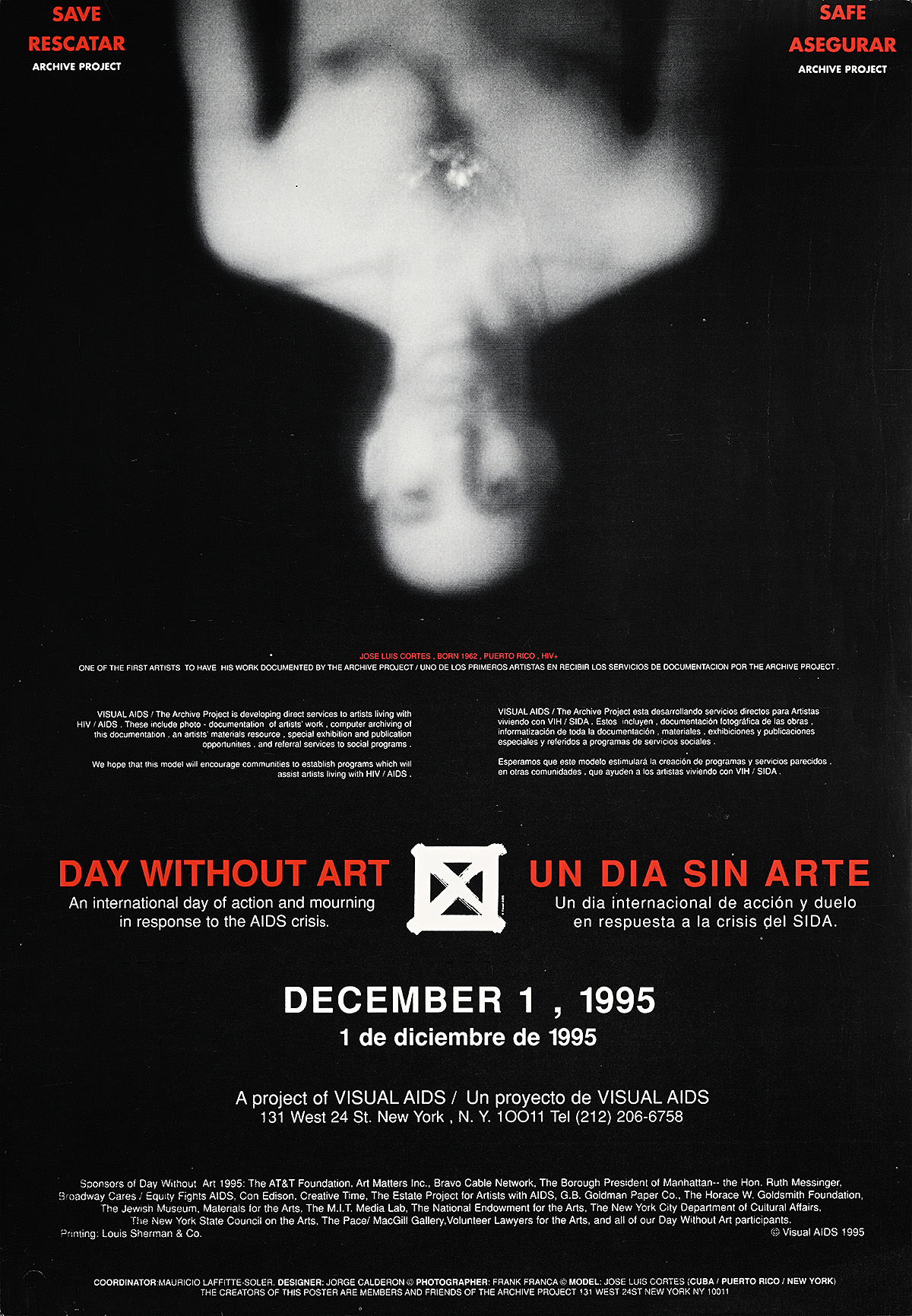
- December 1, 1989 Visual AIDS, founded in 1988, launches its Day Without Art as “a day of action and mourning” to honor artists lost to the disease. By this time, more than 19,000 New Yorkers have died of AIDS. Angry activists take over city walls with their posters and flyers, demanding drug access and forcing AIDS onto the national agenda.
- 1992 By now, more than 35,000 people have died of AIDS in New York City. The epidemic crosses racial, gender, and economic lines, yet services remain unevenly distributed.
- 1993–95 The epidemic peaks.
- January 1993 After years of activism, the CDC finally expands its definition of AIDS to include conditions affecting women—such as cervical cancer—following pressure from ACT UP’s Women’s Caucus and Women’s Health Action and Mobilization (WHAM!).
- 1993 Internal tensions over race, gender, and strategy lead to declining participation in ACT UP/New York as members debate the future of direct-action organizing in the epidemic’s second decade.
Housing Works, founded by former ACT UP members, escalates legal and activist efforts to secure housing for low-income New Yorkers living with HIV/AIDS. - December 1994 By the end of this year alone, more than 7,000 New Yorkers have died from AIDS-related causes.
- June 1995 The U.S. Food and Drug Administration approves the first protease inhibitor, signalling the beginning of a new era of highly active antiretroviral therapy (HAART).
- 1996–99 Effective antiretroviral therapies become widely available. Deaths begin to decline—but unevenly. Inequities in access, especially across race and class, remain stark. Community organizations shift their work from crisis response to long-term care and survival. By 1999, there are more than 123,000 cumulative AIDS diagnoses in New York City and nearly 78,000 New Yorkers have died from AIDS-related causes.
“Epidemics do not announce themselves but enter on the cat’s paw.”—Ronald Bayer & Gerald M. Oppenheimer, AIDS Doctors
New York Responds to AIDS: Love, Action, & the Power of Posters
During the late 1970s and early 1980s, clusters of rare illnesses—Kaposi’s sarcoma, Pneumocystis pneumonia—began appearing among young, otherwise healthy gay men in New York, Los Angeles, and San Francisco, as well as among injection-drug users. Doctors, activists, and those affected noticed before public health authorities that this new disease manifested in unusual ways, often looking like the late stages of unrelated illnesses.
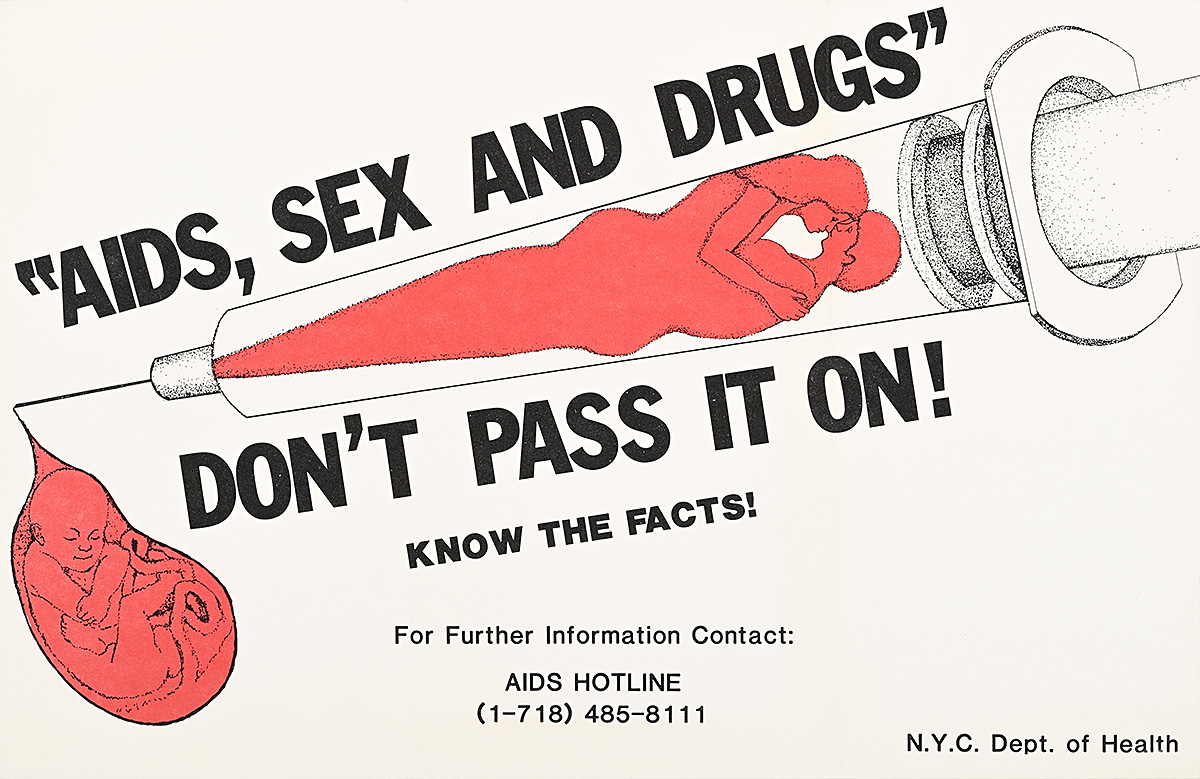
At the time, homosexuality was still criminalized in much of the United States. In 1986, Bowers v. Hardwick challenged this at the federal level; however, the Supreme Court ultimately upheld the constitutionality of state sodomy laws. This legal context shaped the risks people took simply by gathering in clubs, bars, and bathhouses—spaces that were not only social and erotic havens but also sites of potential surveillance, police raids, and arrest. These dangers made the early community response to AIDS even more courageous: people fought to protect and care for each other under the constant threat of legal persecution. Posters from this period reflect both defiance and vulnerability, created by communities that had long been criminalized for their very existence. At the same time, activists were engaging in harm-reduction methods such as needle exchange to reduce transmission among people who injected drugs.
Initial confusion around this illness was compounded by stigma: early names like GRID (Gay-Related Immune Deficiency) framed the epidemic through homophobia. In communities of injection-drug users, what came to be known as HIV/AIDS was called “the dwindles” or “Rikers Island adenopathy.” In 1982, the CDC officially named the syndrome AIDS (Acquired Immune Deficiency Syndrome). As the death toll mounted, New Yorkers organized in the absence of a state response, publishing community bulletins and launching the first self-determined care and advocacy programs.
When AIDS hit New York as early as the late 1970s, posters spoke where institutions stayed silent. In a city wired for visual competition—crowded streets, subway ads, nightclub flyers—posters became lifelines. They appeared in all five boroughs, from bathhouses in the Bronx to beauty salons in Brooklyn, from Staten Island health centers to Queens Pride events and Manhattan street corners. They helped people to find clinics, mourn the dead, demand justice, and fight for the living.
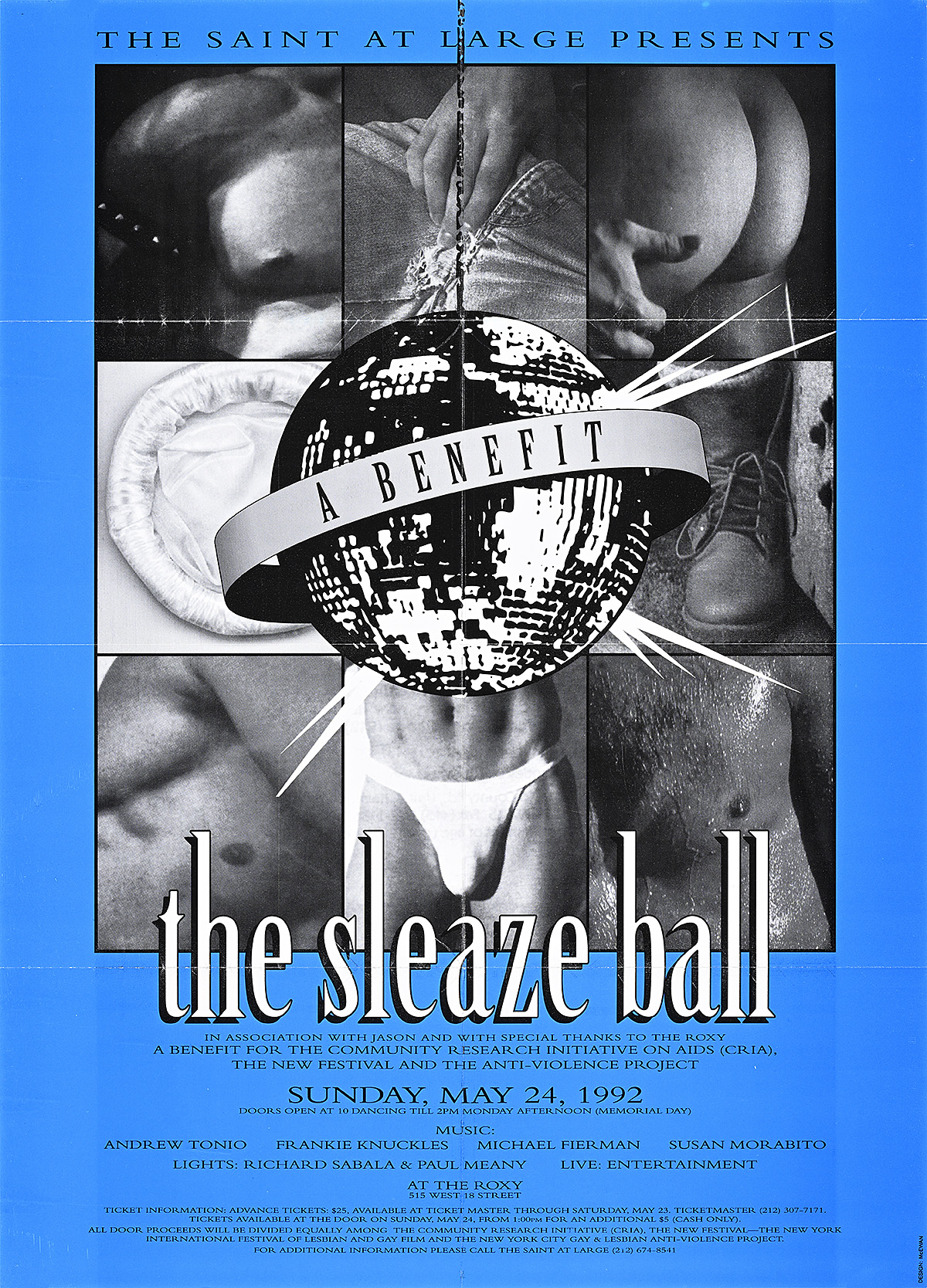
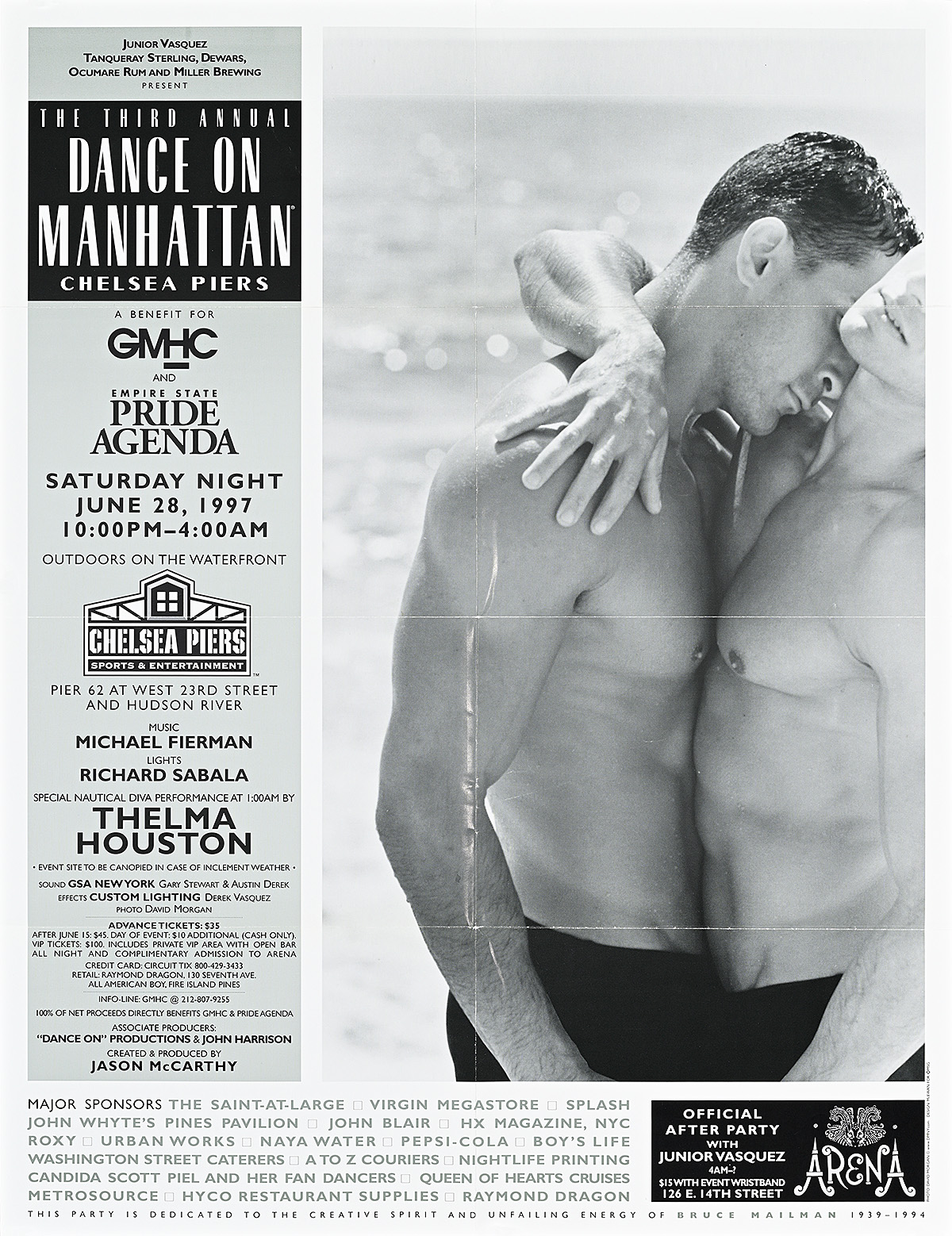
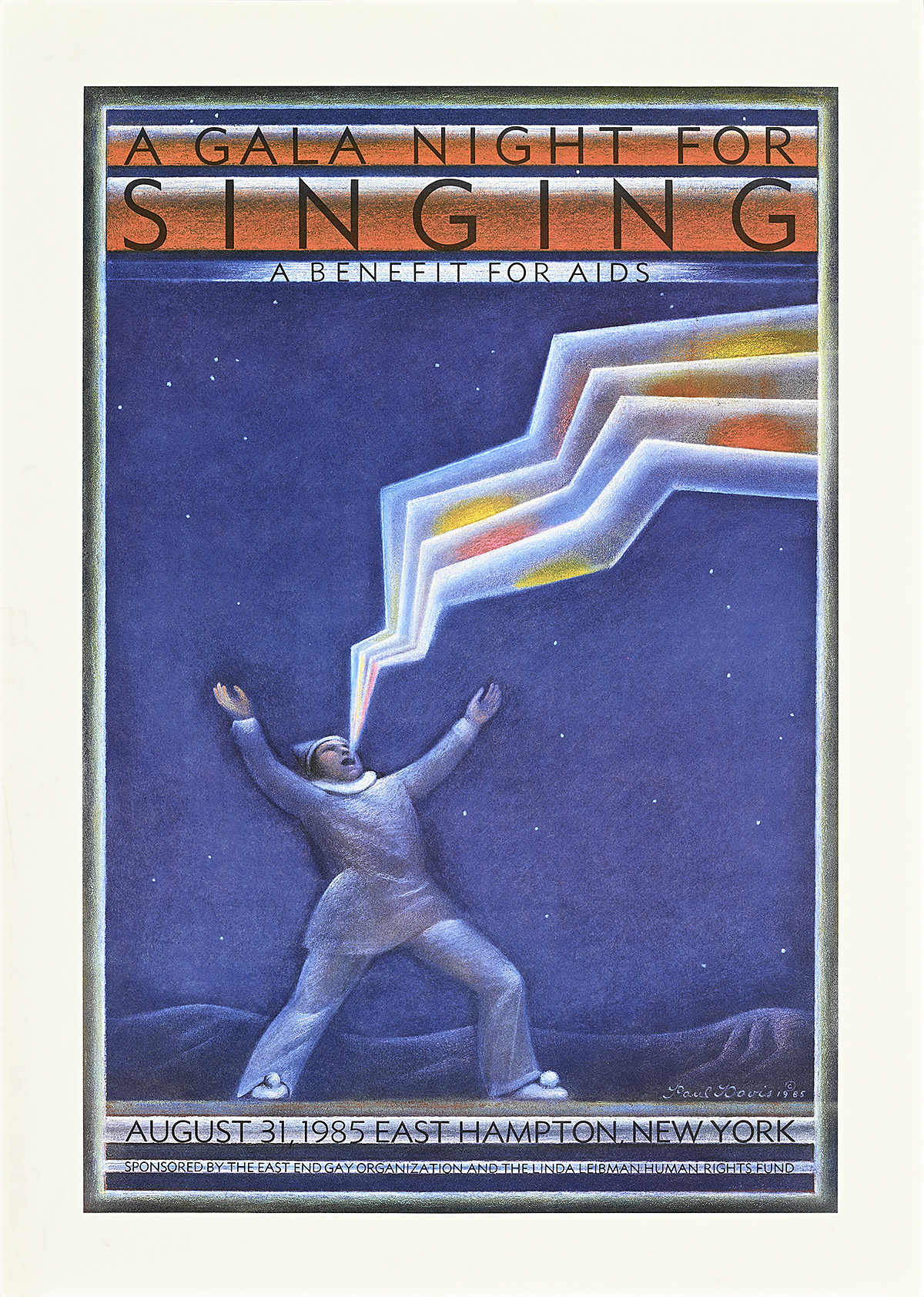
This exhibition explores how graphic design shaped New York’s grassroots response to AIDS between 1979 and 1999. Public health campaigns, agitprop, benefit flyers, and club handbills document more than messages—they map how communities built survival systems from the ground up, often before the state was willing to act.
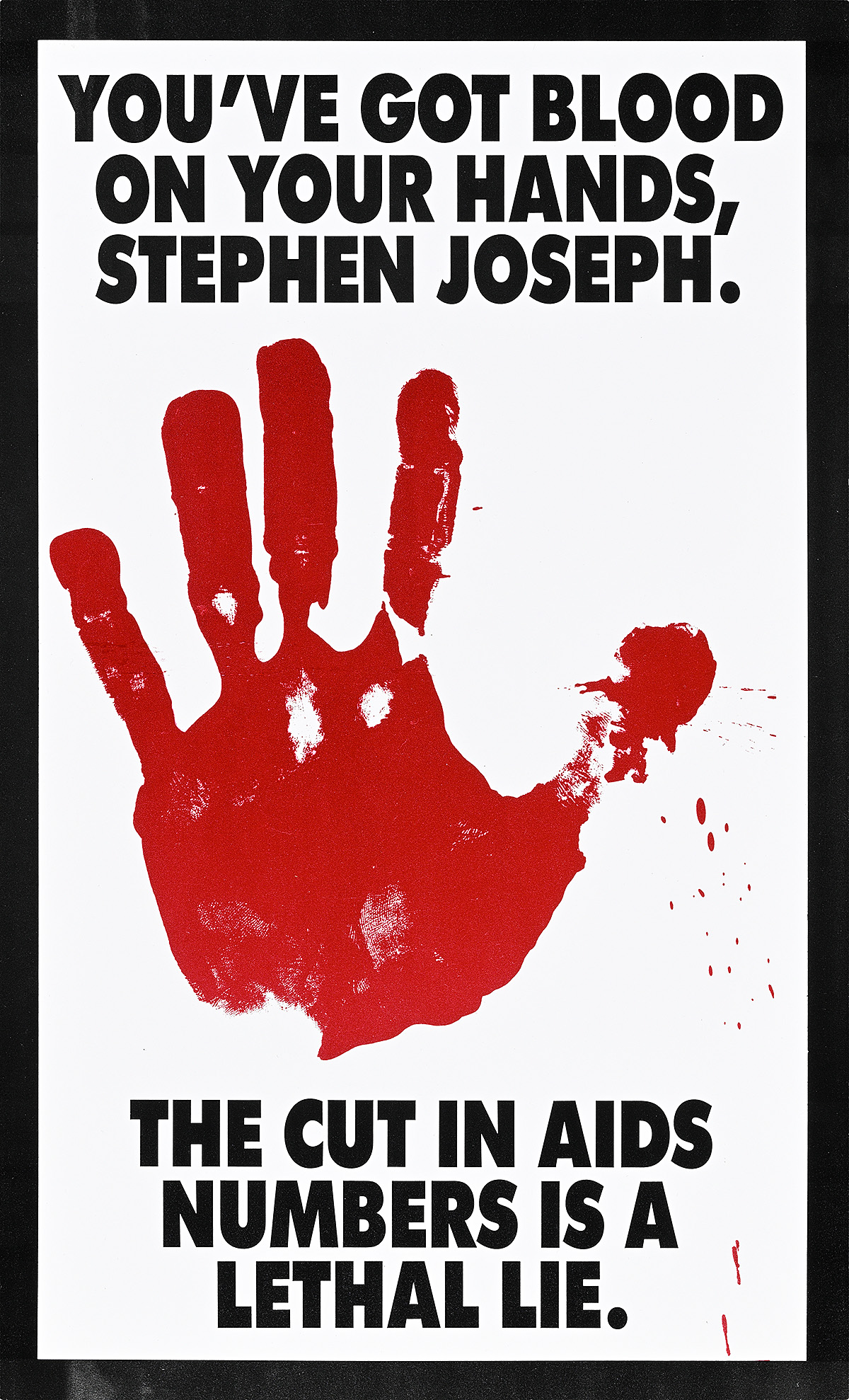
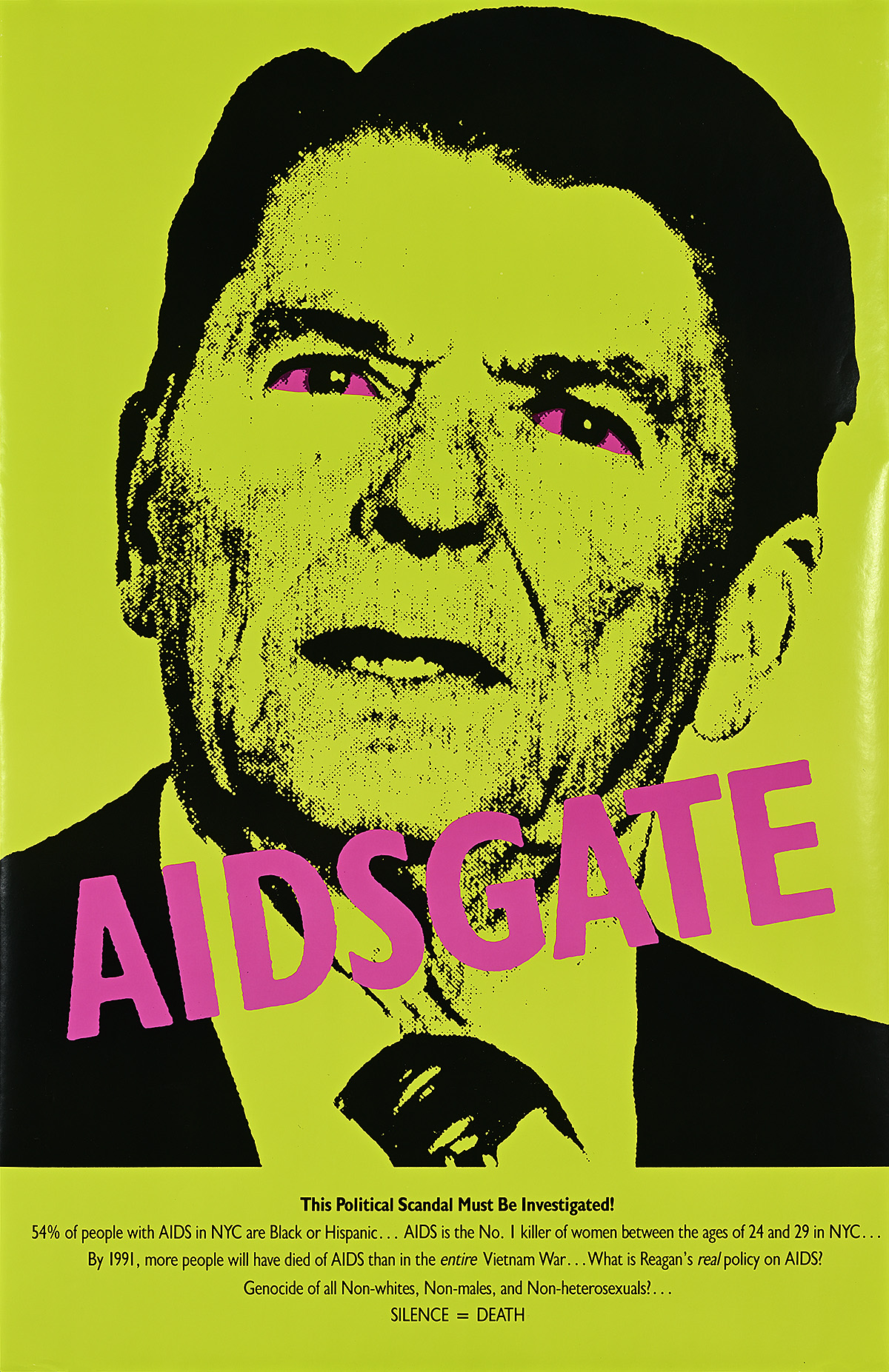
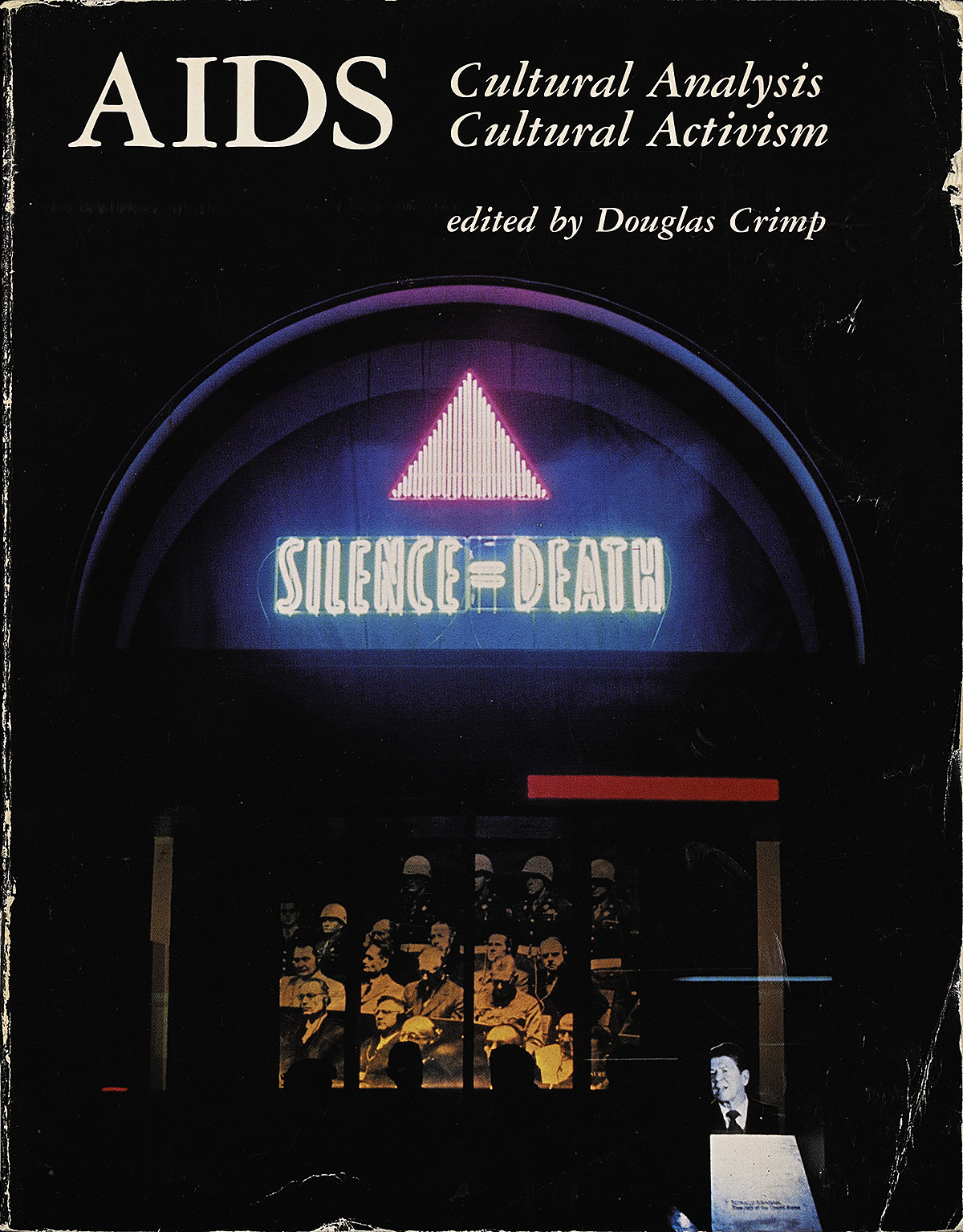
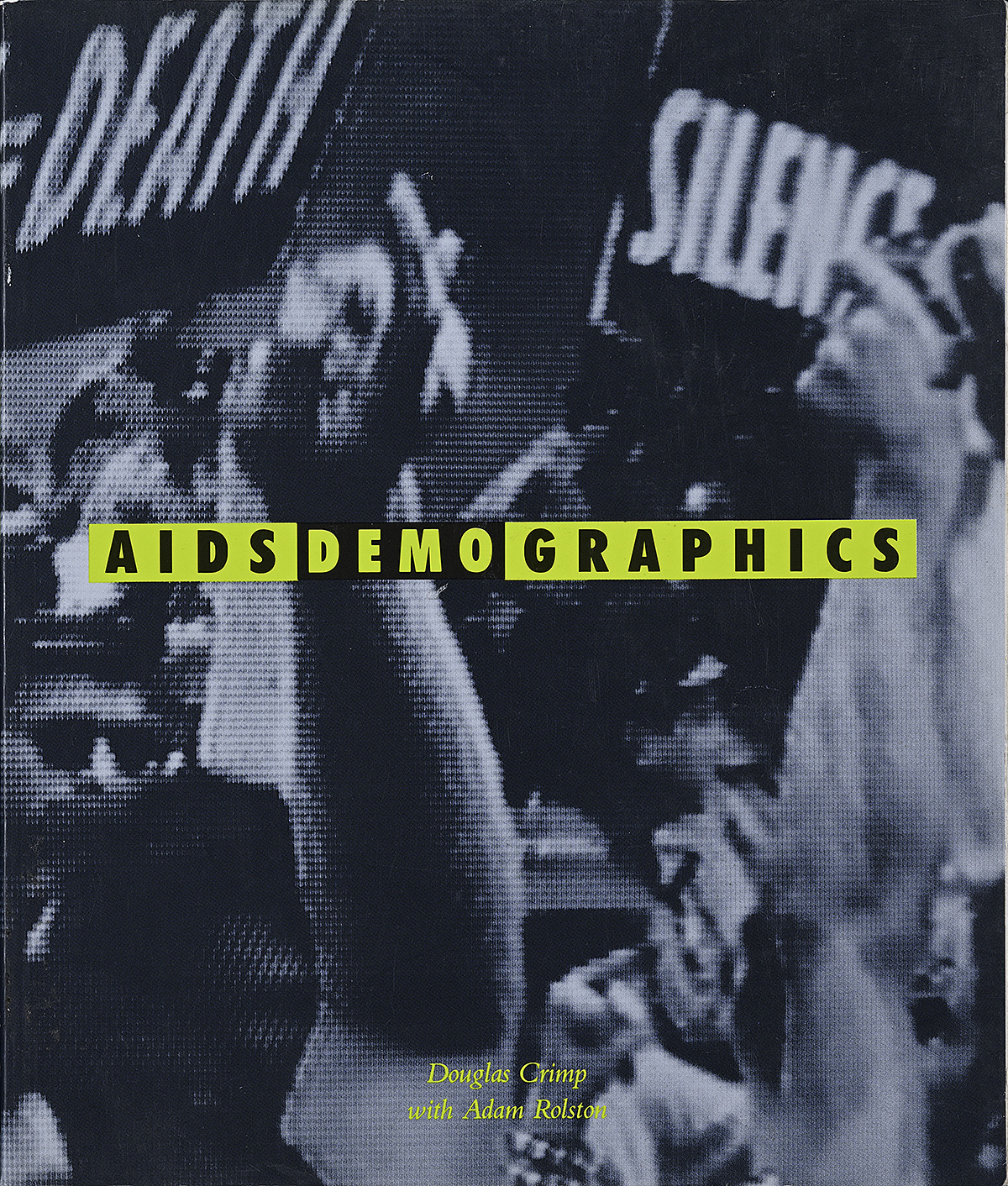
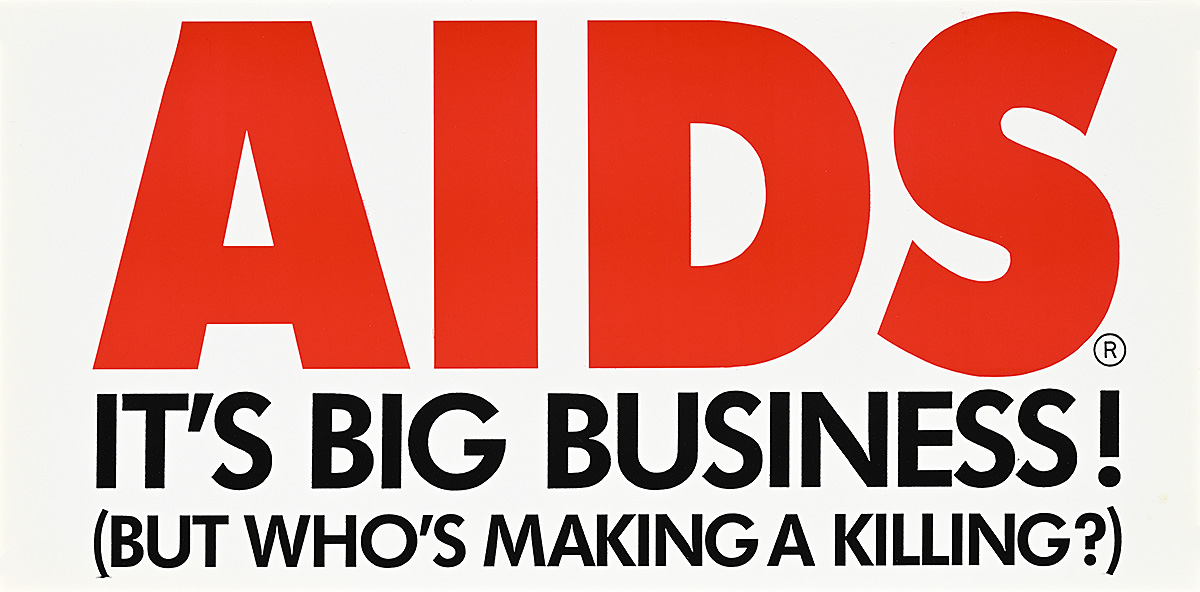
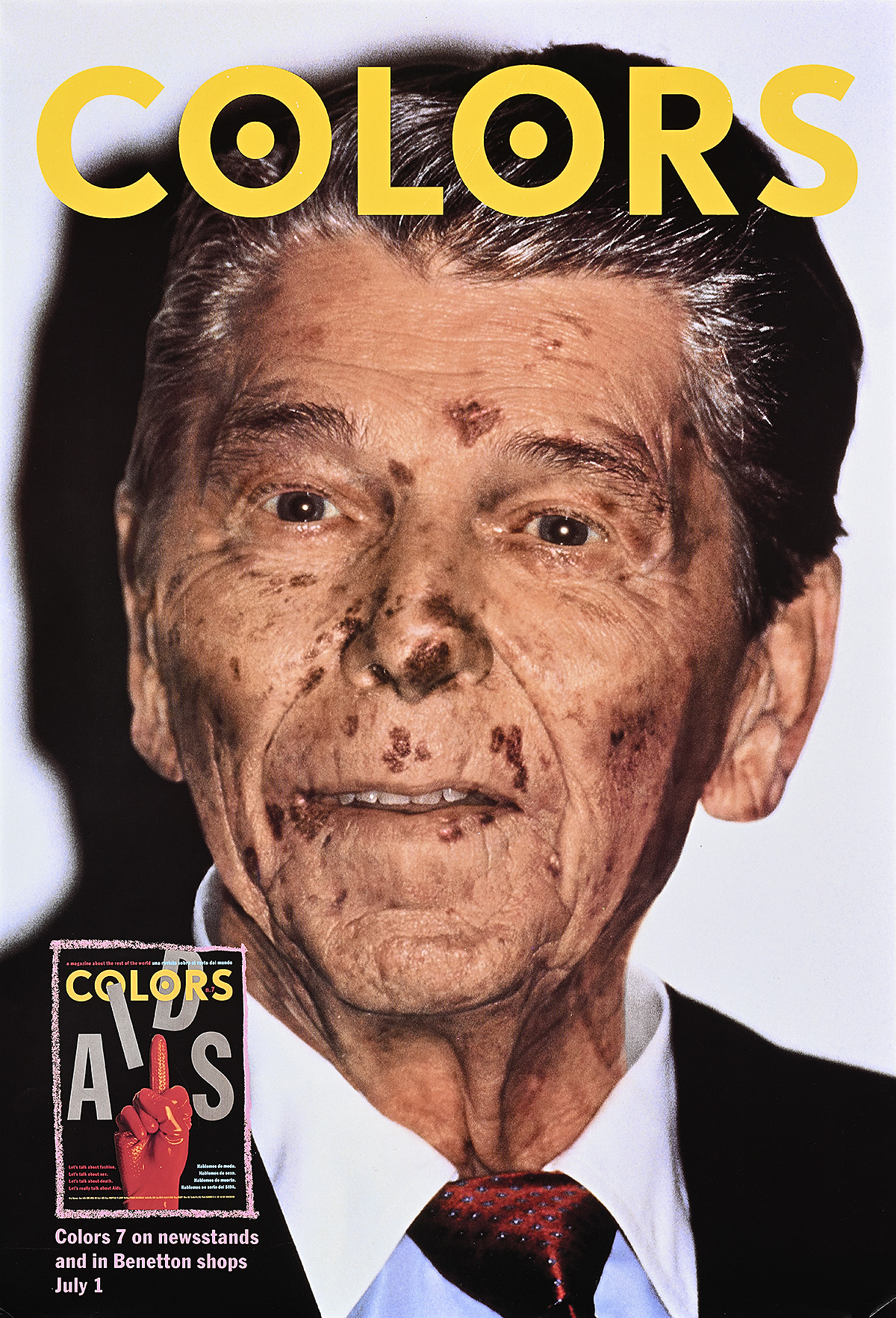
These posters were not ornamental. They served as a communications infrastructure: maps to clinics, calls to protest, love letters, and warnings. They made an invisible epidemic visible, and they did more than express grief—they organized. As scholar Douglas Crimp has written in his book Melancholia and Moralism, AIDS demanded both “mourning and militancy.” These posters ask viewers to see the epidemic not only as a public health crisis but also as a fight over who is seen, who is heard, and who is allowed to live. While posters were a medium for reflecting an experience, they were also intended to affirm and secure life itself.
Please note that this exhibition contains visual and written references to sexual situations and drug use.
Unless otherwise noted, all posters in this exhibition are part of the Poster House Permanent Collection.
Whenever feasible, Poster House reuses materials from previous shows to drive sustainable practice.
Large text, Spanish translation, and a Plain language summary are available via the QR code and at the Info Desk.
El texto con letra grande, la traducción al español y un resumen en lectura fácil están disponibles a través del código QR y en atención al público.
A Response Born in Crisis
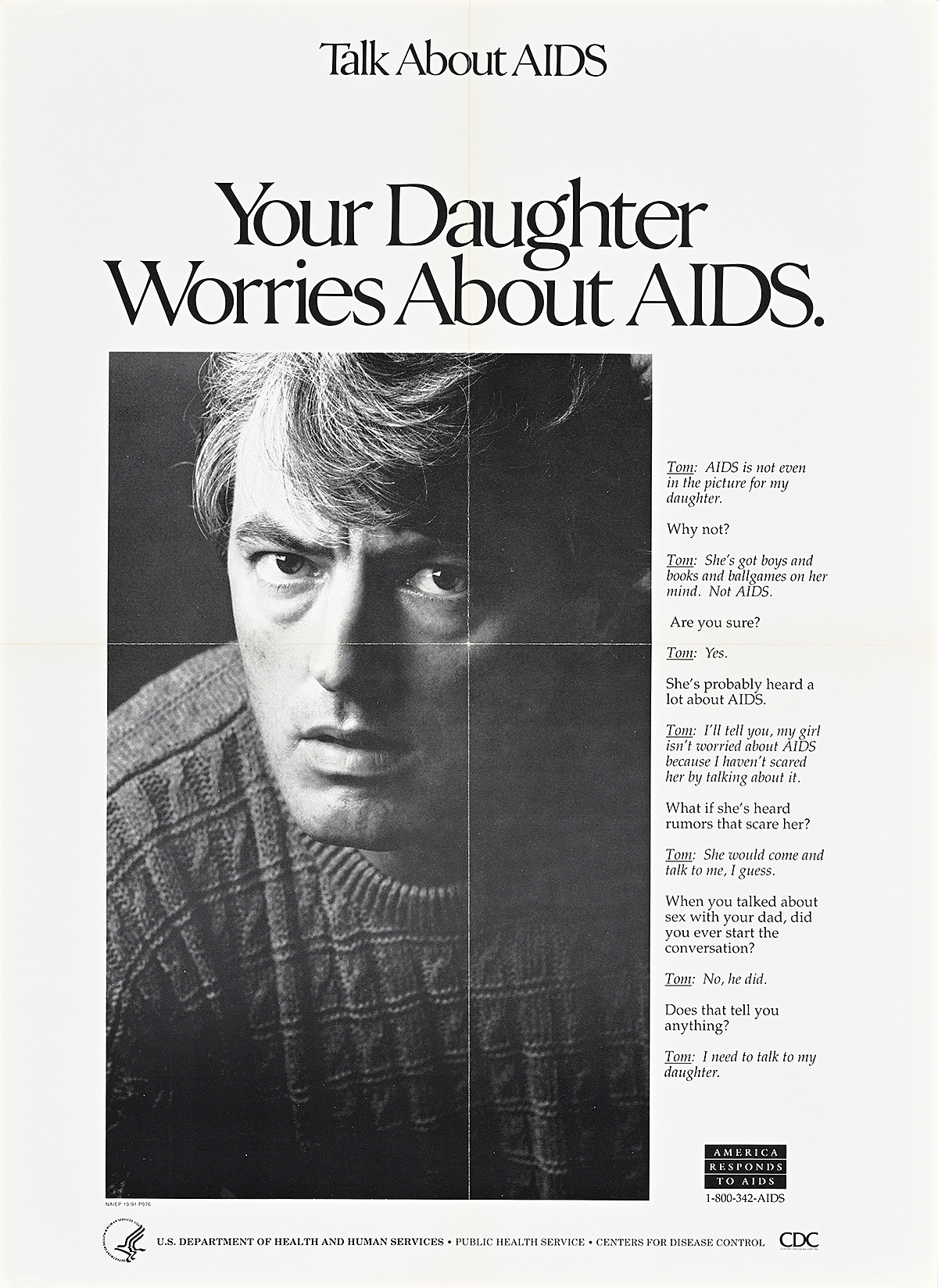
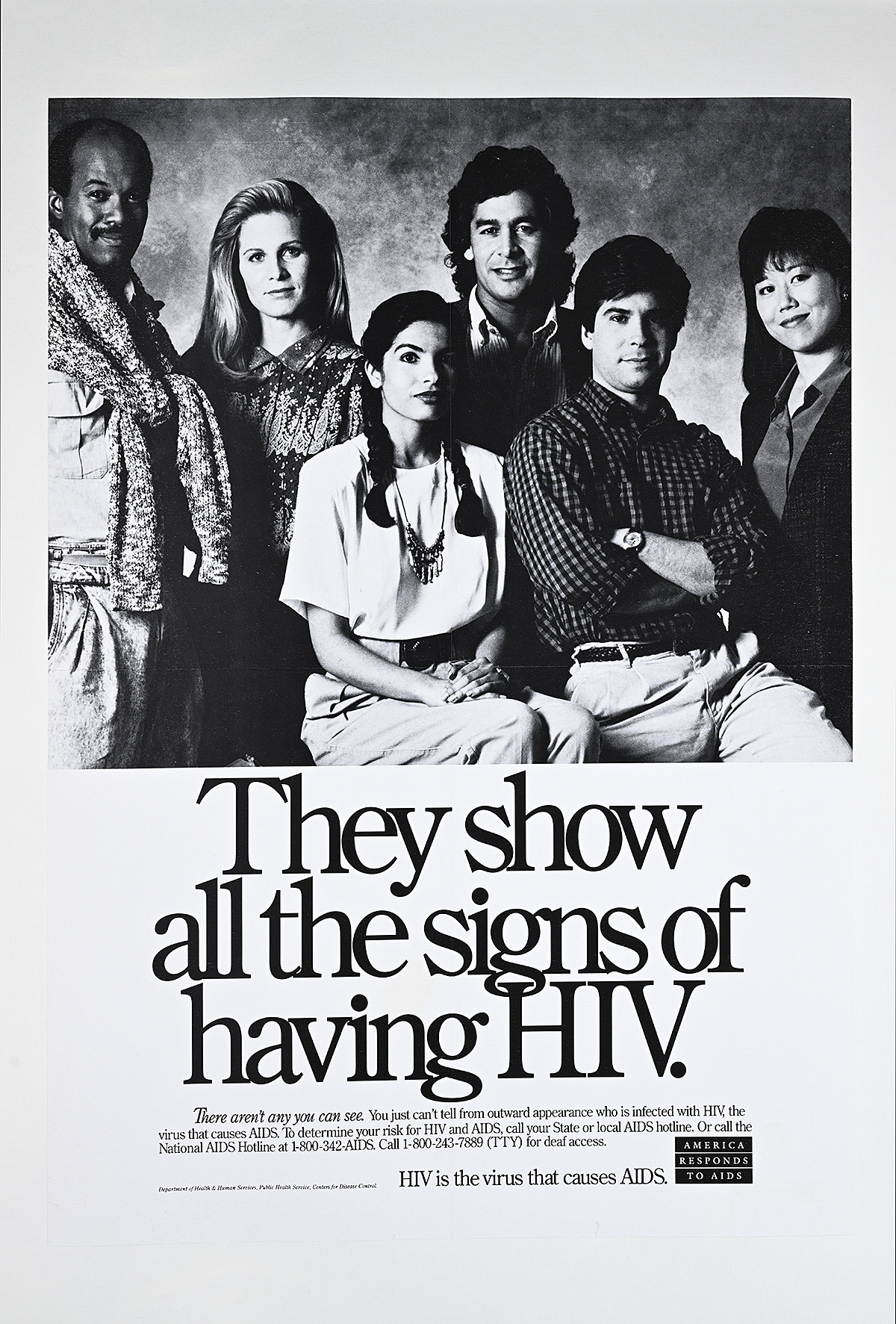
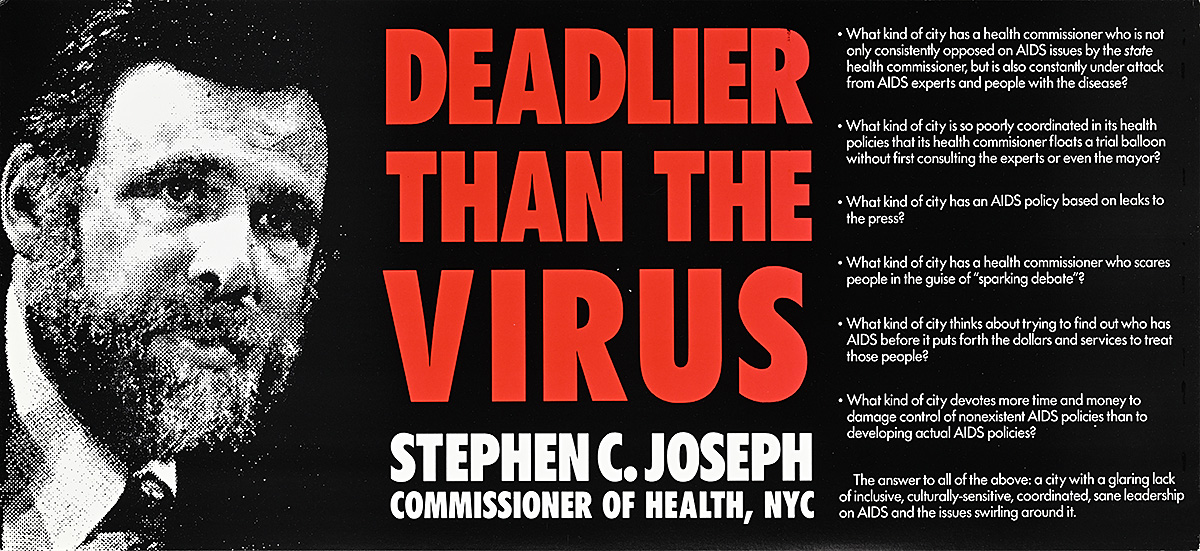
At the start of the AIDS crisis, fear spread quickly—but official help was painfully slow to arrive. Government agencies hesitated, public messaging misfired, and the mainstream media often ignored the growing death toll. In the absence of institutional support, grassroots networks in New York City stepped in.
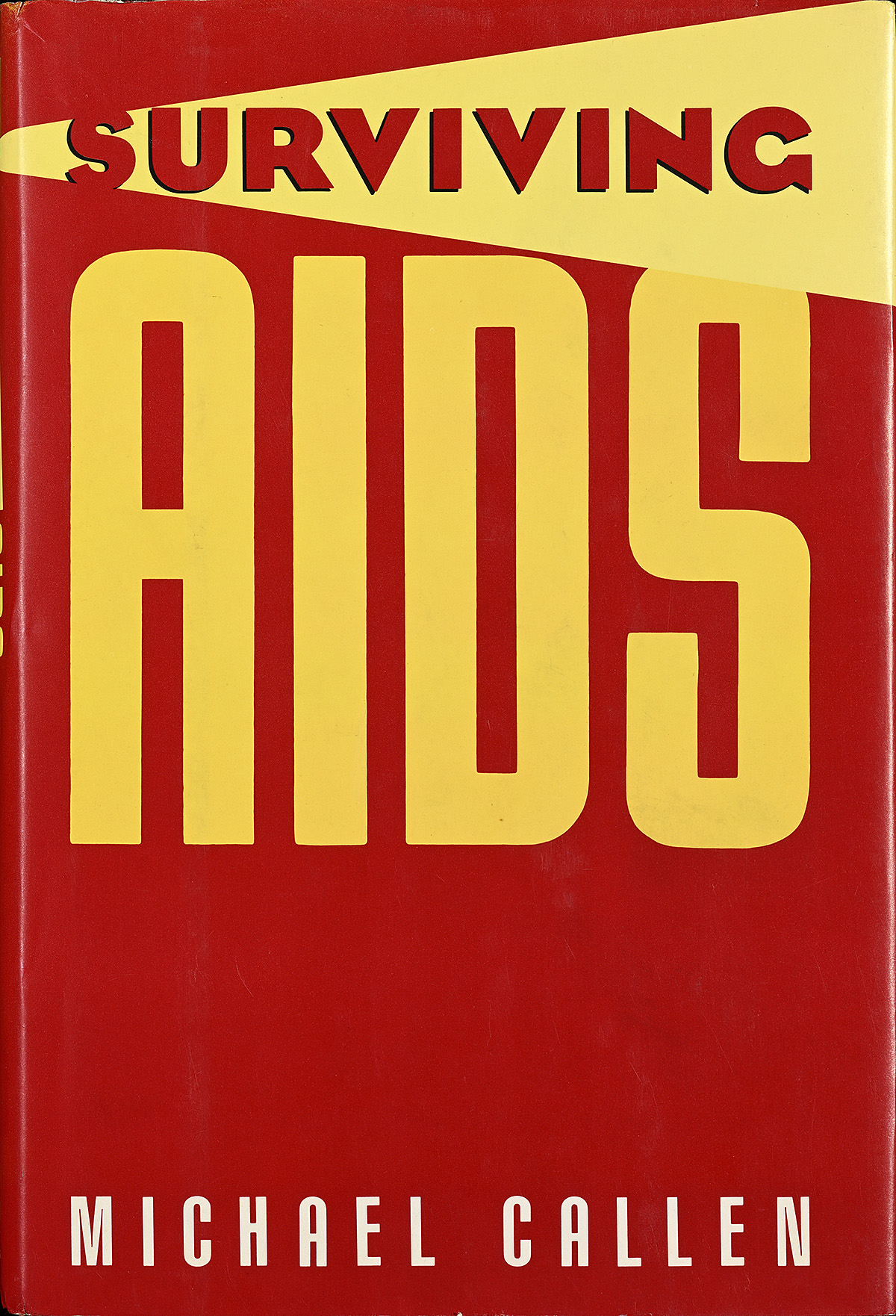
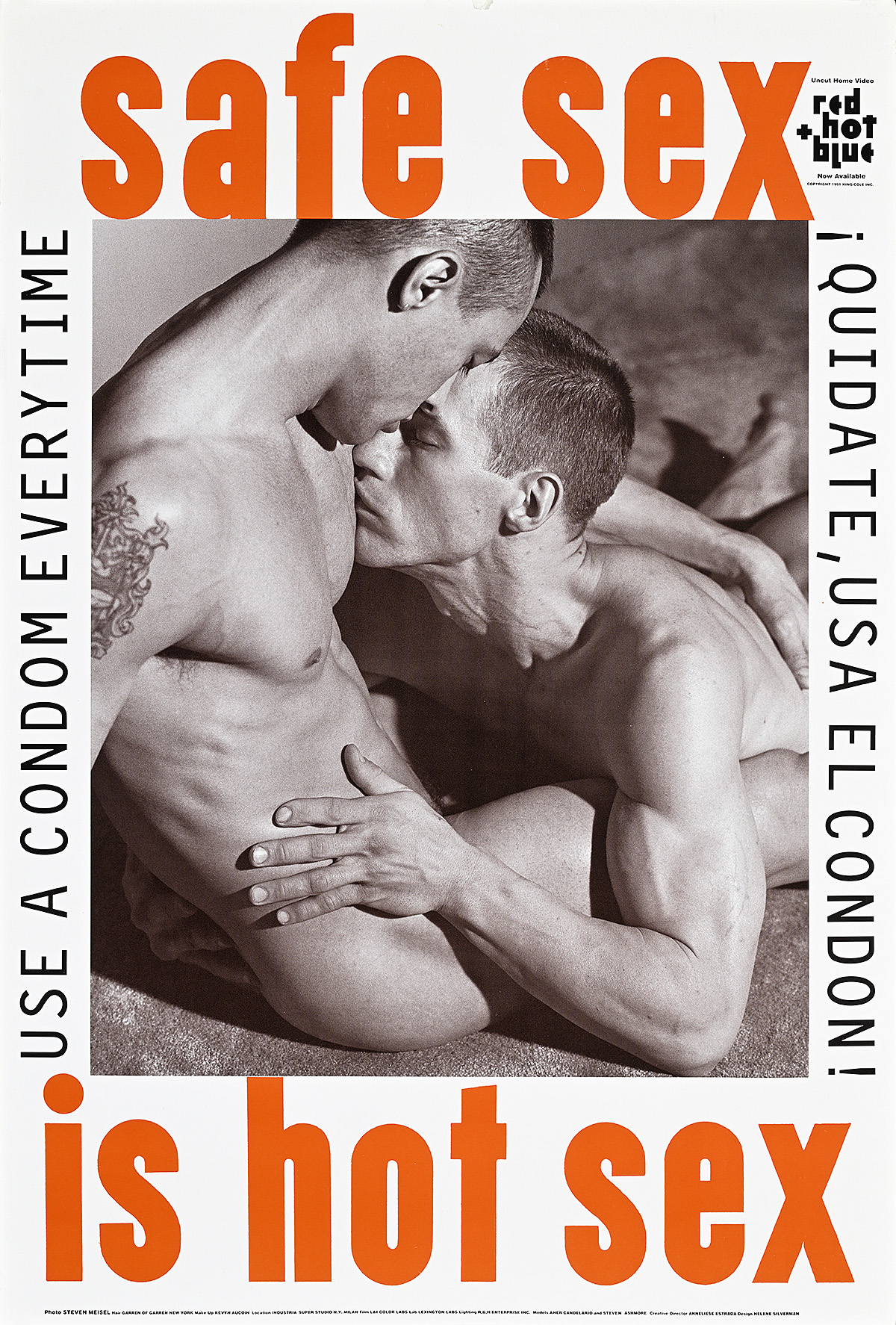
In 1983, activists Michael Callen and Richard Berkowitz published How to Have Sex in an Epidemic: One Approach, a groundbreaking guide rooted in care, frankness, and gay men’s sexual autonomy. Their message—that sex can be safe, loving, and joyful even under such circumstances—helped launch a new paradigm of prevention: safer sex. Written by two gay self-identified PWAs (person or people with AIDS), this publication embodied the community’s approach—nothing for us without us, gay men and PWAs alike.
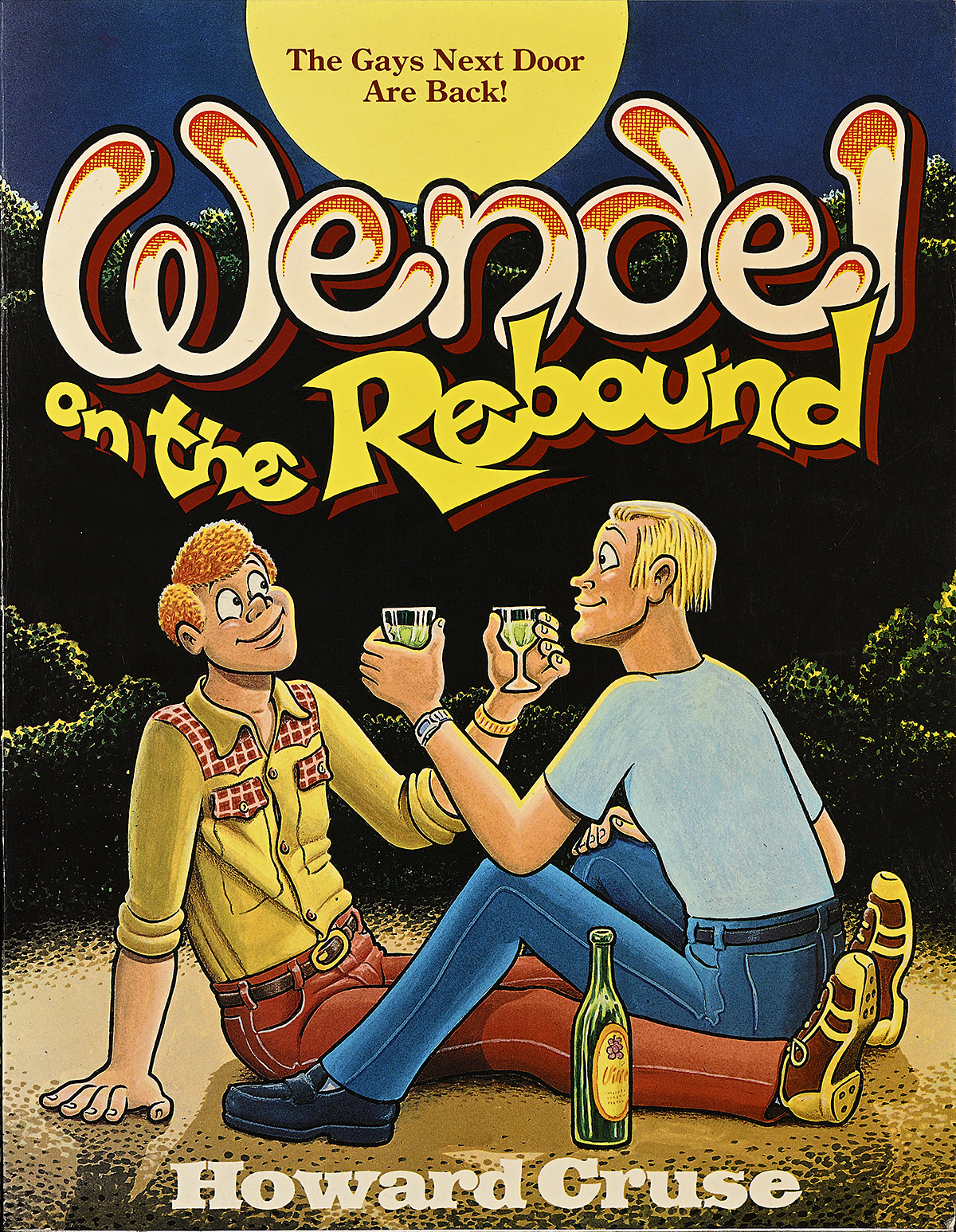
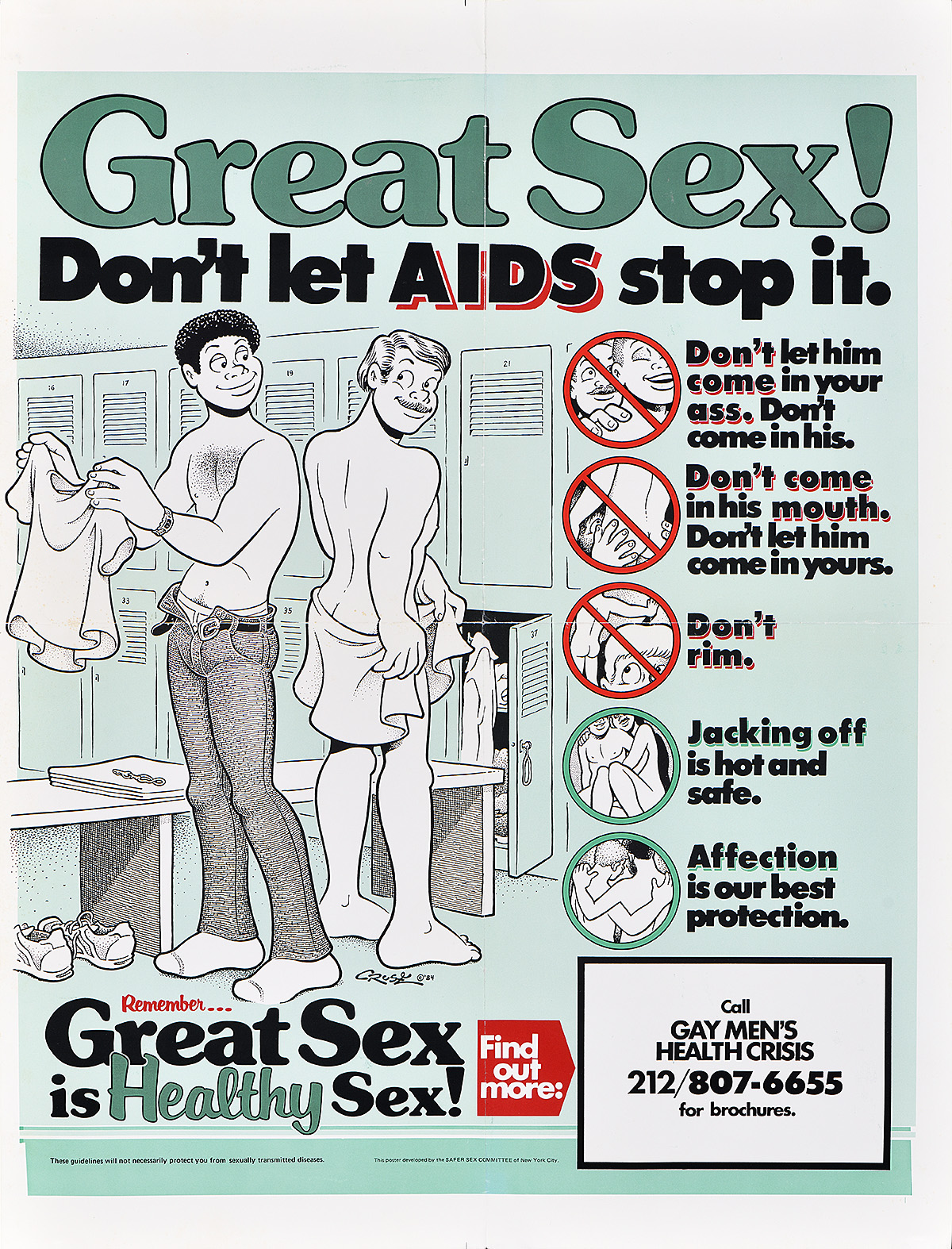
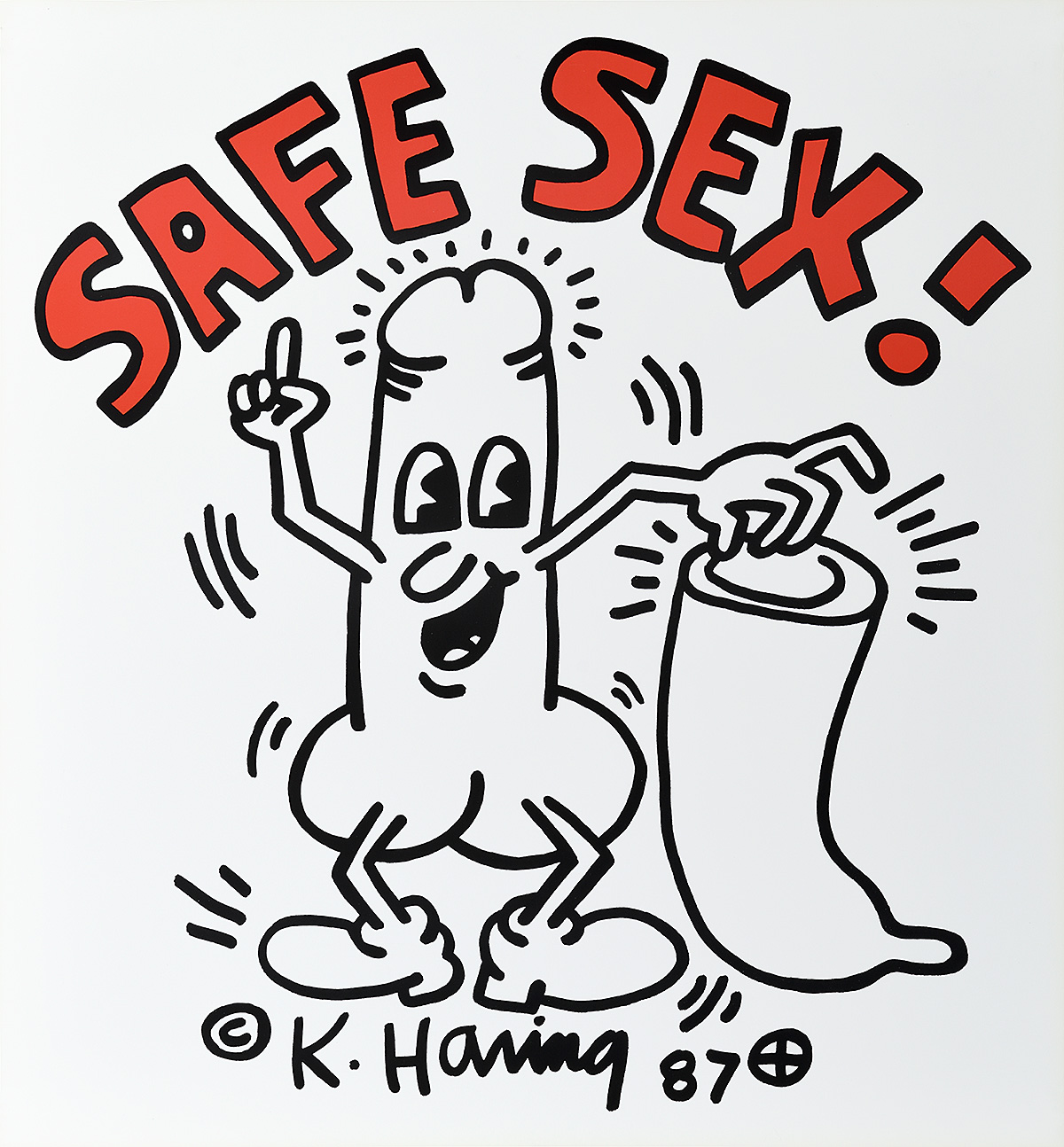
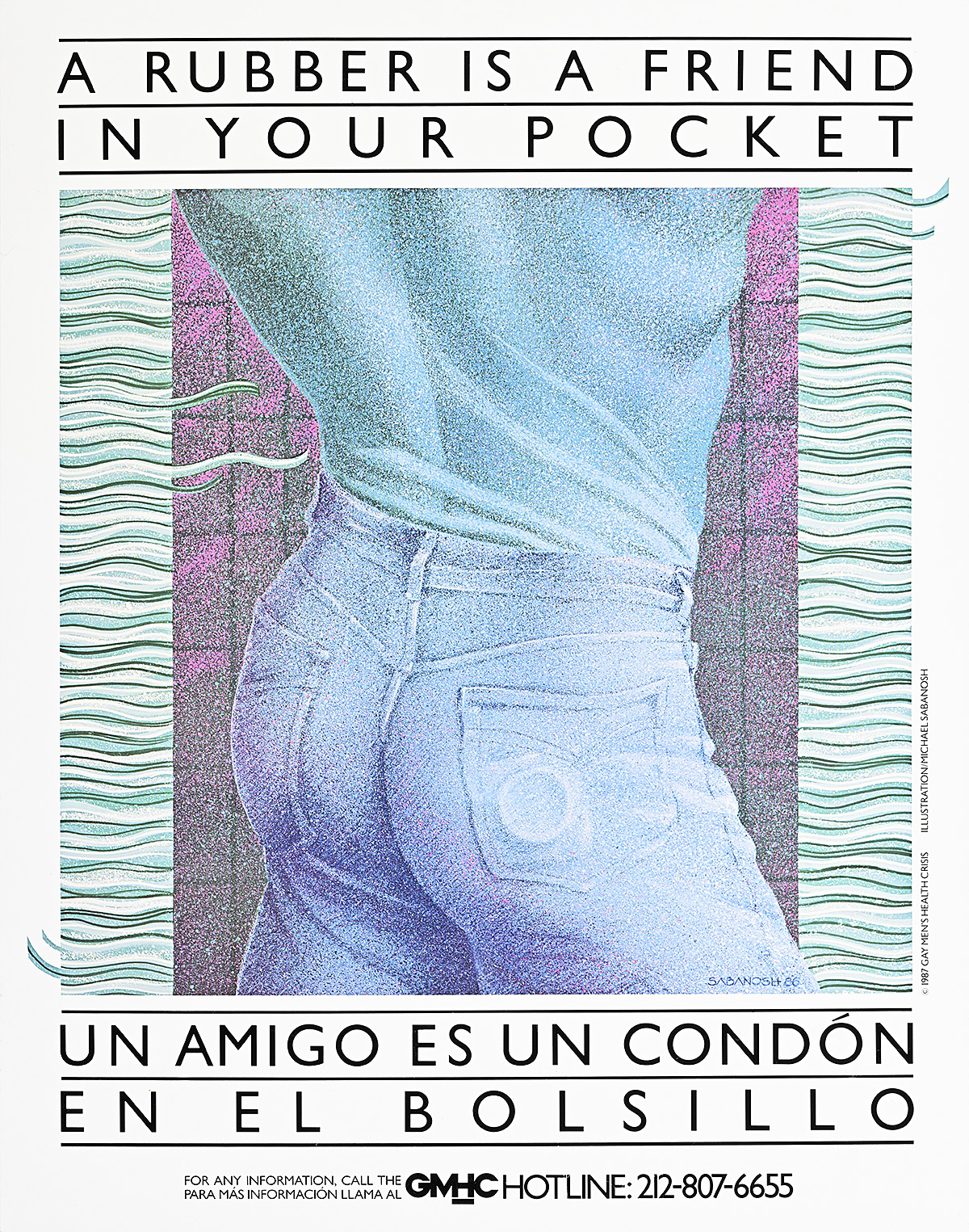
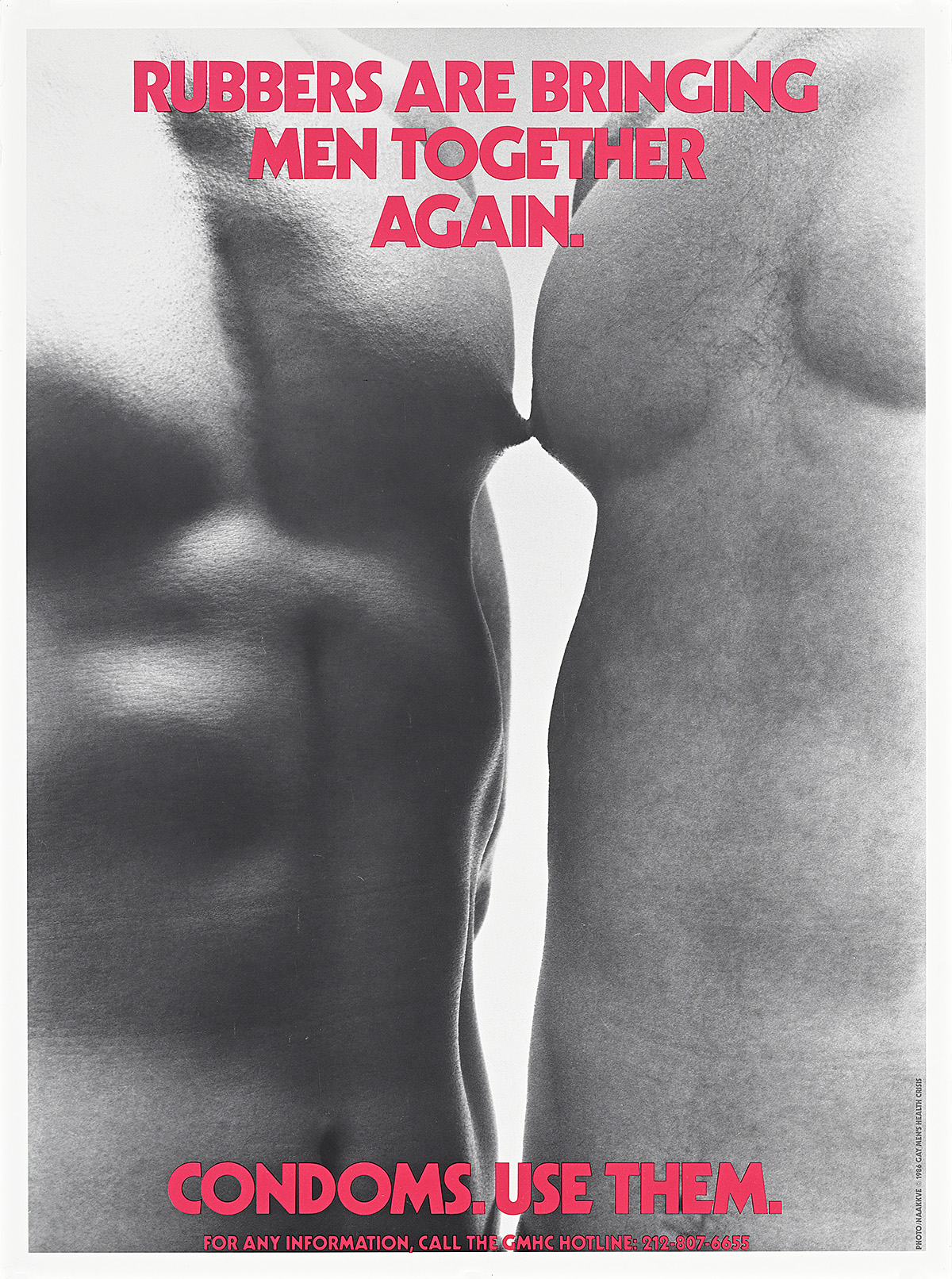
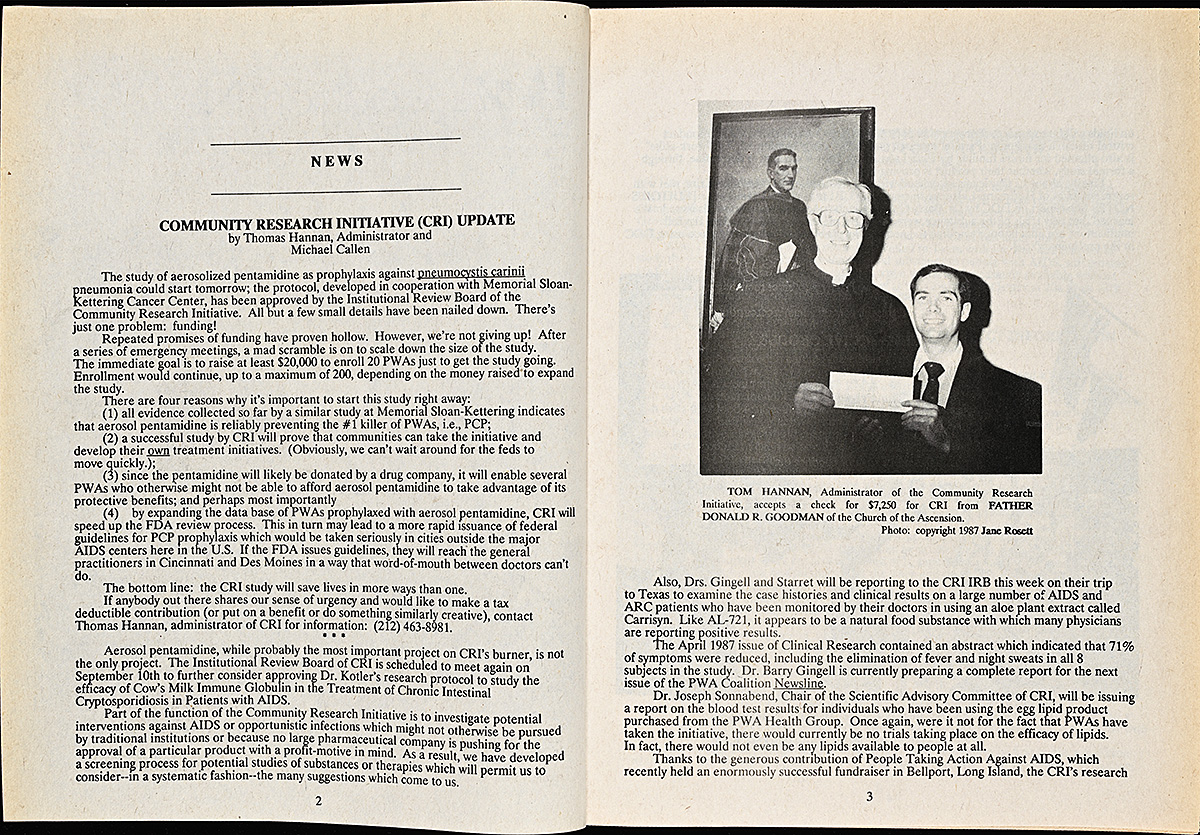
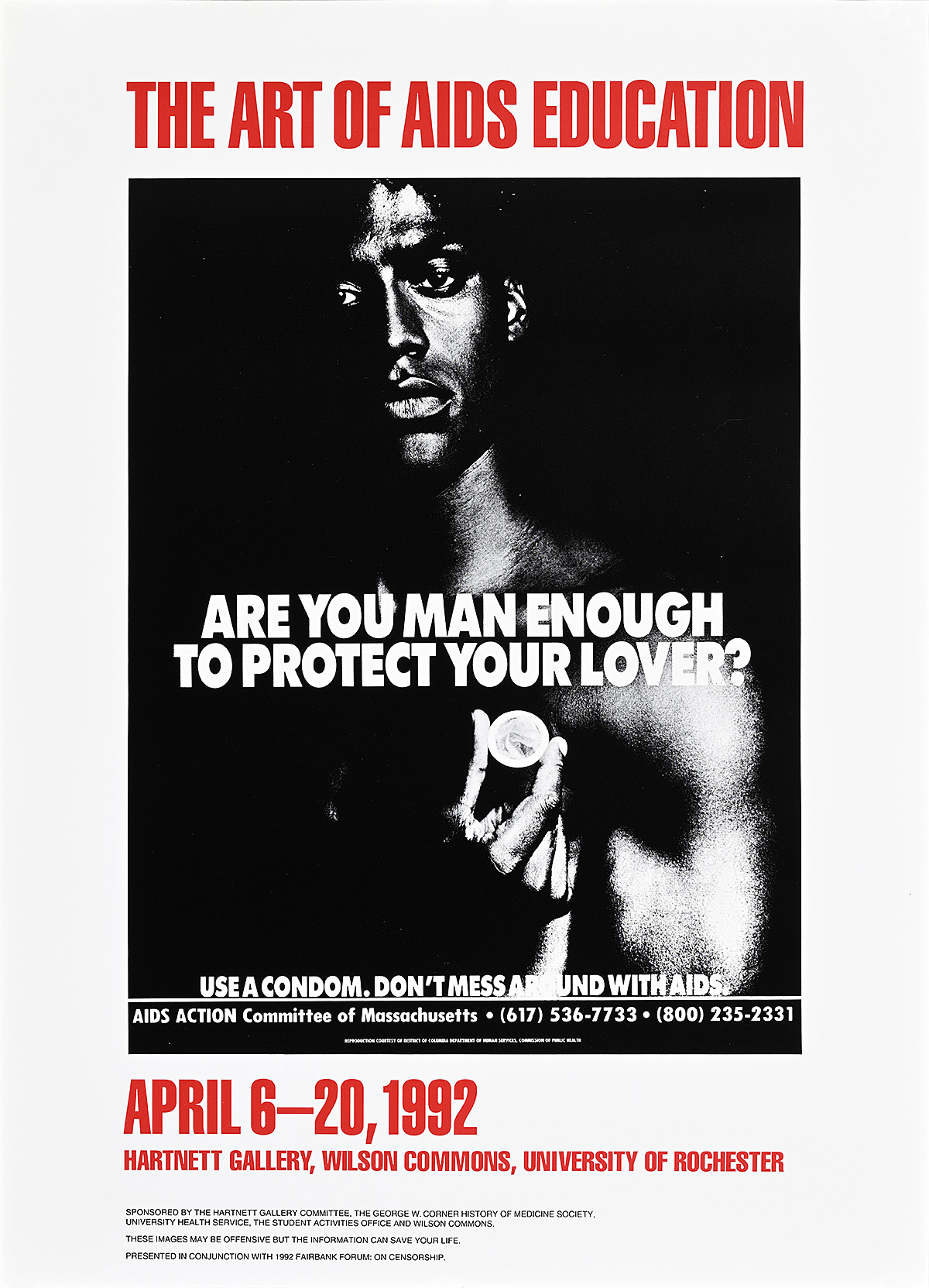
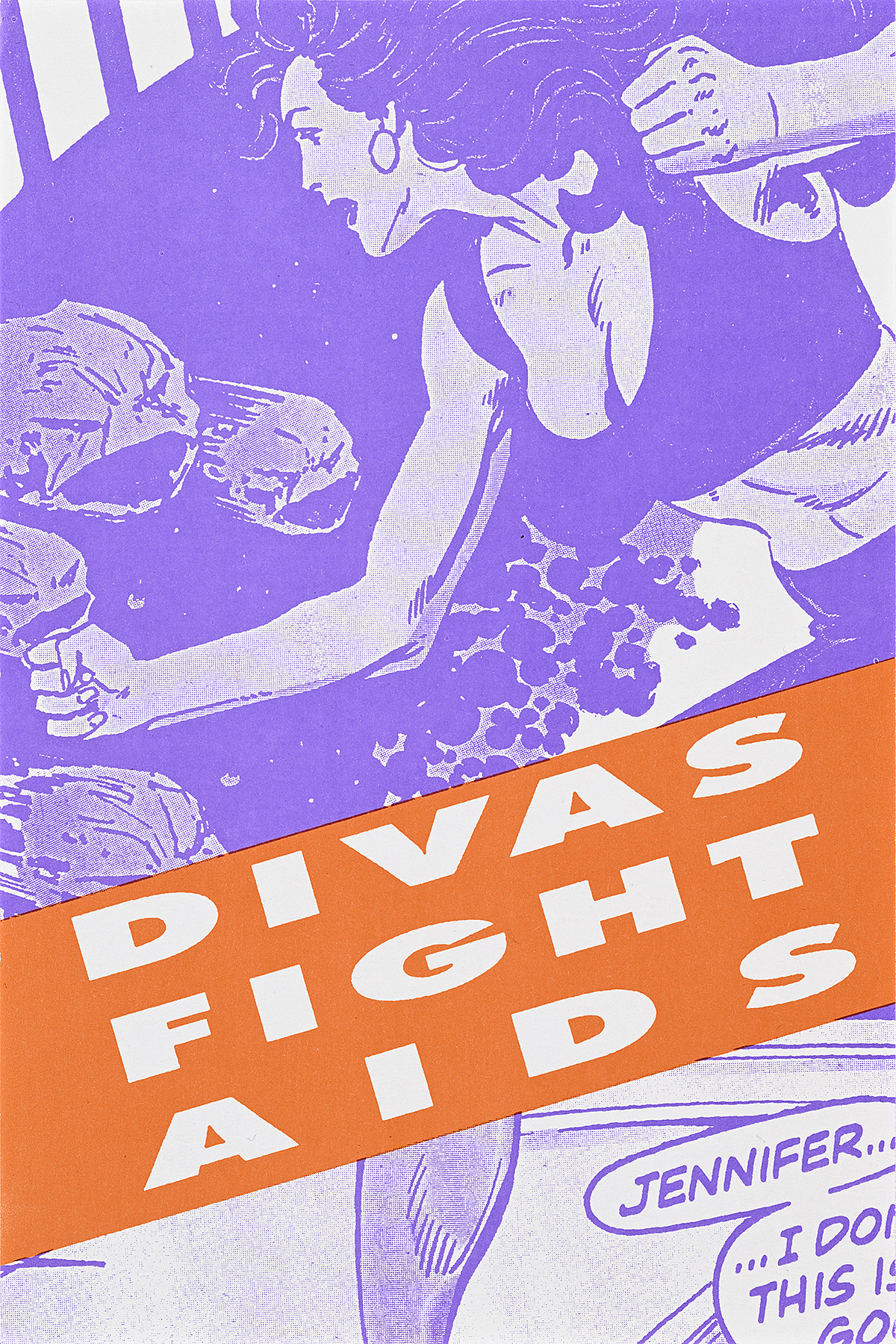
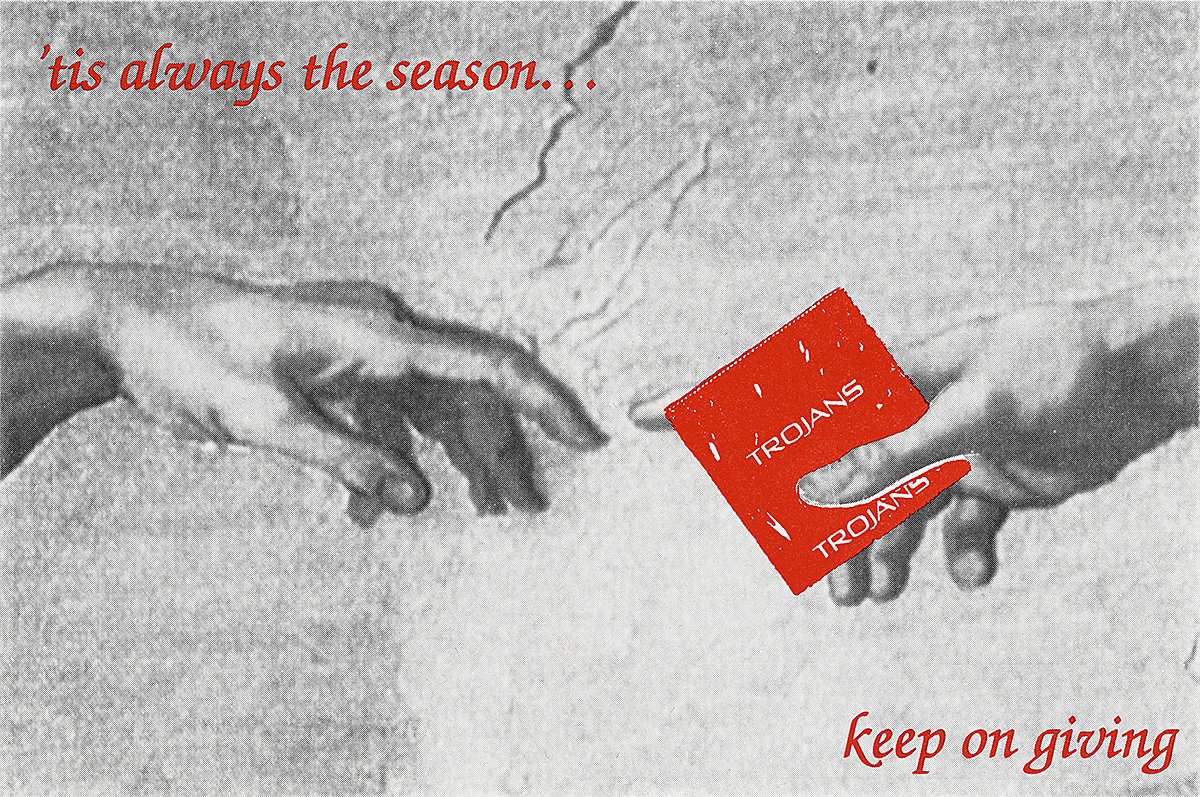
Like the safer sex guide, early AIDS posters did not look or sound like standard government health warnings but instead incorporated bold colors, bilingual text in English and Spanish, comic art, and vernacular language. Printed at community offset presses and distributed by hand in bookstores, bars, and clinics, these pieces were made by and for the people most affected by the AIDS crisis. Early organizers plastered the city with this new messaging.
Groups like Gay Men’s Health Crisis (GMHC) launched hotlines and counseling services out of apartments, offering support when hospitals would not. These early community-driven campaigns did not shame people—they educated them, empowering vulnerable populations with the tools to survive.
The posters in this section show how public health messaging can begin at the margins. They offer a blueprint for survival through design, courage, and collective care. When the government failed to respond to the epidemic, the community stepped up and did the work necessary to help itself.