Act Black: Posters from Black American Stage & Screen
In 1940, Langston Hughes wrote the poem “Note on Commercial Theatre.” It opened with the lines “You’ve taken my blues and gone—/You sing ‘em on Broadway/And you sing ‘em in Hollywood Bowl/And you mixed ‘em up with symphonies/And you fixed ‘em/So they don’t sound like me/Yep, you done taken my blues and gone.” The poignant frustration of these words is a response to the persistent erasure of Black creative talent in theater and film during the 20th century. Hughes’s language reflects a long, painful history of both exclusion and appropriation—one in which Black creators and performers were marginalized in industries that profited from their artistry while distorting and co-opting their work.
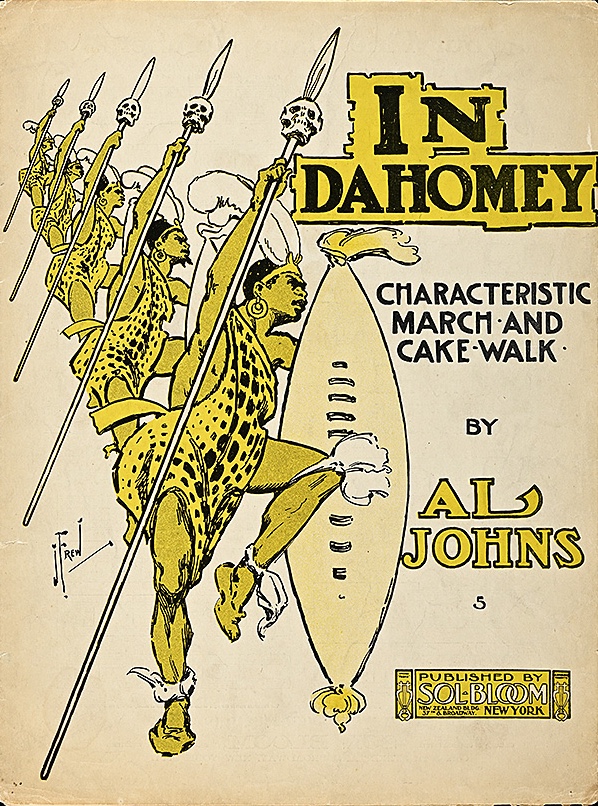
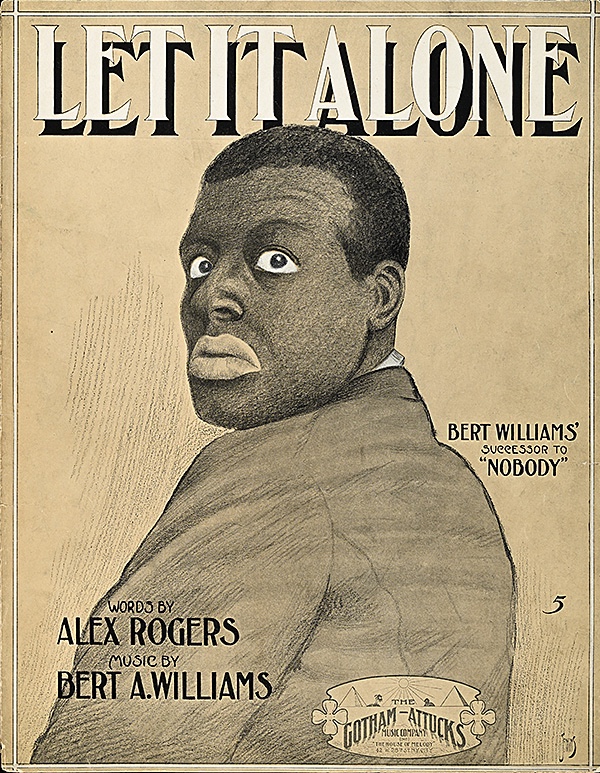
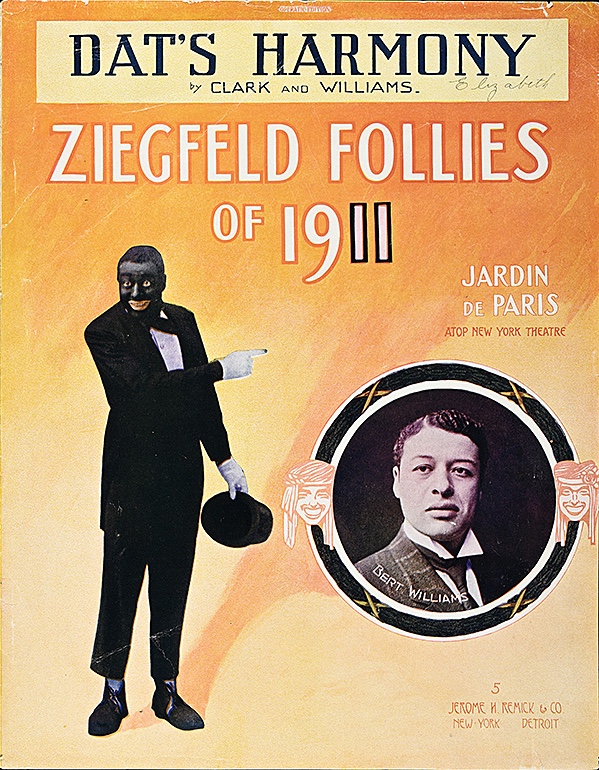
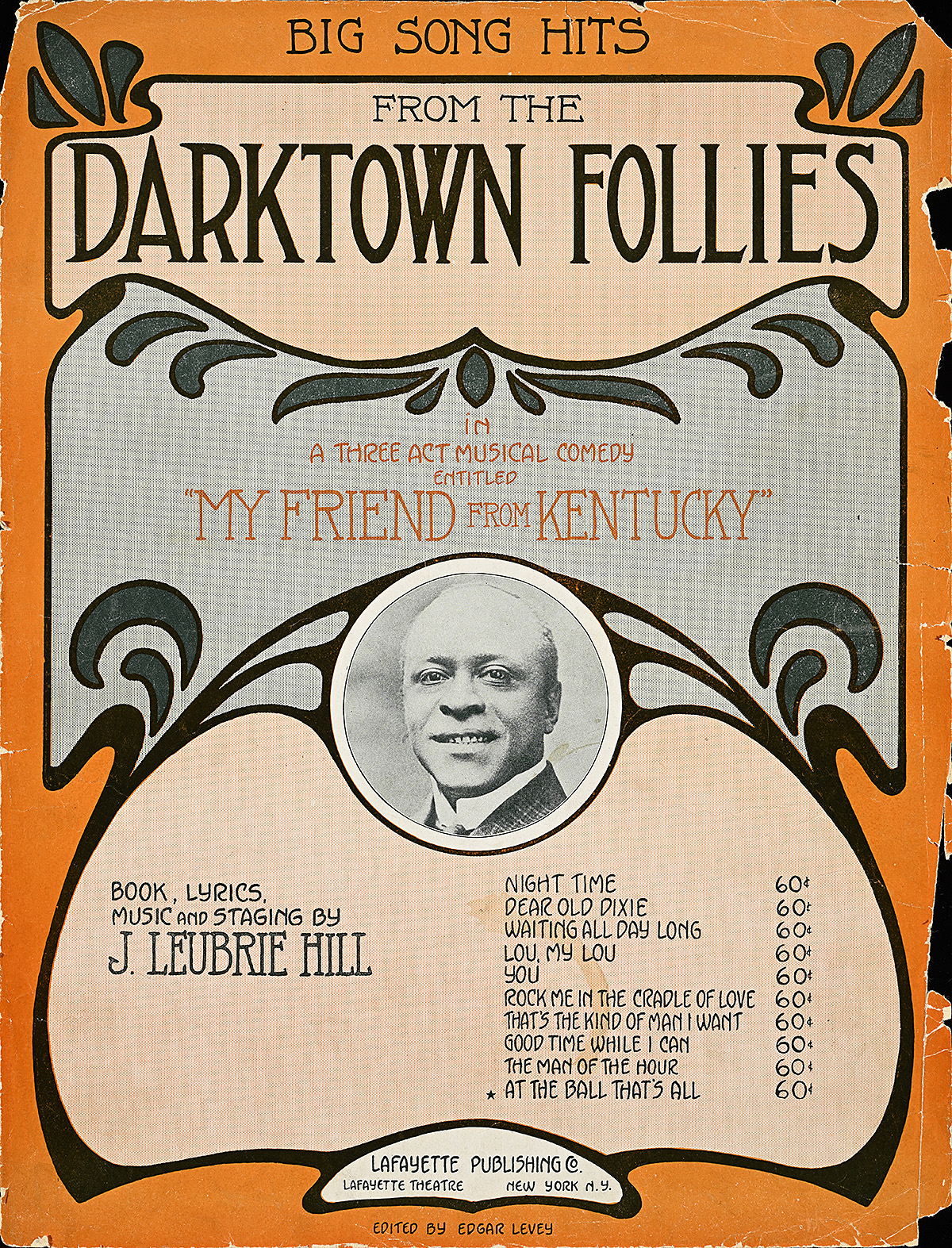
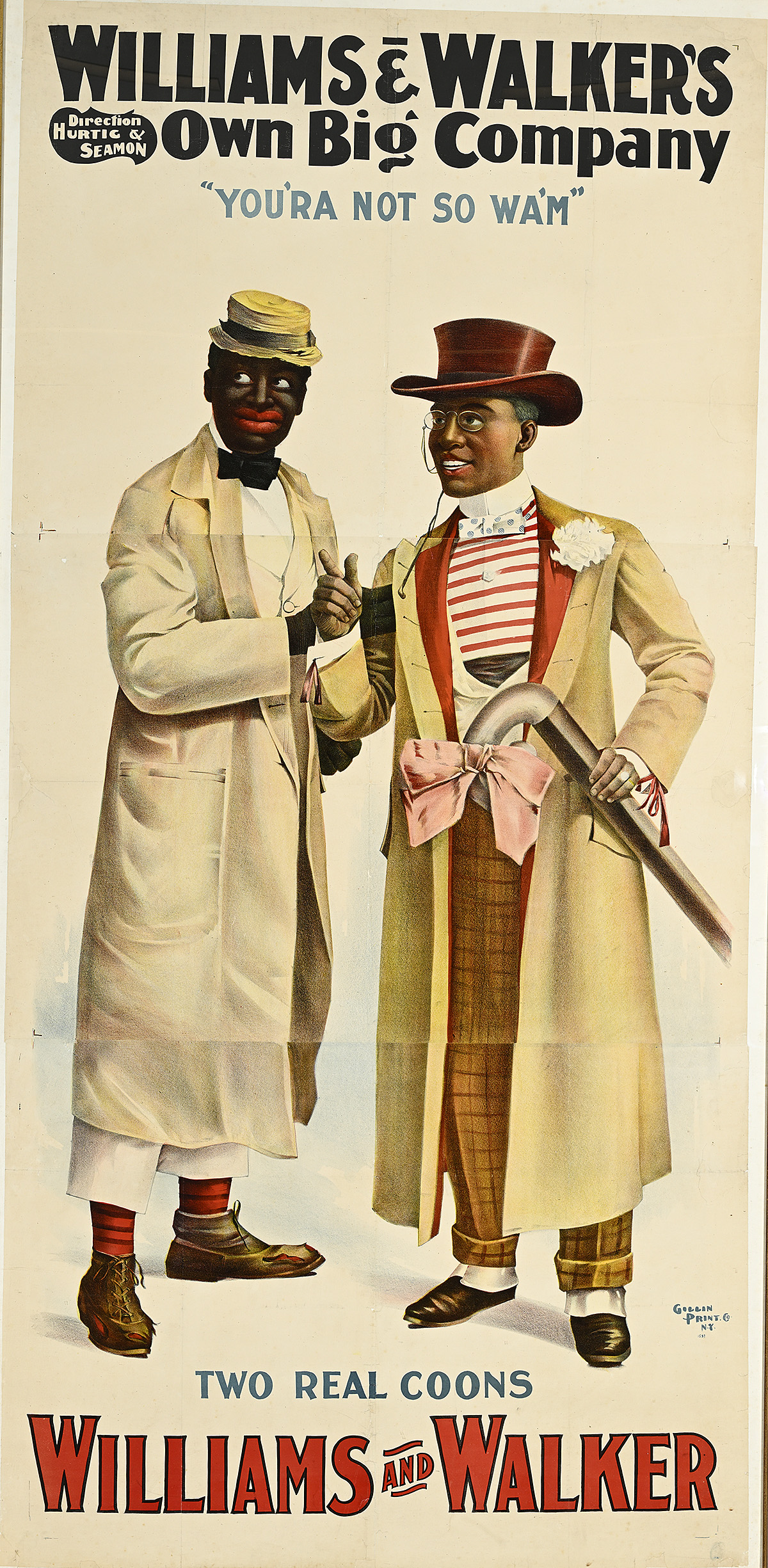
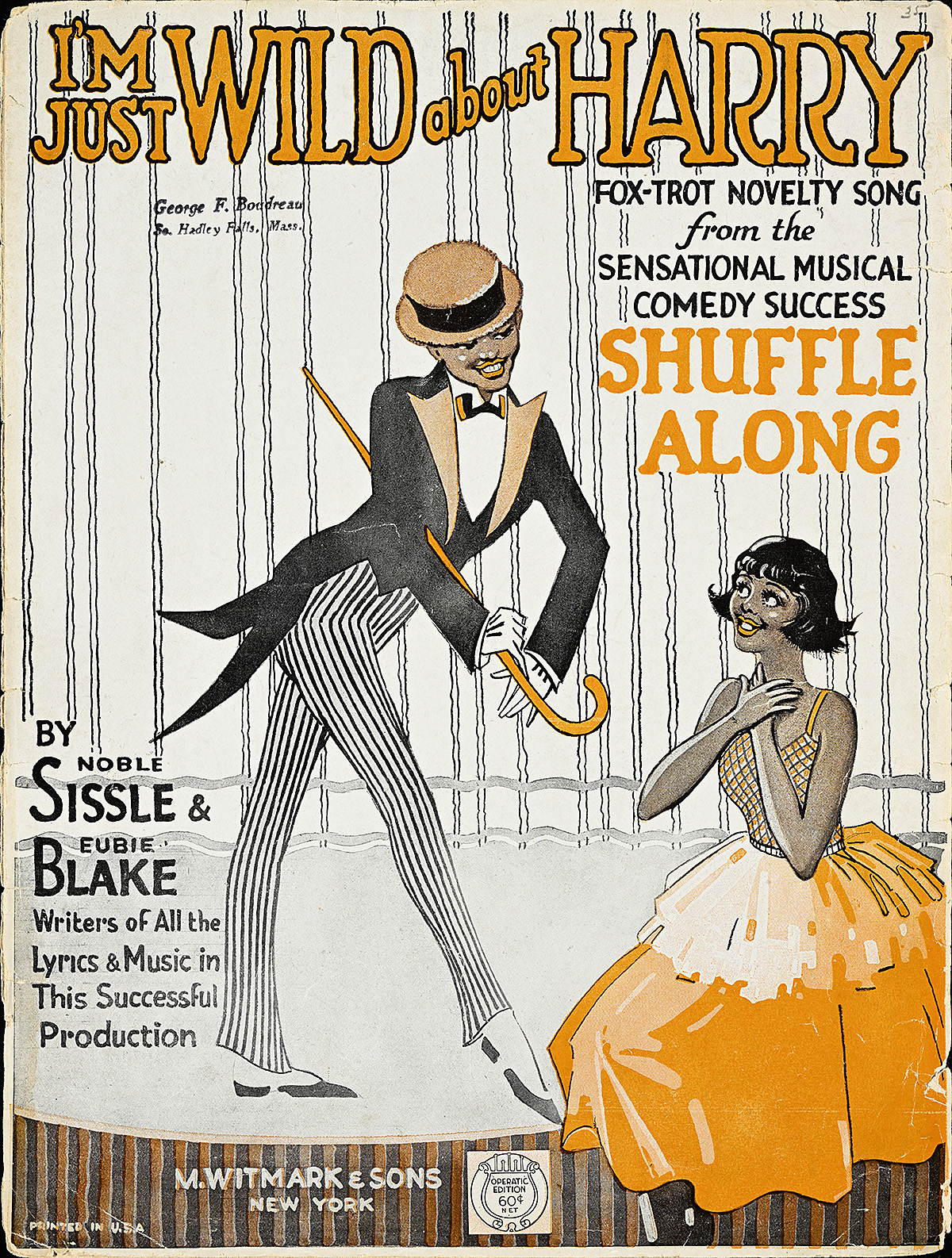
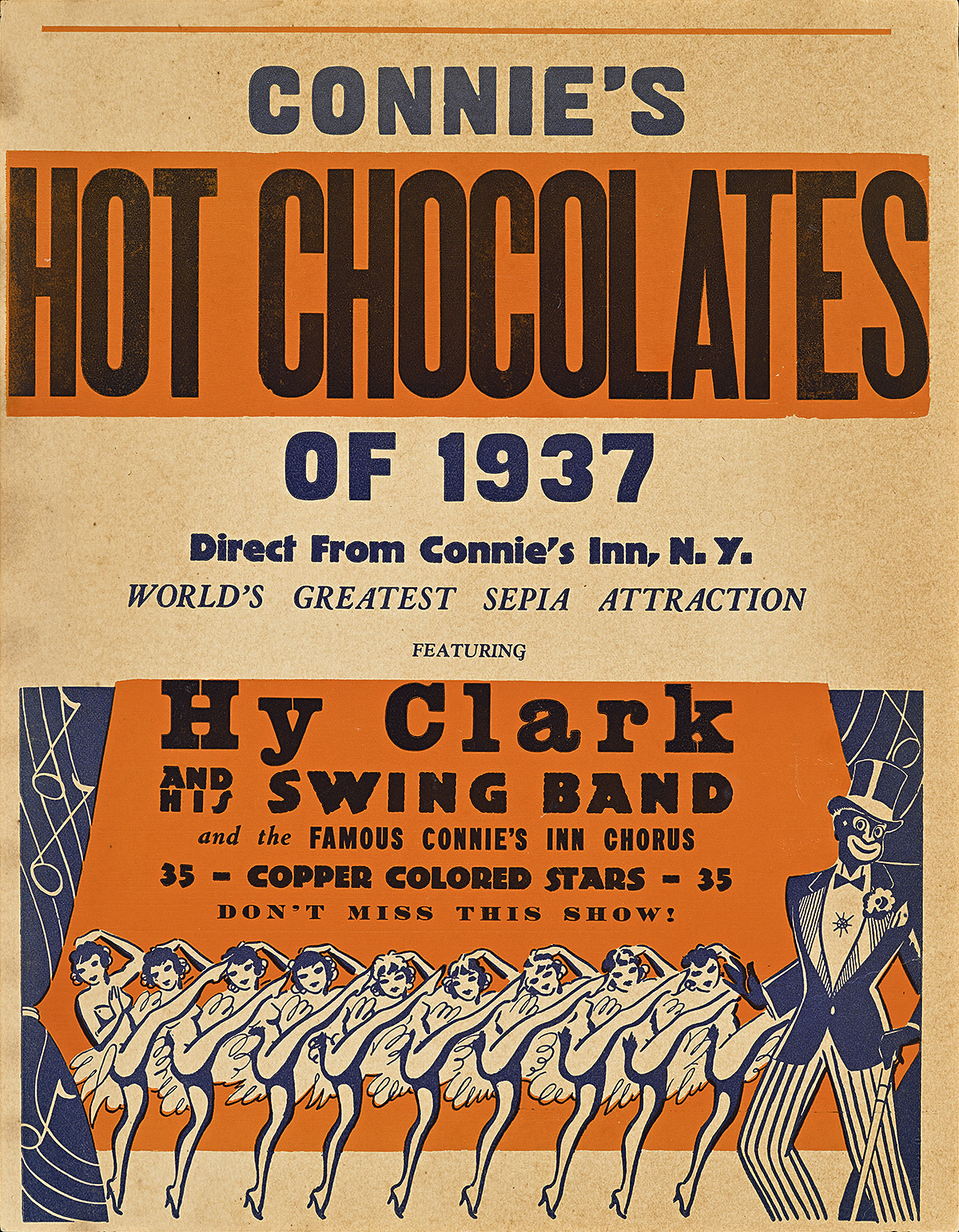
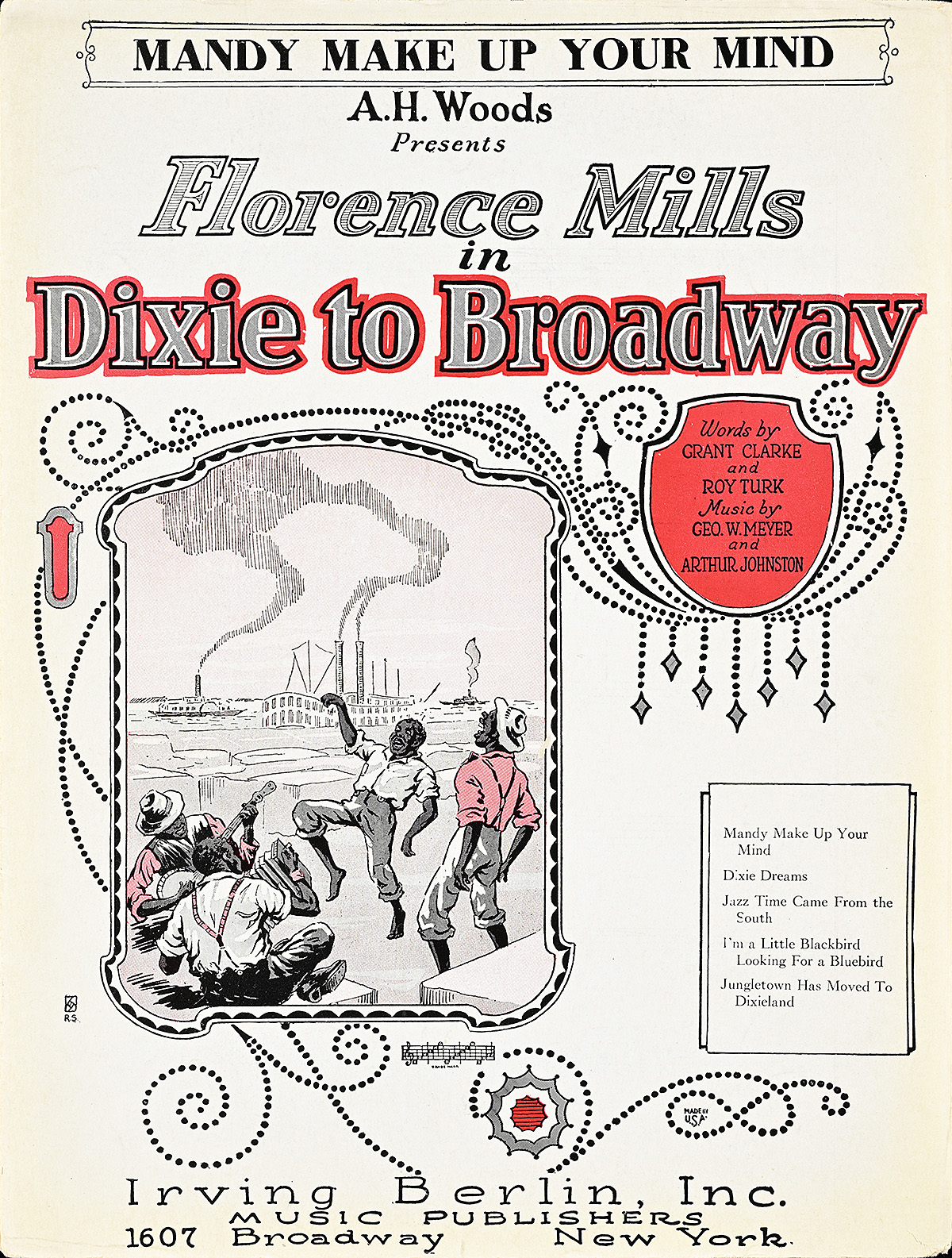
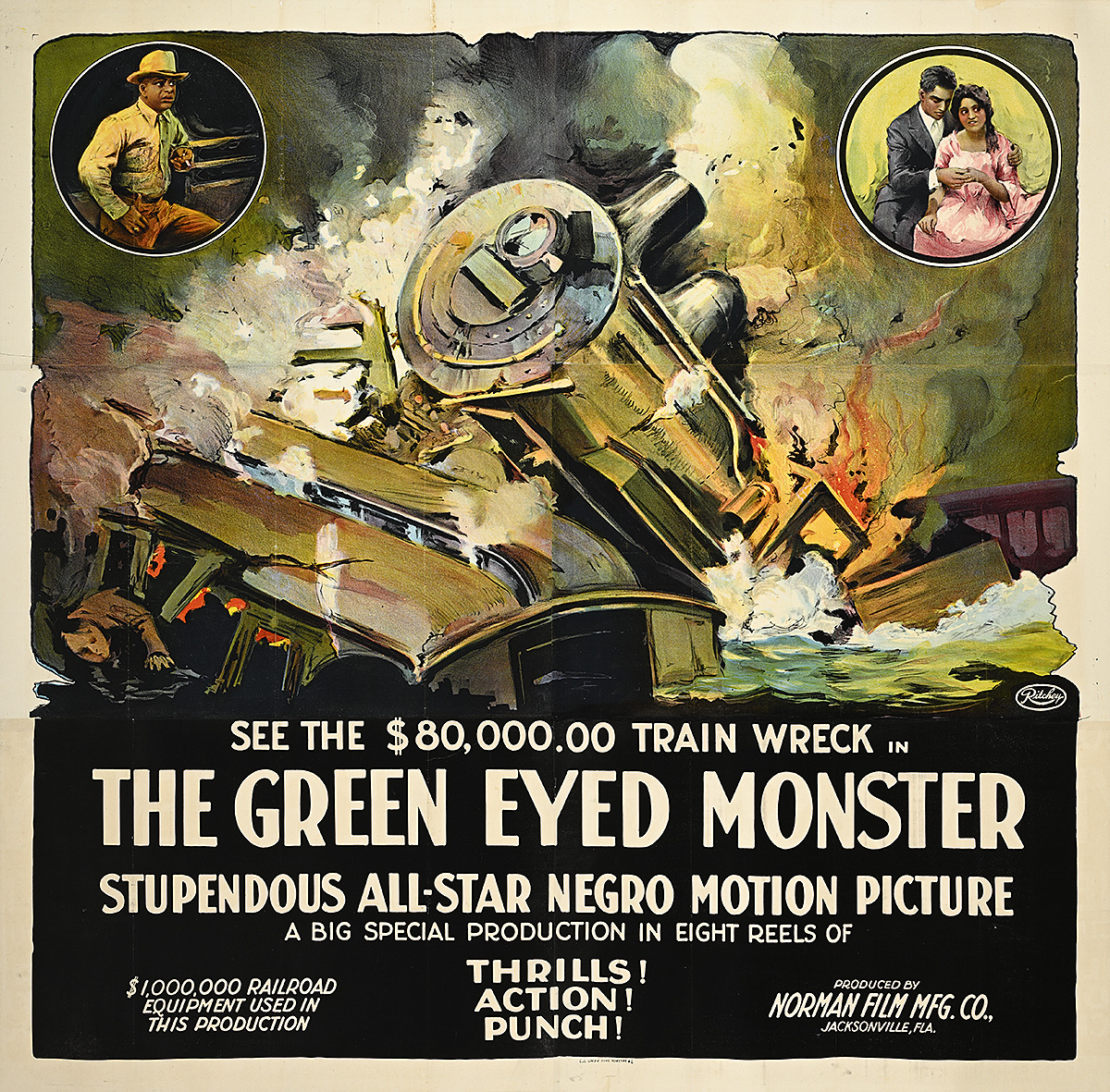
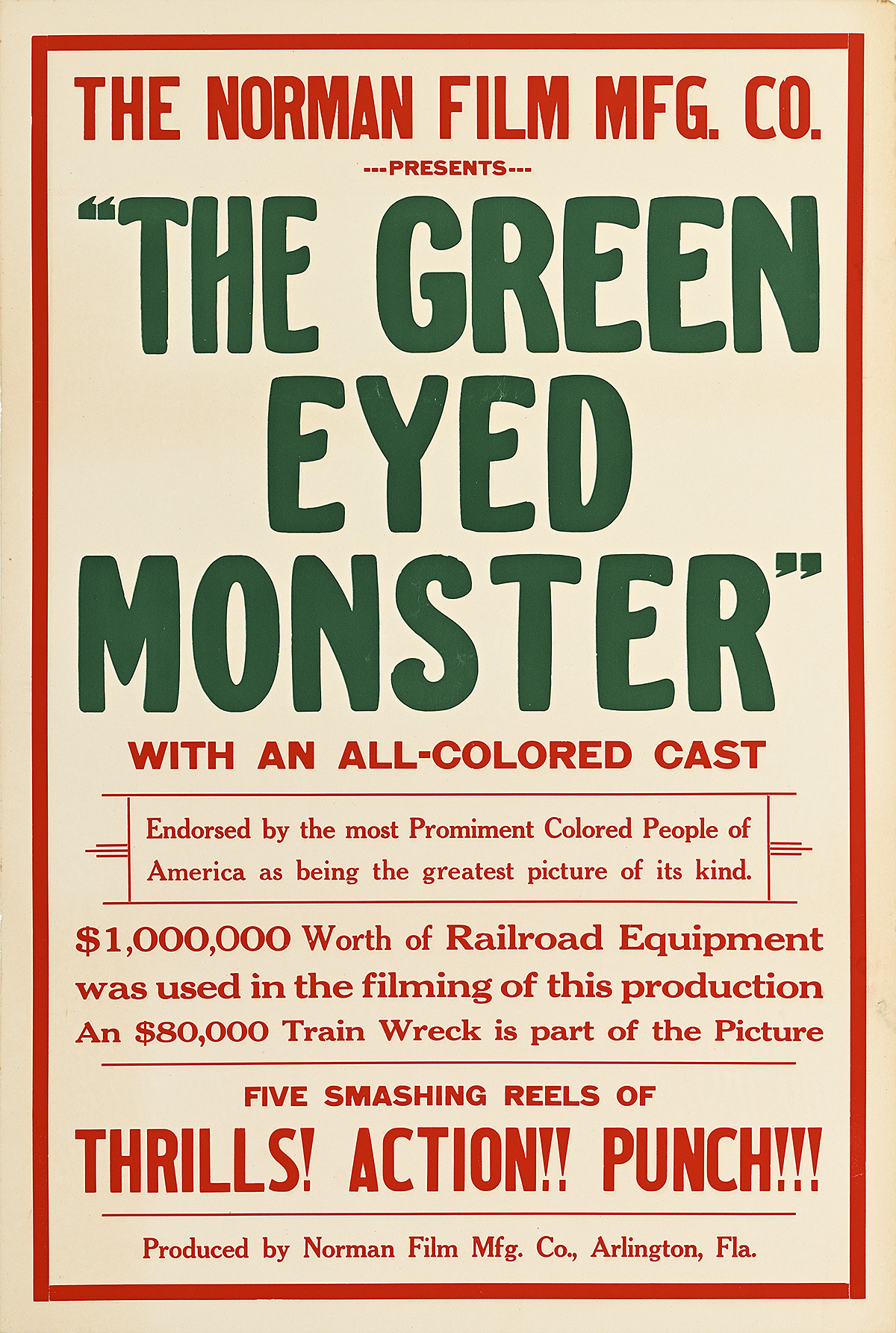
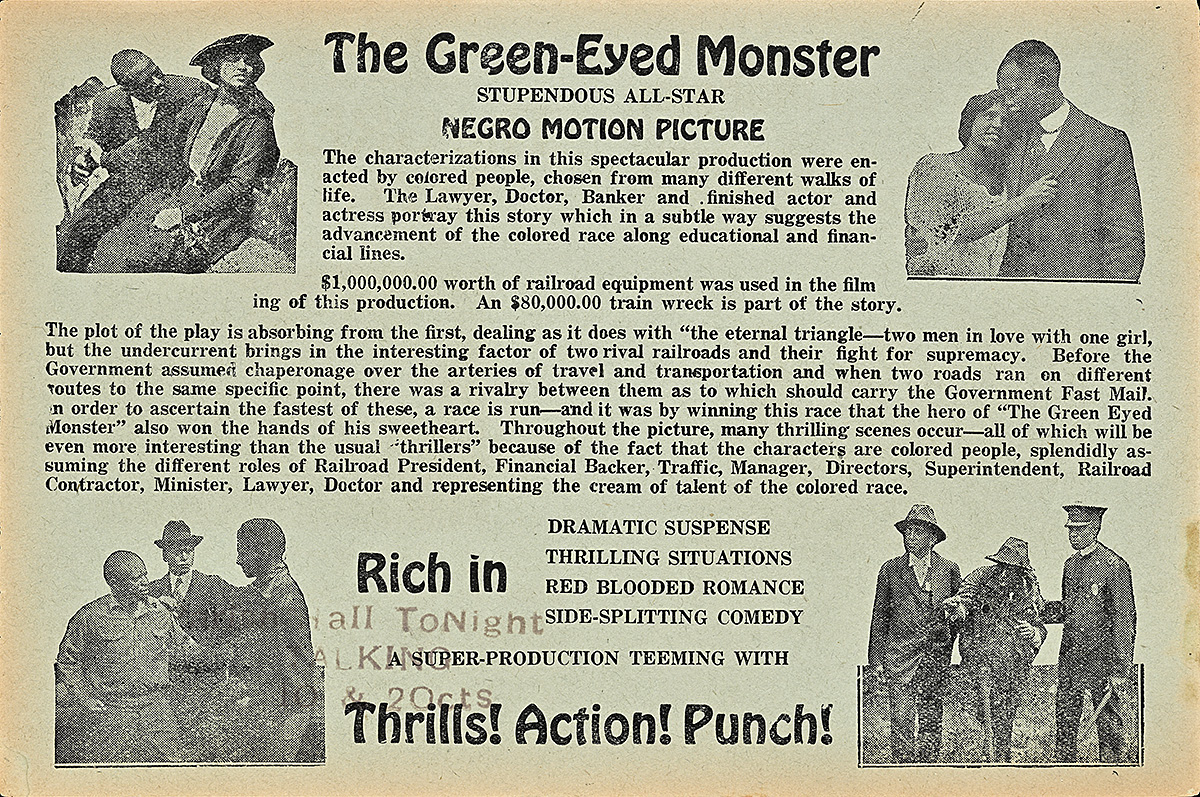
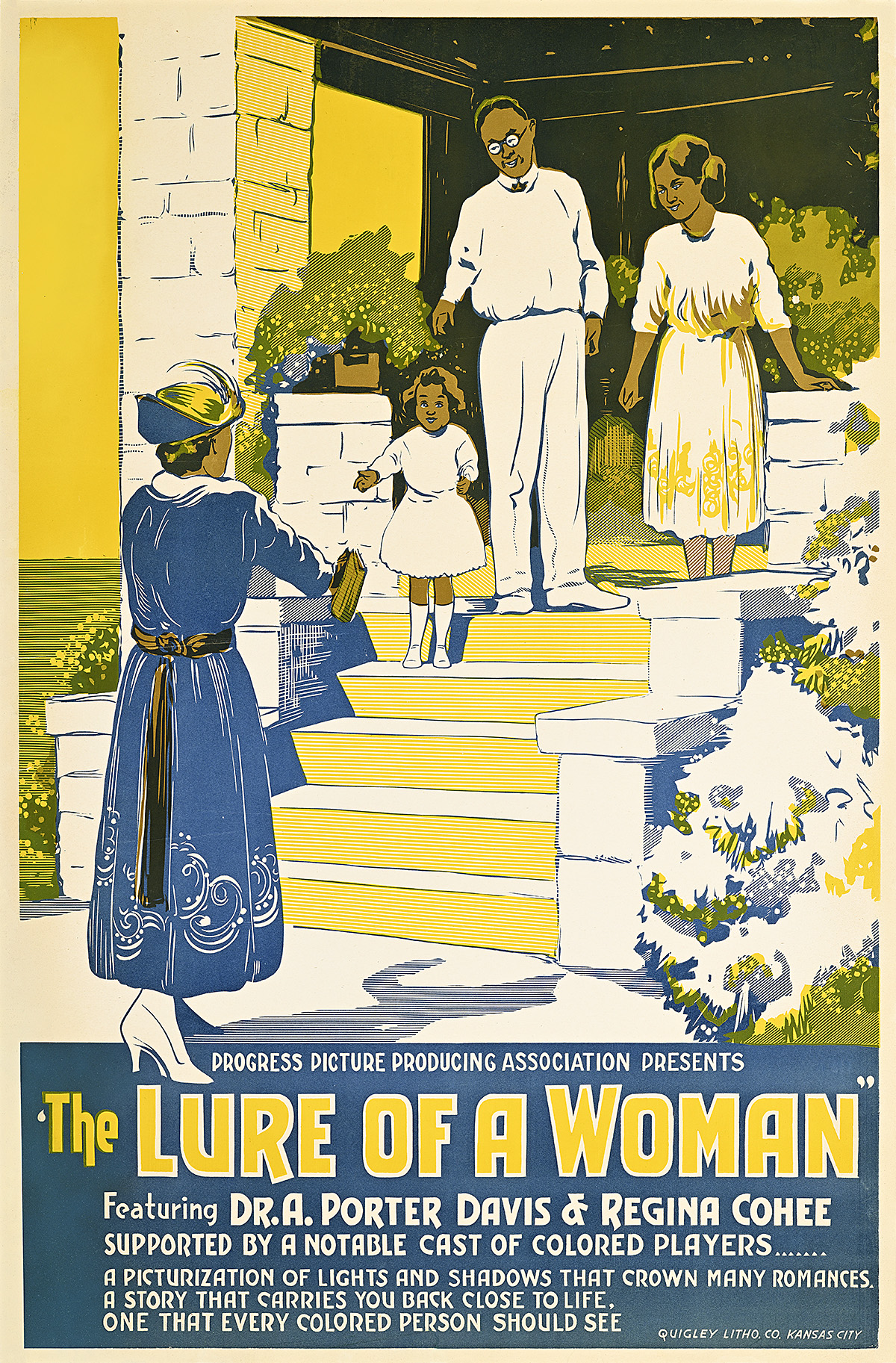
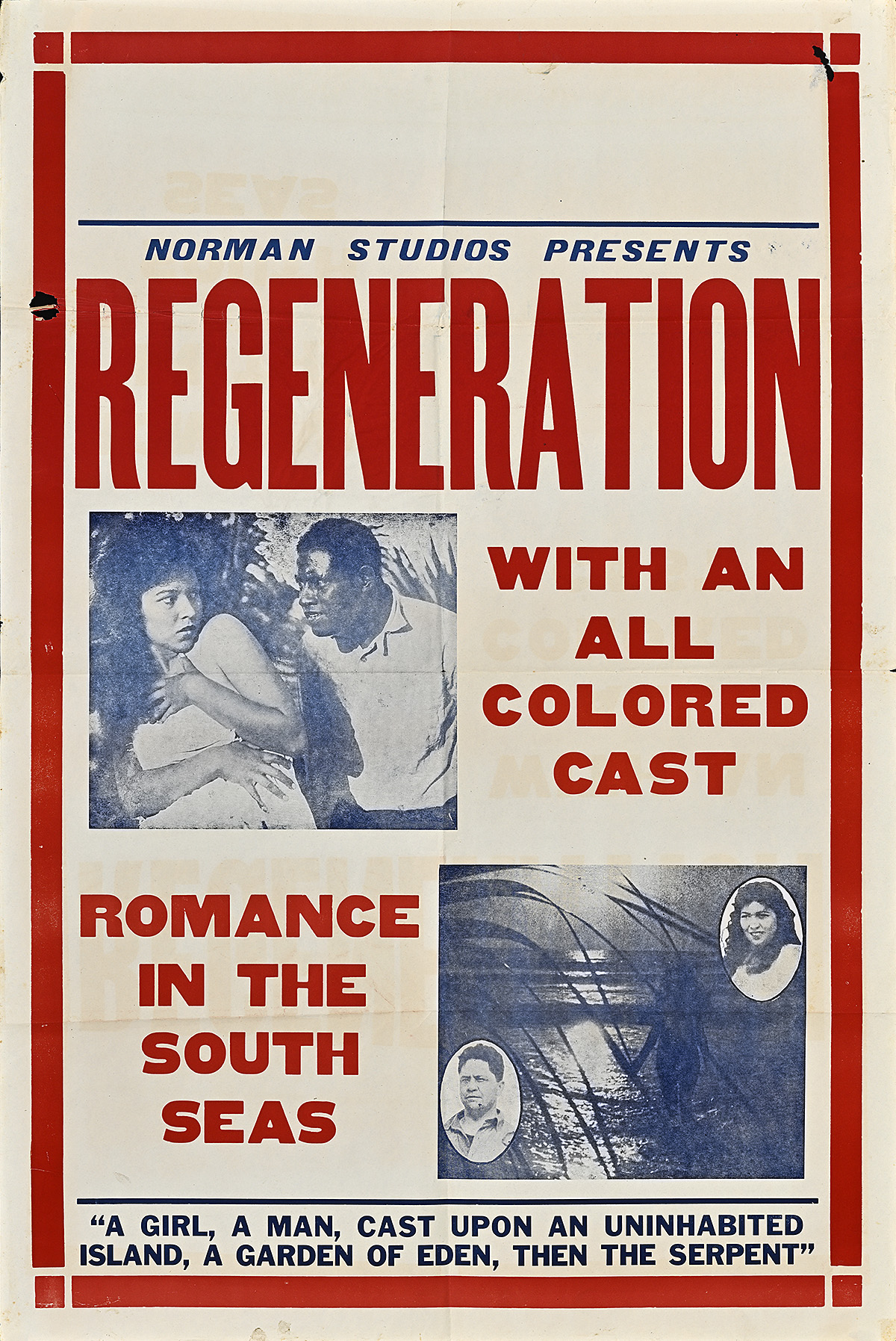
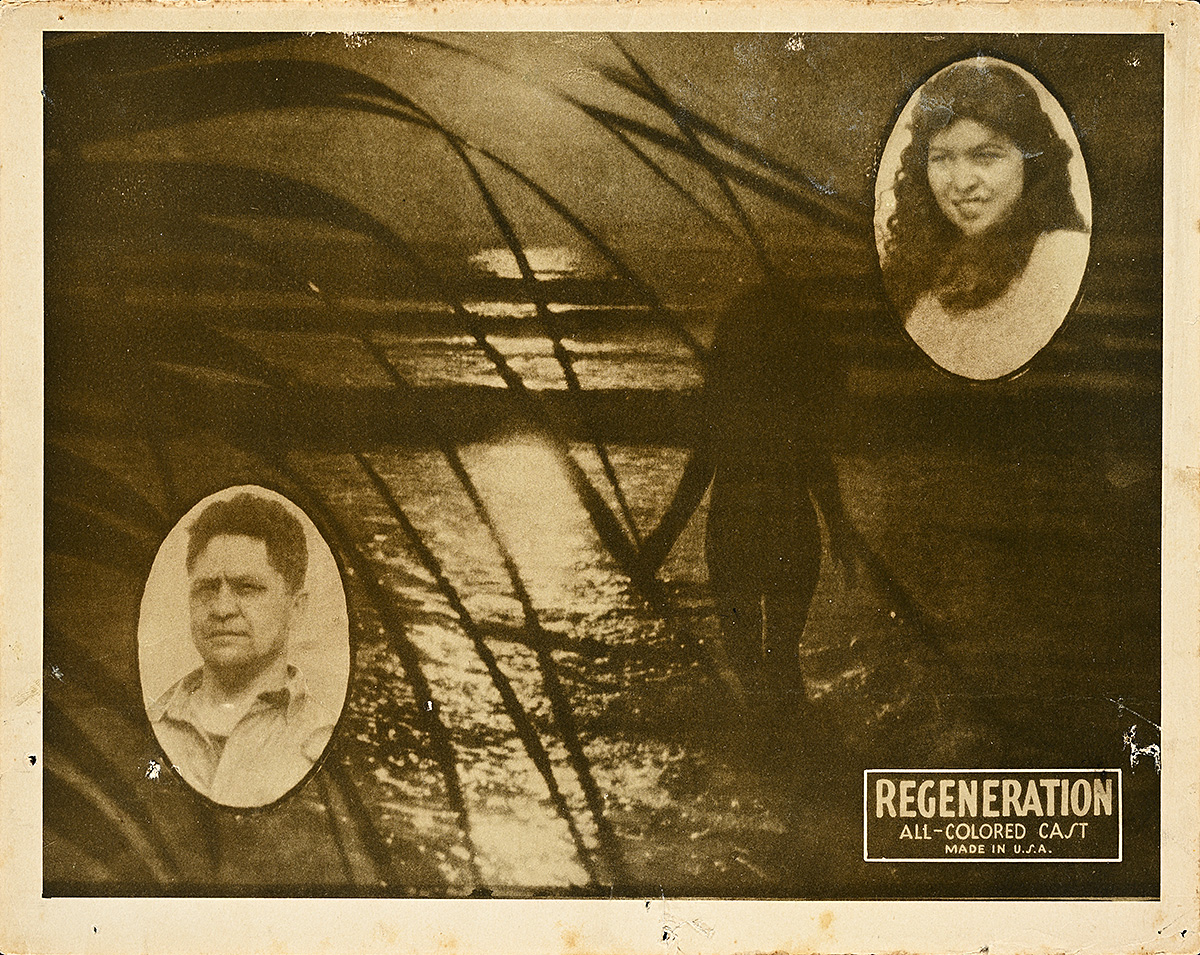
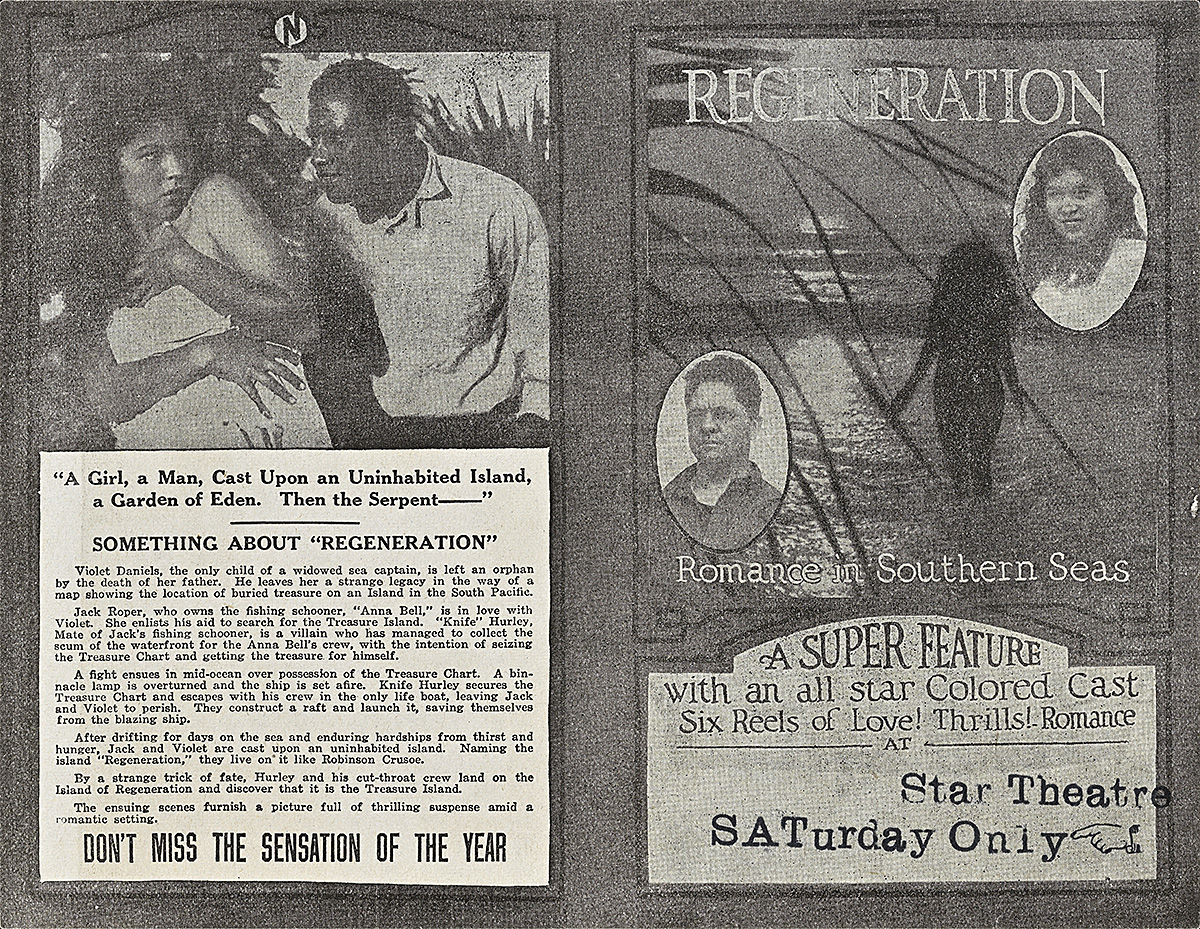
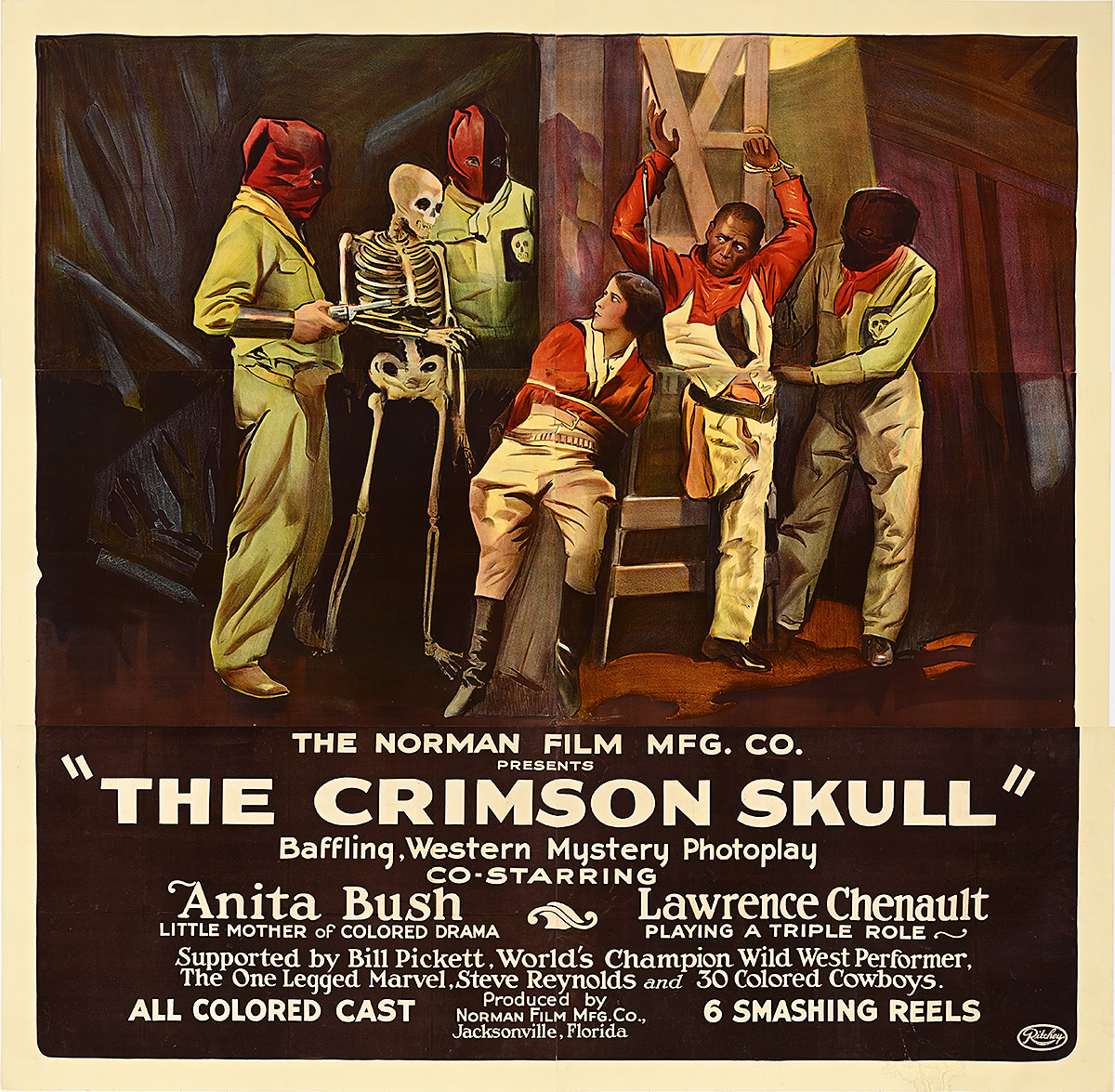
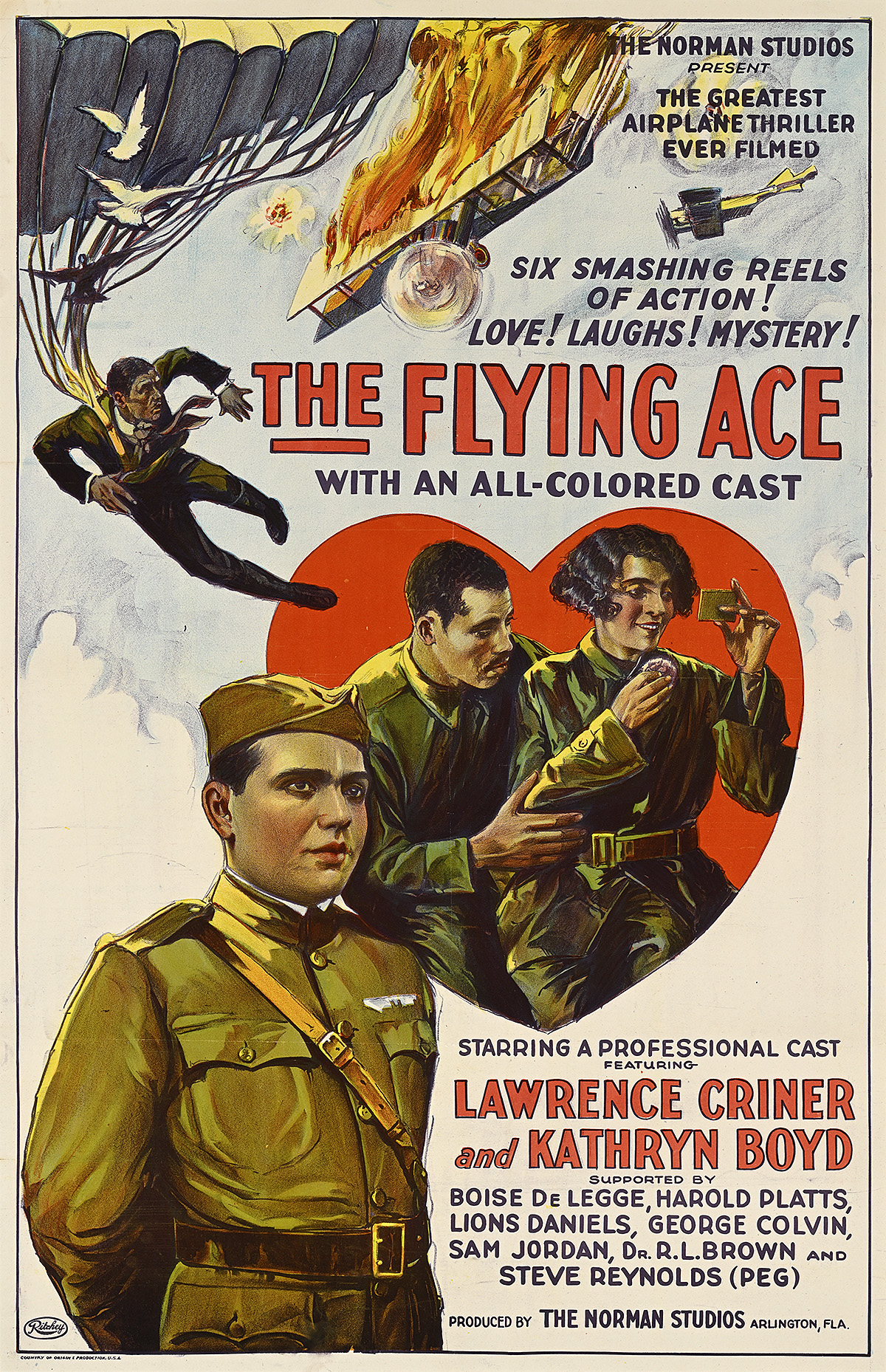
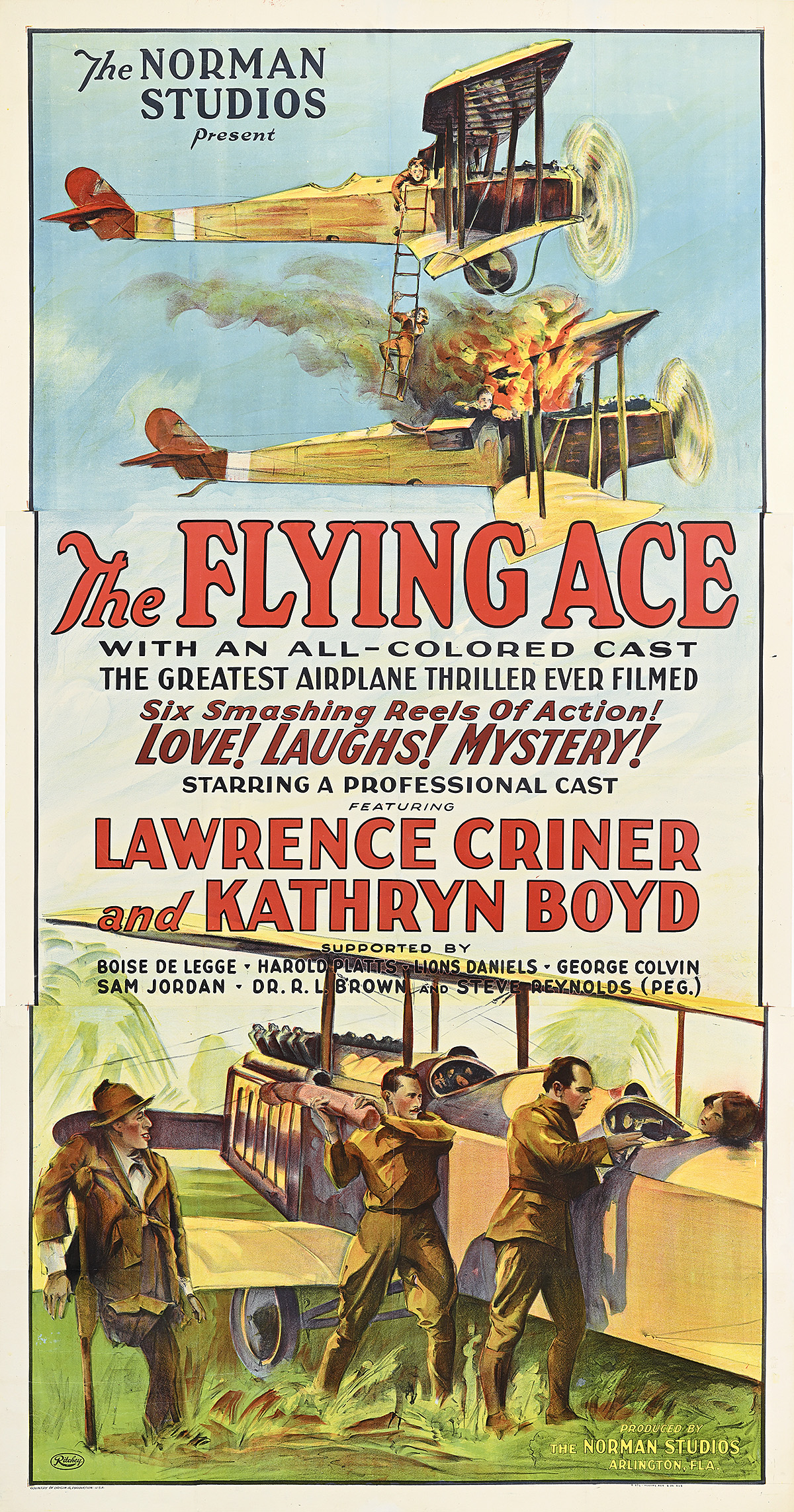
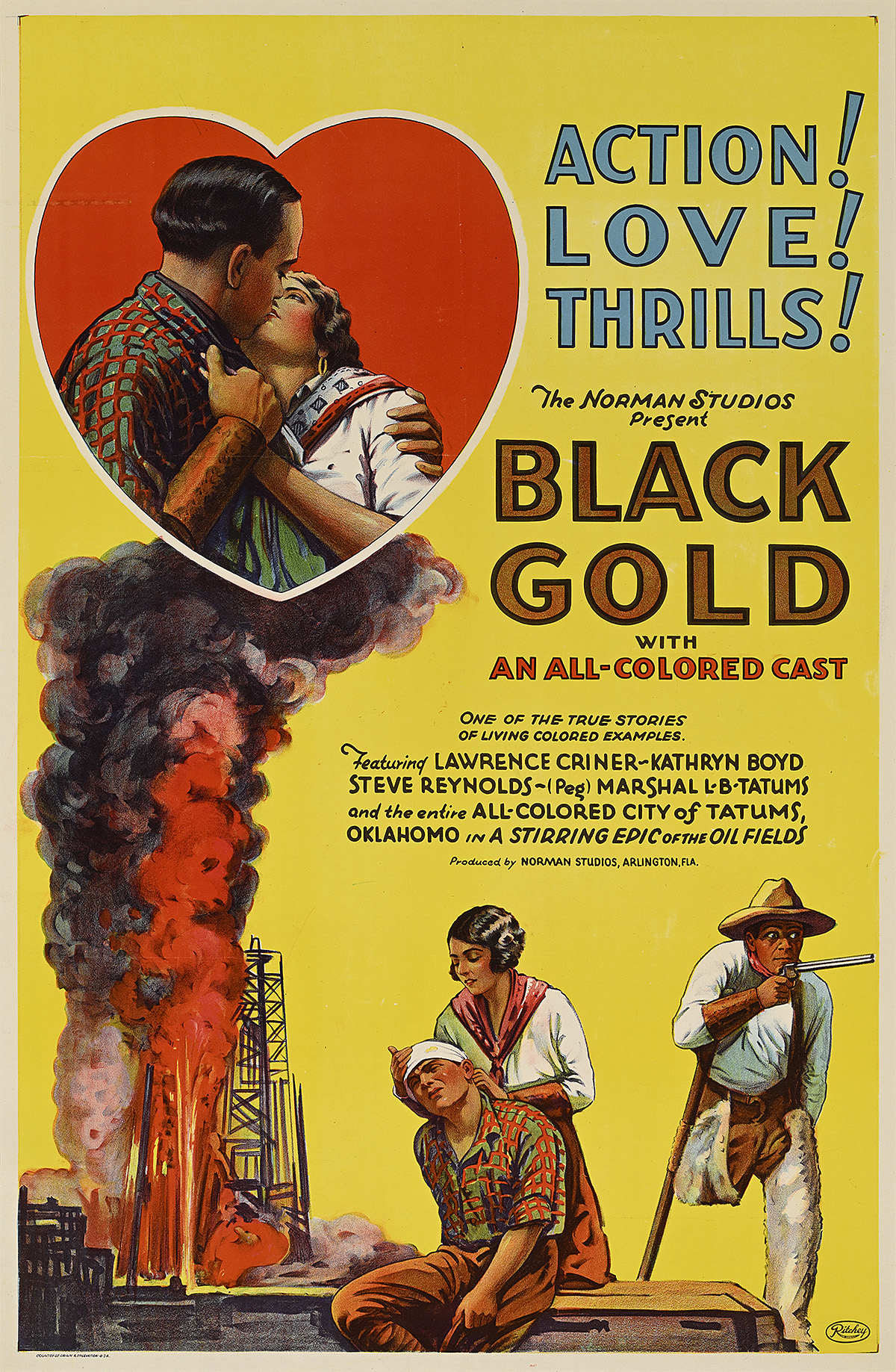
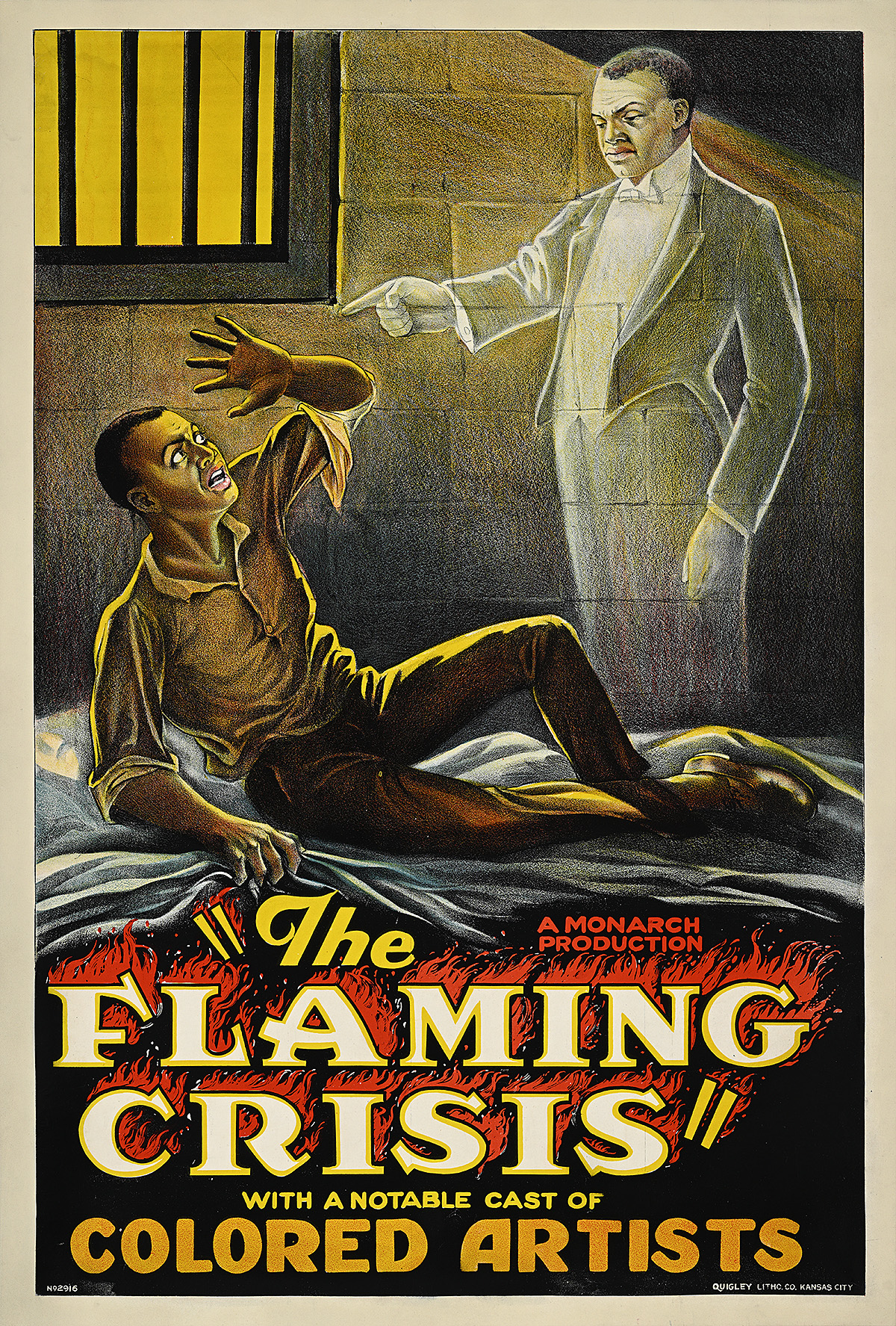
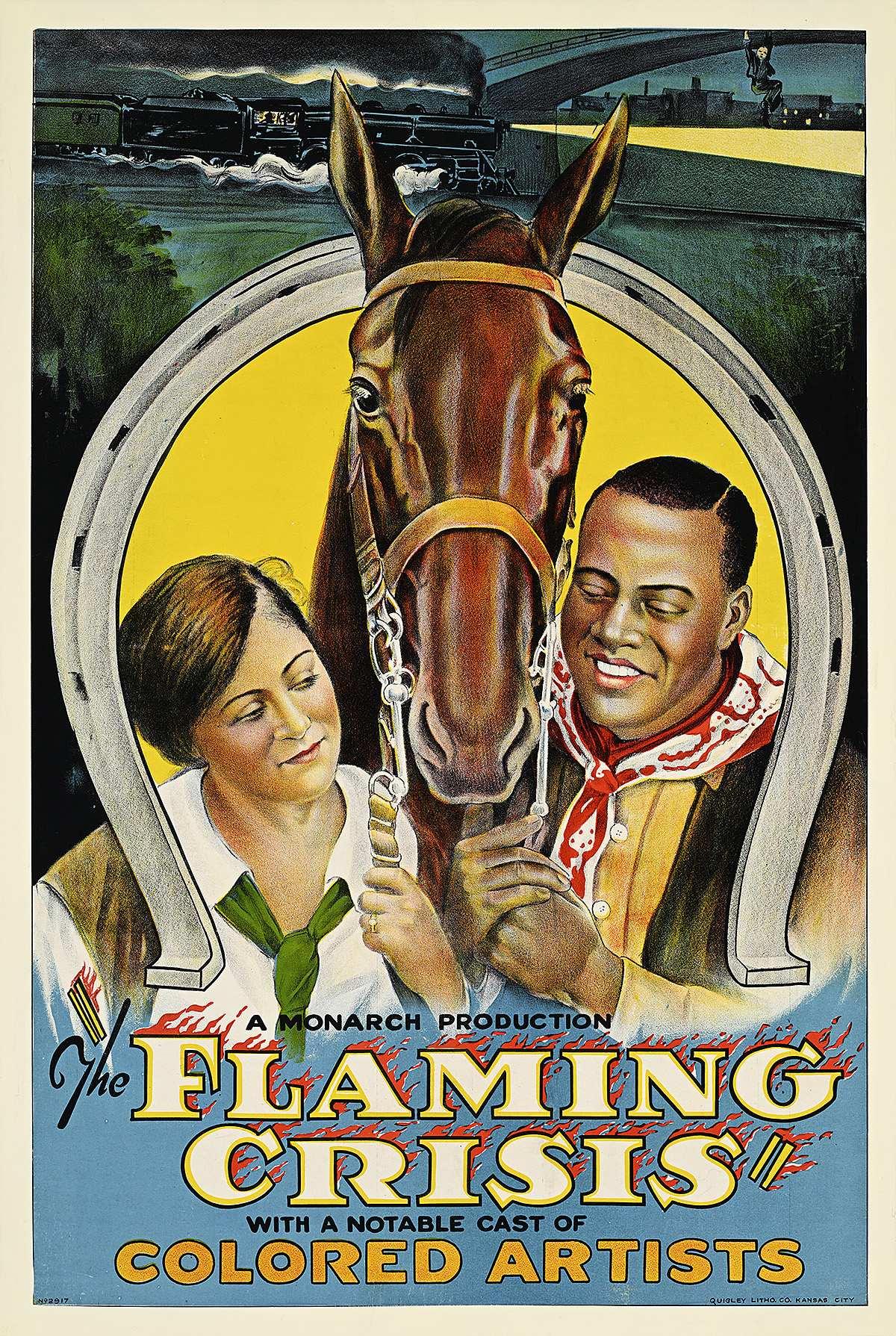
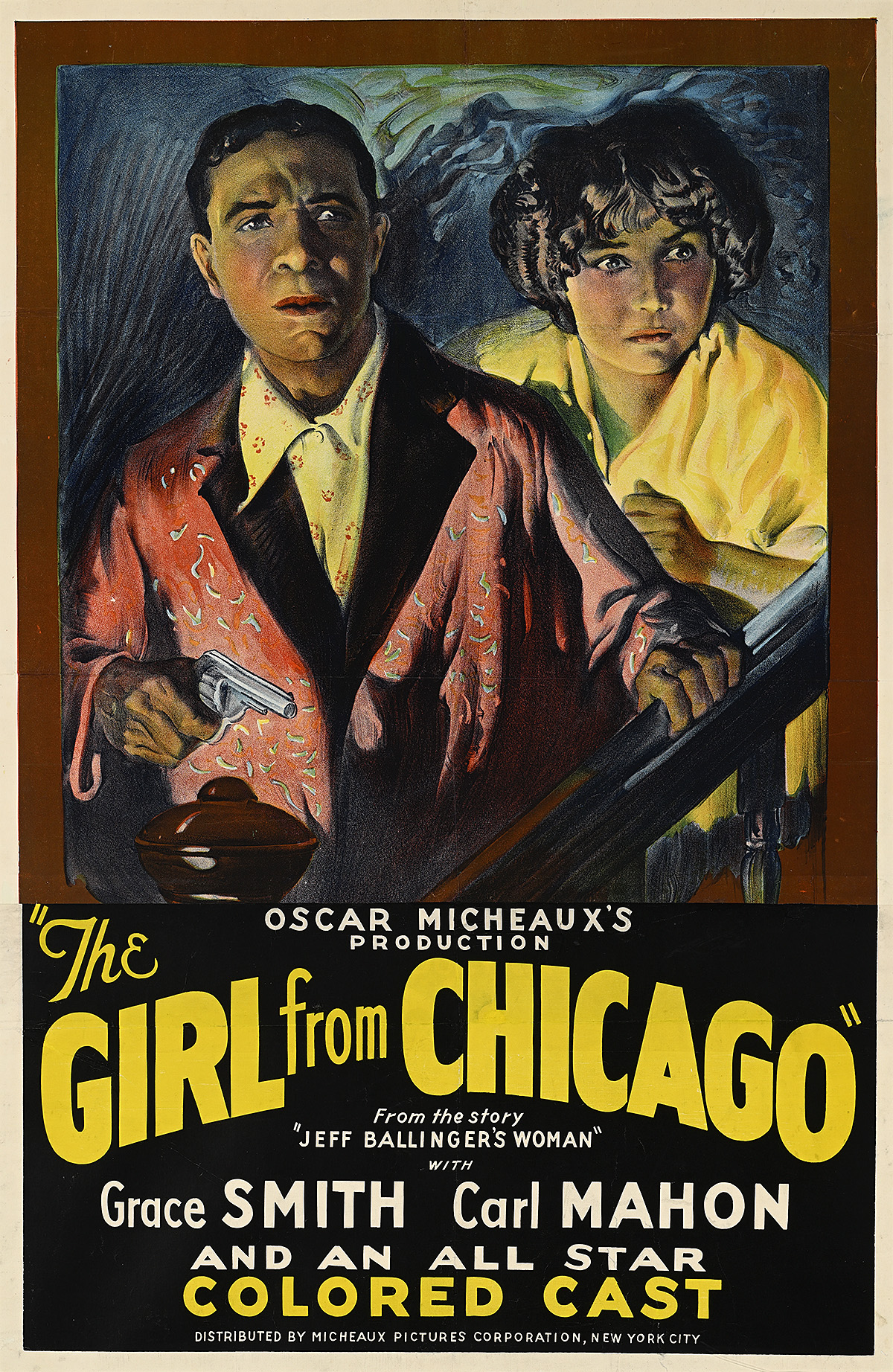
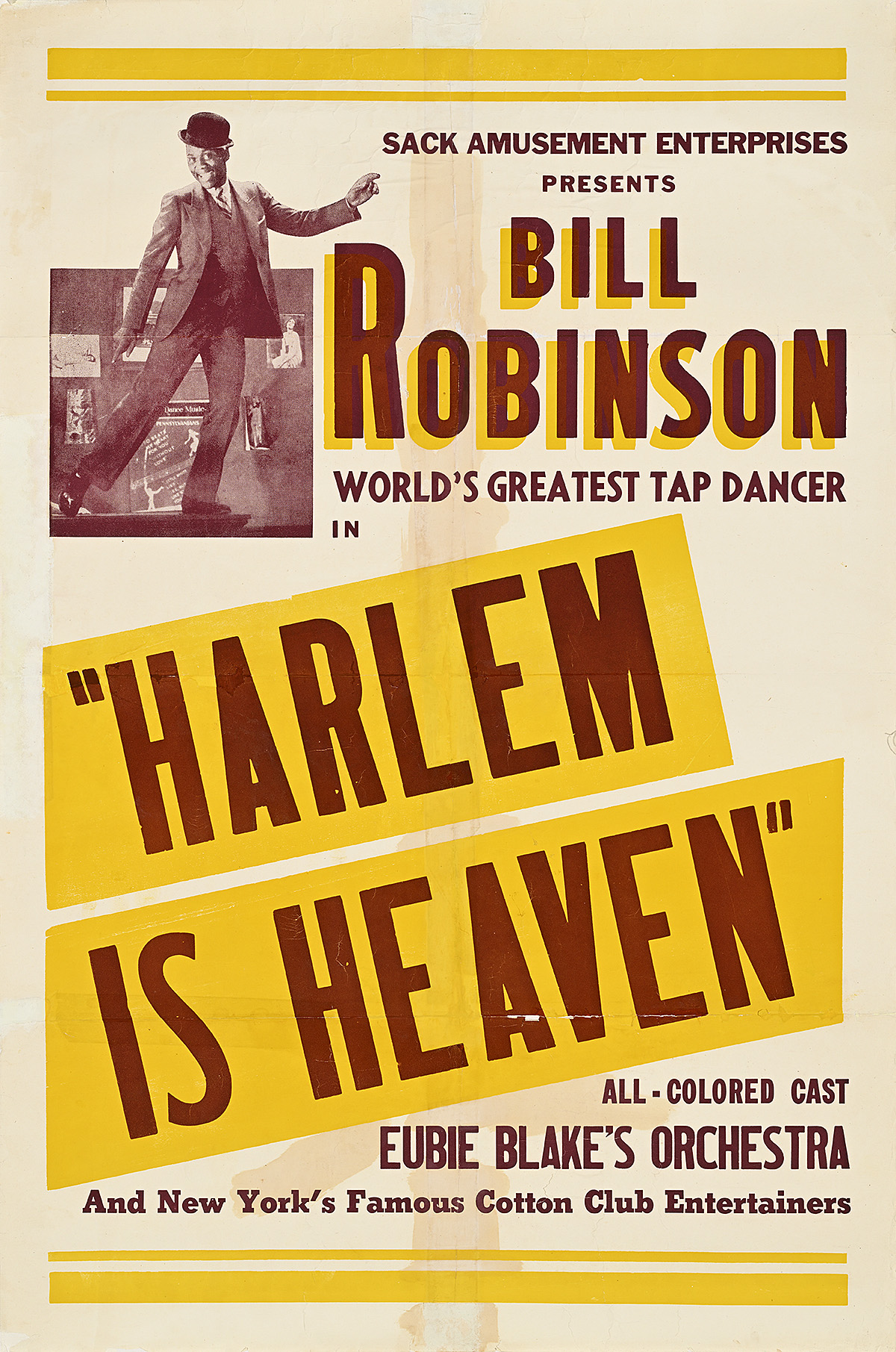
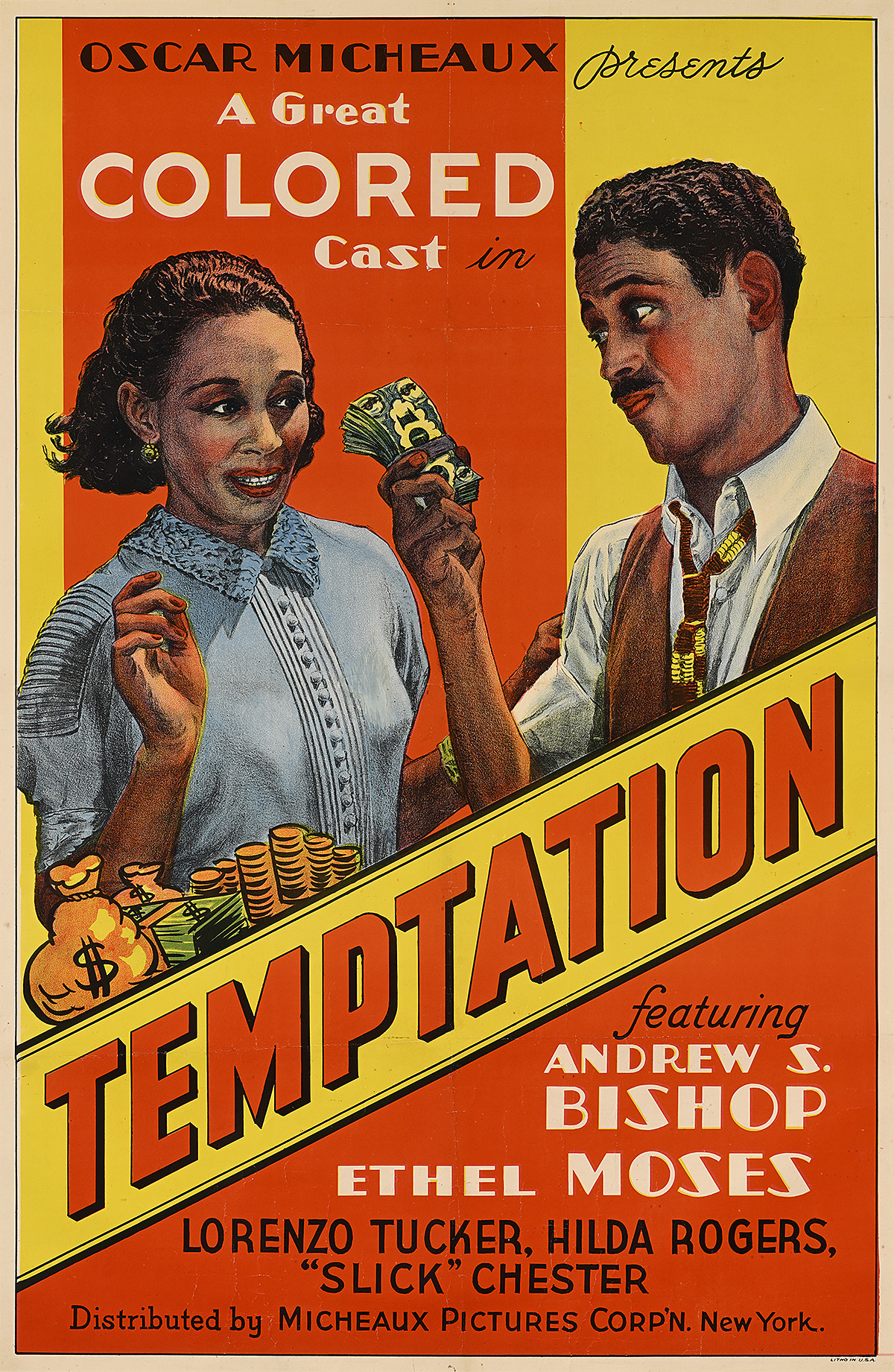
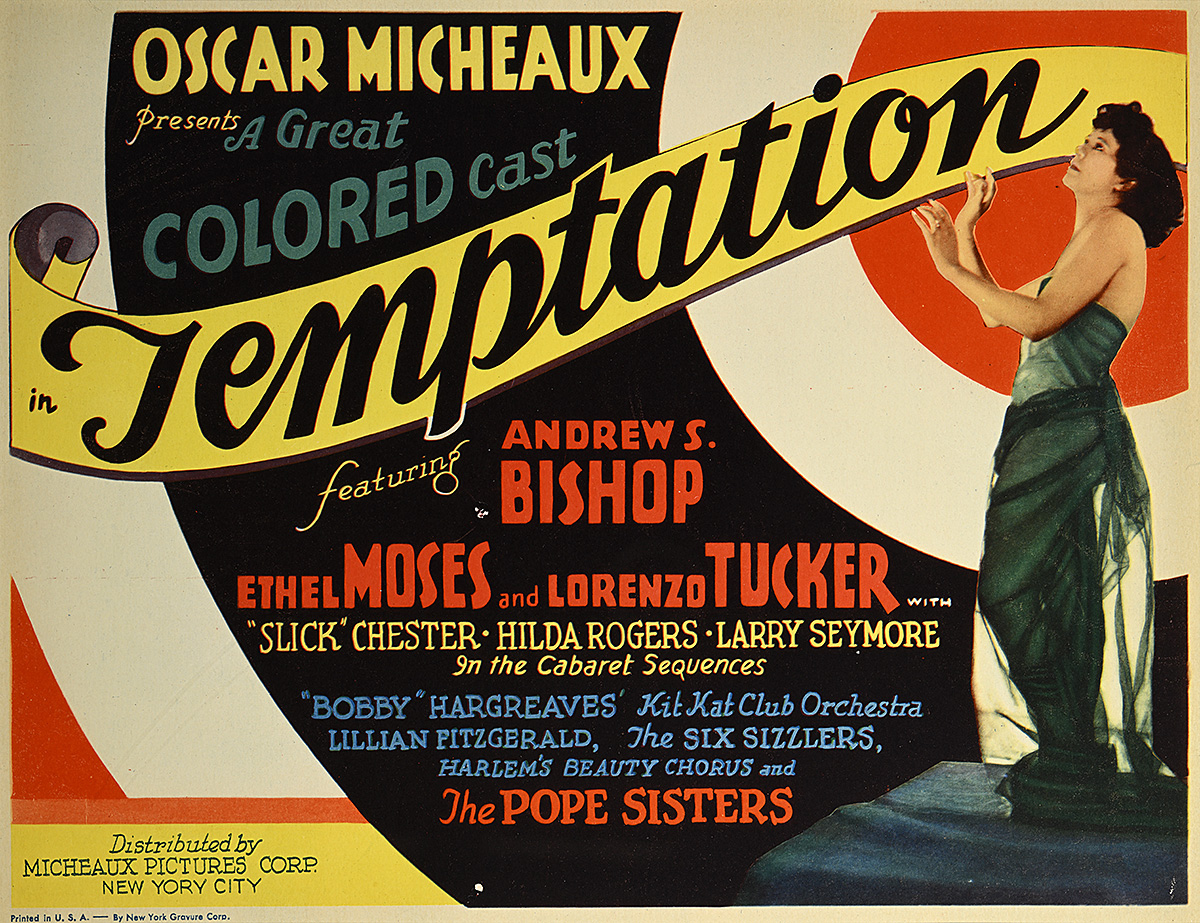
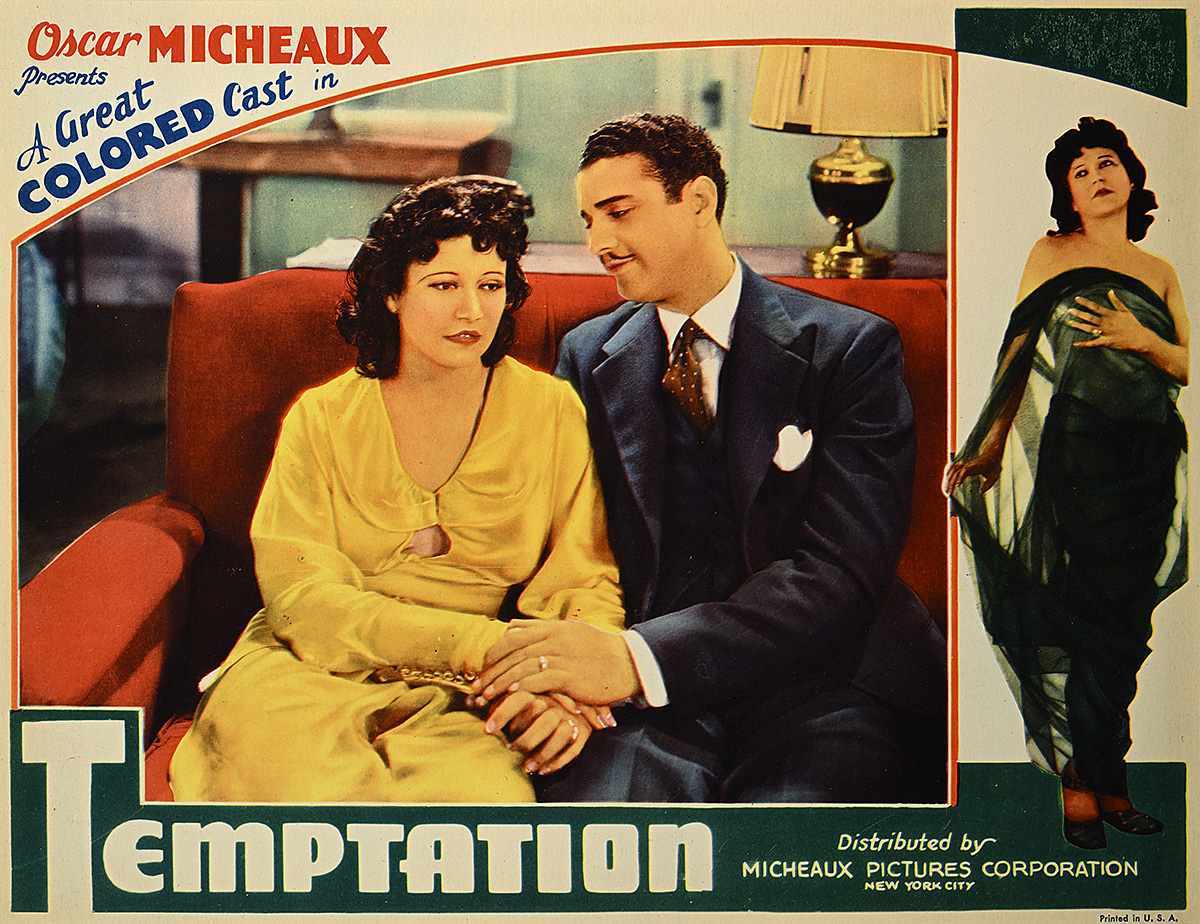
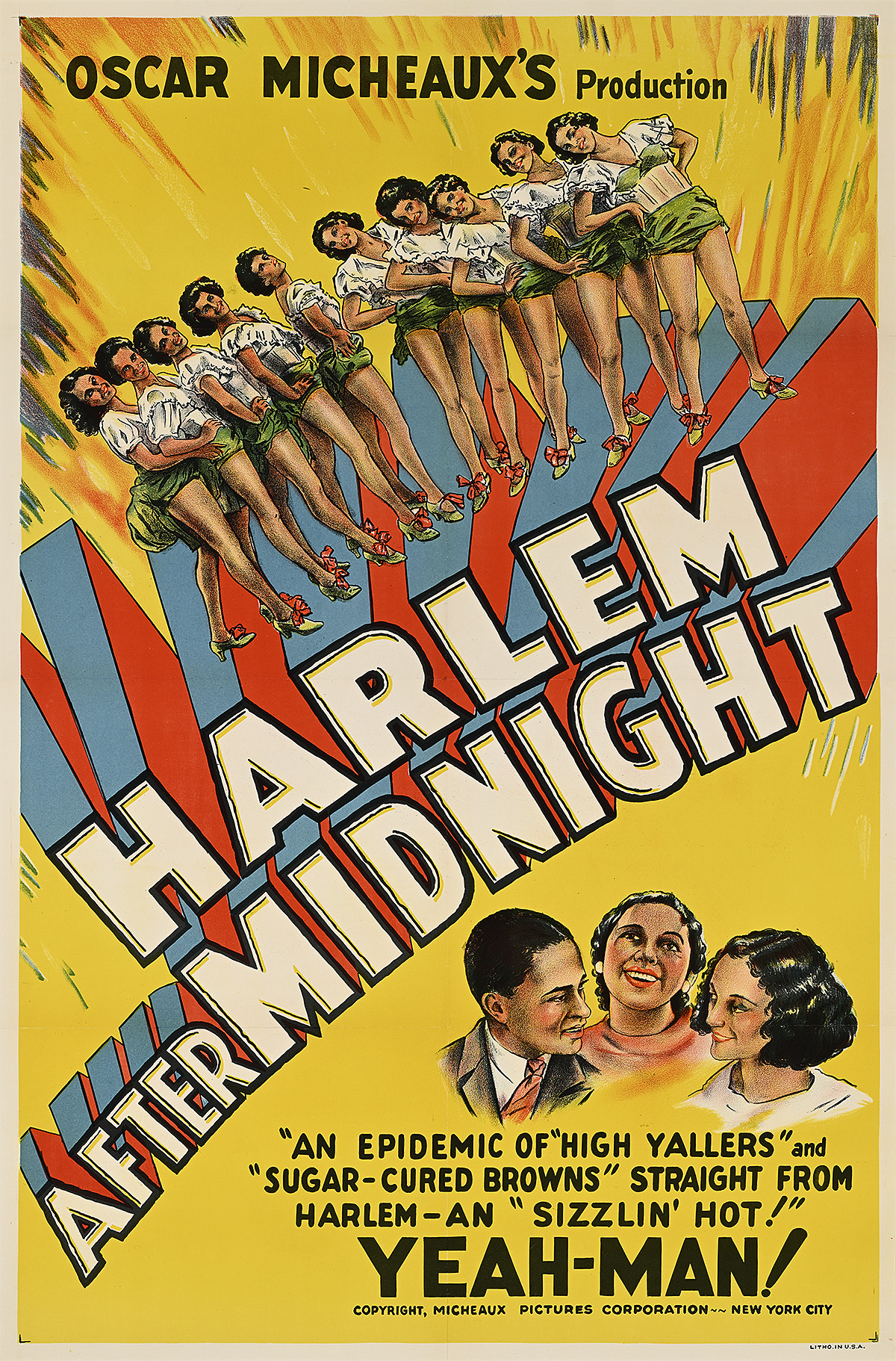
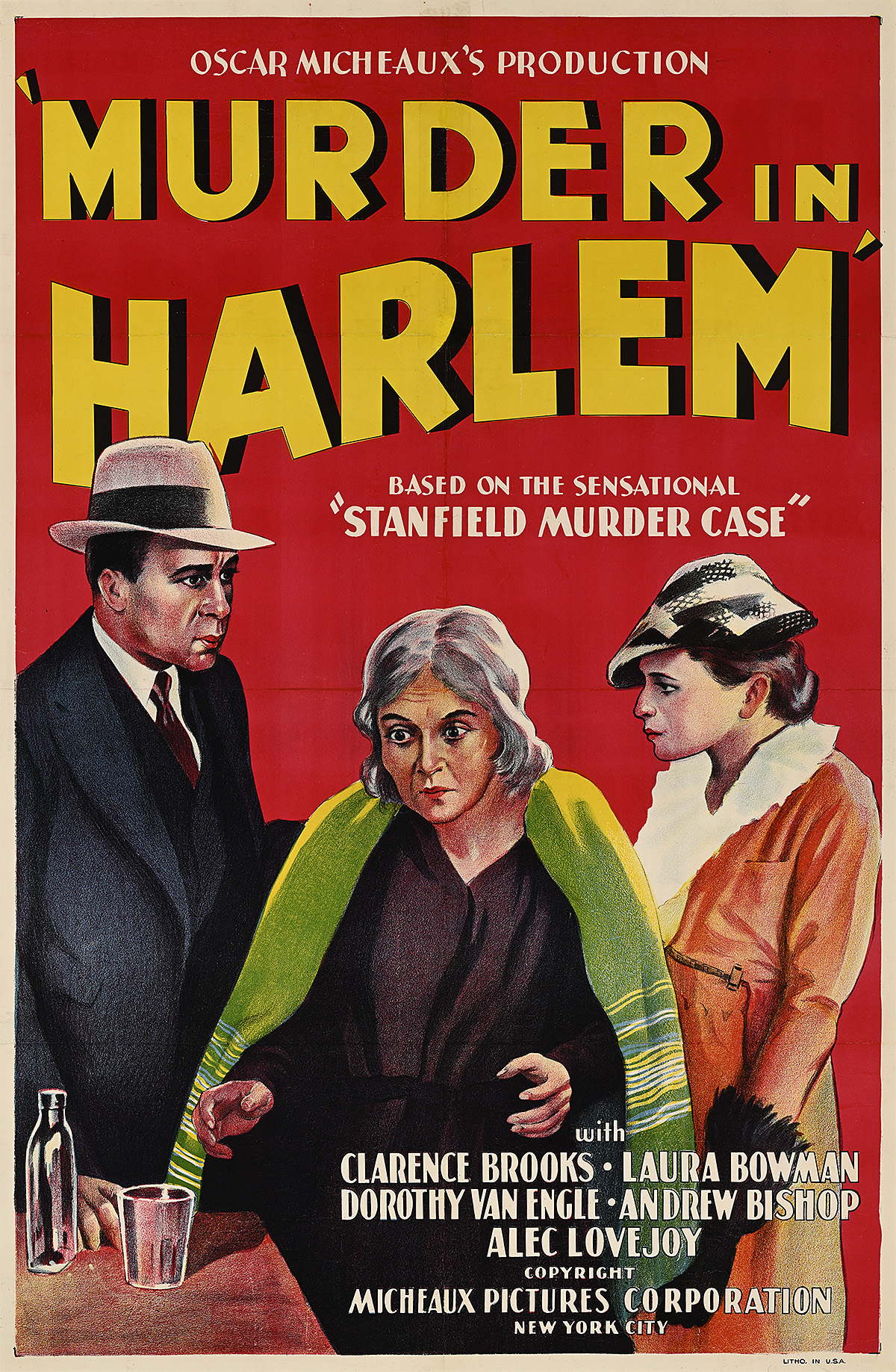
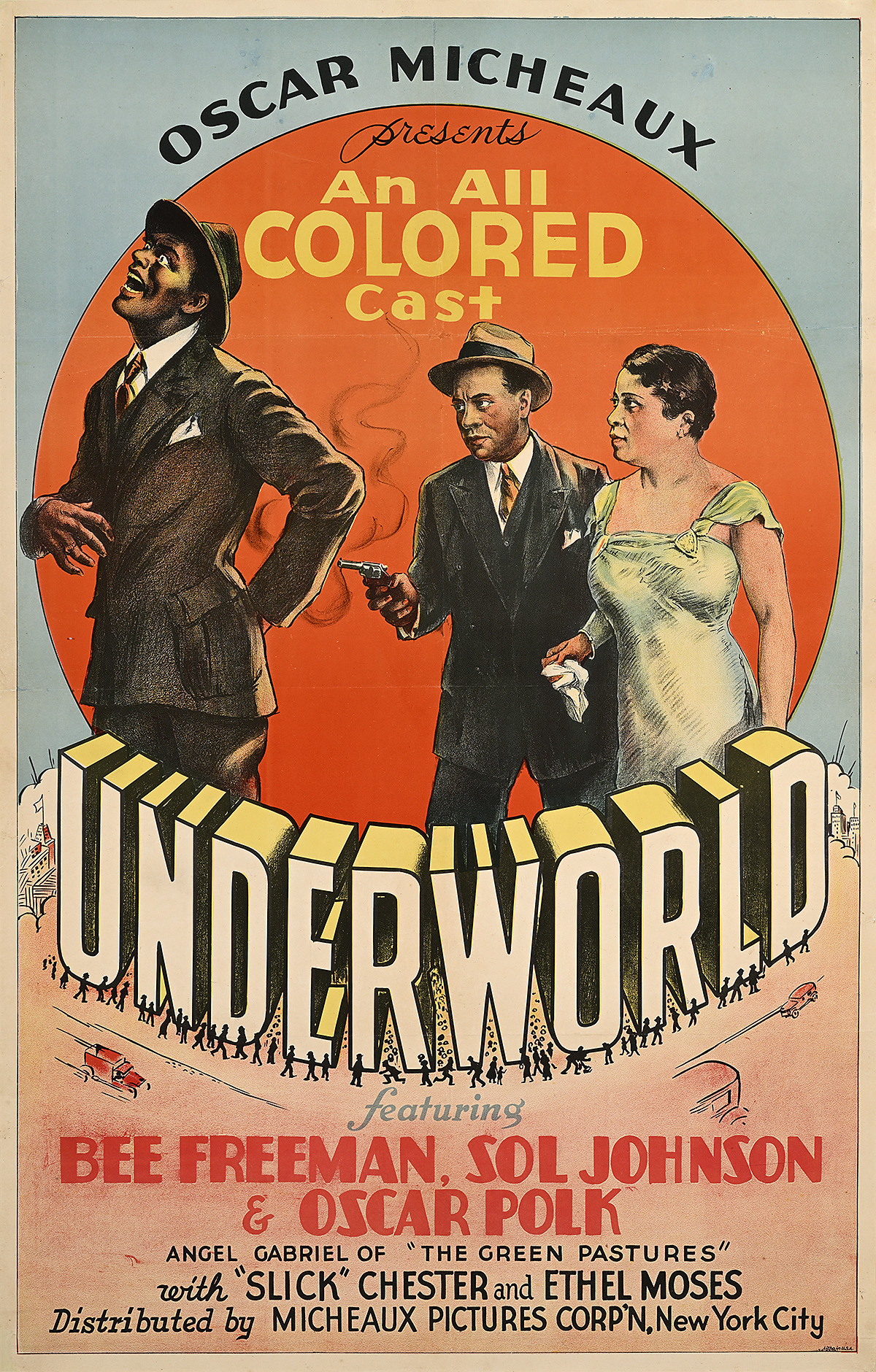
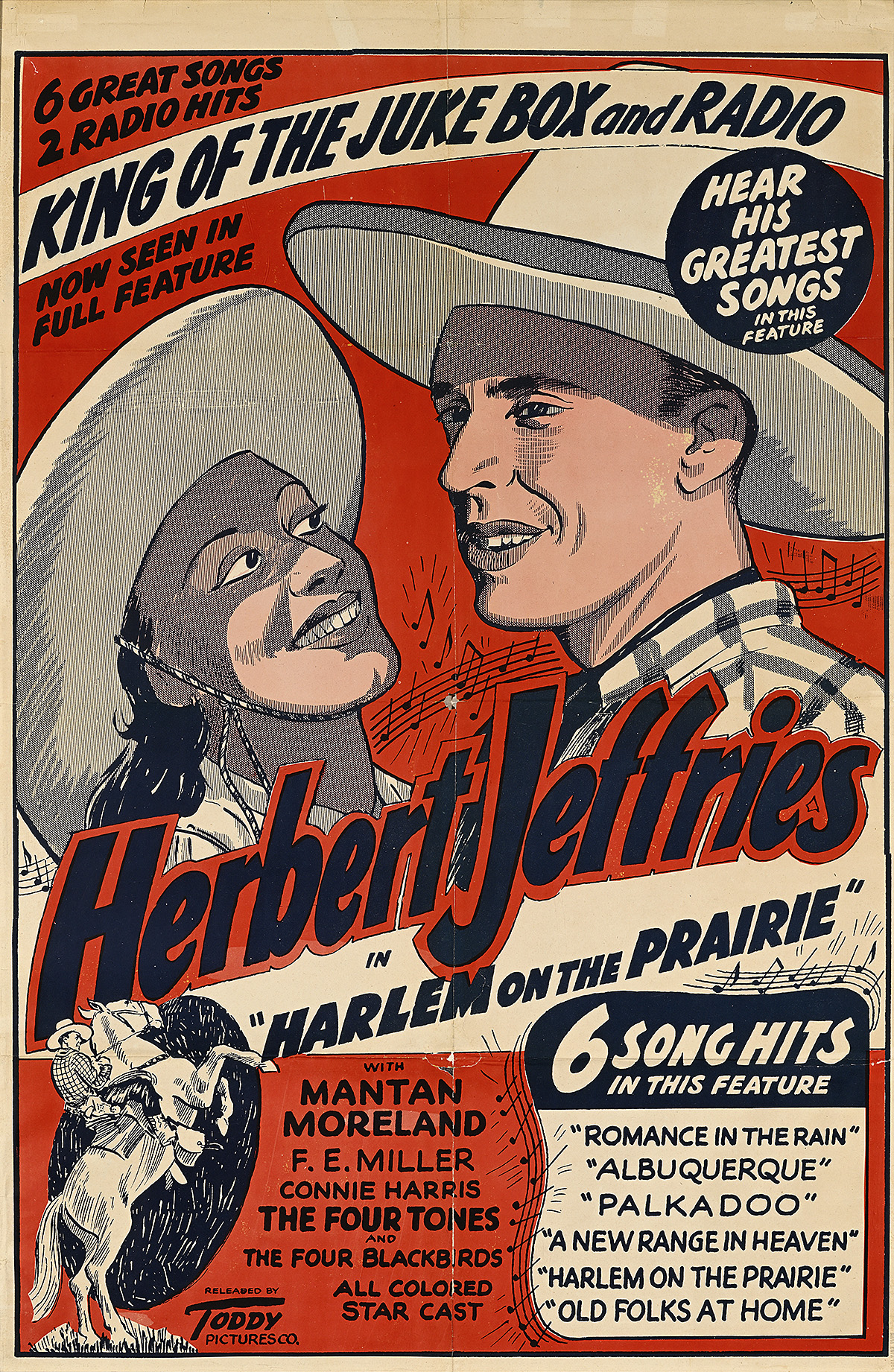
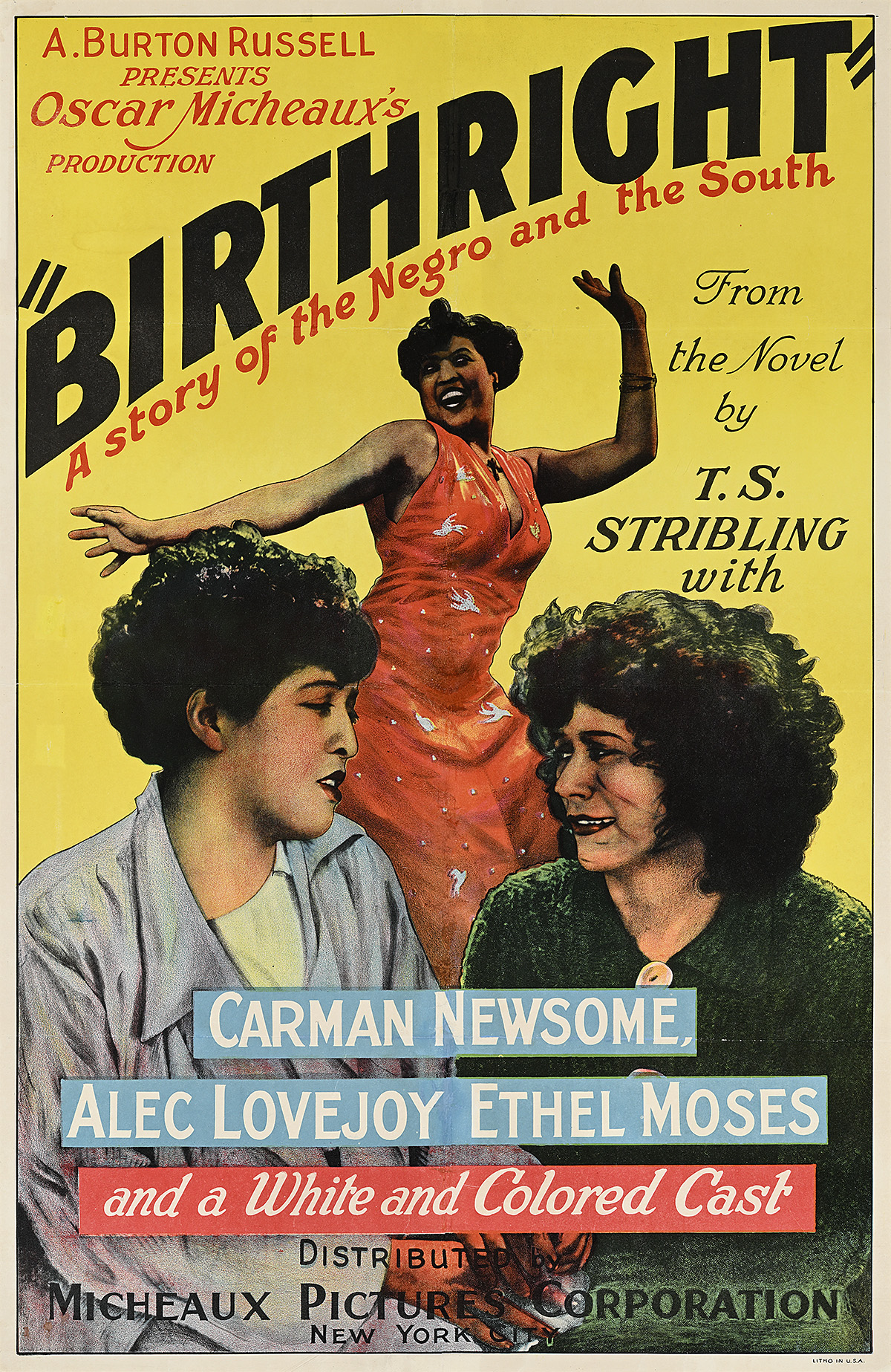
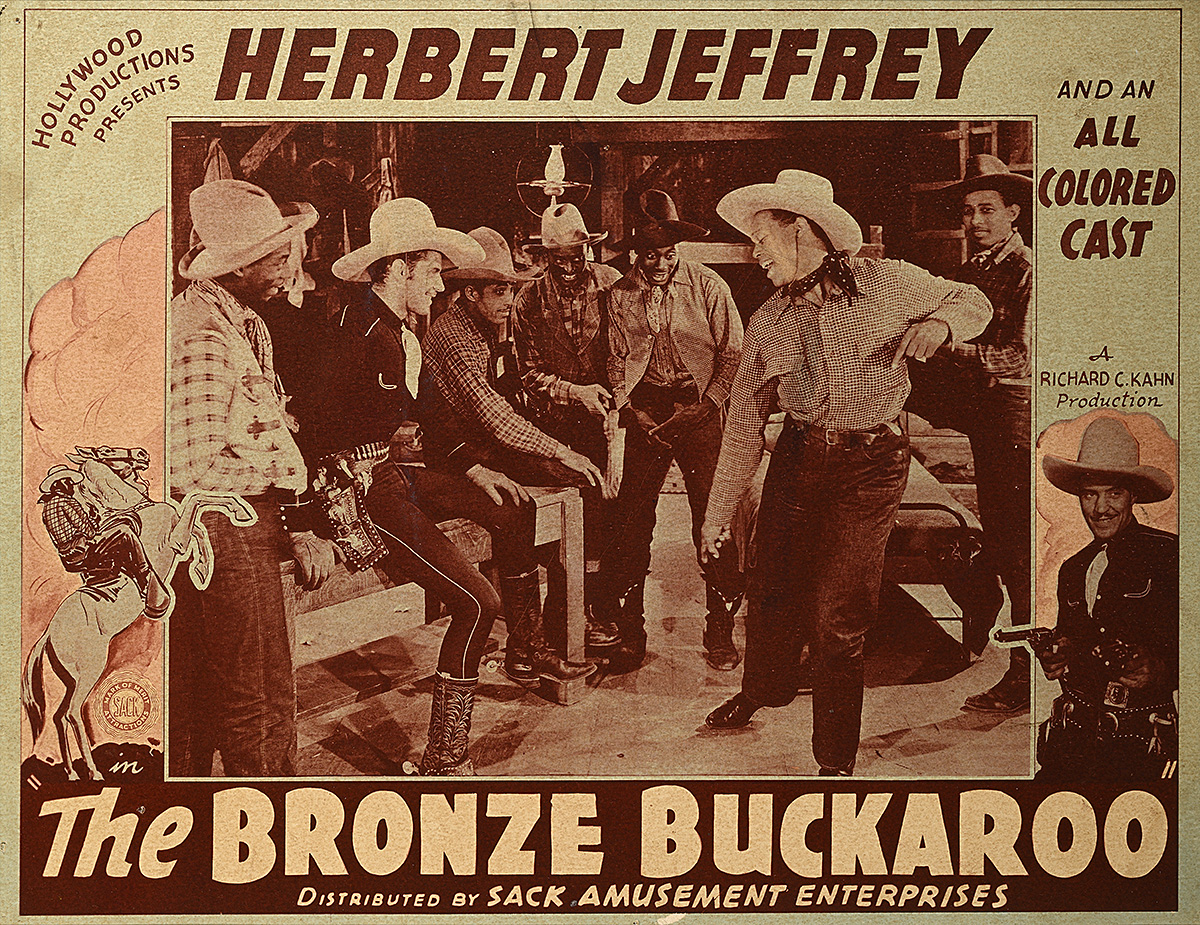
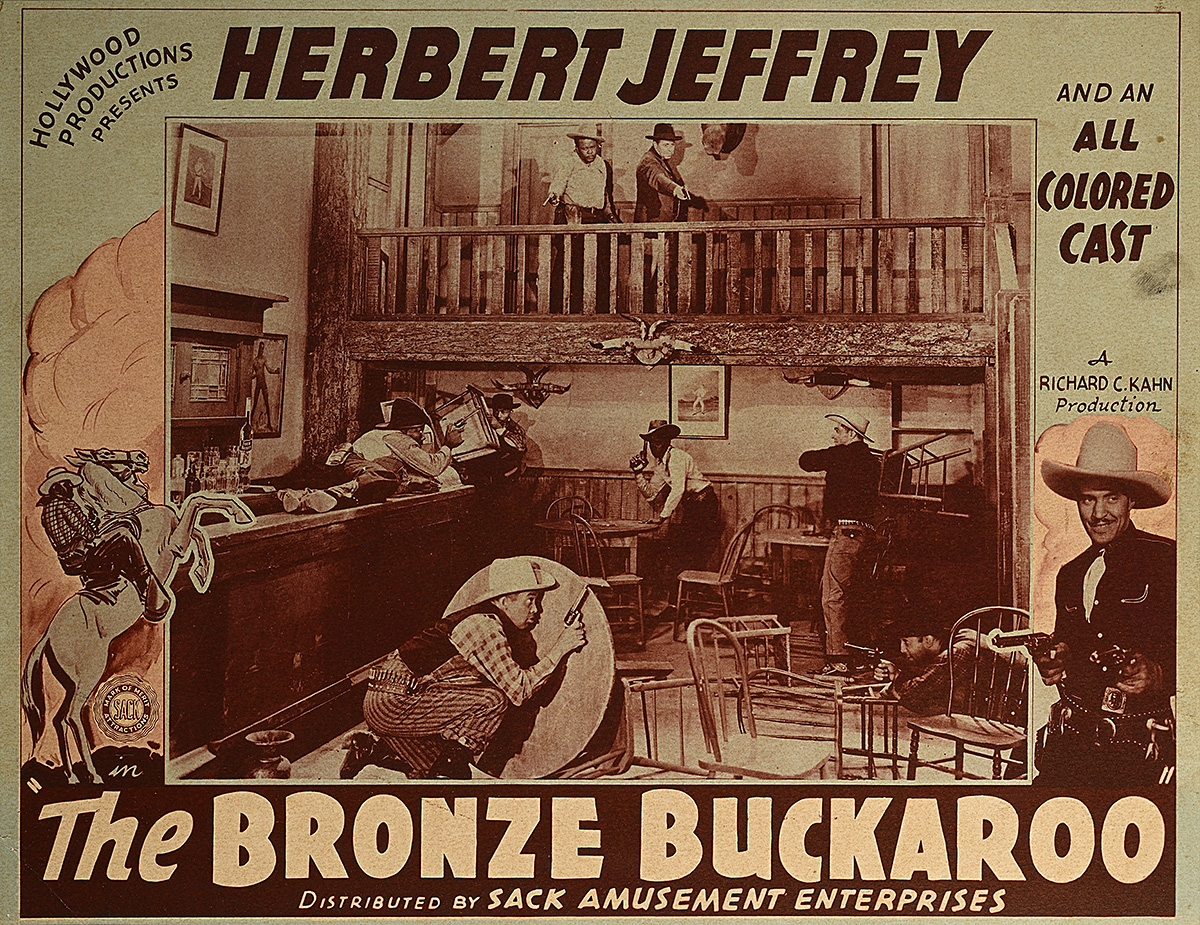
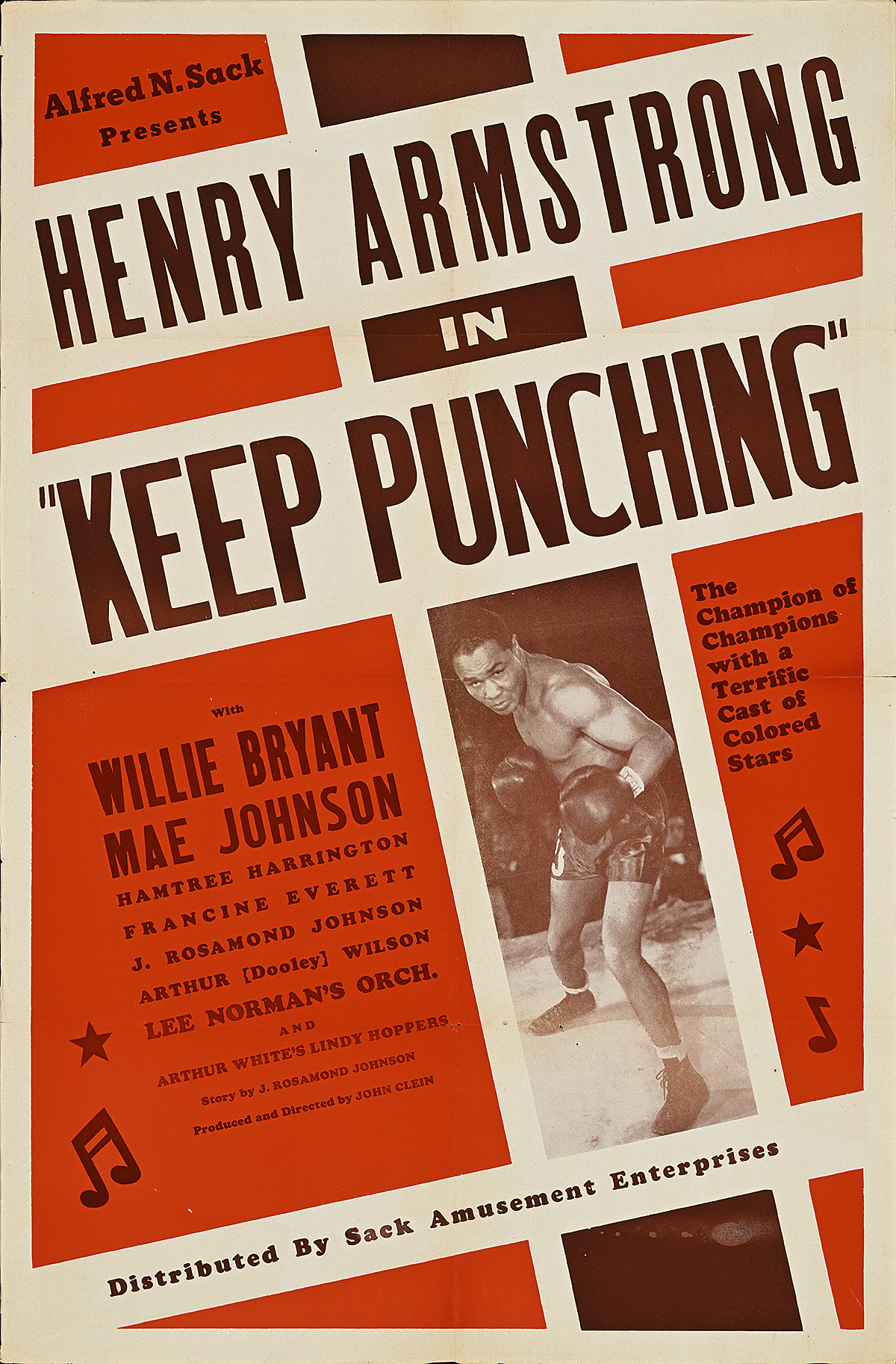
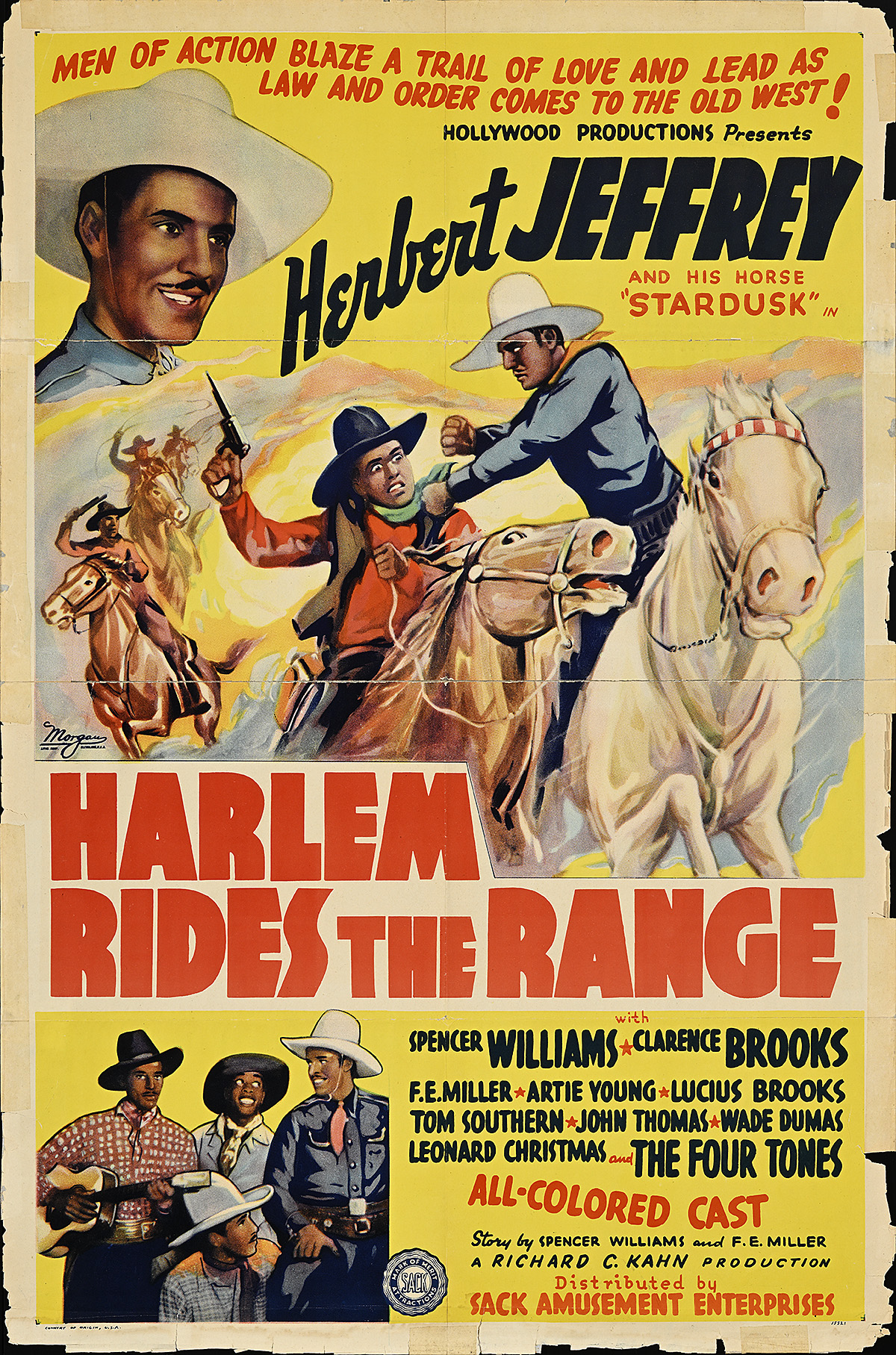
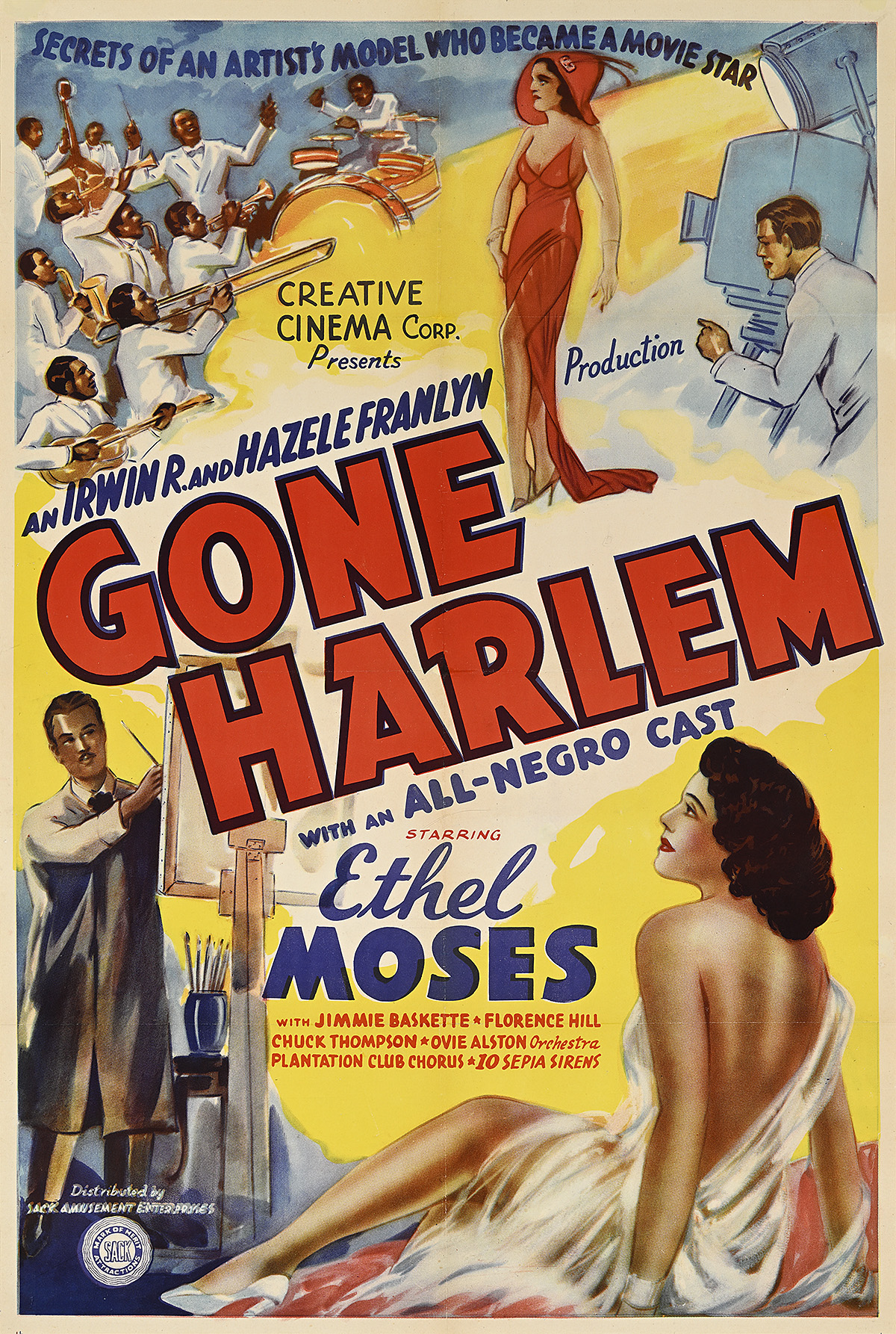
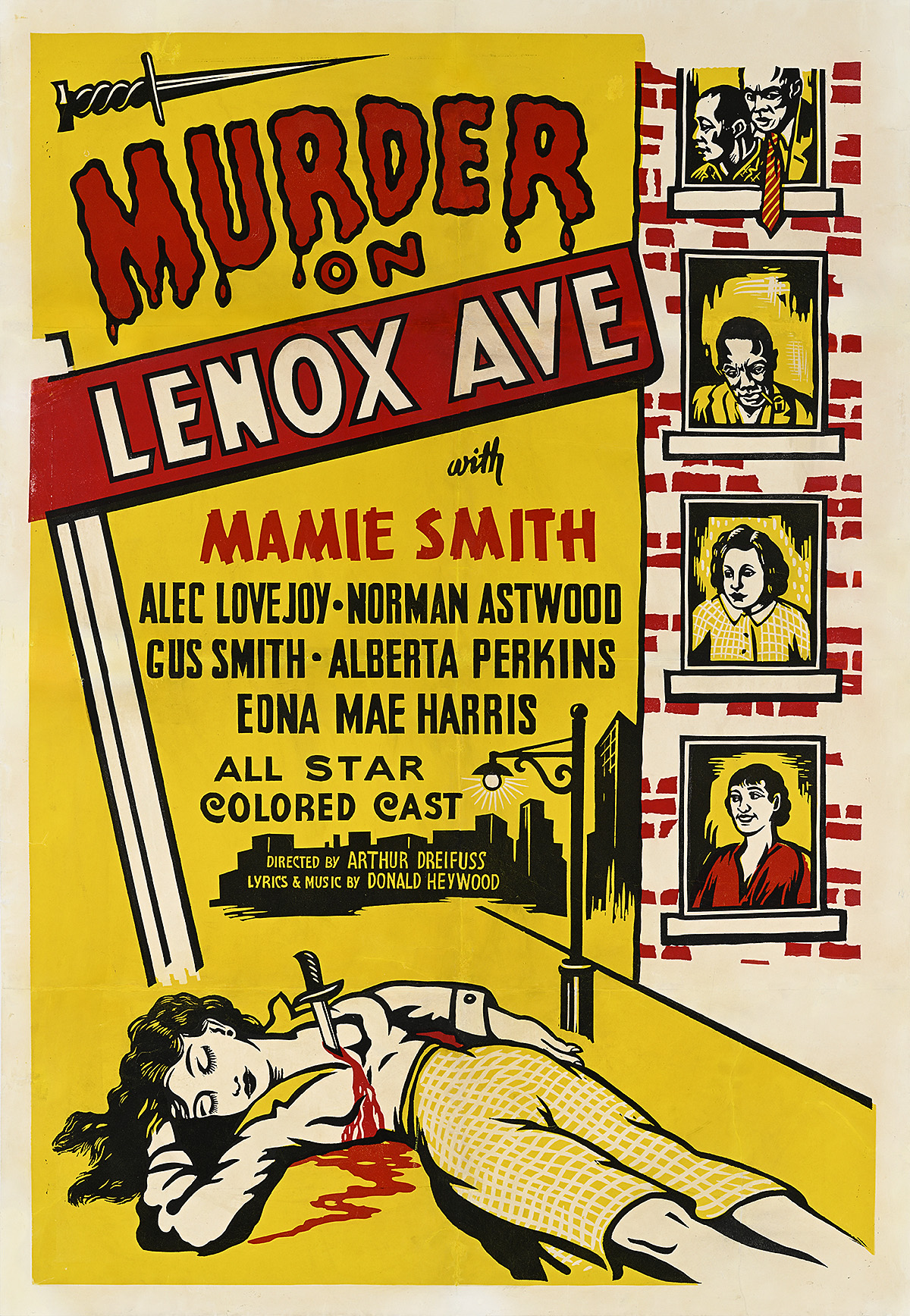
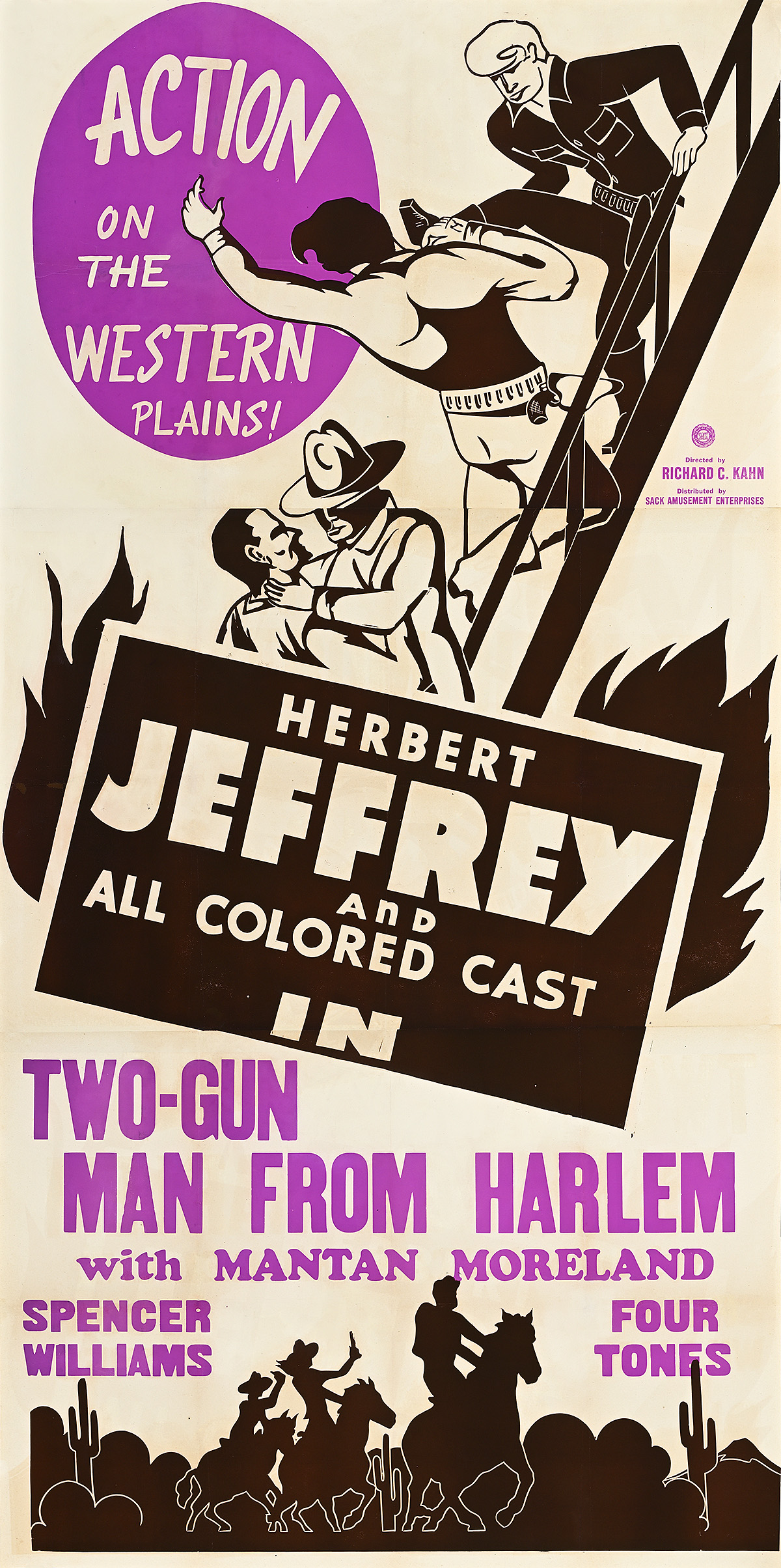
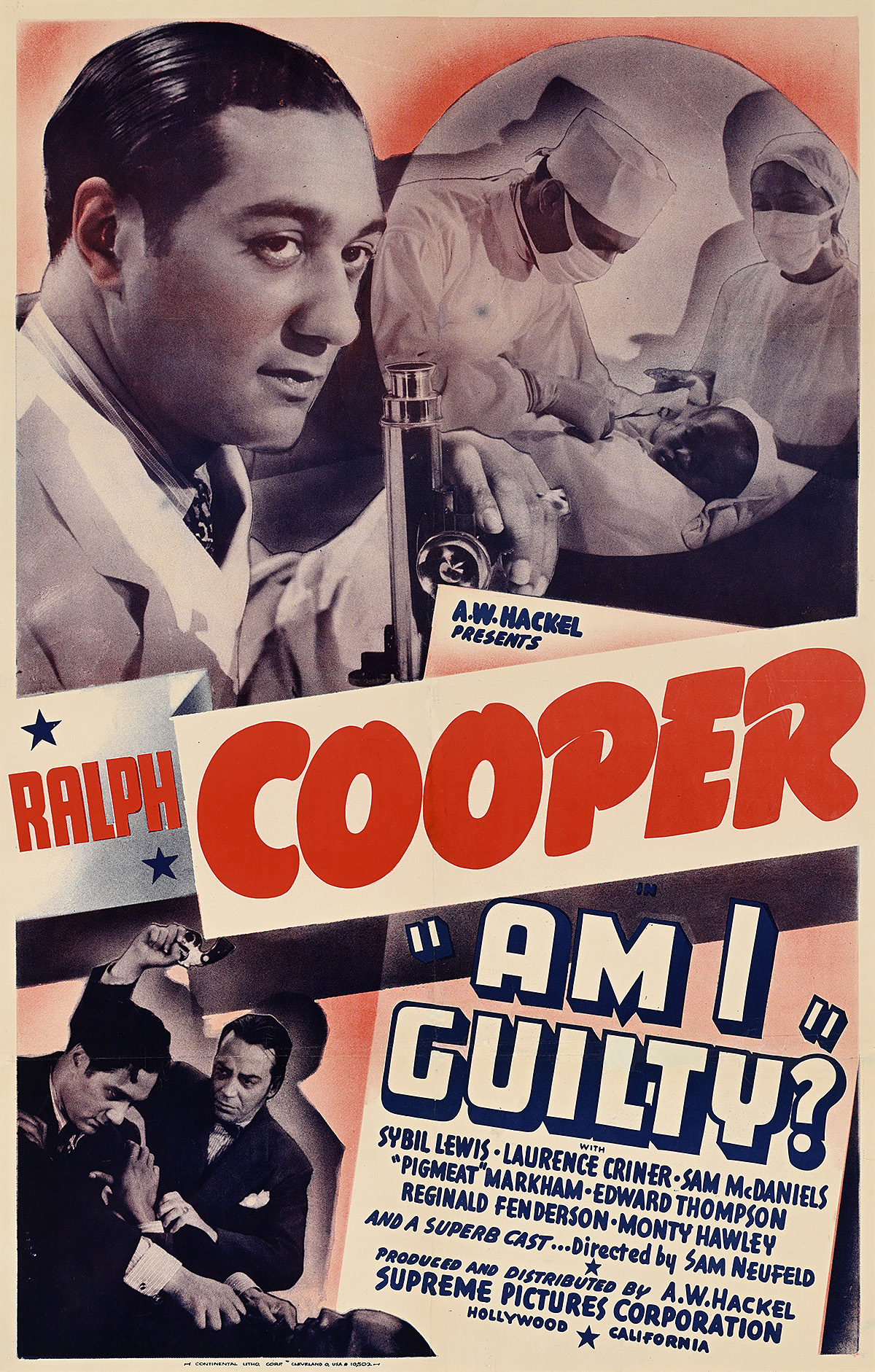
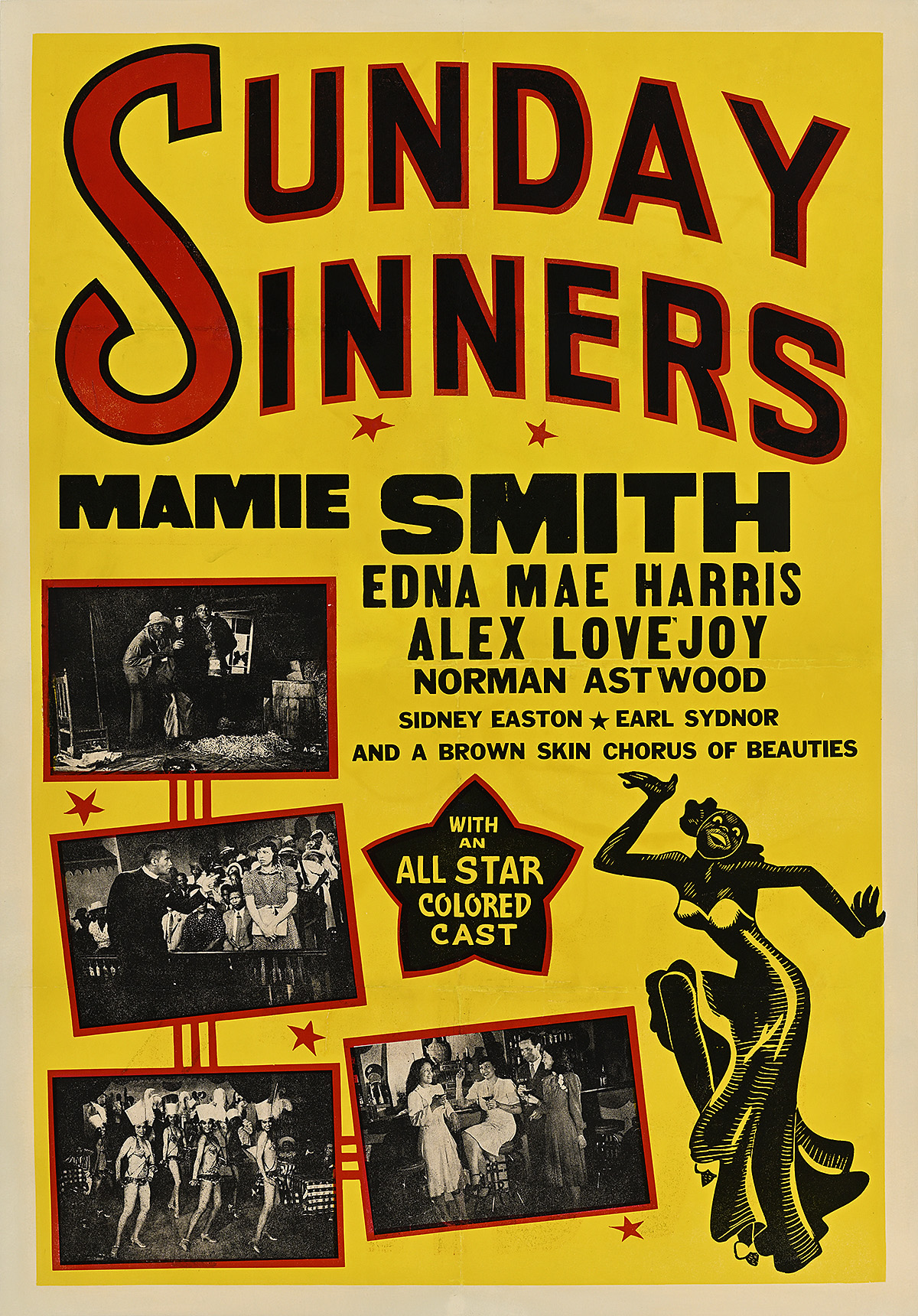
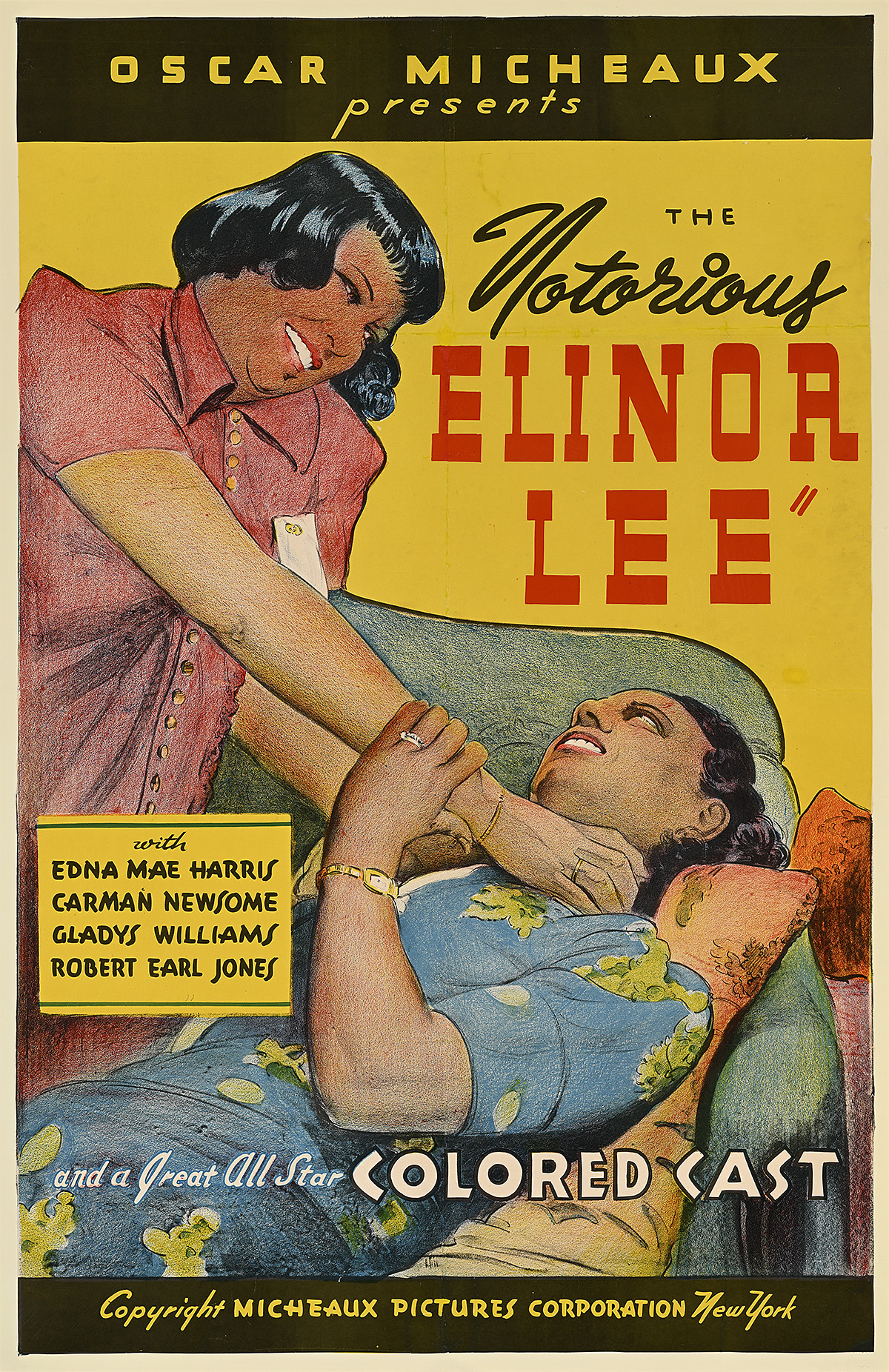
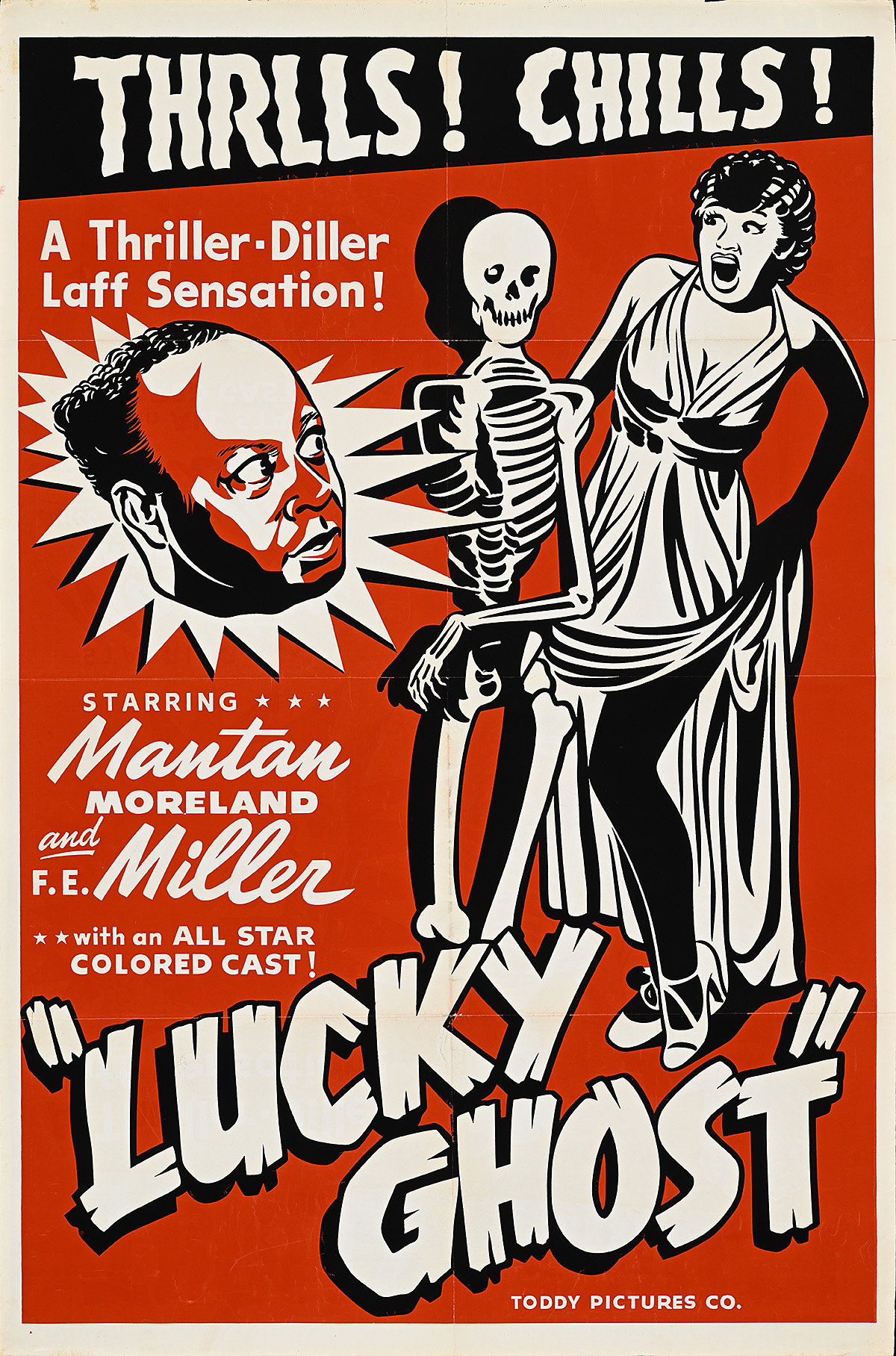
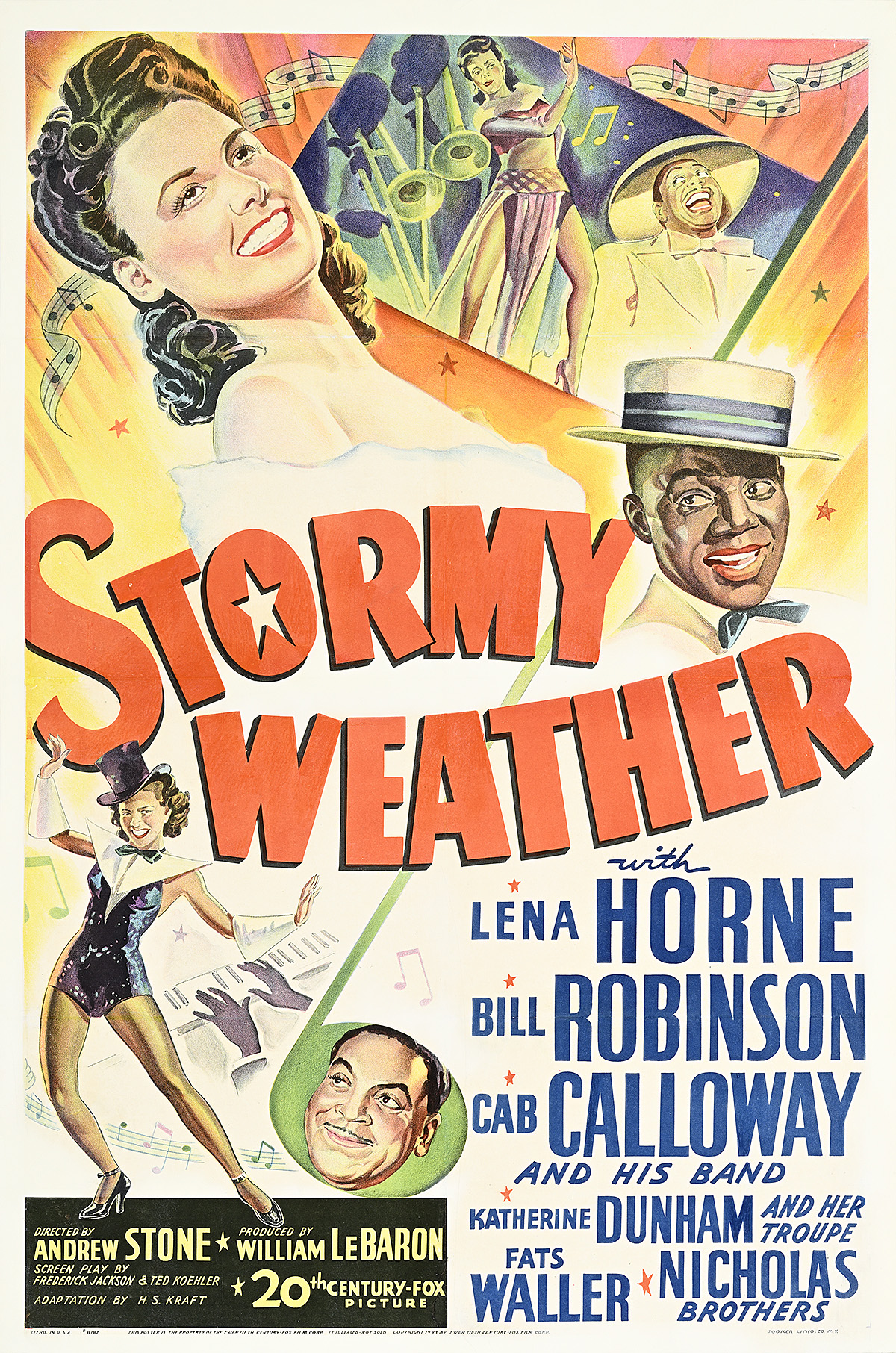
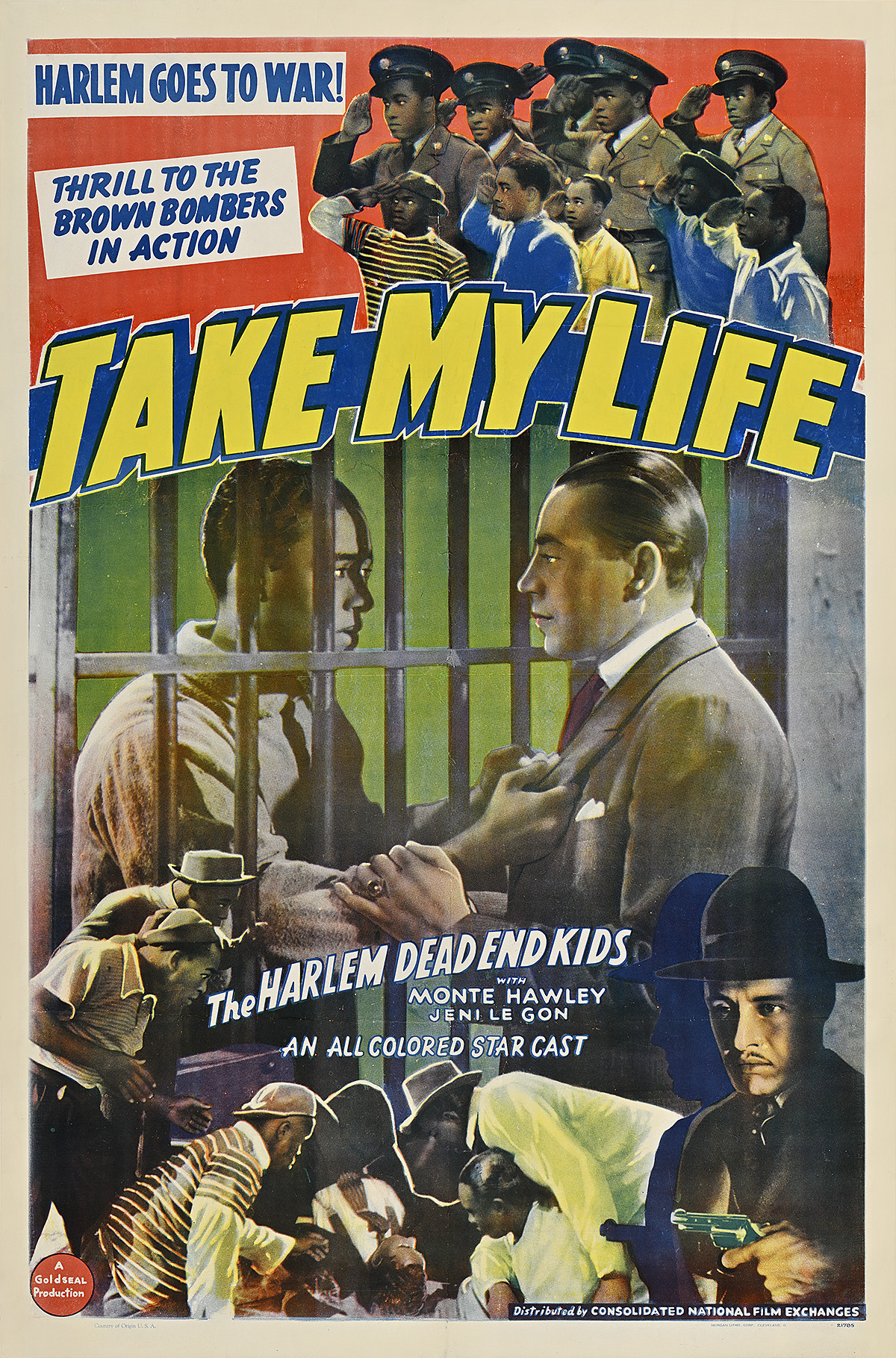
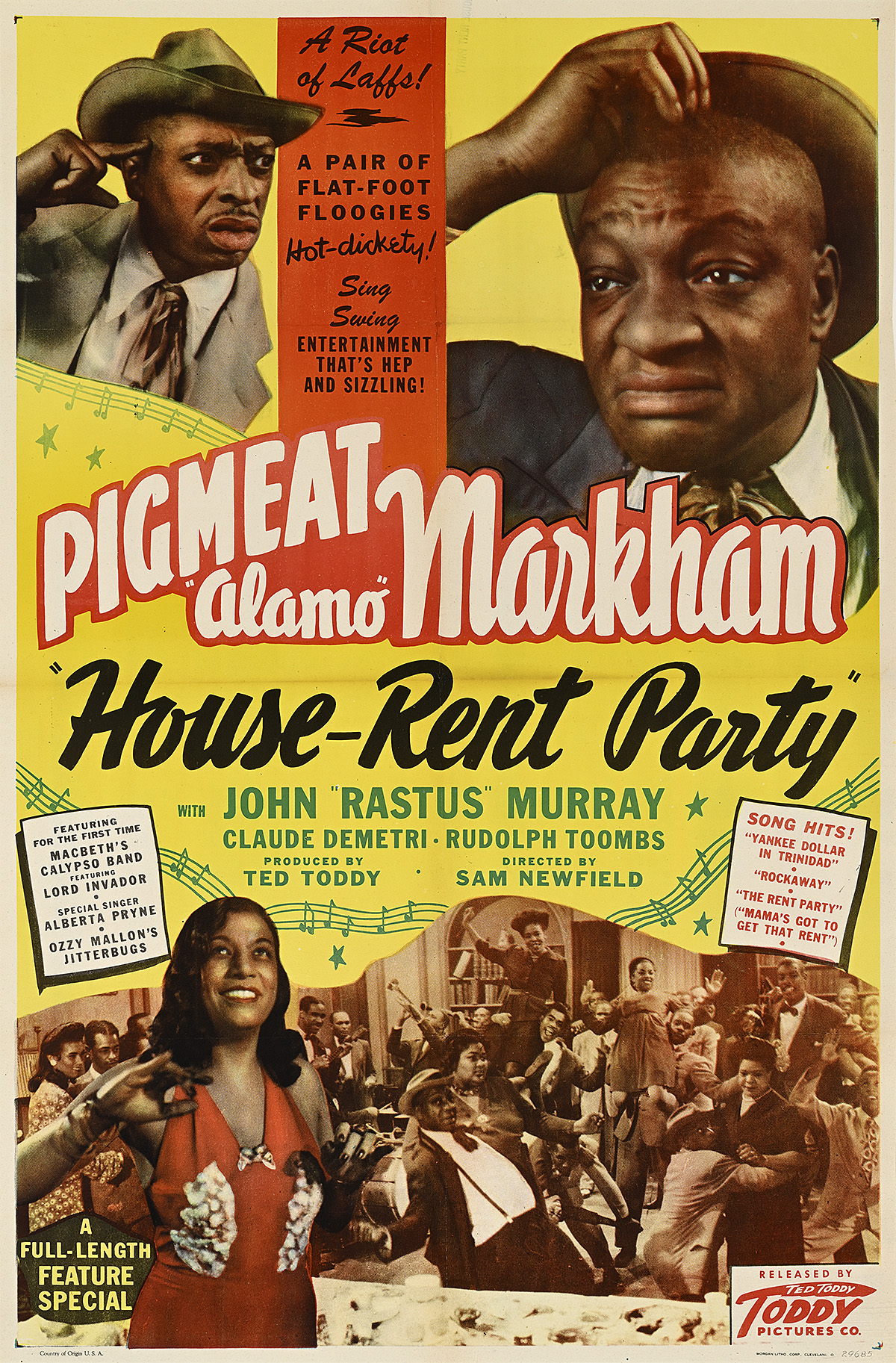
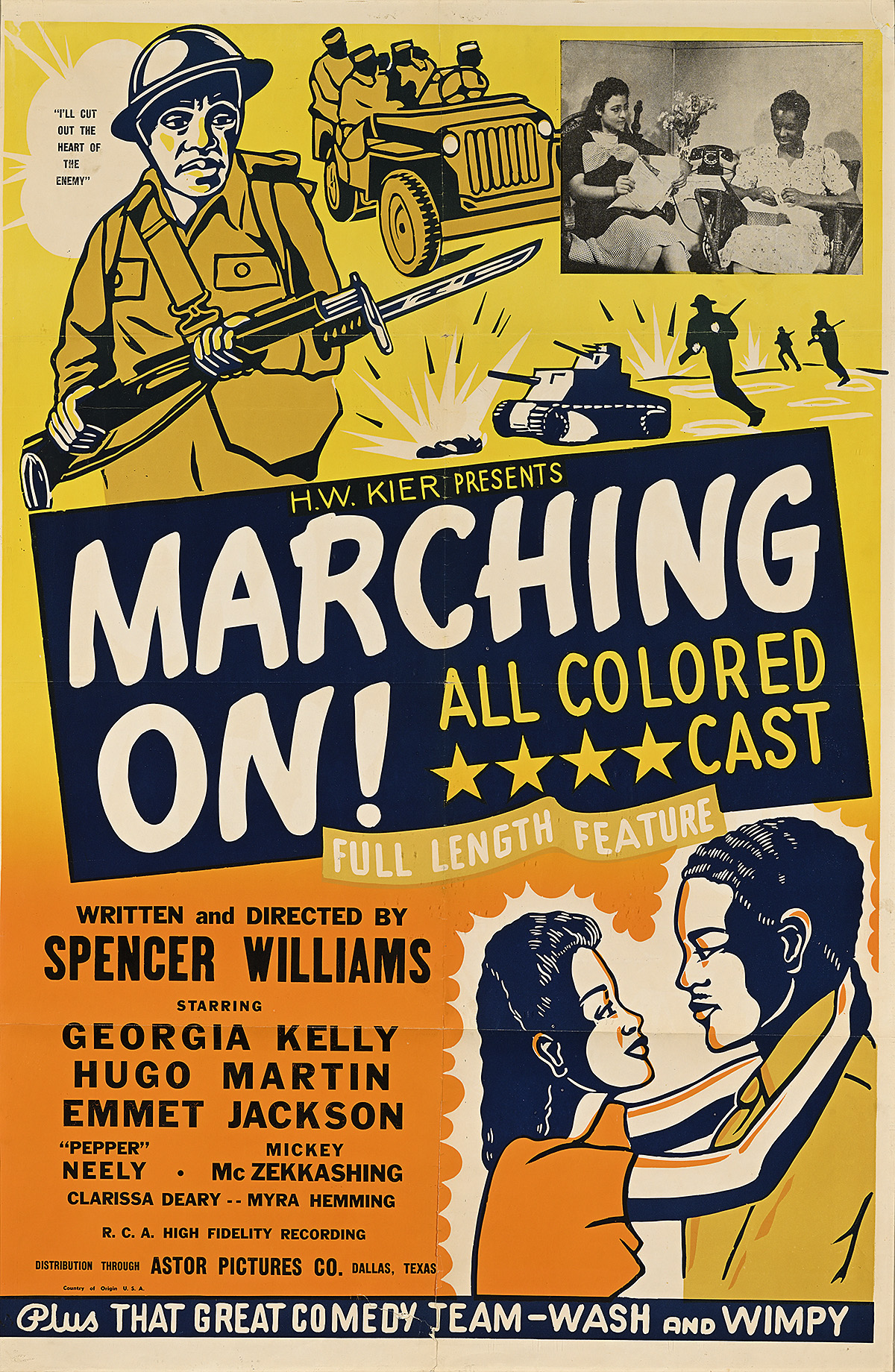
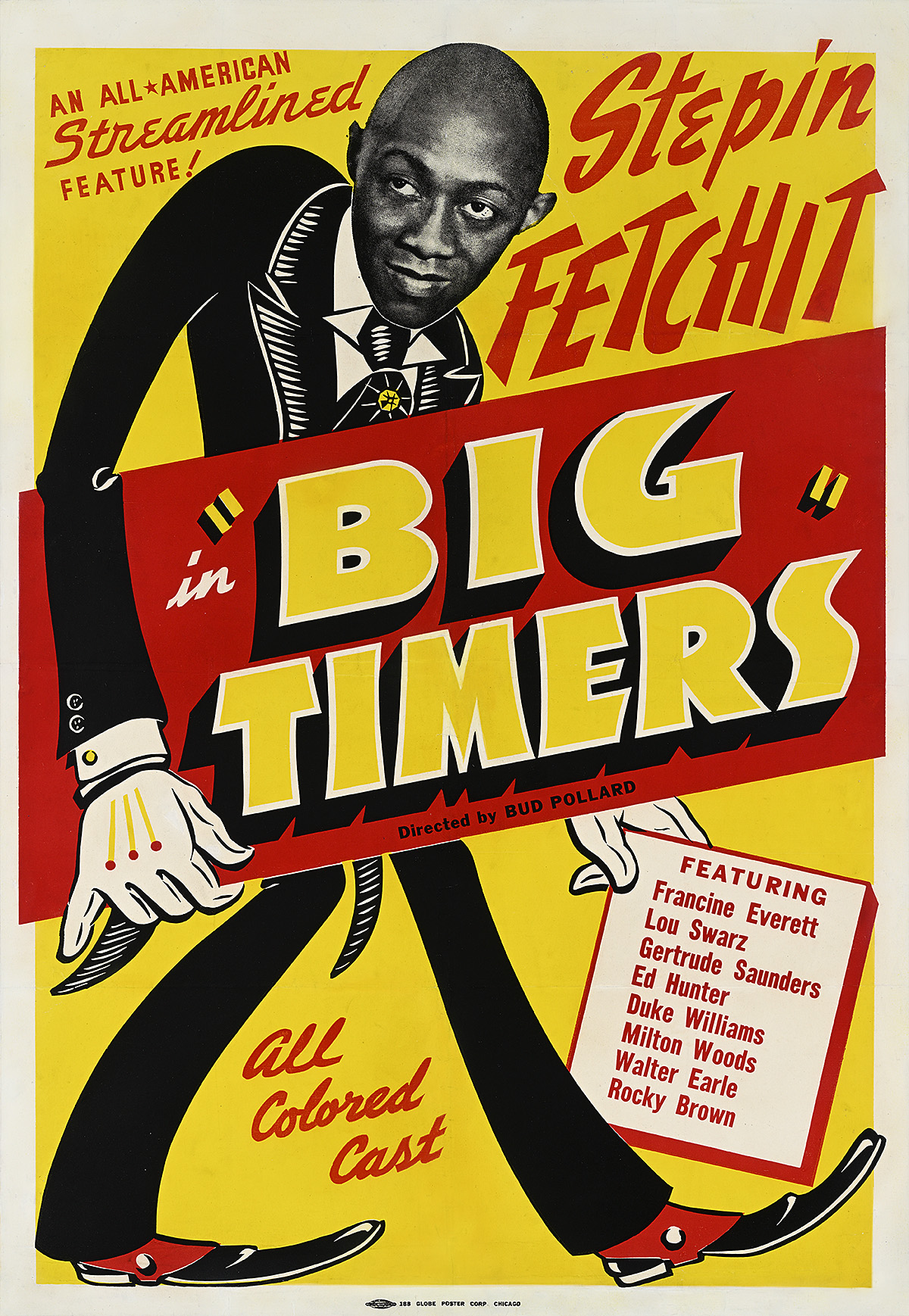
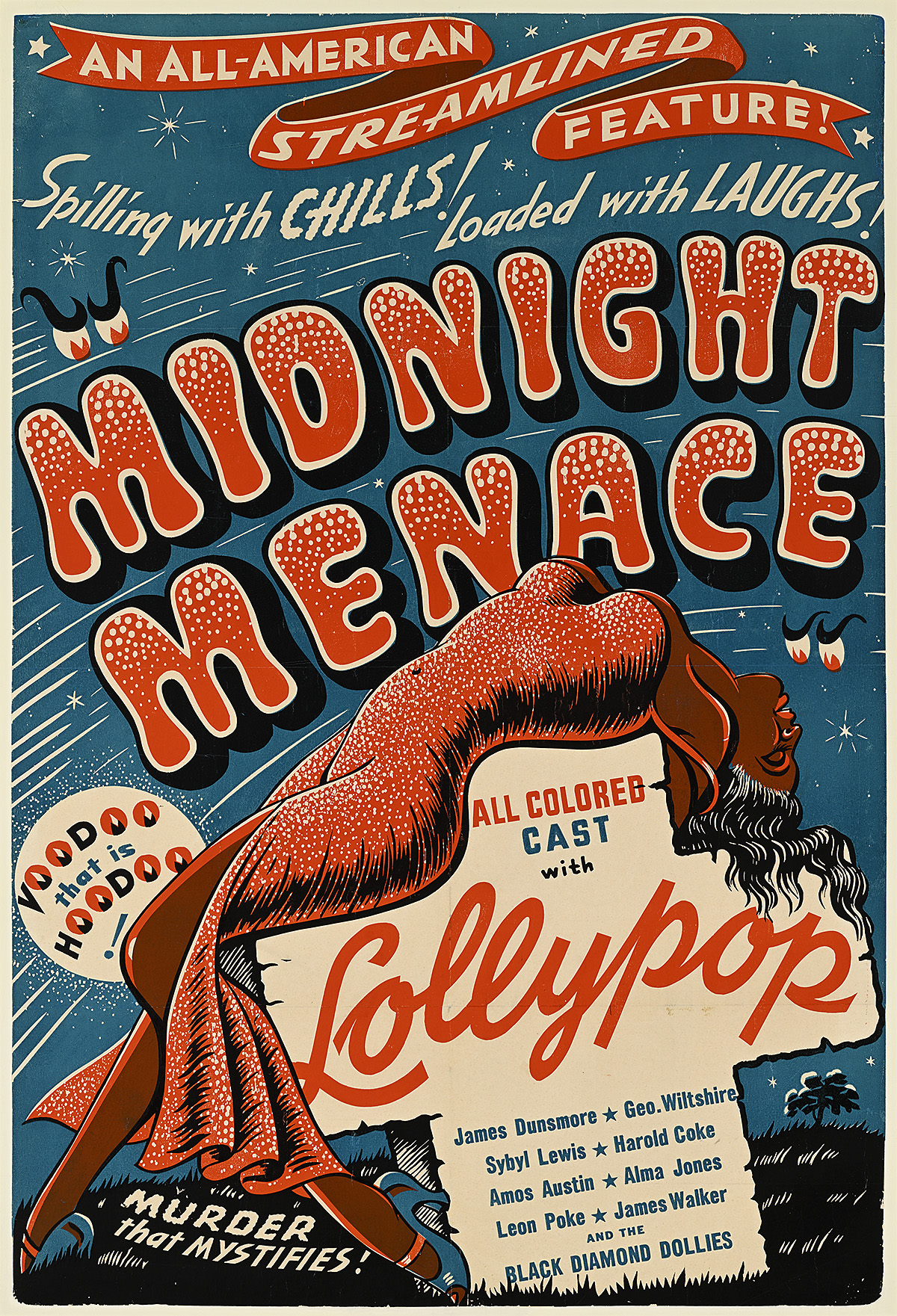
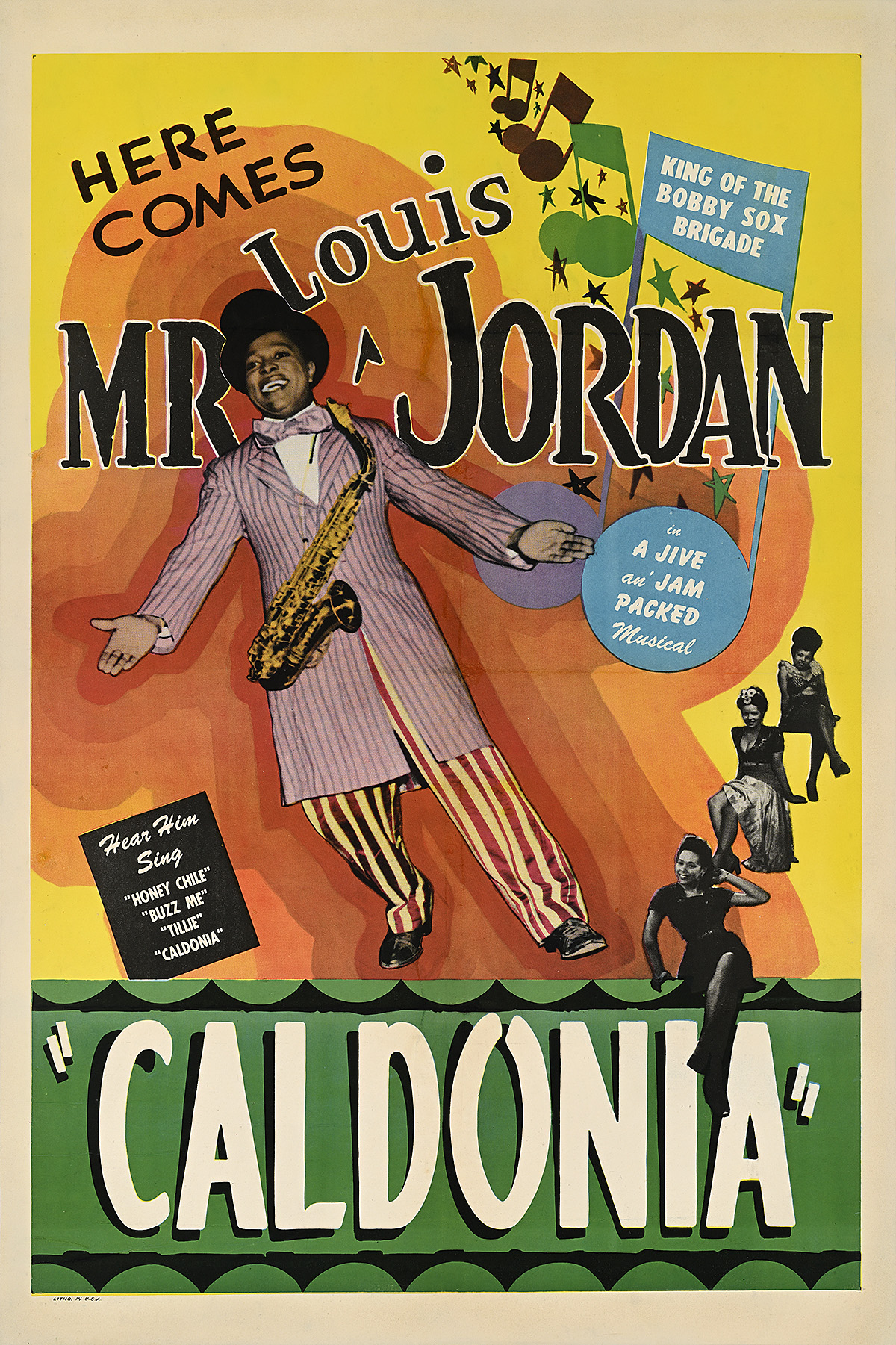
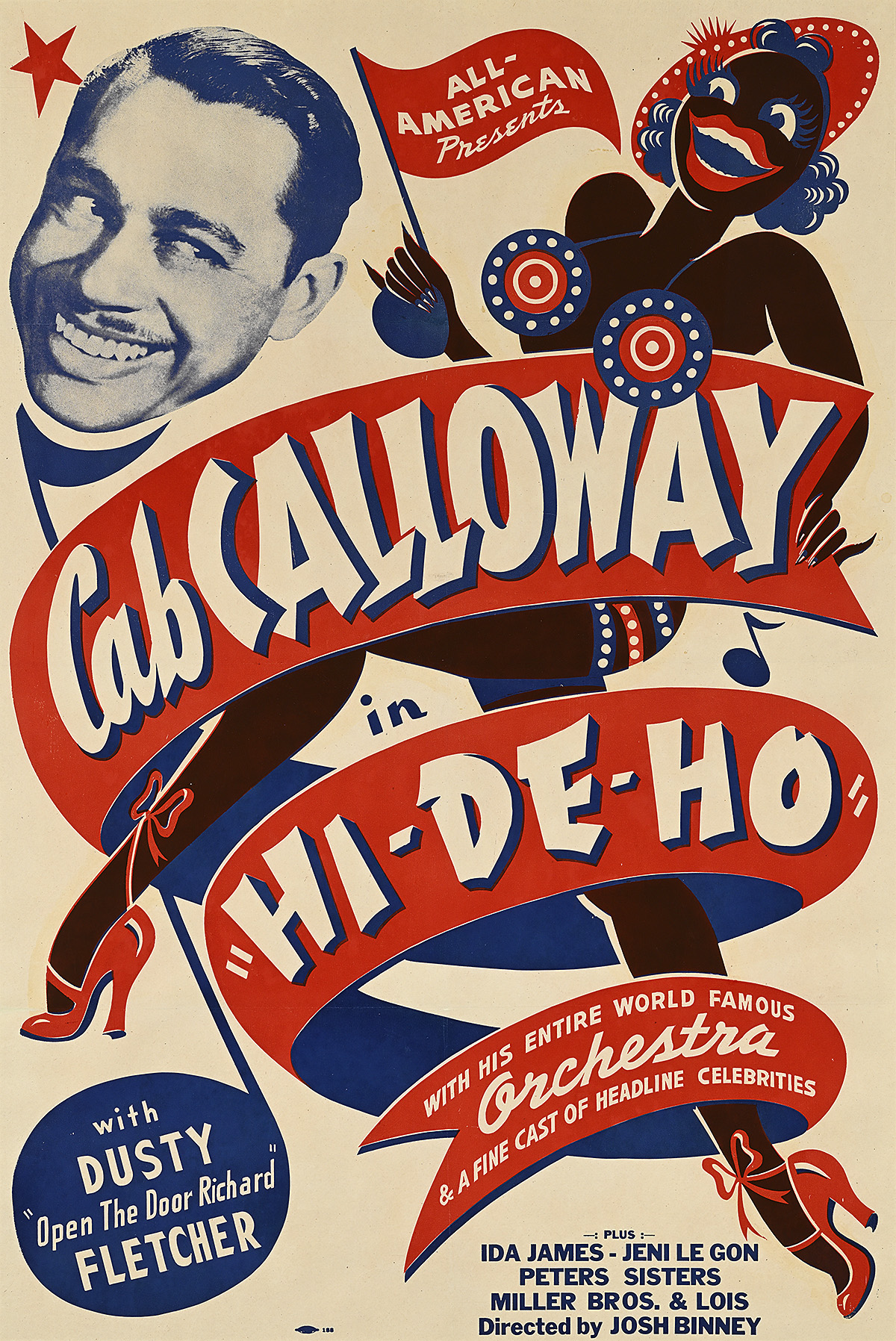
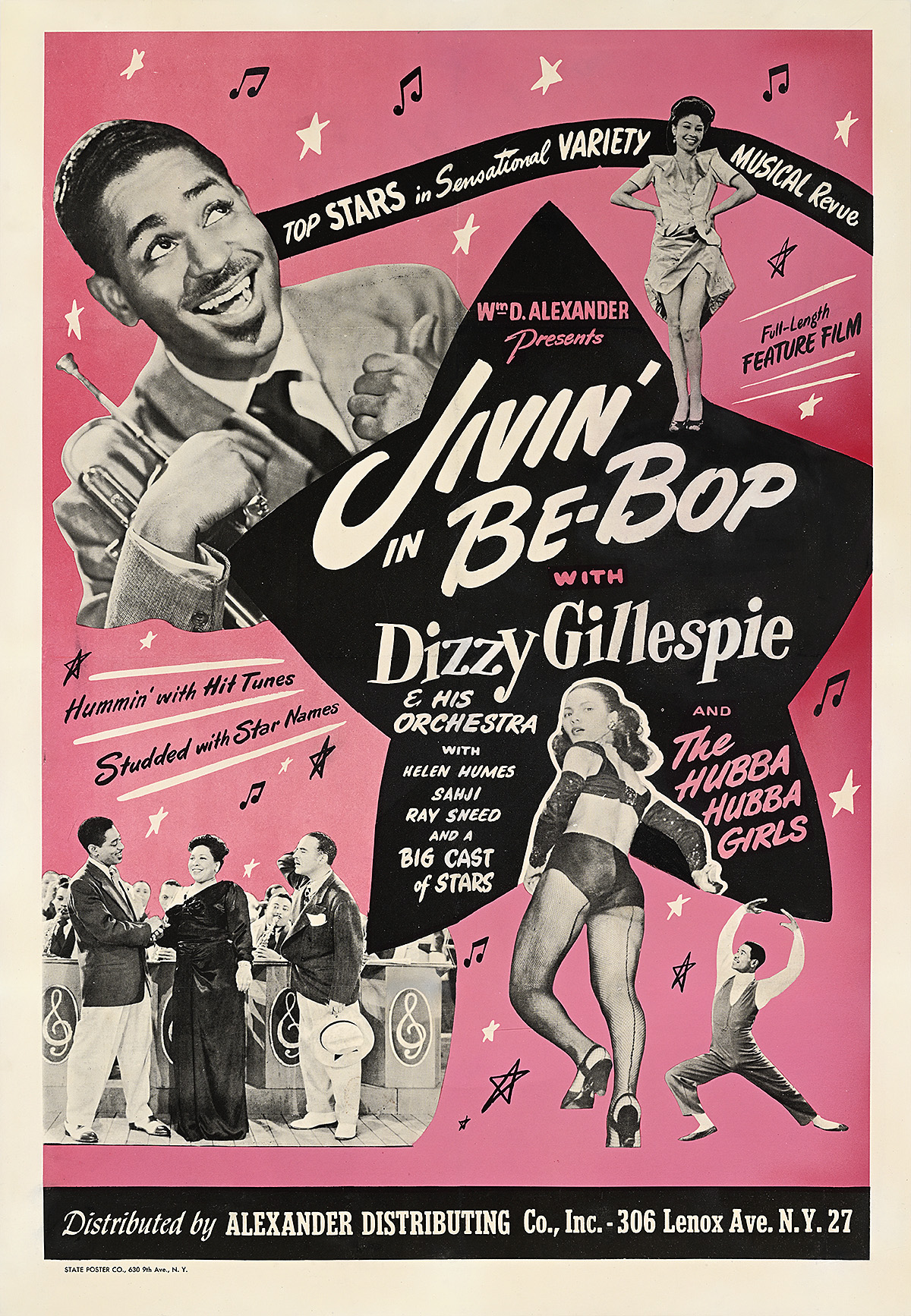
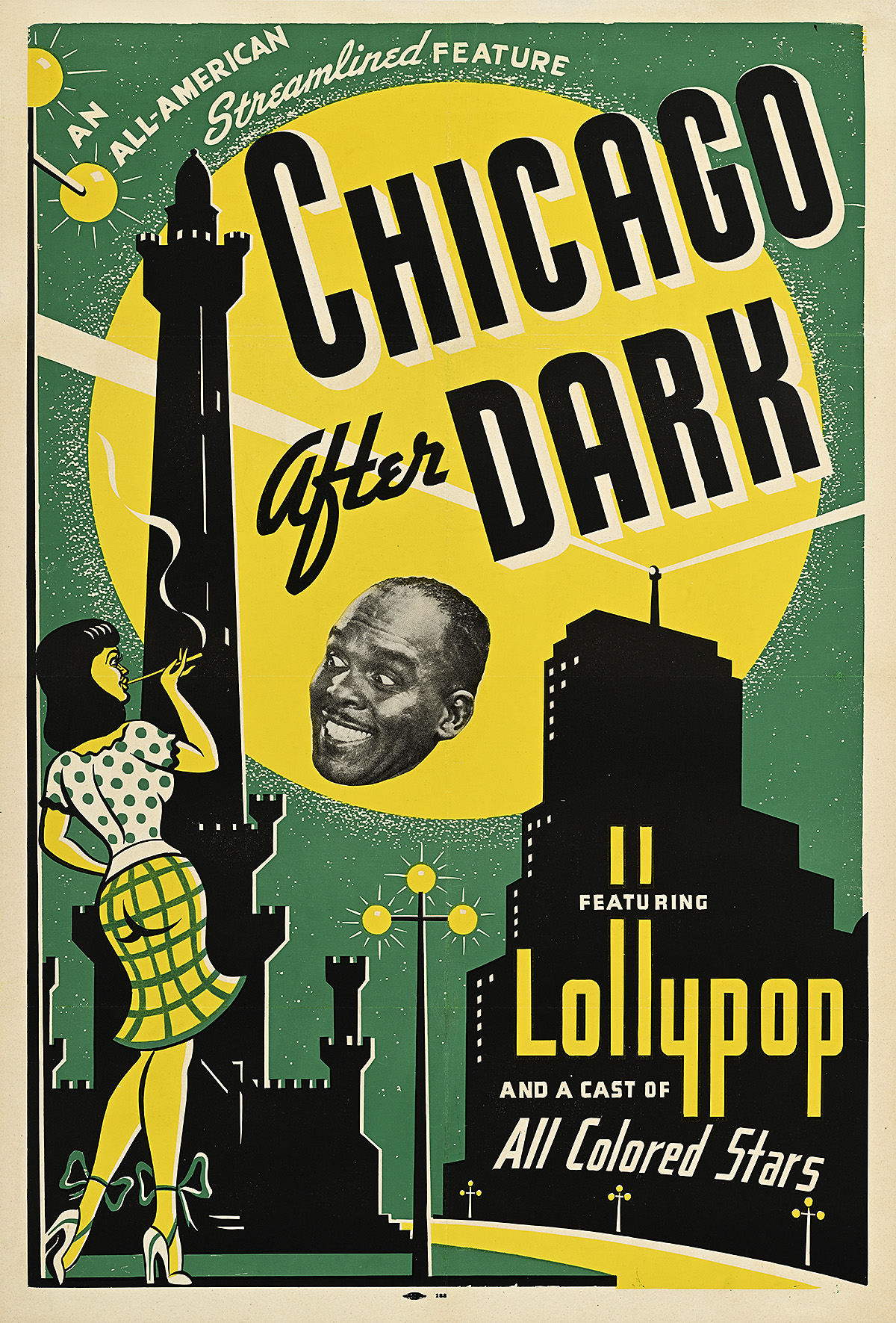
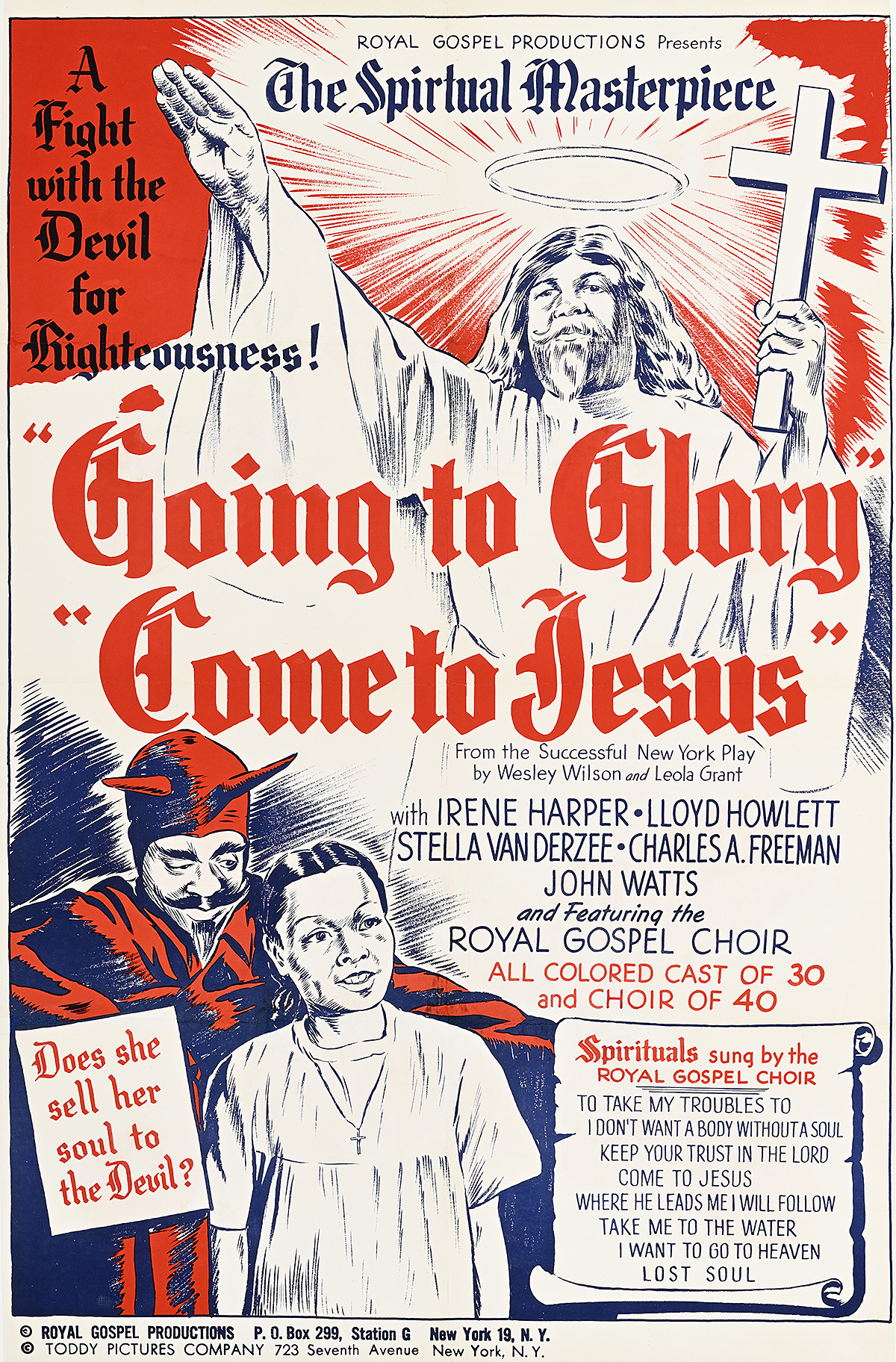
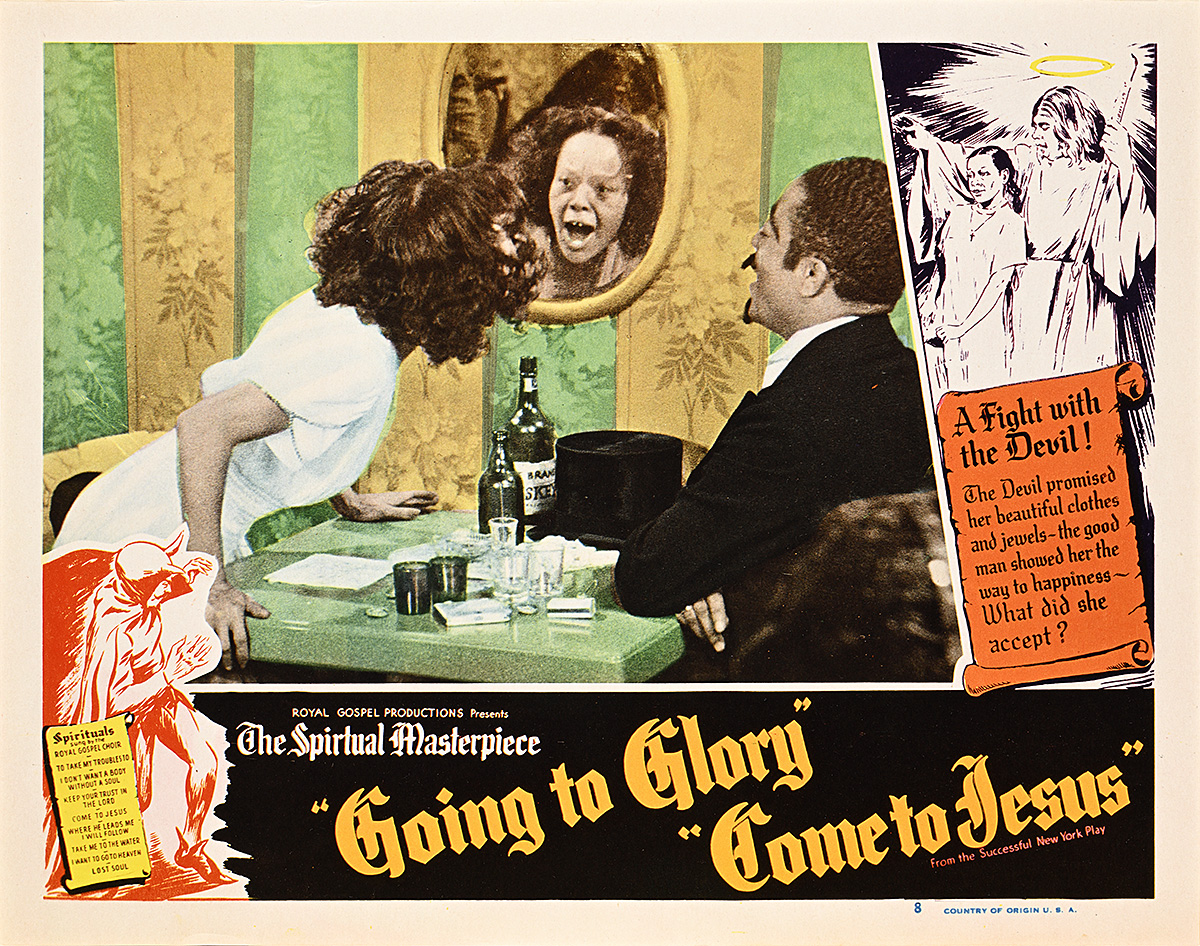
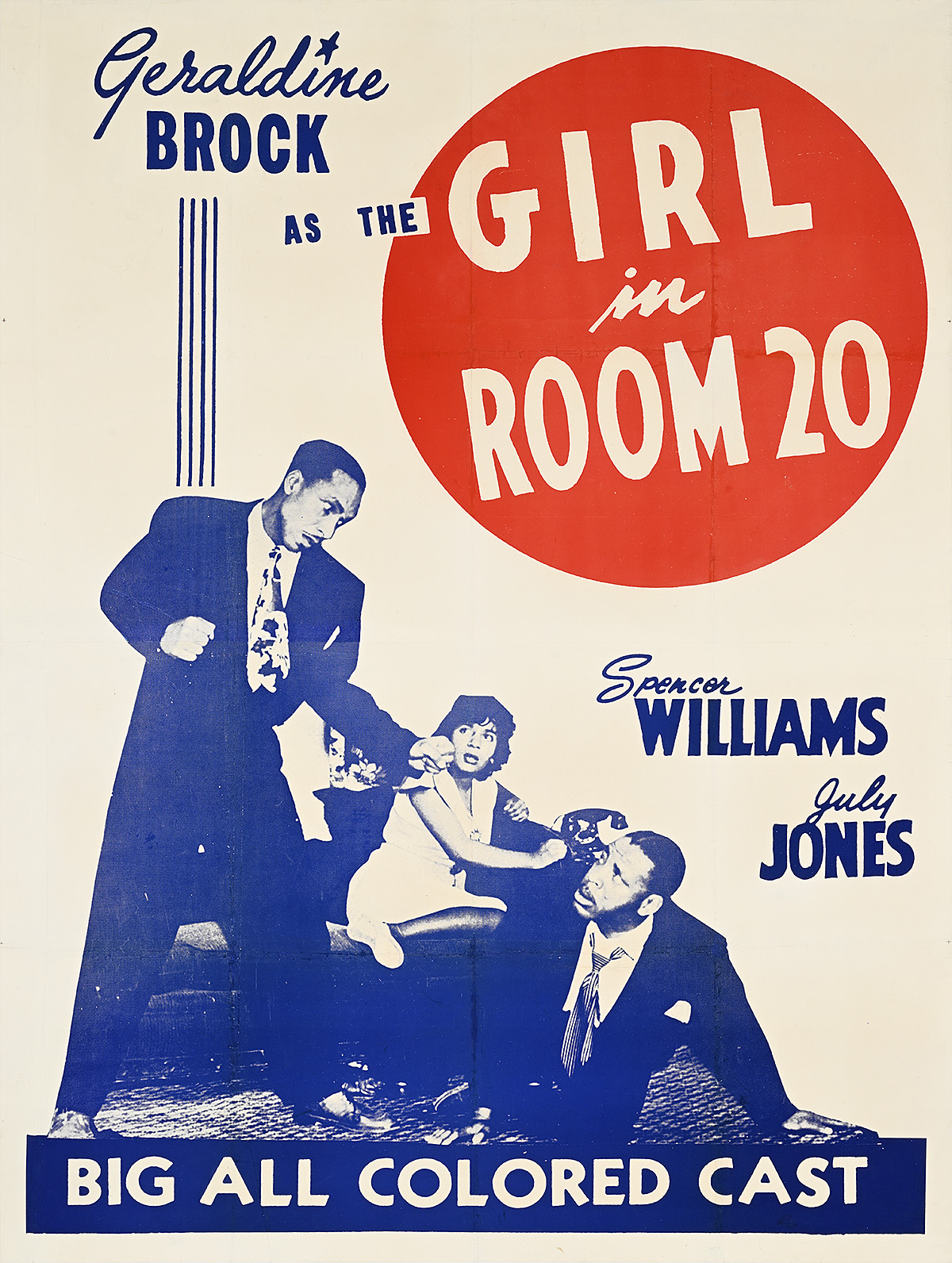
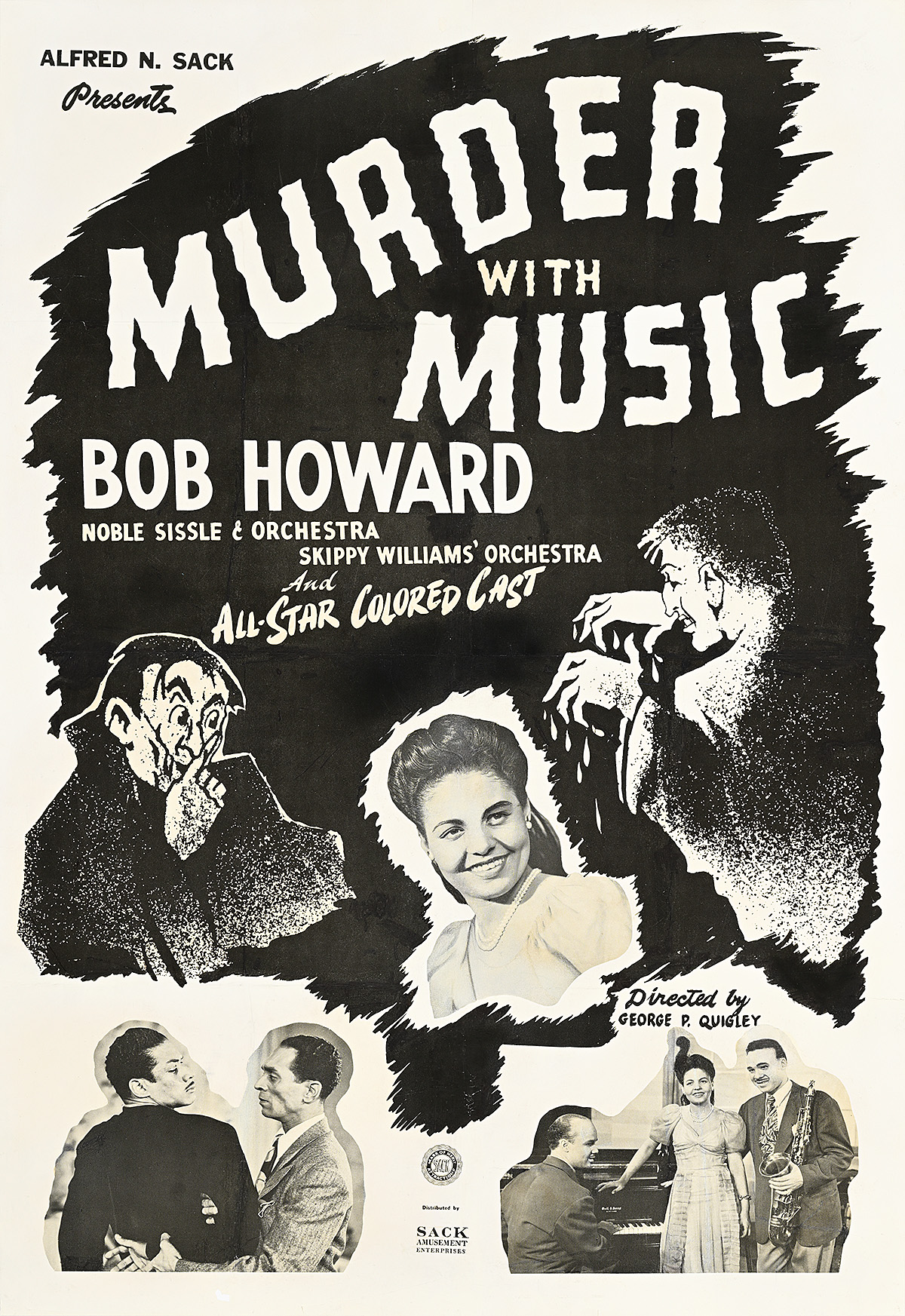
Starting in the 1880s, Black performers and those invested in telling stories centering Black people attempted to counter the dehumanizing and harmful stereotypes used to portray Black characters. Shows began touting “All Colored Revues” to indicate that a cast was made up of actual Black performers rather than white people in blackface and that these spectacles aimed to build stories around the perception of Black experiences. Although these performances were sometimes flawed and even overtly prejudiced, they represented a significant form of Black American cultural development and expression. Playwrights and composers also expanded the ways in which Black humanity was represented on stage, adding emotional depth and a range of perspectives. Movies gradually replaced theater as the most popular form of entertainment during the 1920s, reaching wider audiences and introducing narratives that exercised the storytelling abilities and talent of their “All Colored Casts.”
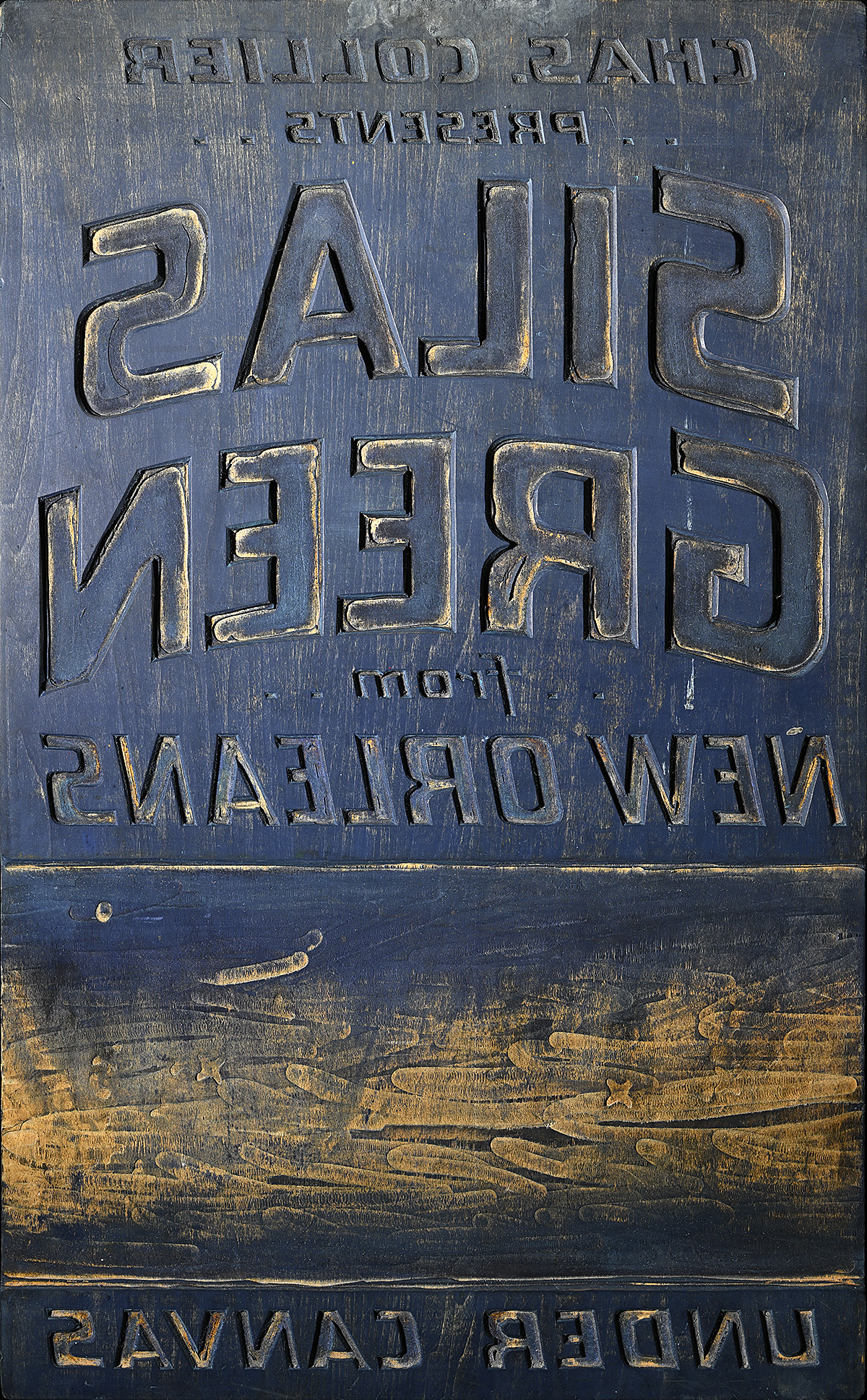
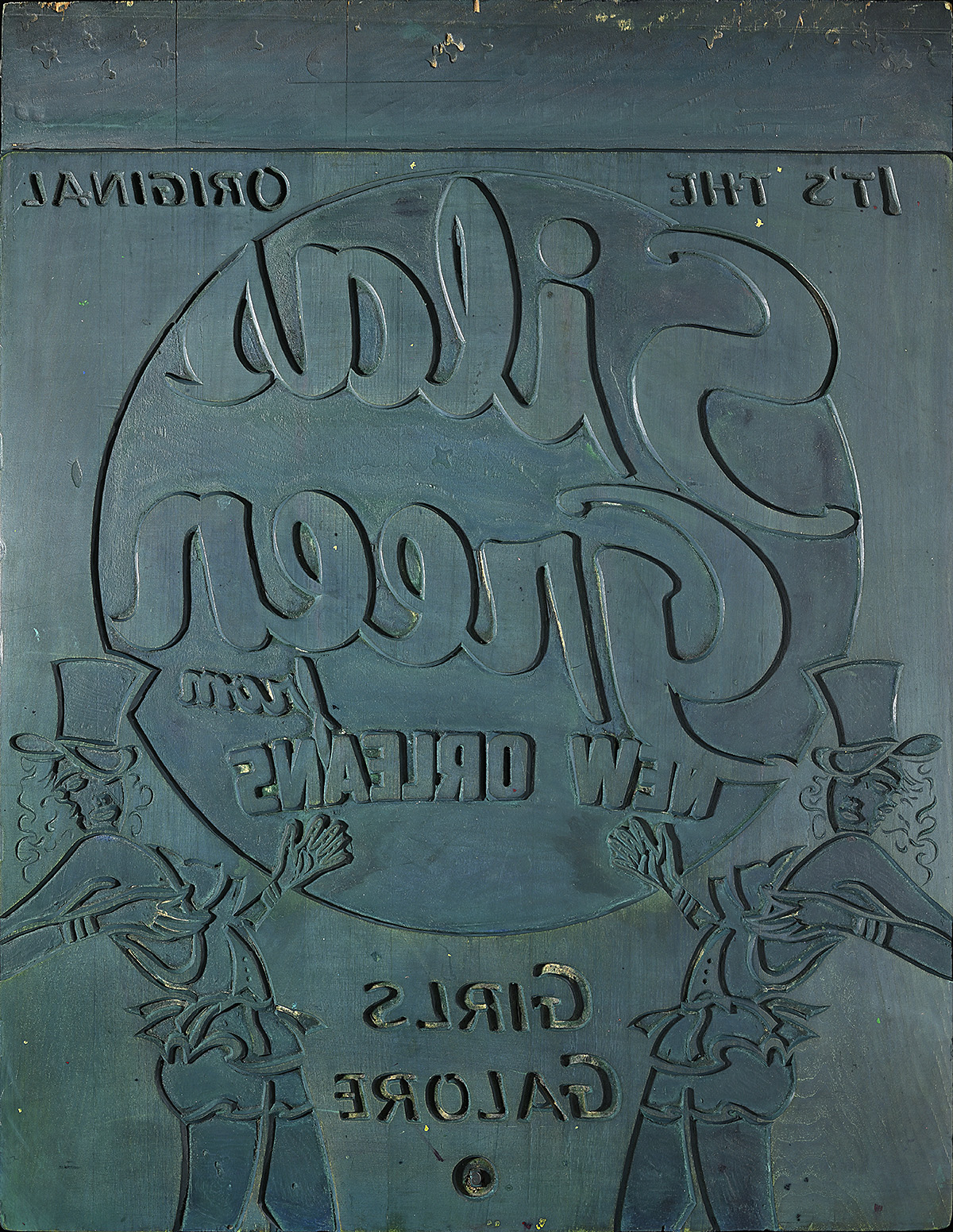
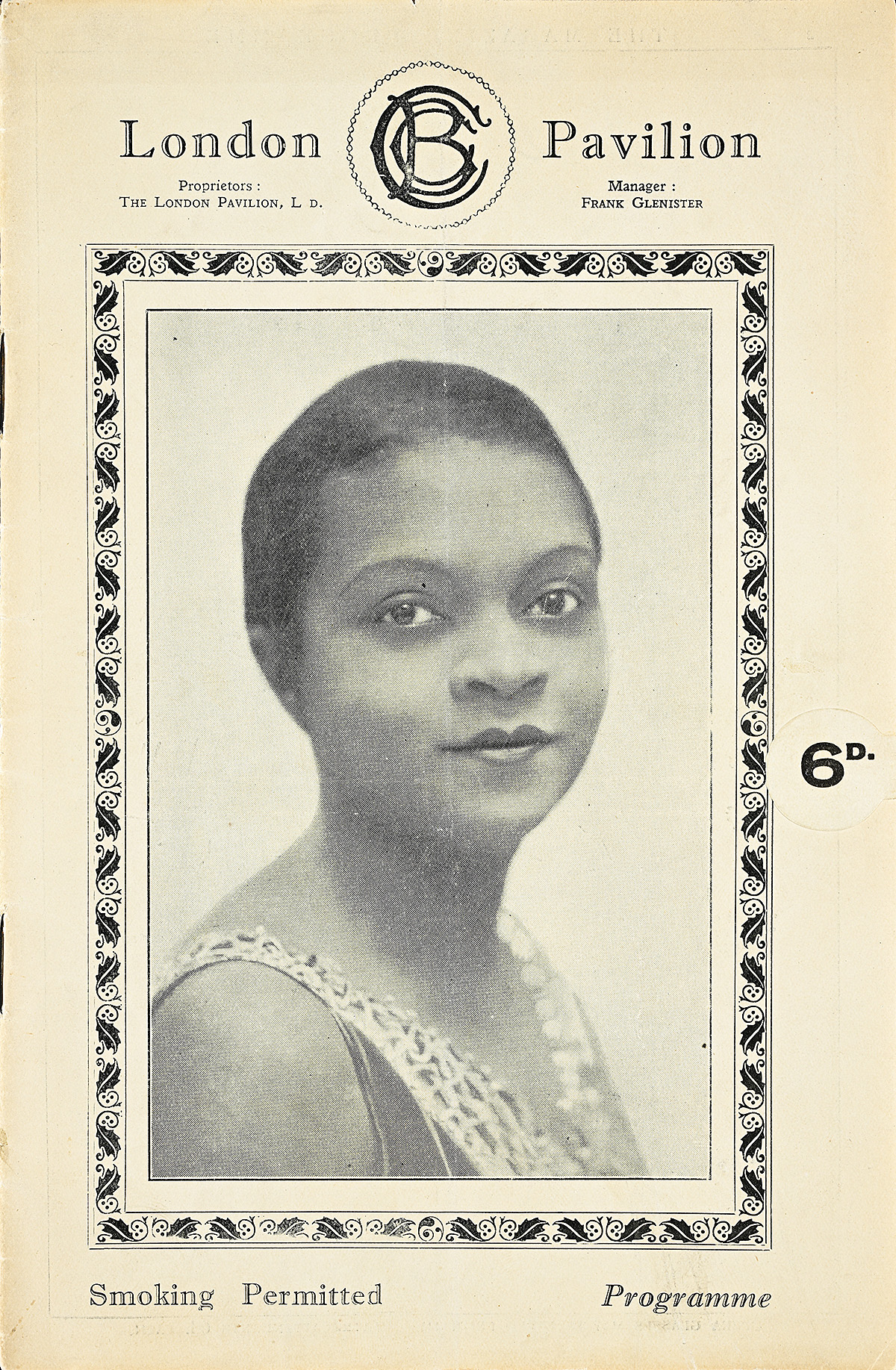
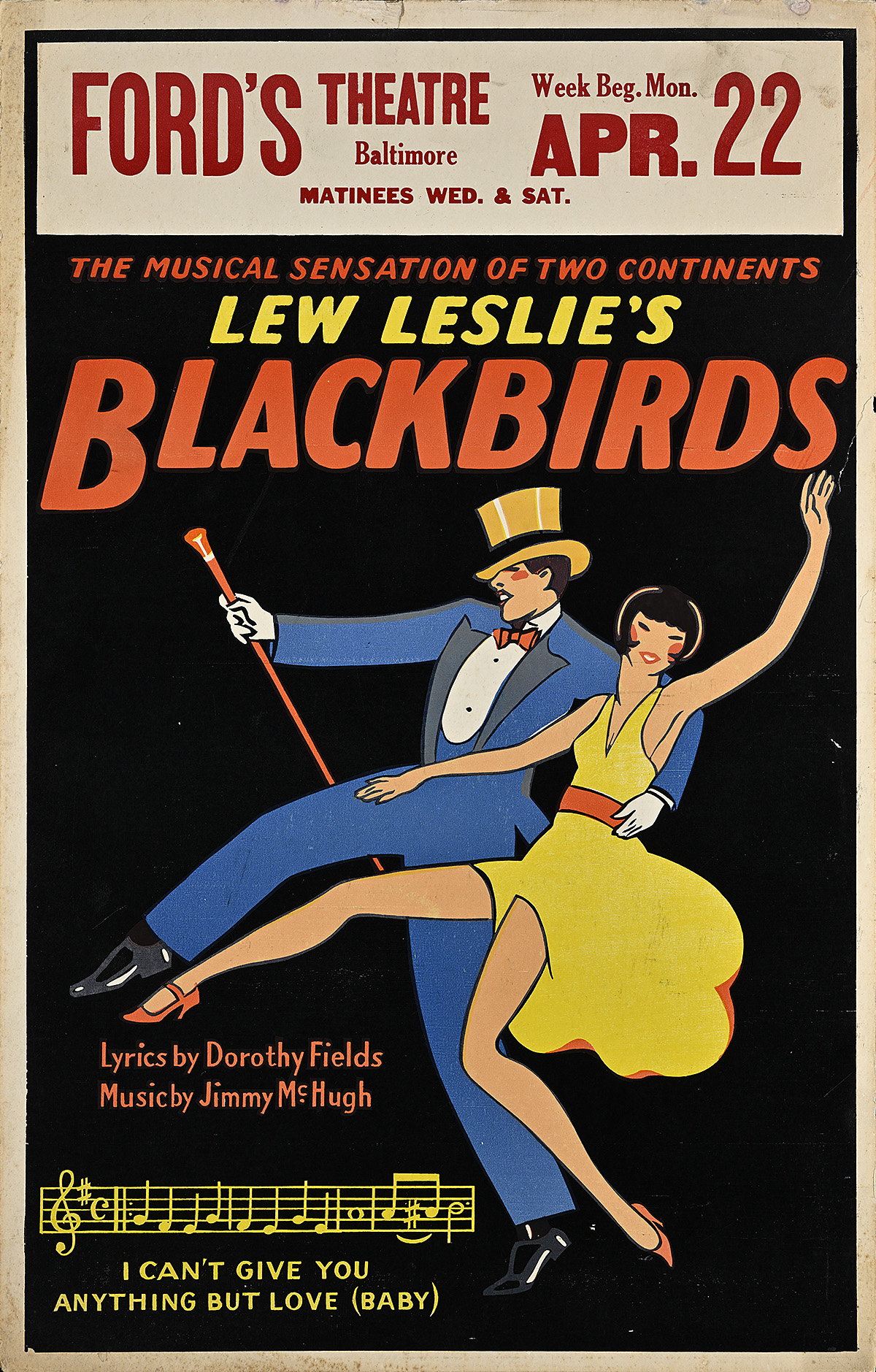
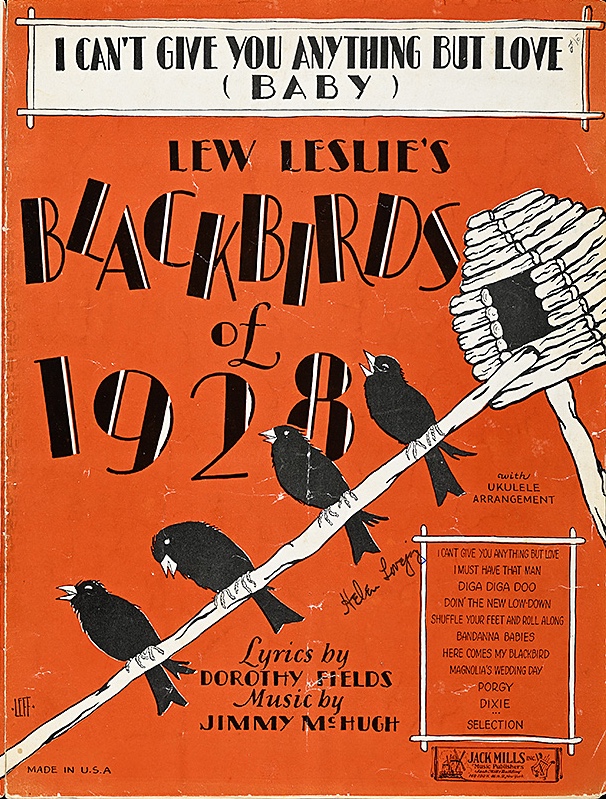
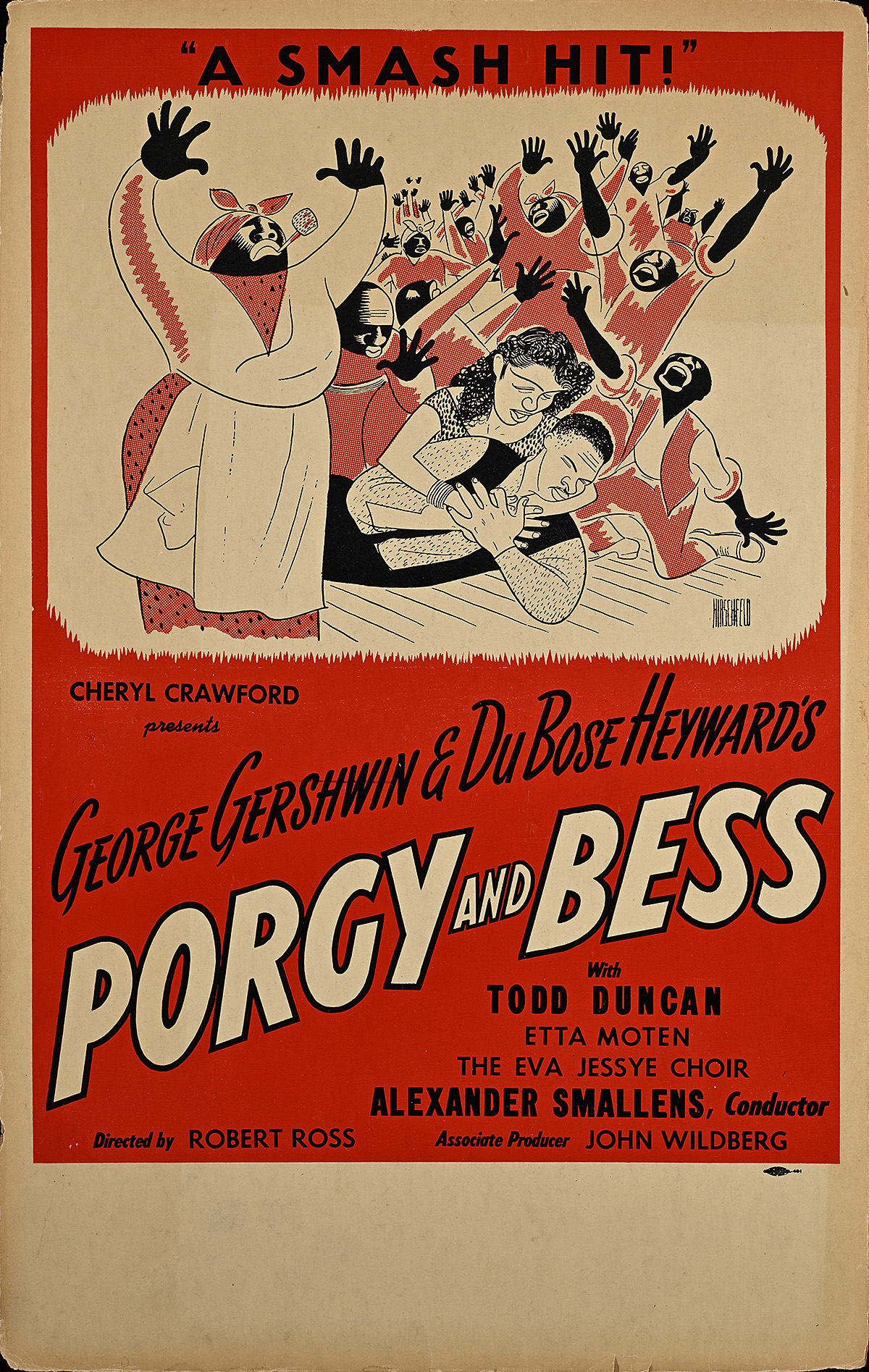
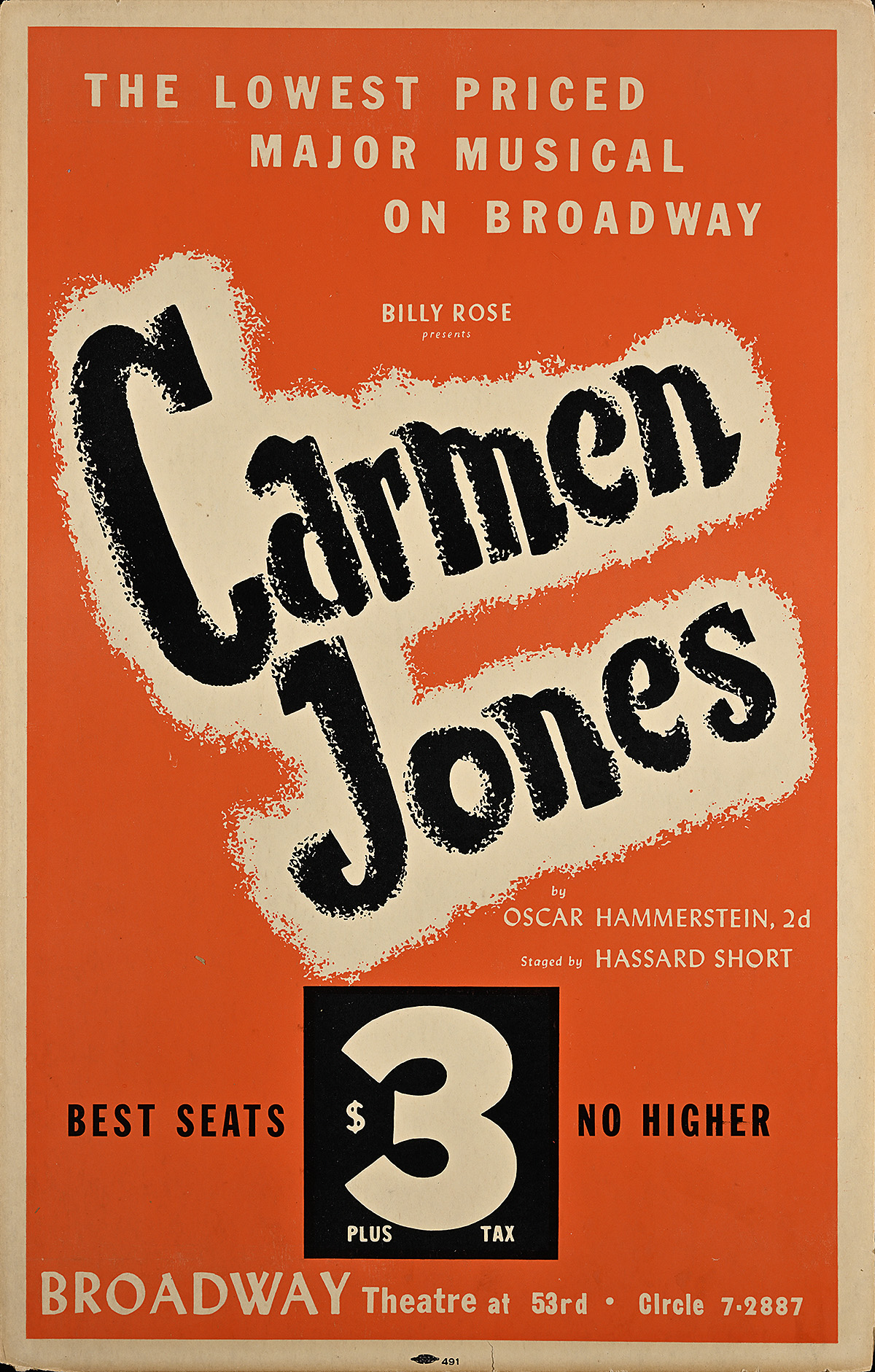
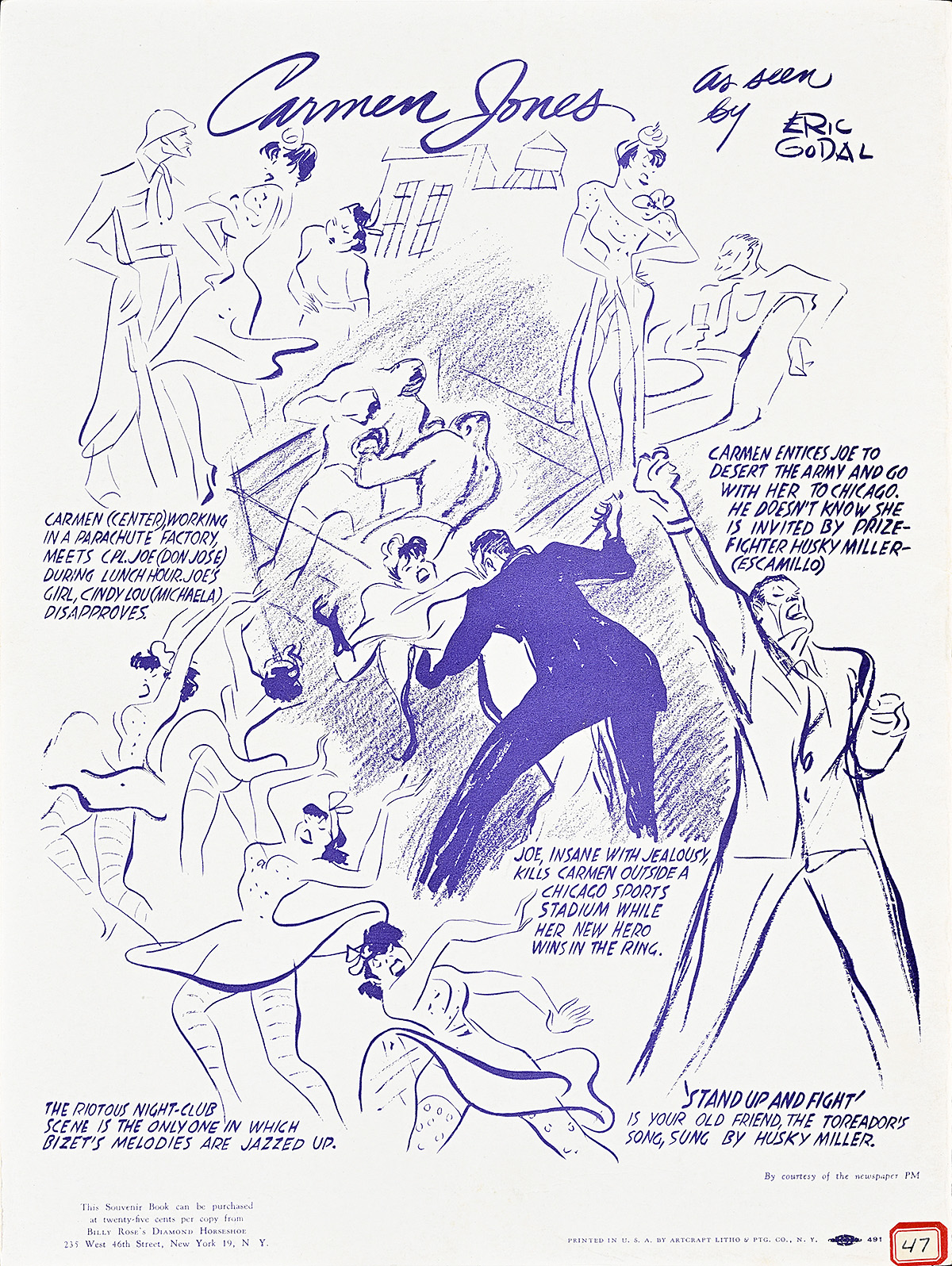
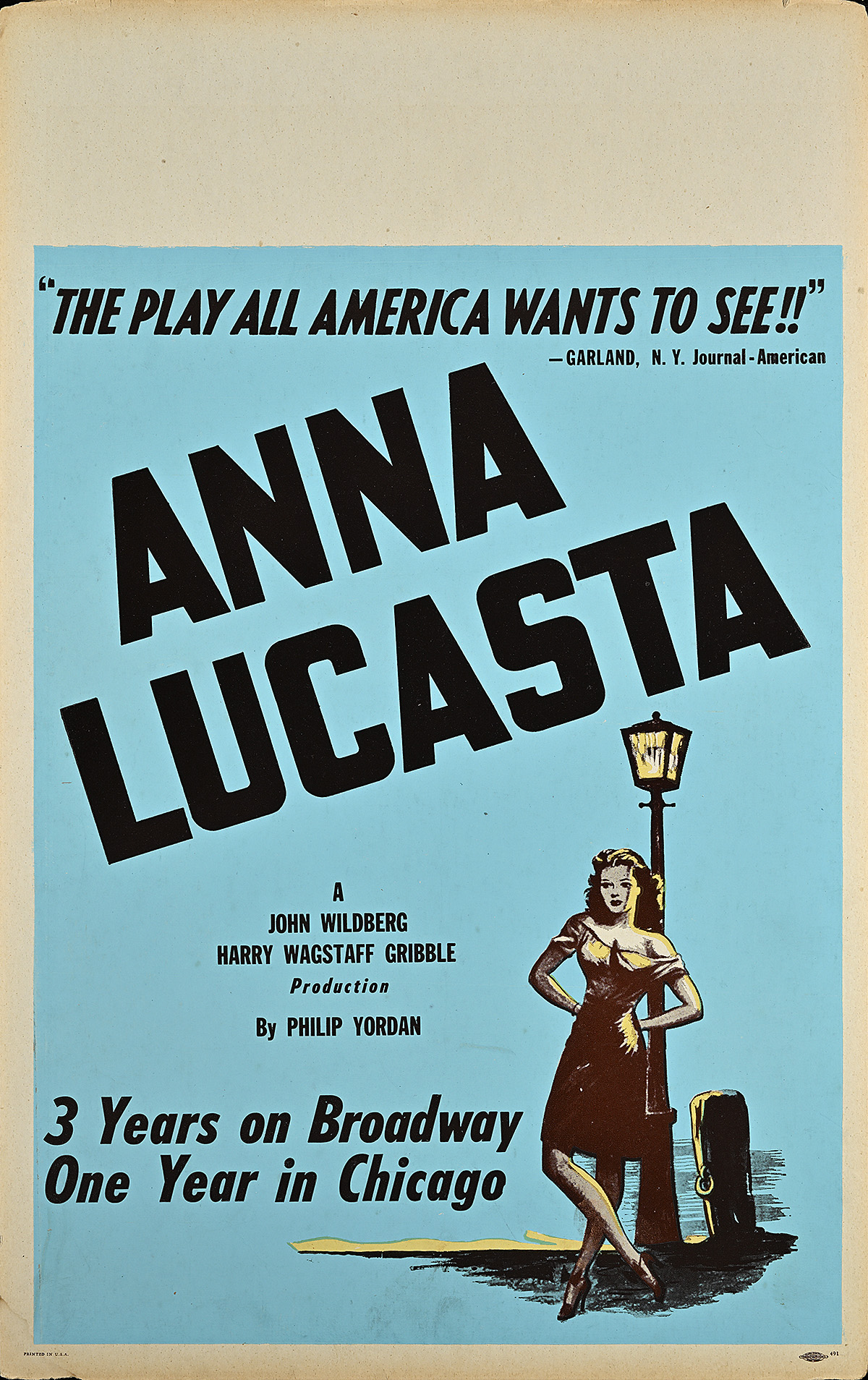
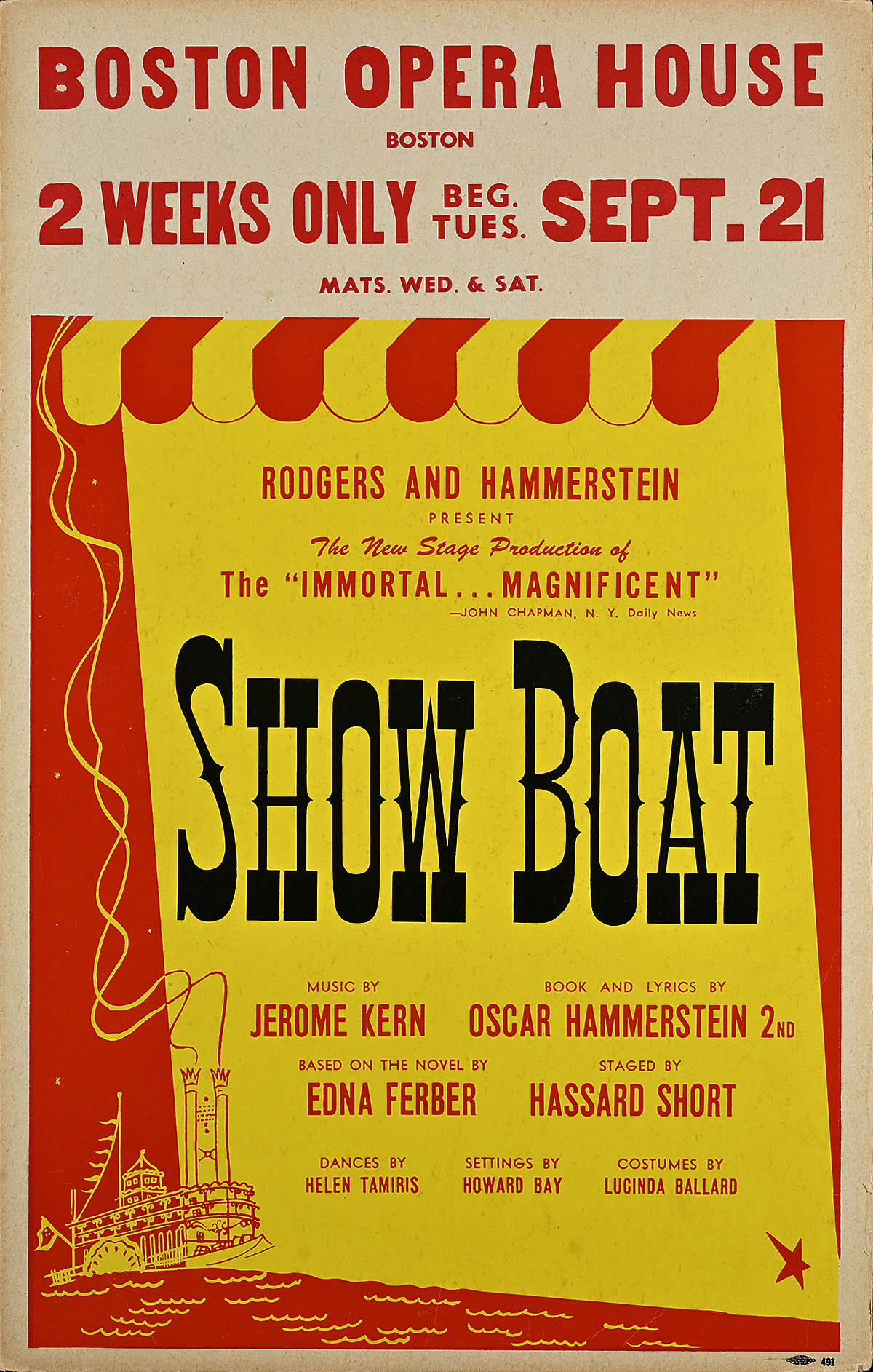
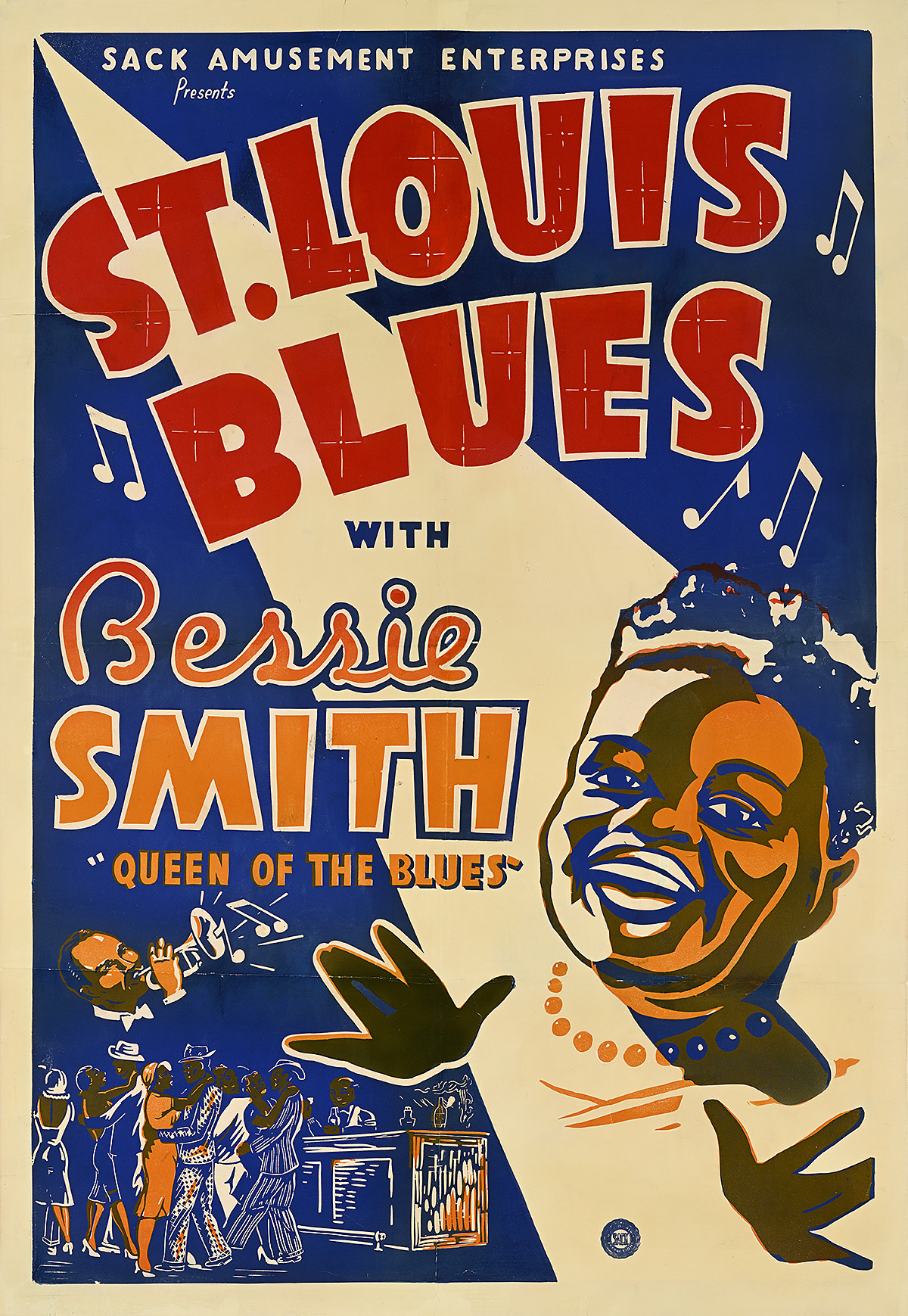
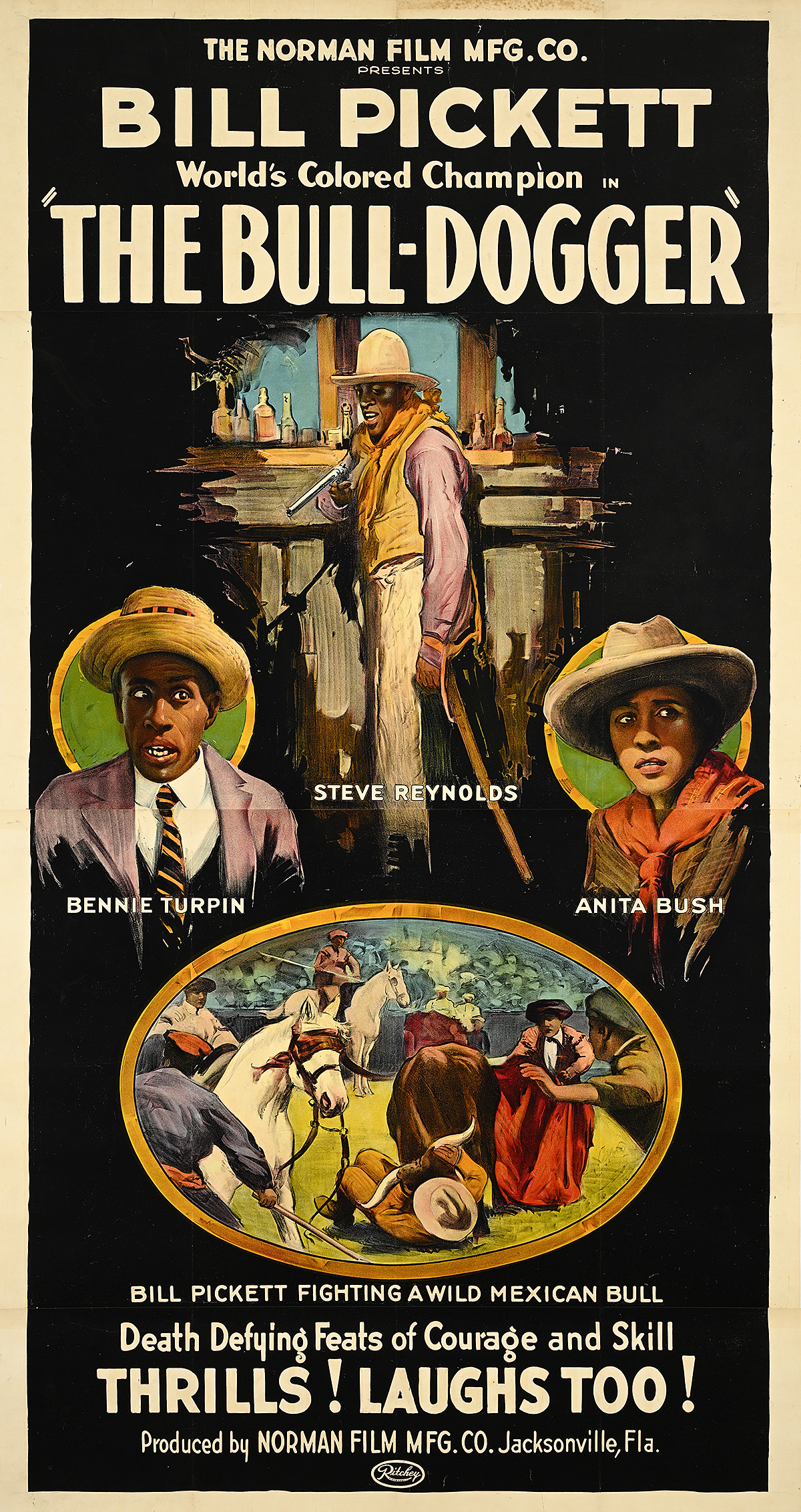
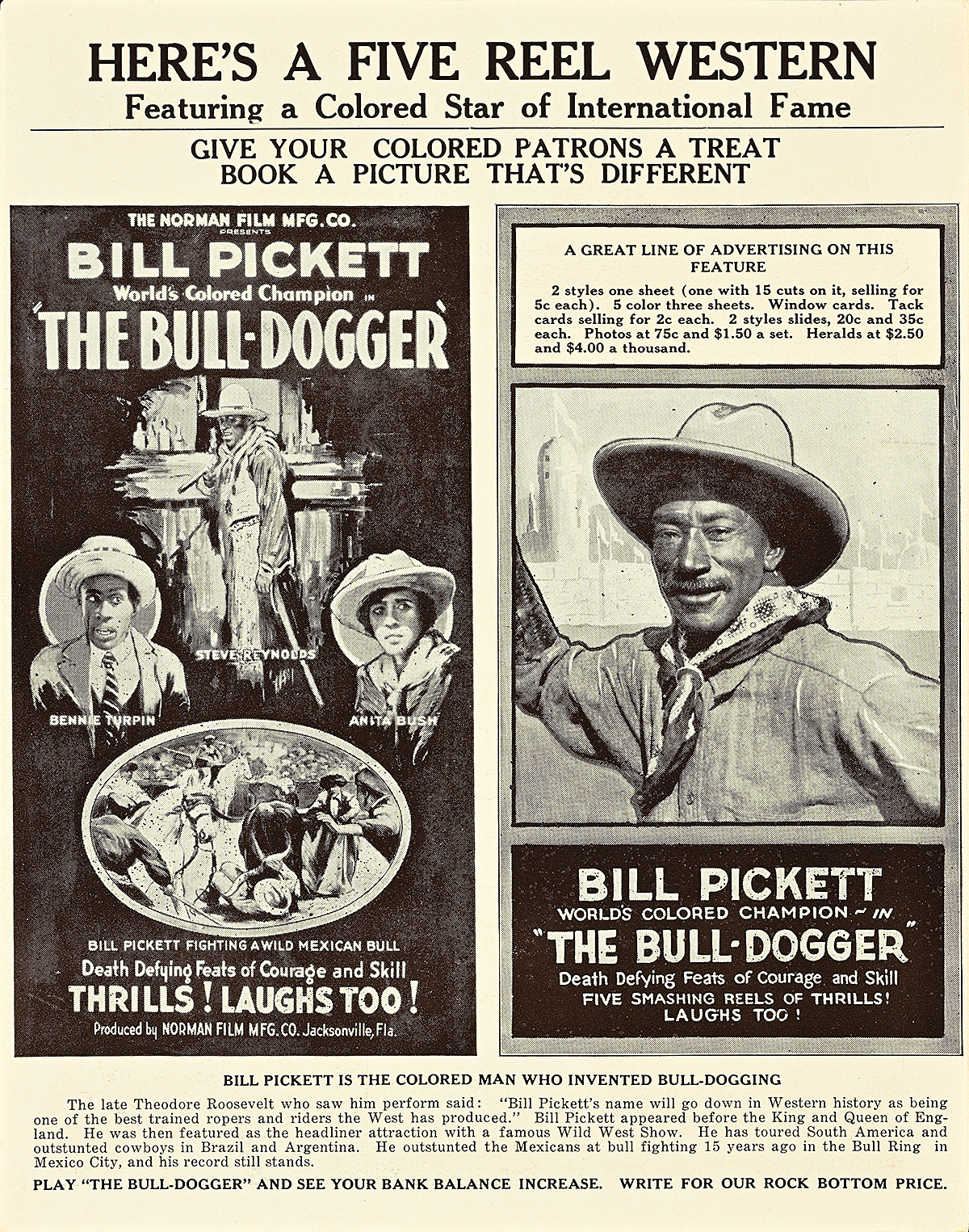
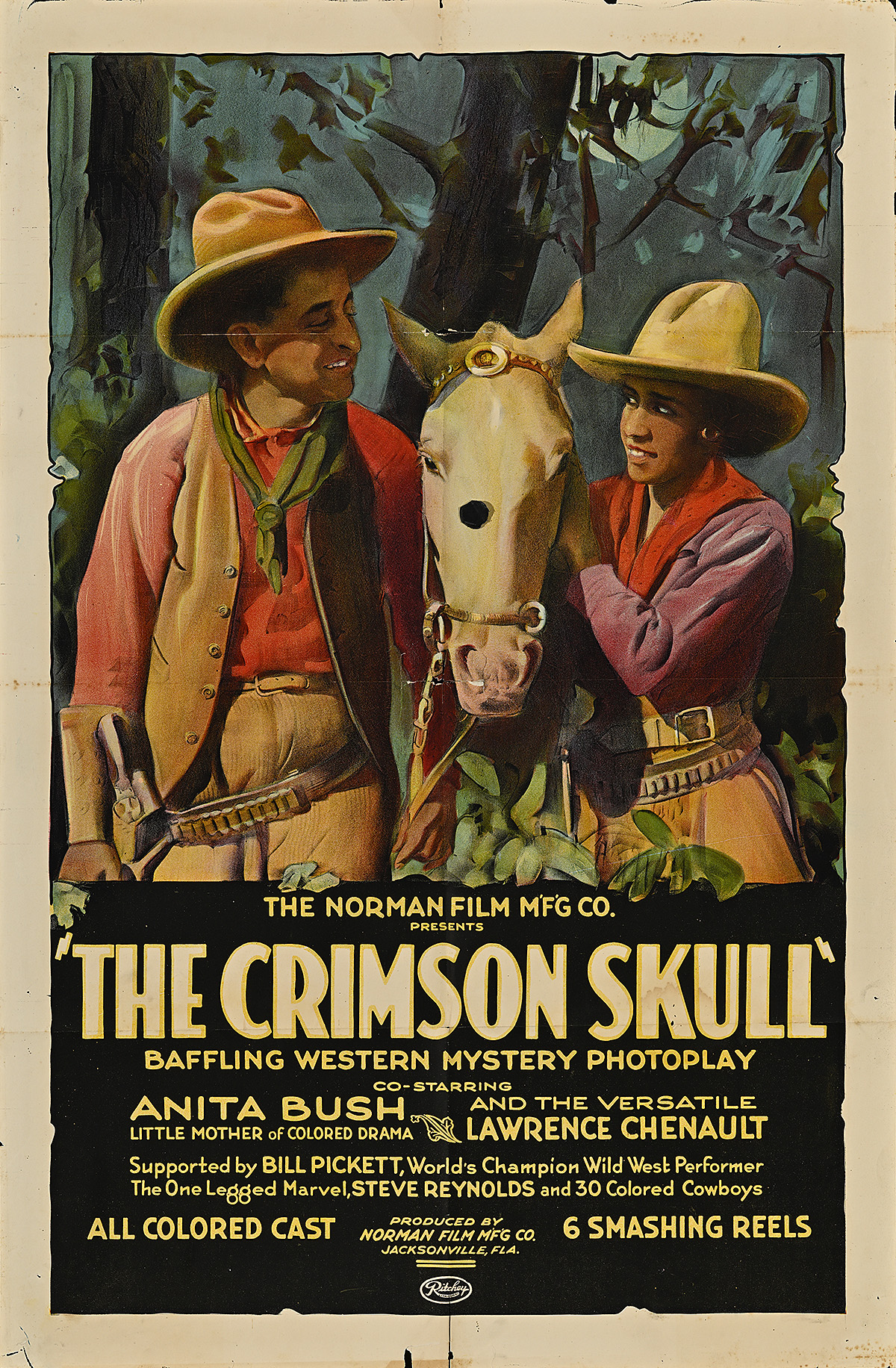
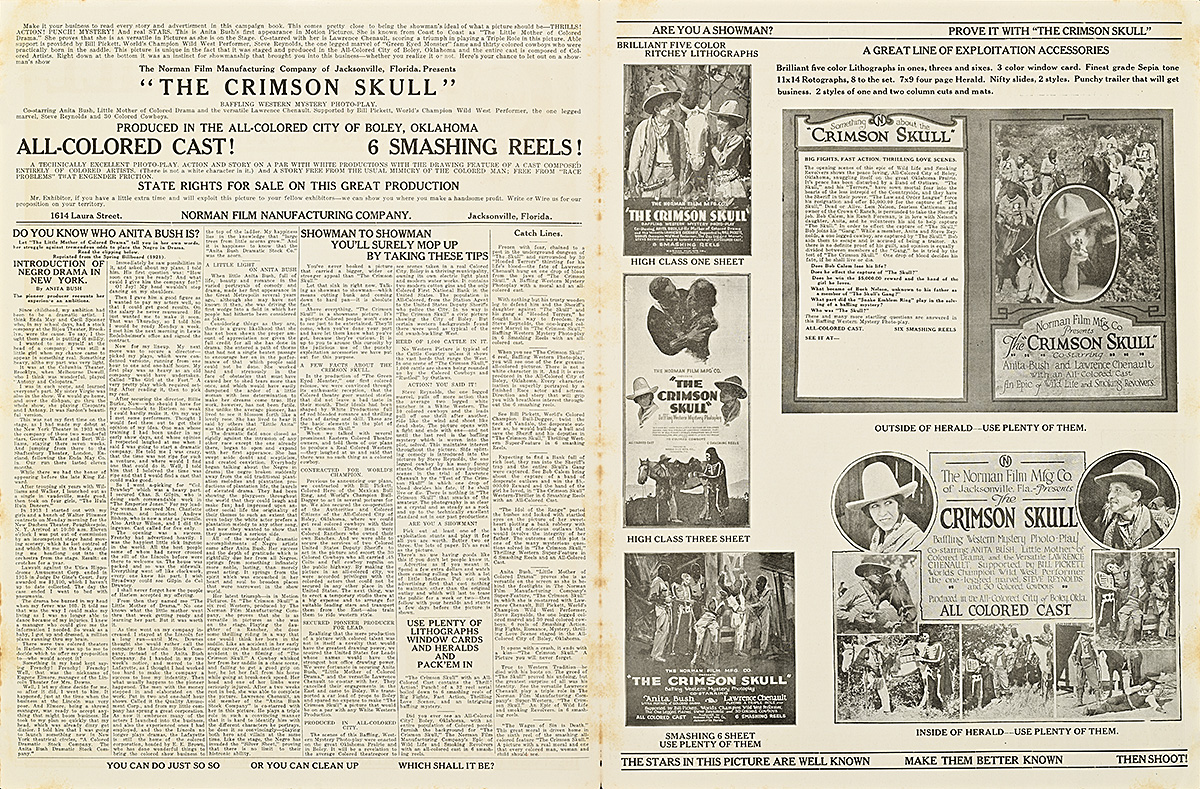
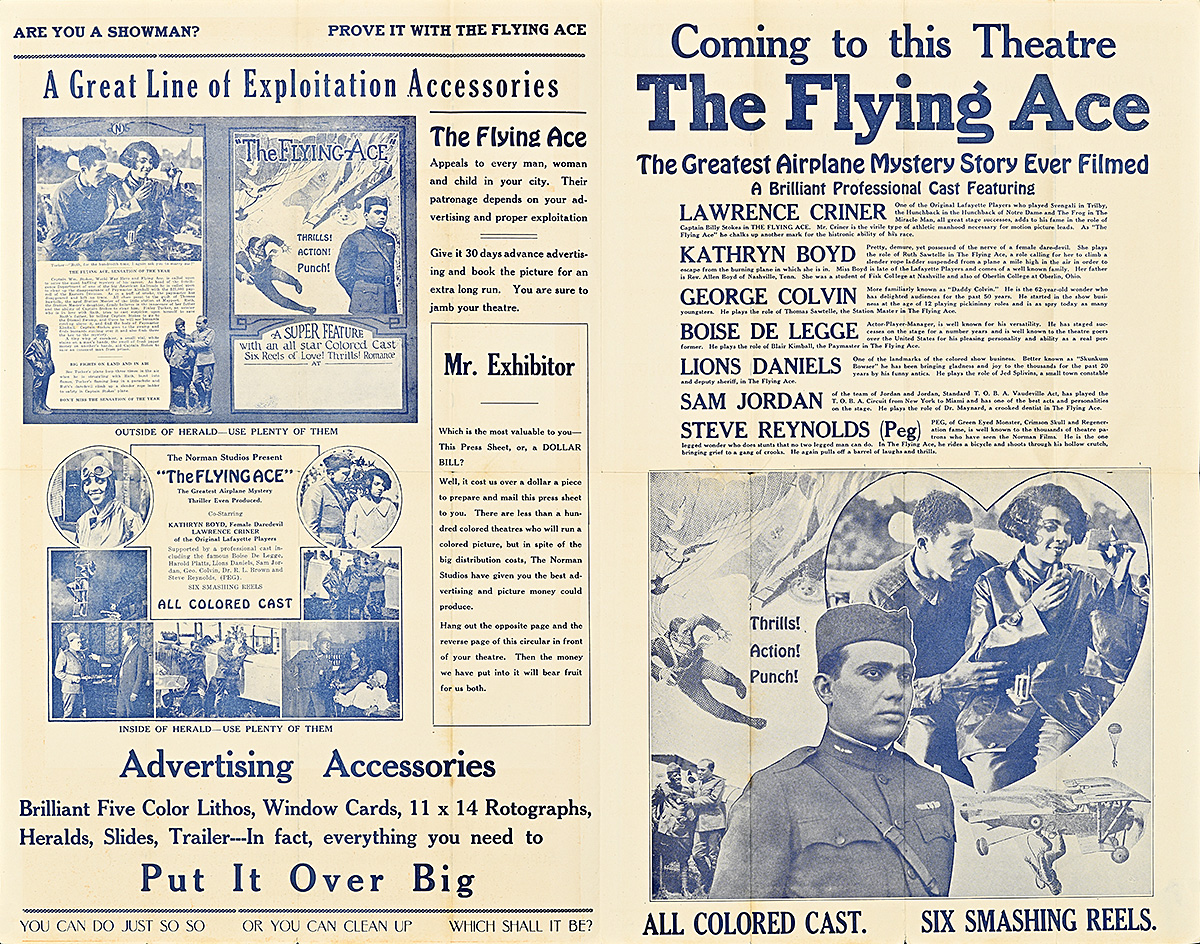
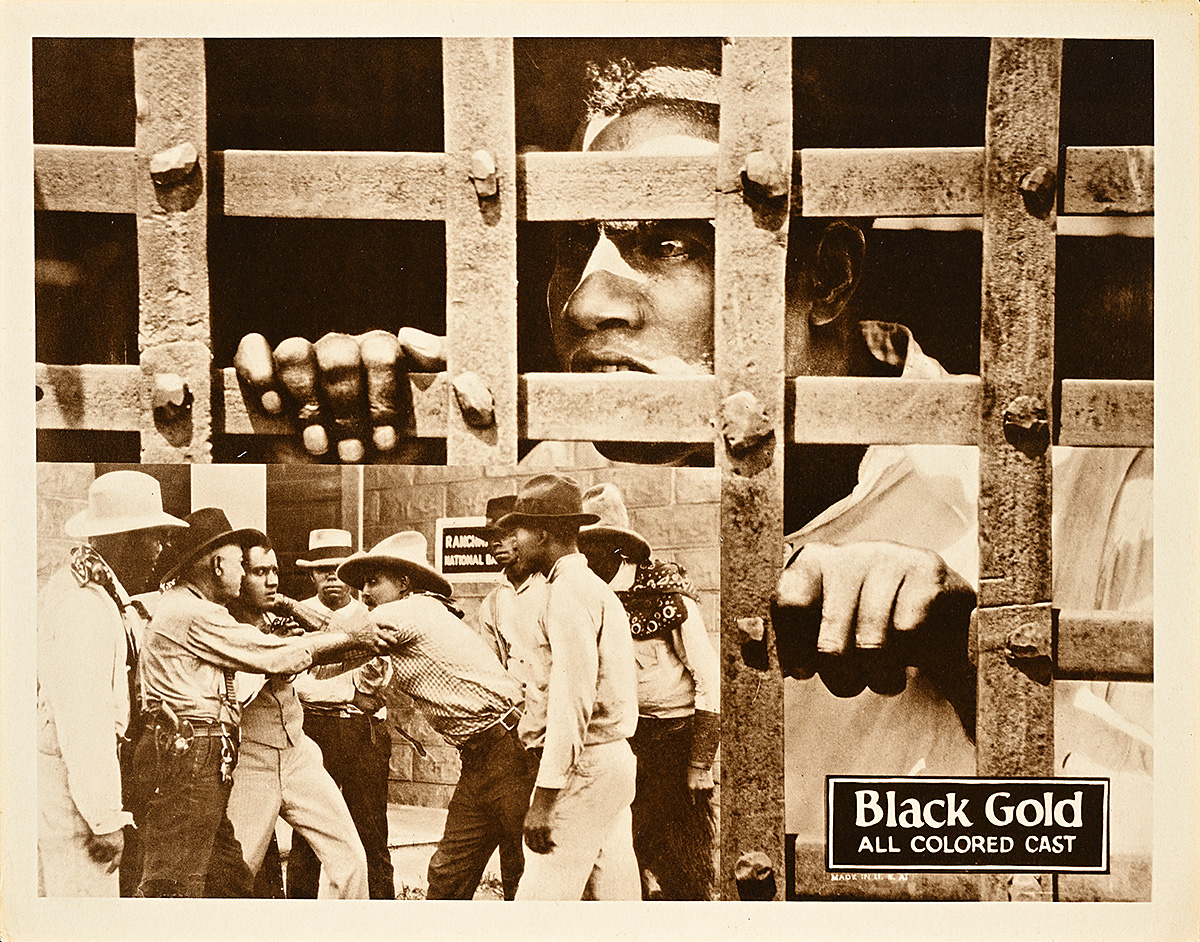
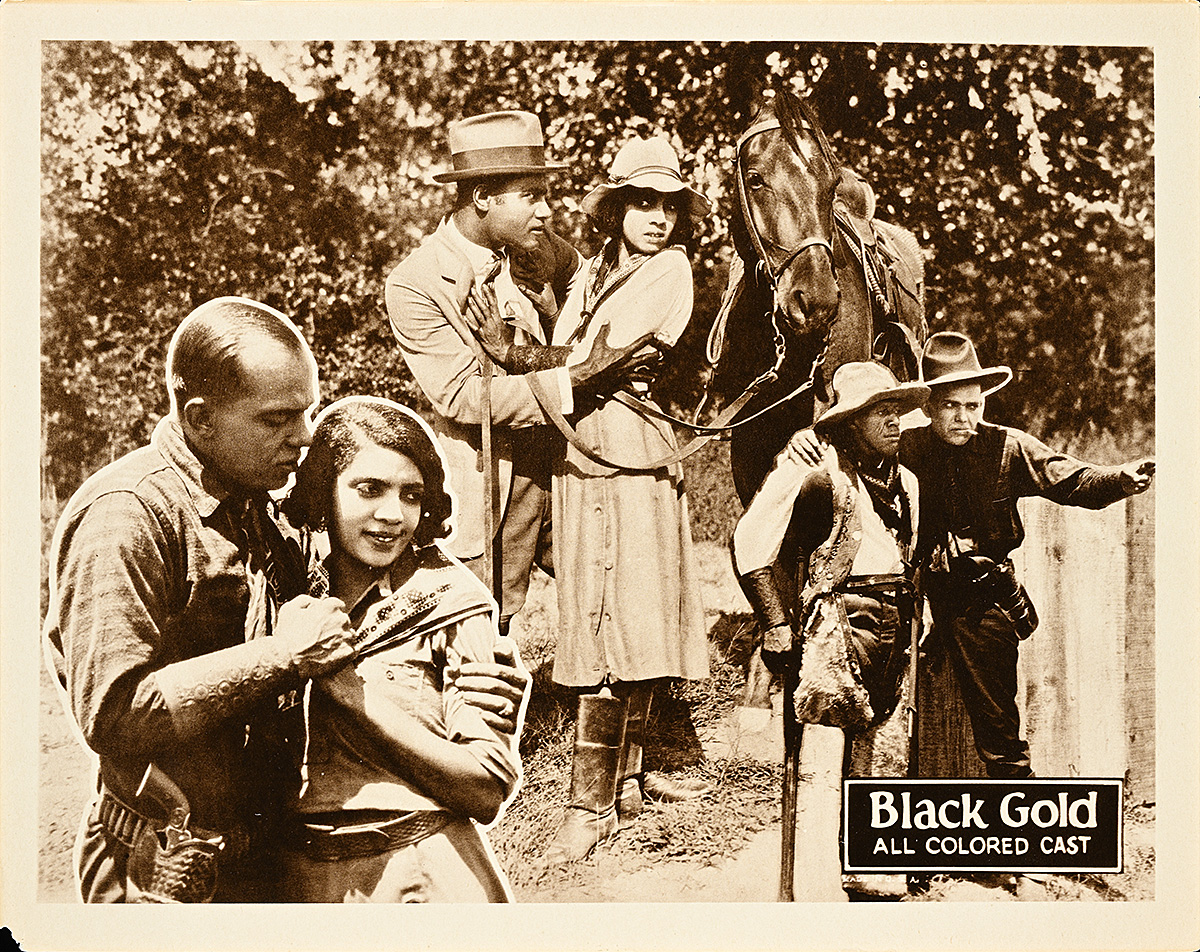
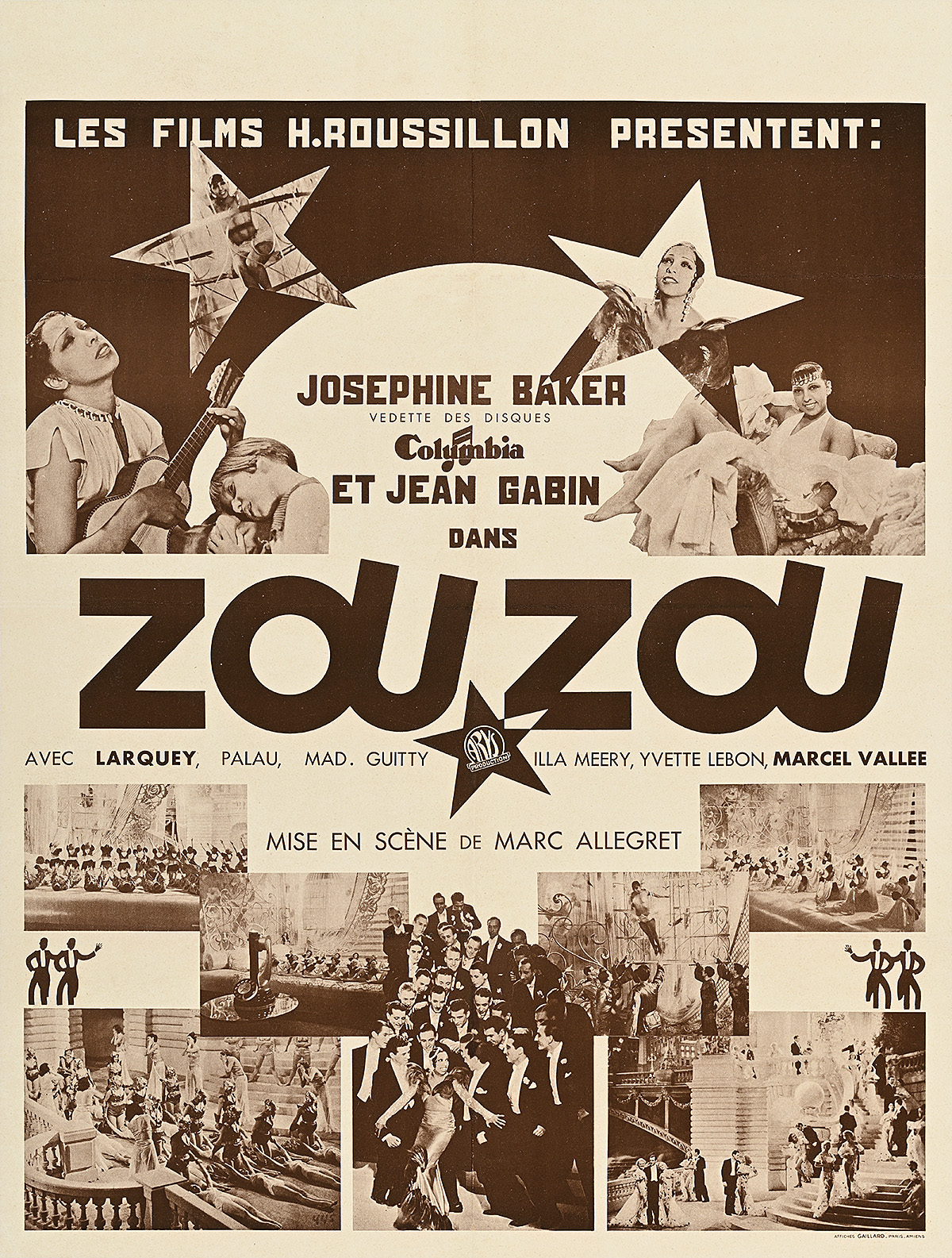
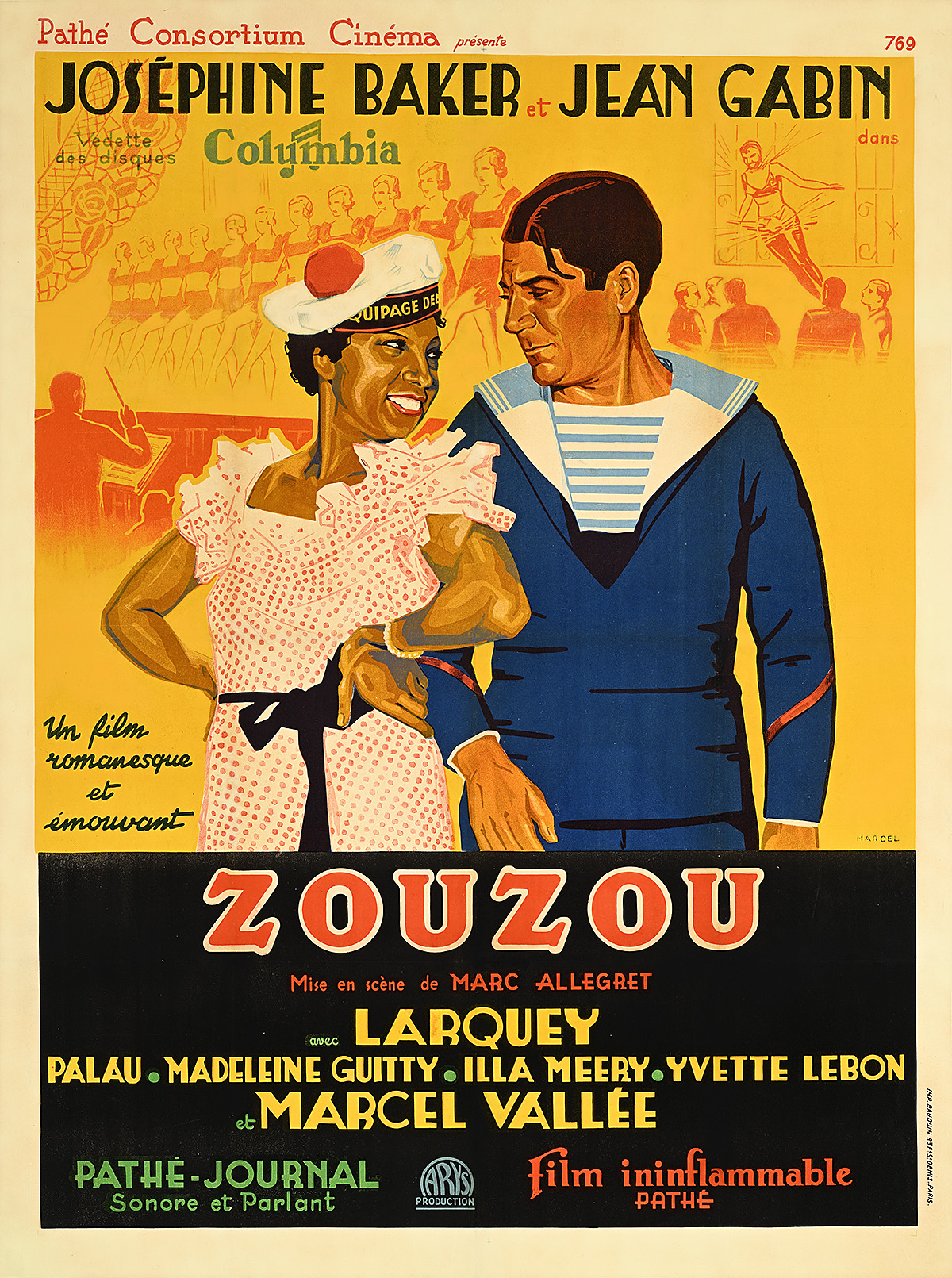
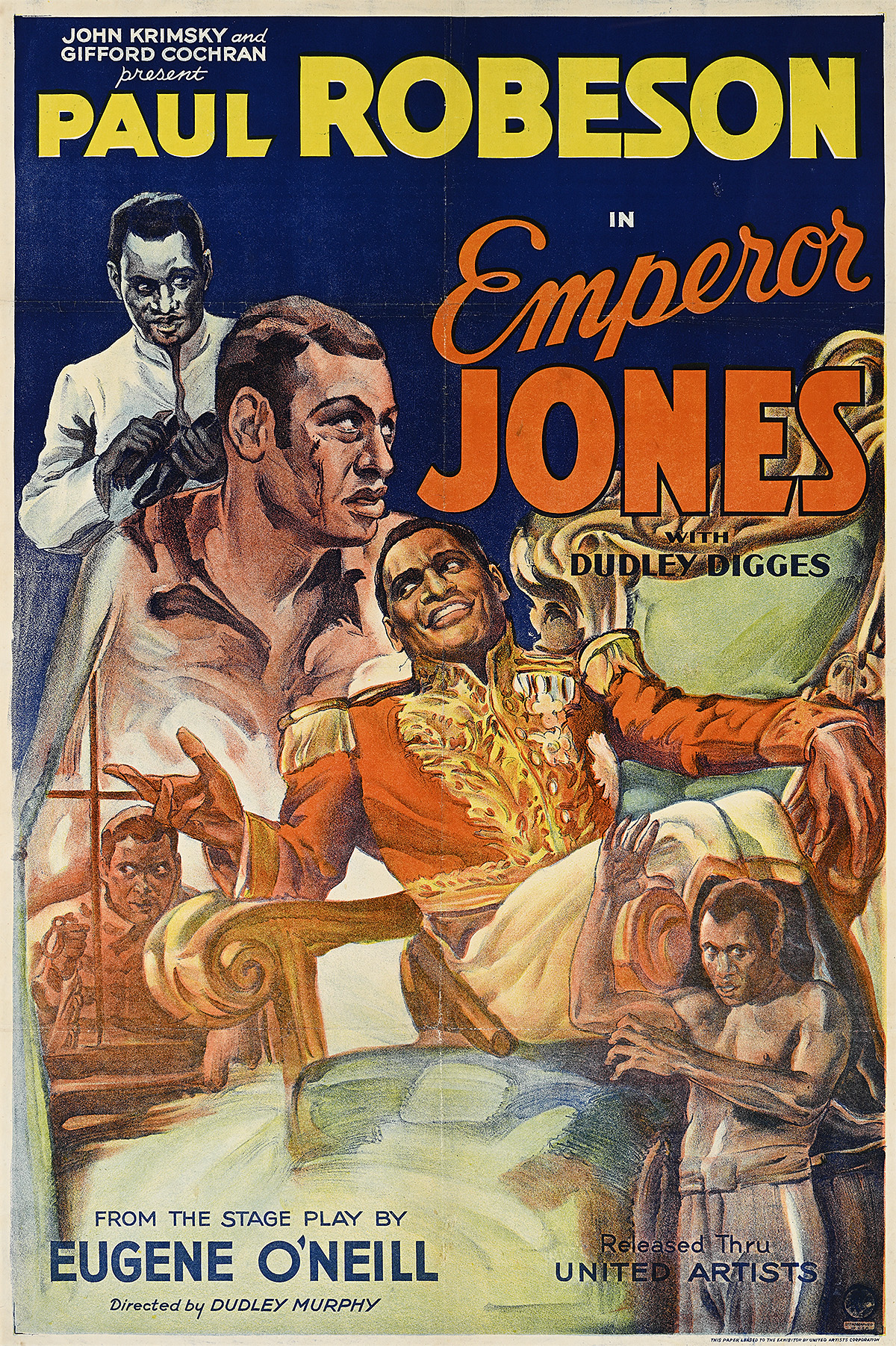
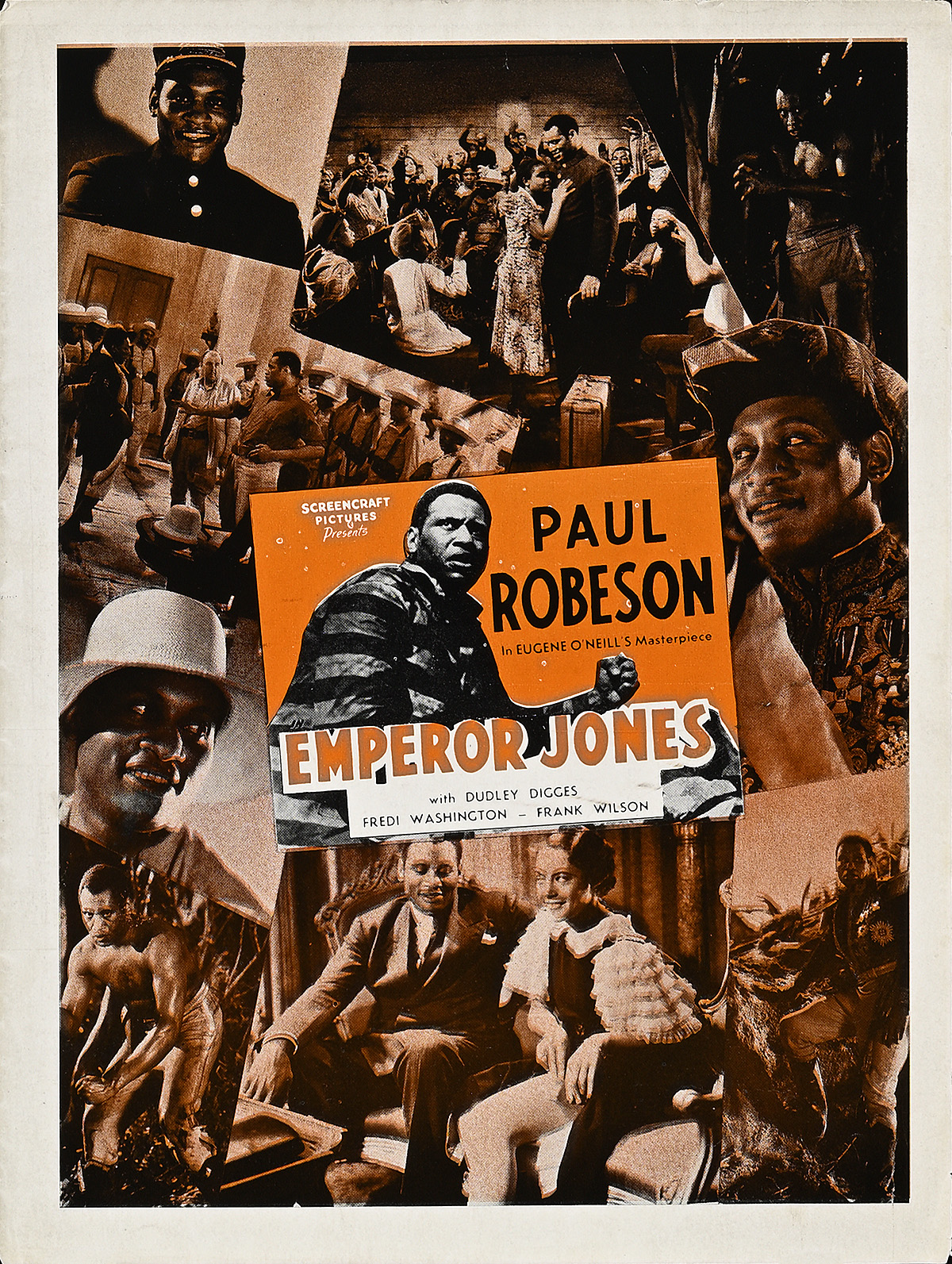
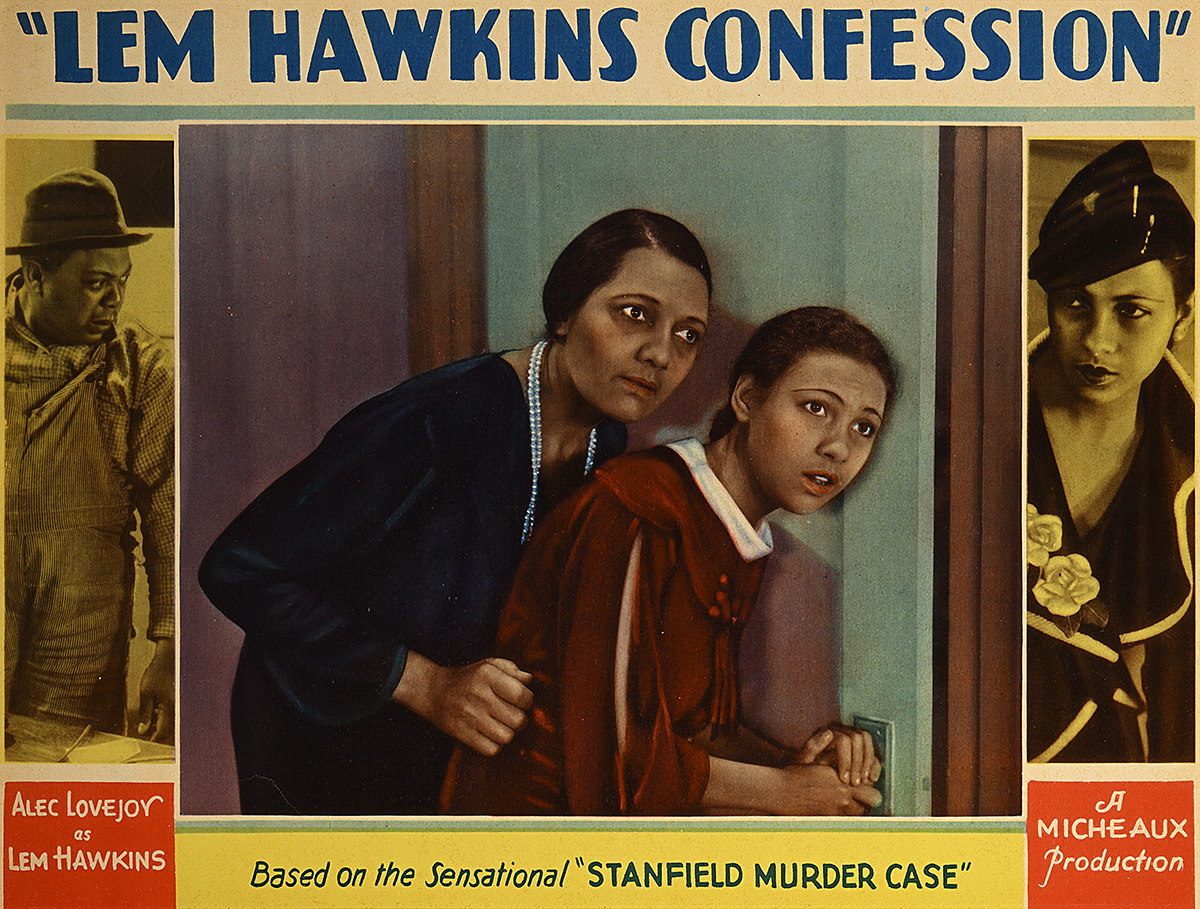
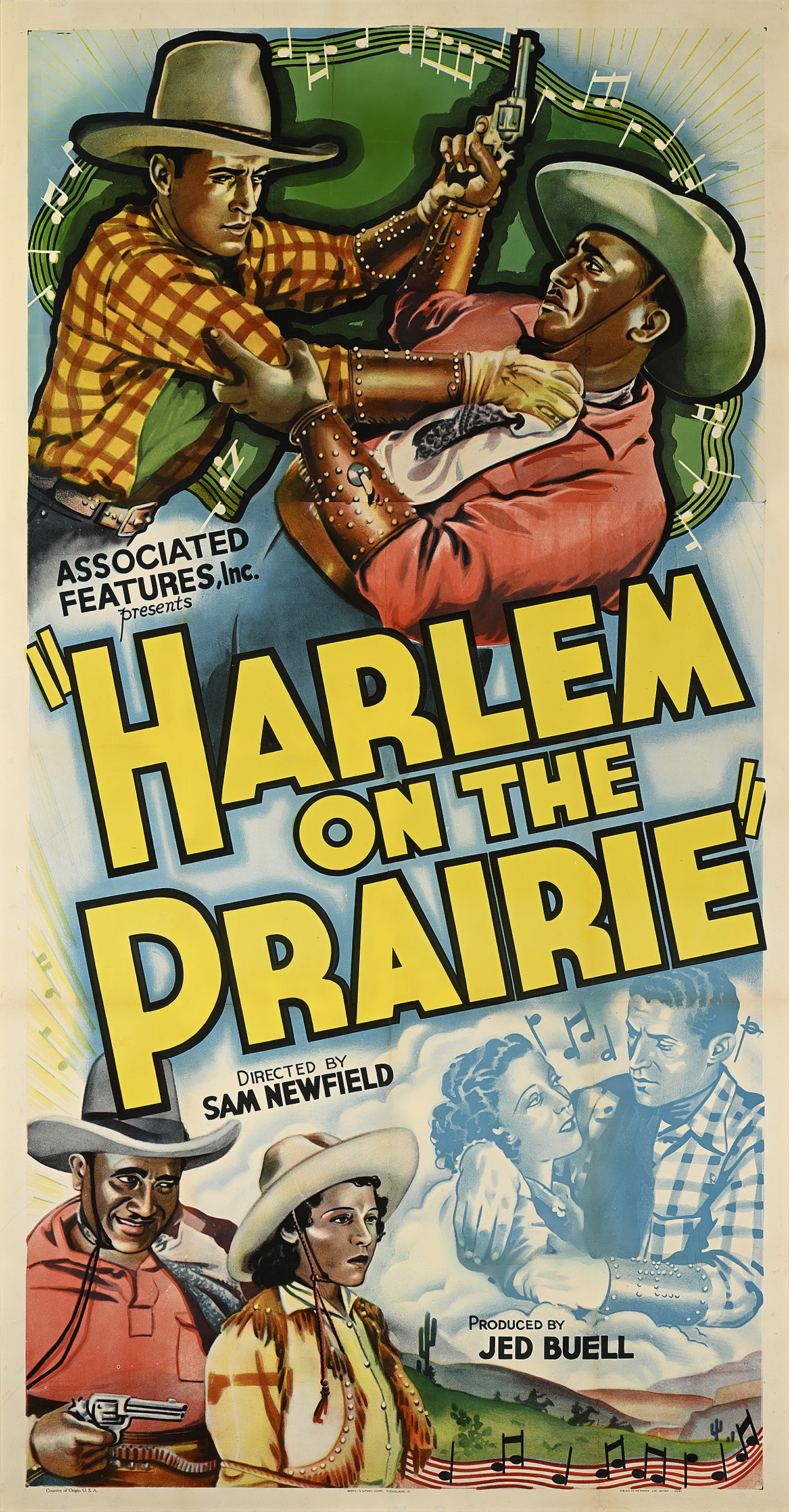
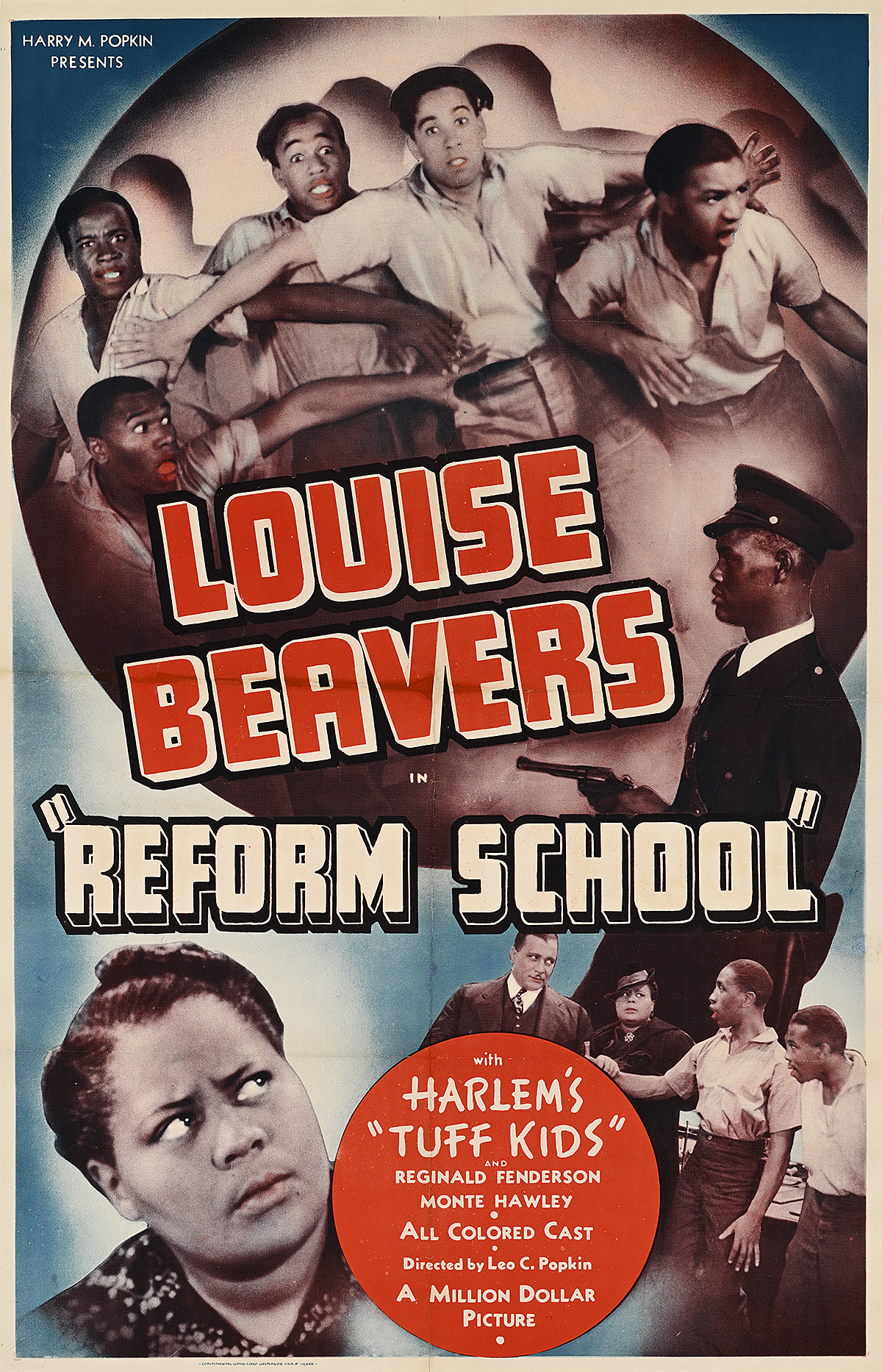
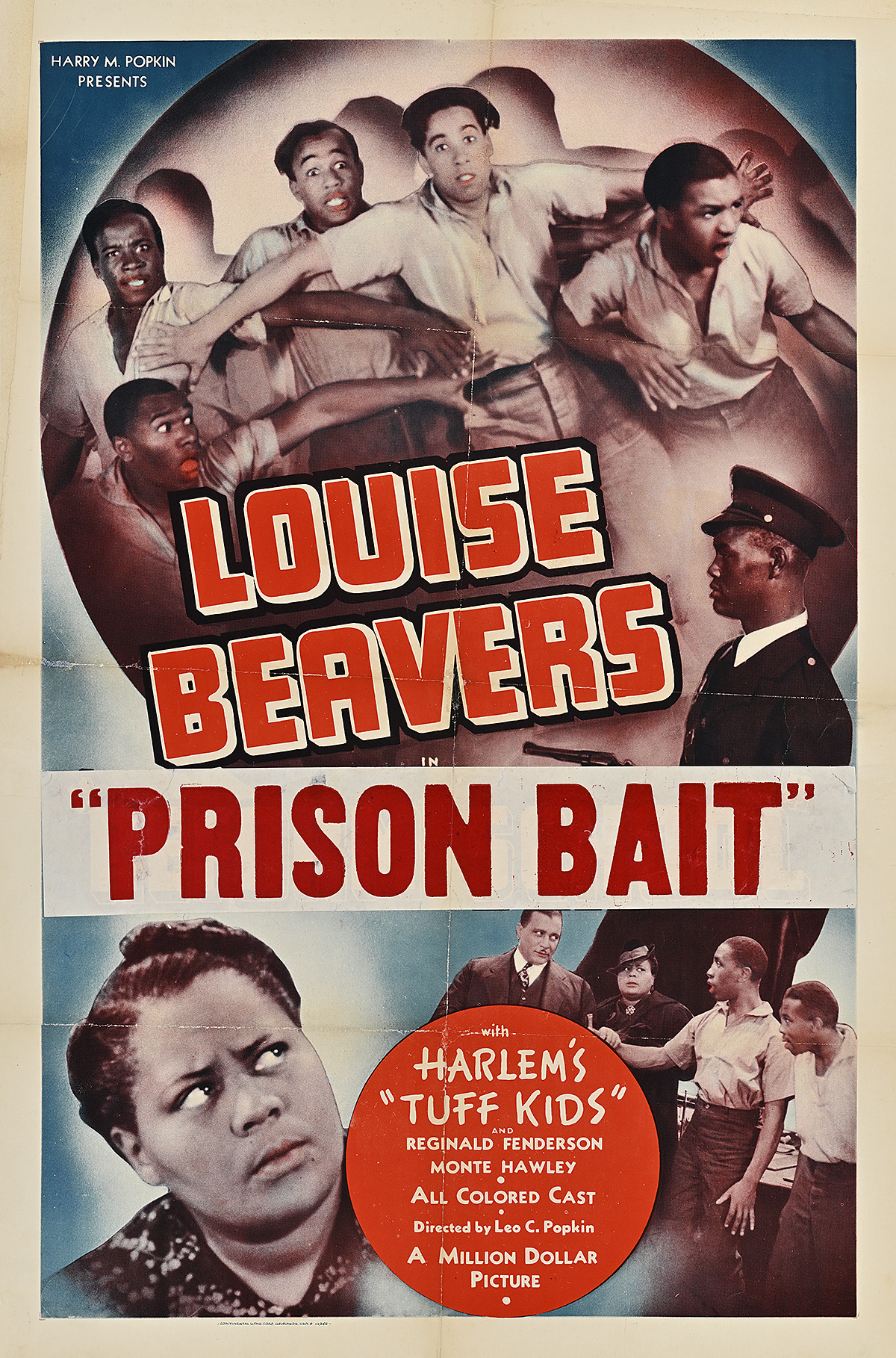
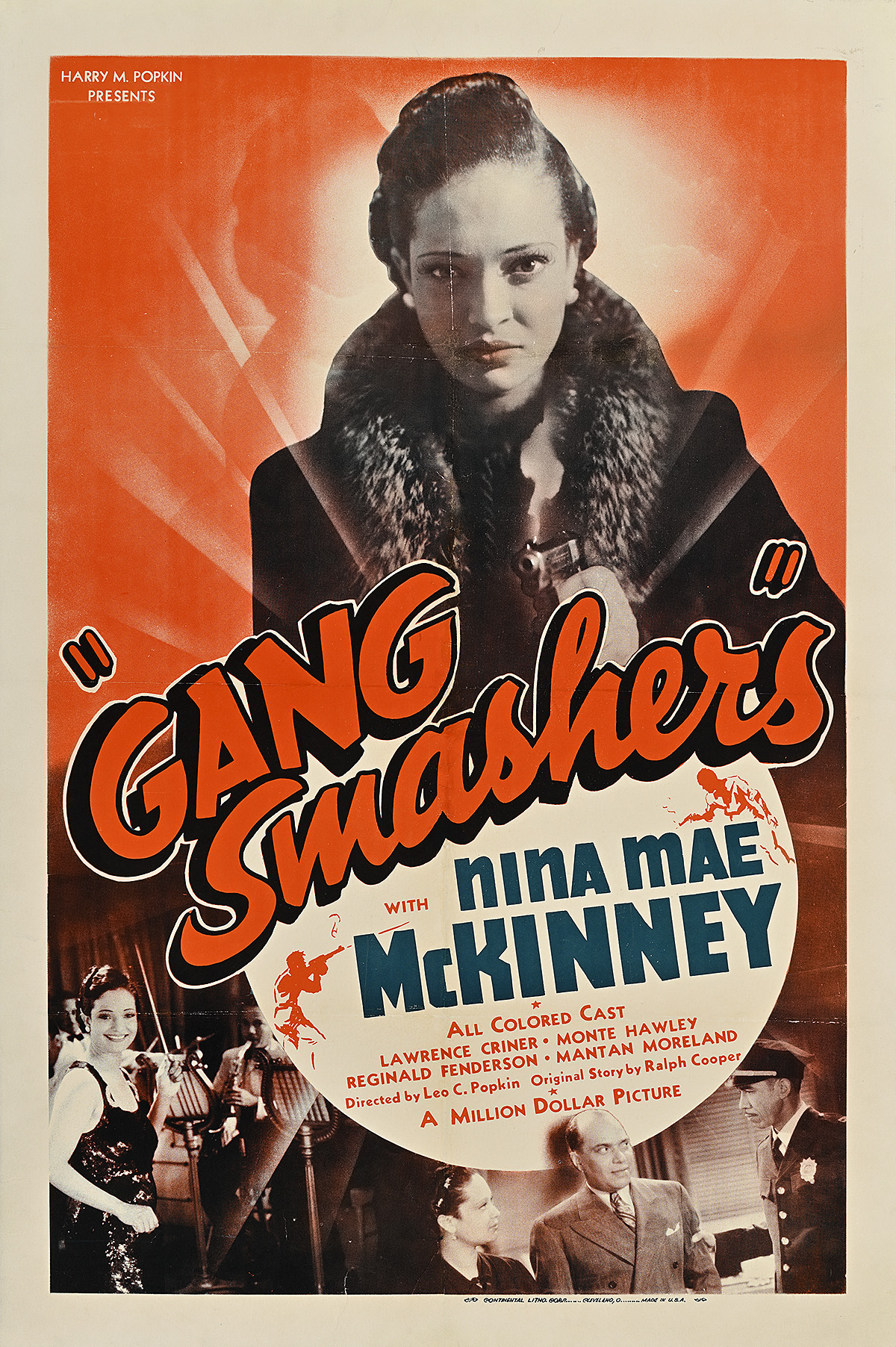
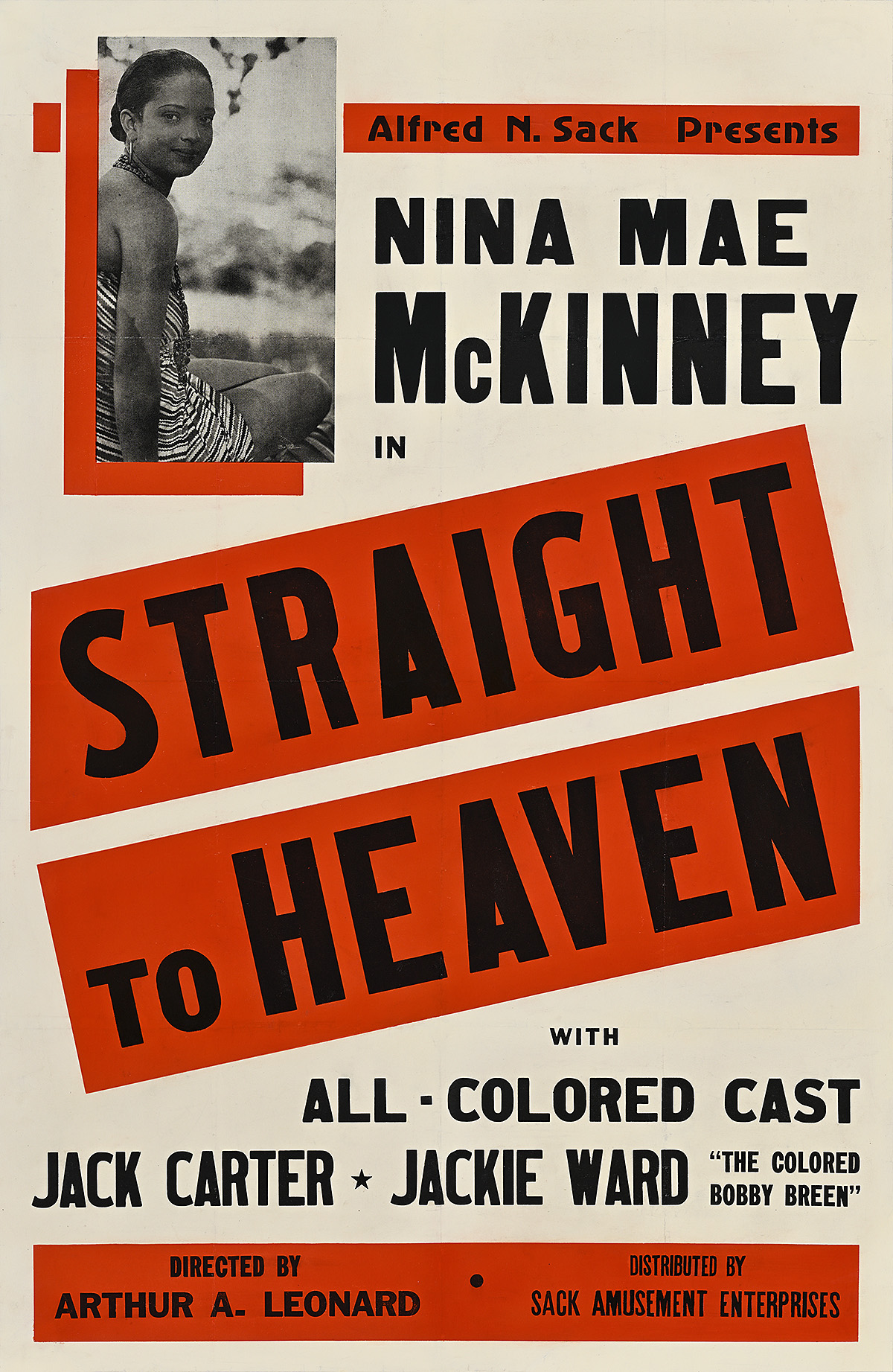
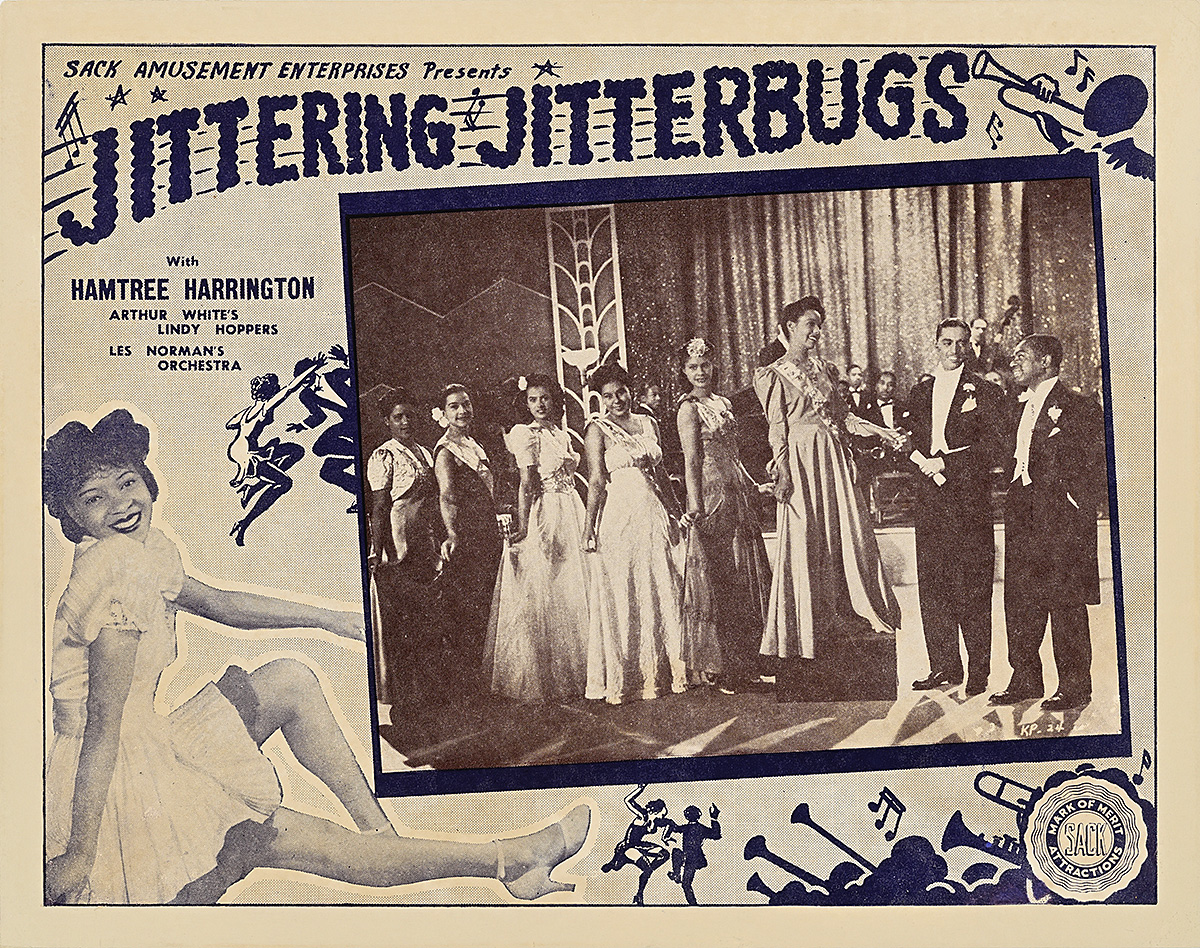
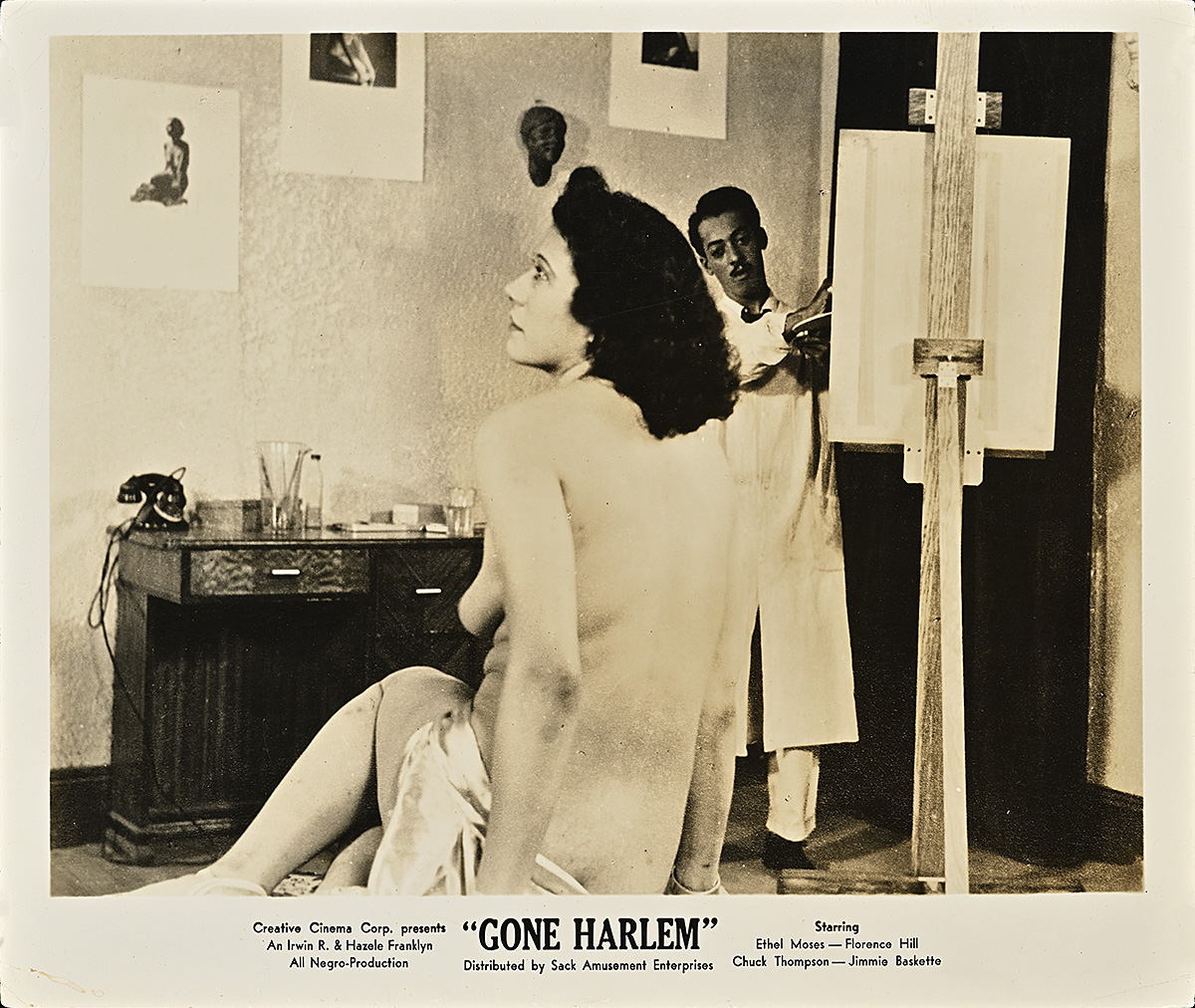
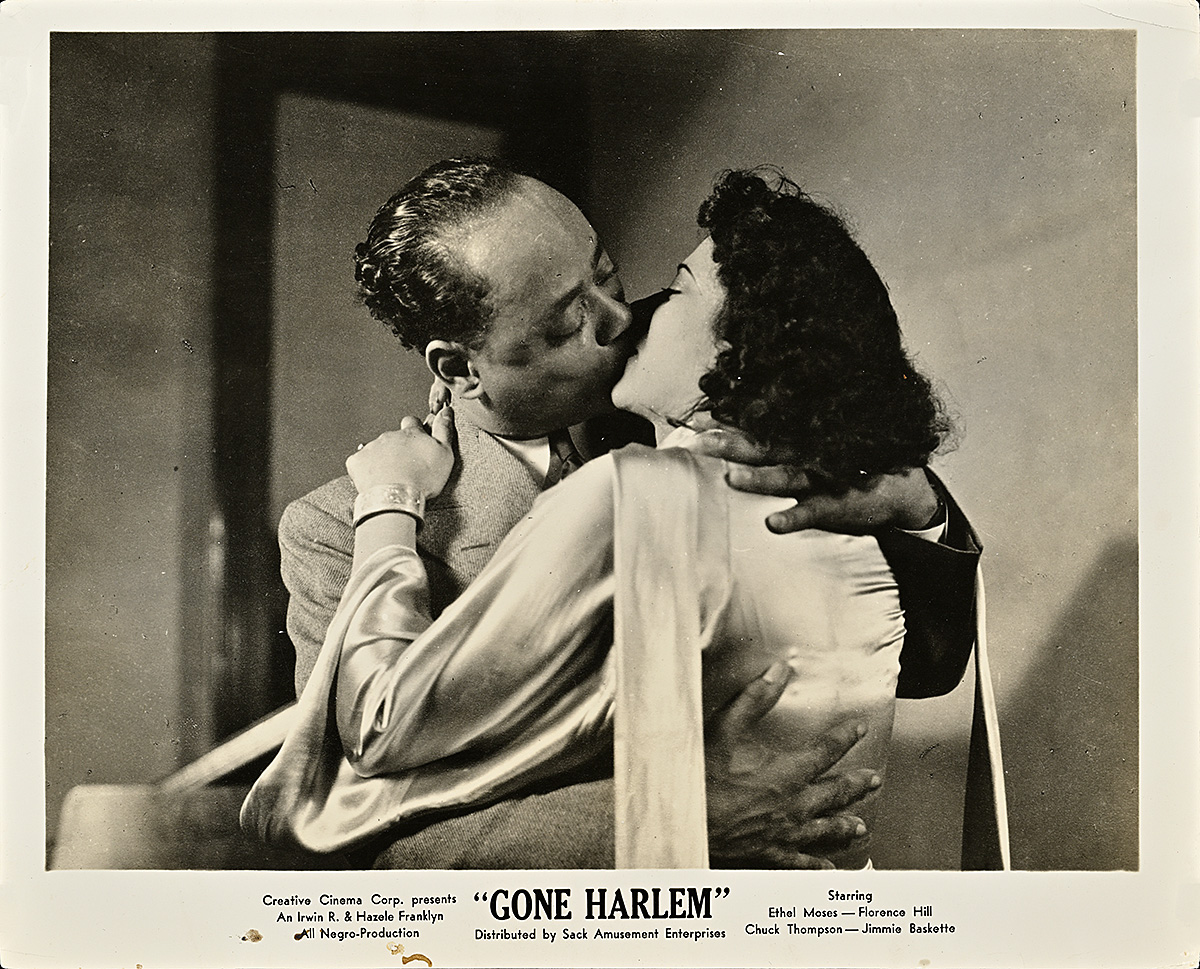
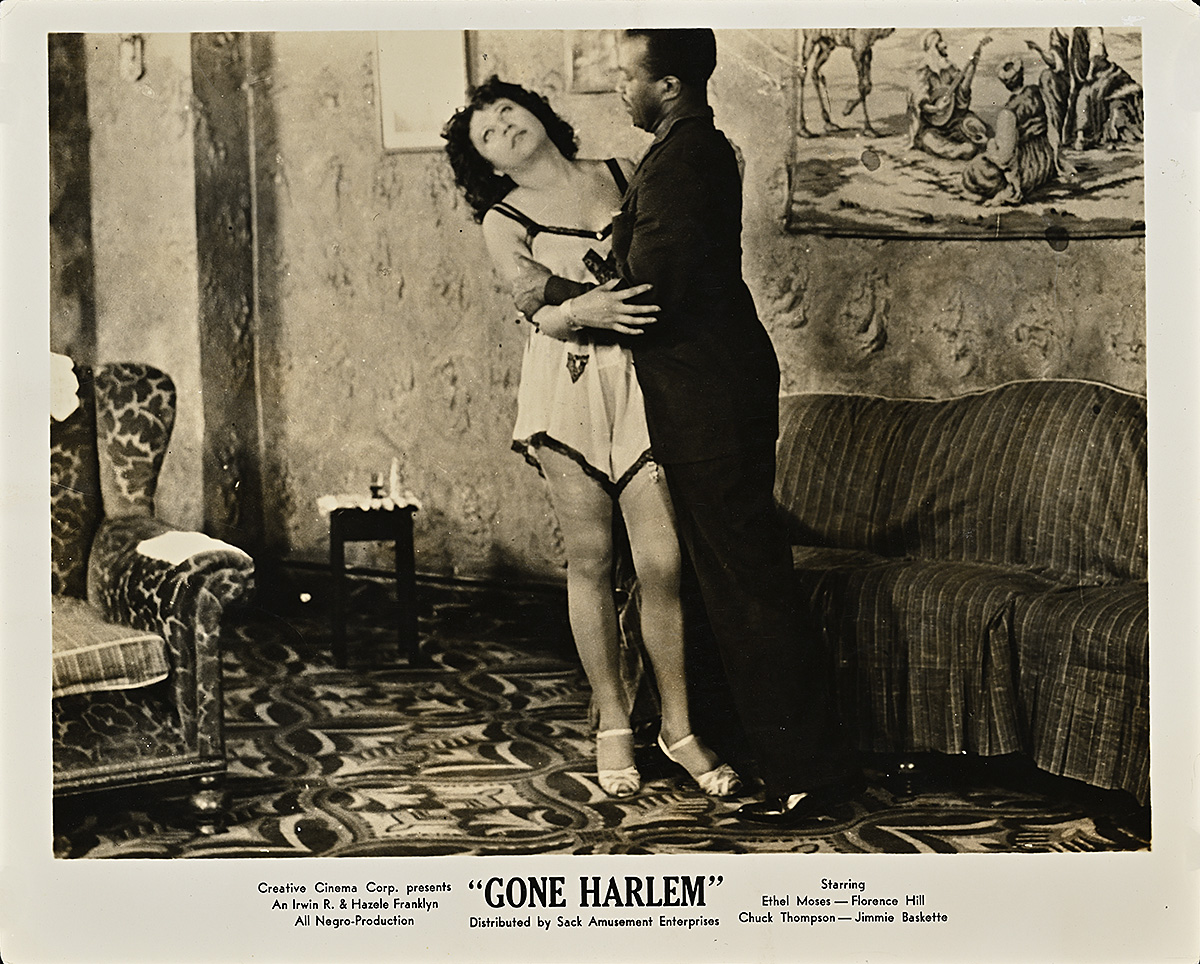
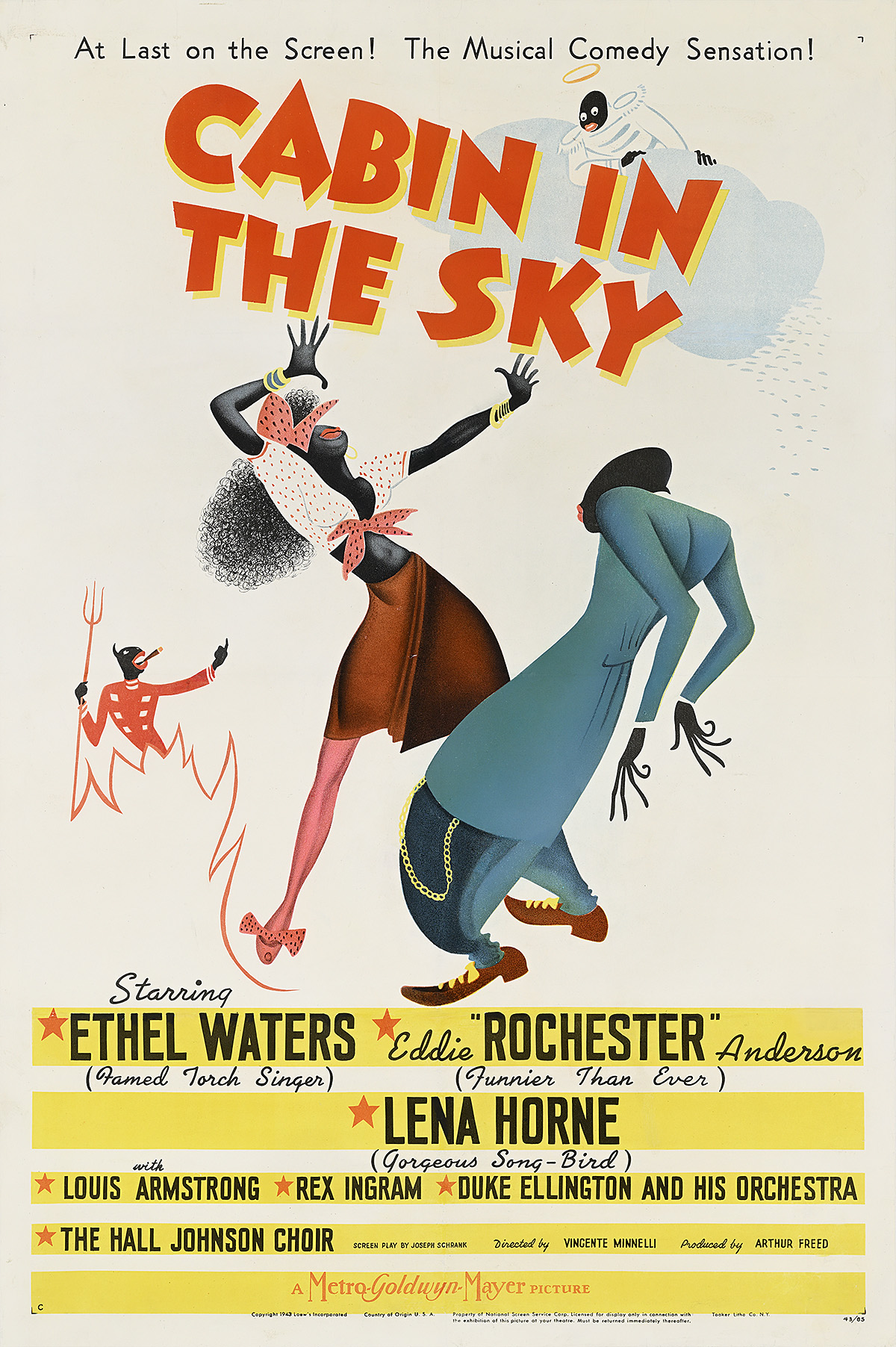
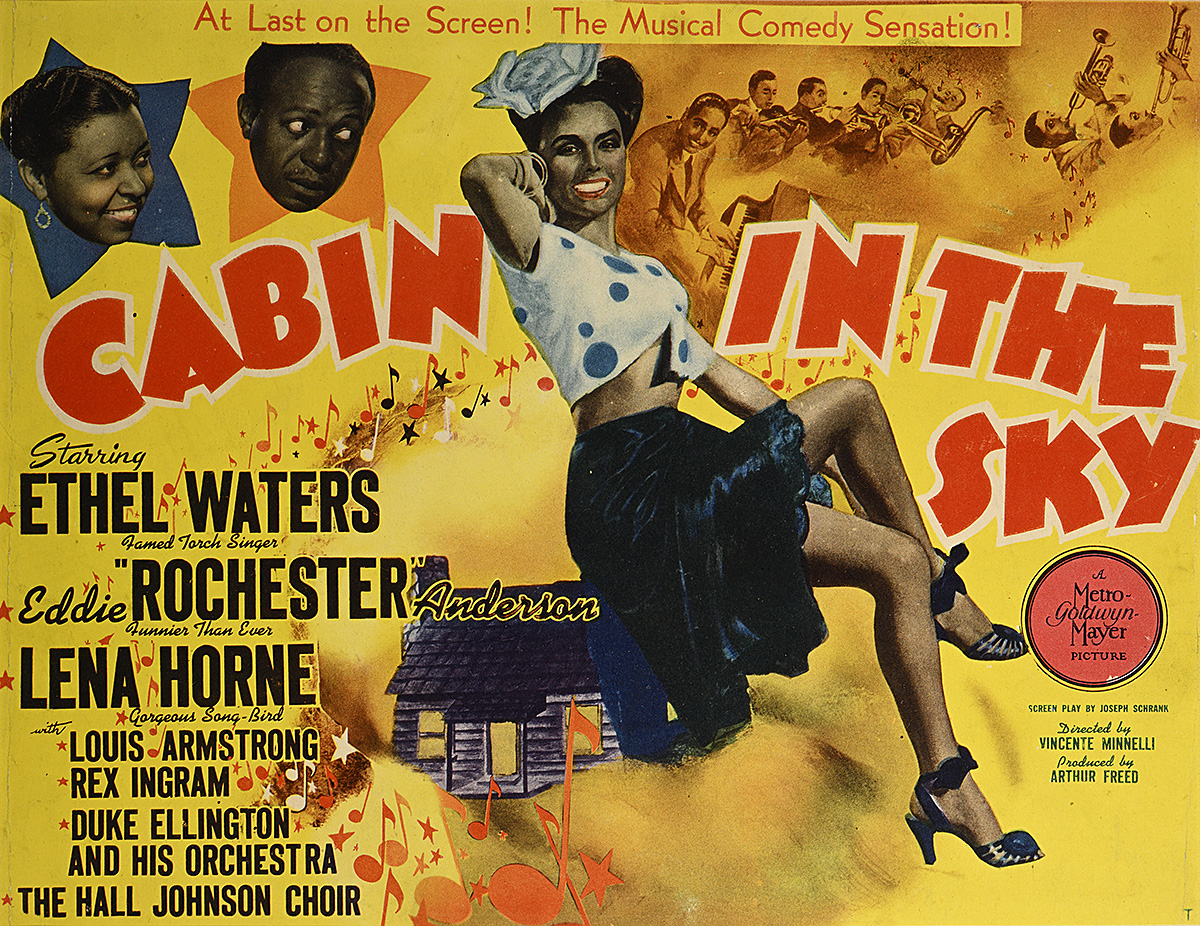
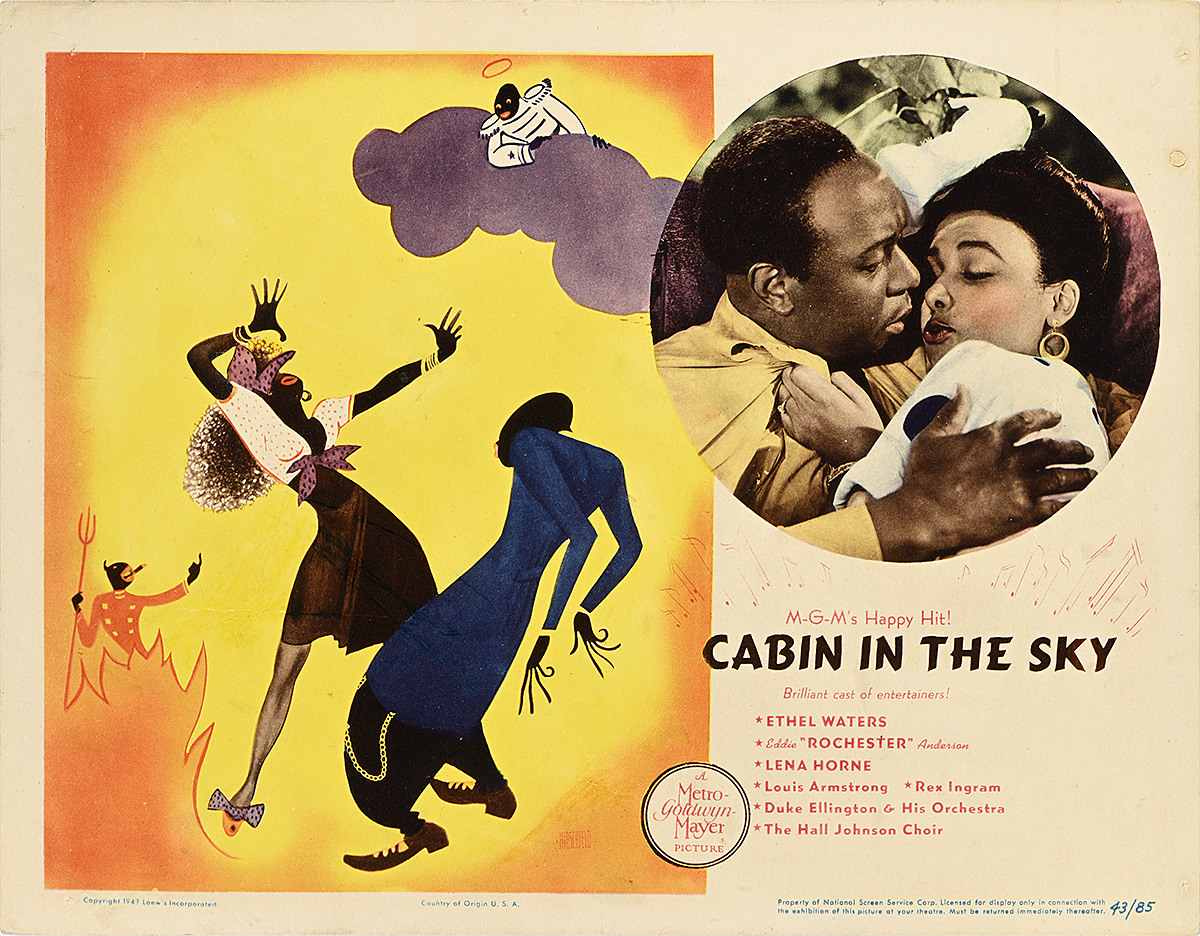
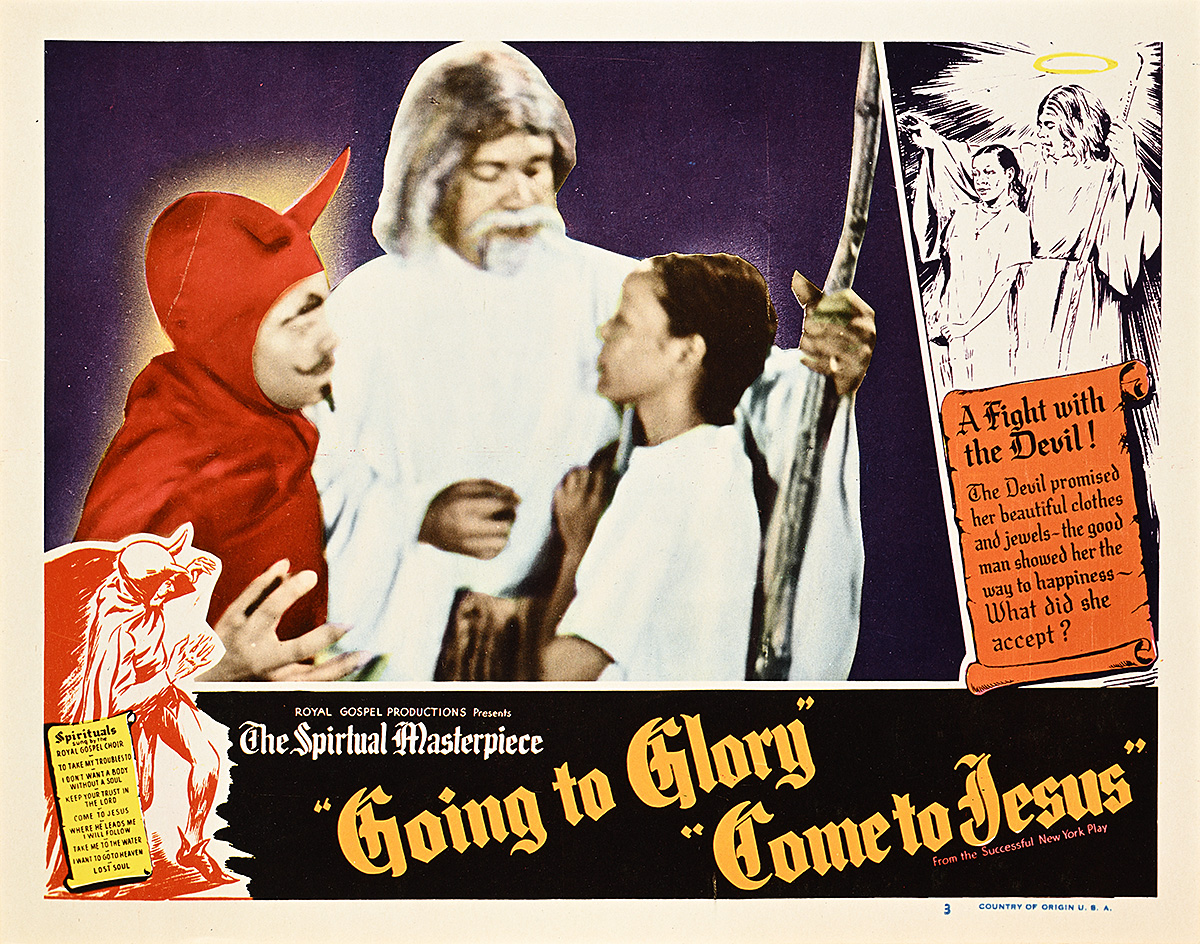
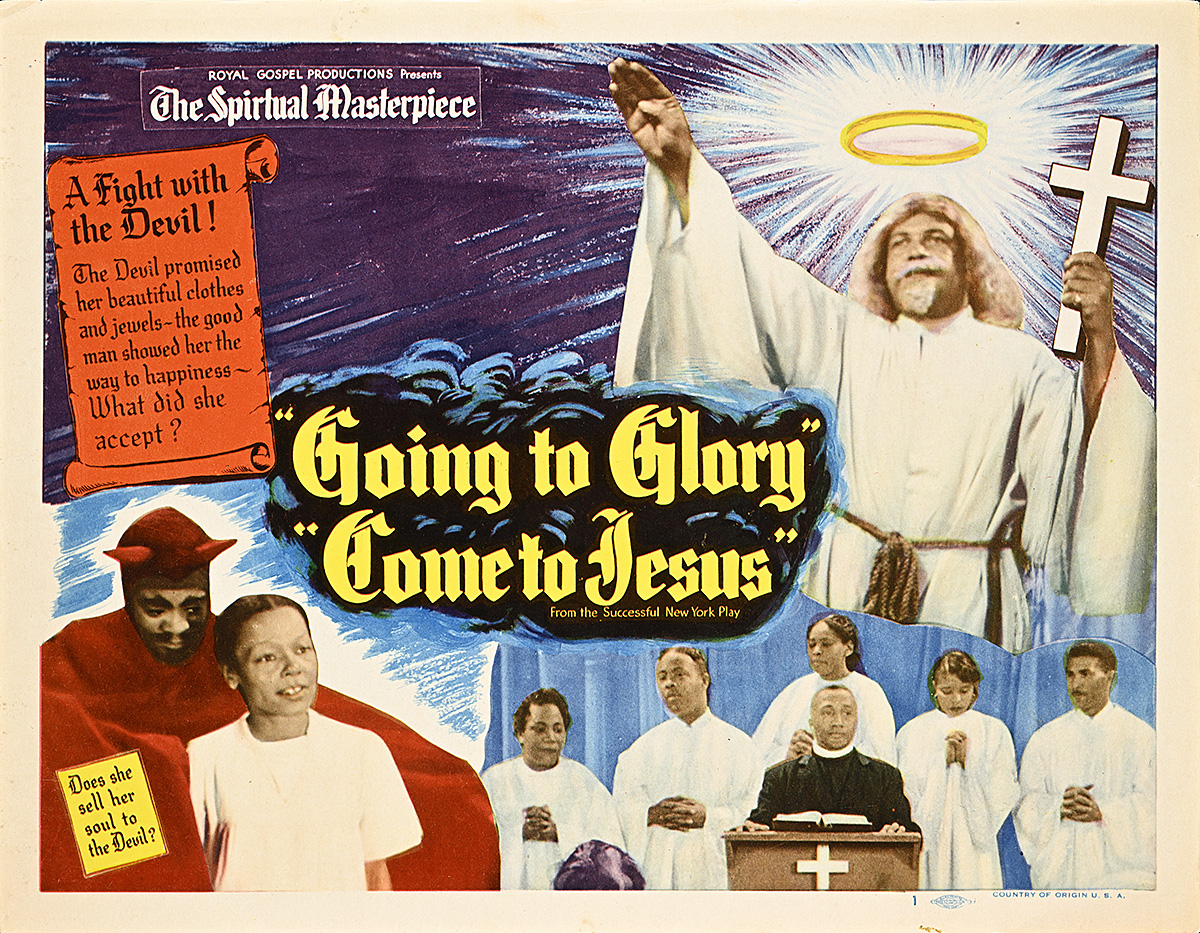
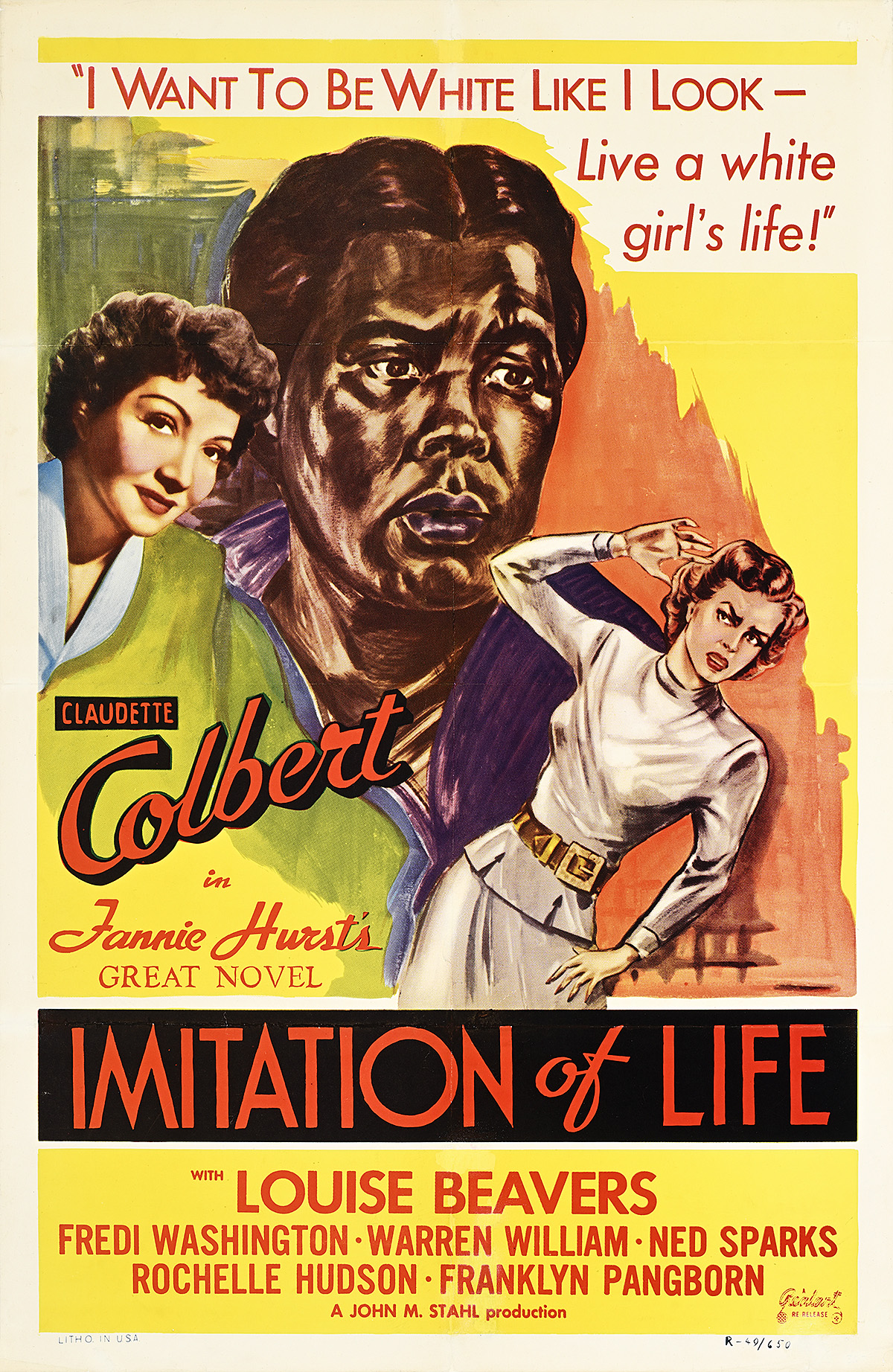
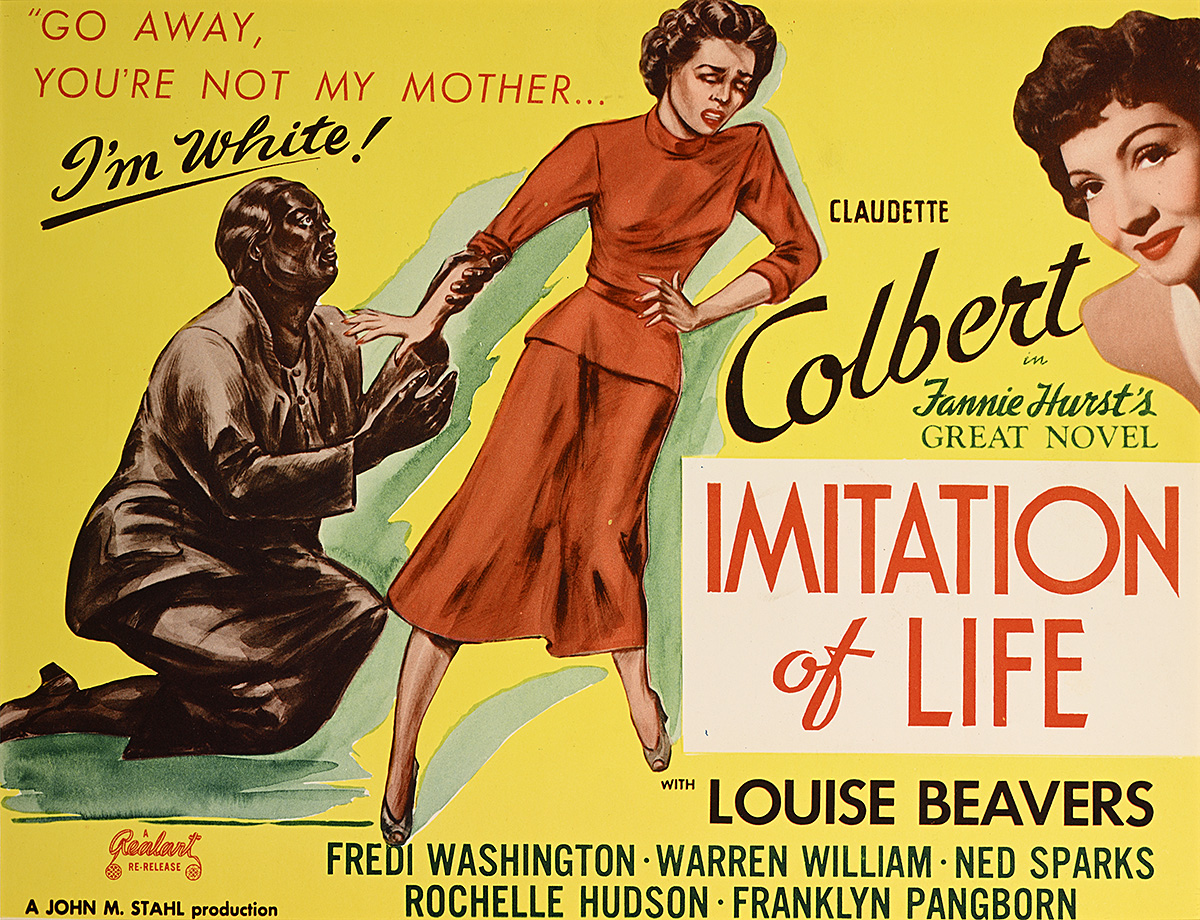
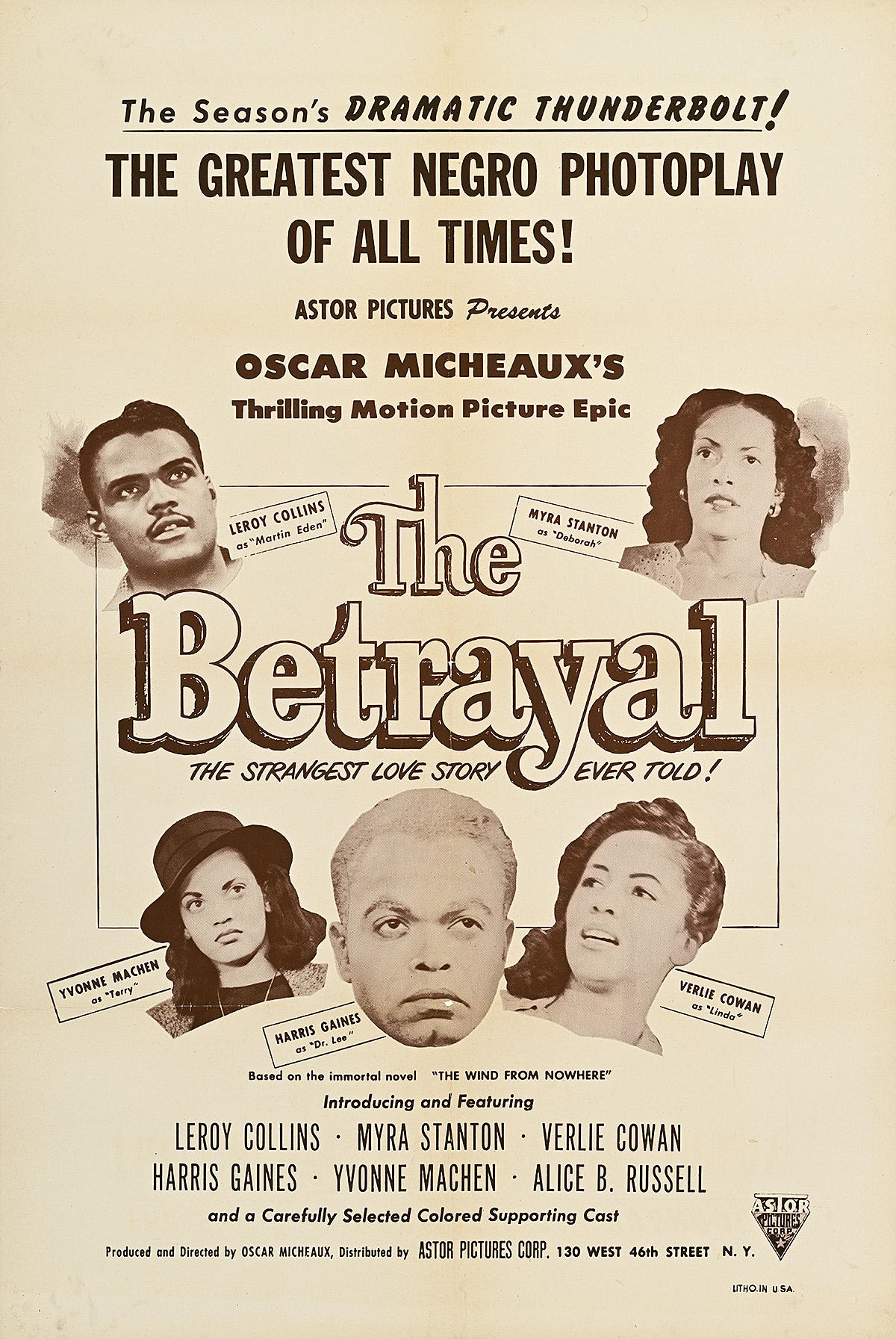
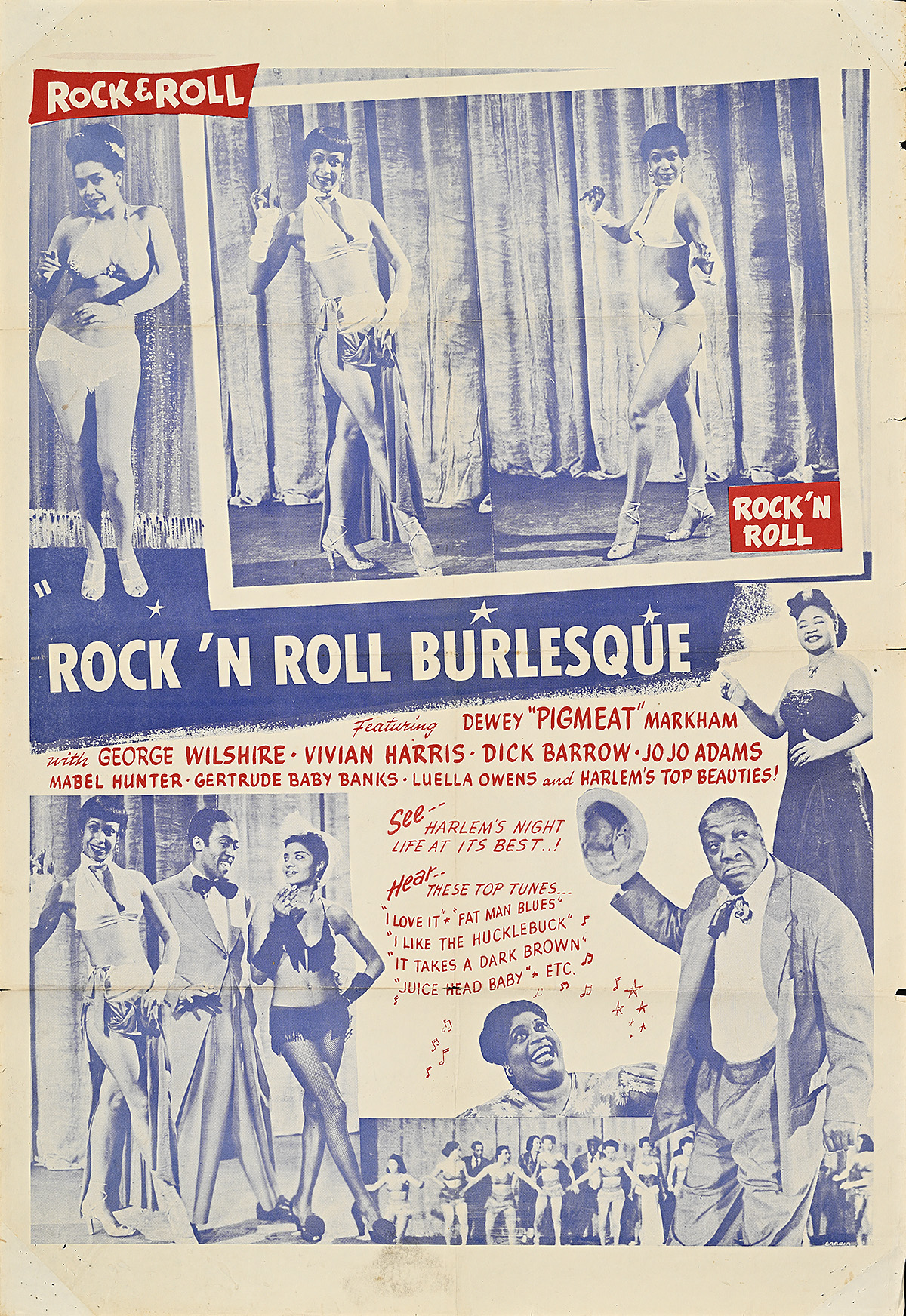
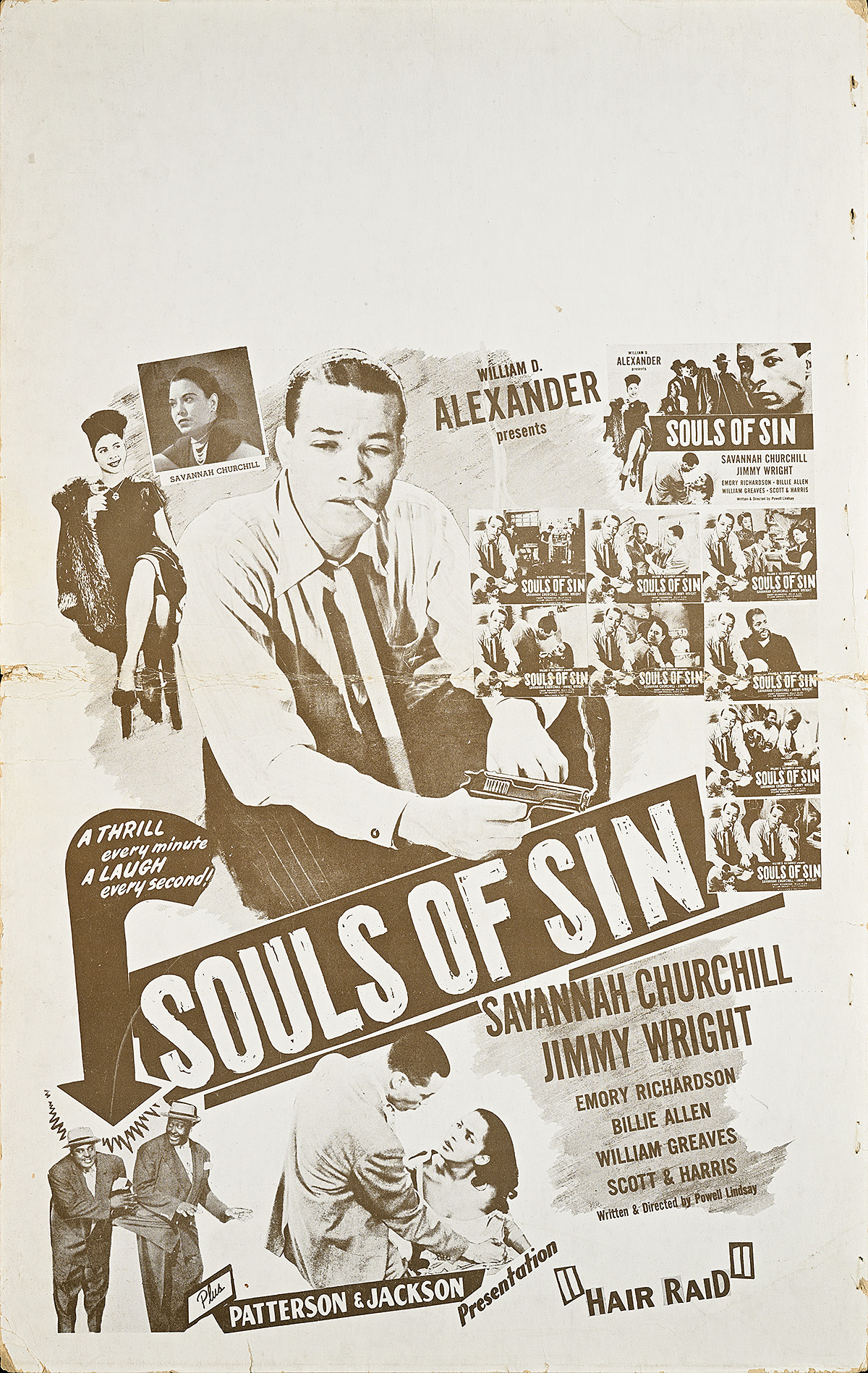
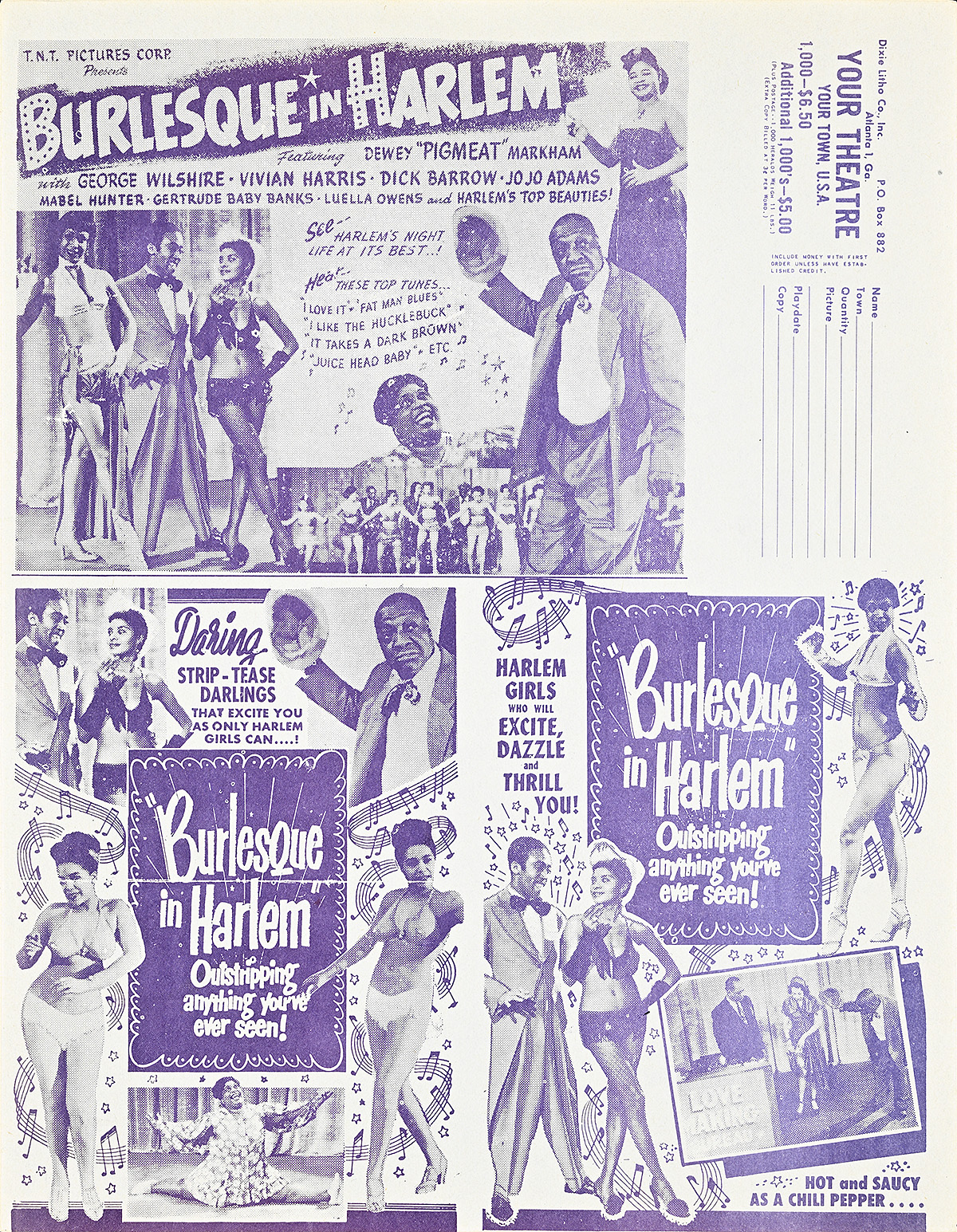
Since theatrical performances were rarely recorded and many of the movies that featured all-Black casts are now considered “lost films” (films for which no copy is known to survive), advertising posters often provide the only remaining evidence of the most important productions featuring Black performers between the 1870s and the 1940s. The posters in this exhibition allow viewers to consider how Black storytelling was transferred and transformed during its transition from stage to screen. They also document aspects of the historic innovations of playwrights, composers, directors, and producers for Black actors as they sought to represent life and experiences for Black audiences through their own creative perspectives.
This exhibition contains racist imagery and language that some viewers may find offensive and disturbing.
Unless otherwise noted, all posters in this exhibition are part of the Poster House Permanent Collection. This exhibition would not be possible without the generous collaboration of The Black Canon Collection in Detroit, MI. It is also supported, in part, by Norman K. and Katharine A. Meyrowitz.
Whenever feasible, Poster House reuses materials from previous shows to drive sustainable practice.
Want to dive even deeper into this exhibition? Head to Bloomberg Connects.
For ideas on how to discuss the themes of this exhibition with young learners, explore the Family Guide.
Large text, Spanish translation, and a Plain Language summary are available via the QR code and at the Info Desk.
El texto con letra grande, la traducción al español y un resumen en lectura fácil están disponibles a través del código QR y en atención al público.
The Stage
“I venture to think and dare to state that our profession does more toward the alleviation of color prejudice than any other profession among colored people.”—Aida Overton Walker, performer
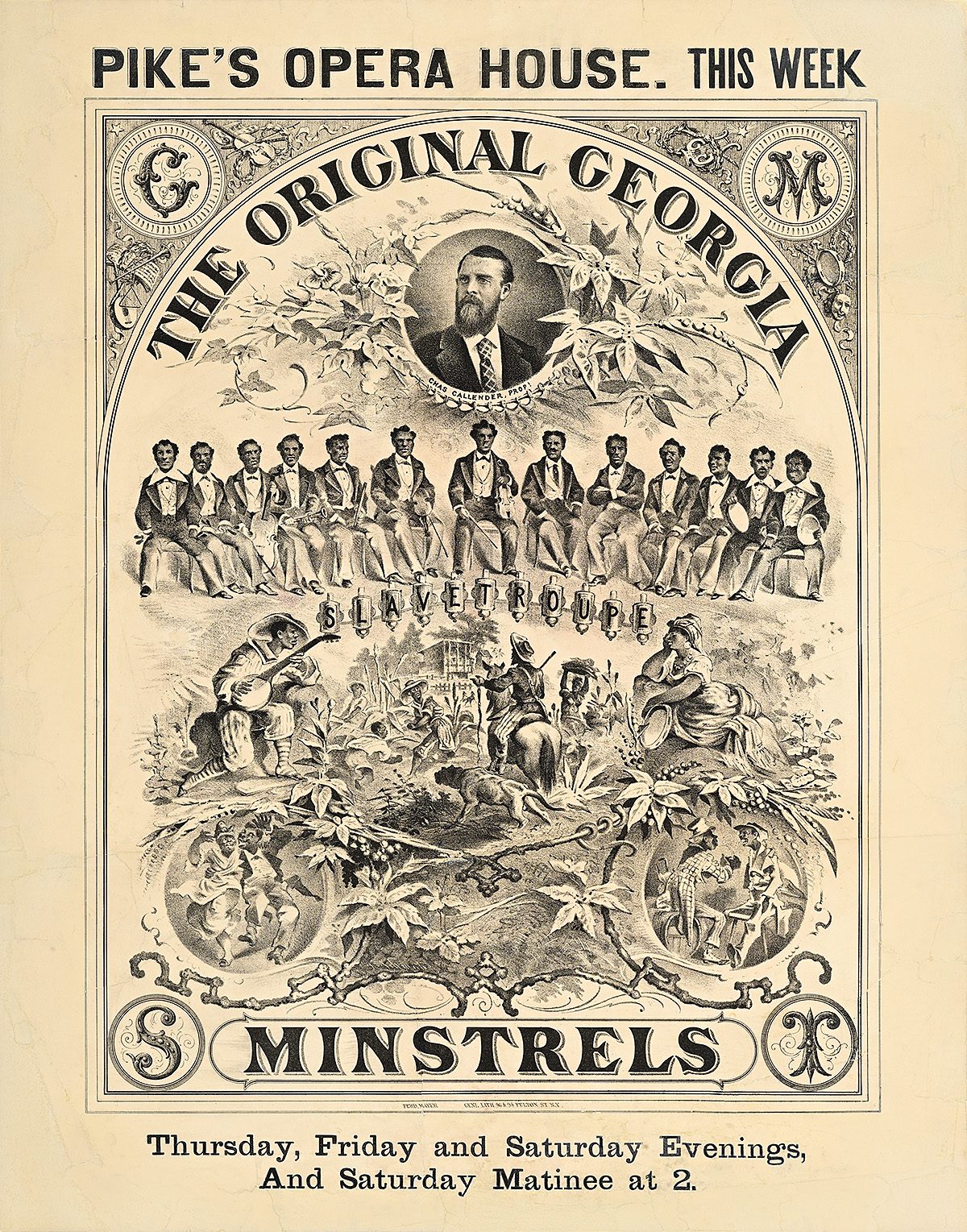
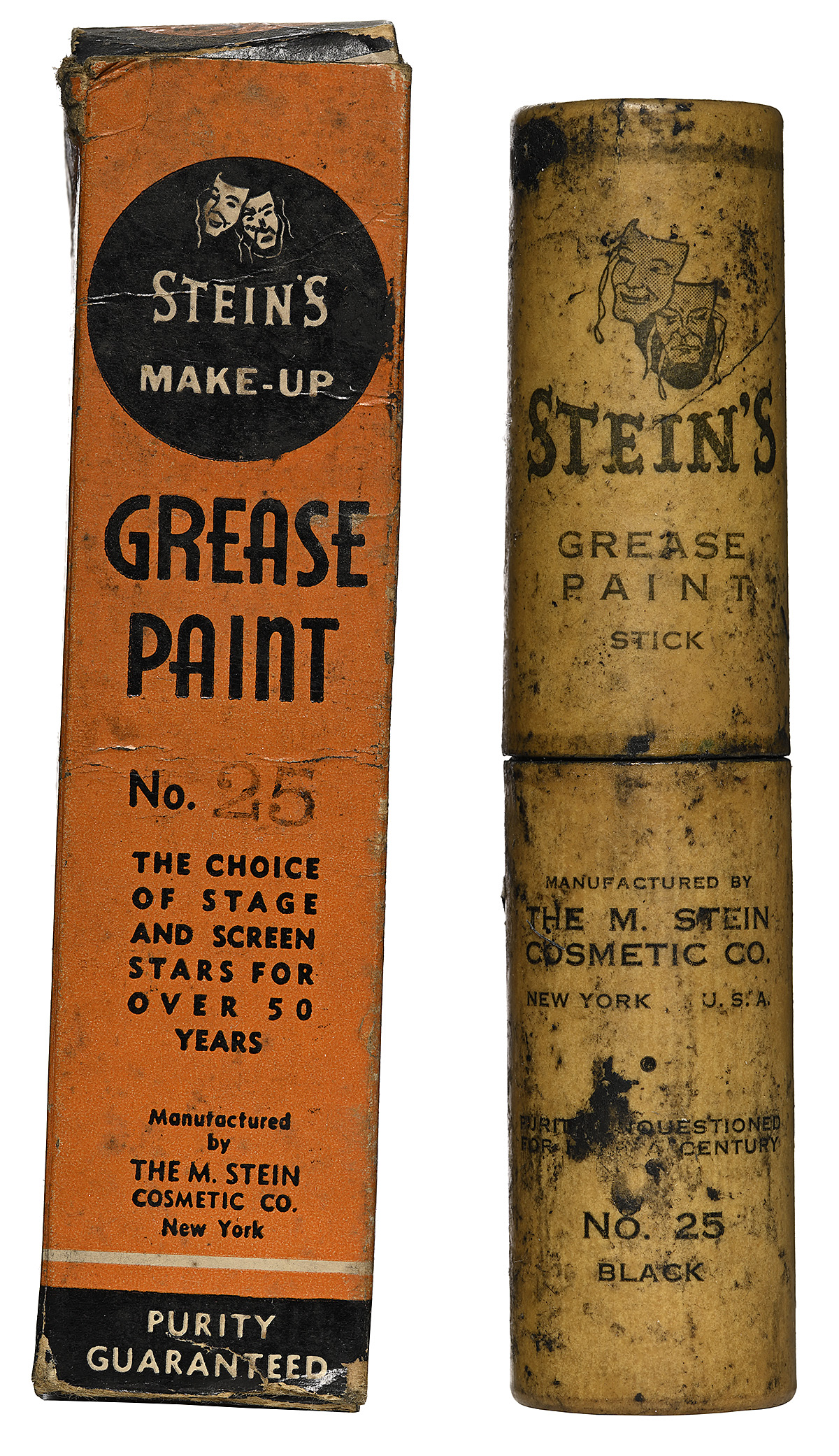
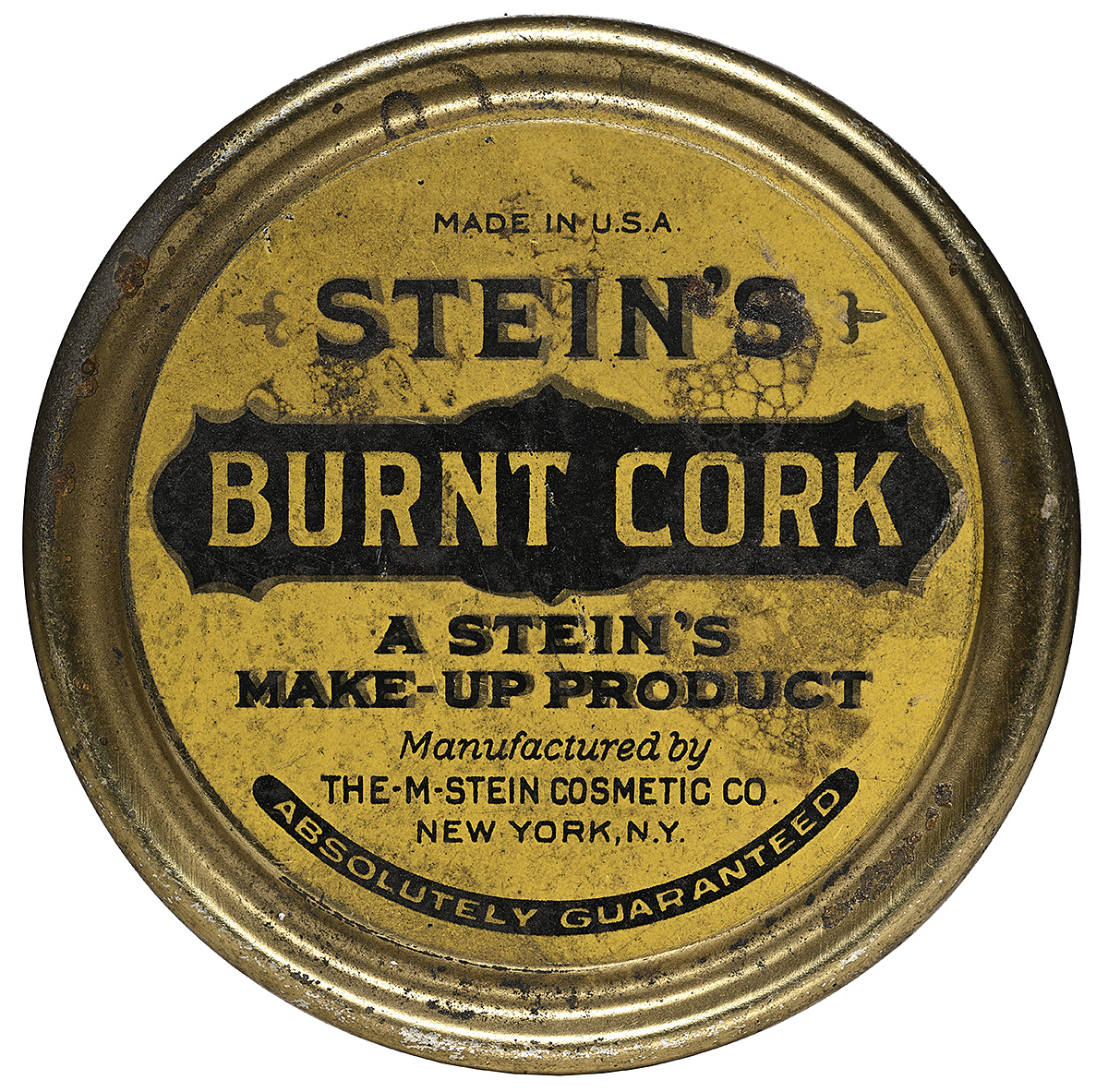
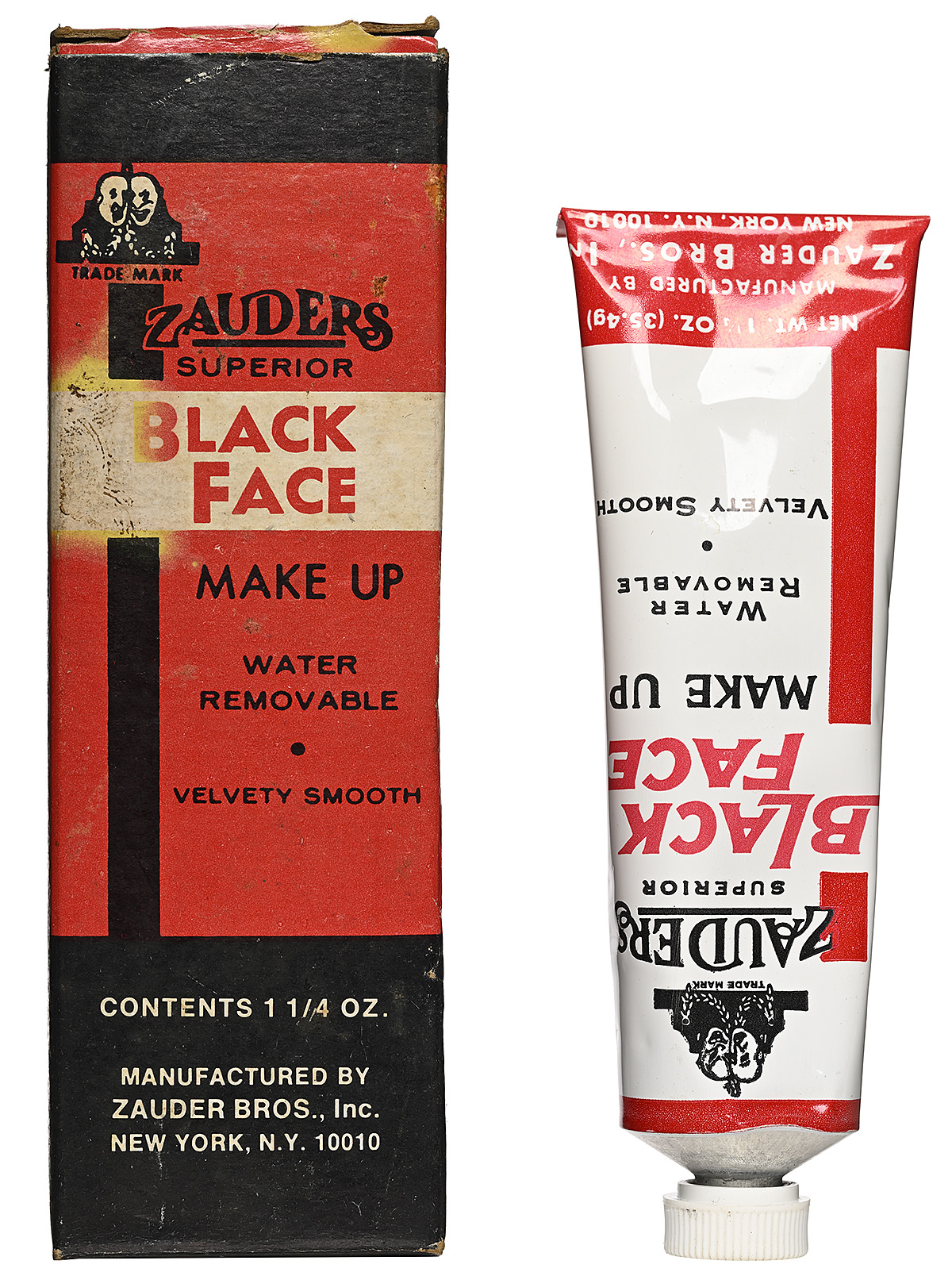
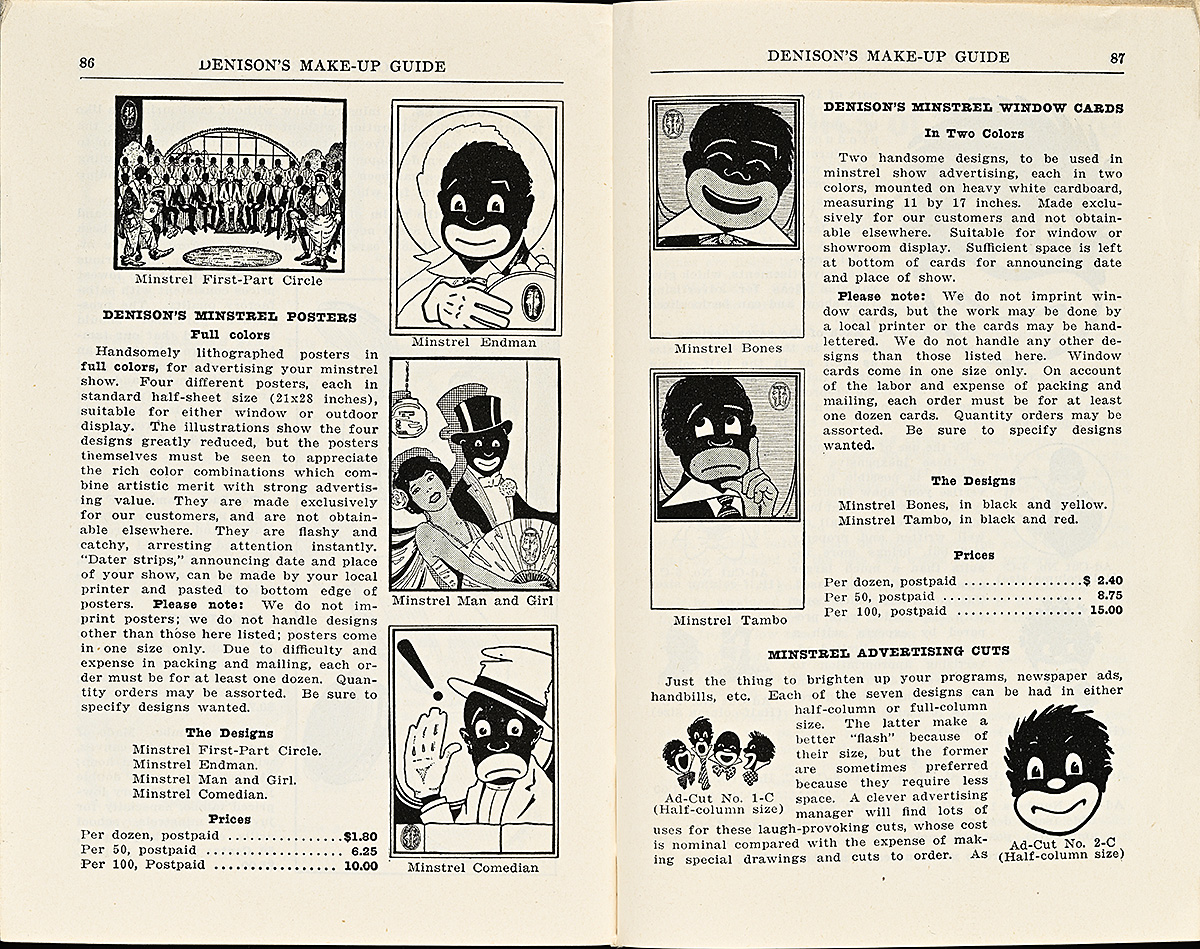
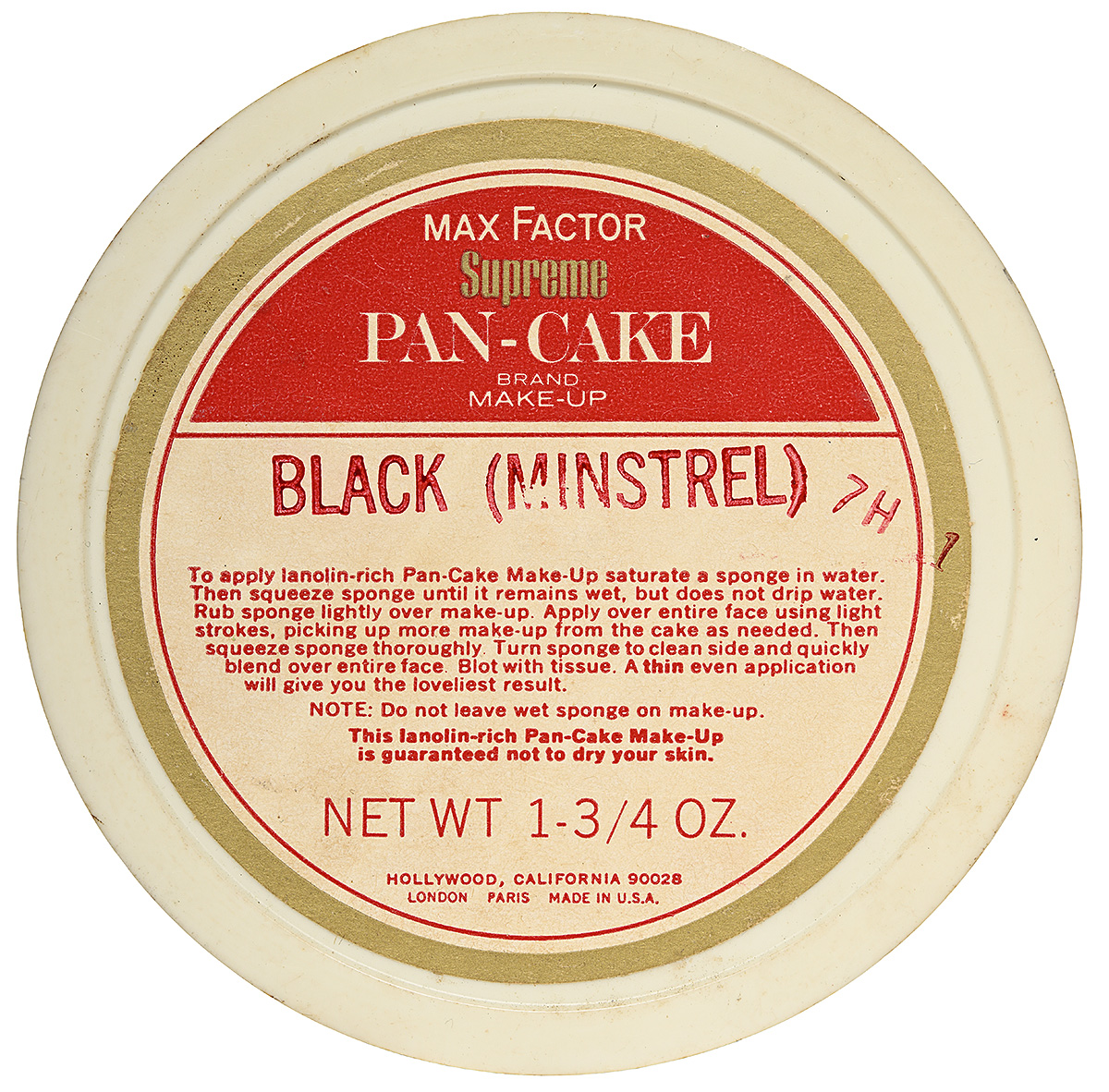
The minstrel show emerged in the early 19th century as an American form of entertainment in which white actors performed negative racial stereotypes of Black Americans, co-opting and exaggerating mannerisms and spoken language. The shows included a series of archetypes of Black men and women that depicted them as lazy, buffoonish, and lustful—all of which reinforced the concept that enslavement benefited Black people who could not otherwise contribute meaningfully to American society.
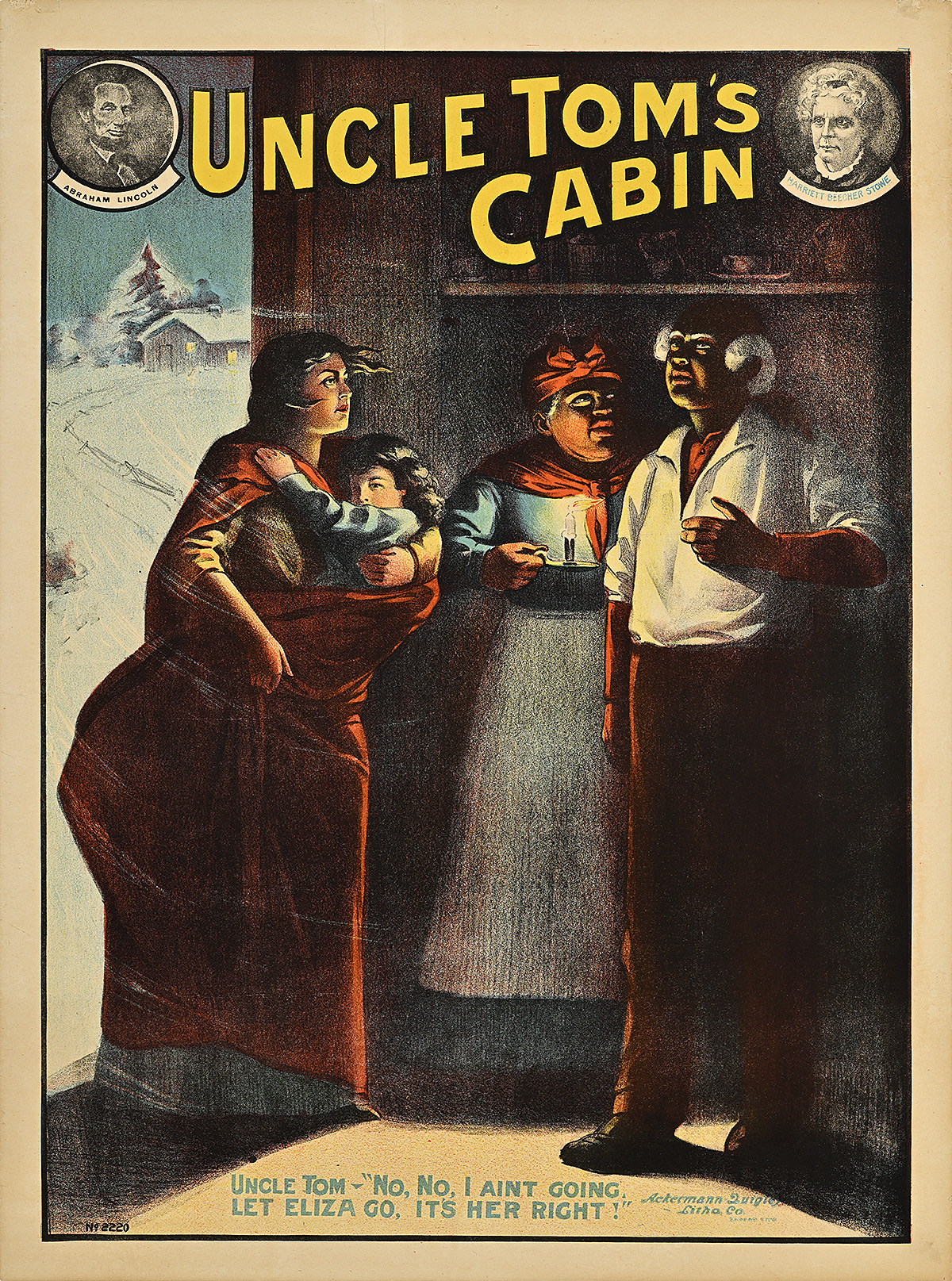
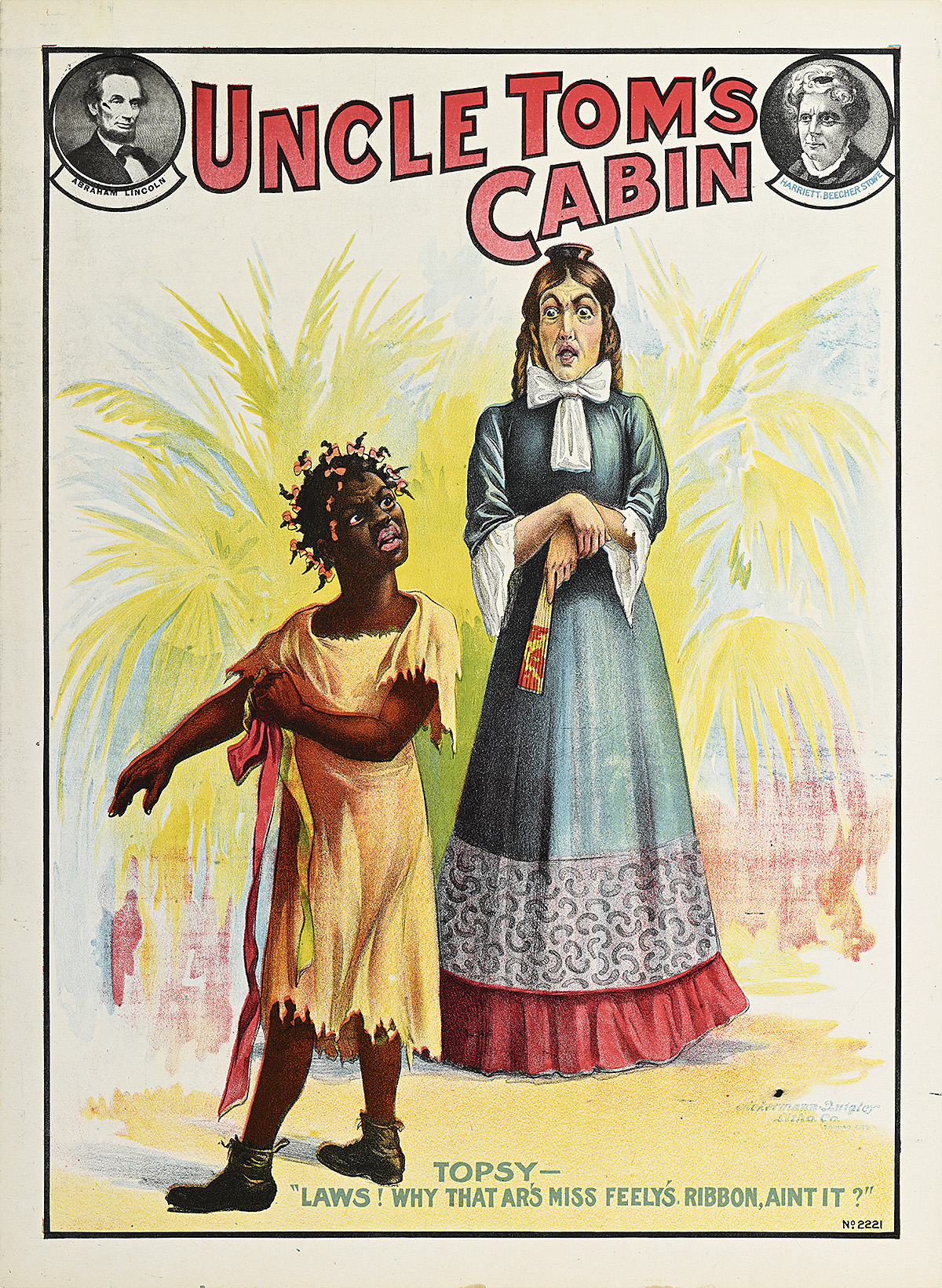
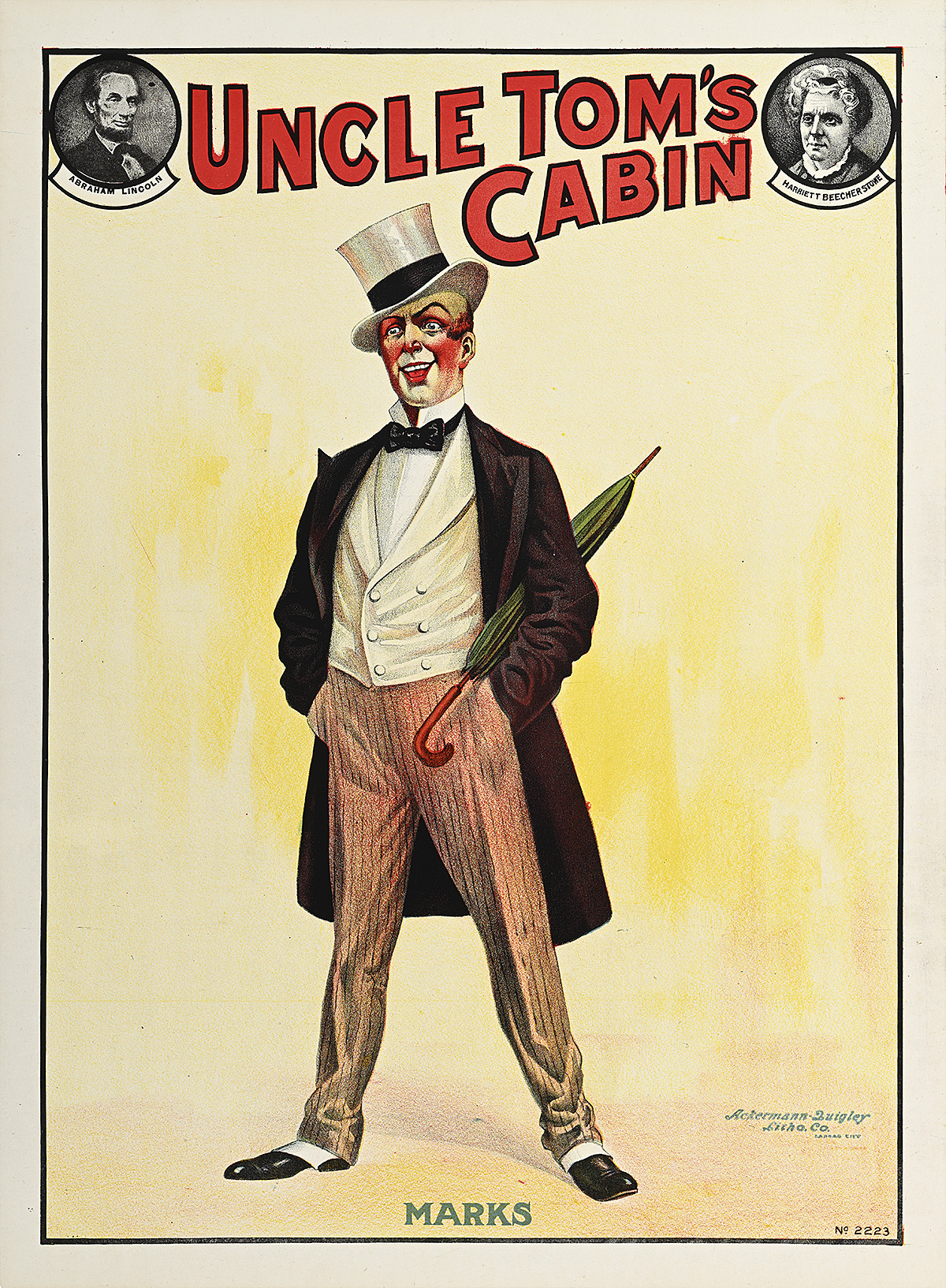
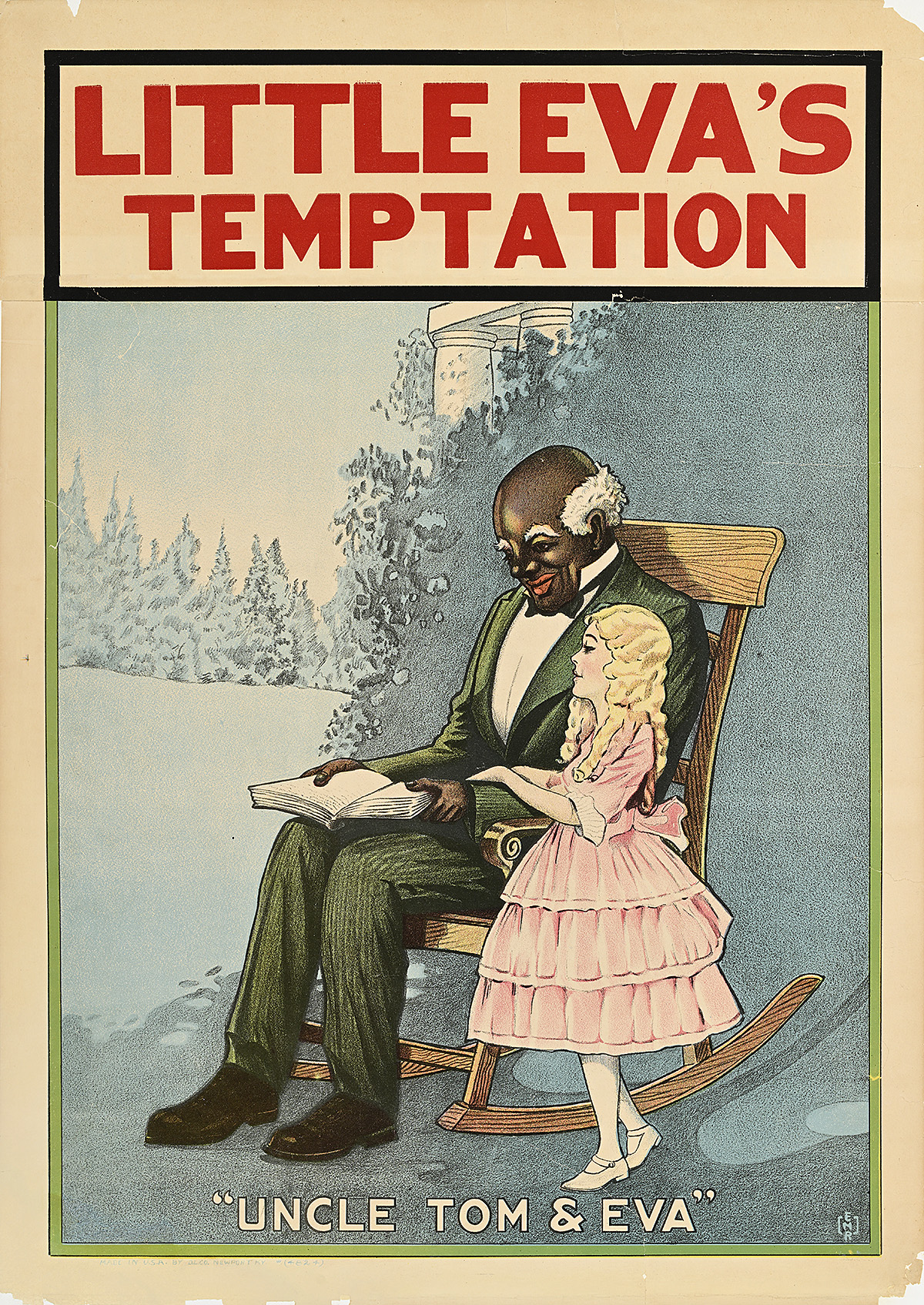
The most popular and common form of minstrelsy was introduced in 1828 by Thomas Dartmouth “Daddy” Rice, a white actor and playwright who became wealthy on the basis of his successful and racist performance as the “Black” character Jim Crow. Rice’s portrayal, and those of many other actors inspired by him, provided stereotypical and harmful characterizations of enslaved people and Black Americans who were not in control of the outward presentation of their developing cultural identity. Since vaudeville theater was one of the most popular forms of entertainment in America starting in the late 19th century, these early portrayals of Black Americans became the primary representations of Black life and culture in the United States. As notable novels of the time were reworked for the stage, Harriet Beecher Stowe’s Uncle Tom’s Cabin (1852), a national bestseller, quickly became the most dominant Black narrative in American culture; while it was an anti-slavery novel, its pervasive stereotypes provided a faulty framework for racialized depictions in theater and had a lasting, negative impact on the ways in which white audiences conceptualized Blackness.