Reading Under Fire: Arming Minds & Hearts During Wartime
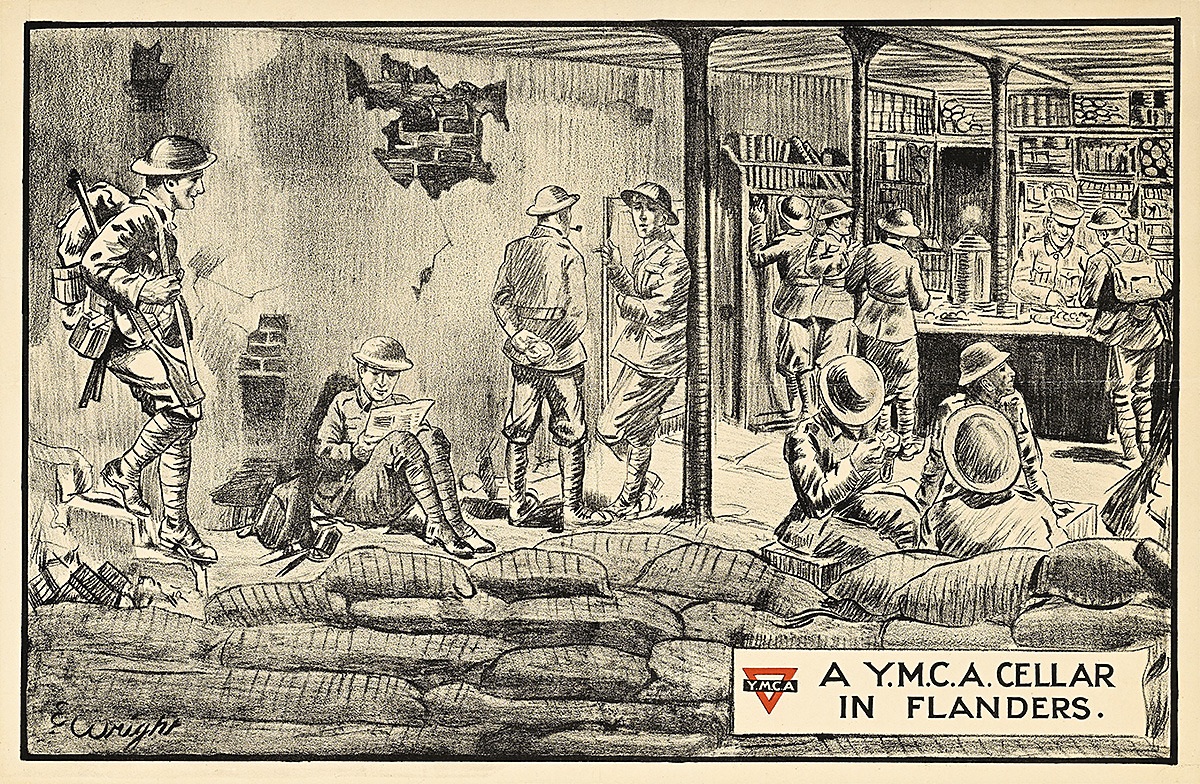
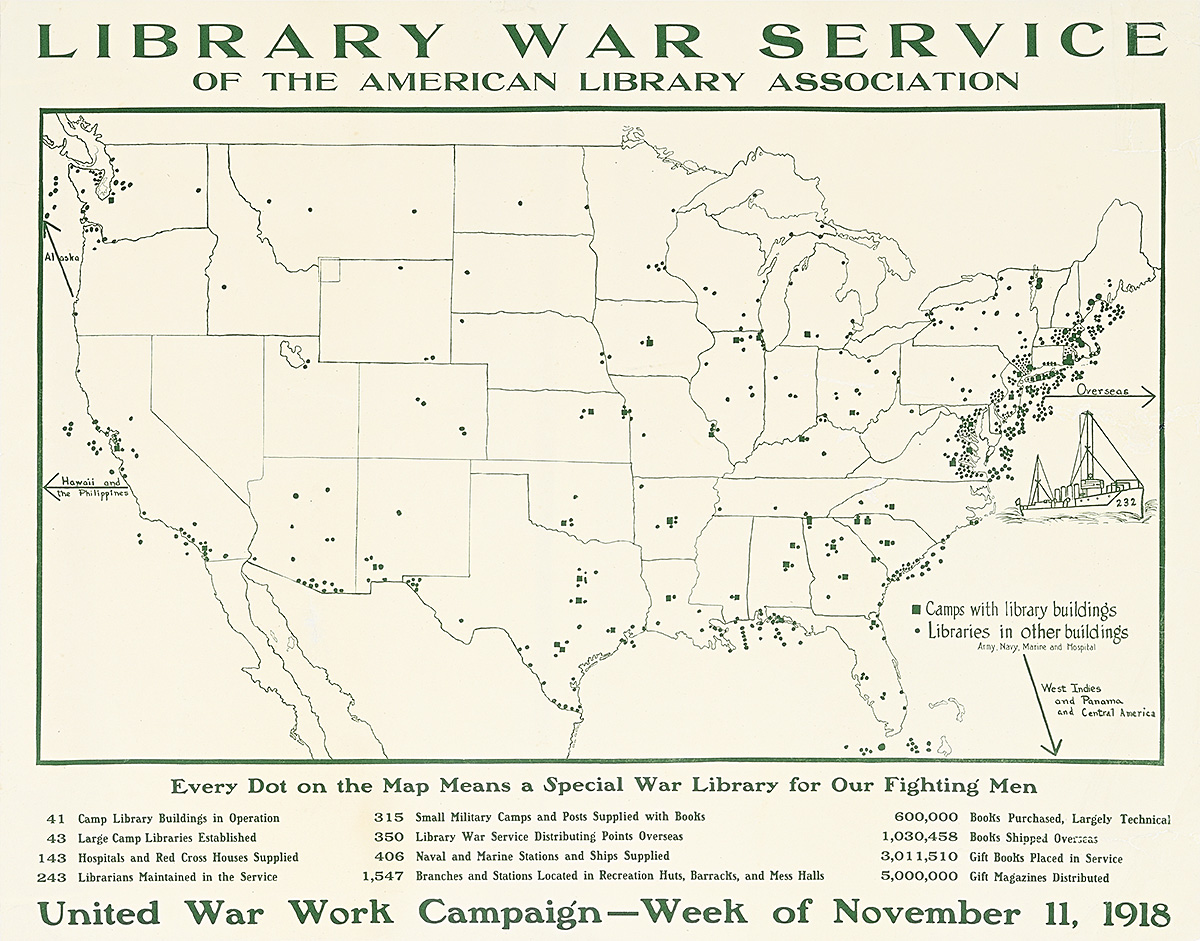
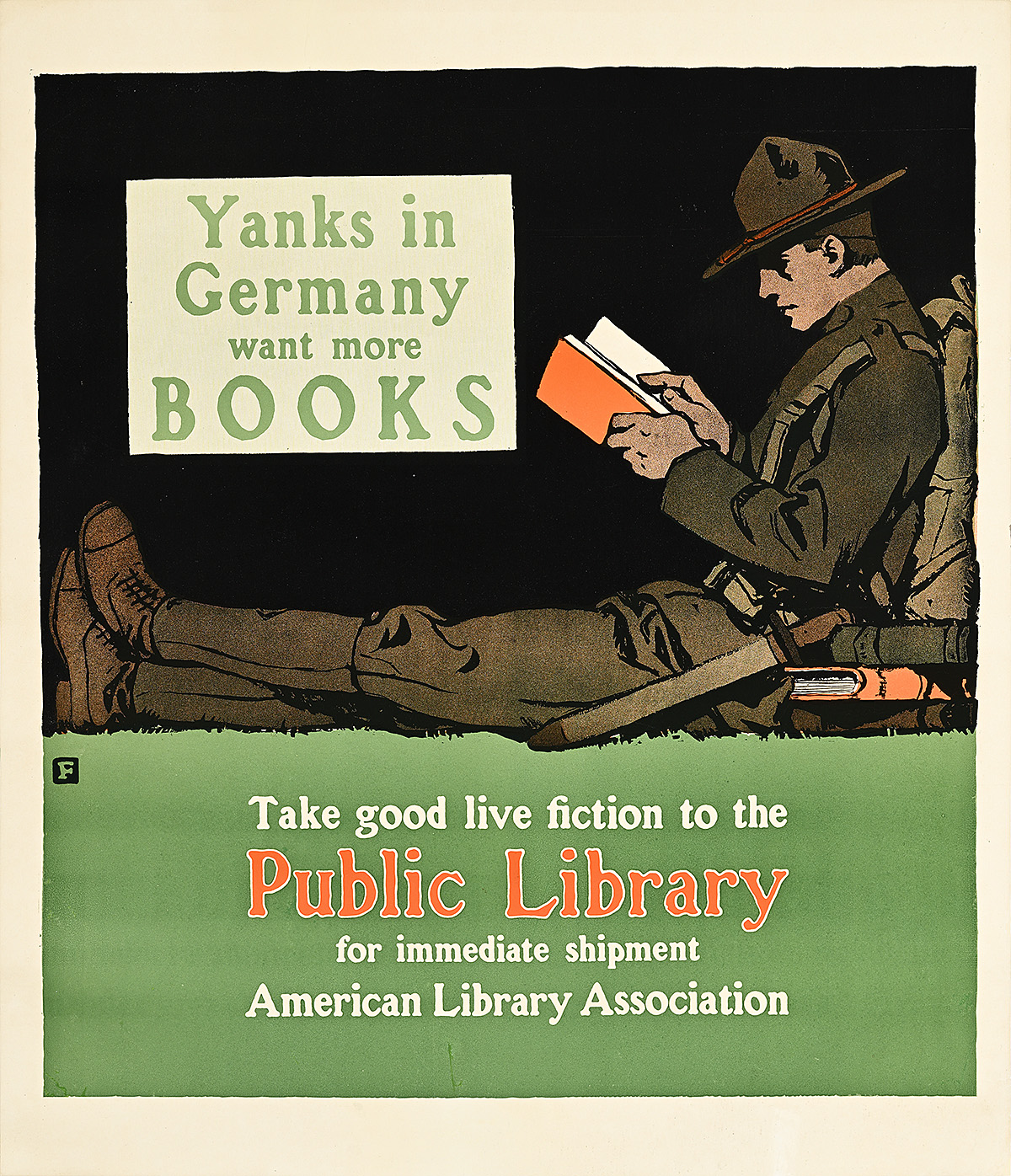
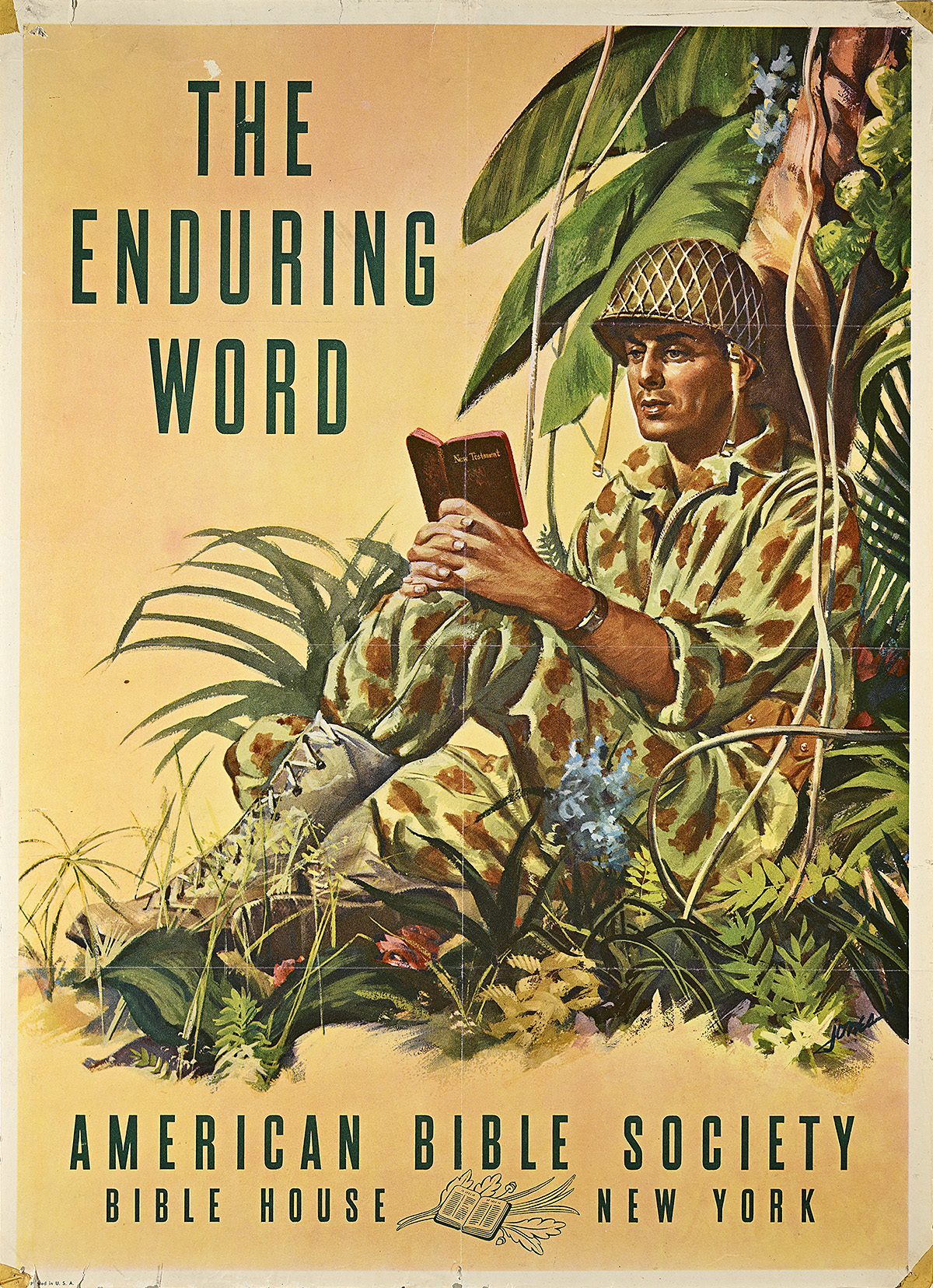
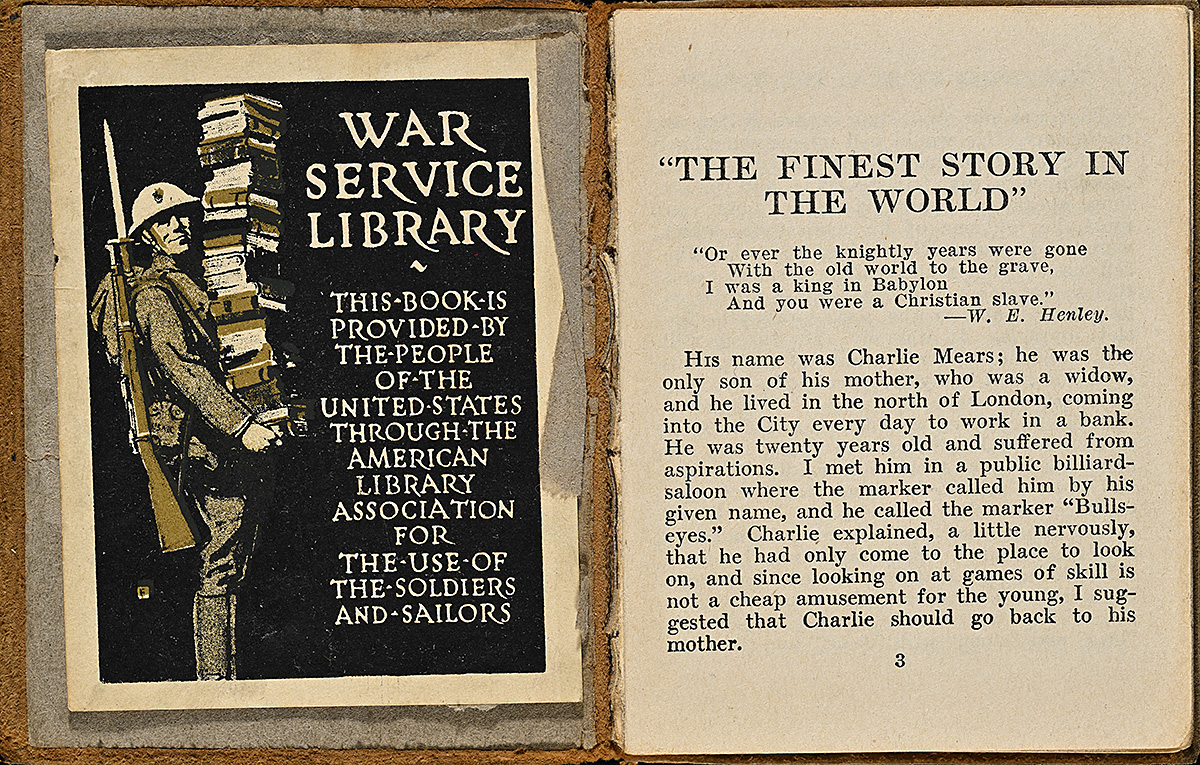
During World Wars I and II, millions of young men traveled into war zones, where they experienced horrific conditions and witnessed devastating destruction. Nearly every nation involved recognized that it was necessary to maintain the soldiers’ wellbeing and morale in these extreme situations. Because foot soldiers had to carry all of their possessions, portable forms of entertainment were needed and books became hugely popular. Between lulls in action or when waiting for orders far from the front lines, the troops read to forget their surroundings and fears, taking a mental vacation from their hardships. When they finished reading, they swapped titles with one another so they always had new material. As an Army officer observed during World War II, saturating war zones with books was “the greatest improvement in Army technique.”
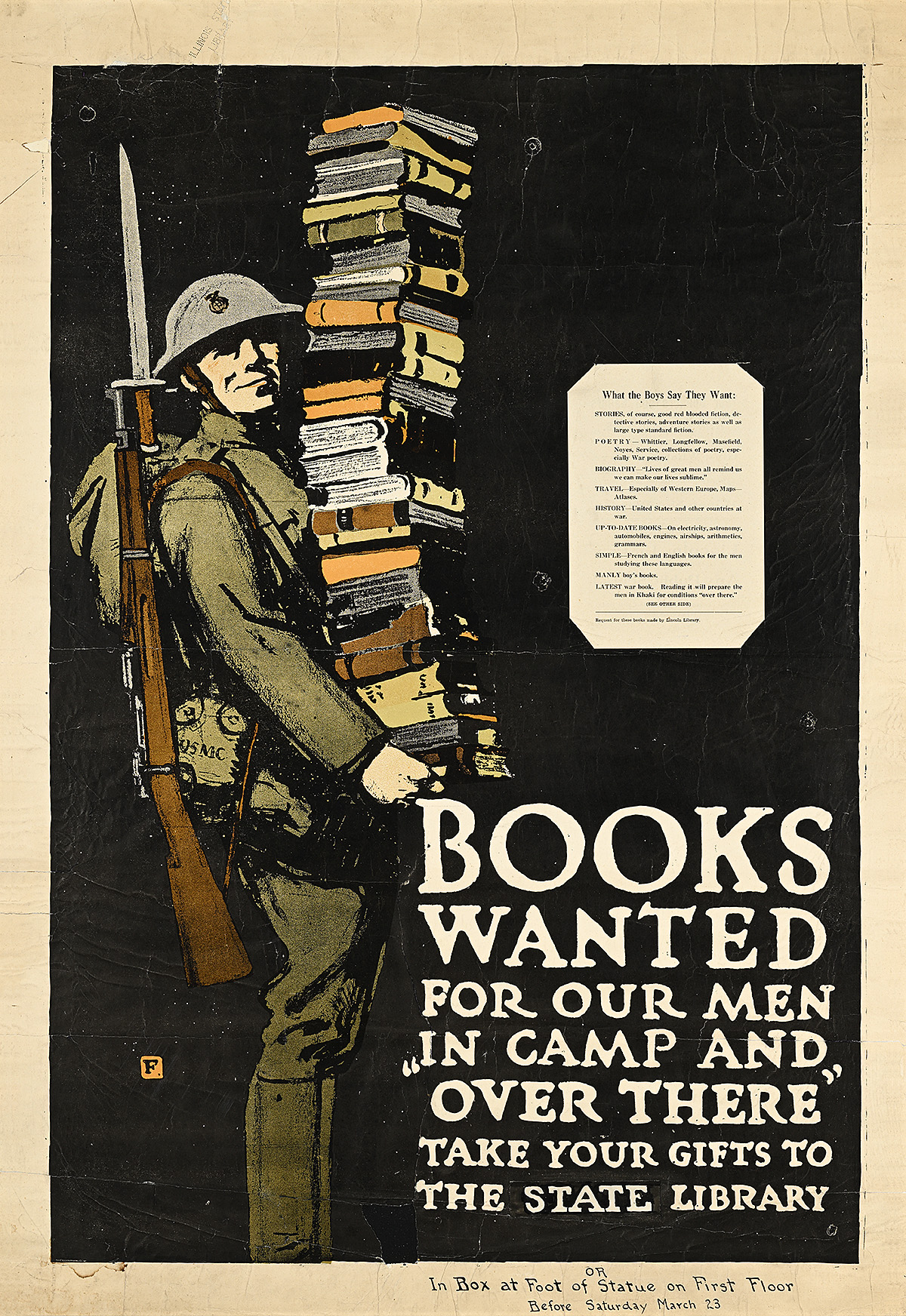
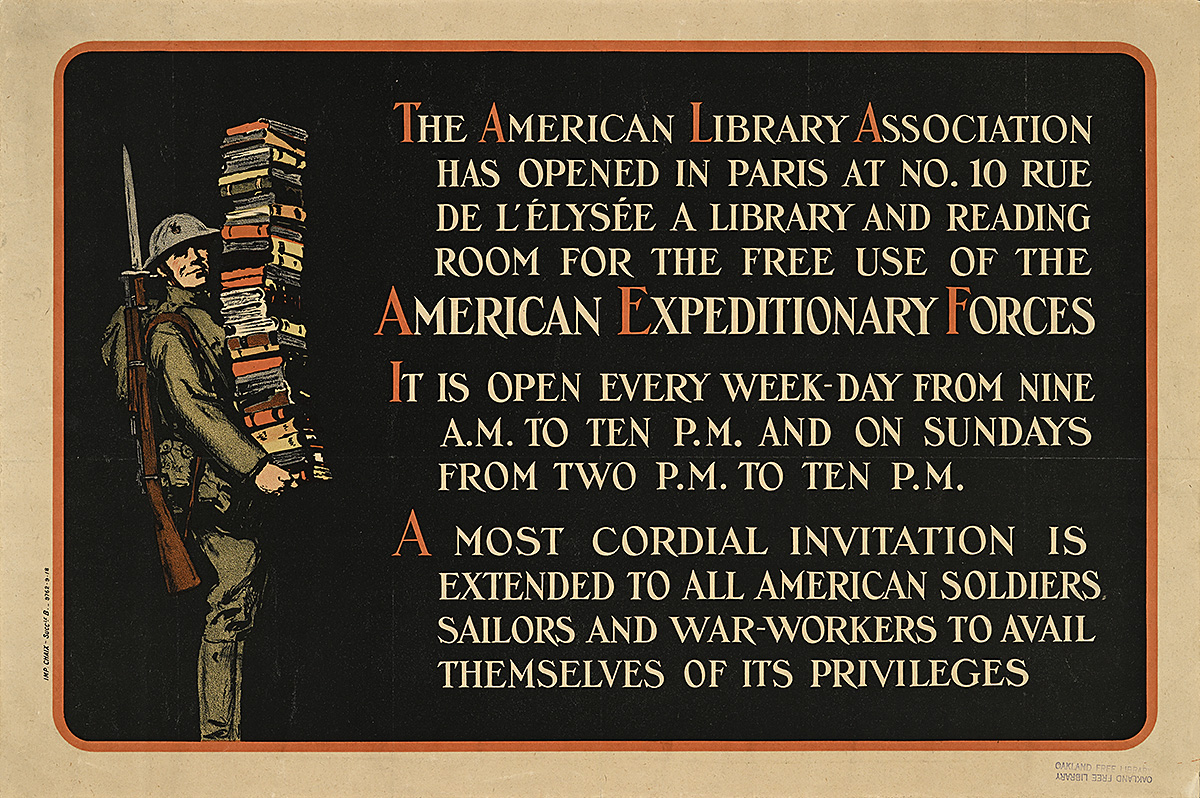
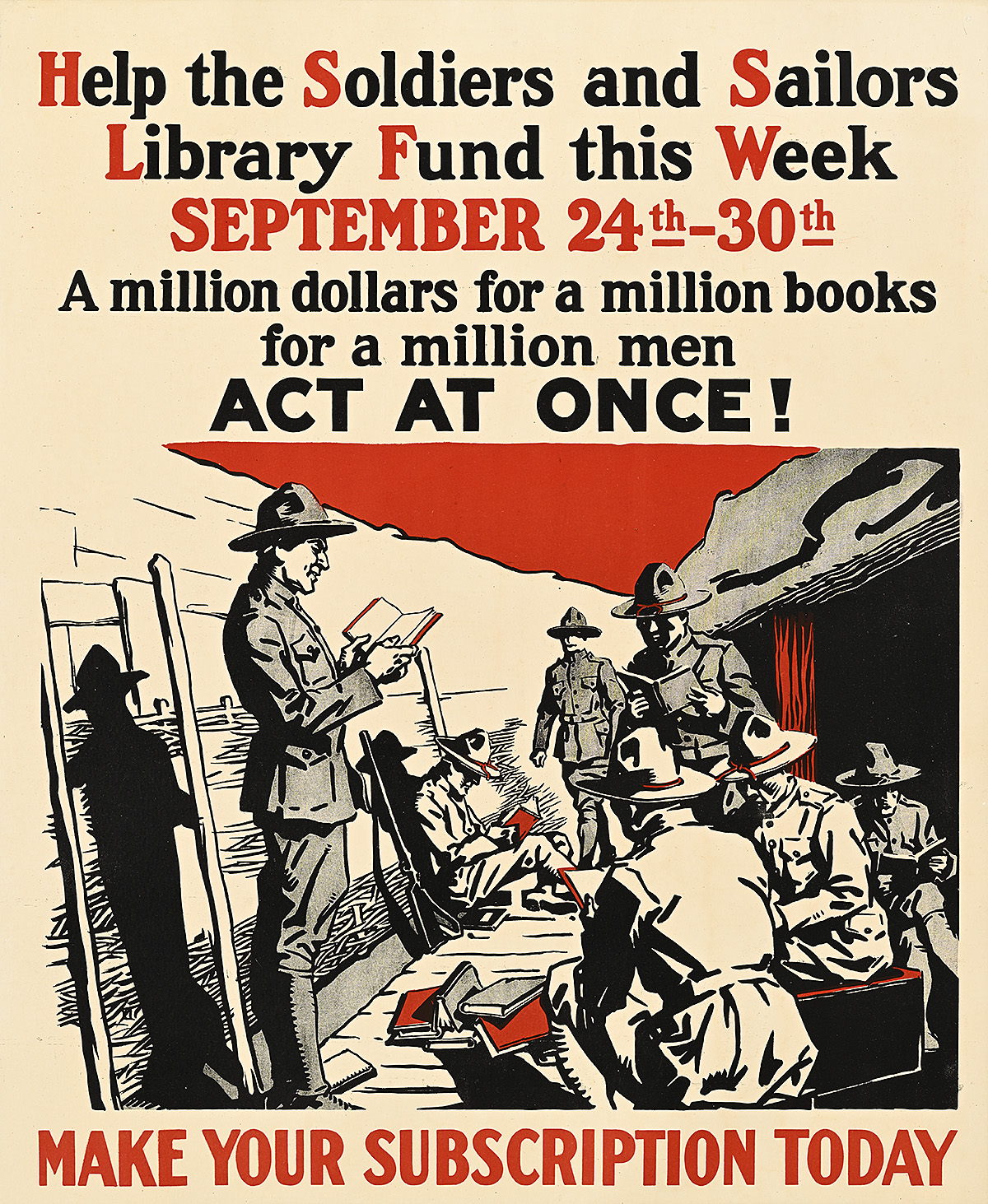
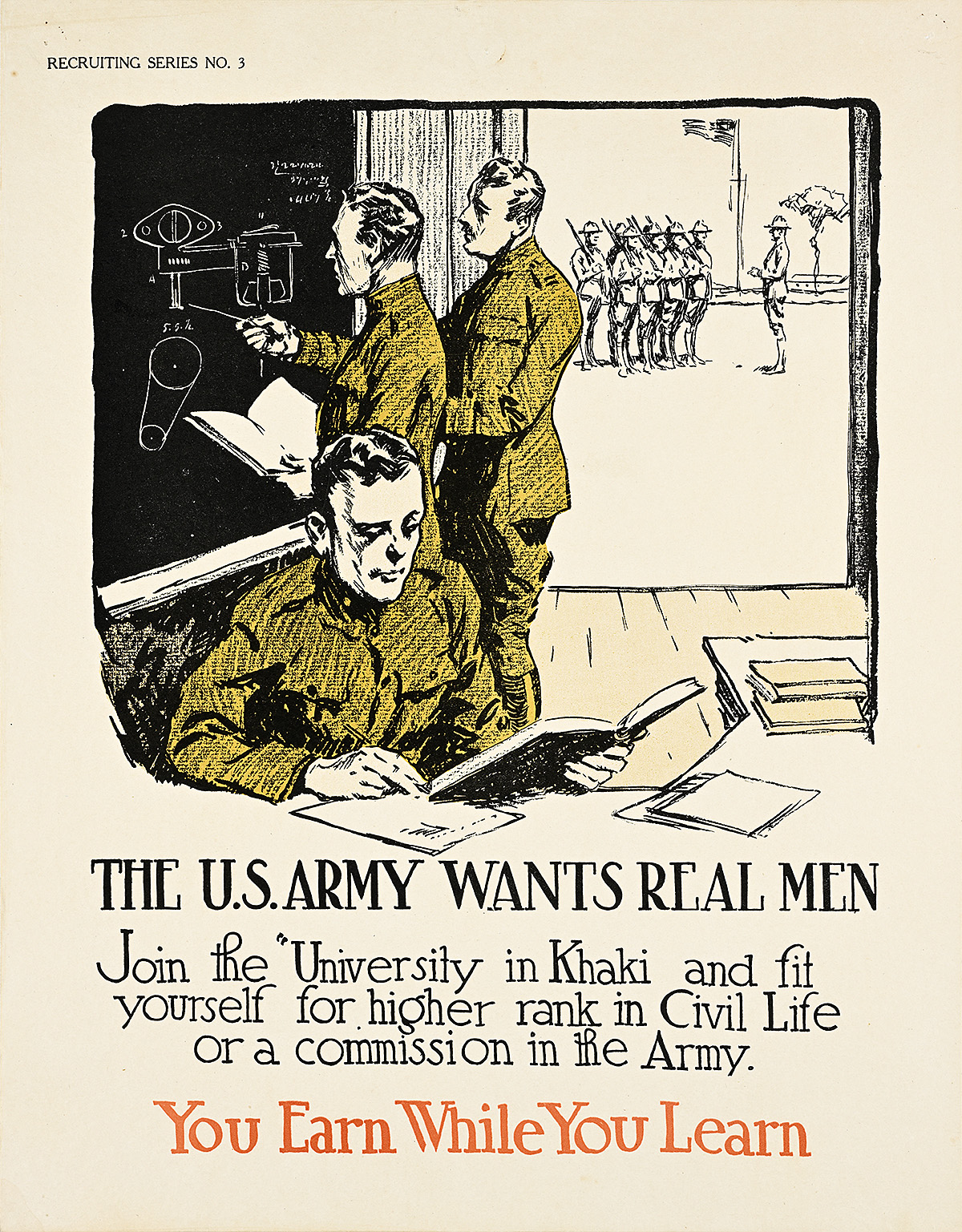
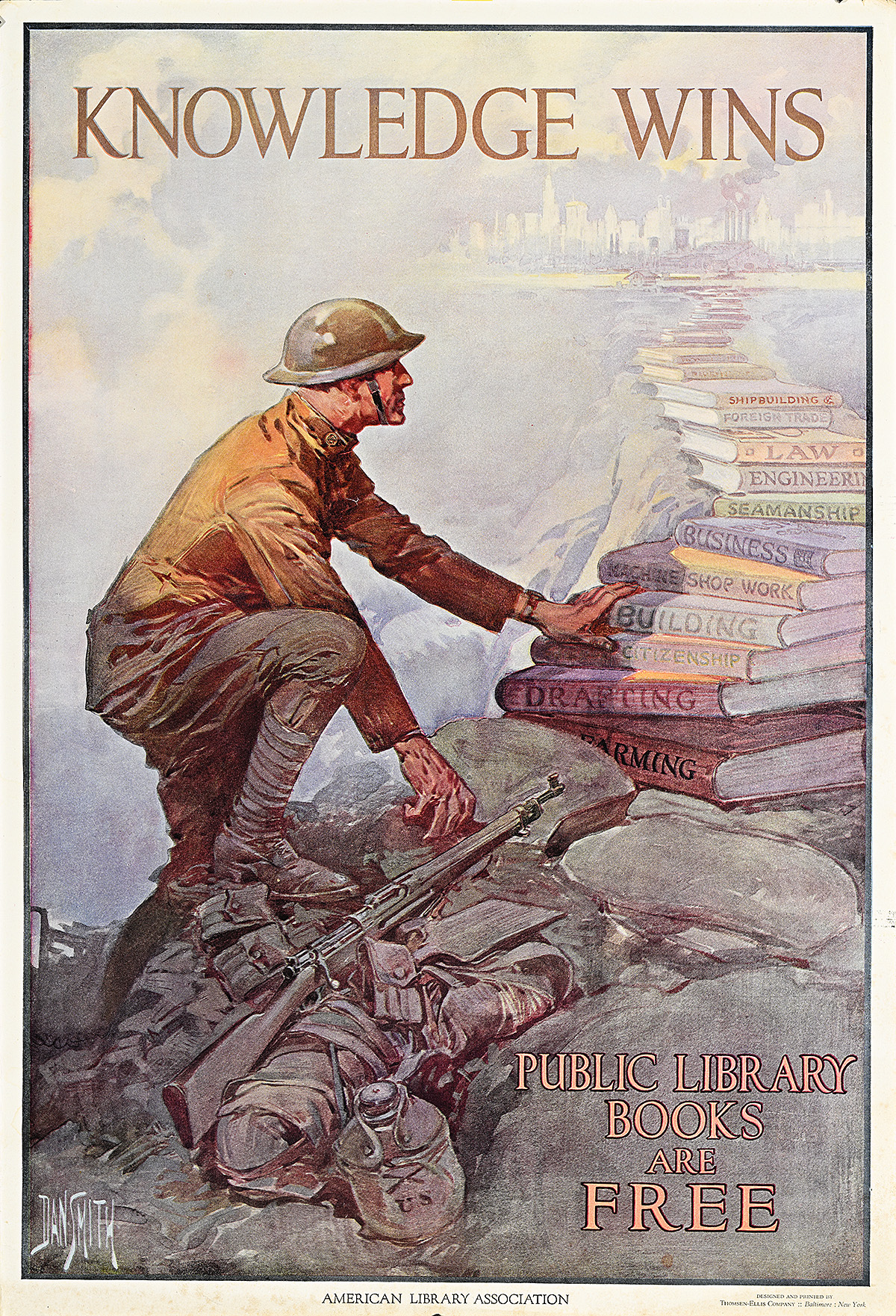
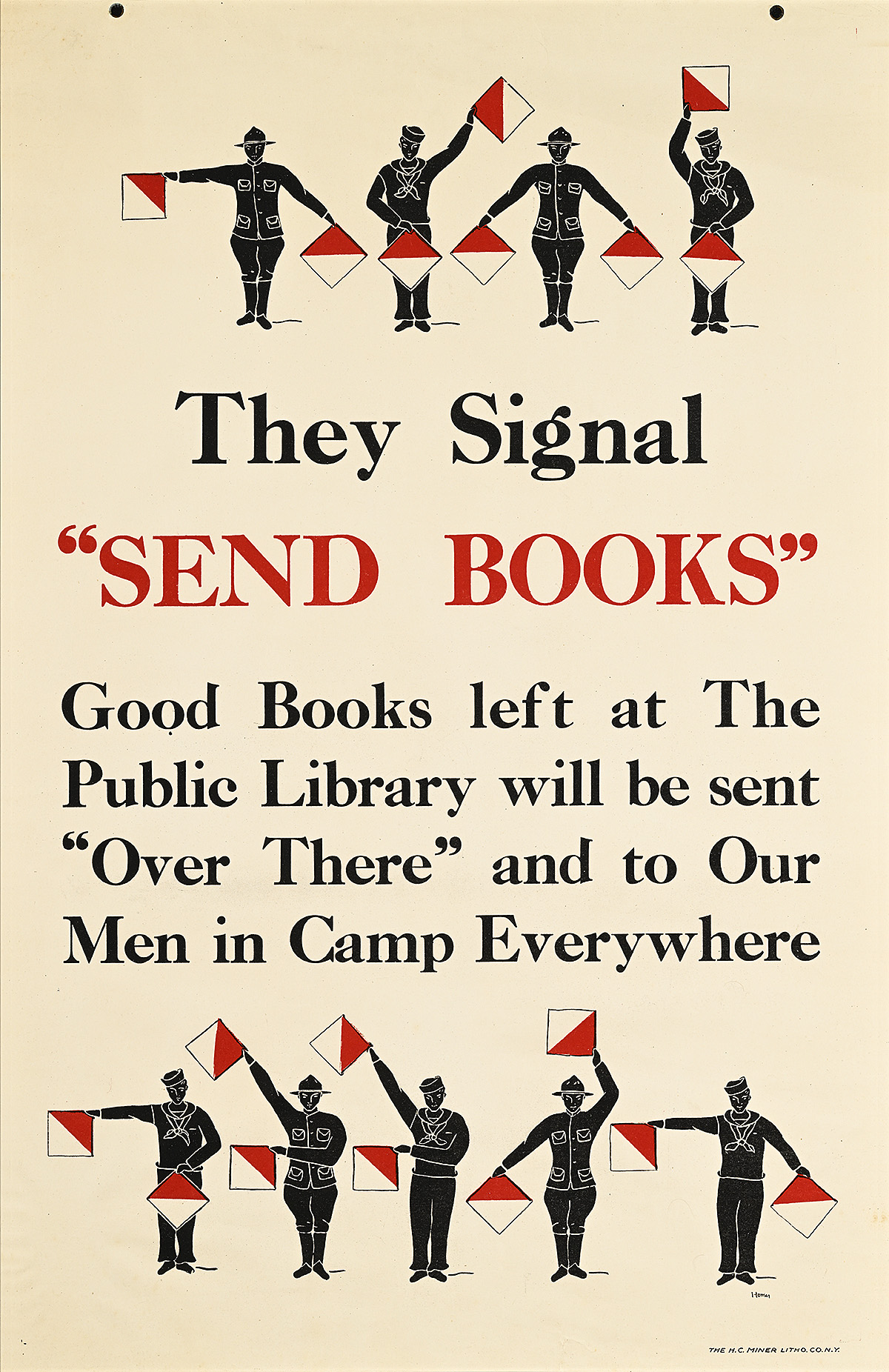
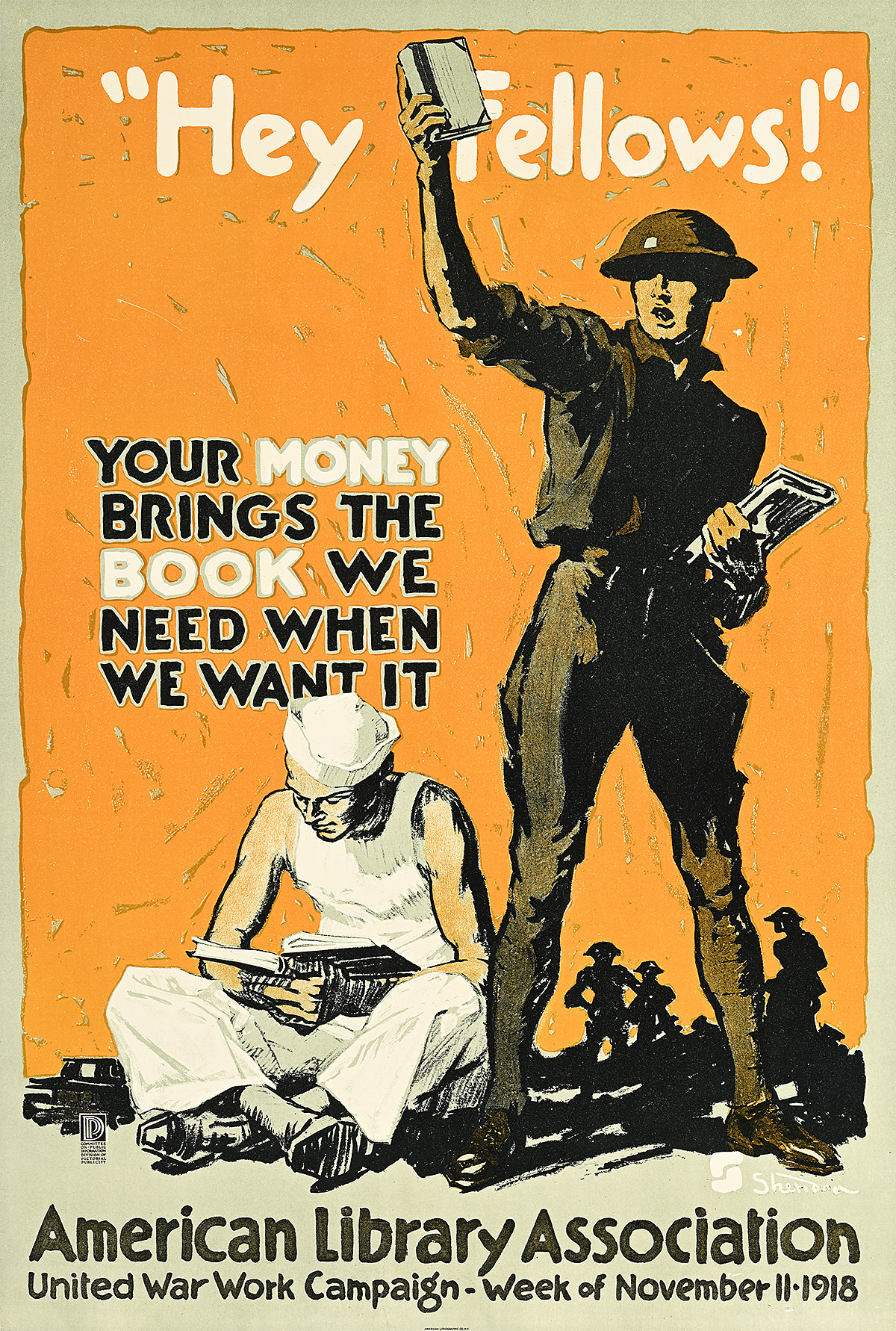
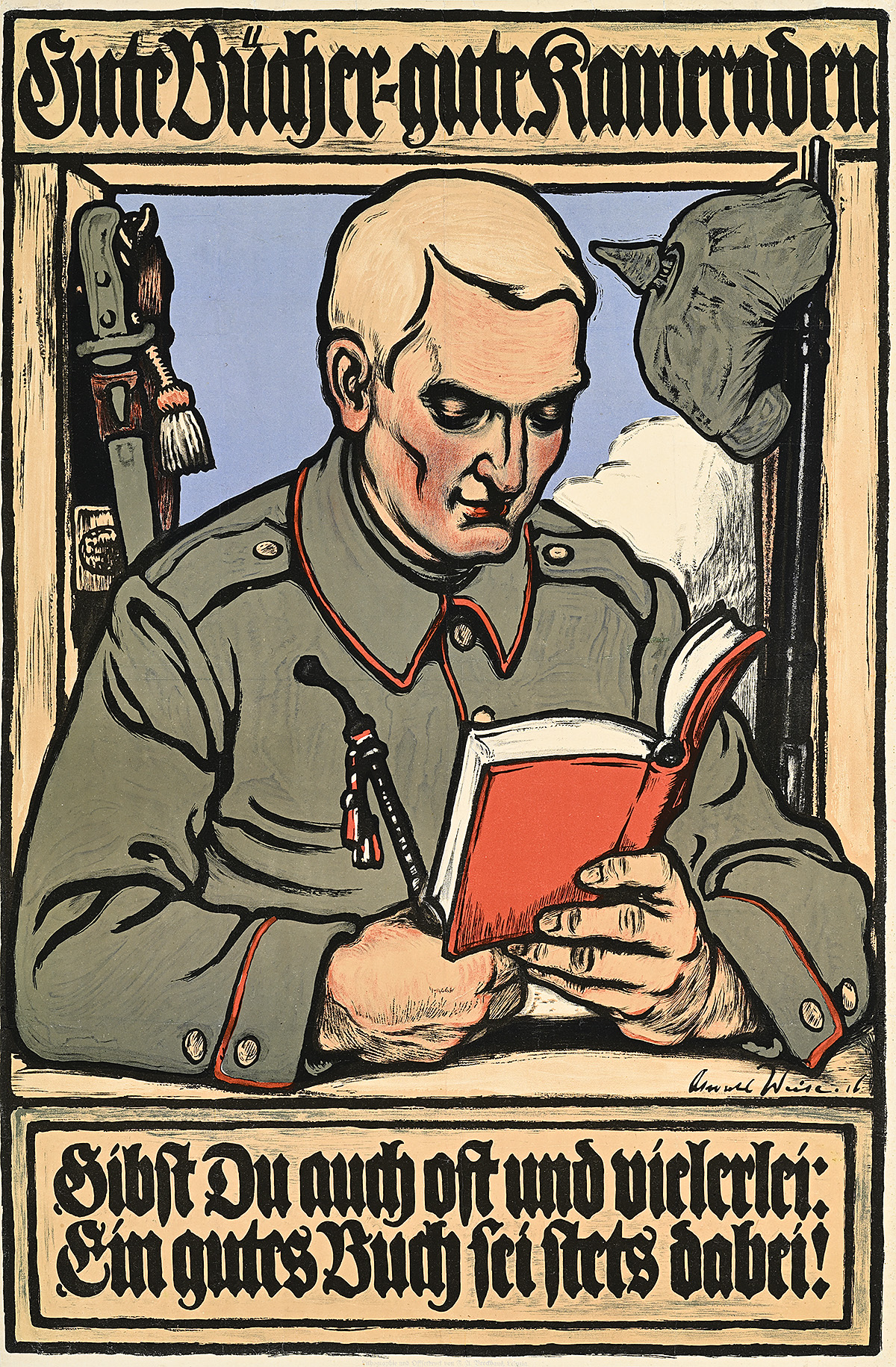
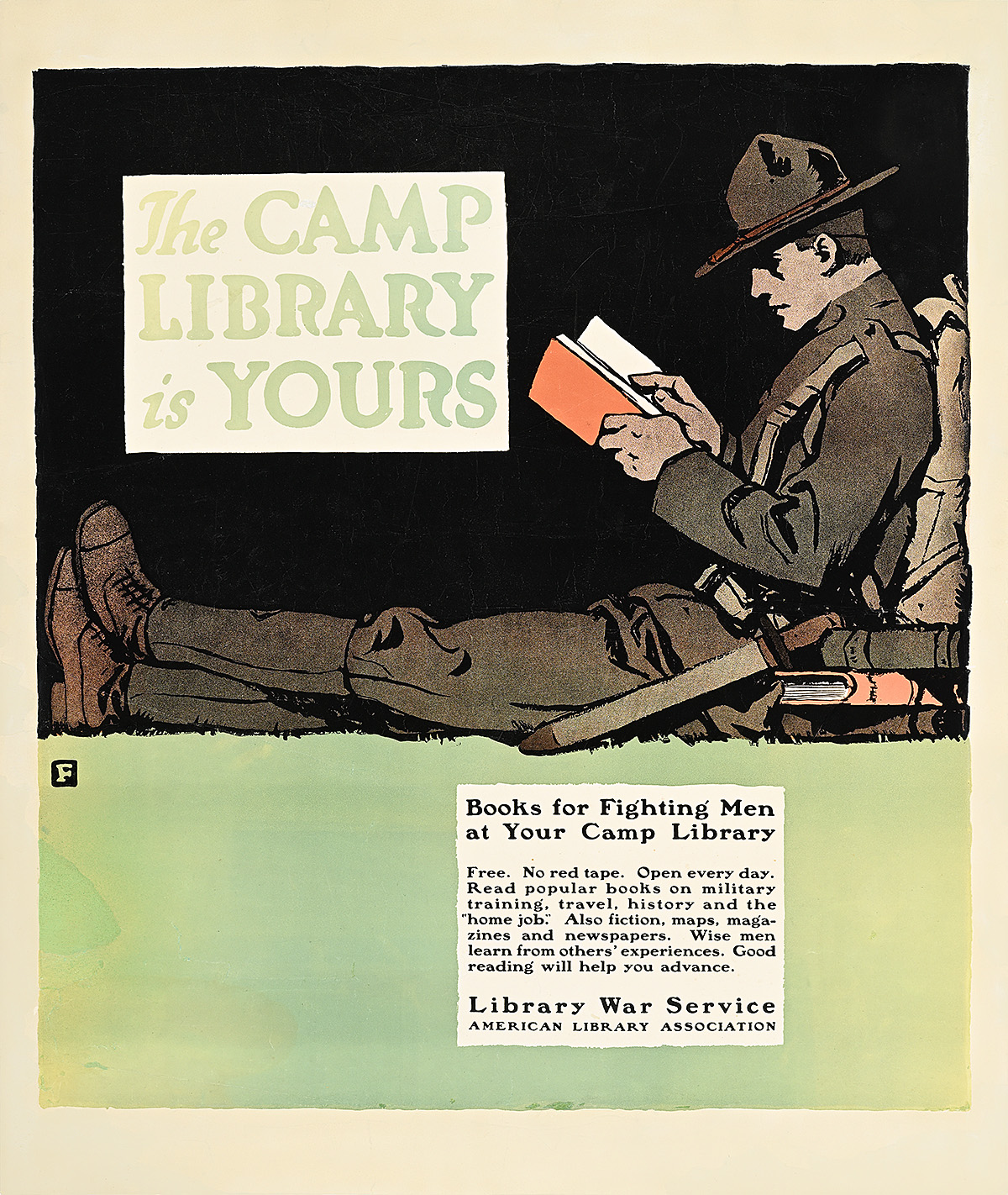
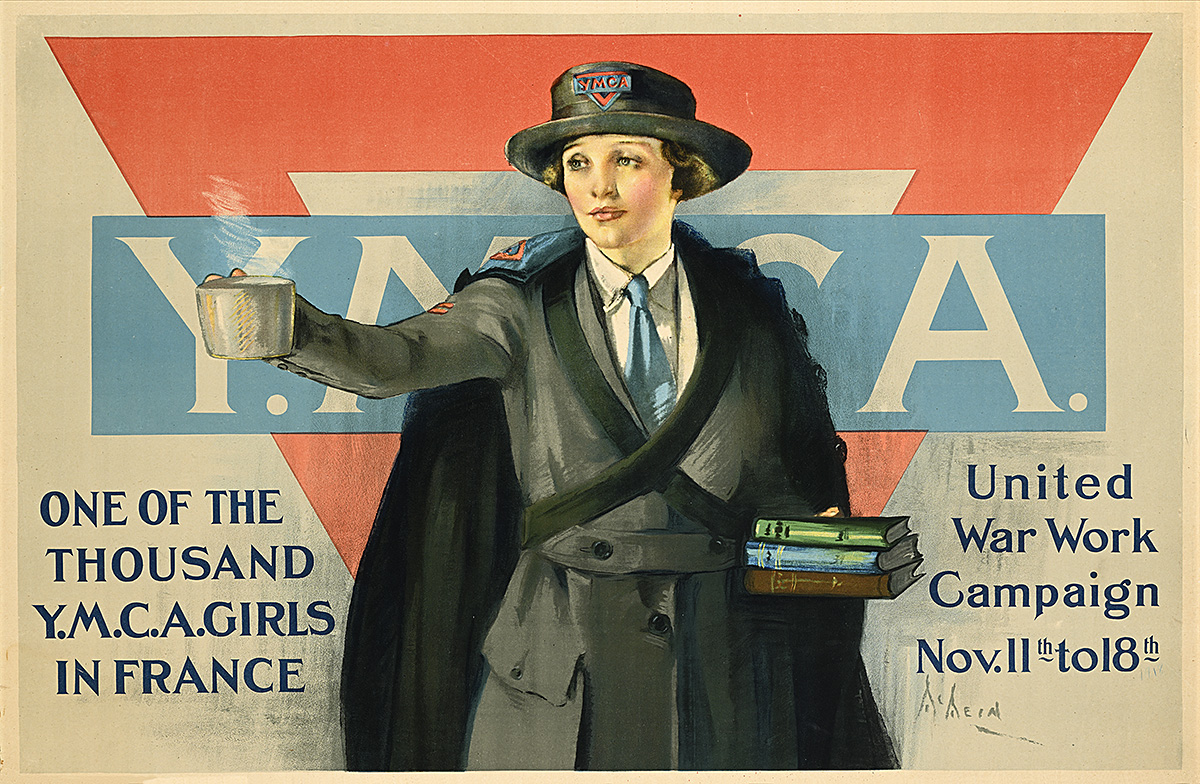
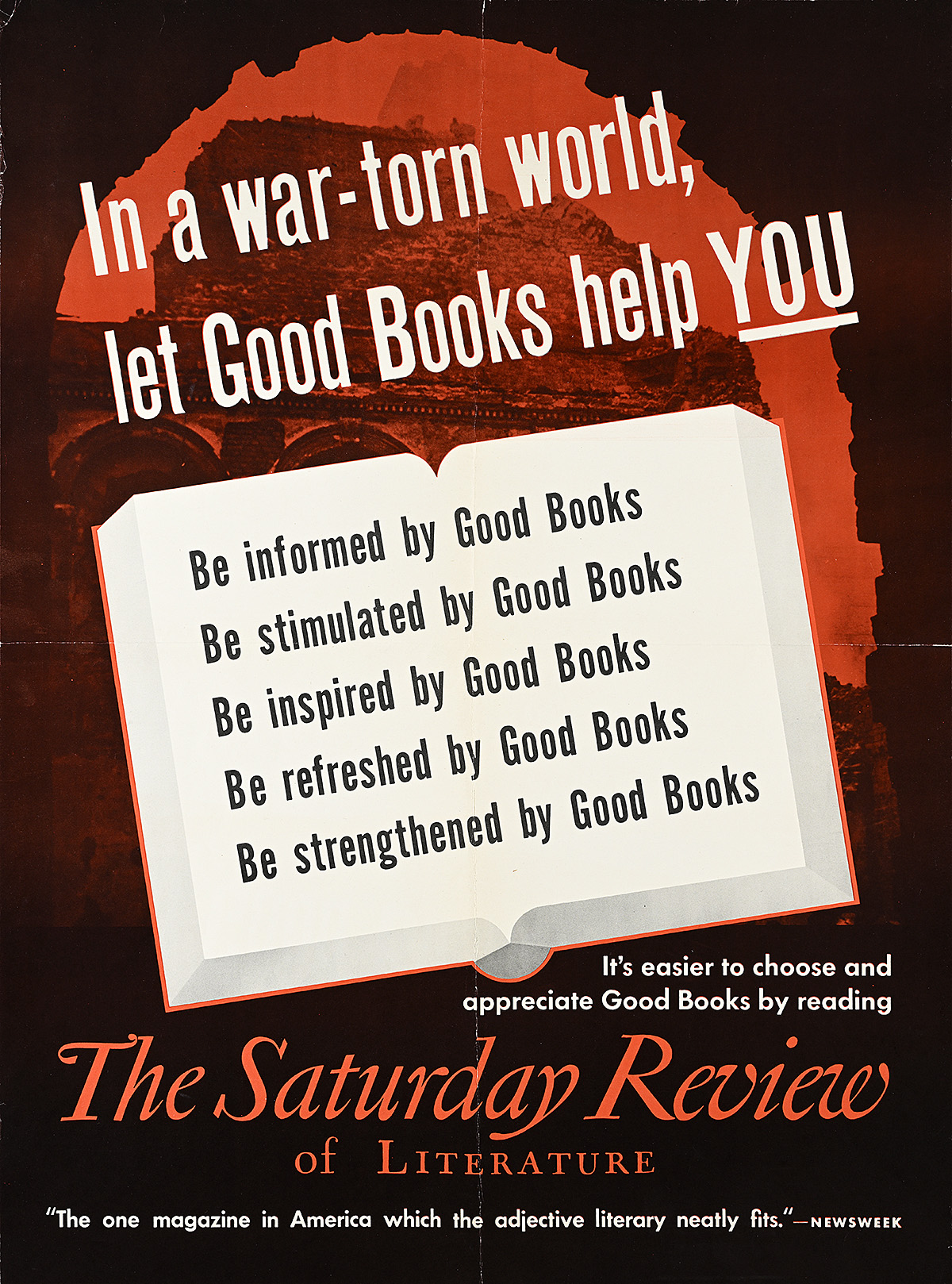
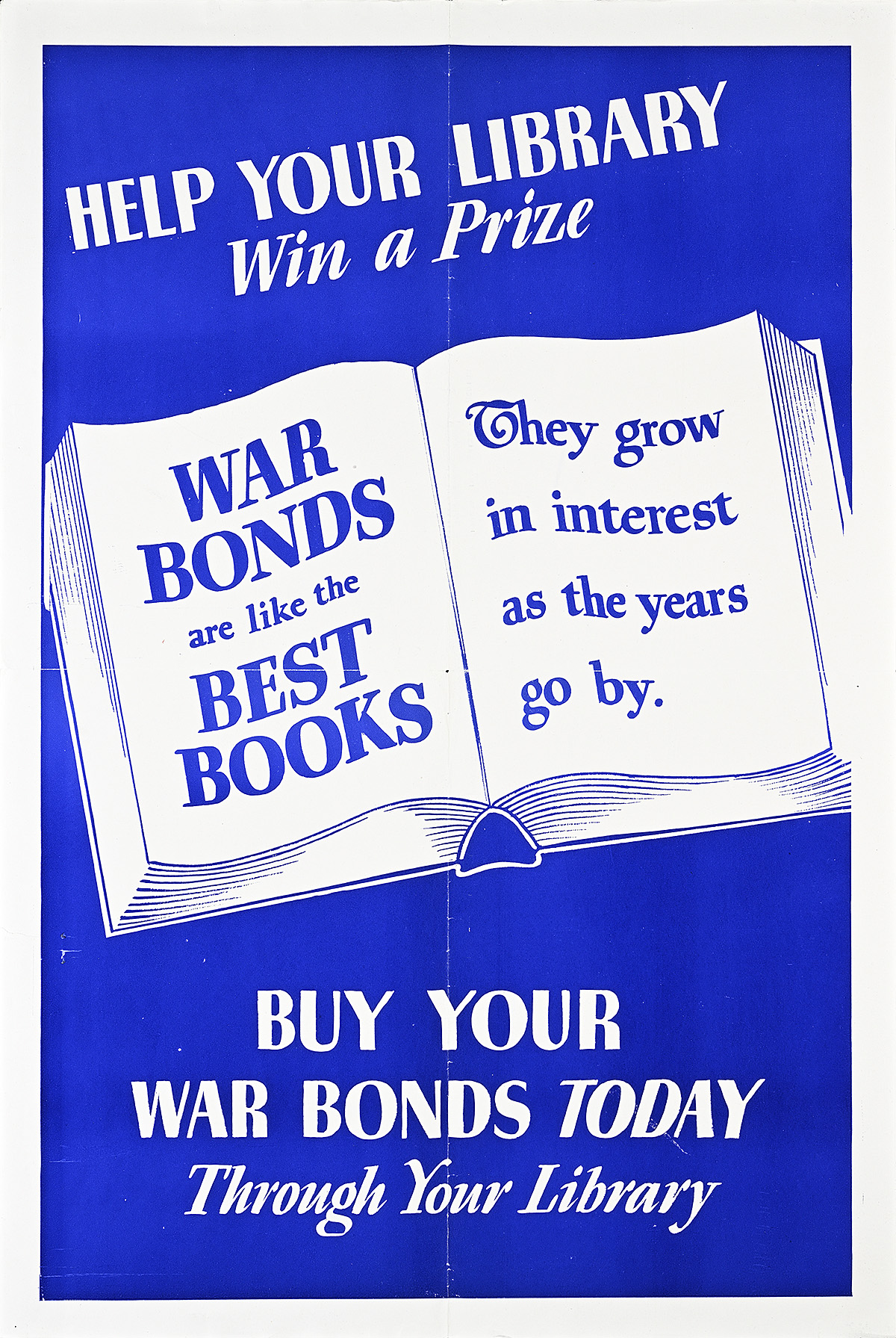
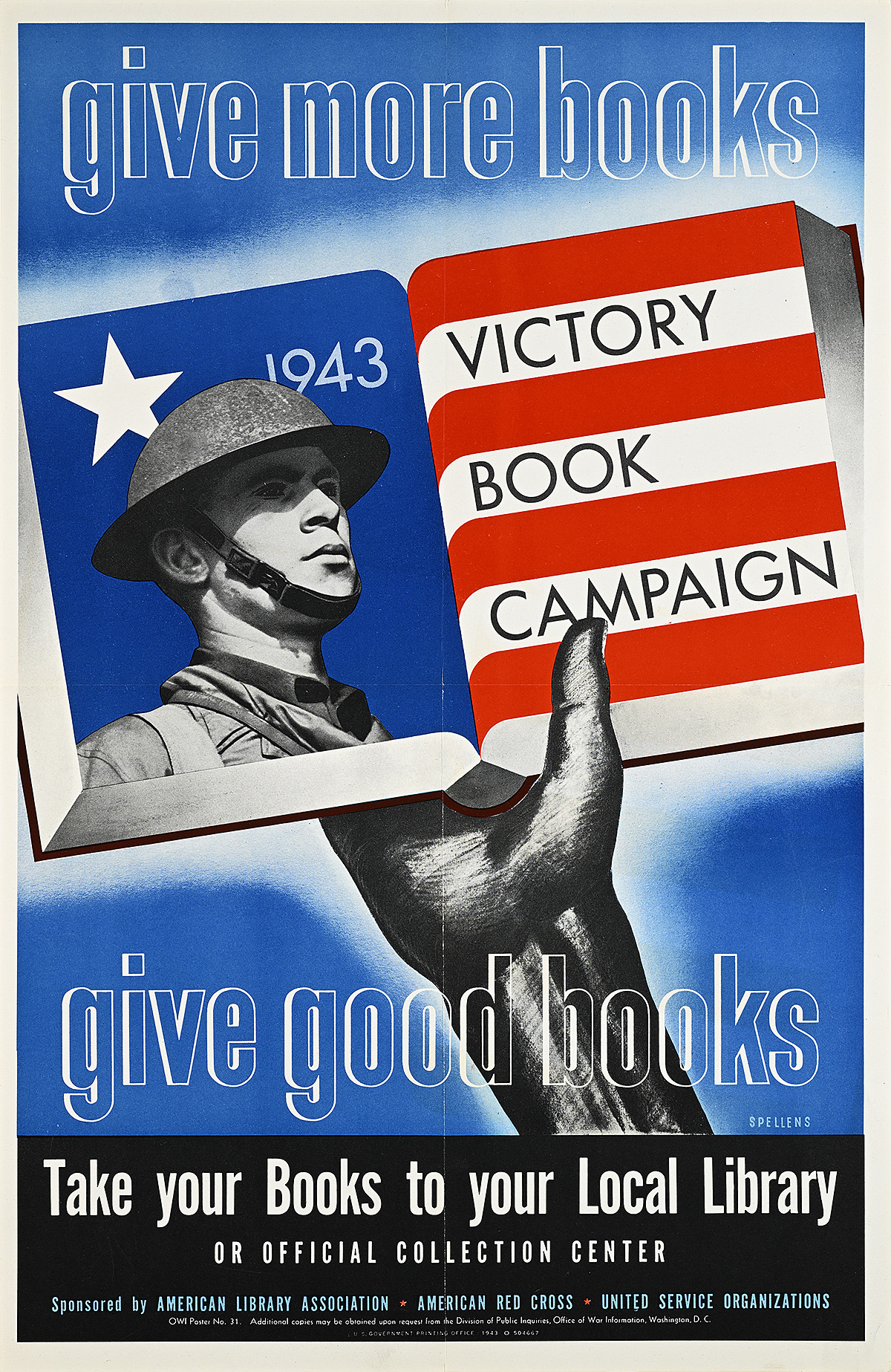
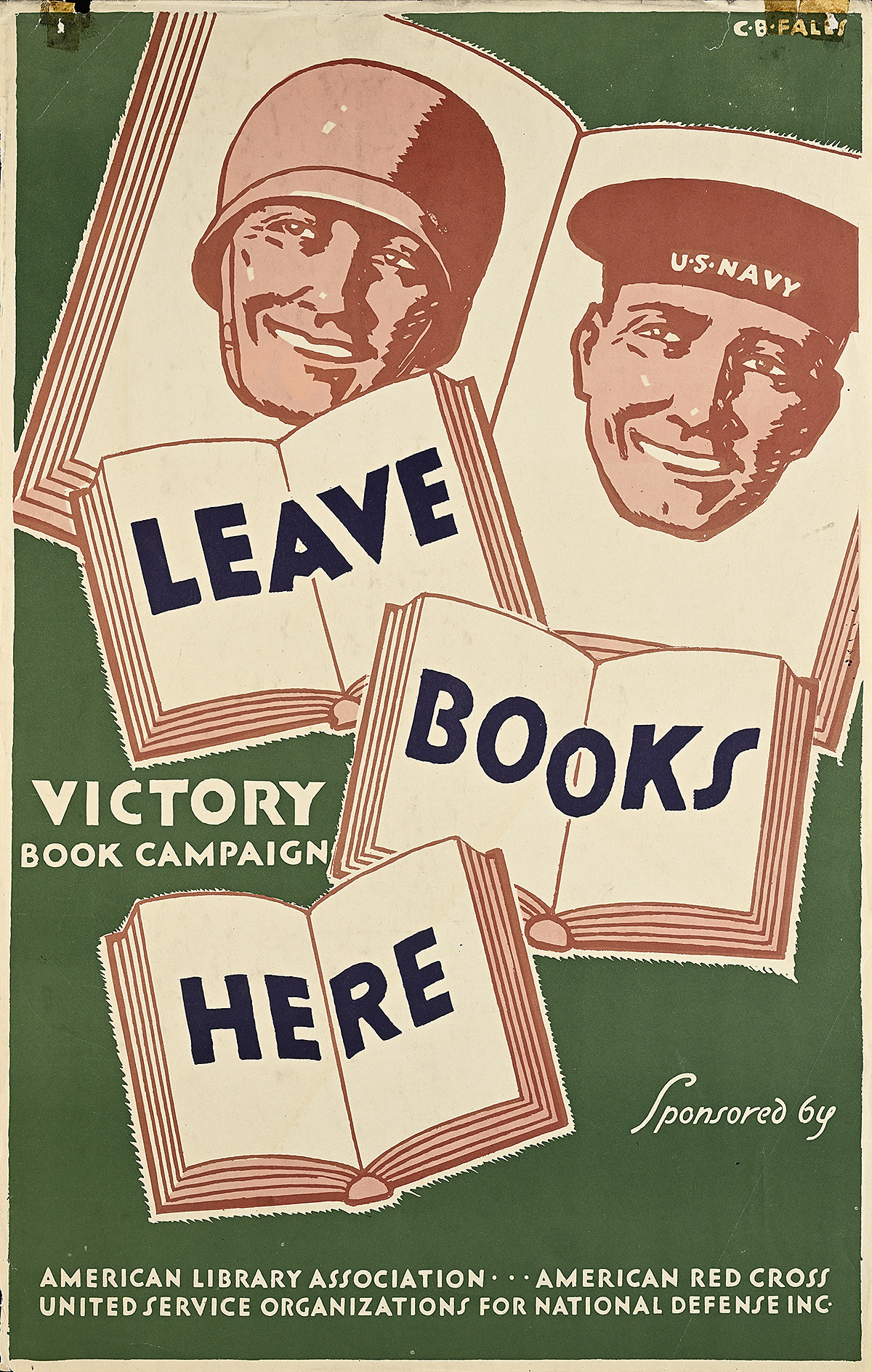
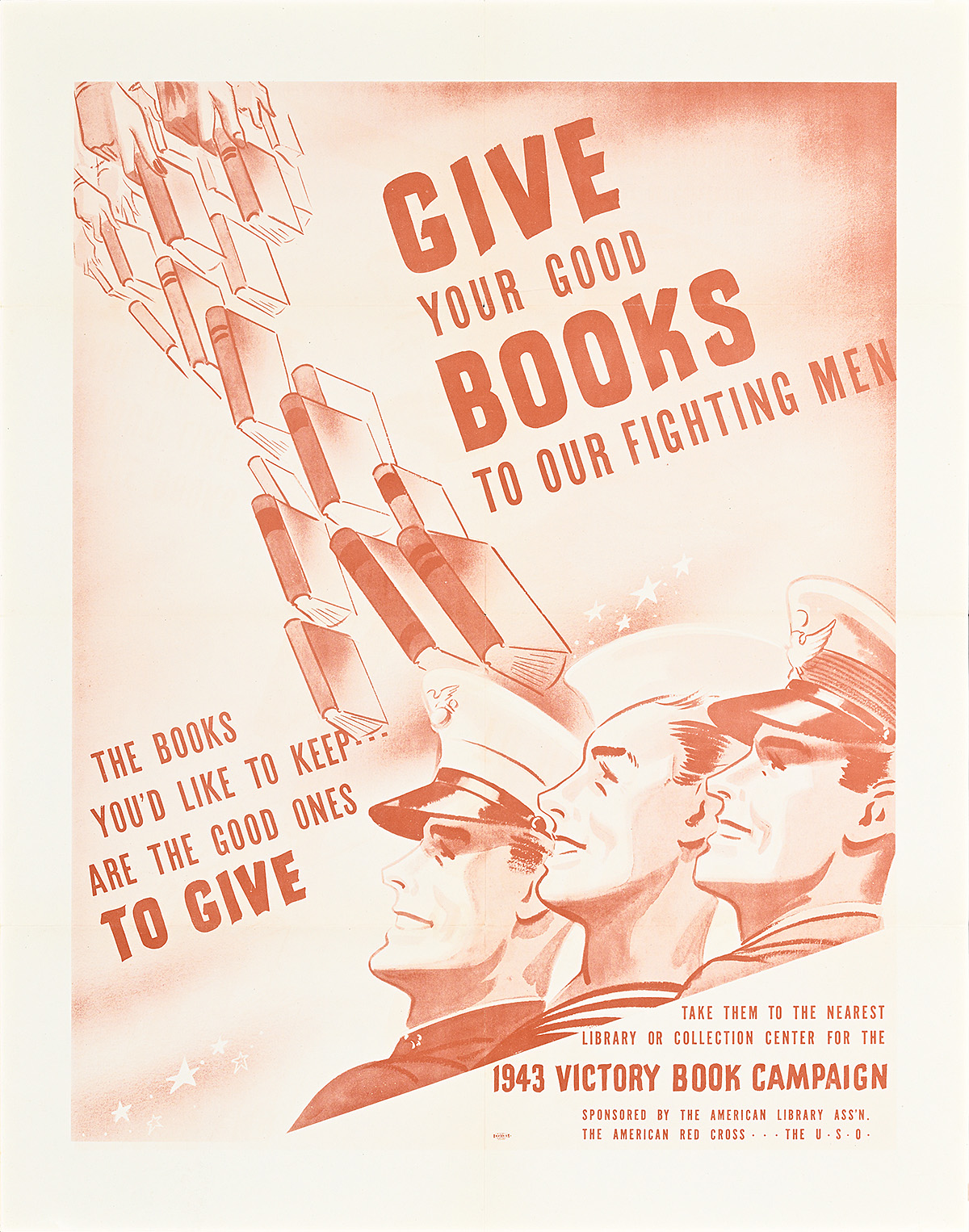
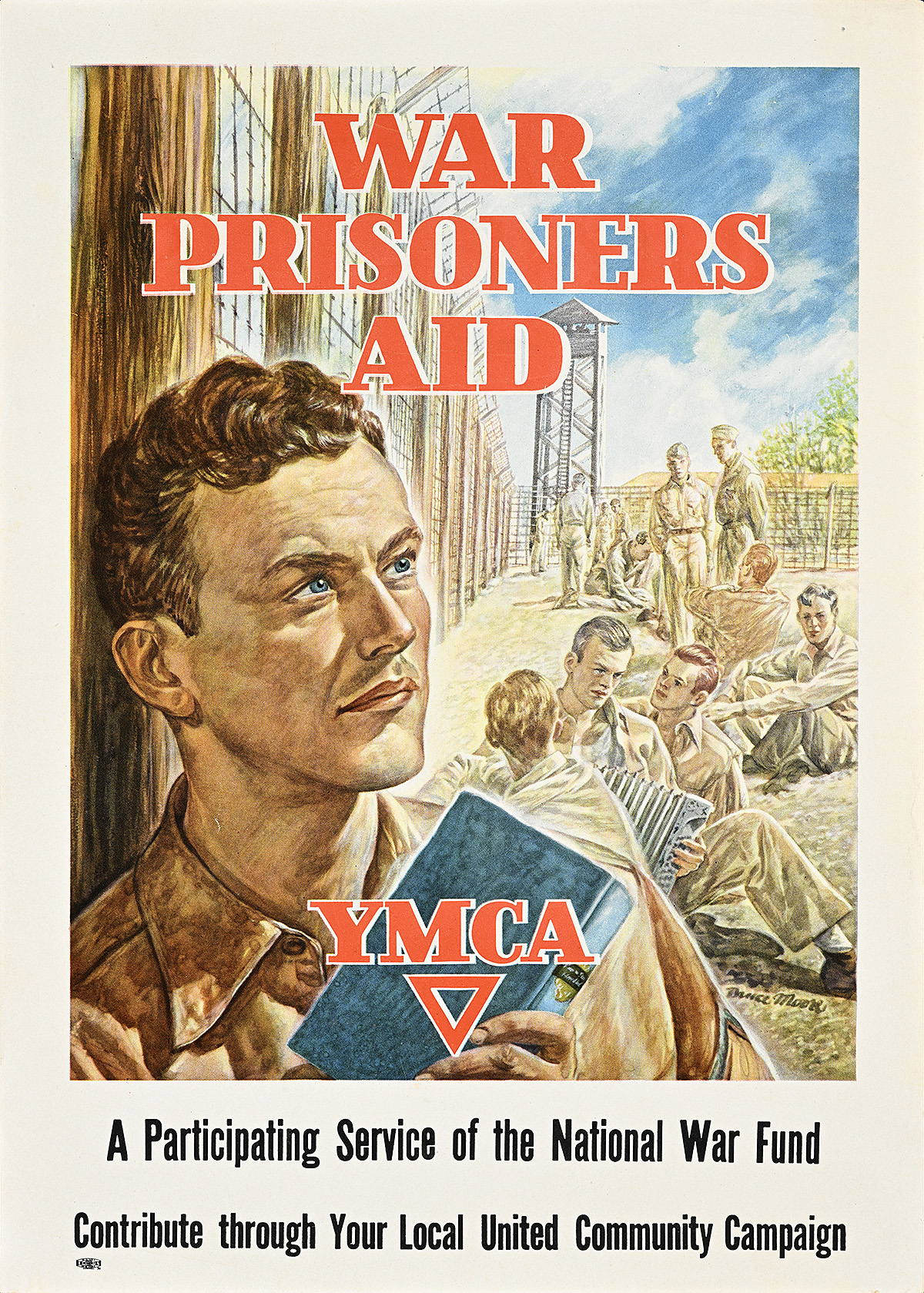
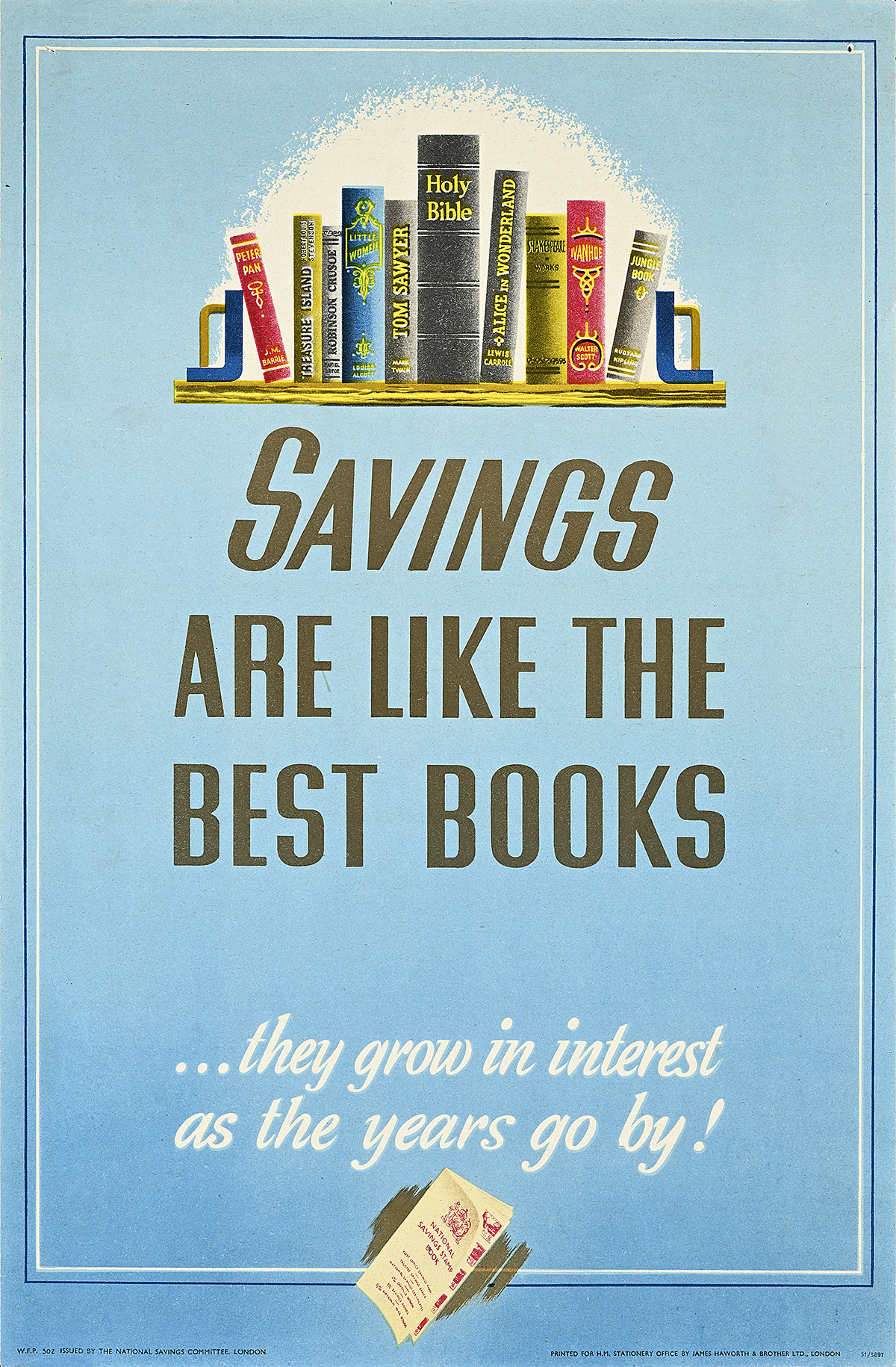
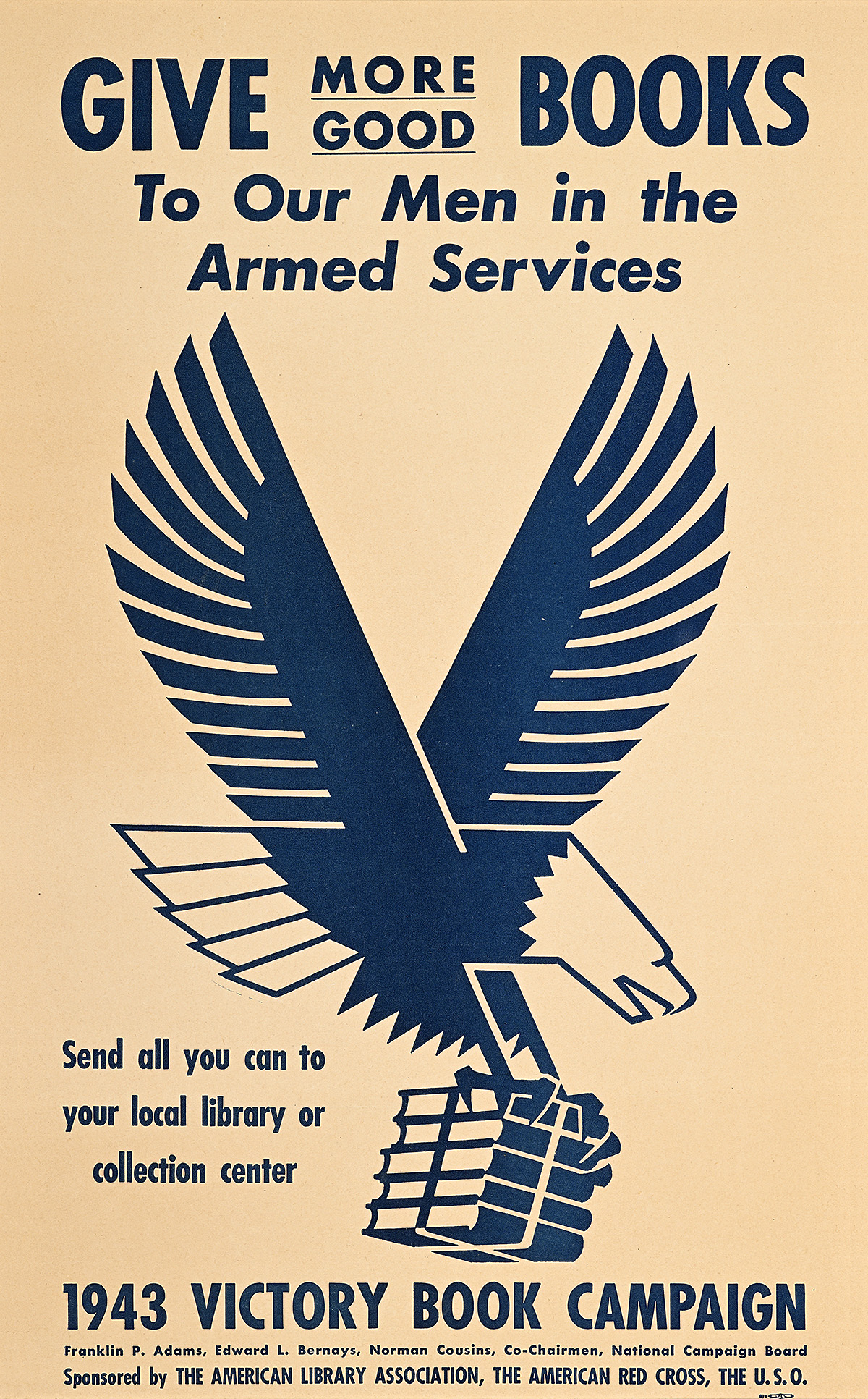
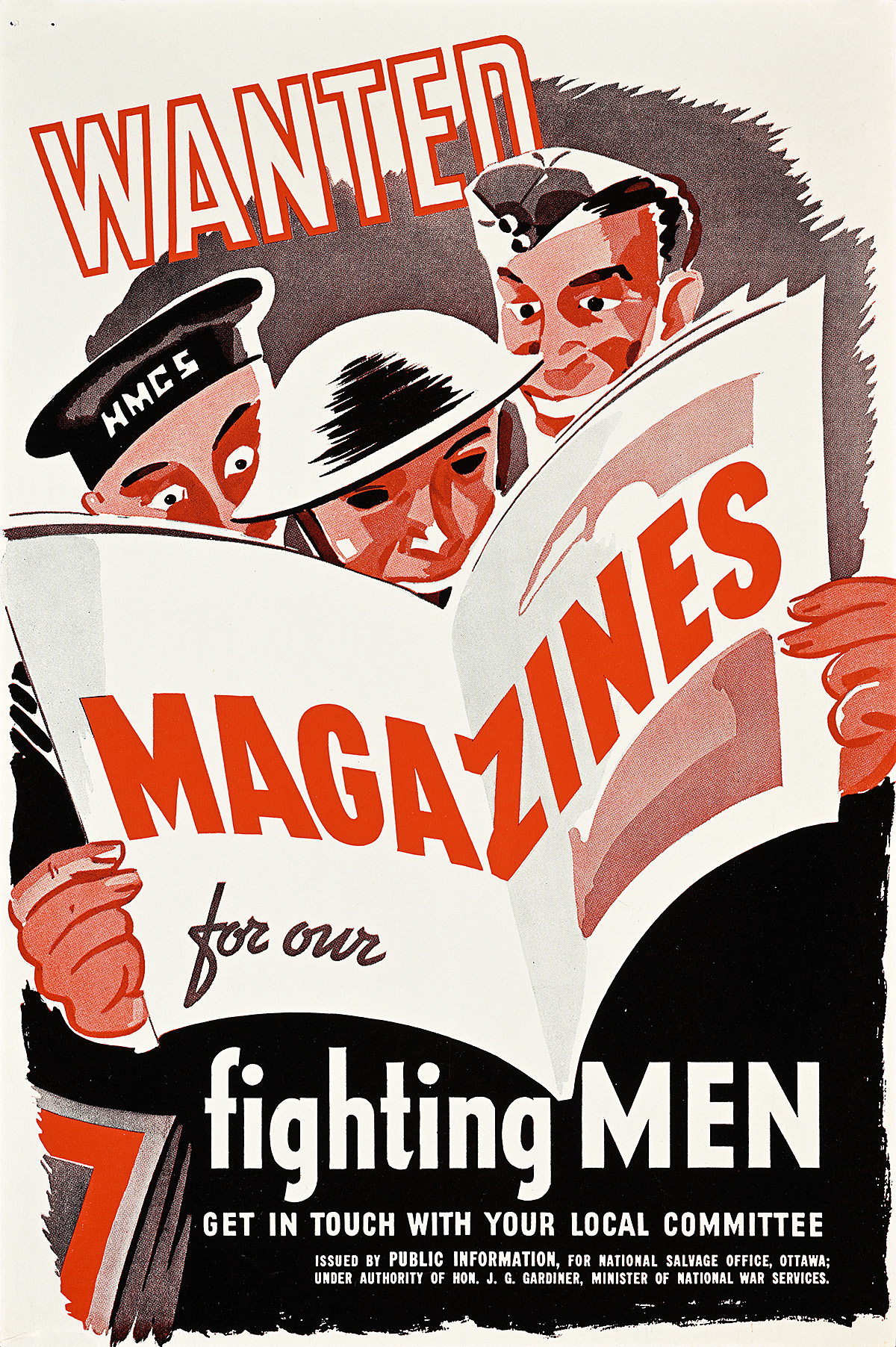
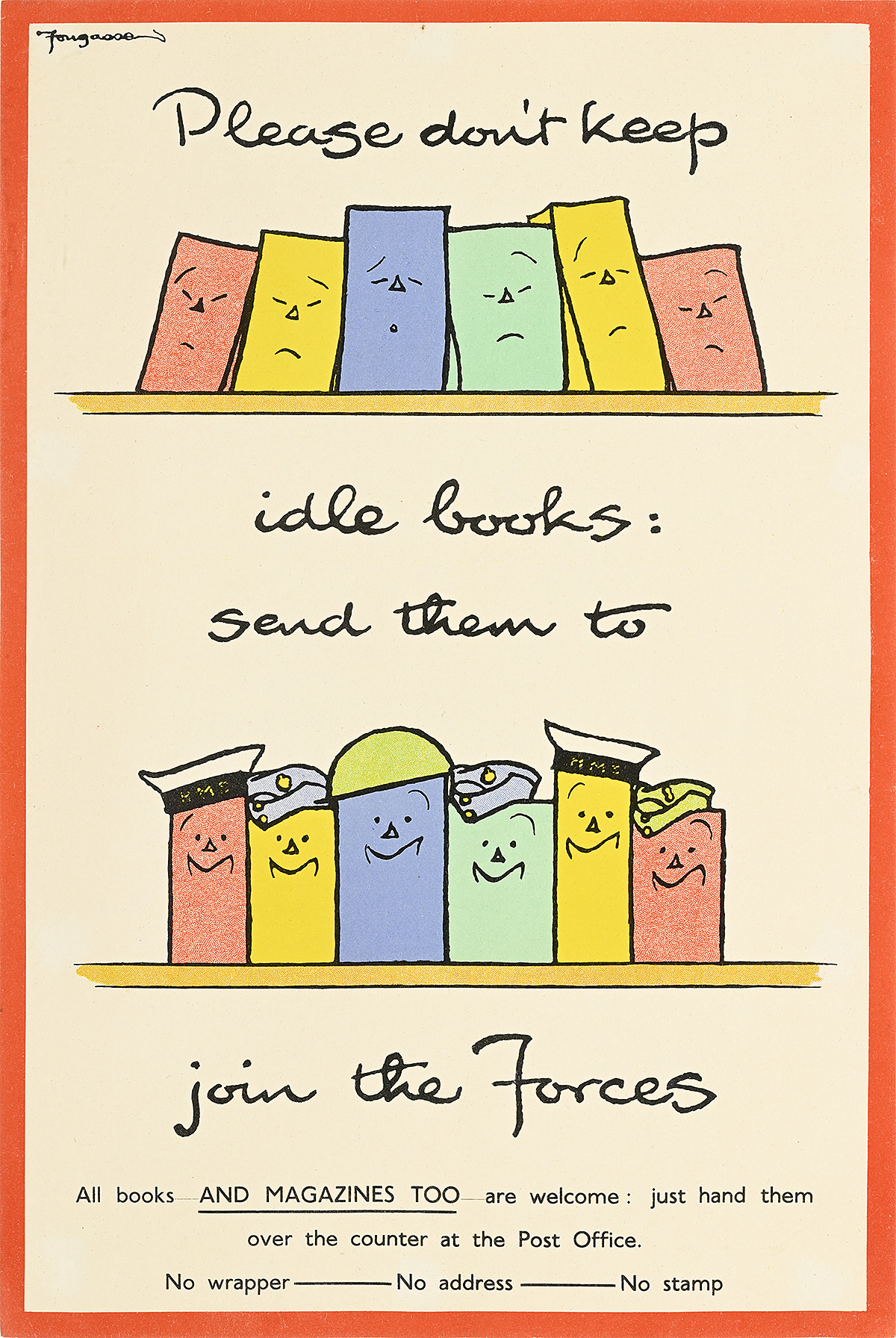
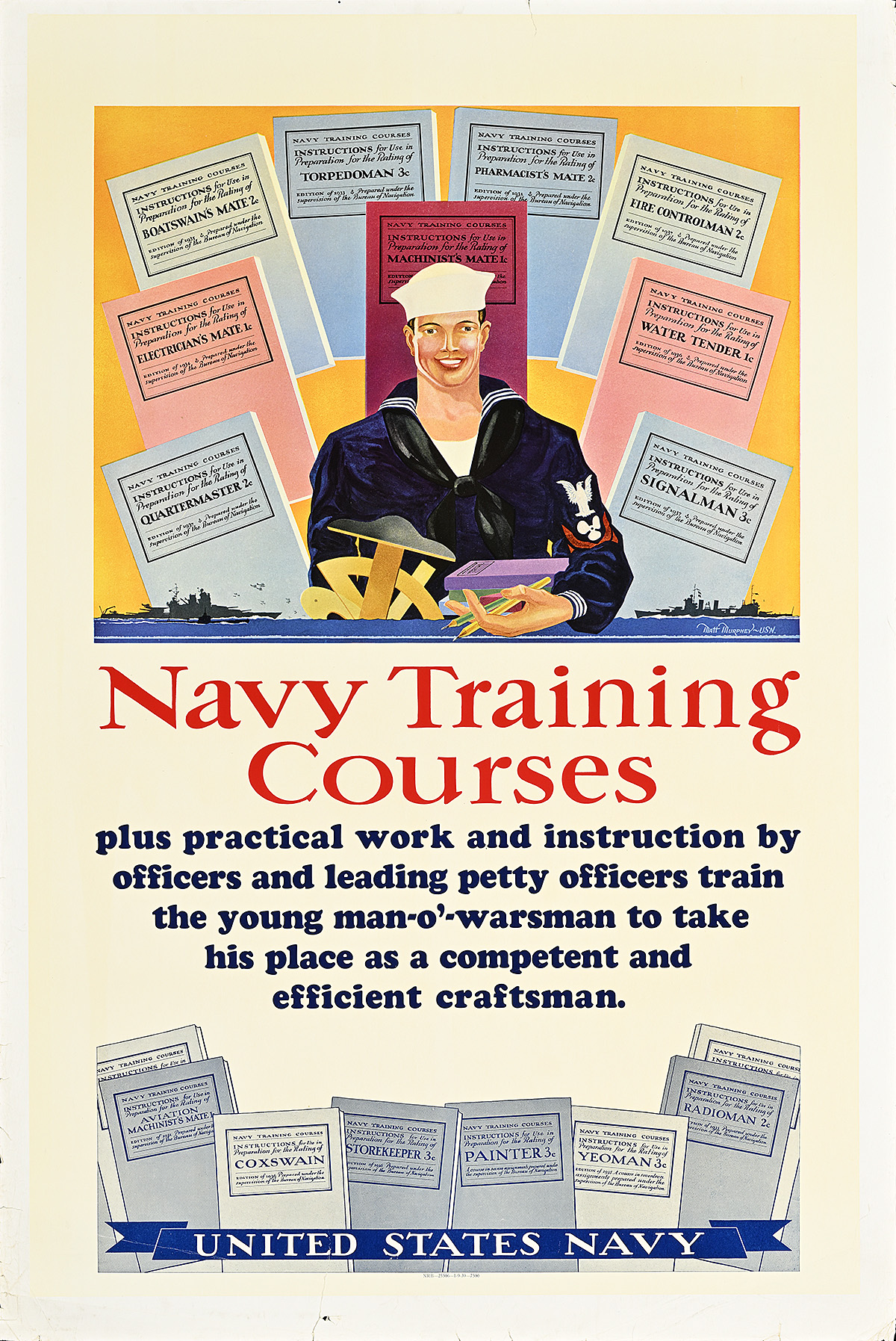
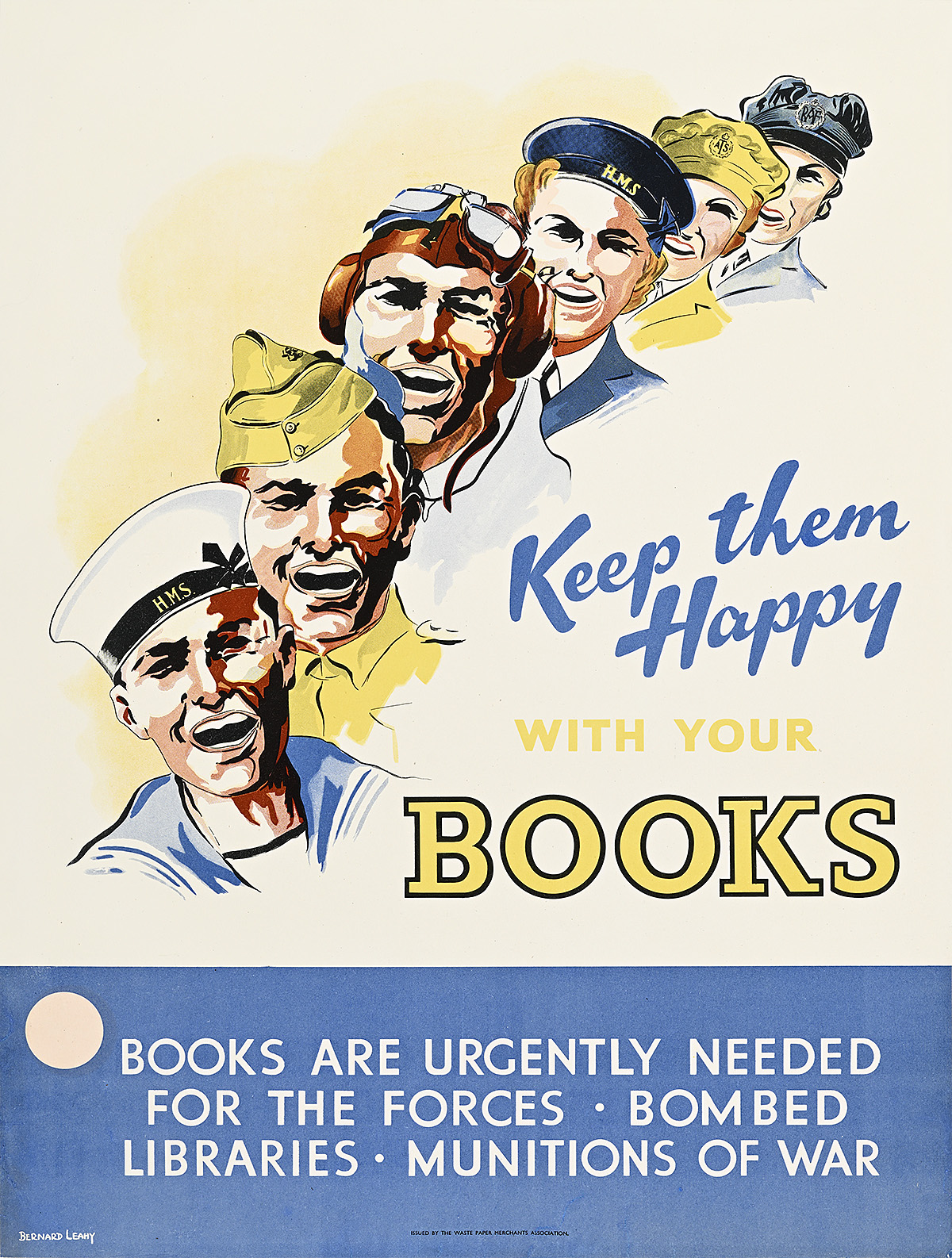
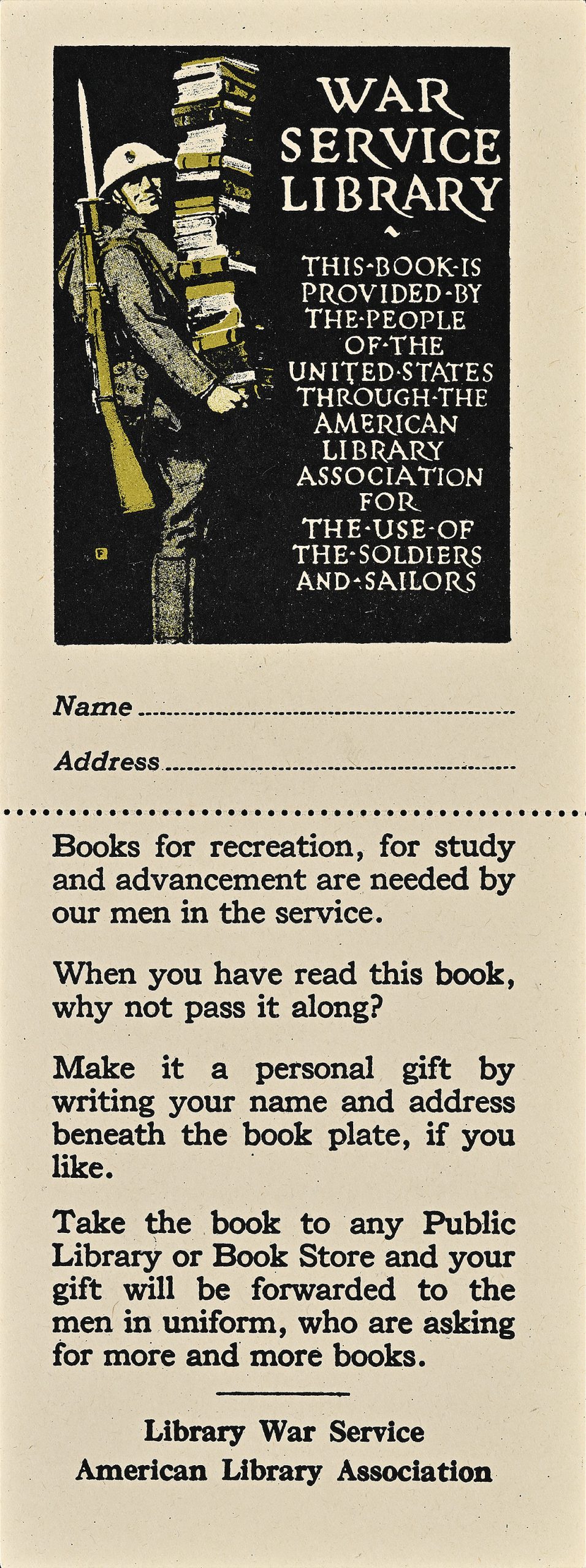
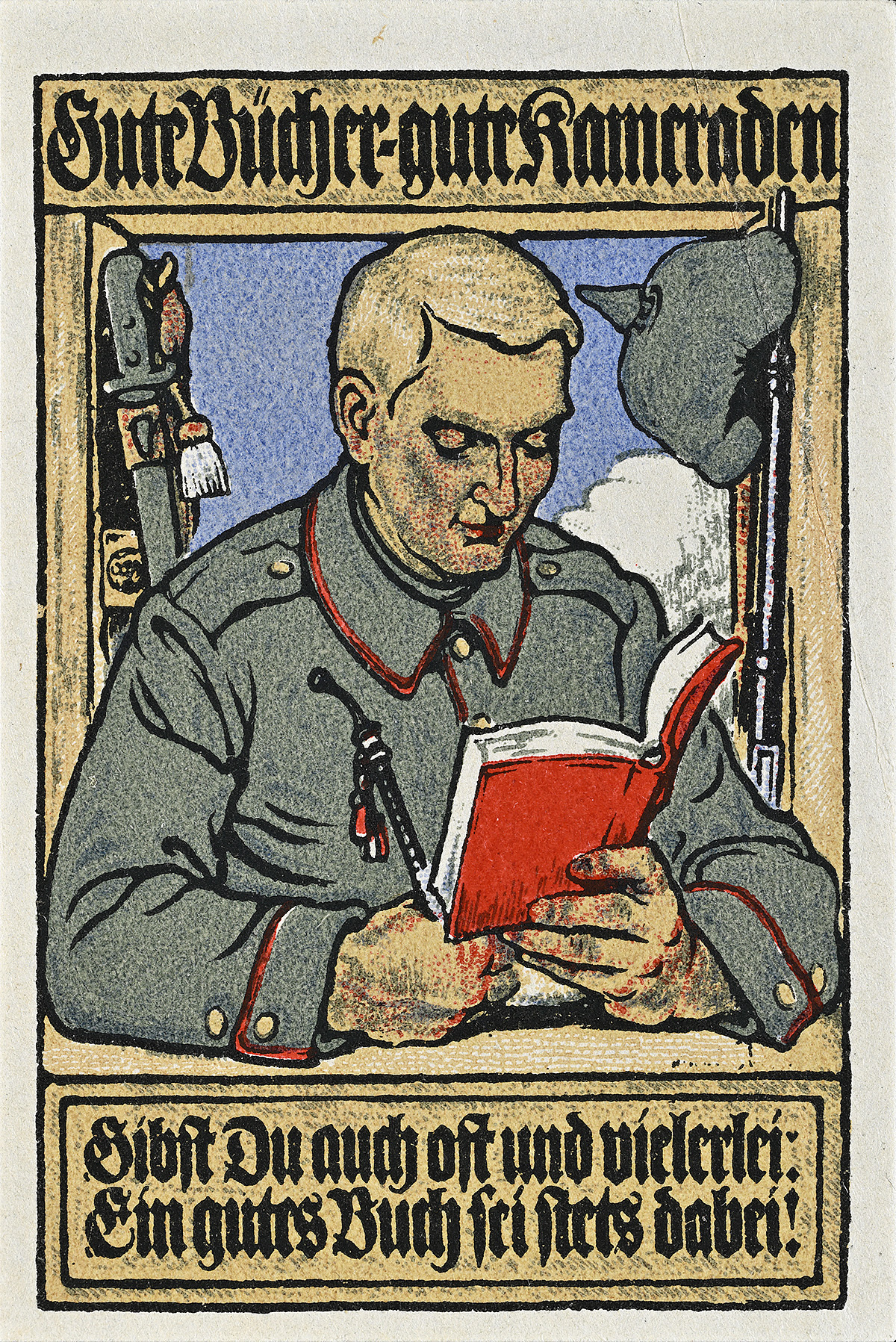
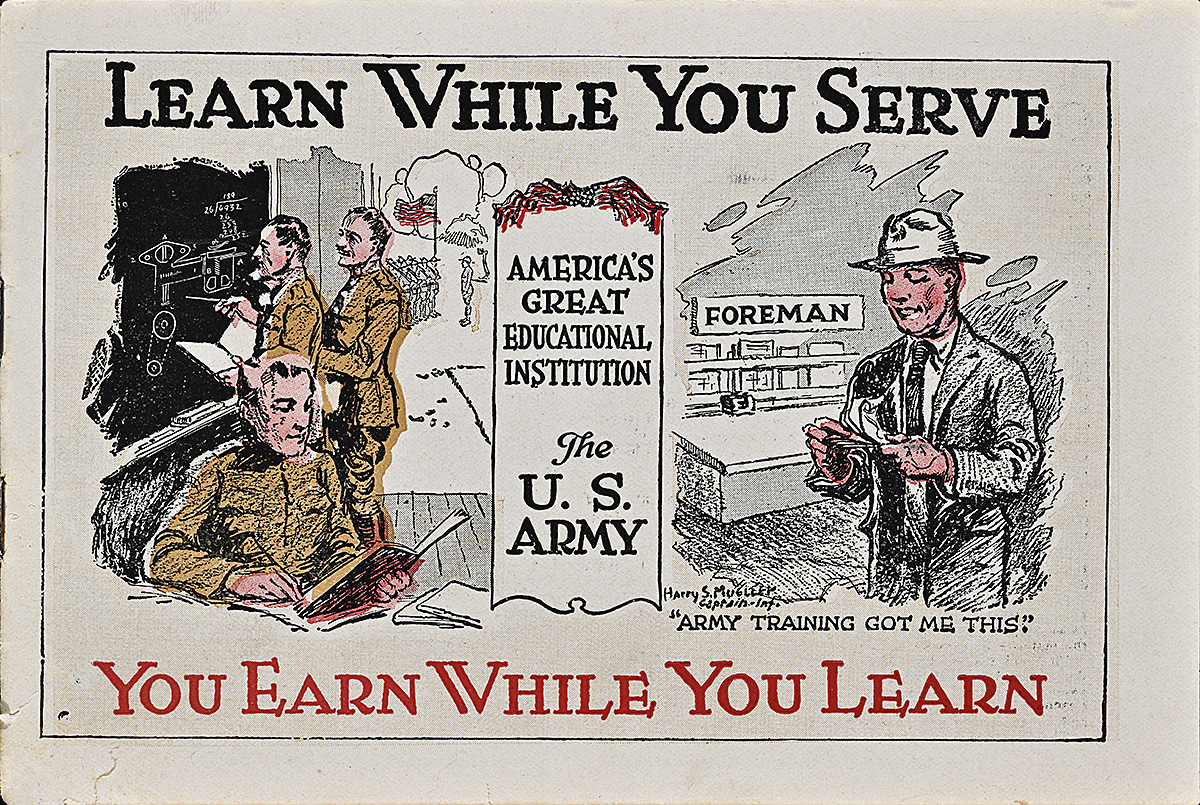
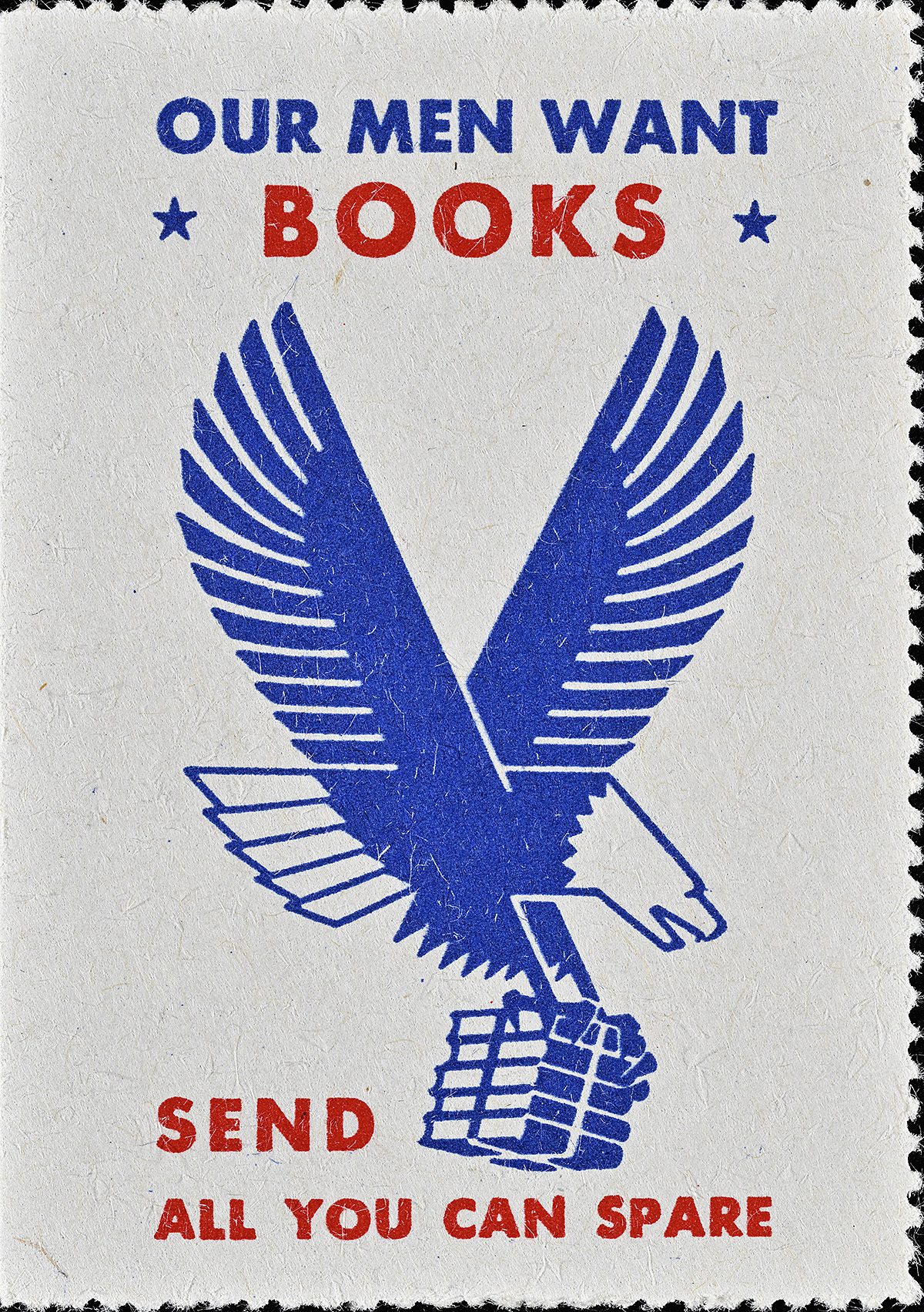
This exhibition includes book-related posters issued by the United States, Great Britain, Canada, and Germany printed during both world wars. All of these nations relied on public book donations and fundraising to supply soldiers with reading material, and many posters encouraged the public to give. Civilians tended to contribute fiction and recreational reading matter, providing the kind of escapist stories soldiers wanted most. After each war ended, however, and troops awaited their return home, they often gravitated toward more educational and vocational books to prepare for promotion within the Army, future jobs, or civilian life.
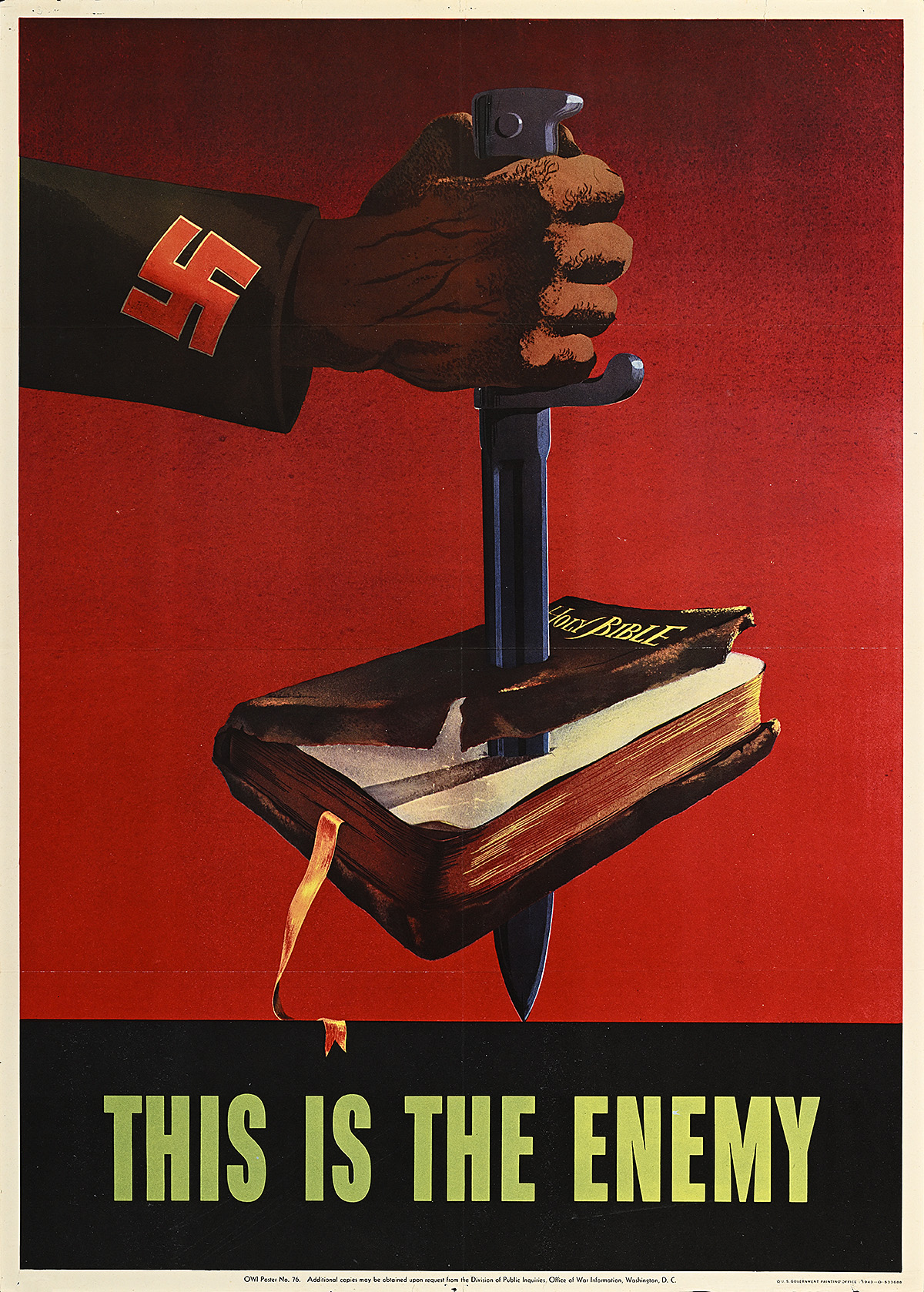
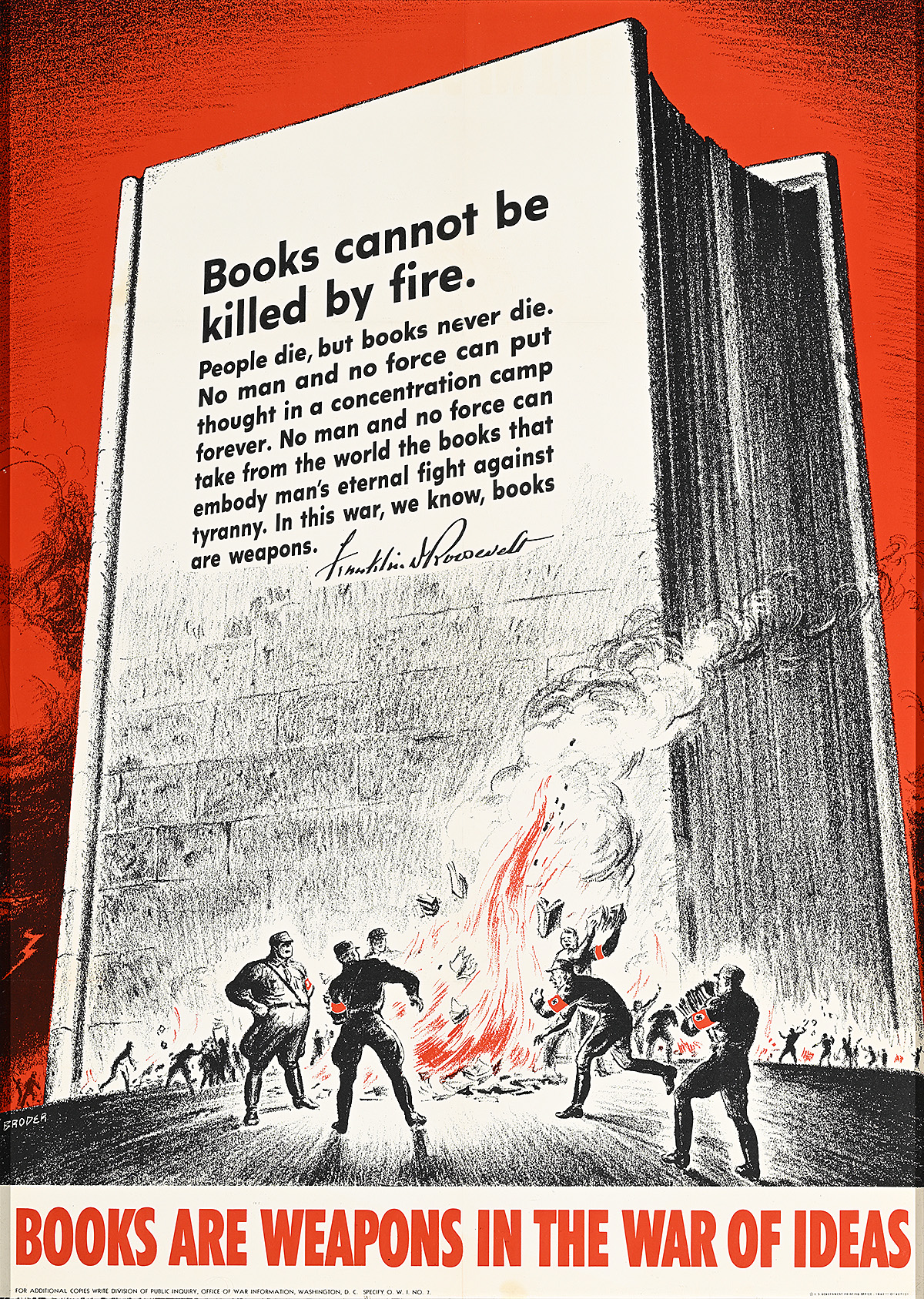
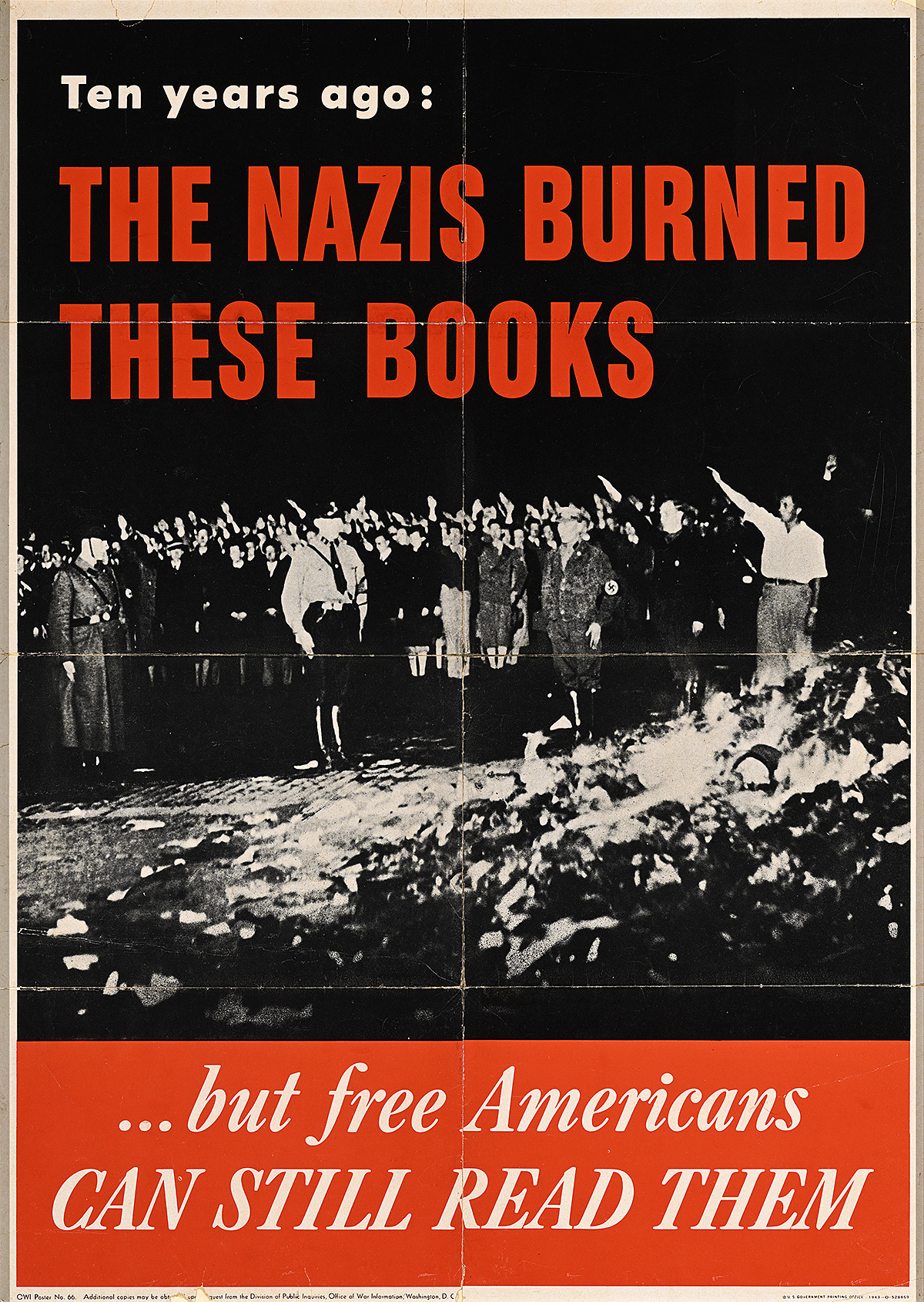
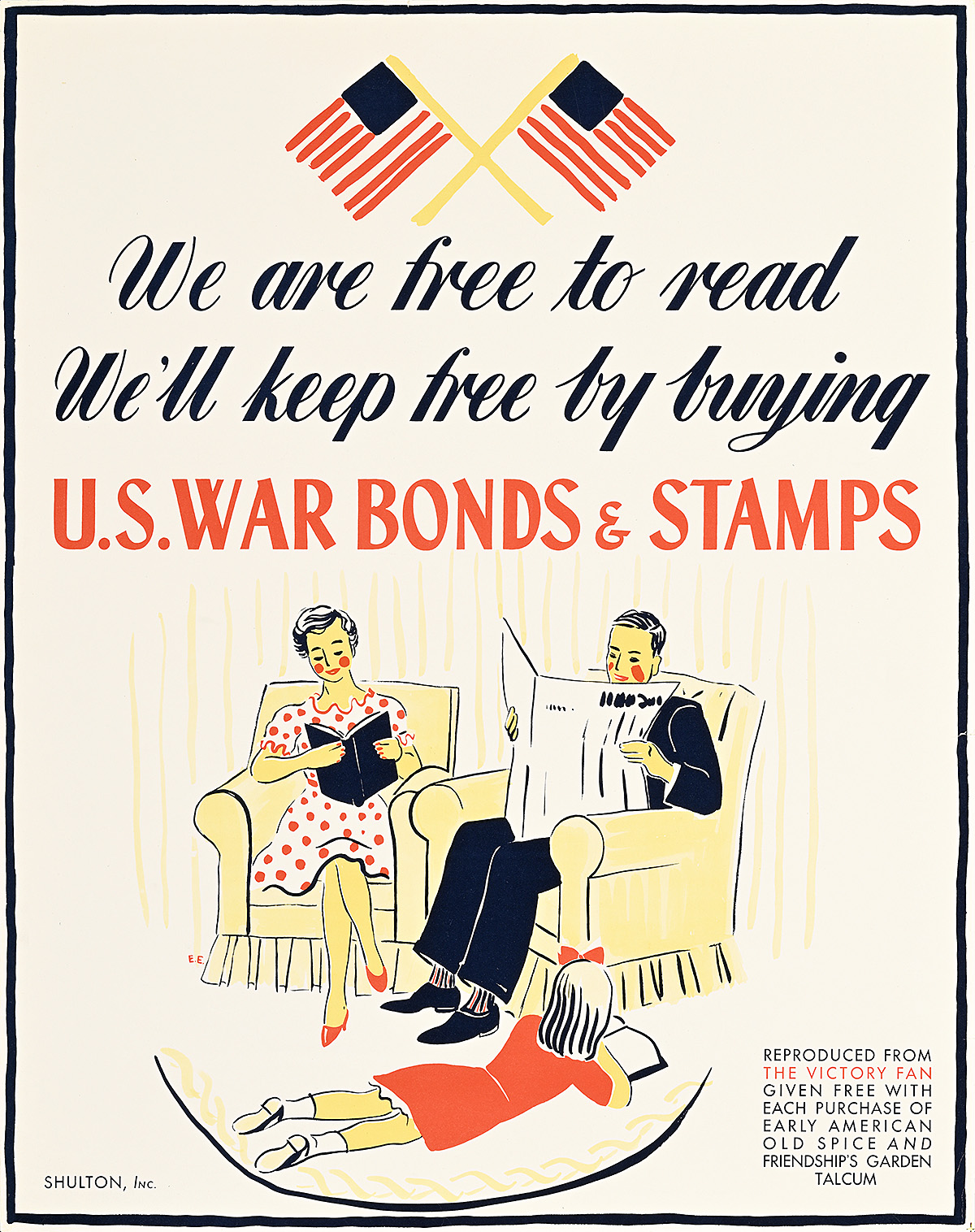
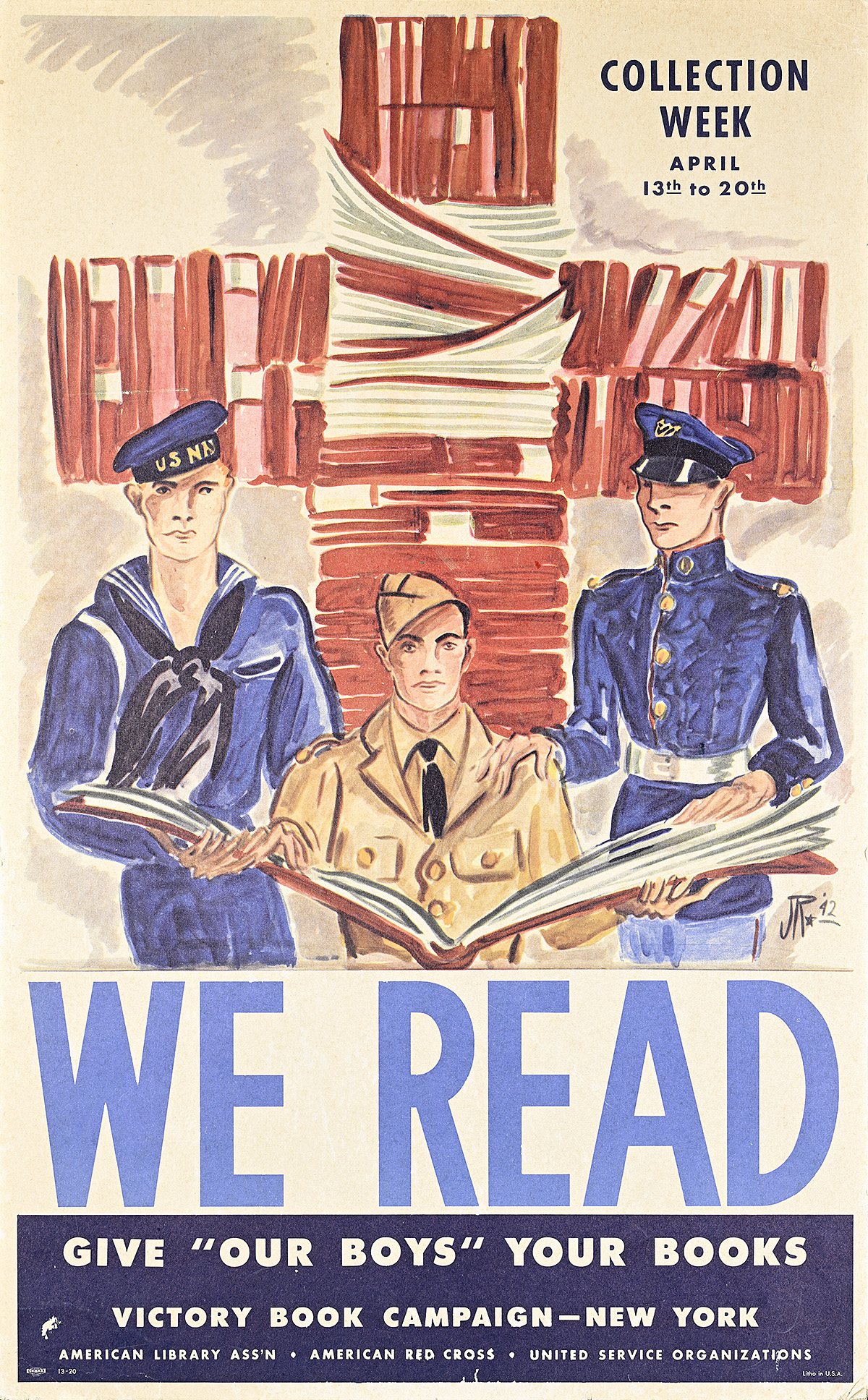
Especially during World War II, books became a powerful symbol of freedom and democracy for America and its allies. Many American posters incorporate patriotic symbols like flags or eagles to suggest that democratic values are bolstered by the reading and sharing of books. Some American posters also contrast Nazi Germany’s book burnings and bans to American efforts to distribute millions of books and protest the enemy’s actions through reading. The United States alone distributed more books to the troops during World War II (more than 140 million) than Nazi Germany was able to destroy (roughly 100 million).
In summarizing the role of books in wartime, a poster from World War II said it best: “We Read.”
Whenever feasible, Poster House reuses materials from previous shows to drive sustainable practice.