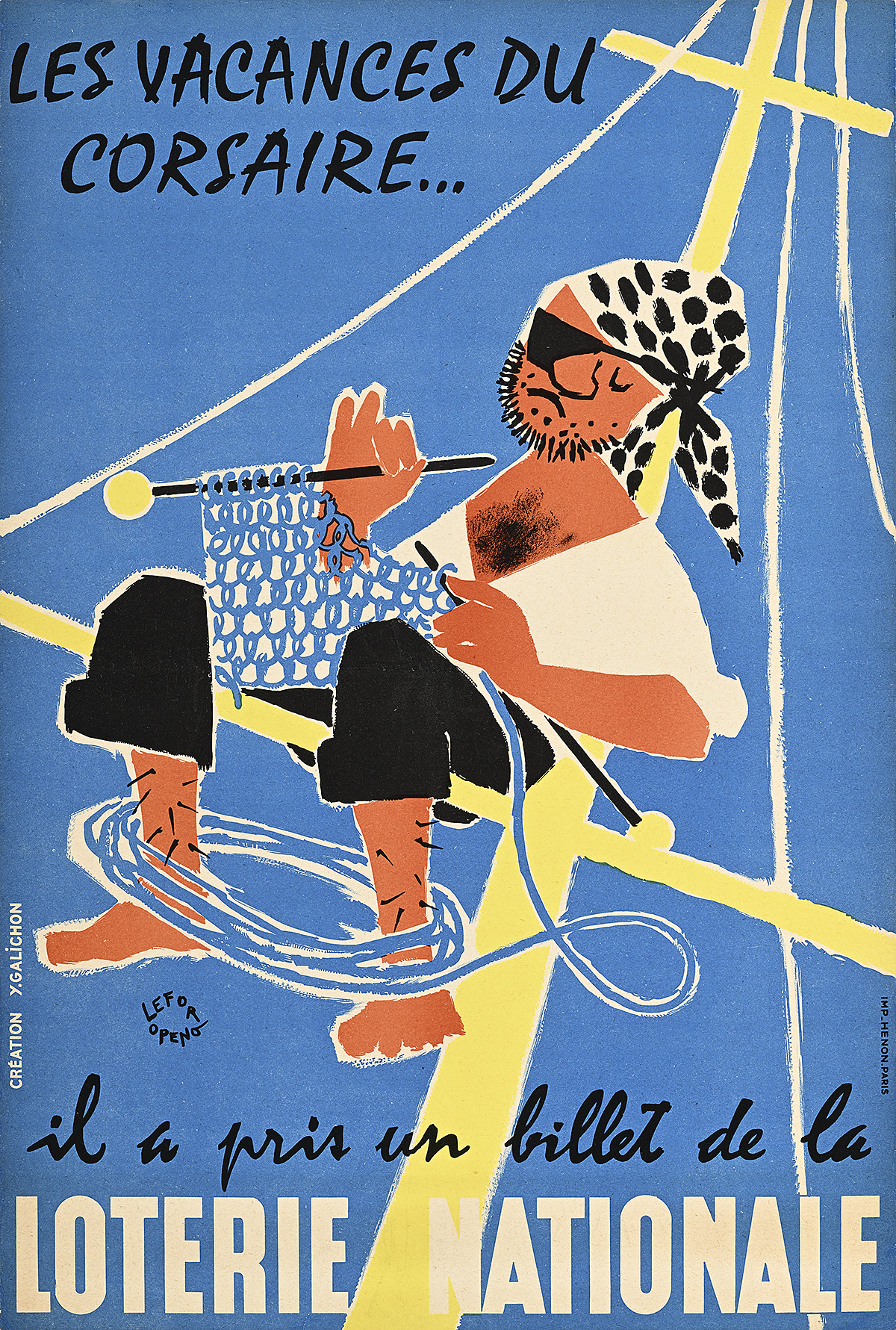
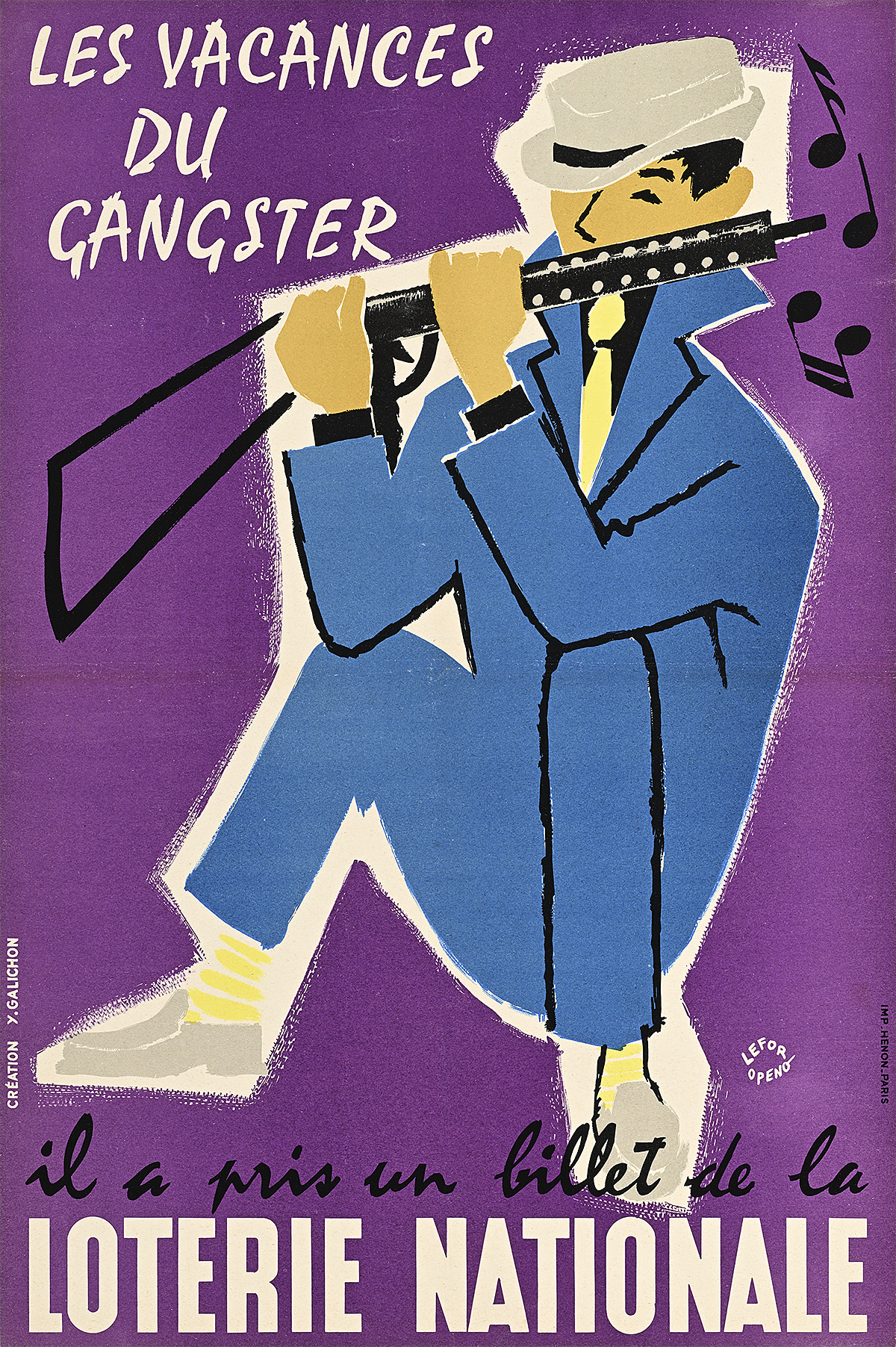
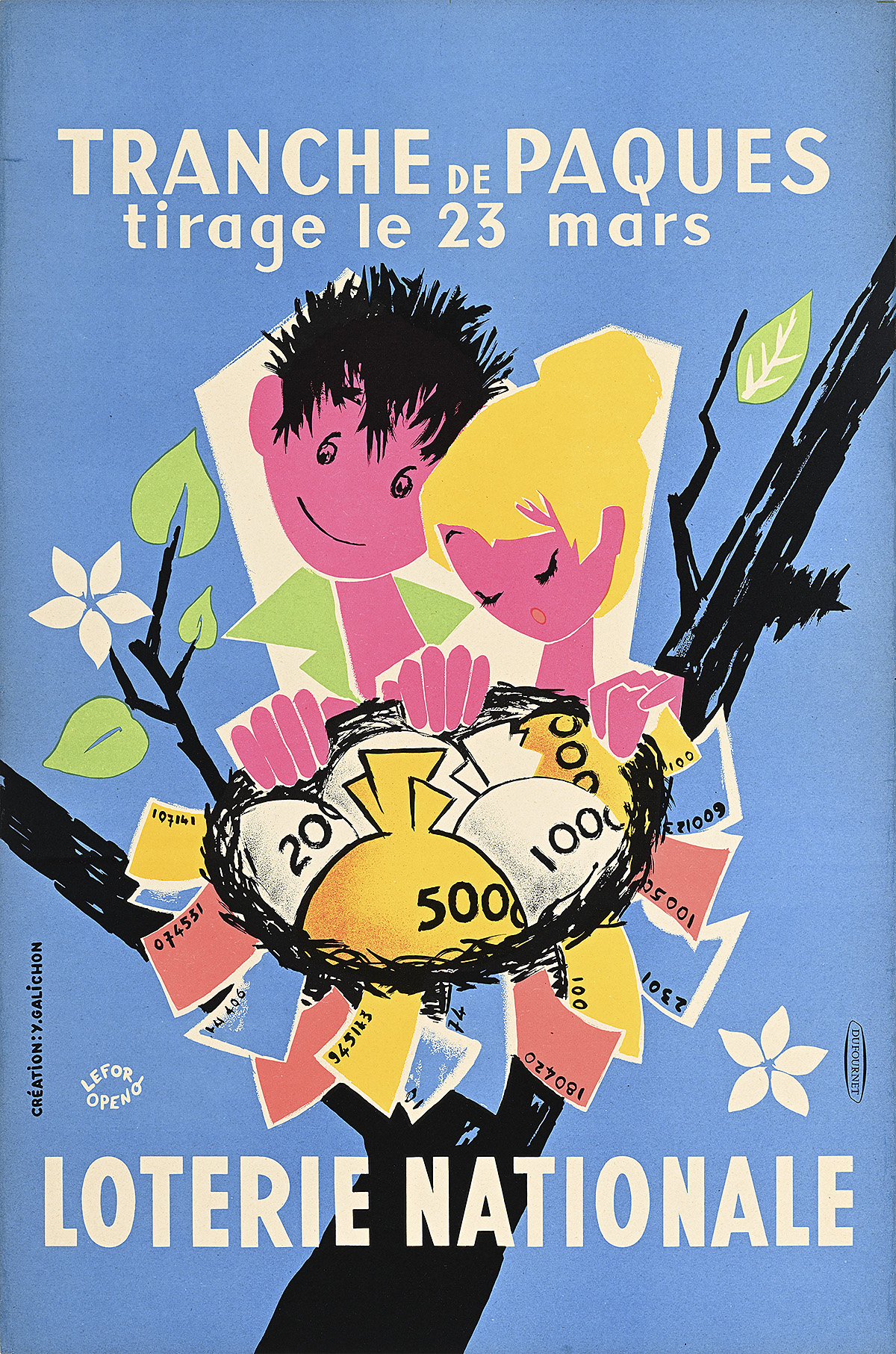
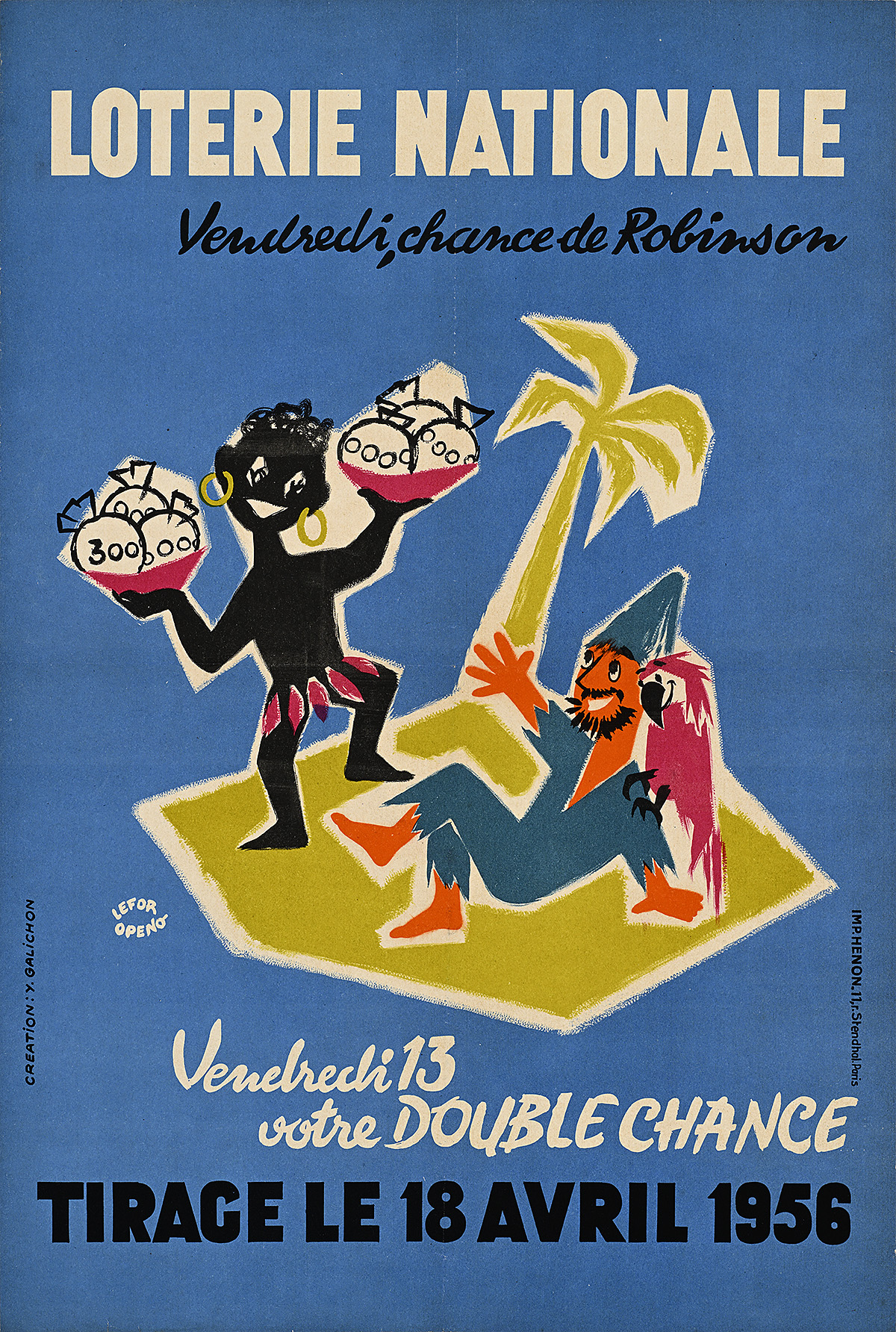
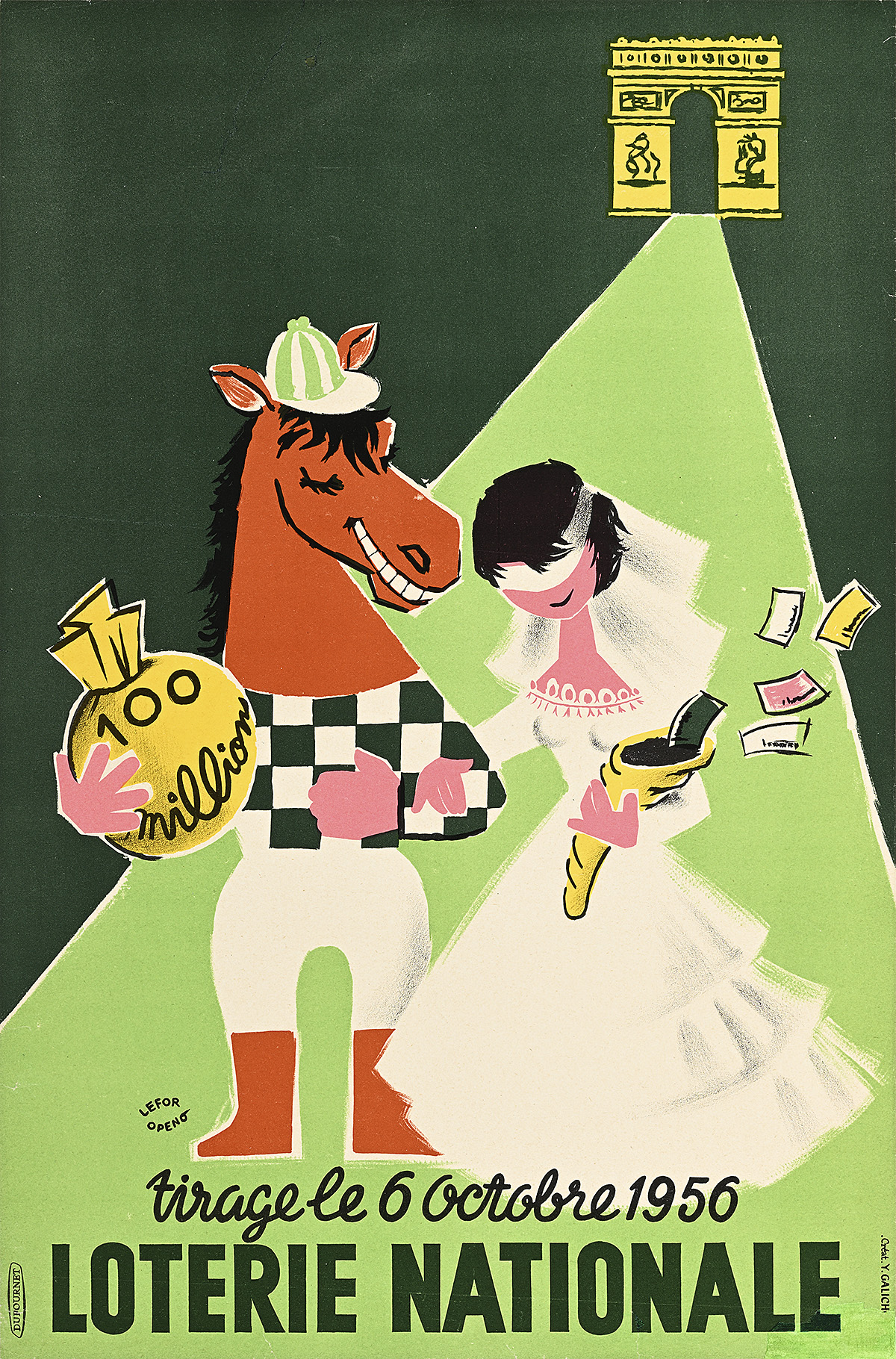
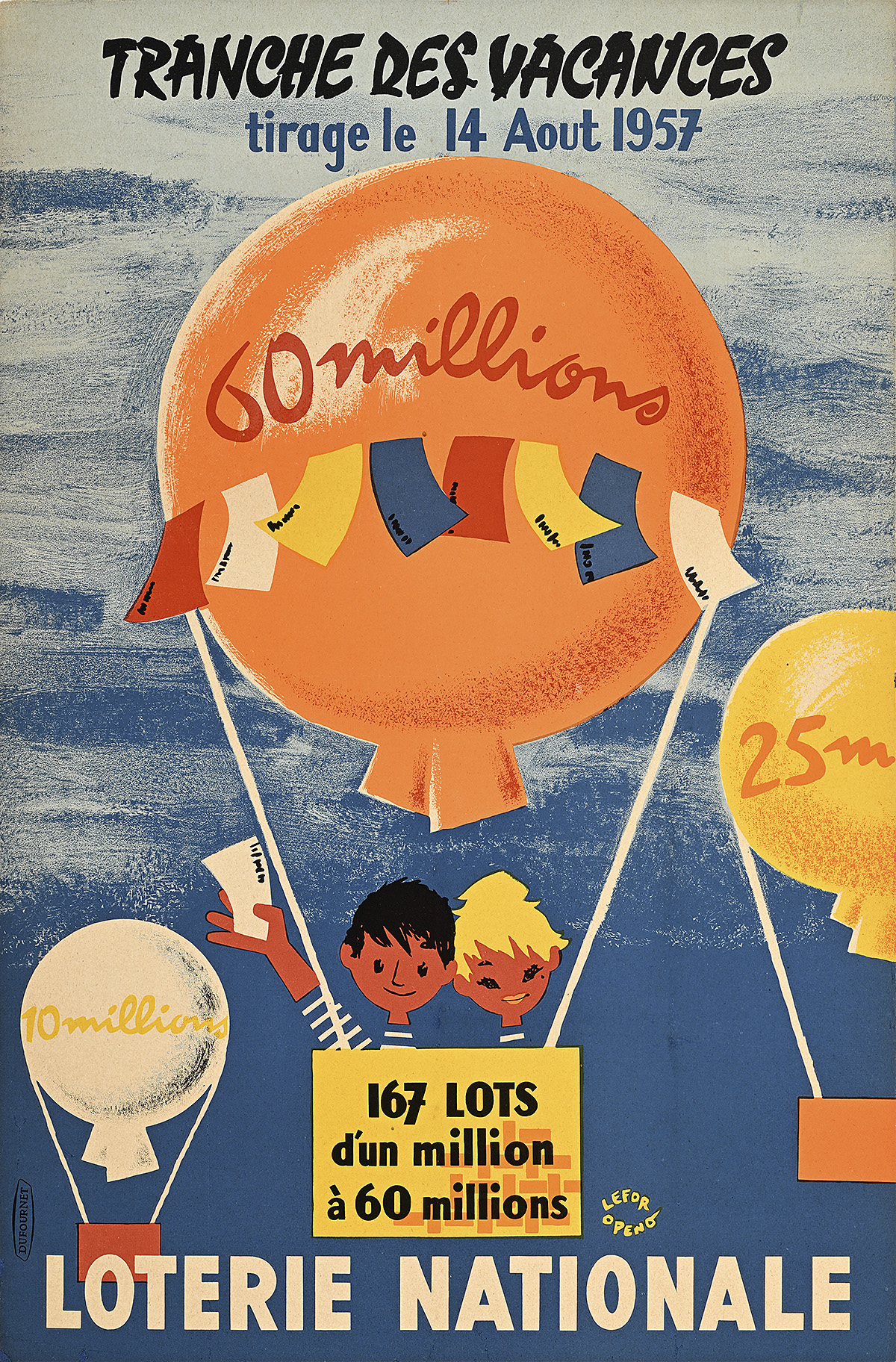
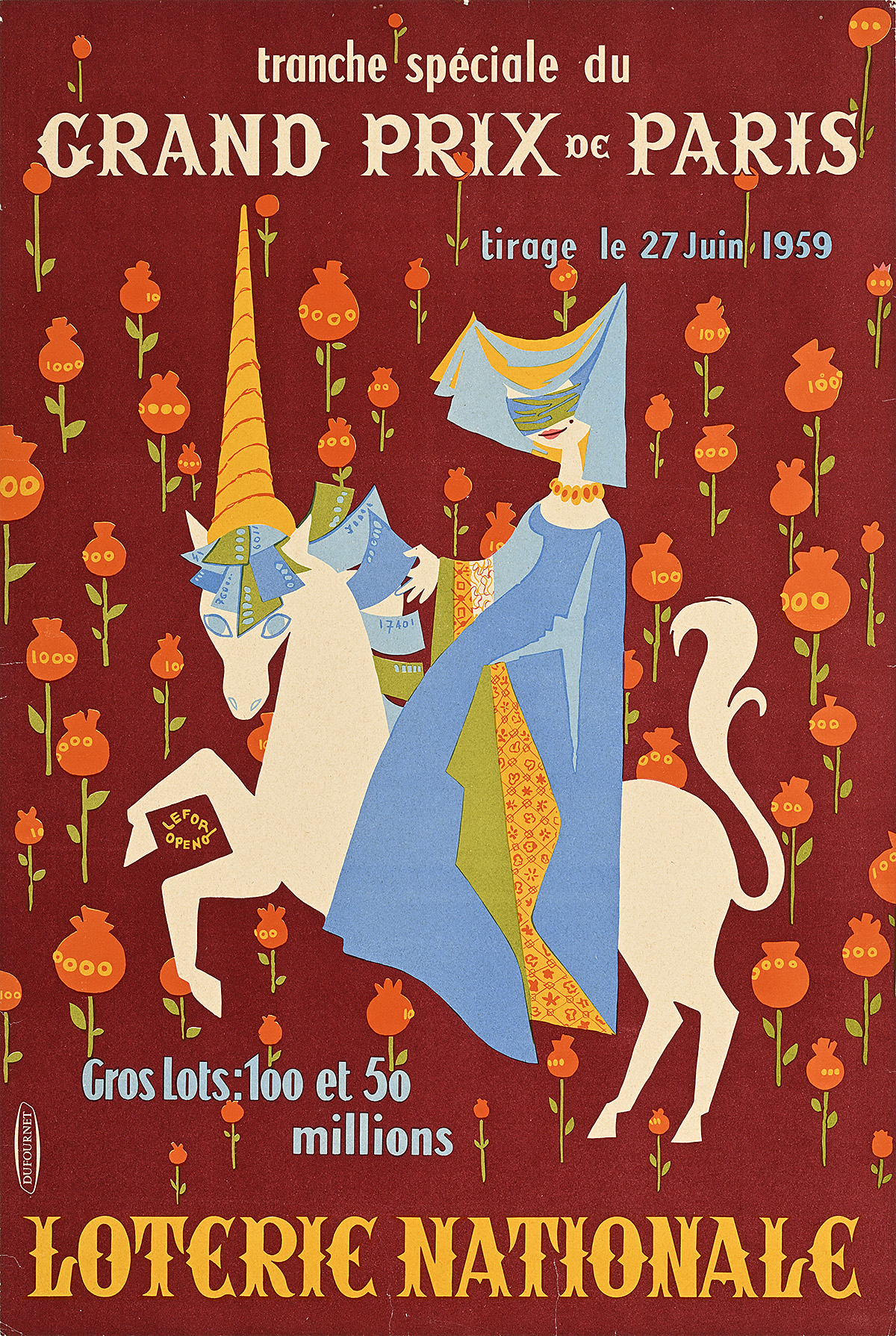
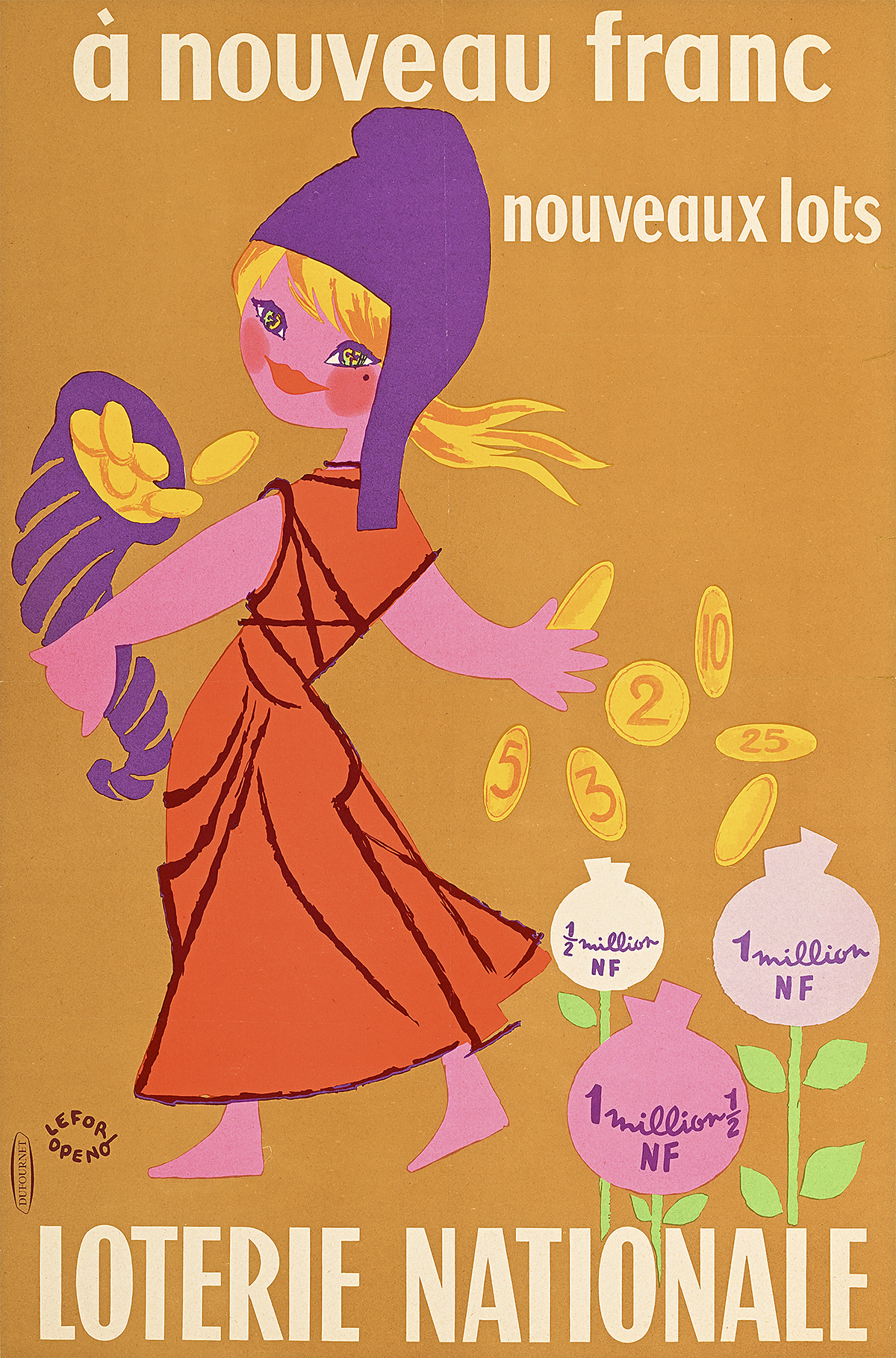
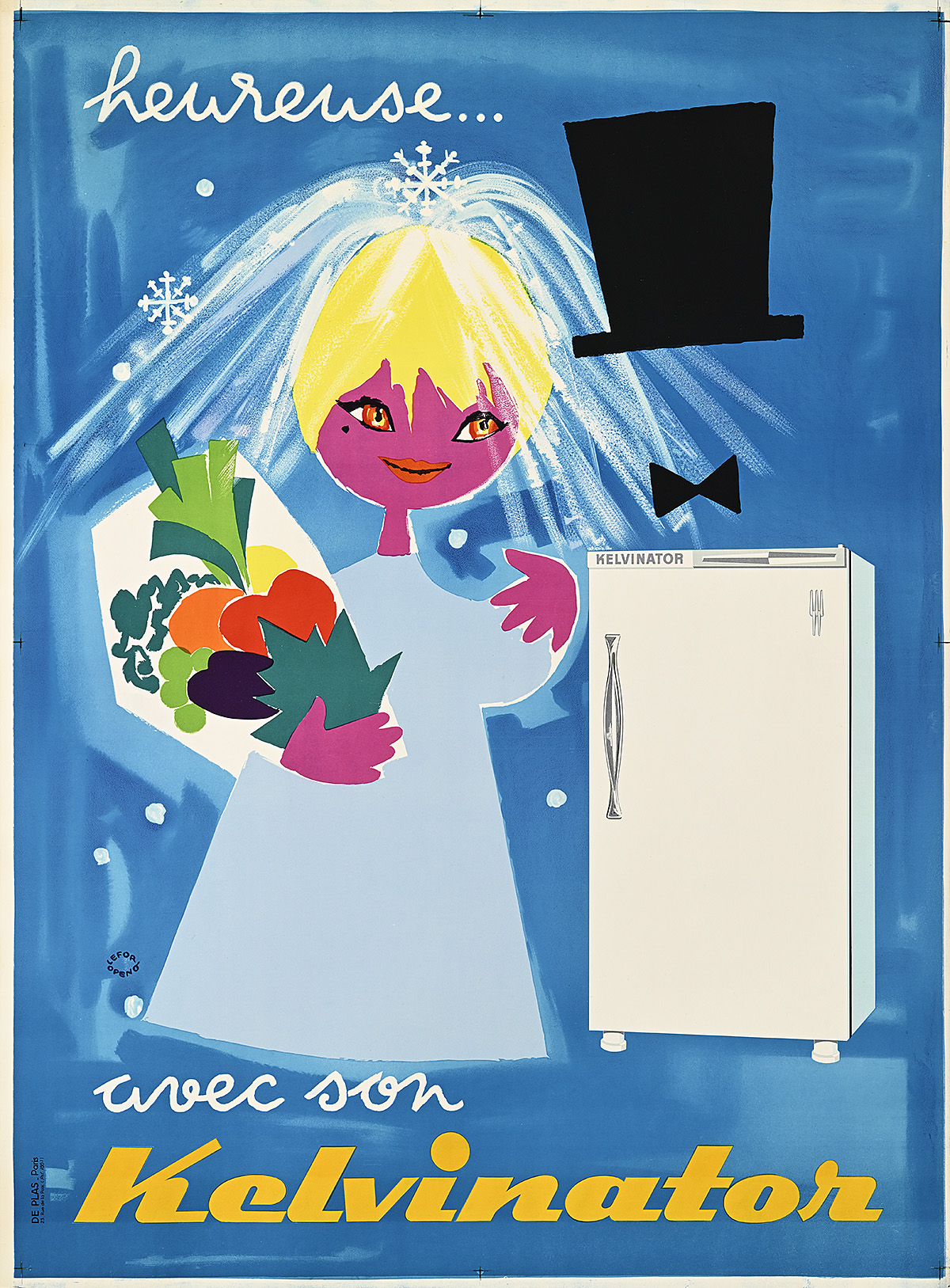
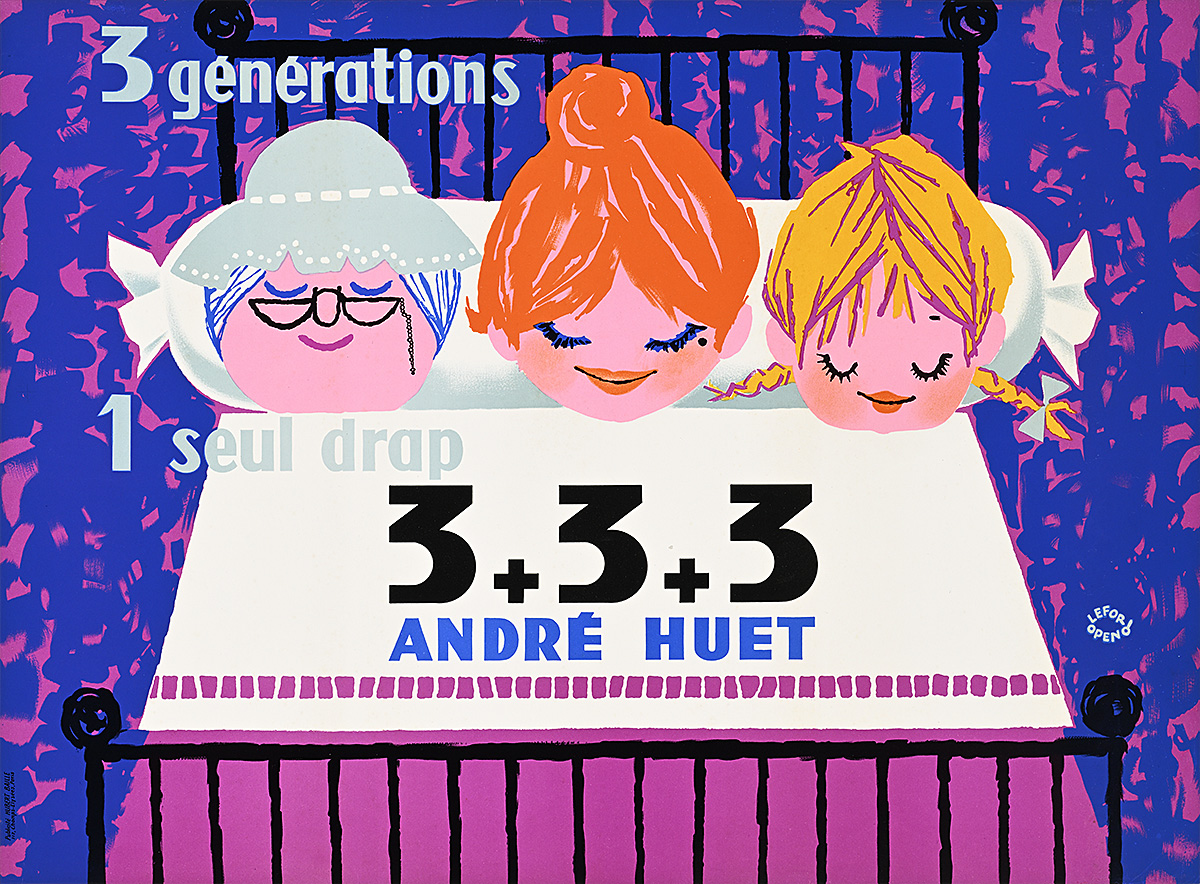
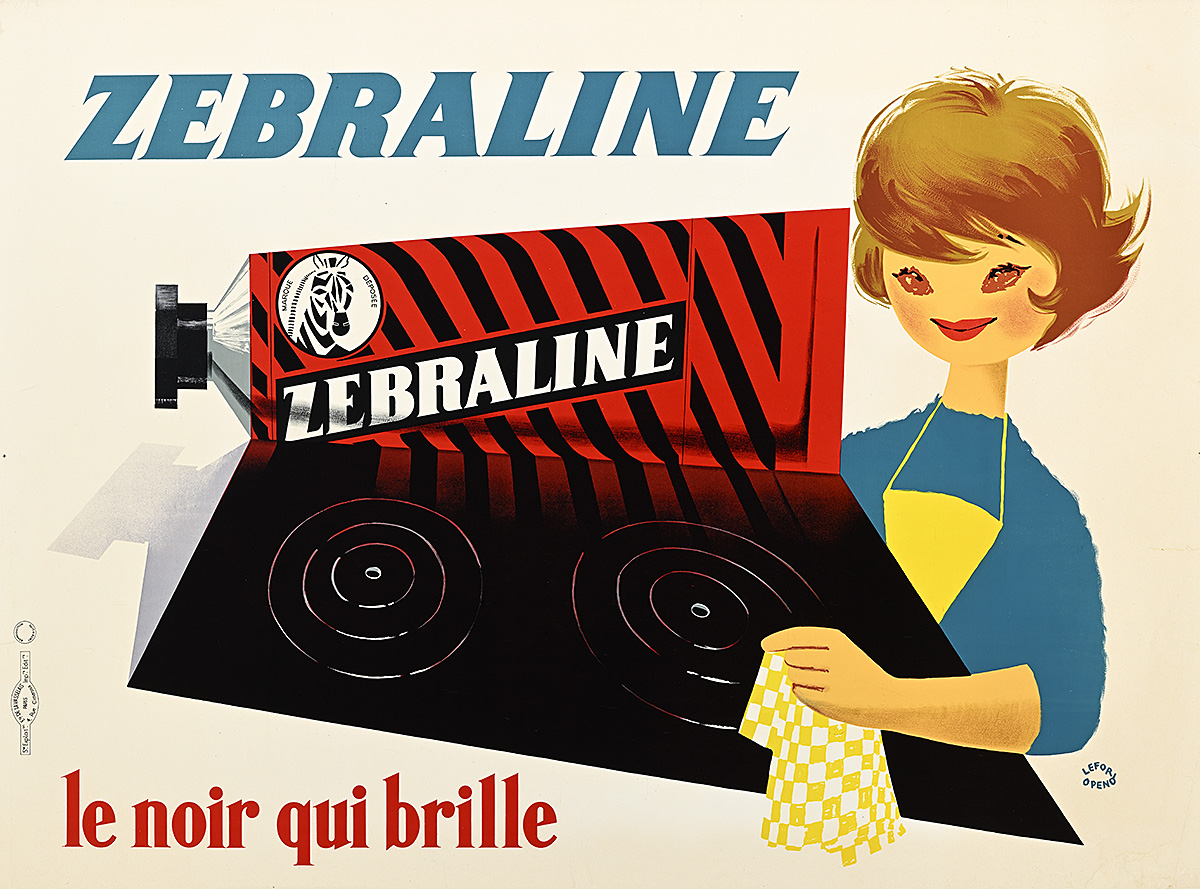
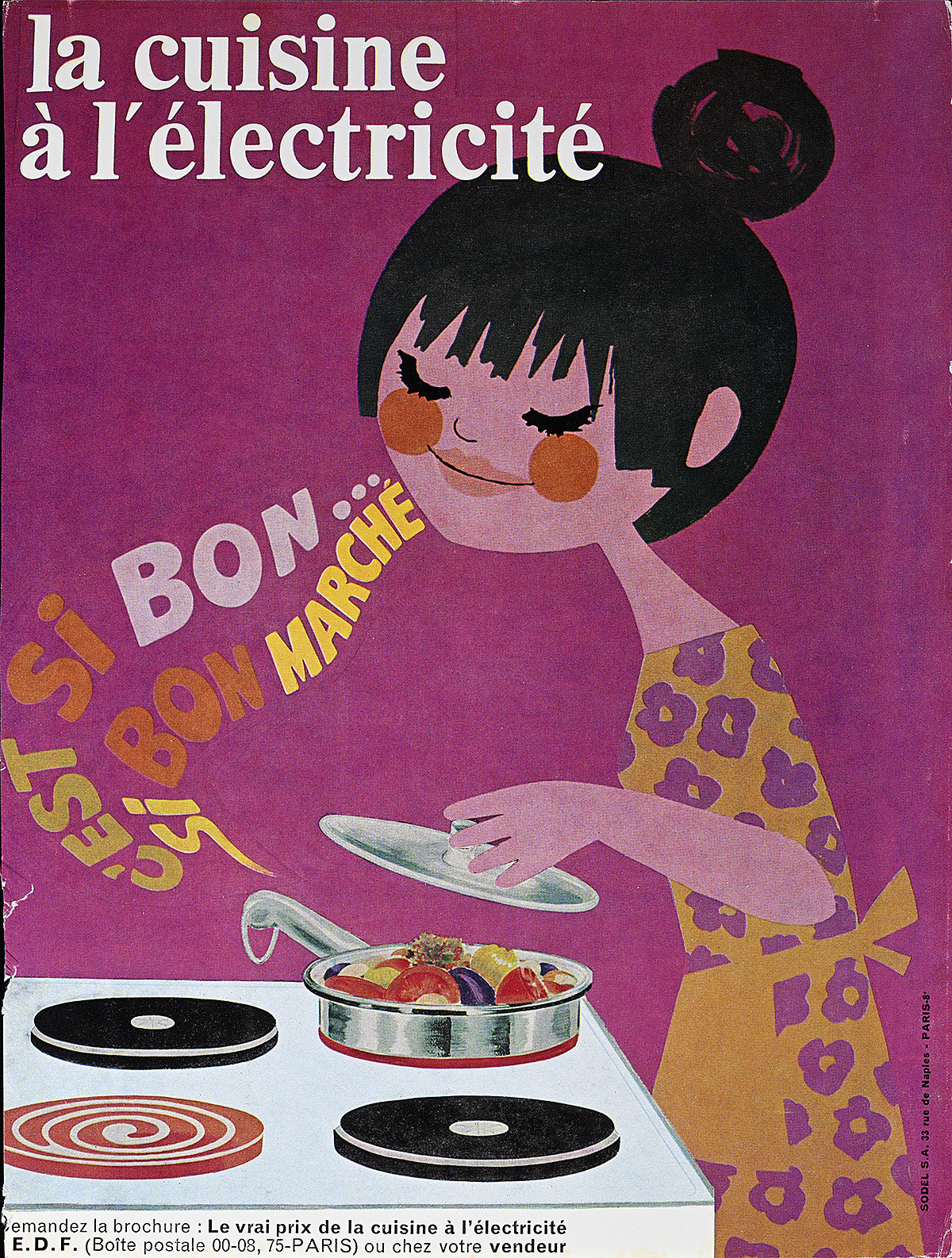
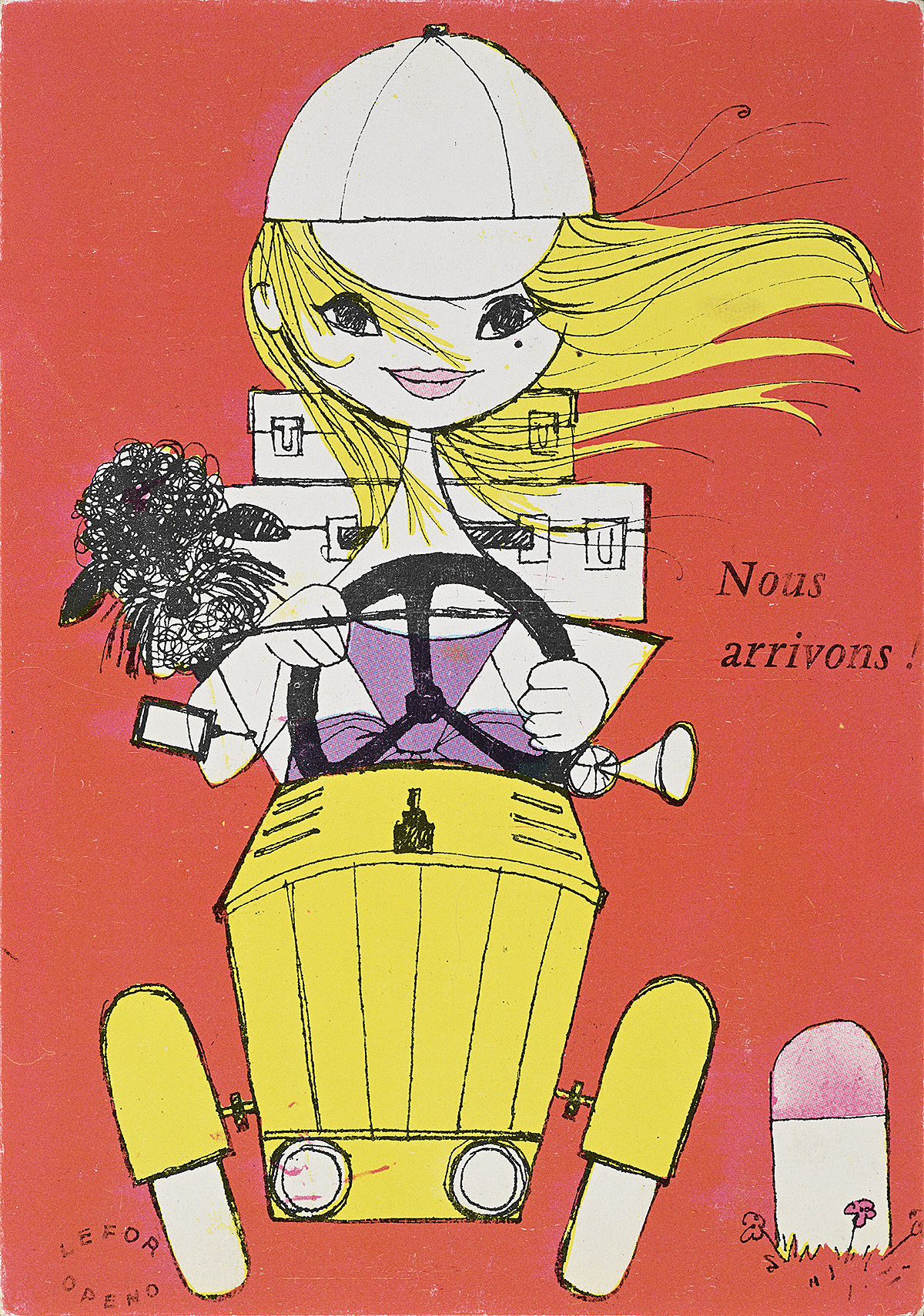
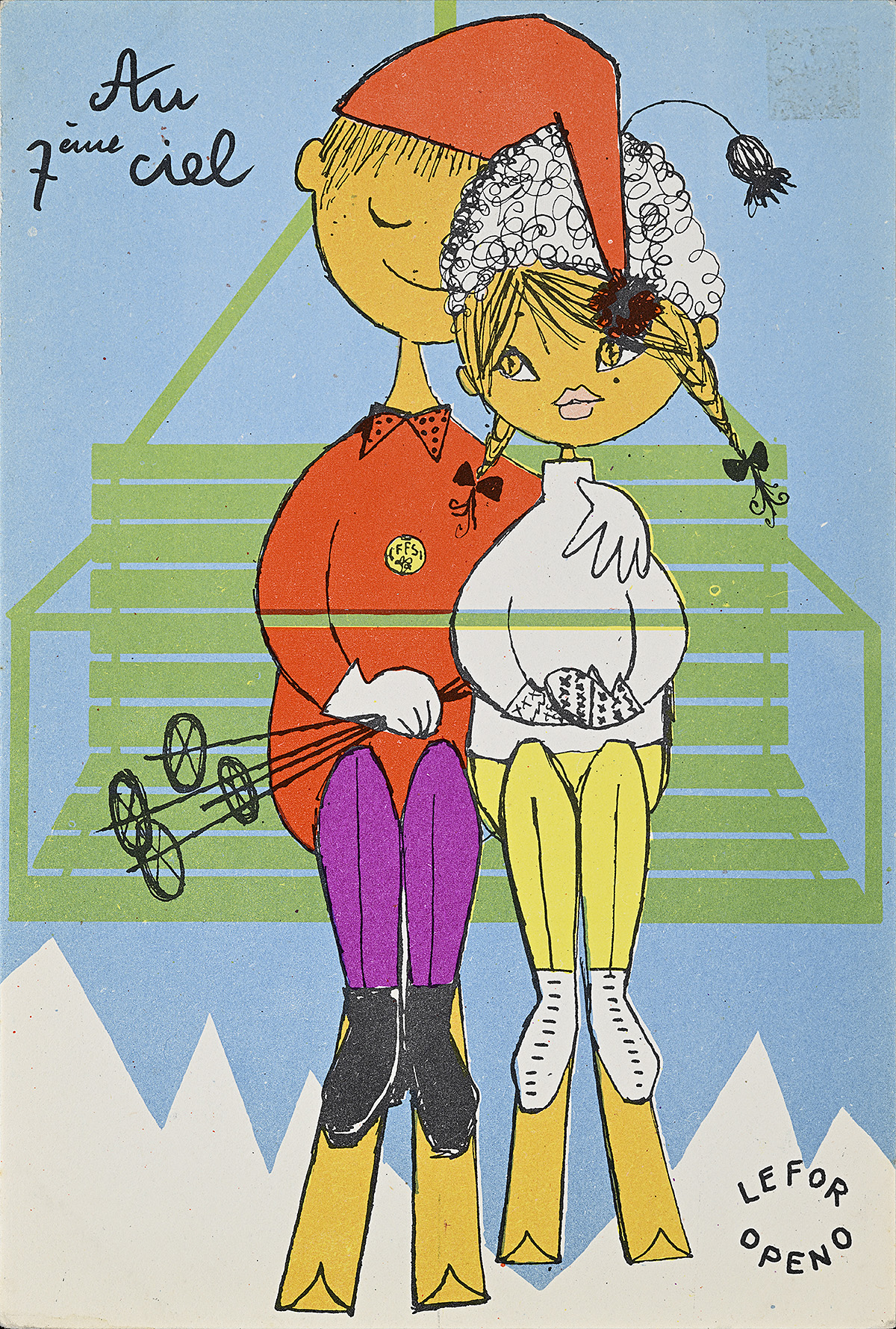
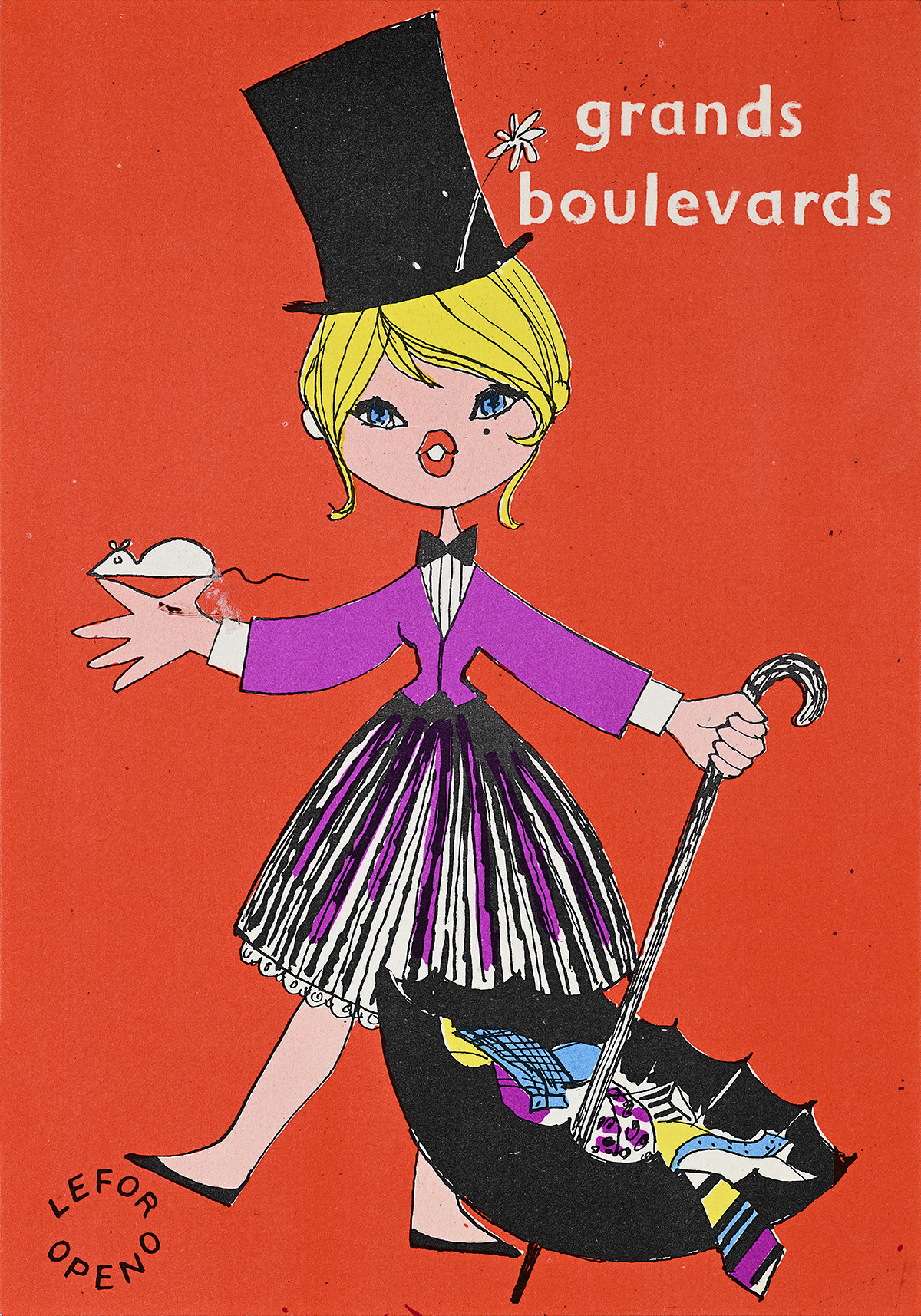
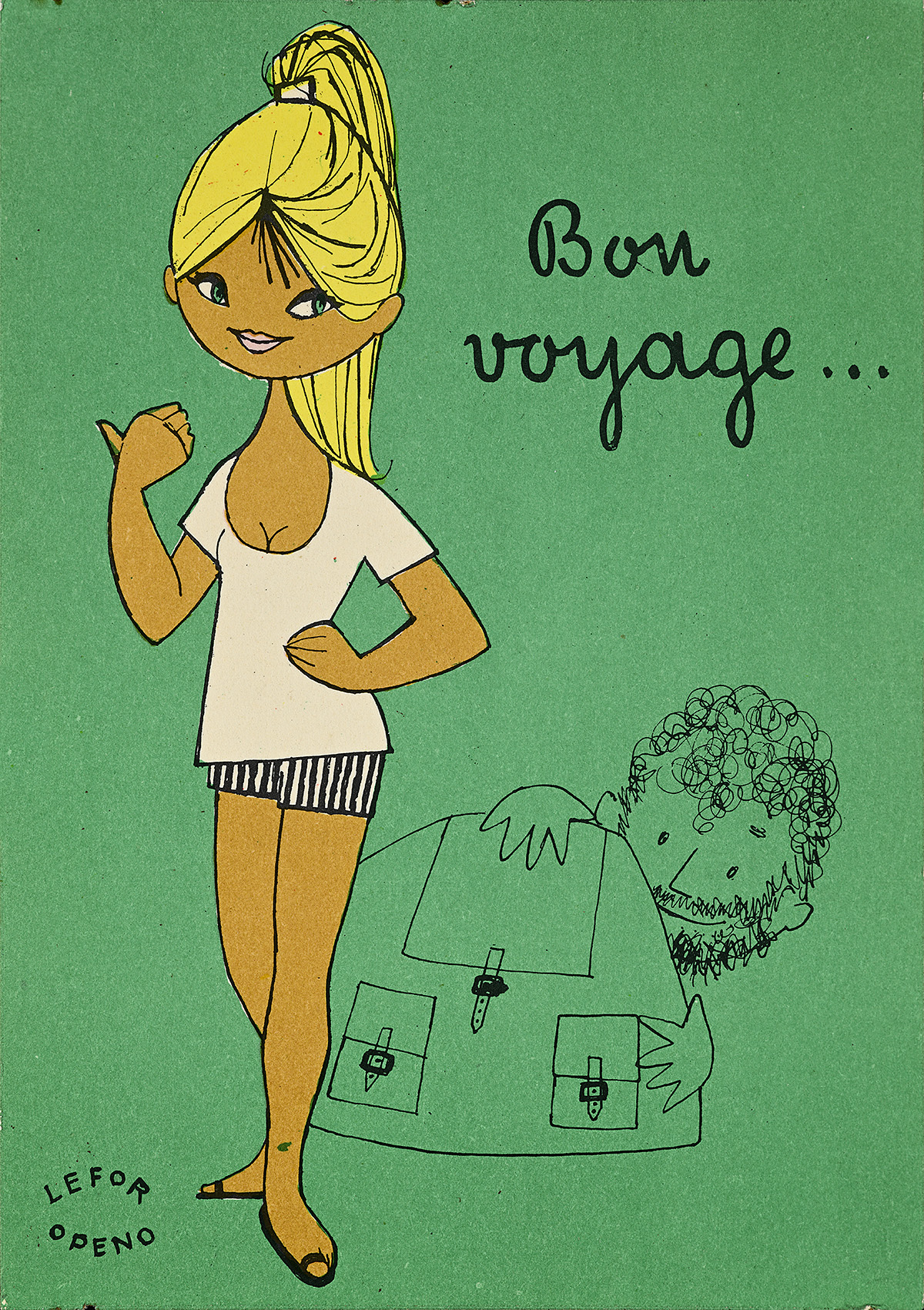
Cuteness, Conservatism, & Consumption: Lefor-Openo and Postwar France
In the aftermath of World War II, France faced a daunting recovery challenge. A significant portion of the country’s young male population was either dead, wounded, or held in prisoner-of-war camps, its industry was in tatters, its farms (and therefore its ability to produce food) were decimated, and its citizens demoralized by the collaboration of the Vichy government with the Nazis. The French economy had also halved in size since before the war and was further threatened by rampant inflation and shortages, leaving most people unable to purchase much beyond basic necessities.
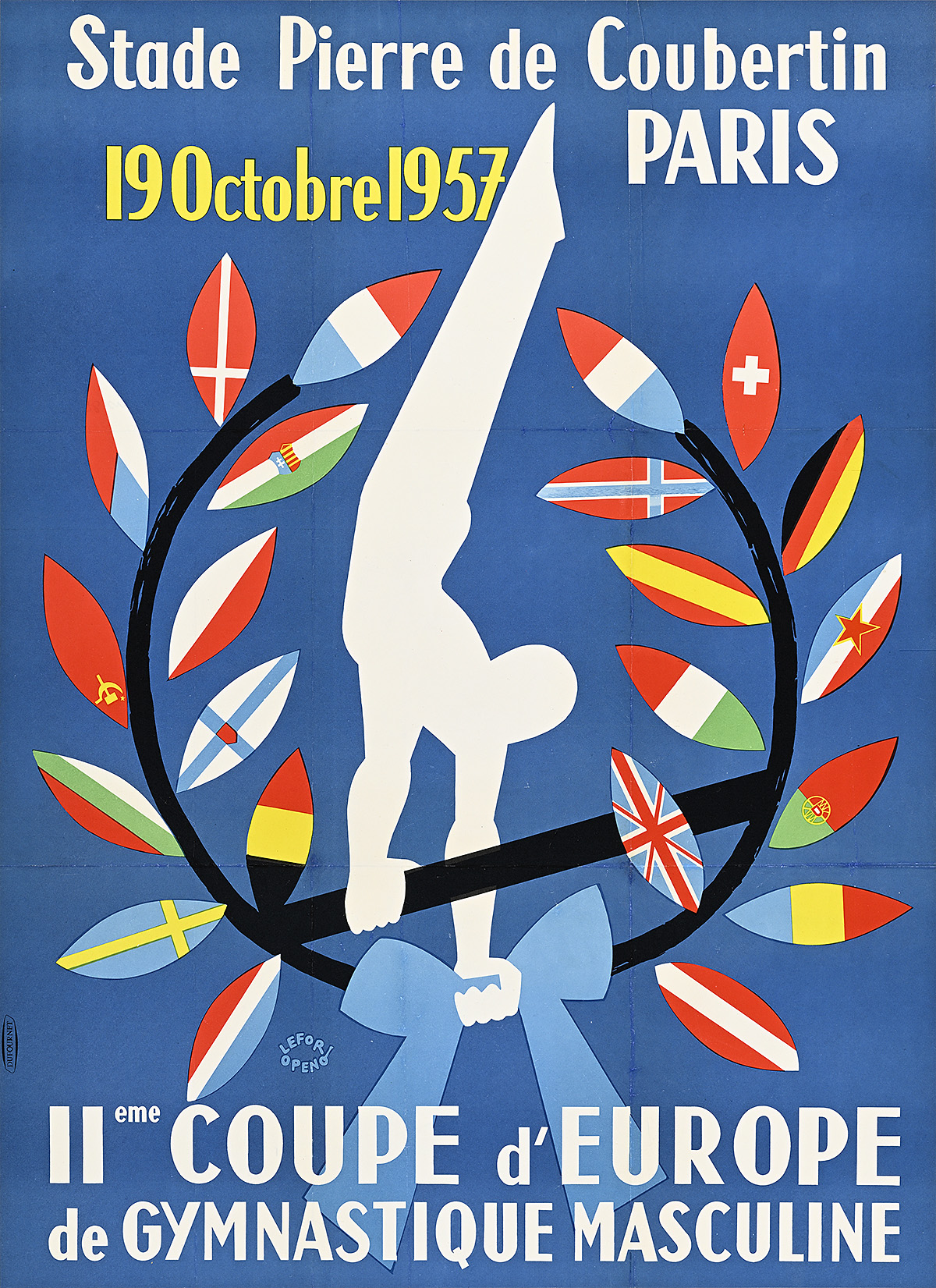
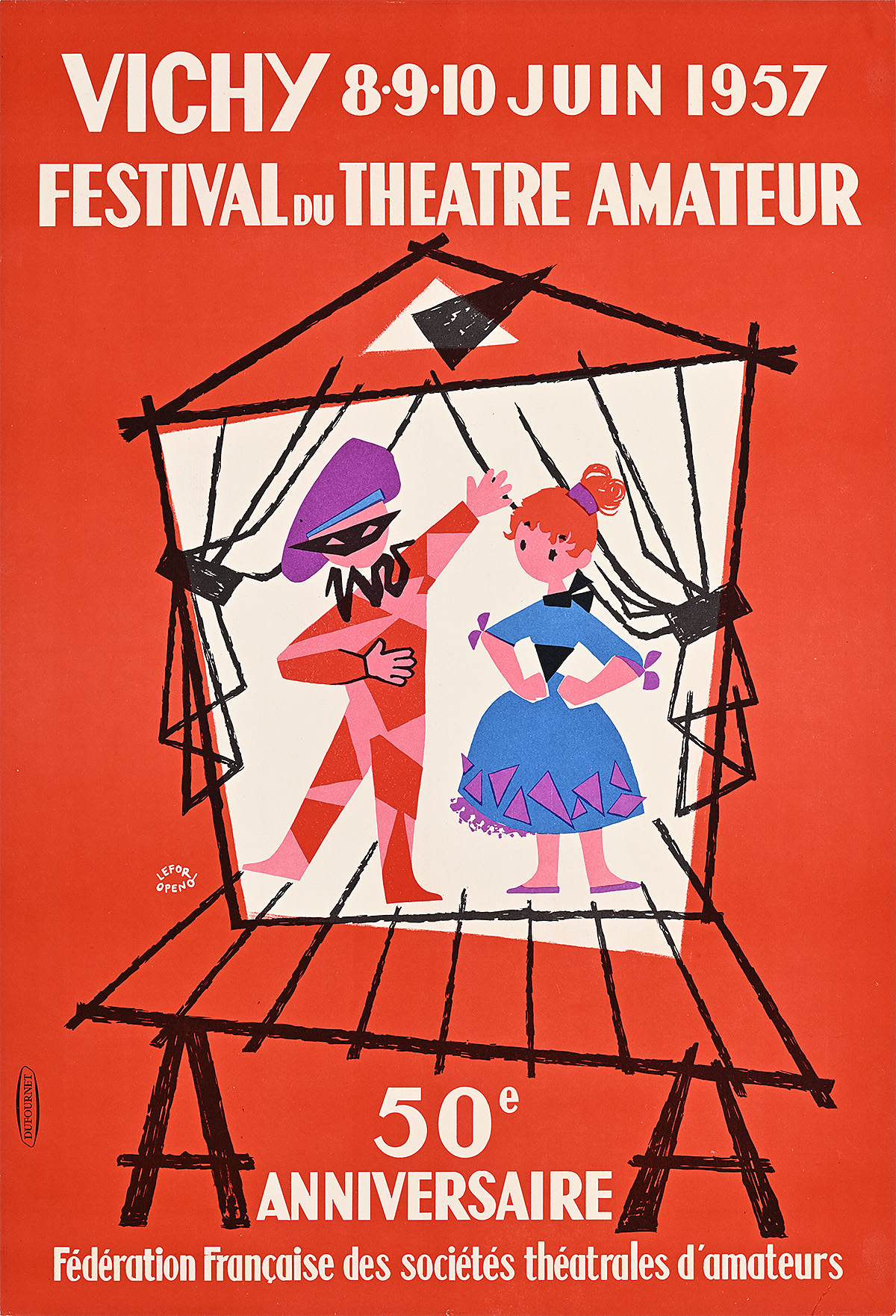
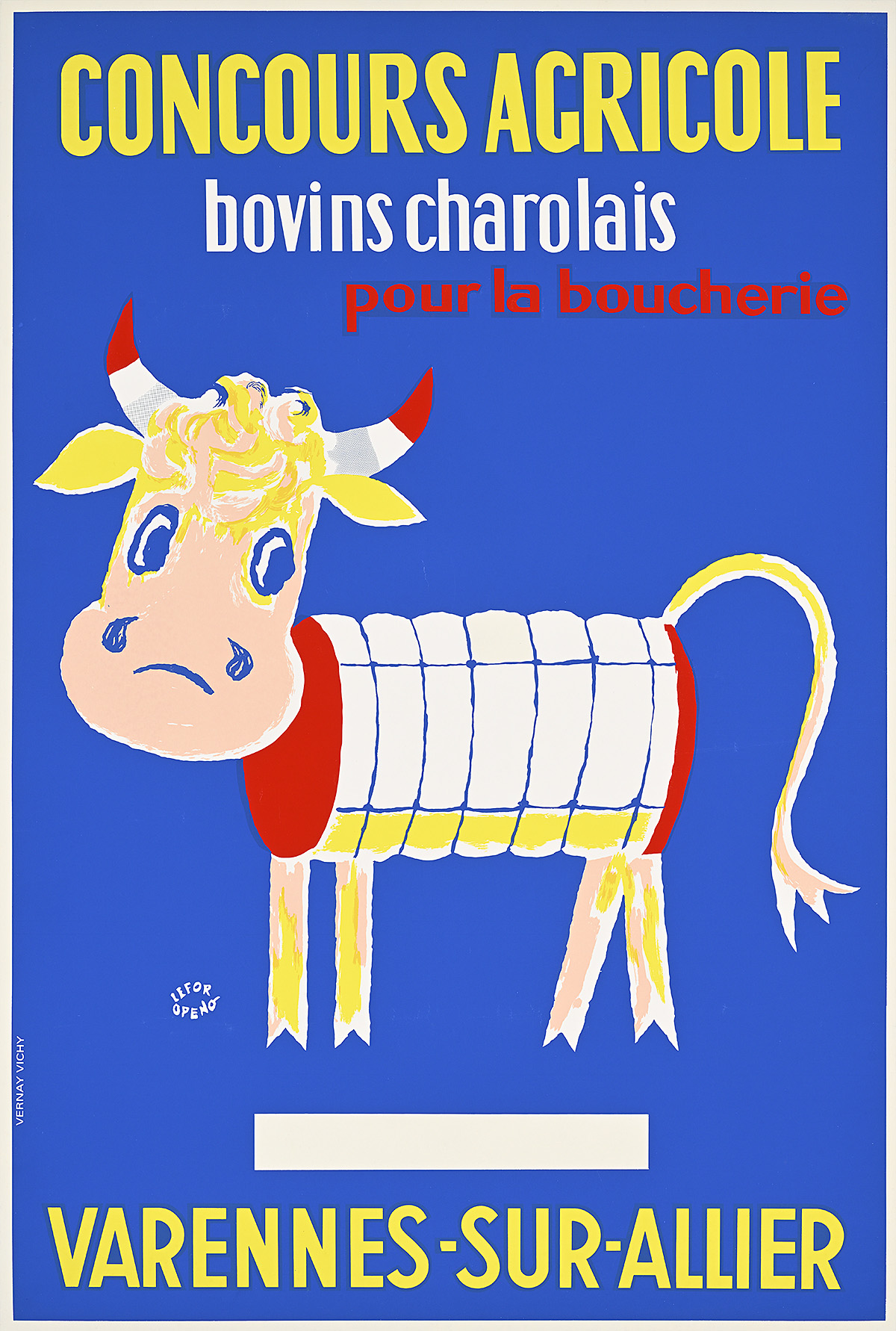
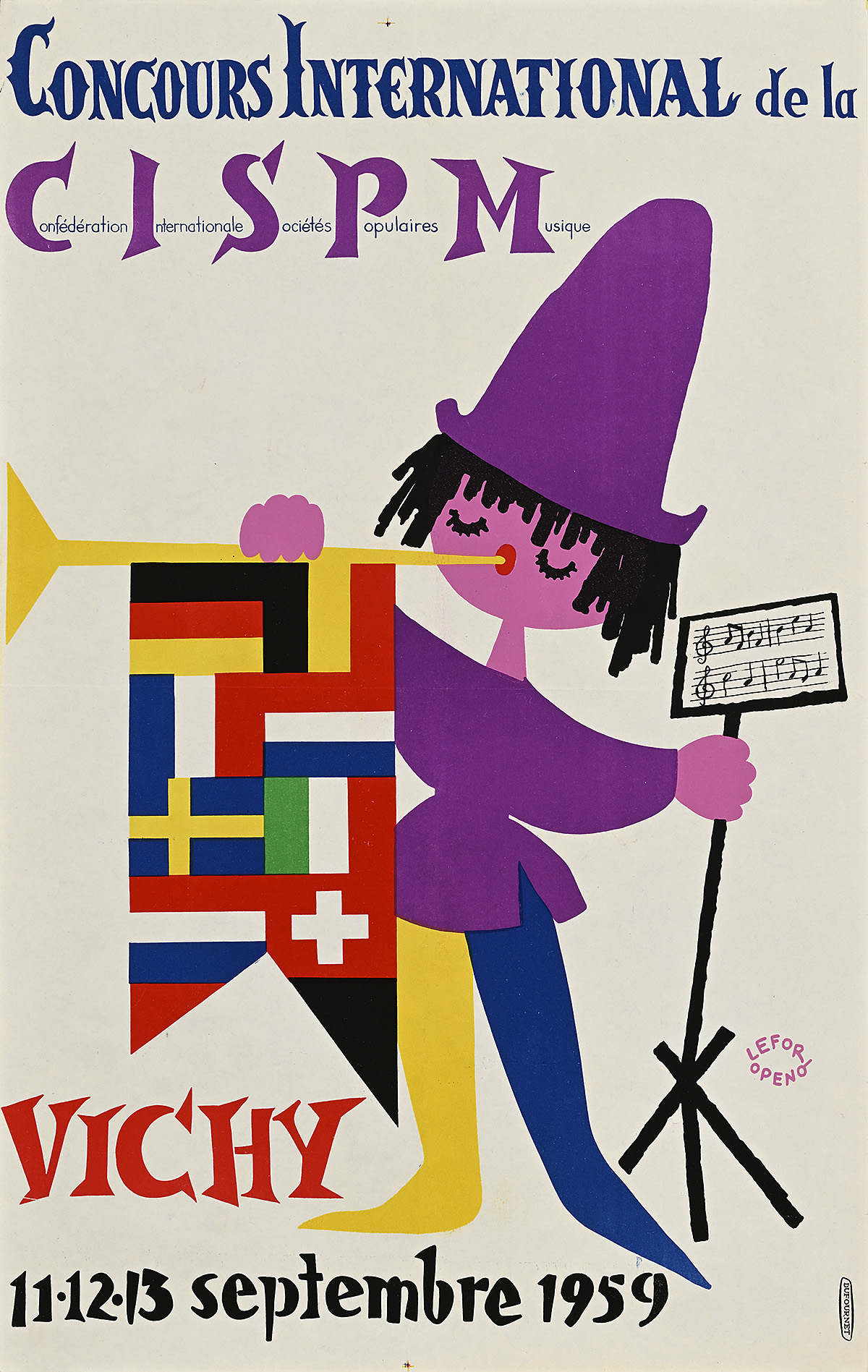
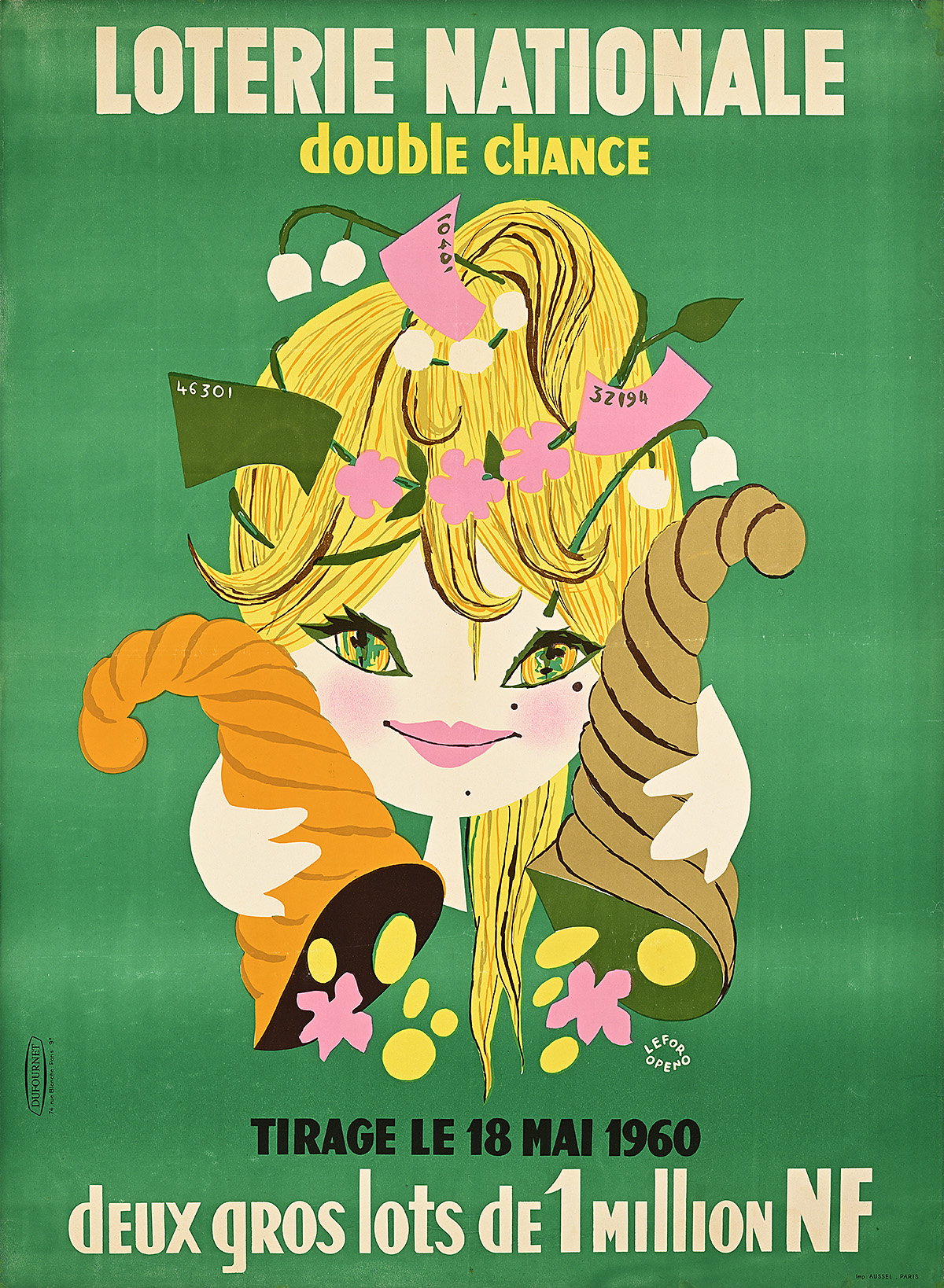
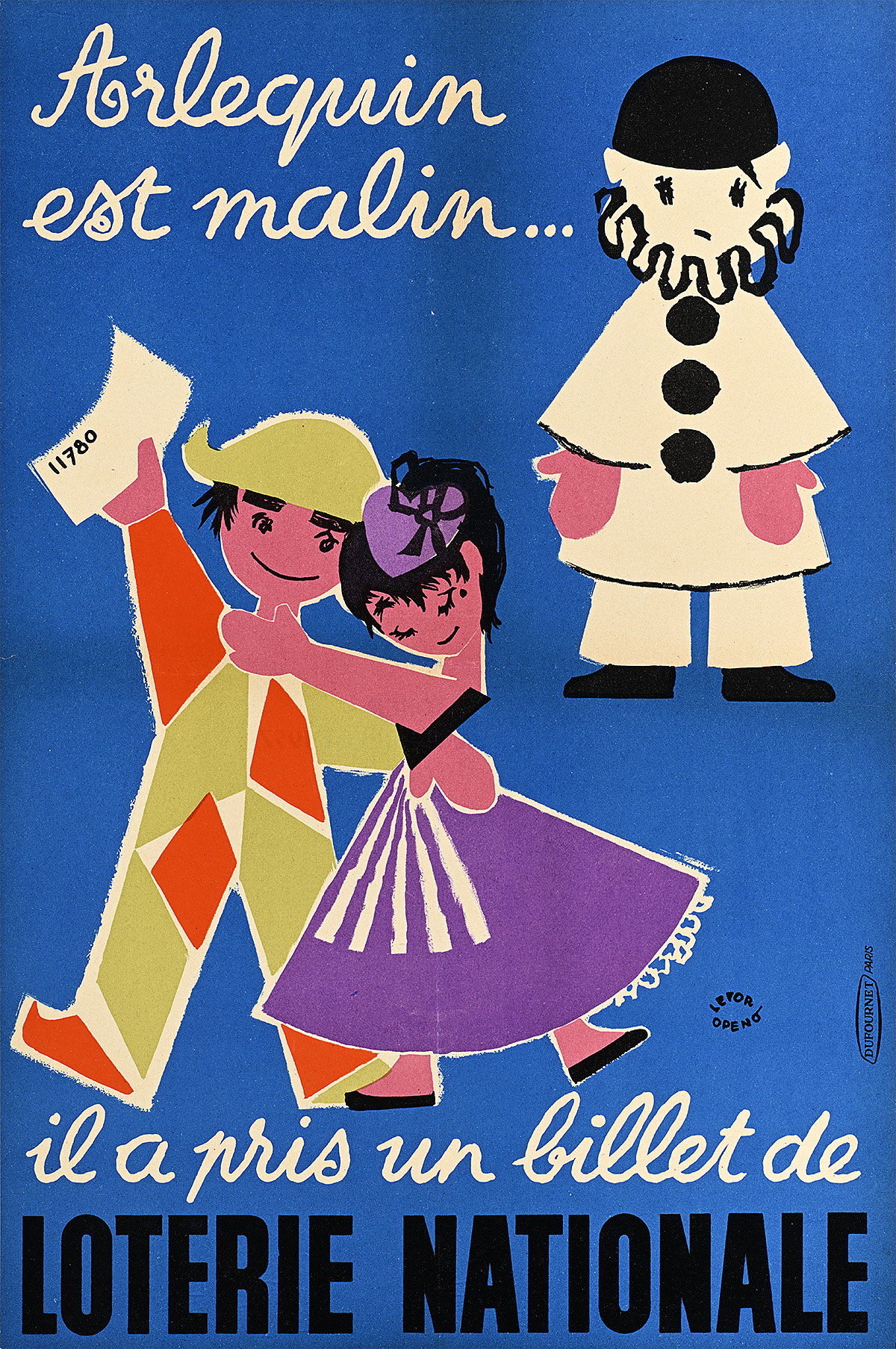
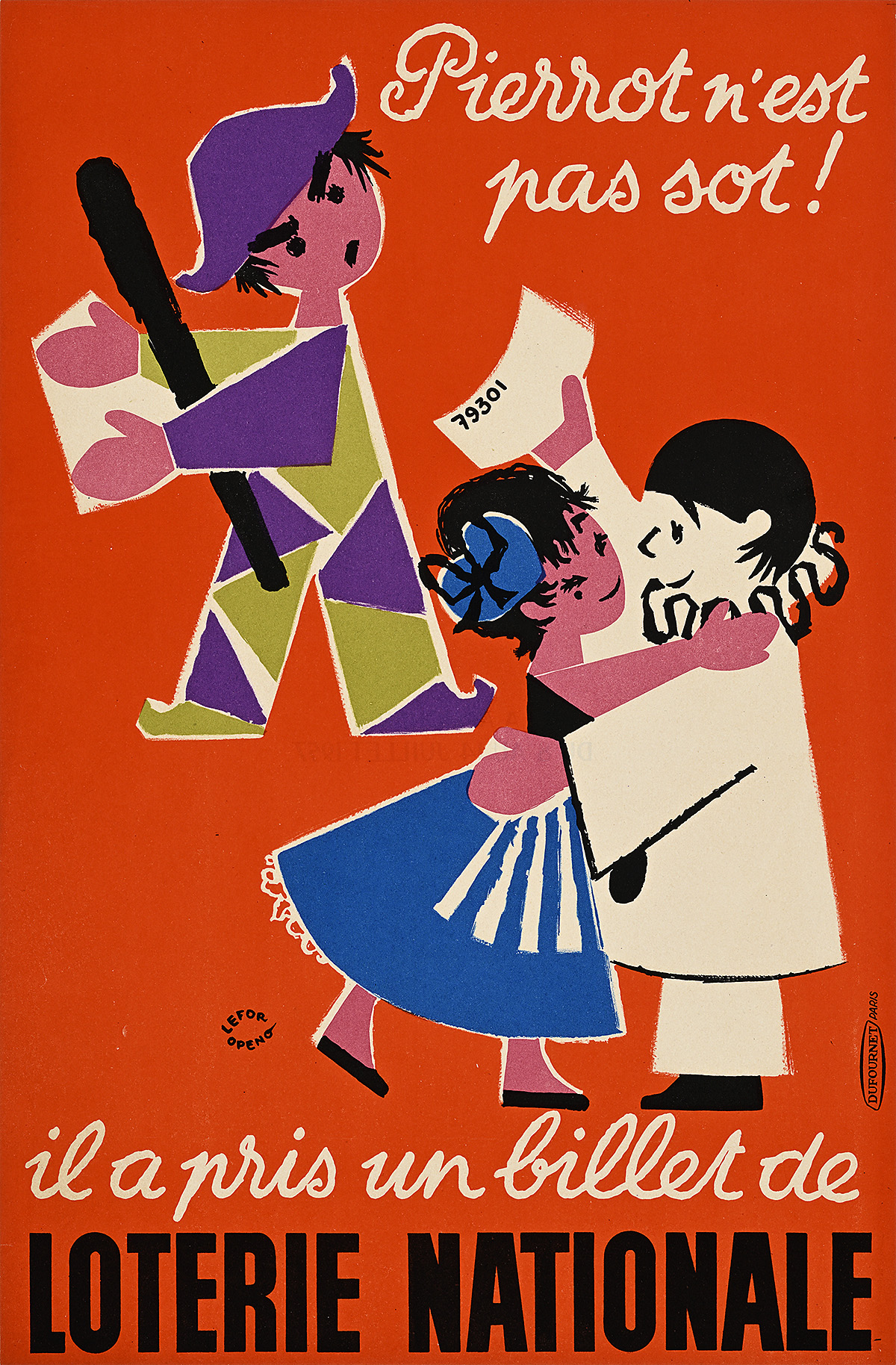
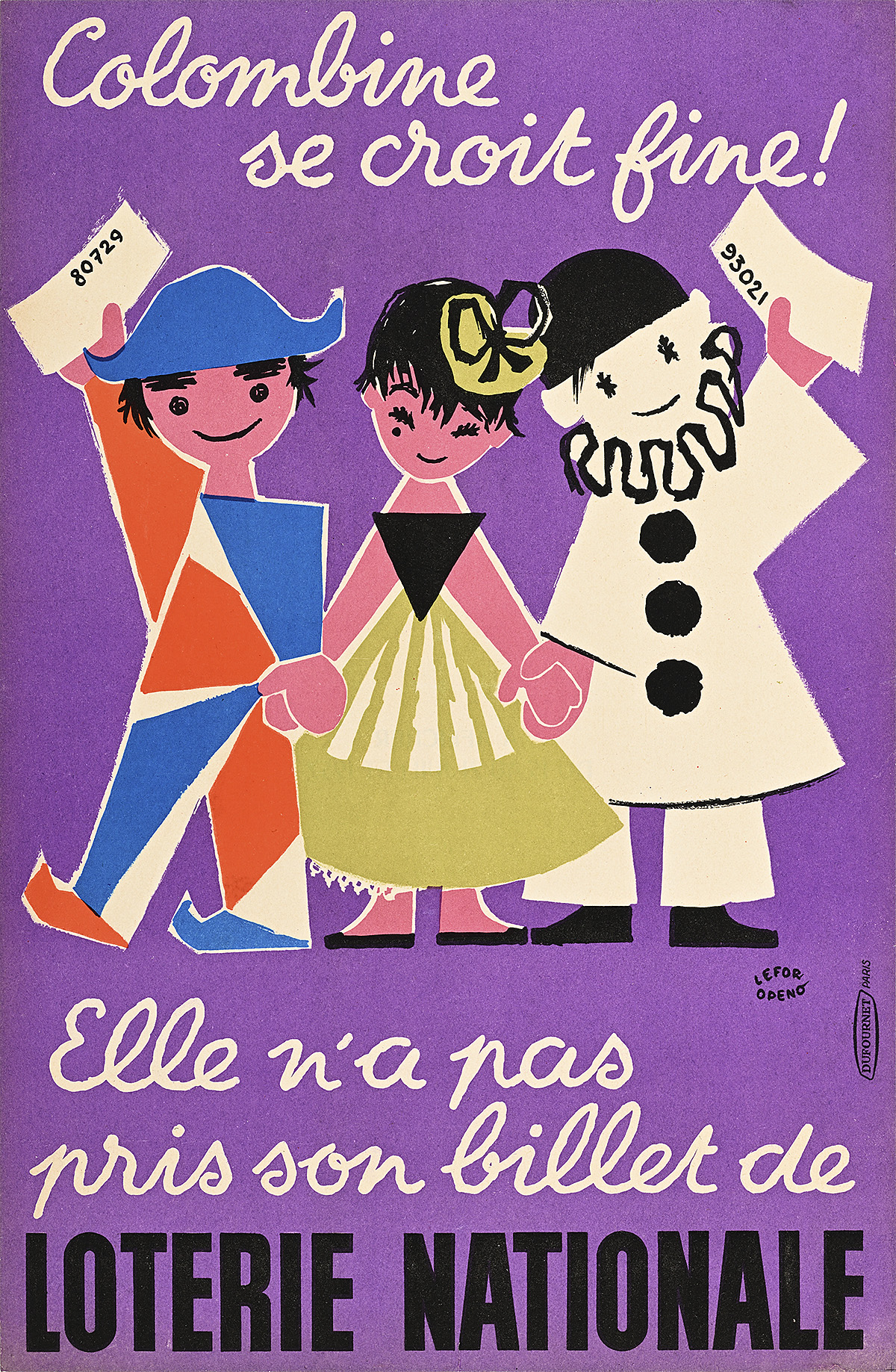
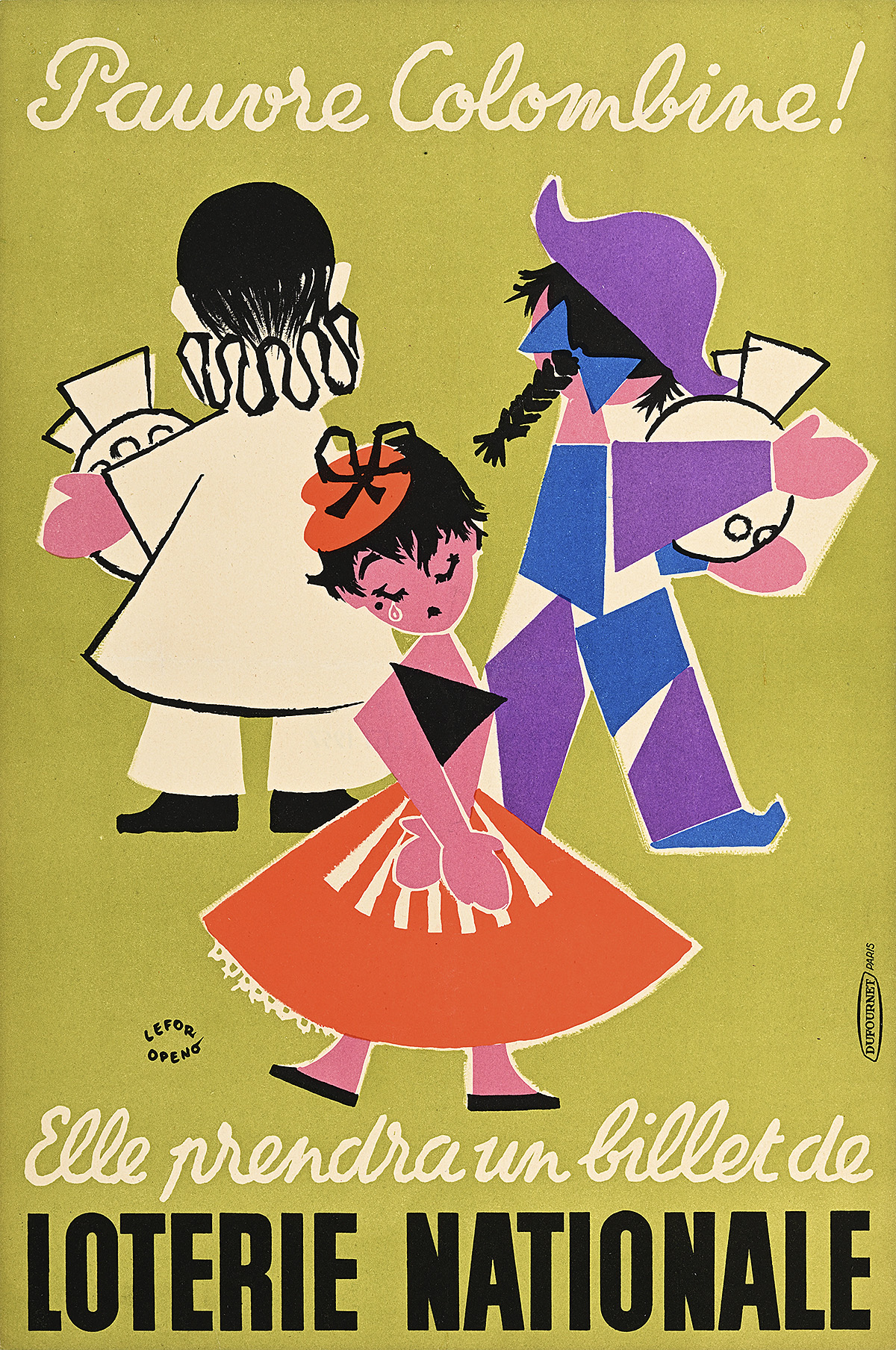
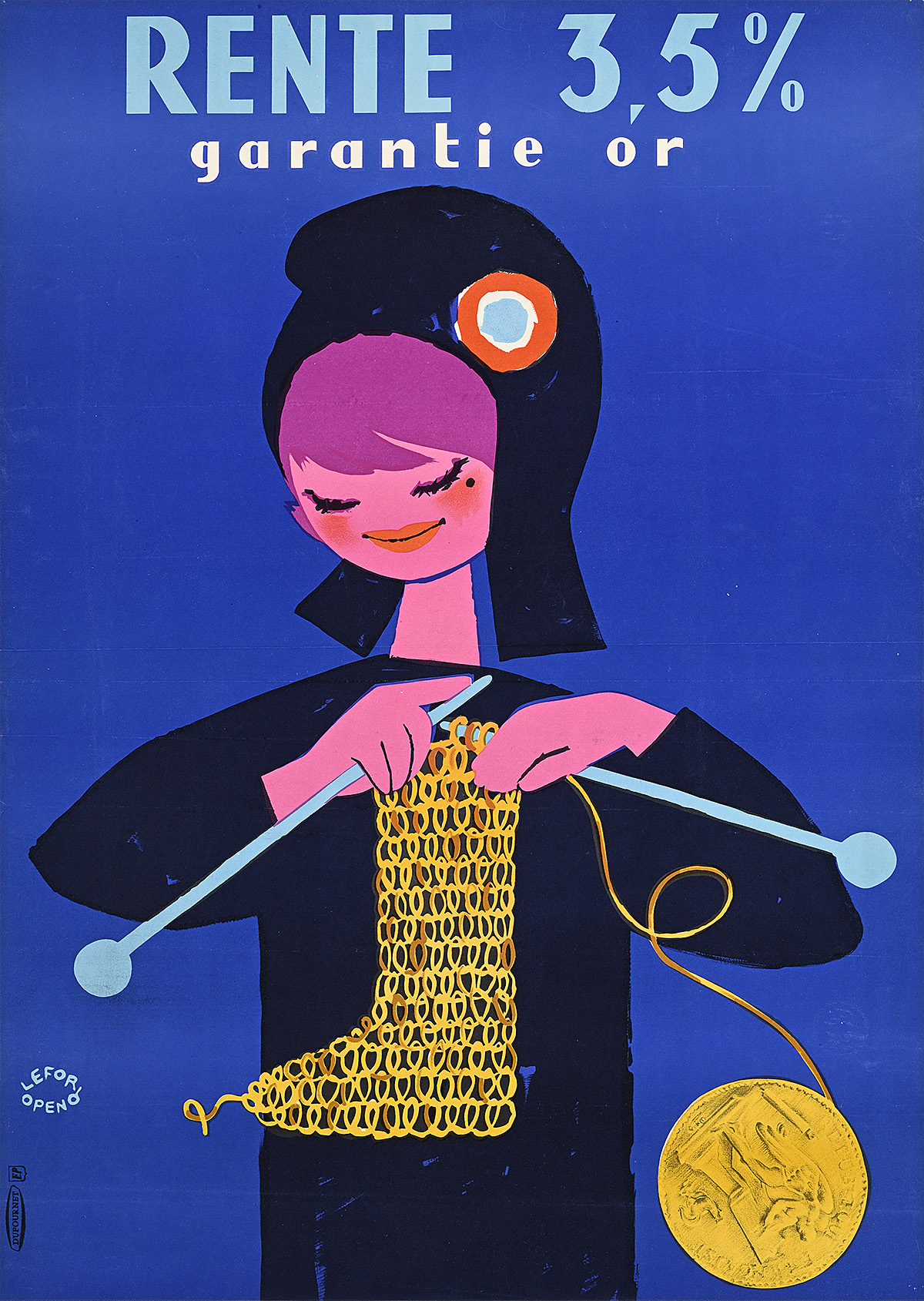
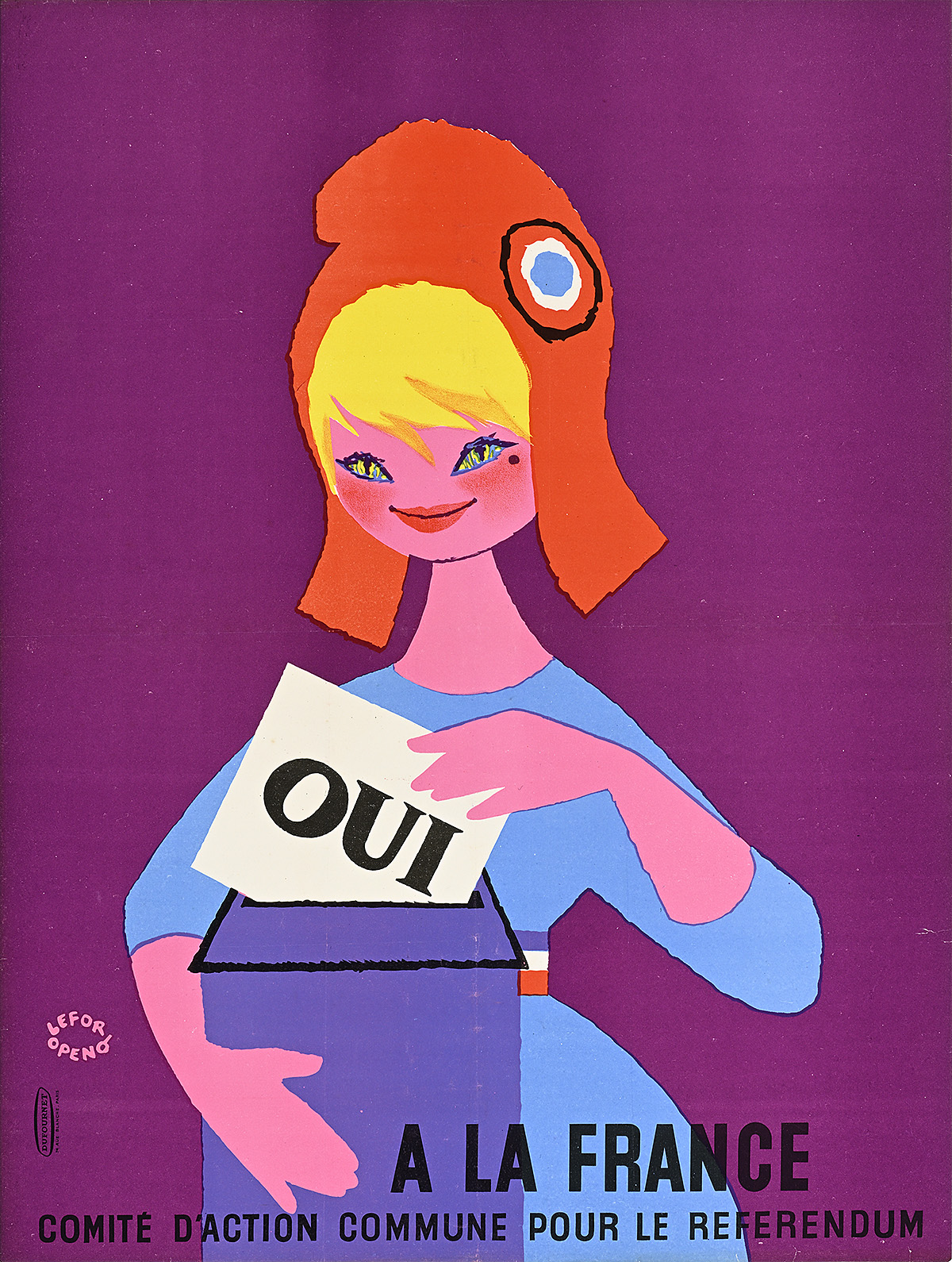
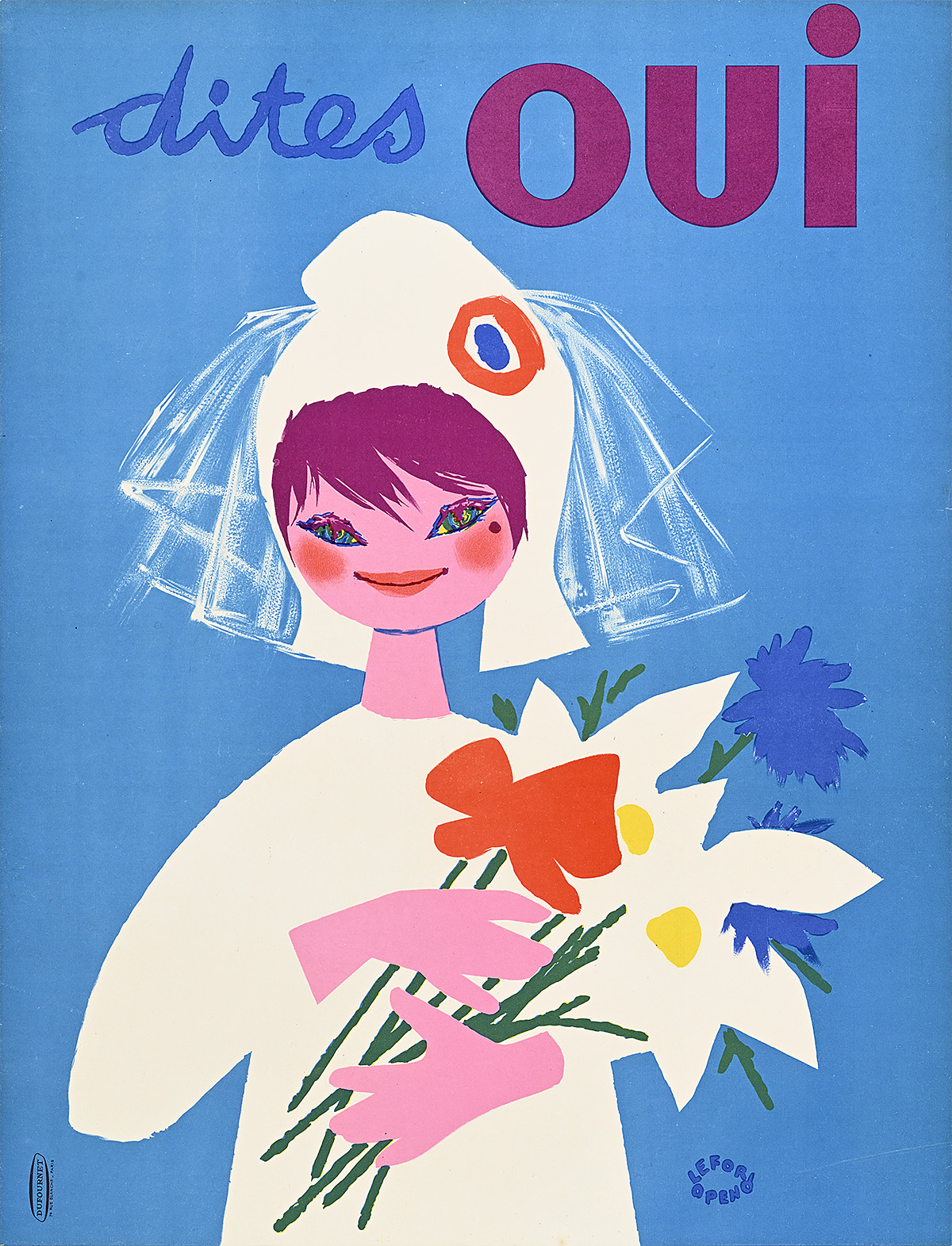
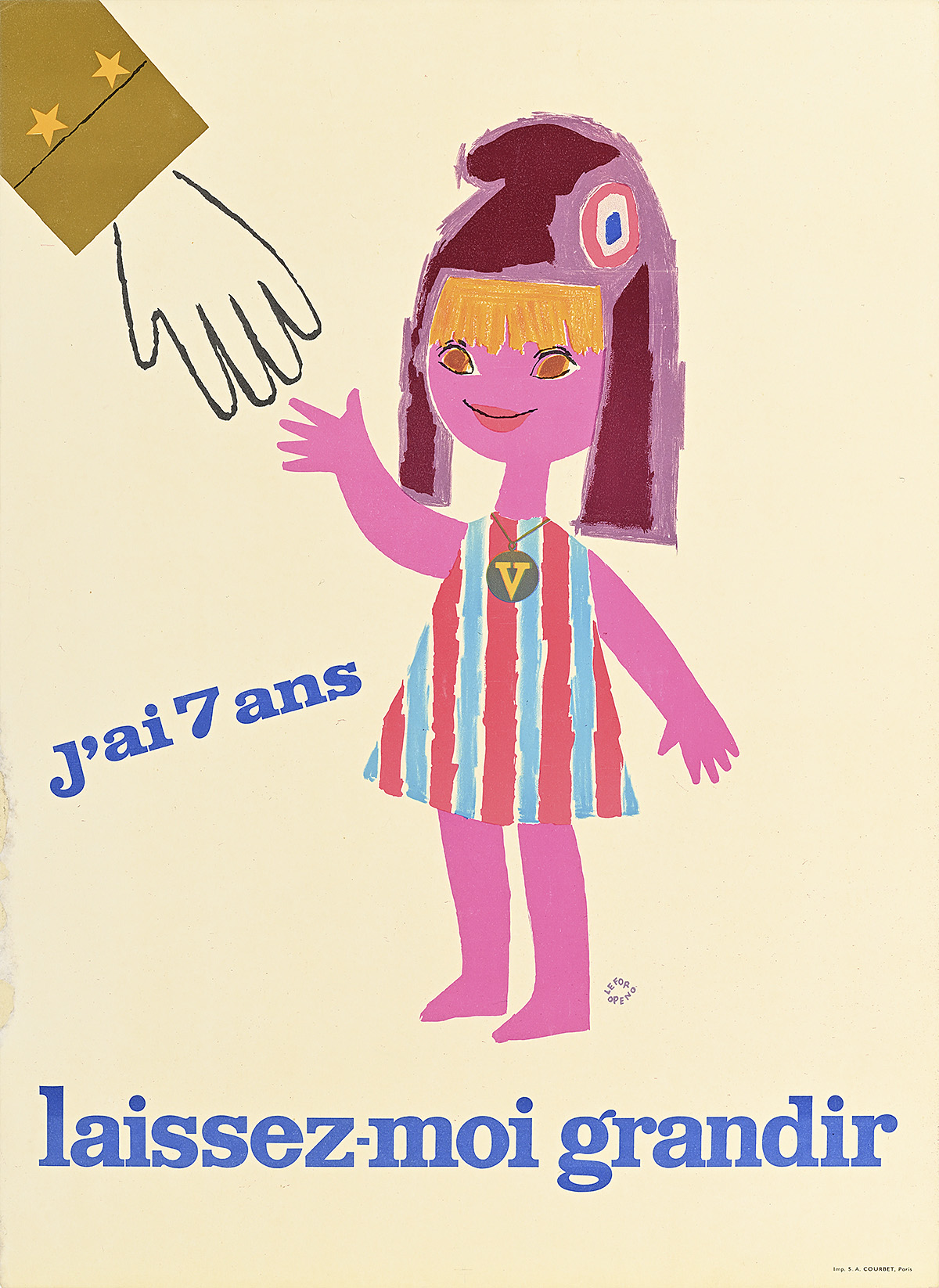
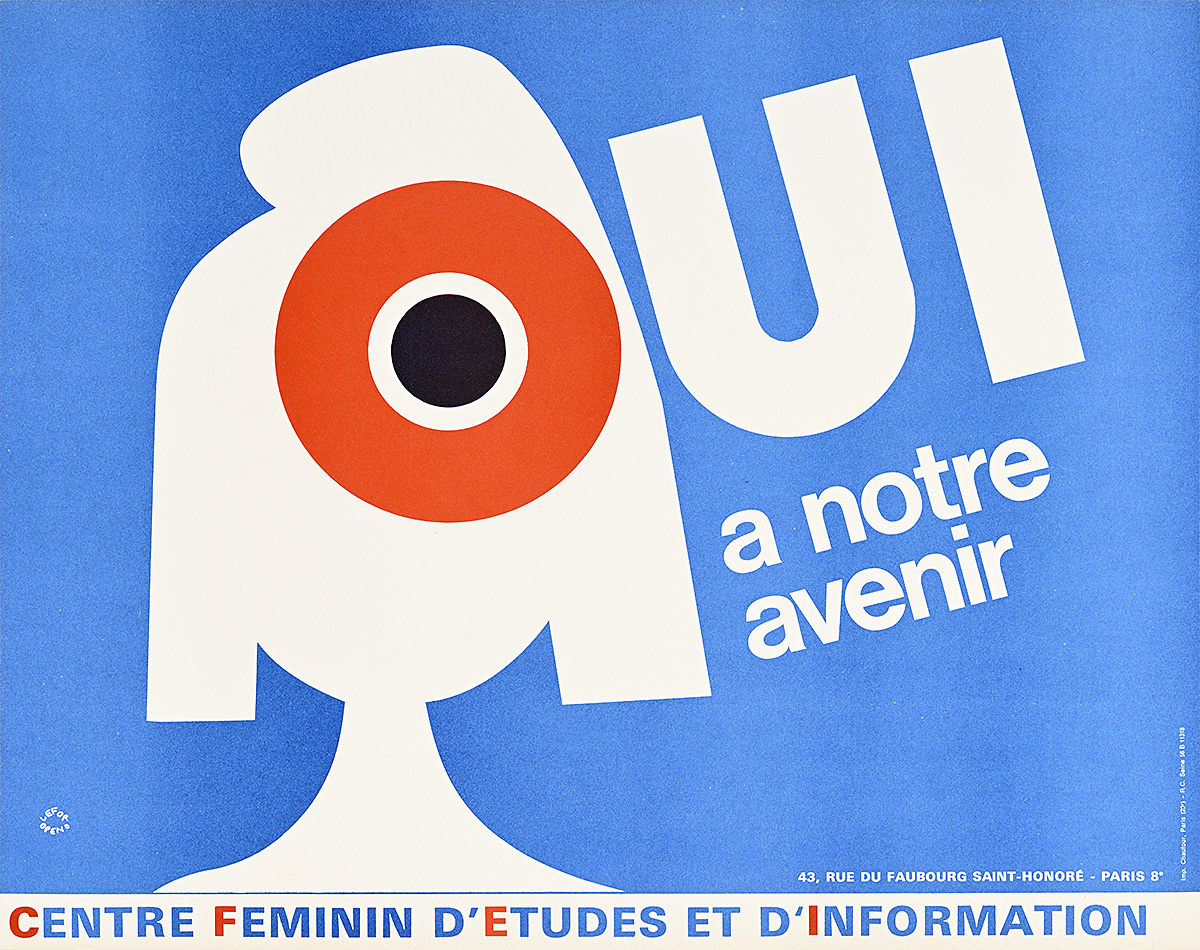
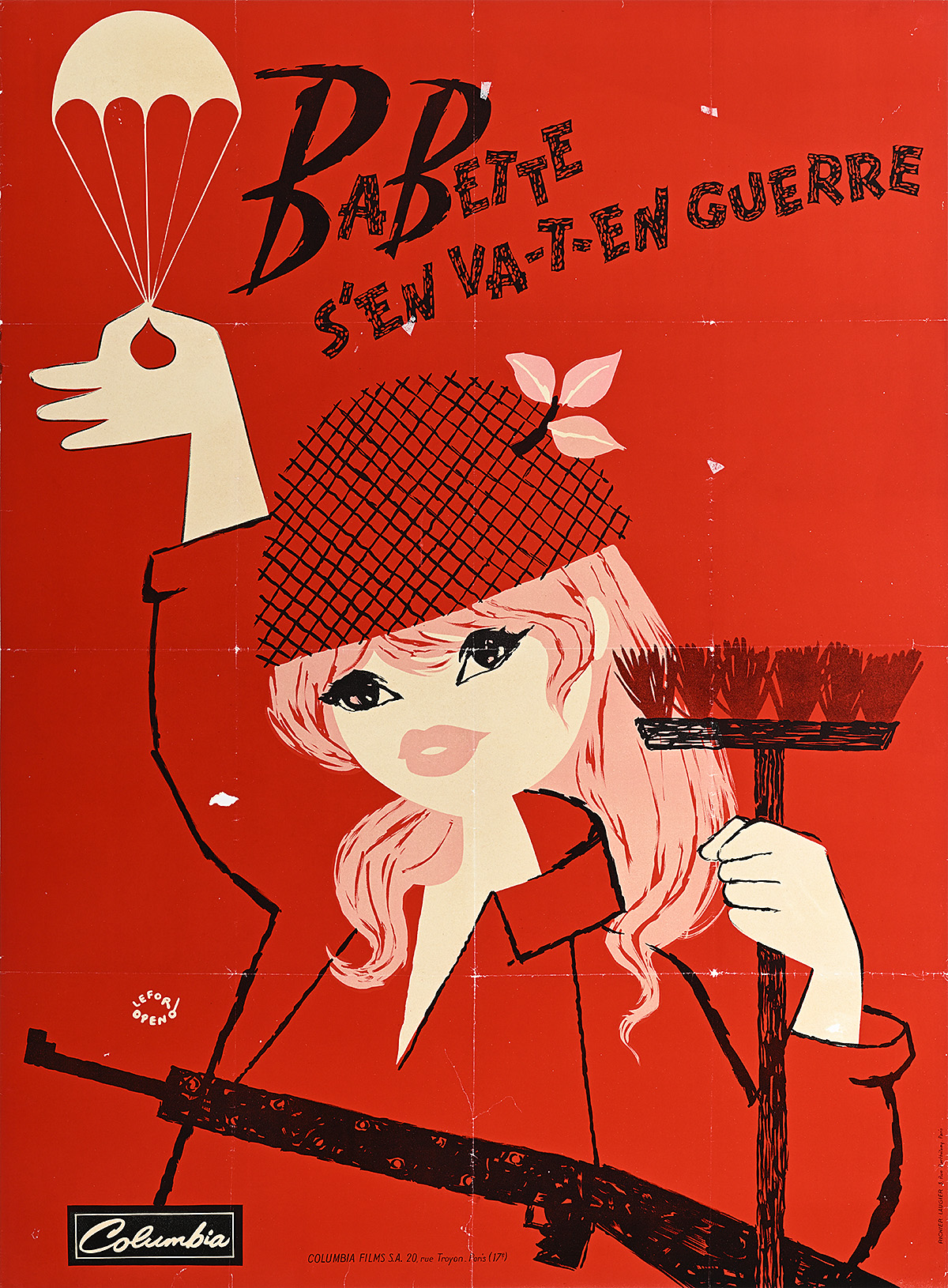
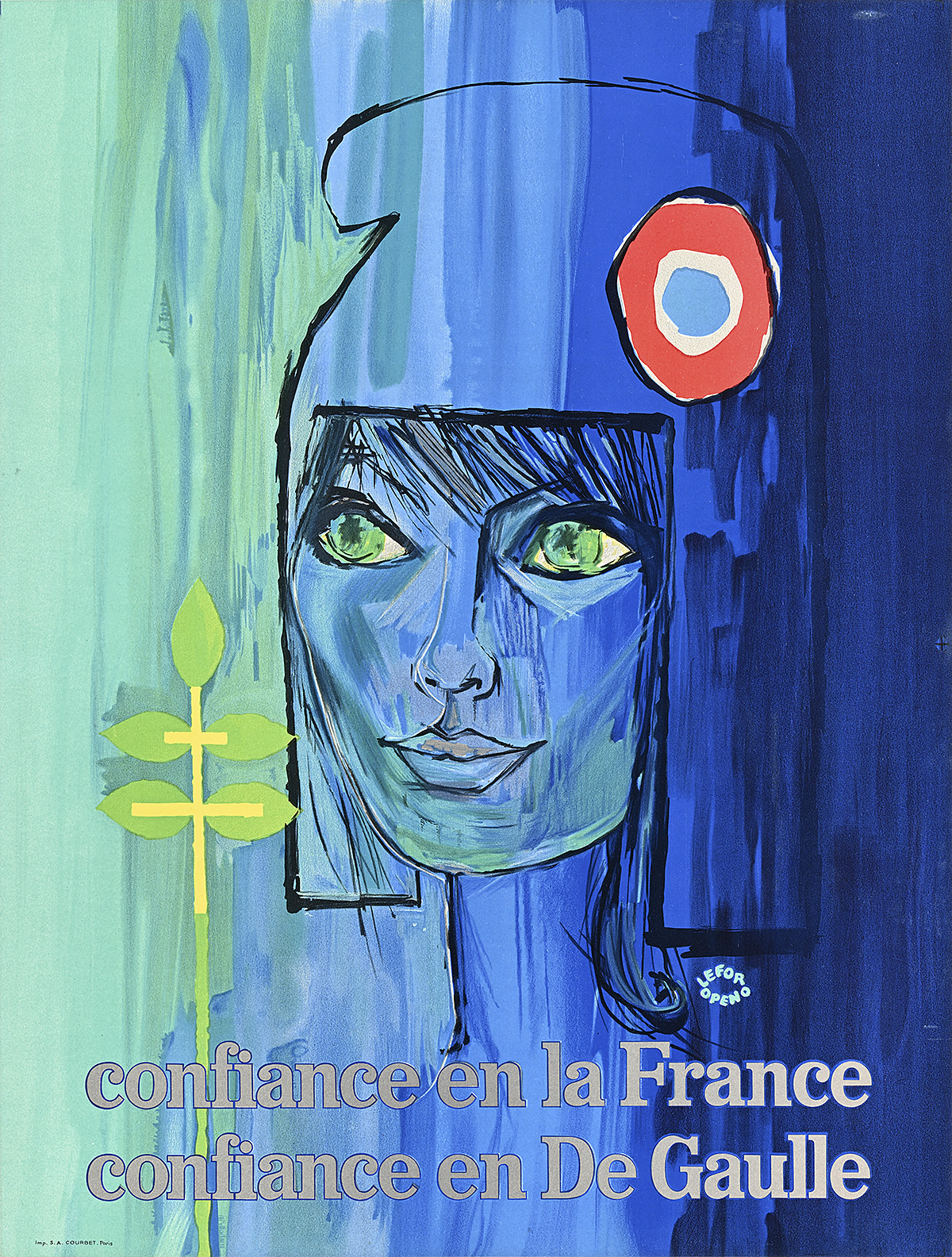
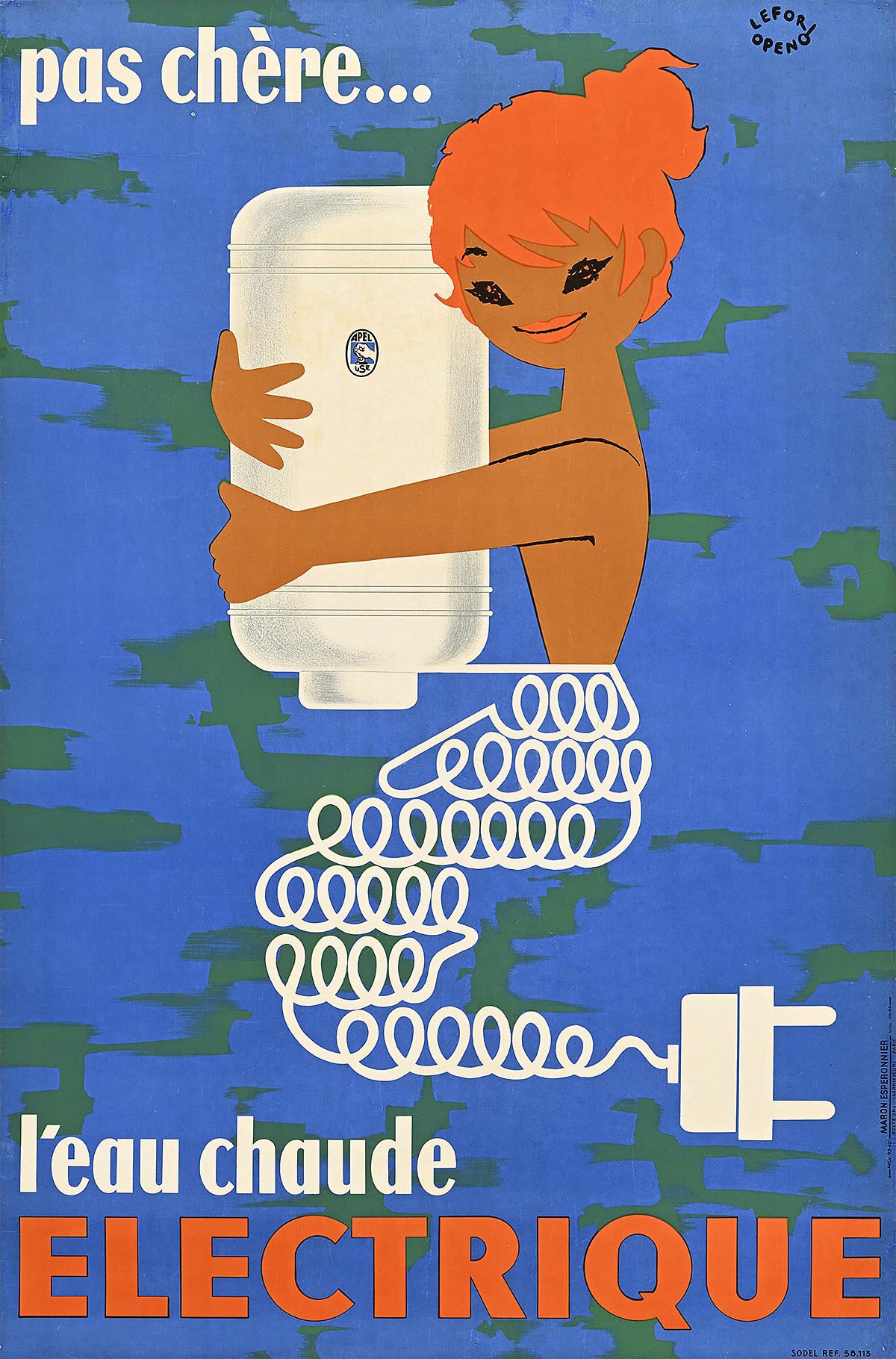
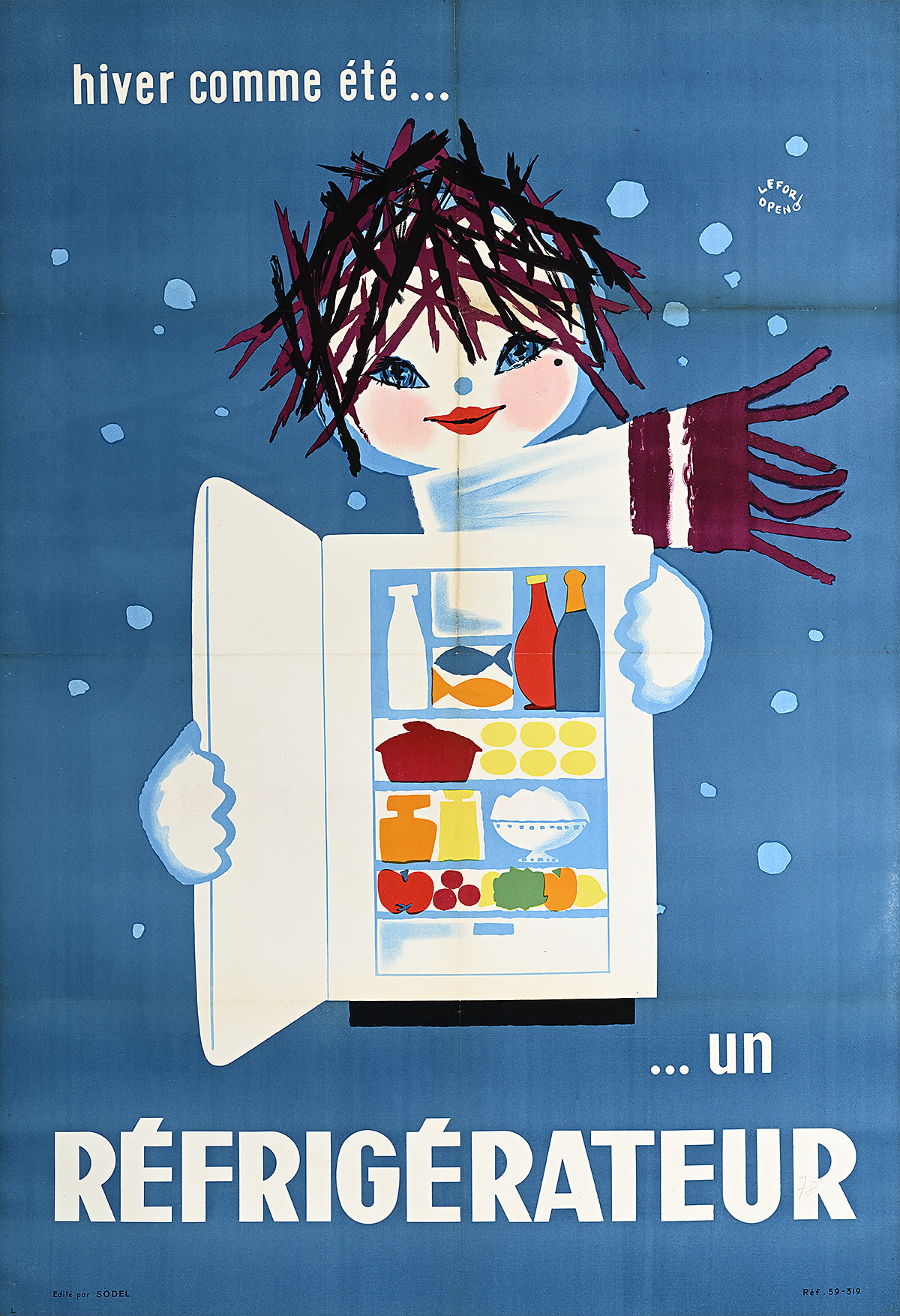
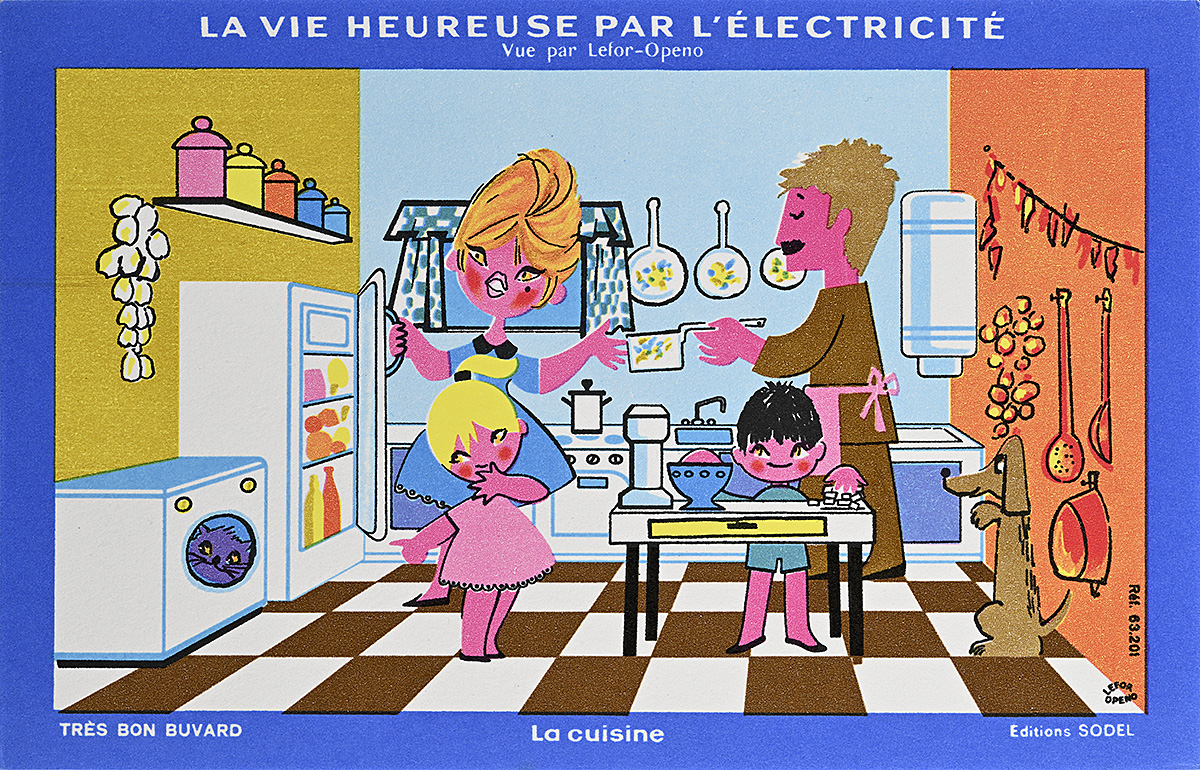
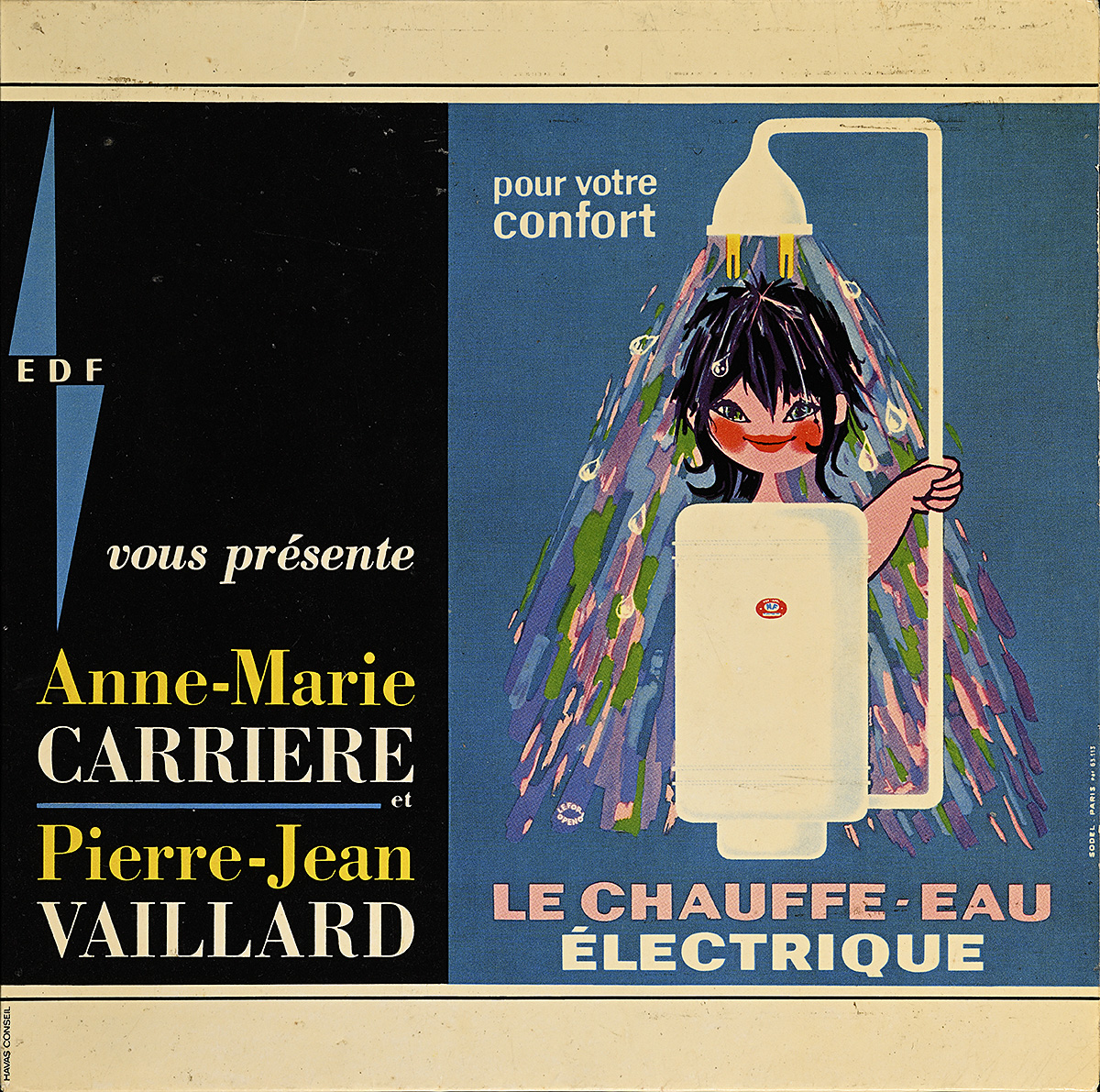
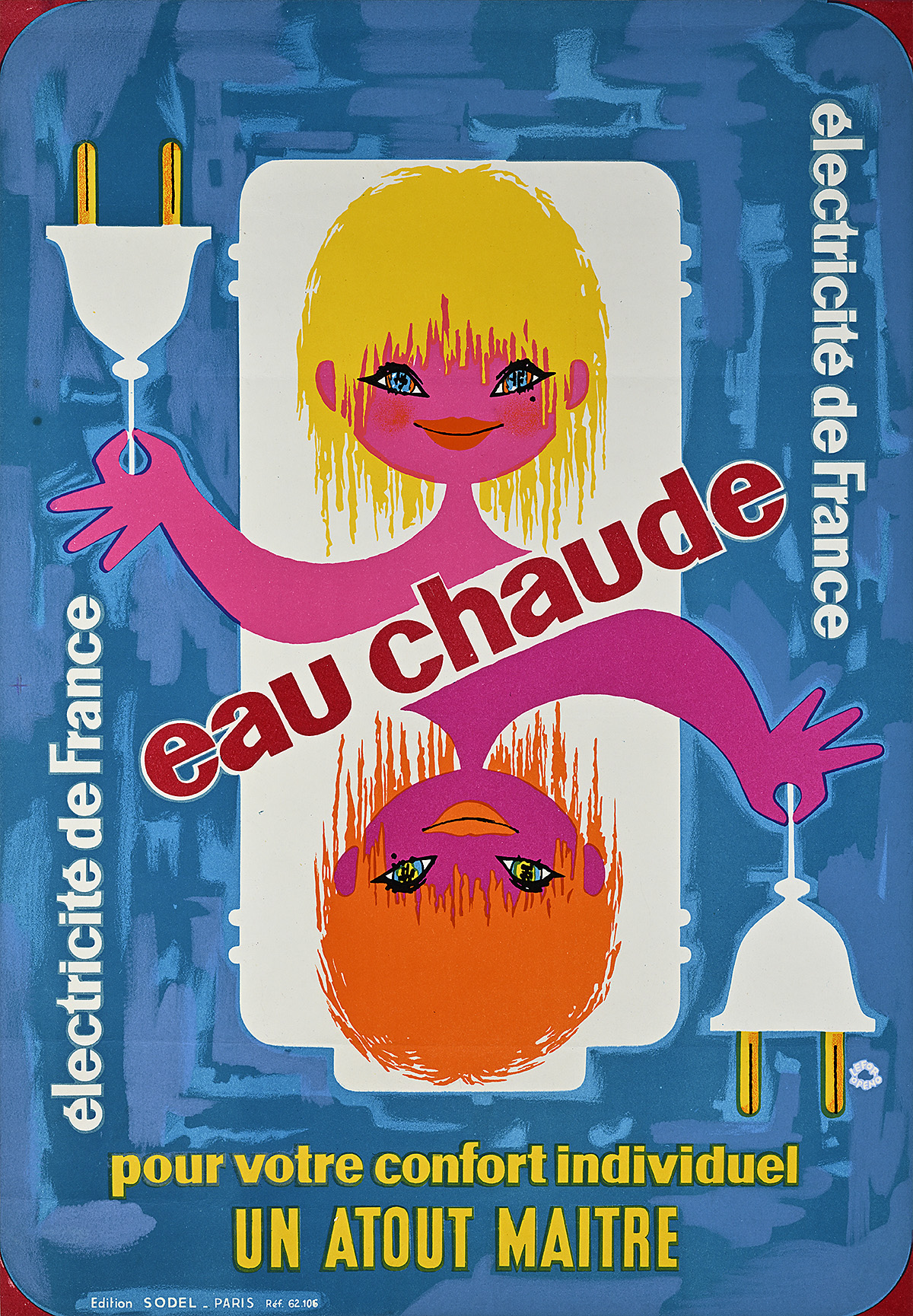
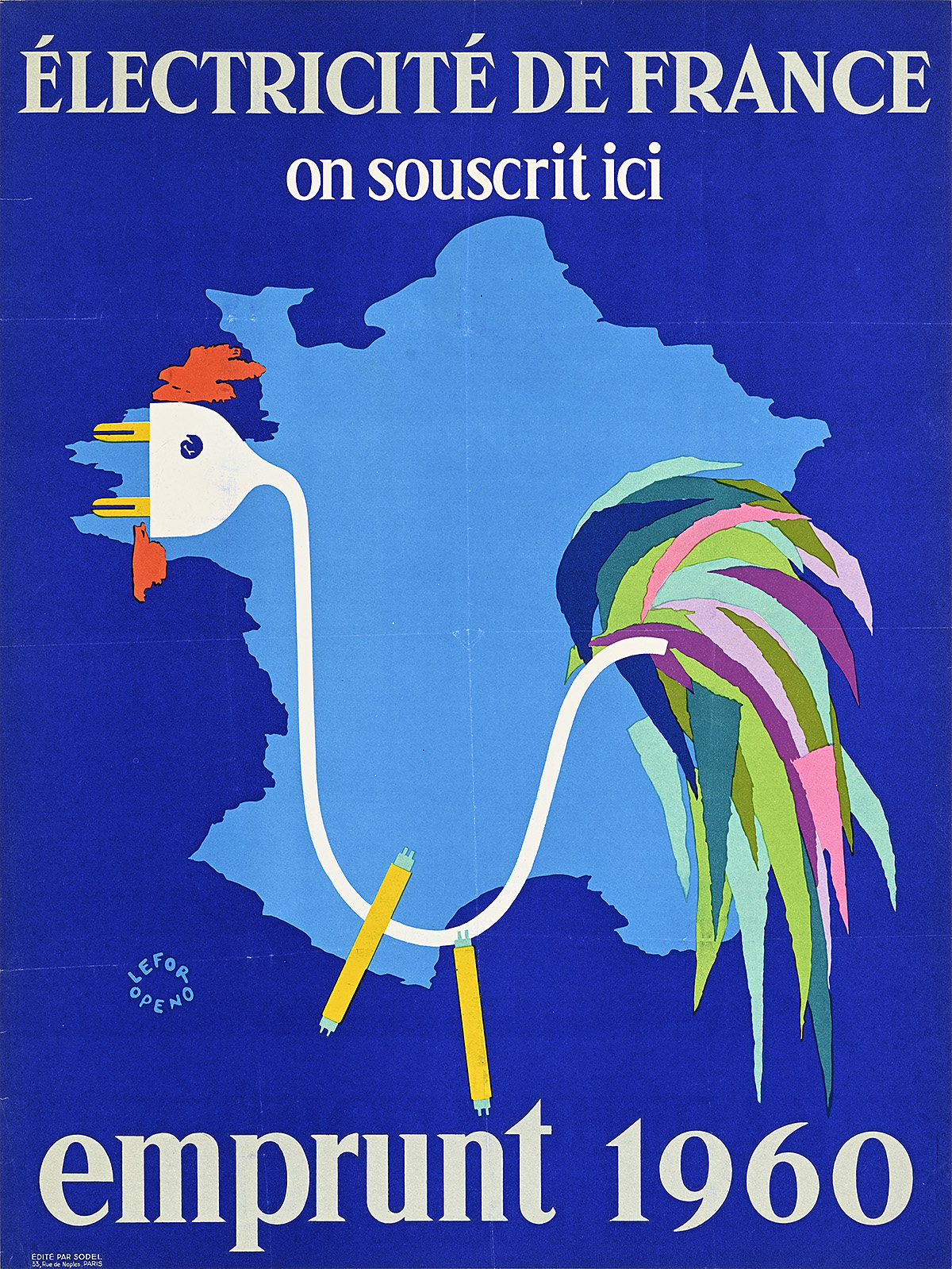
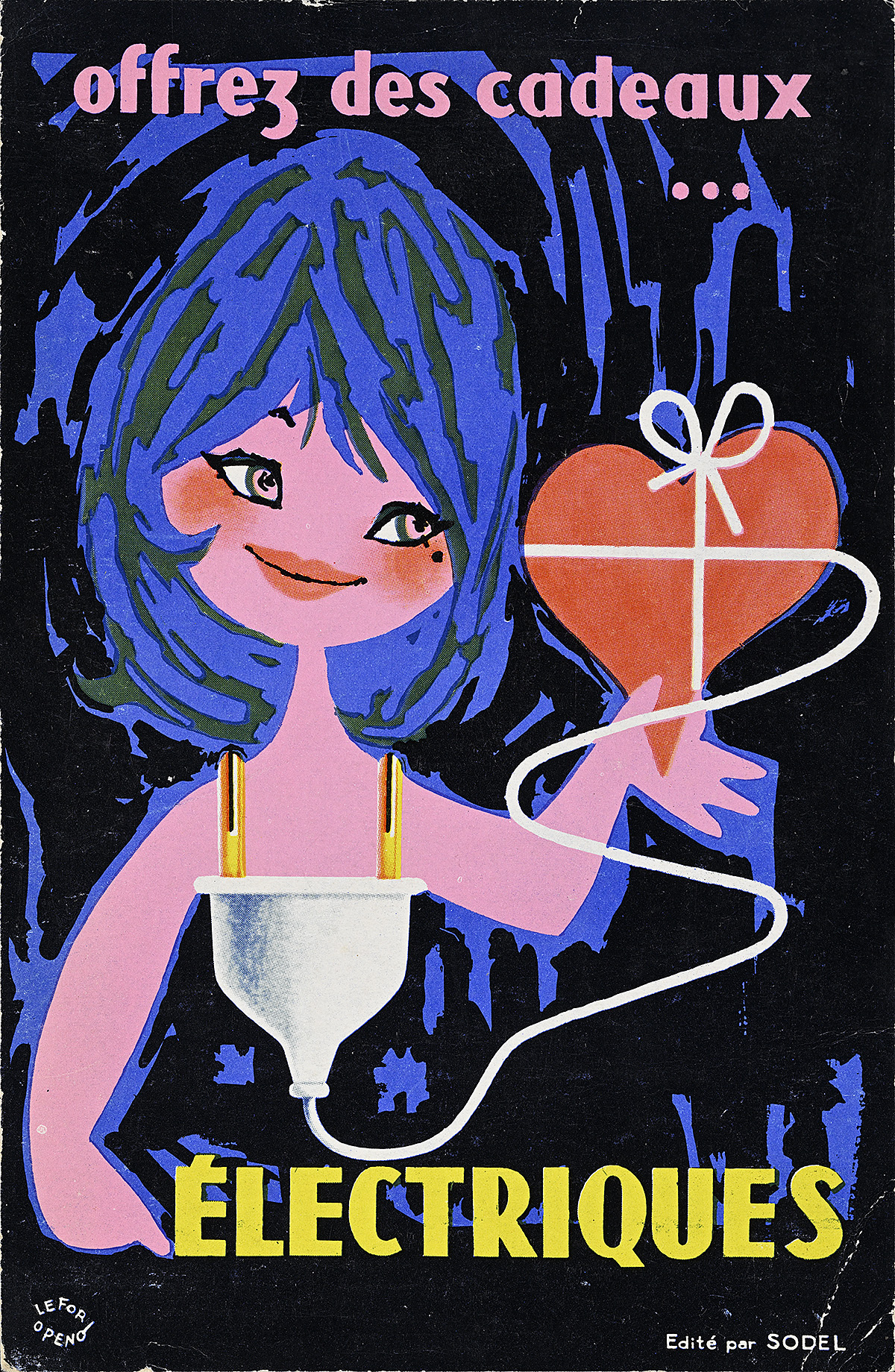
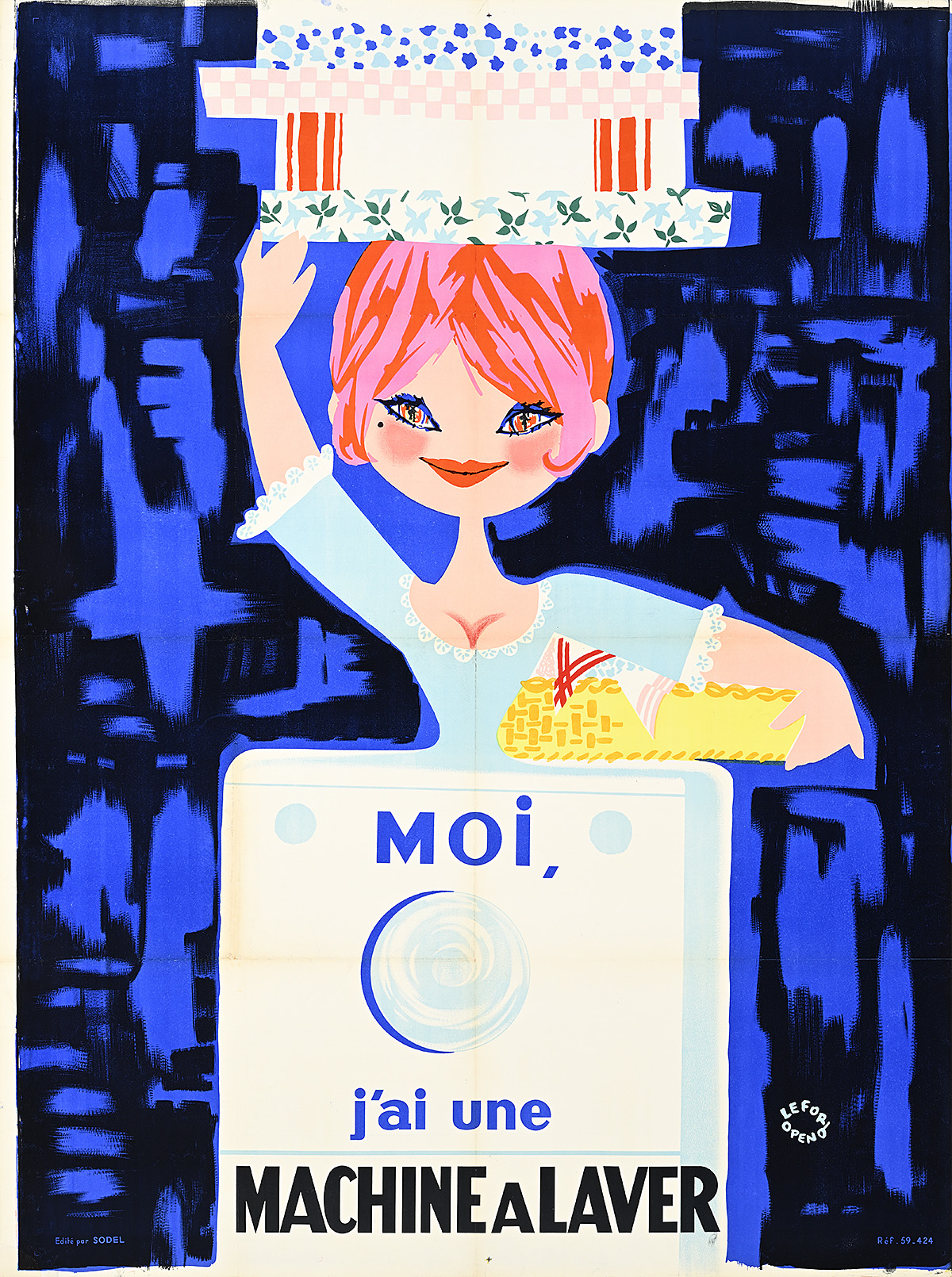
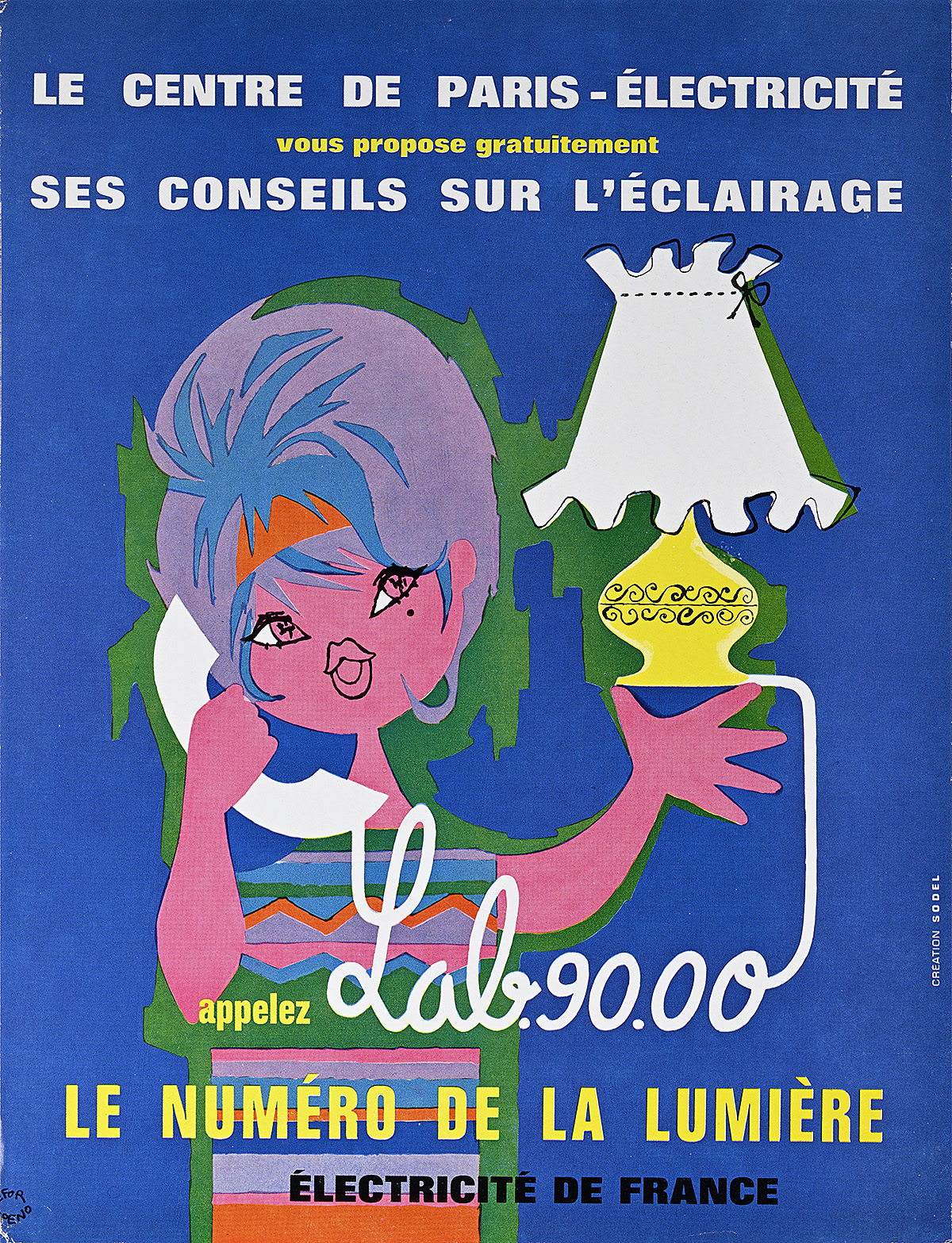
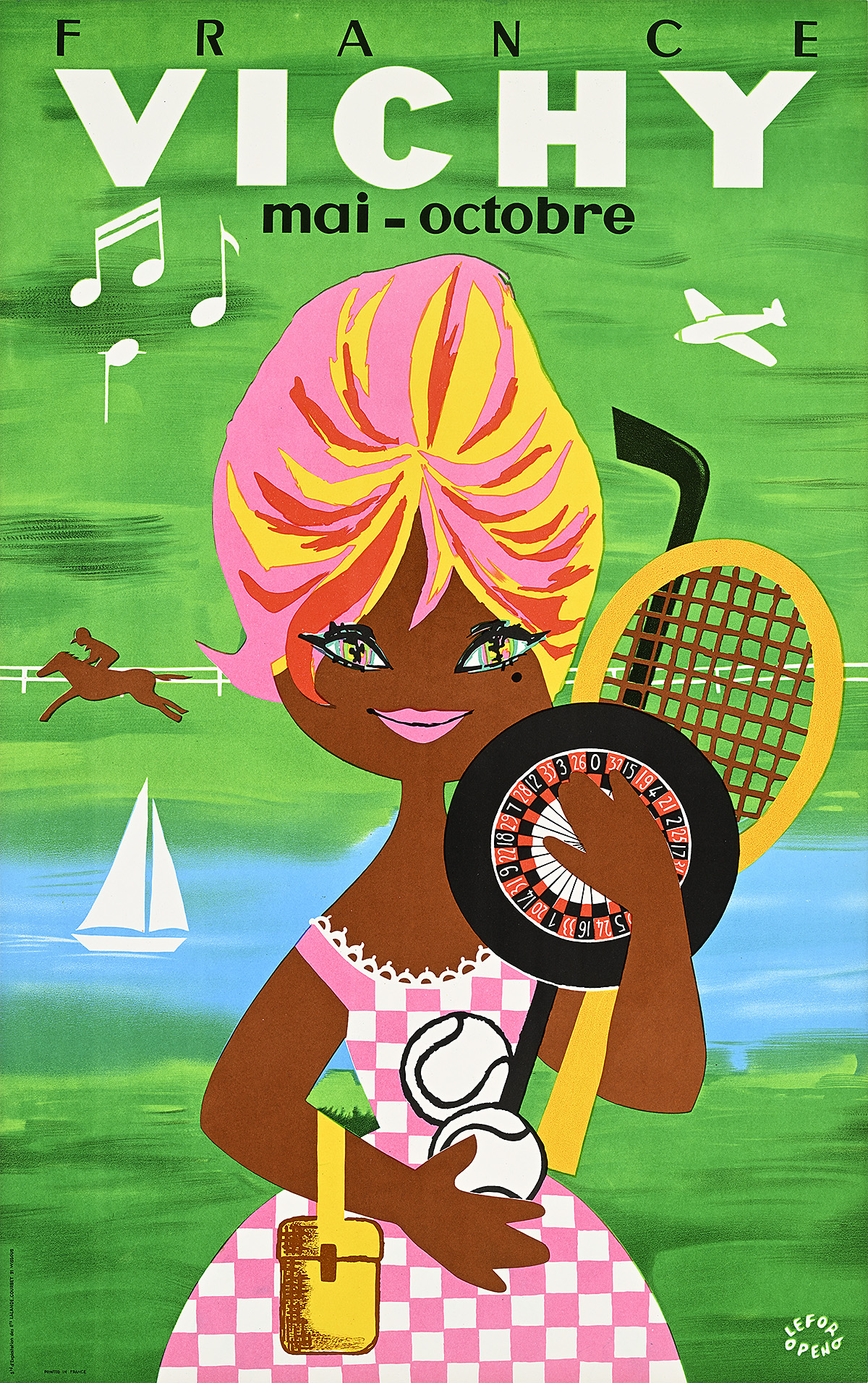
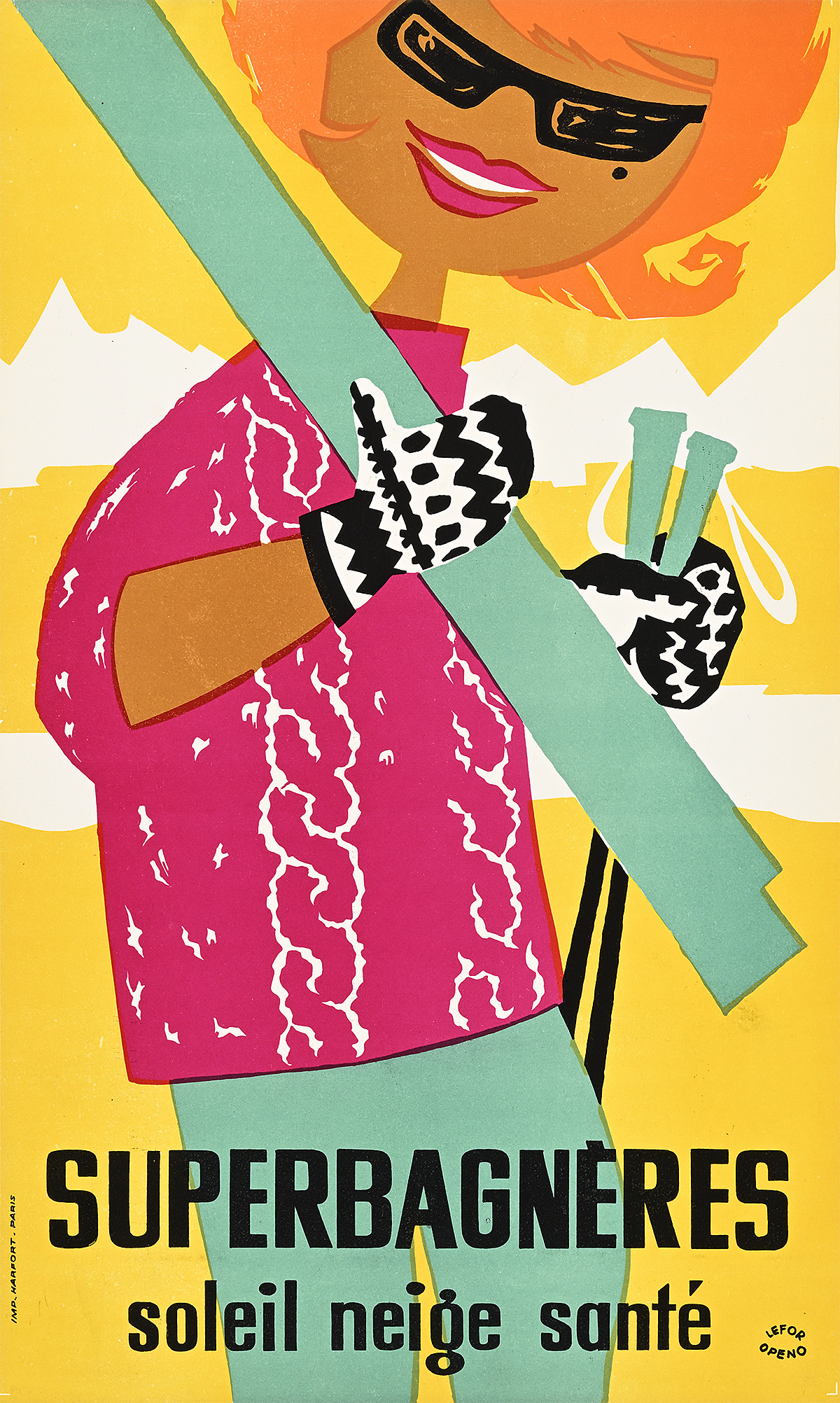
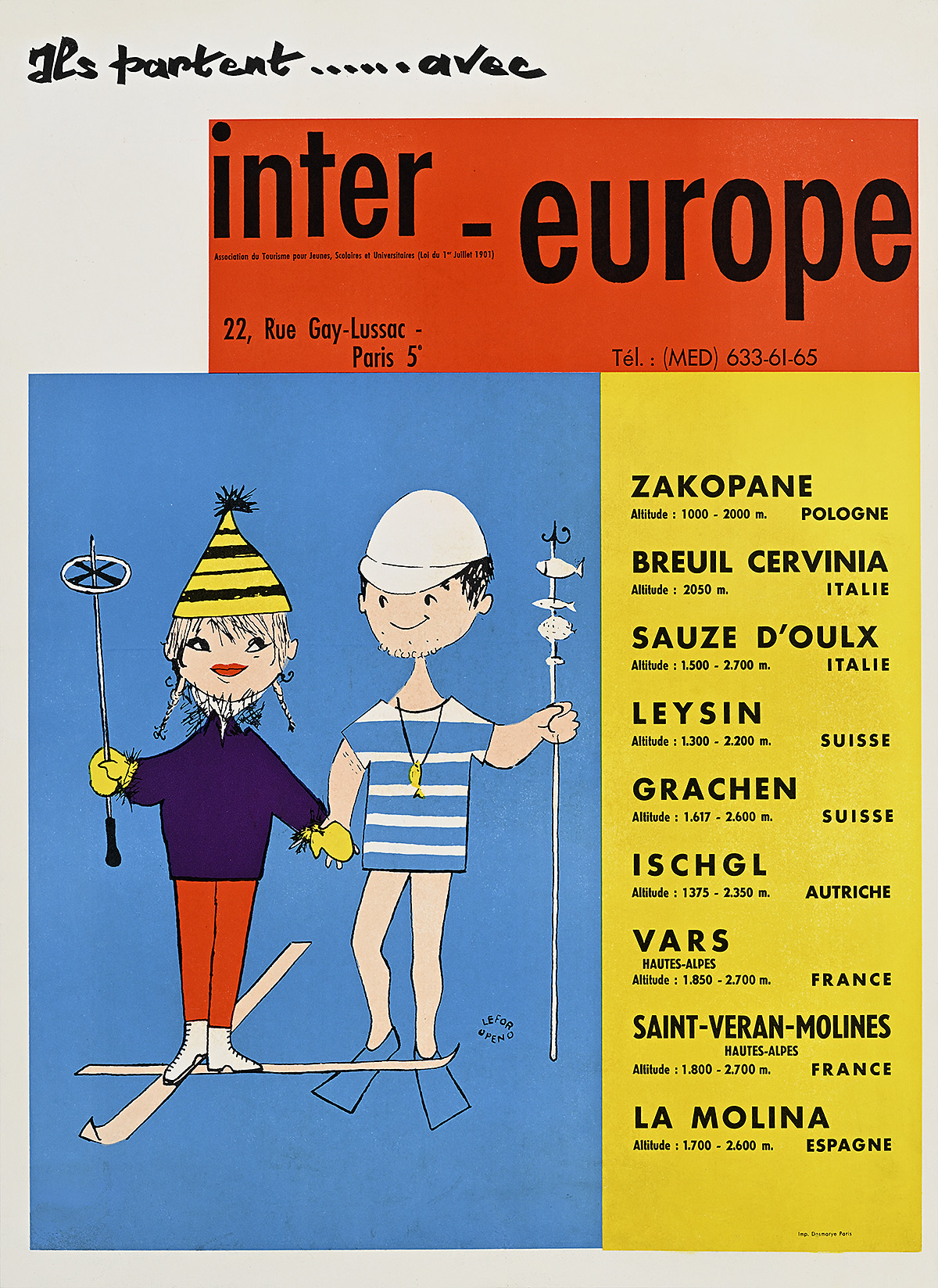
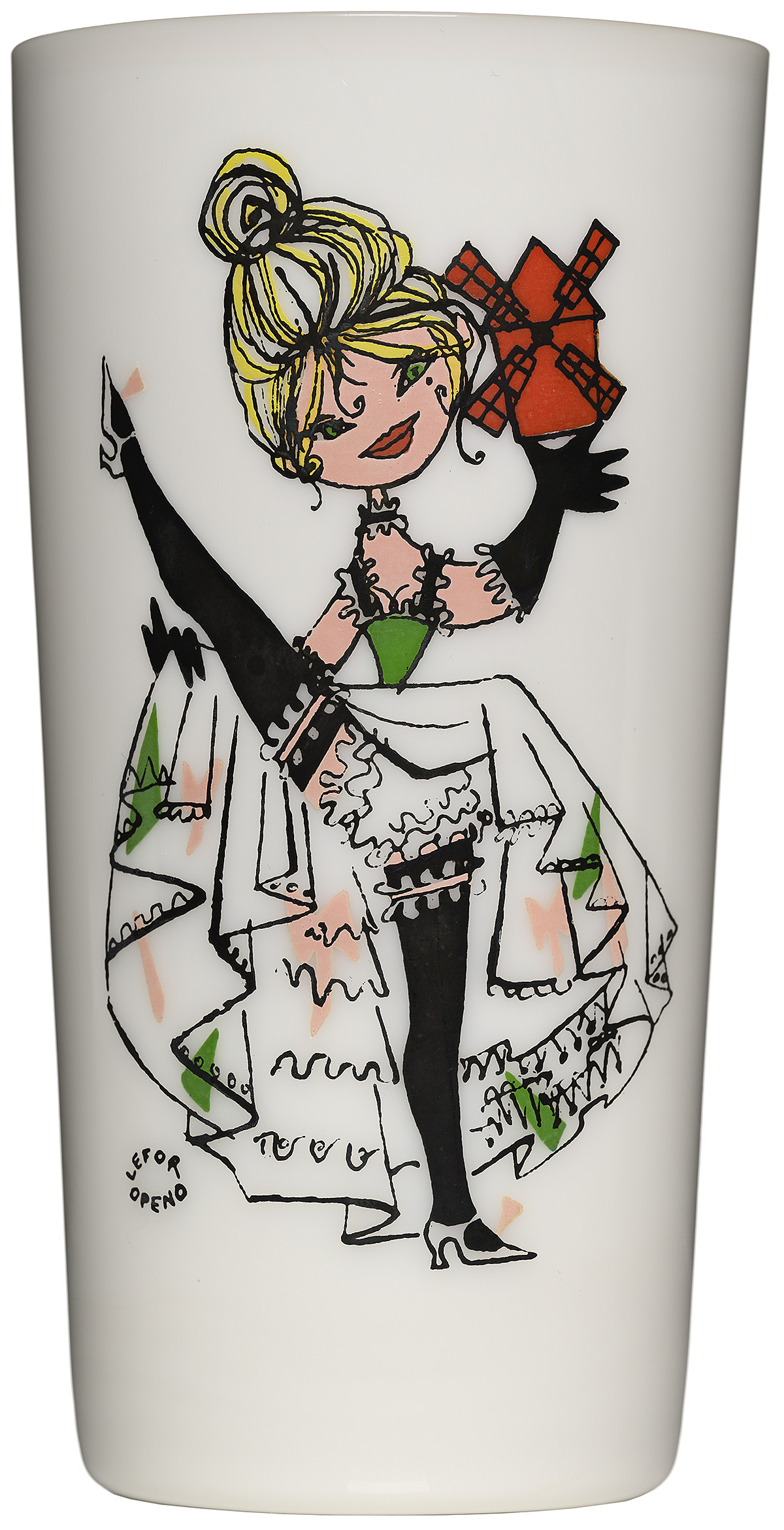
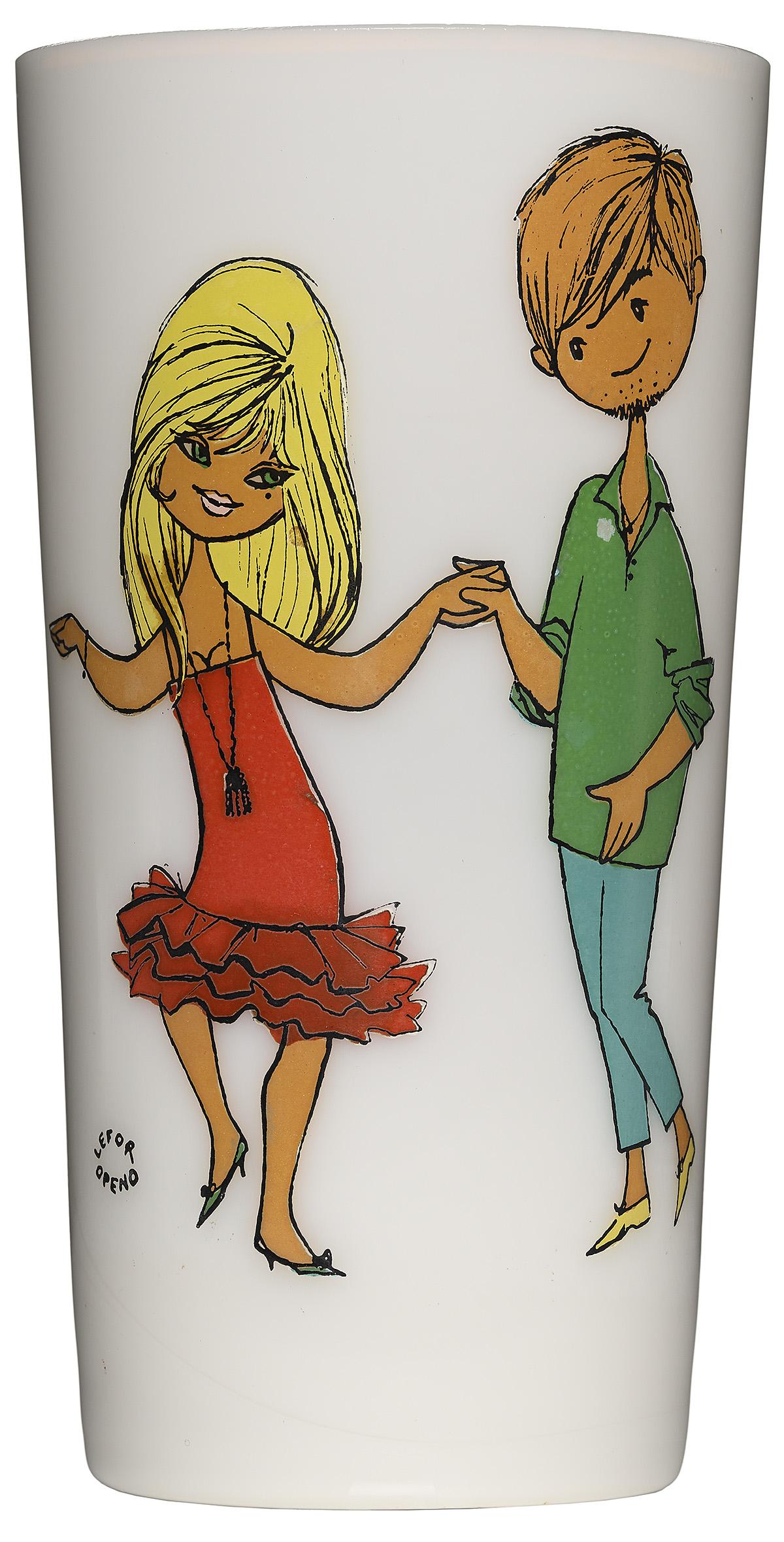
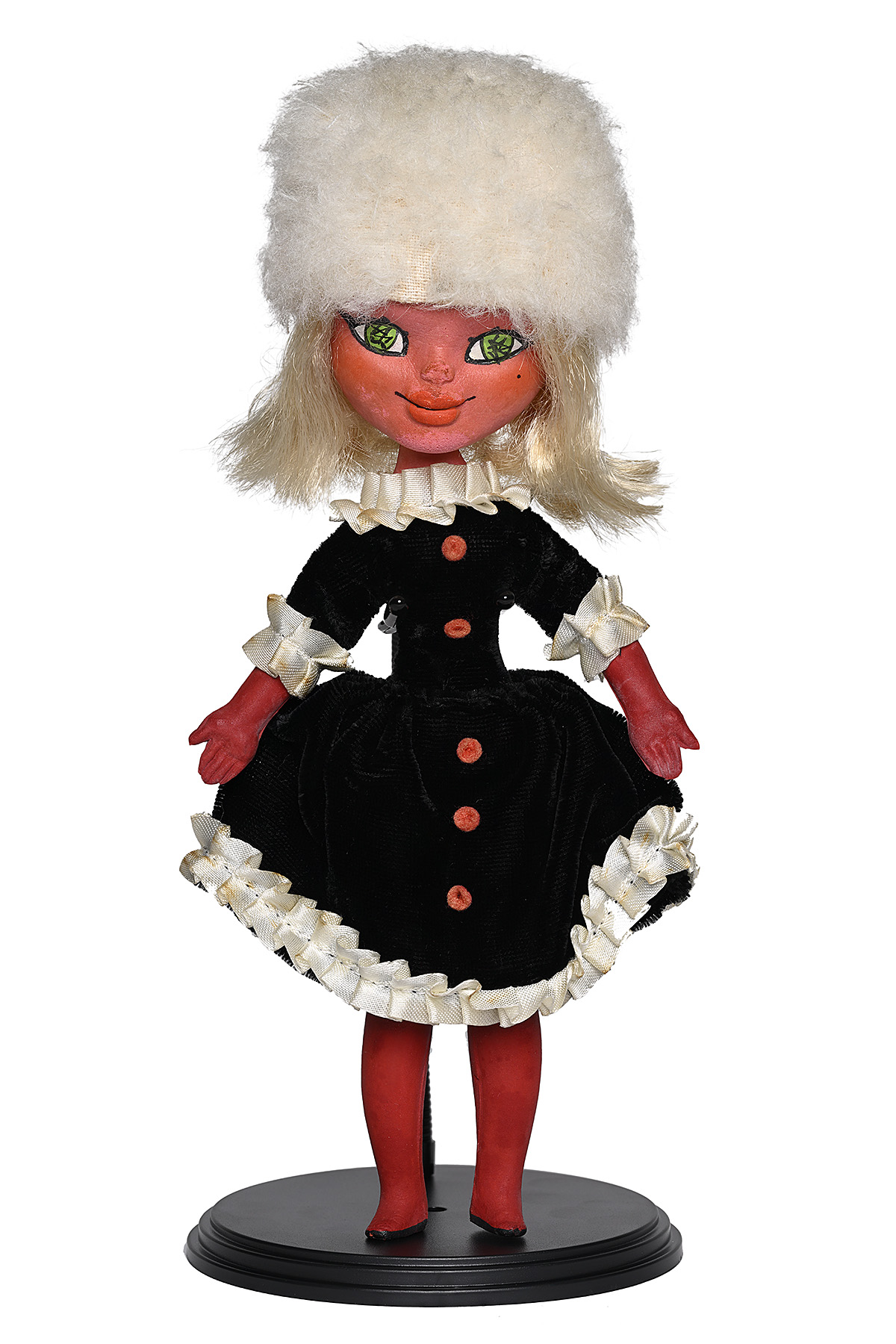
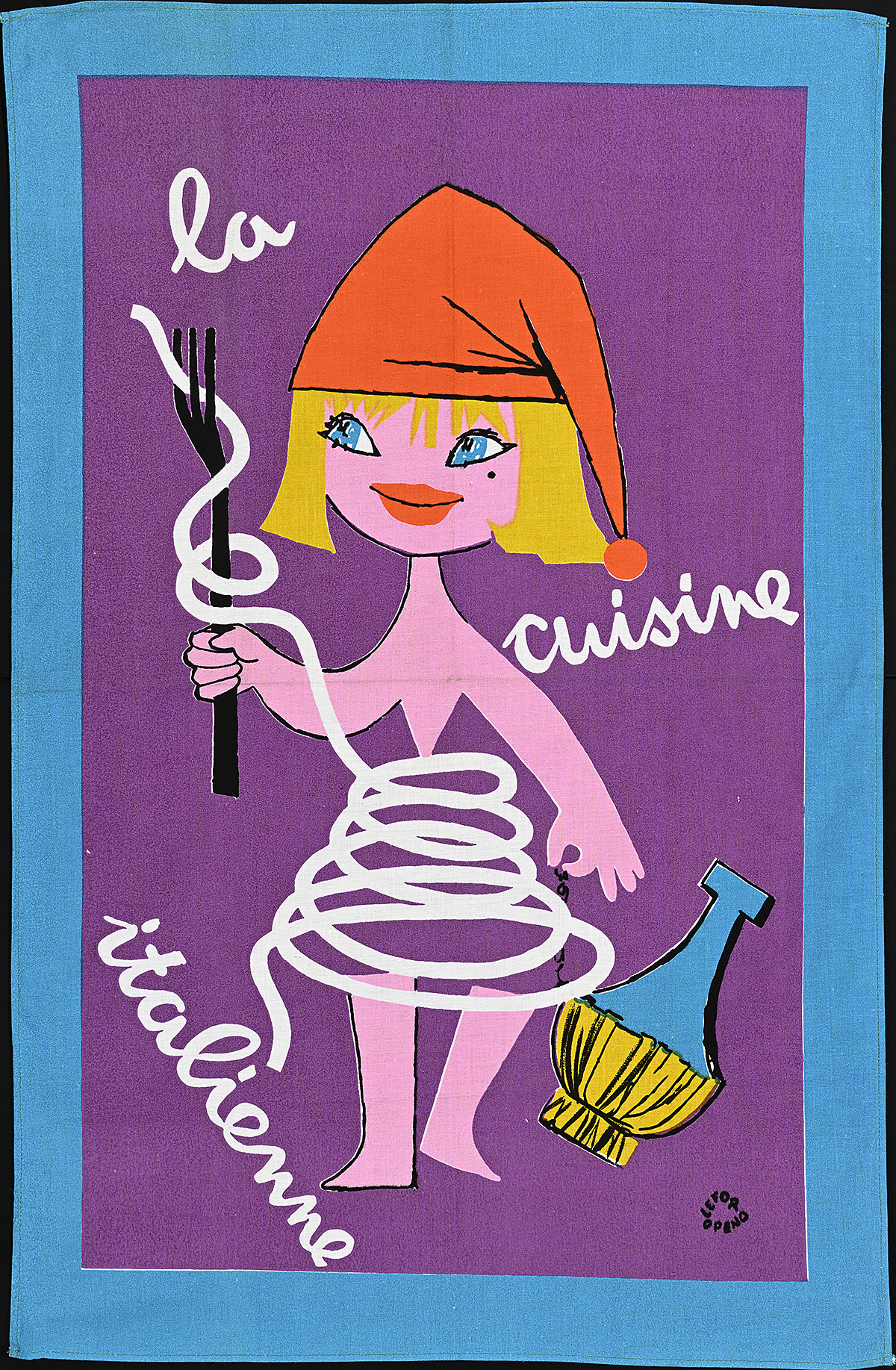
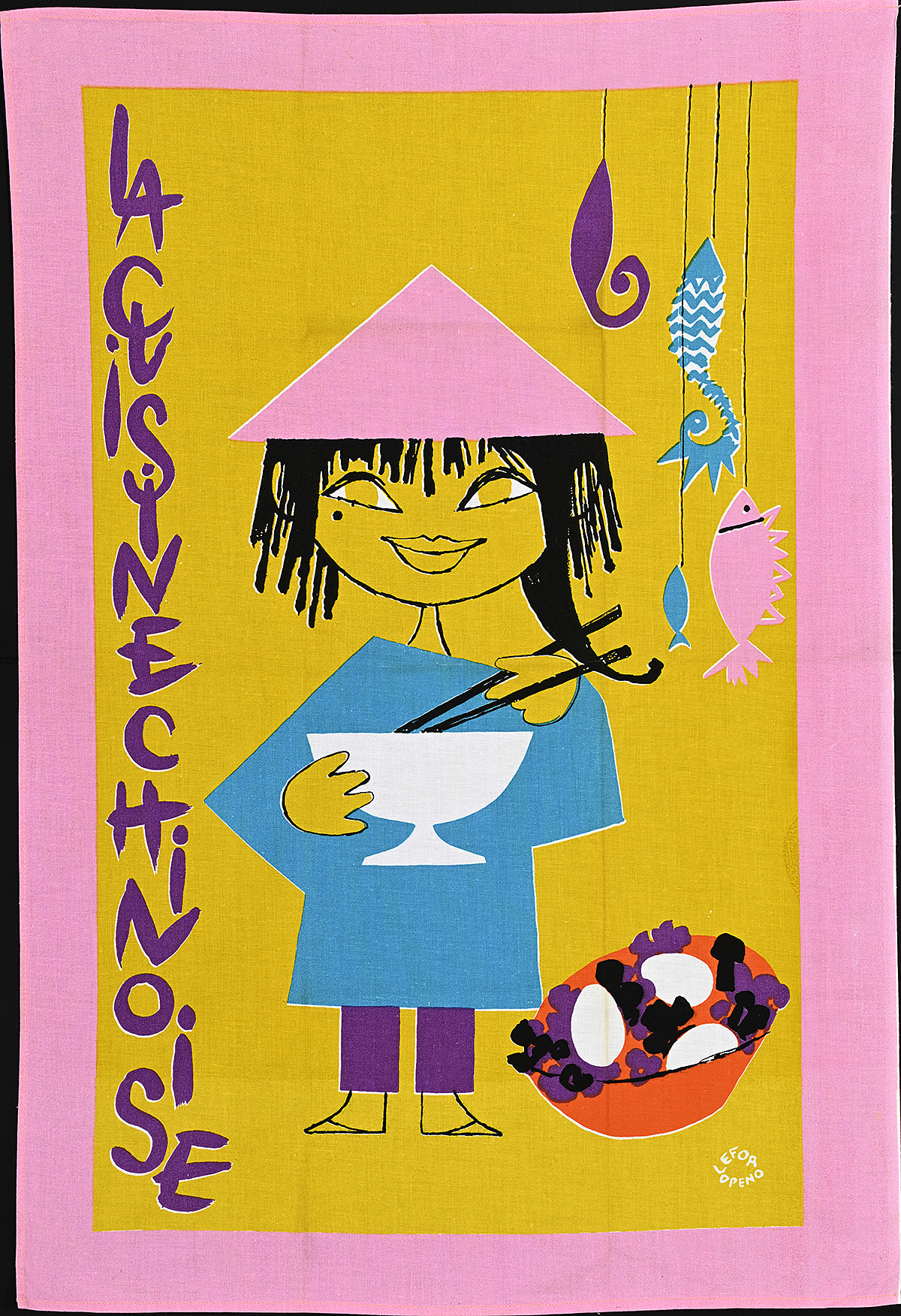
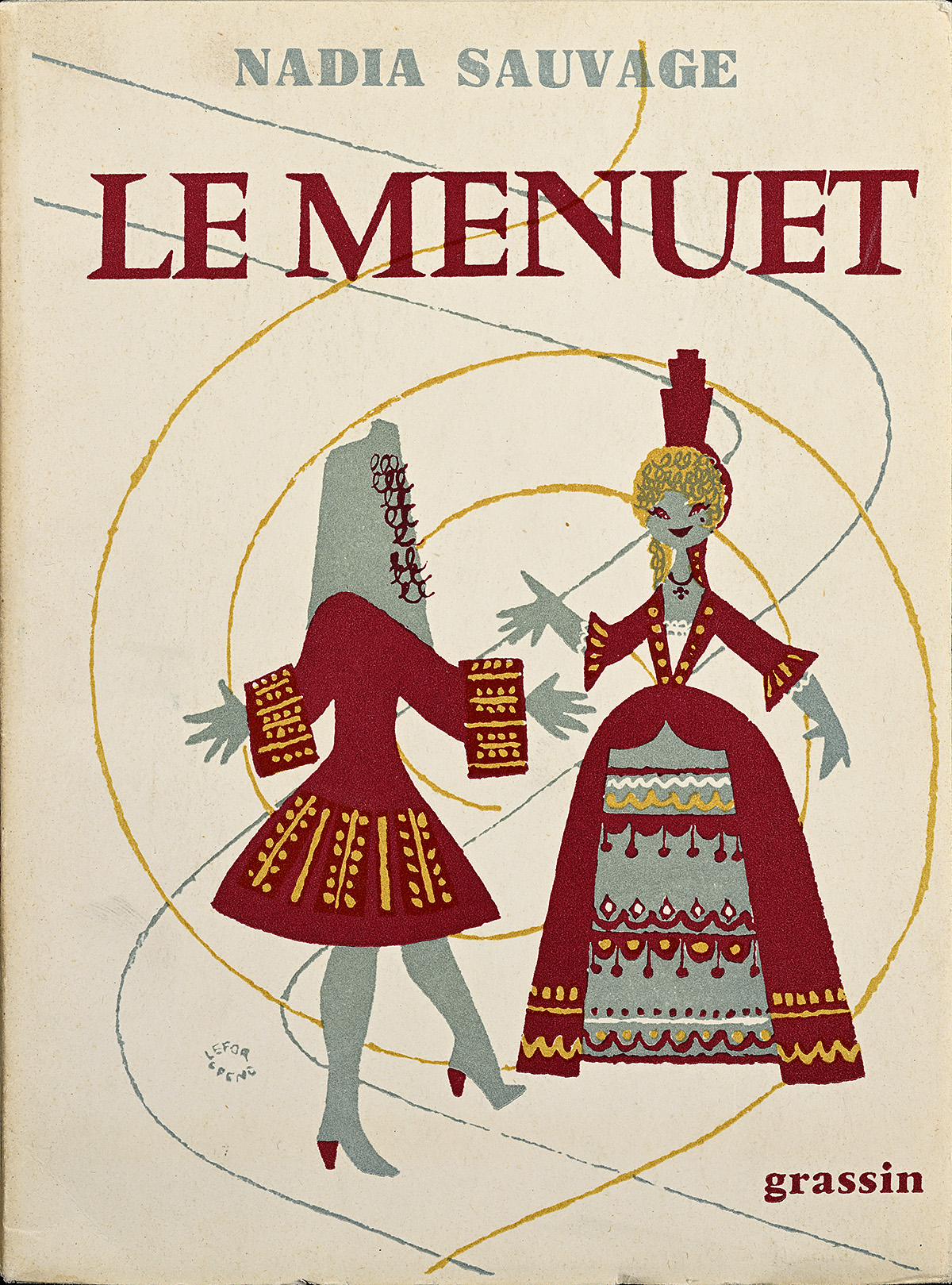
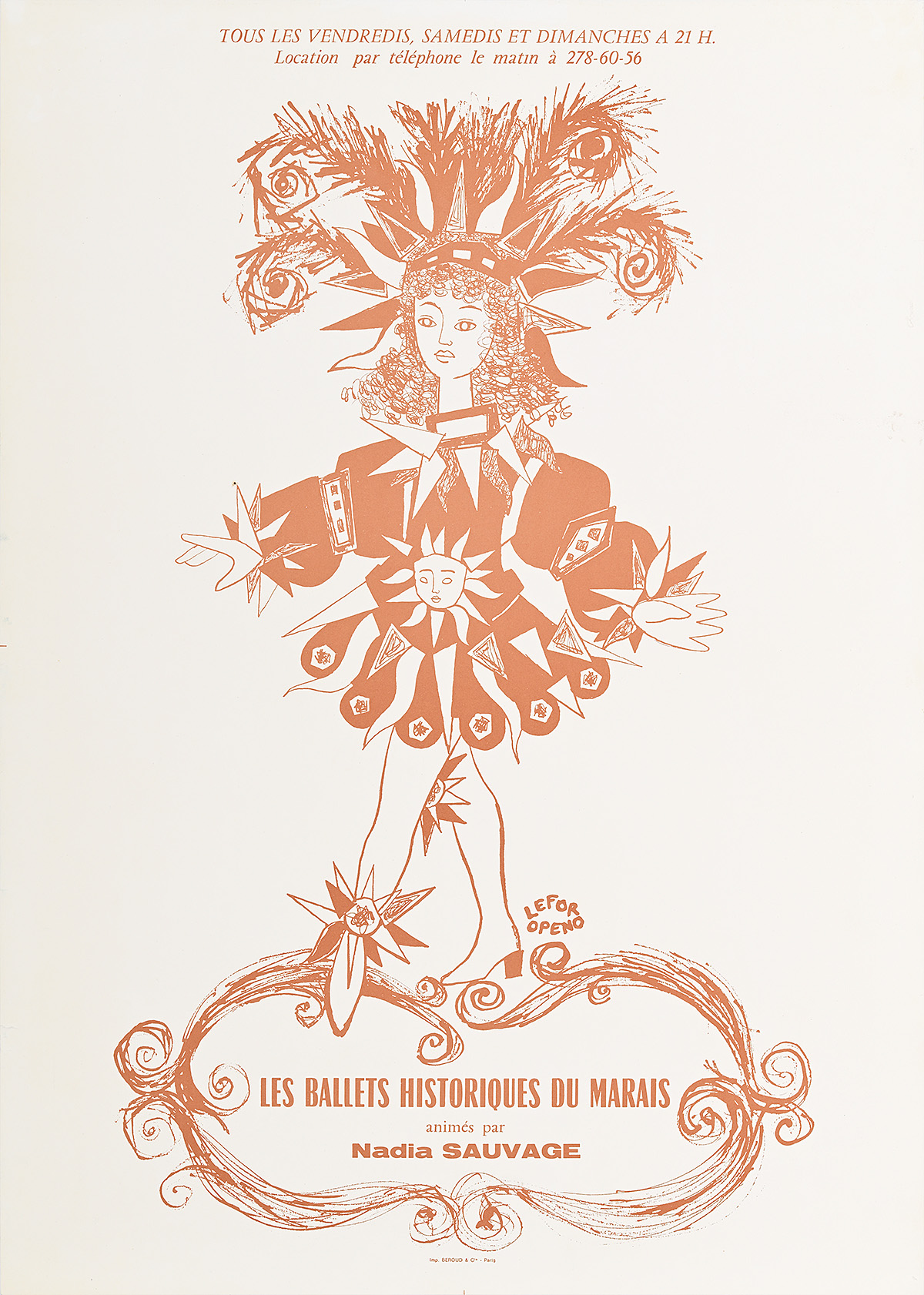
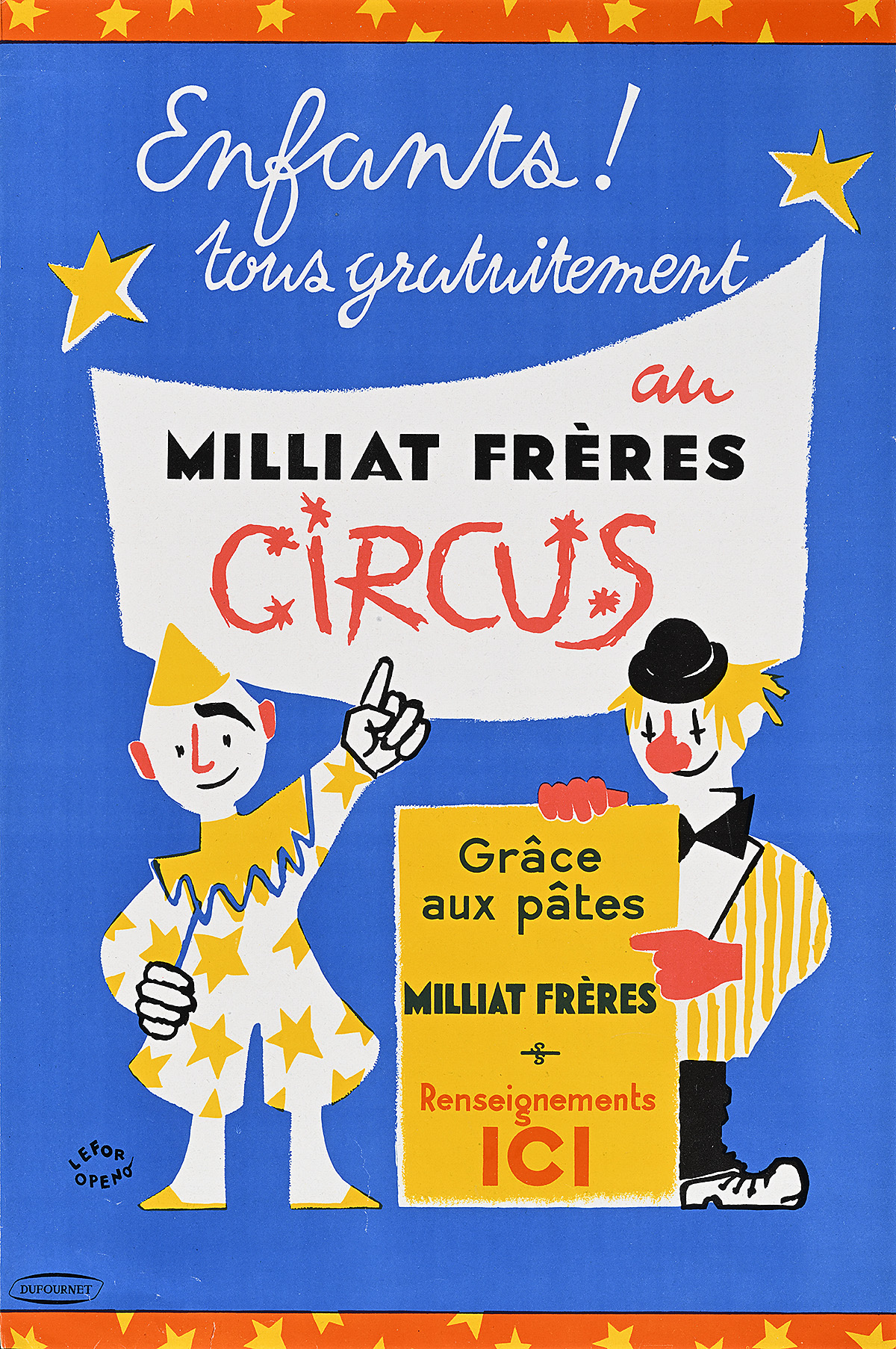
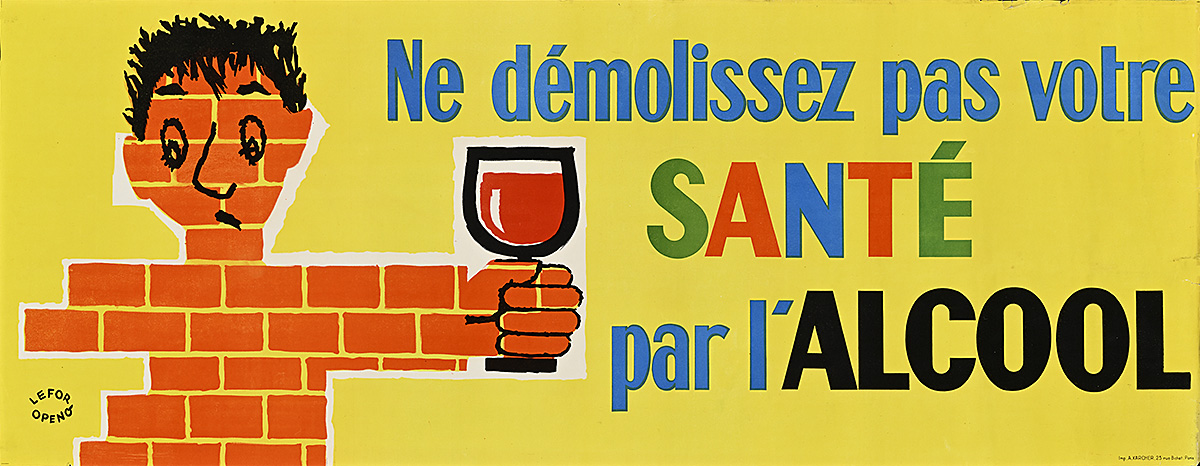
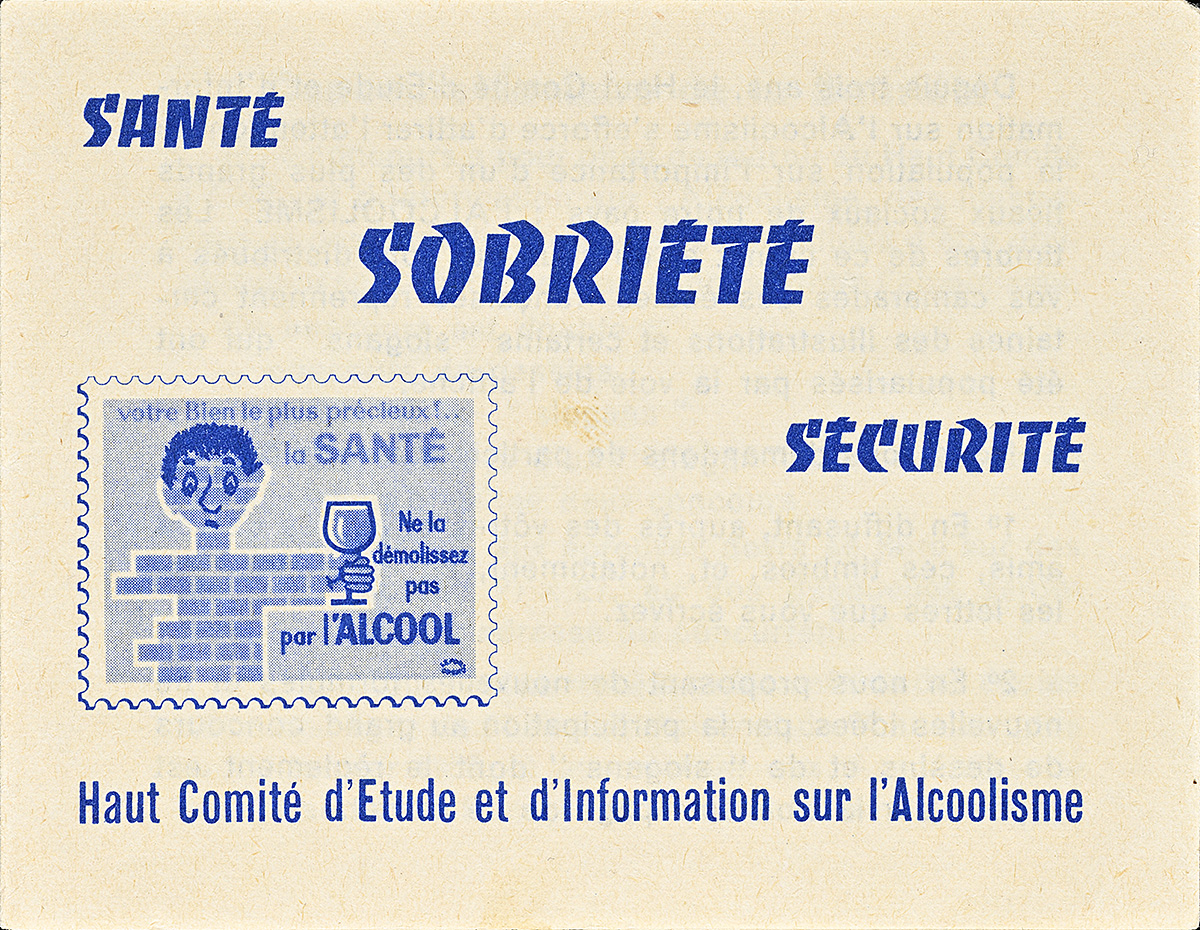
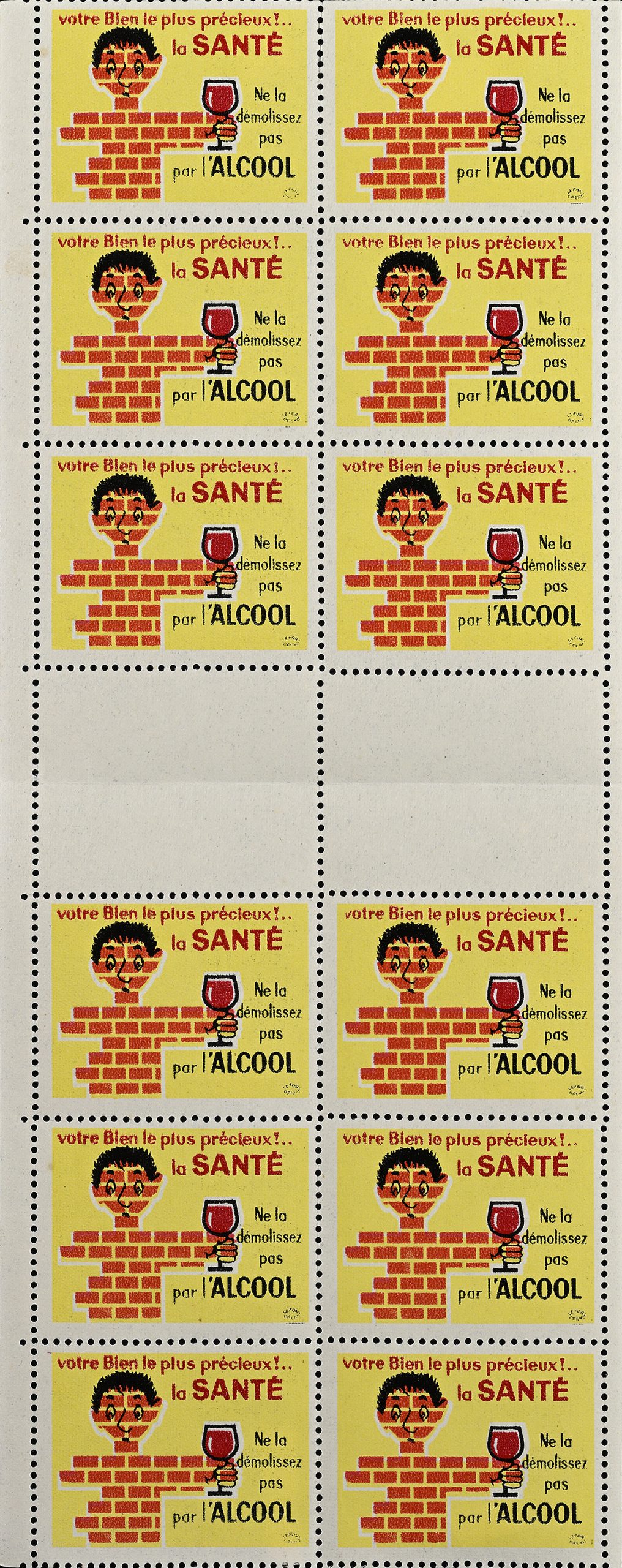
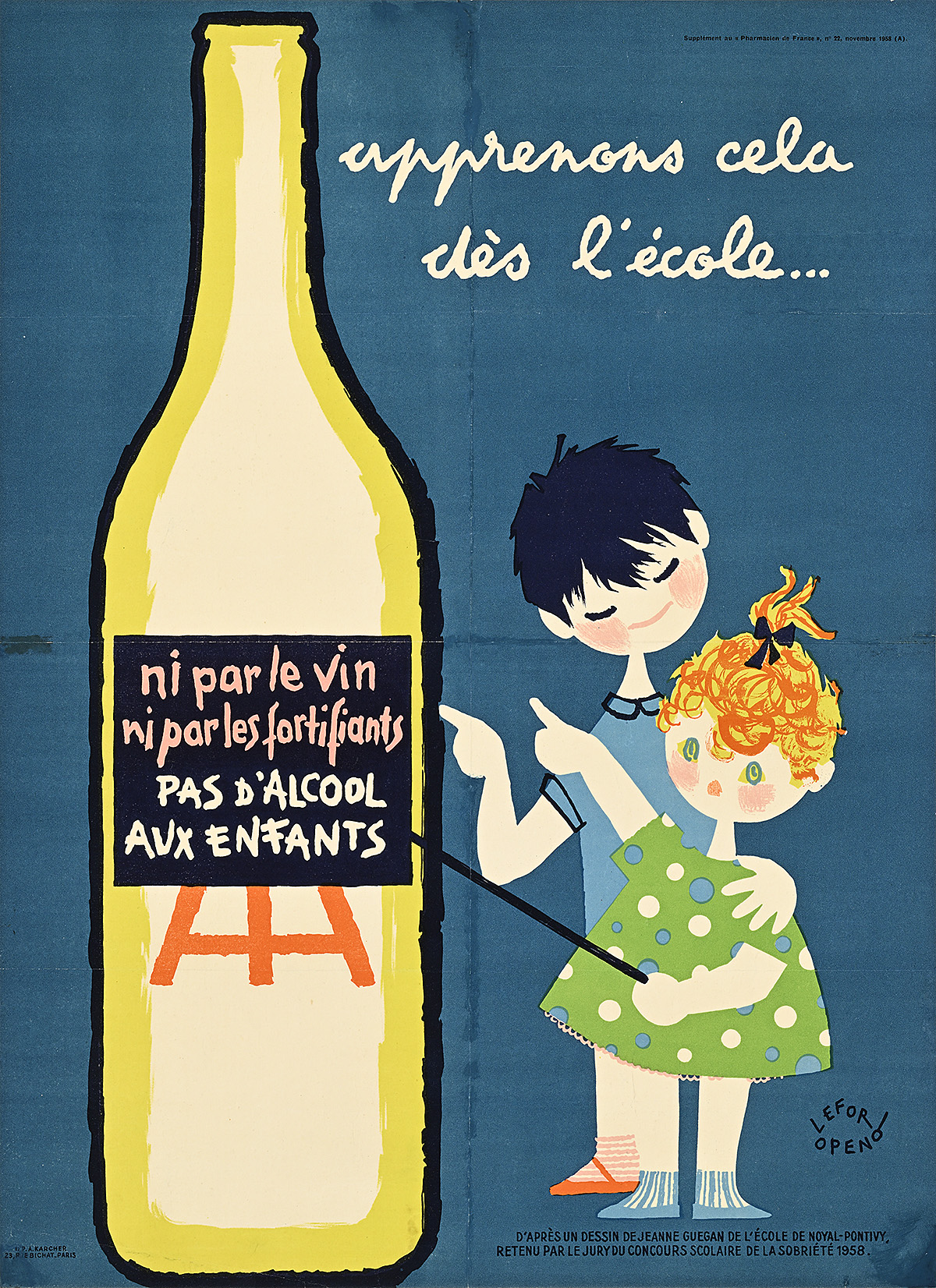
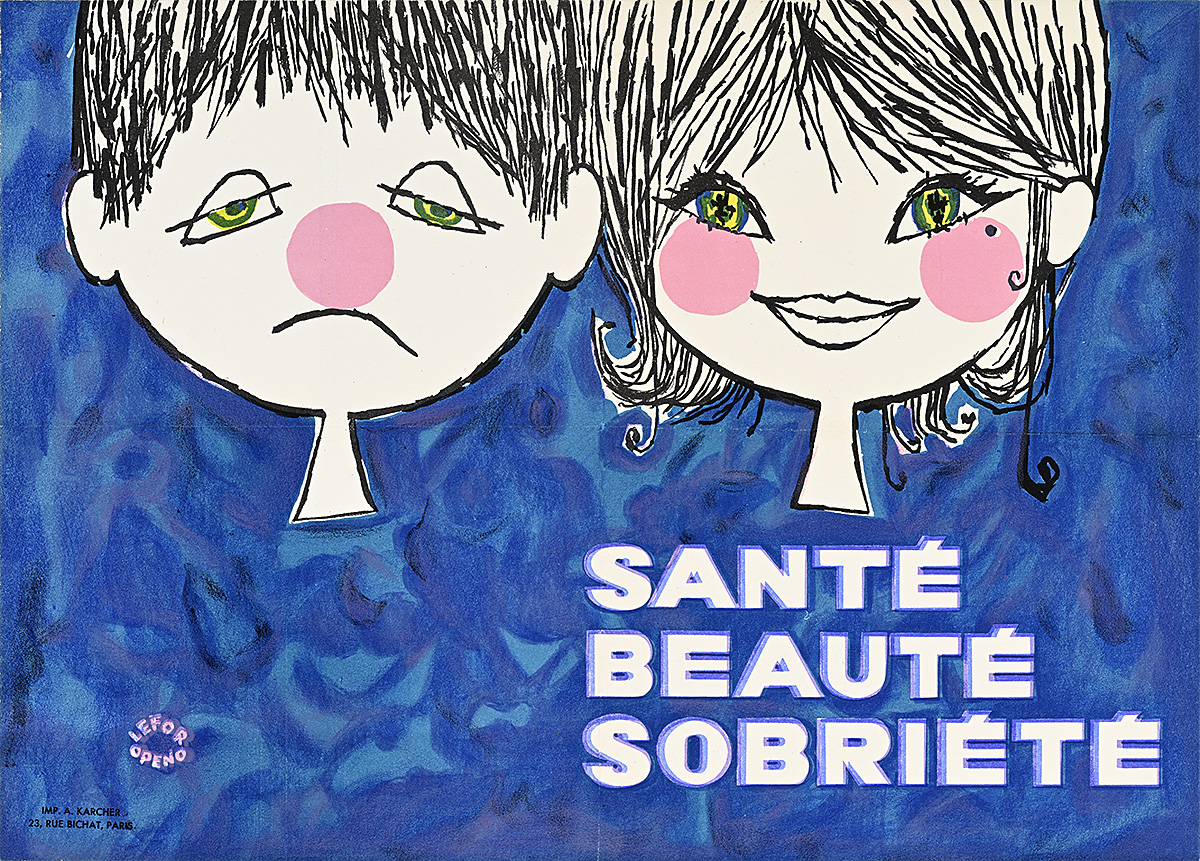
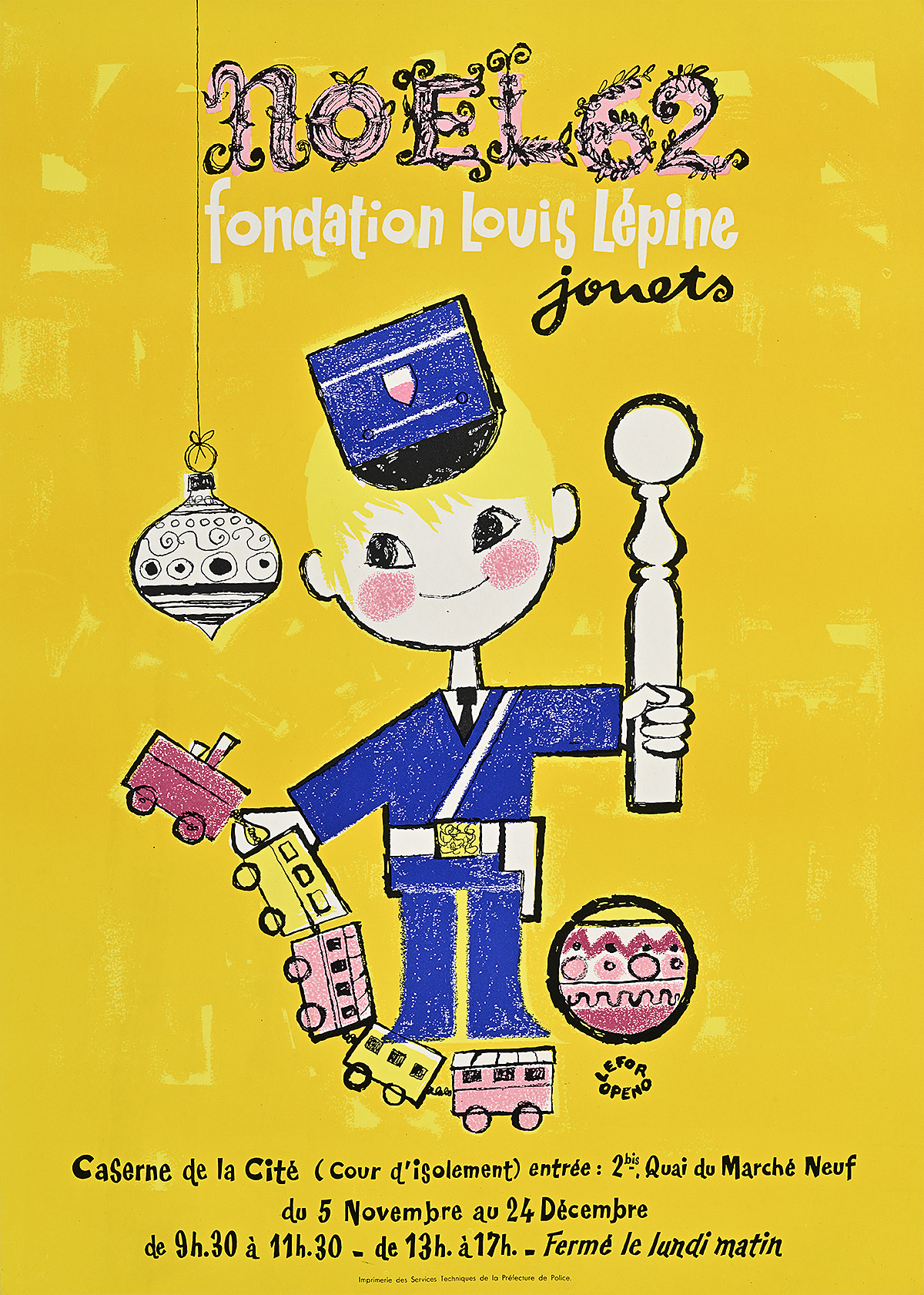
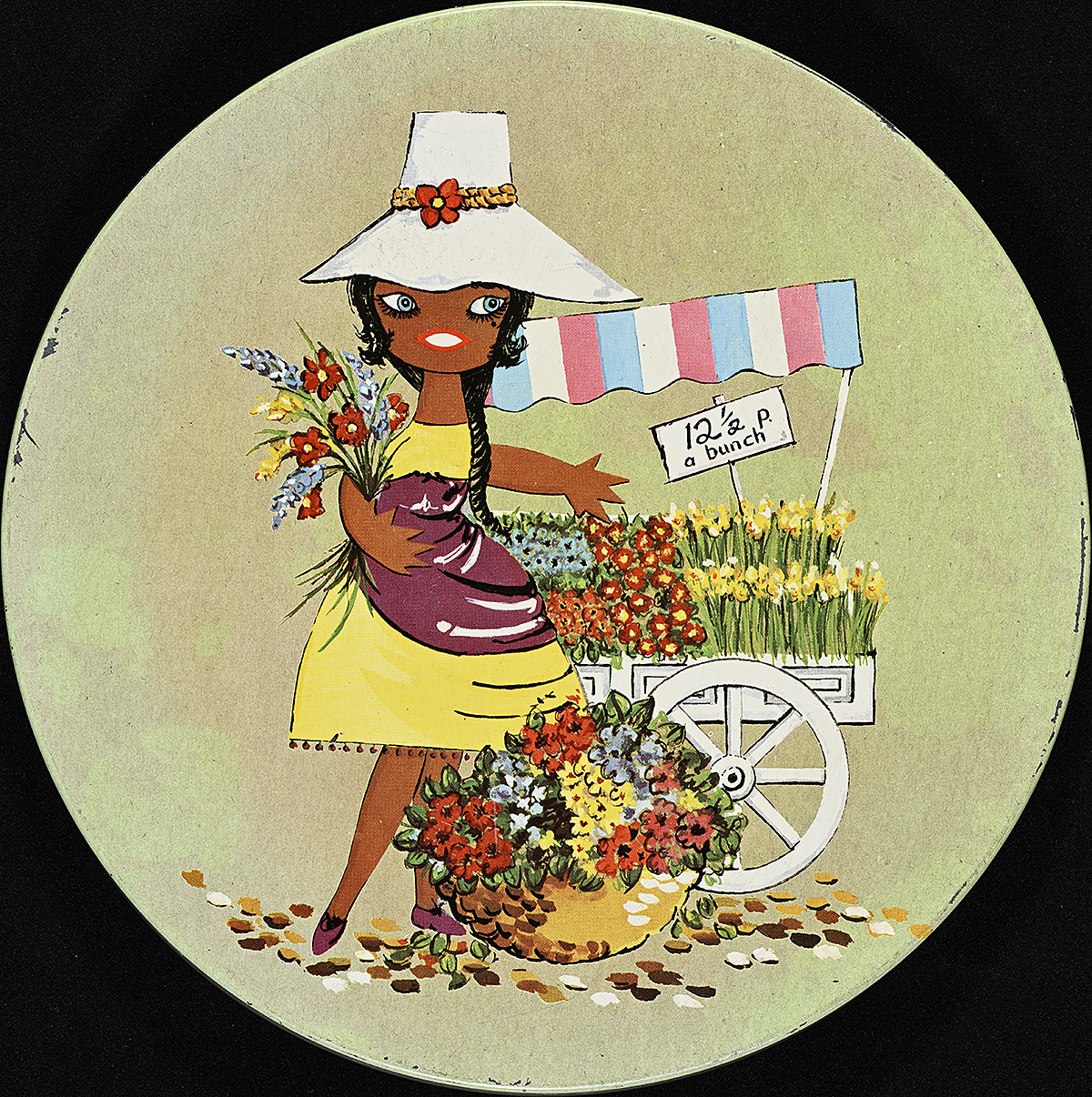
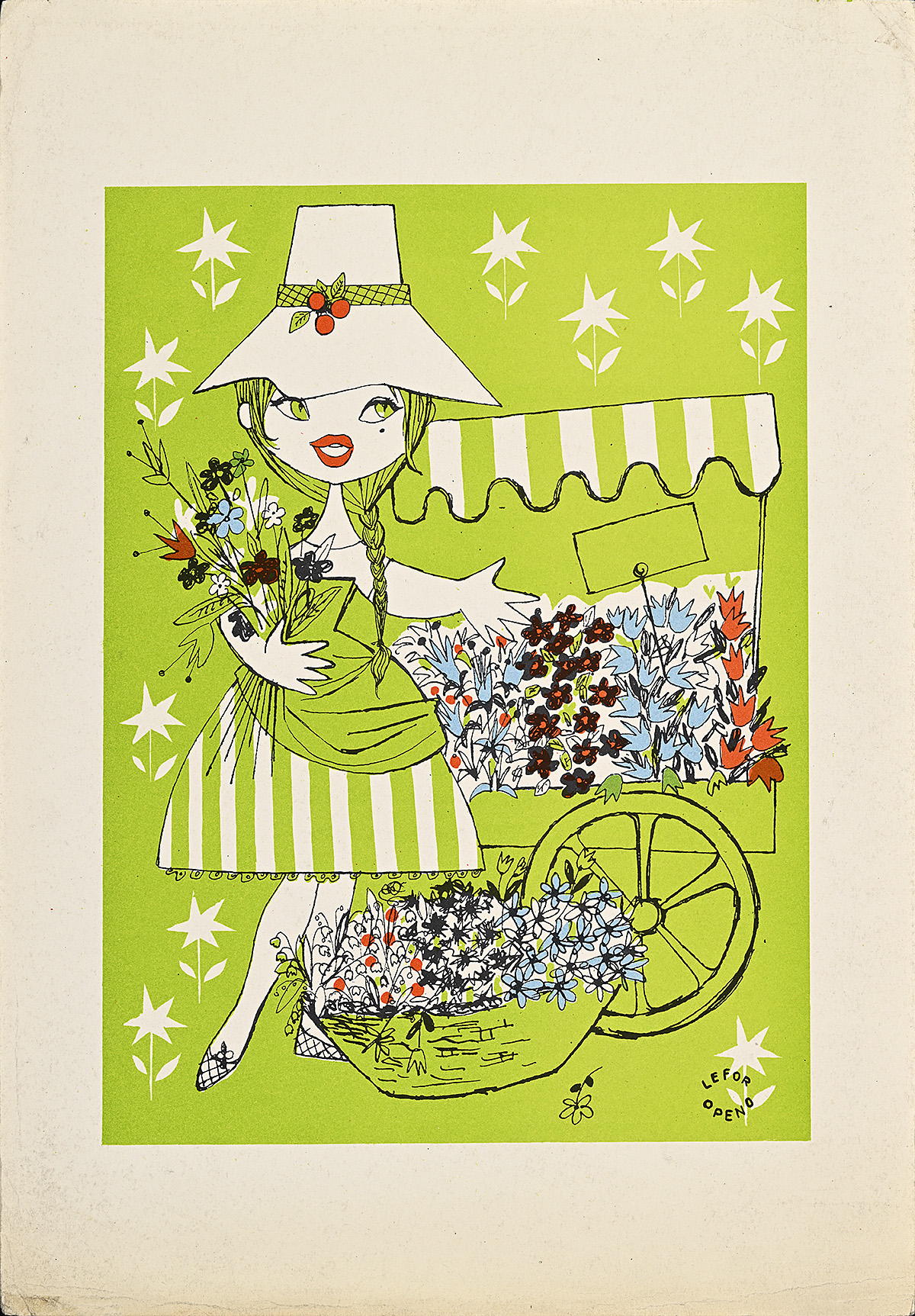
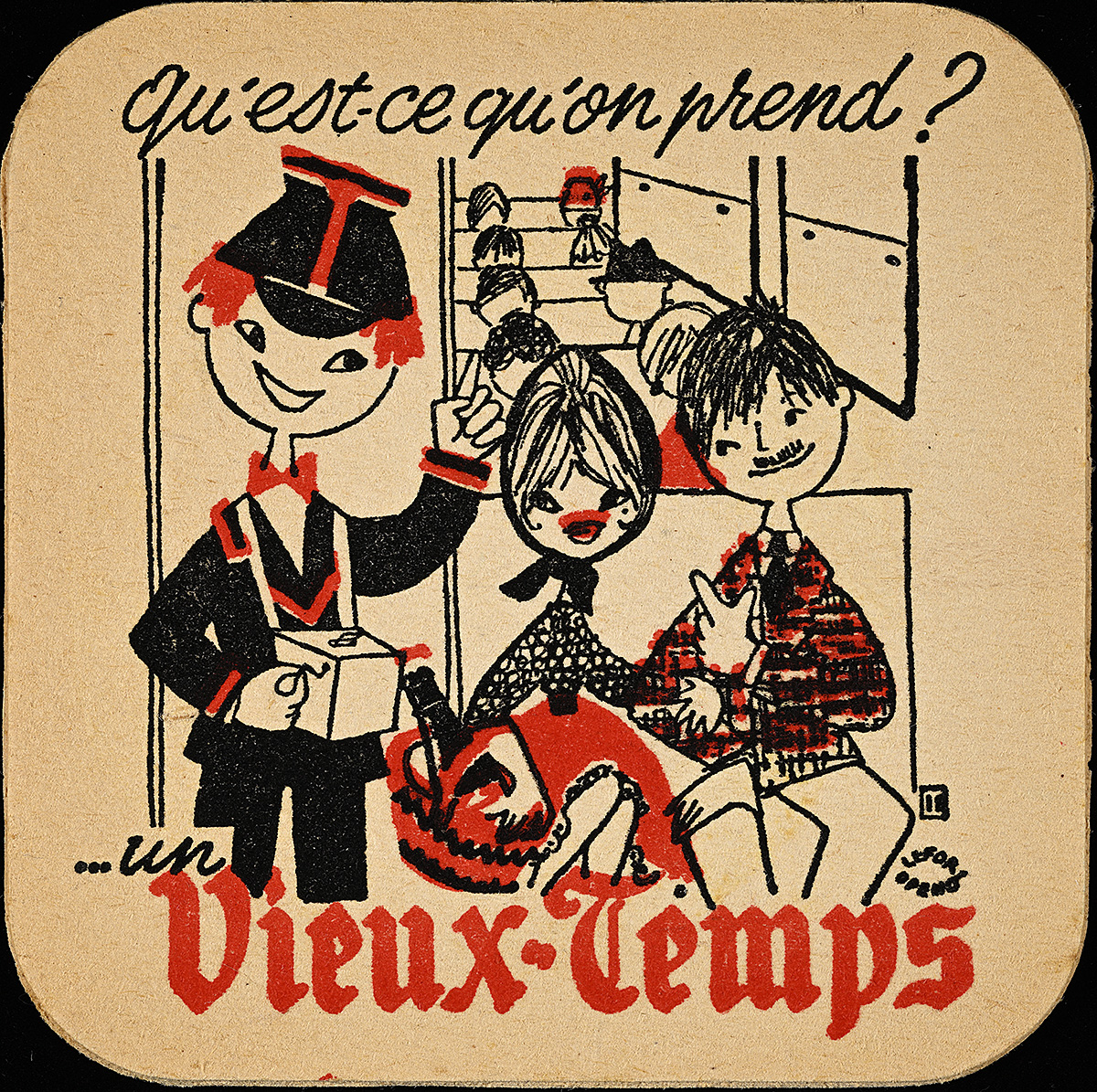
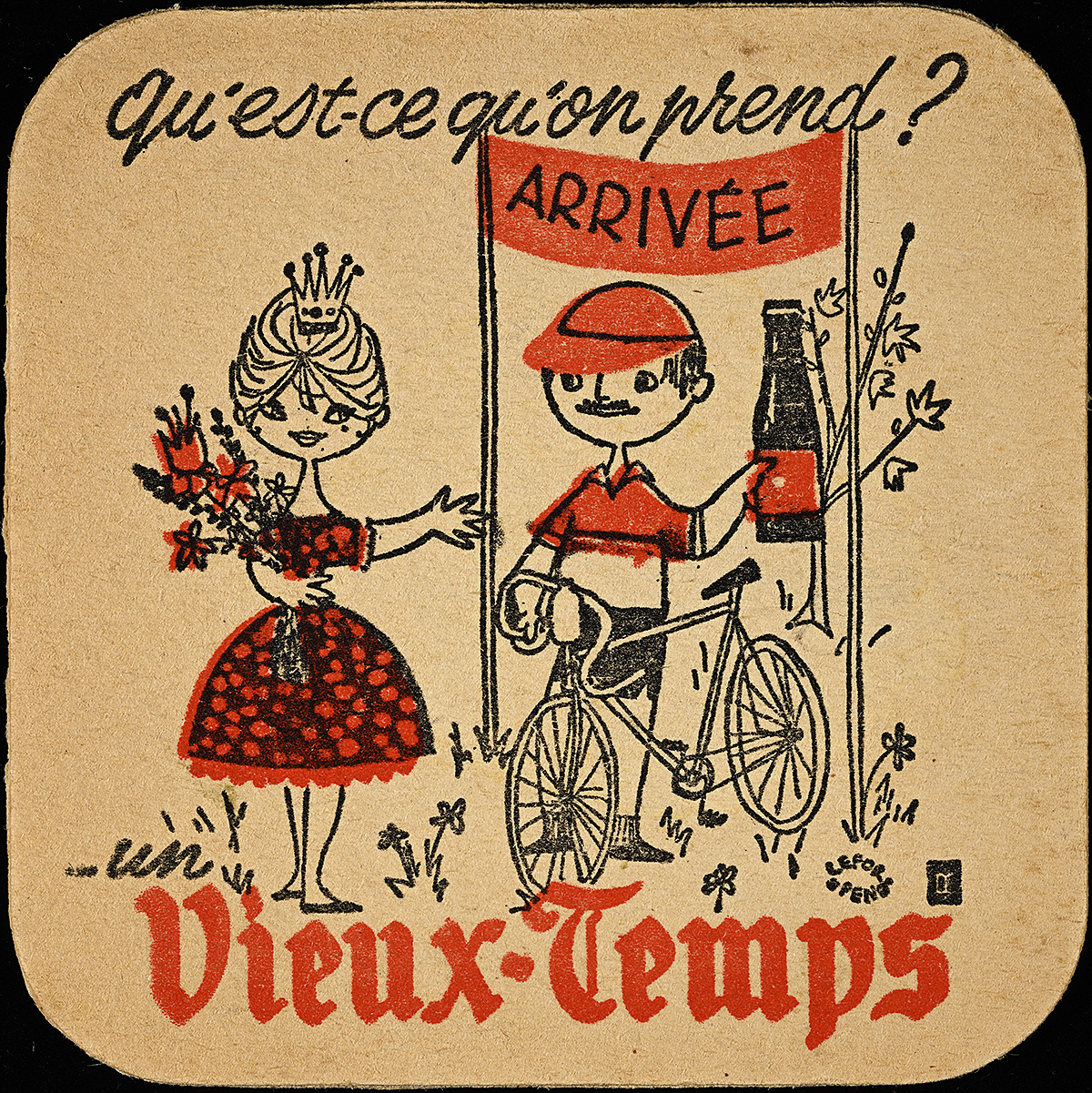
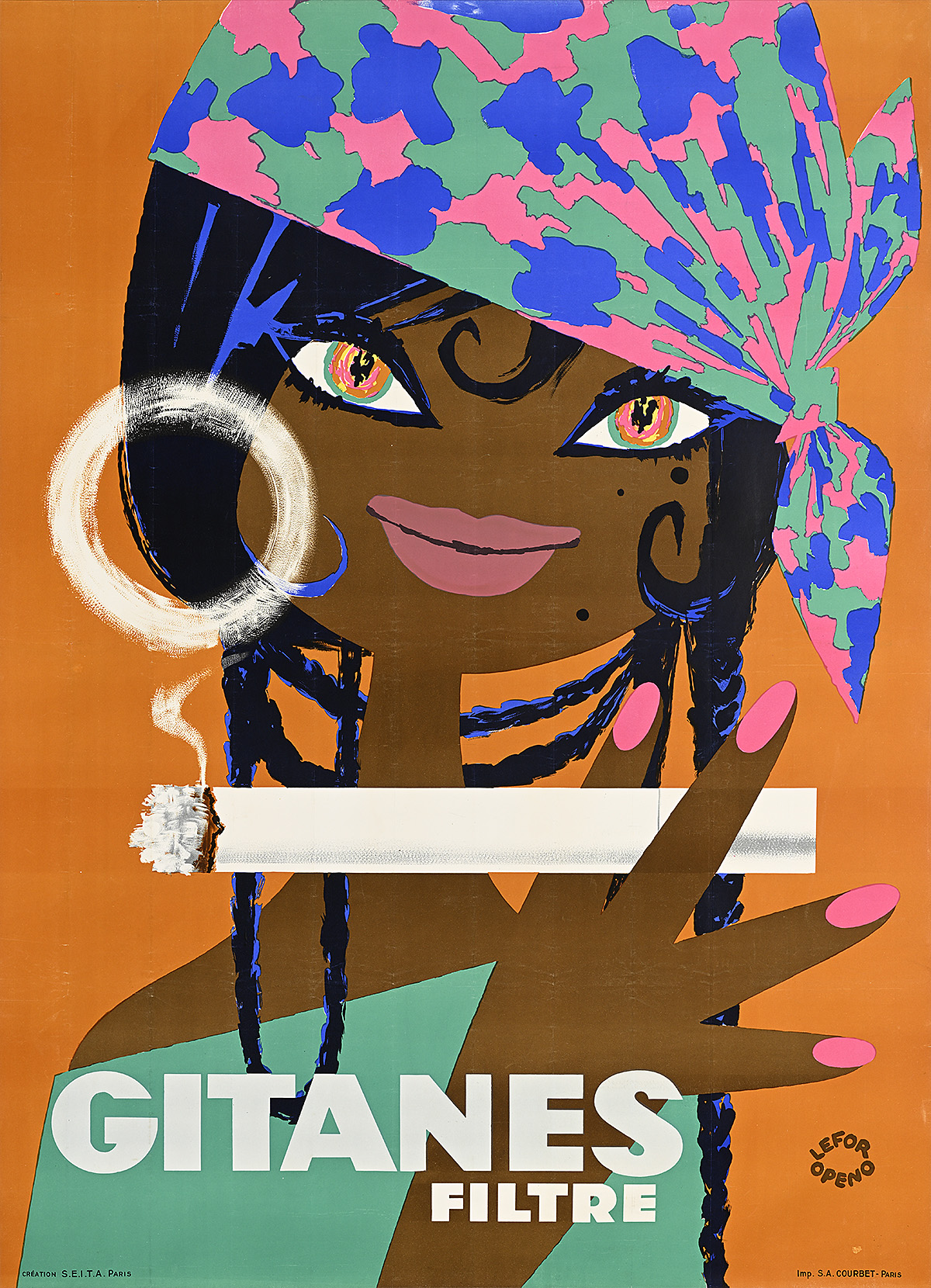
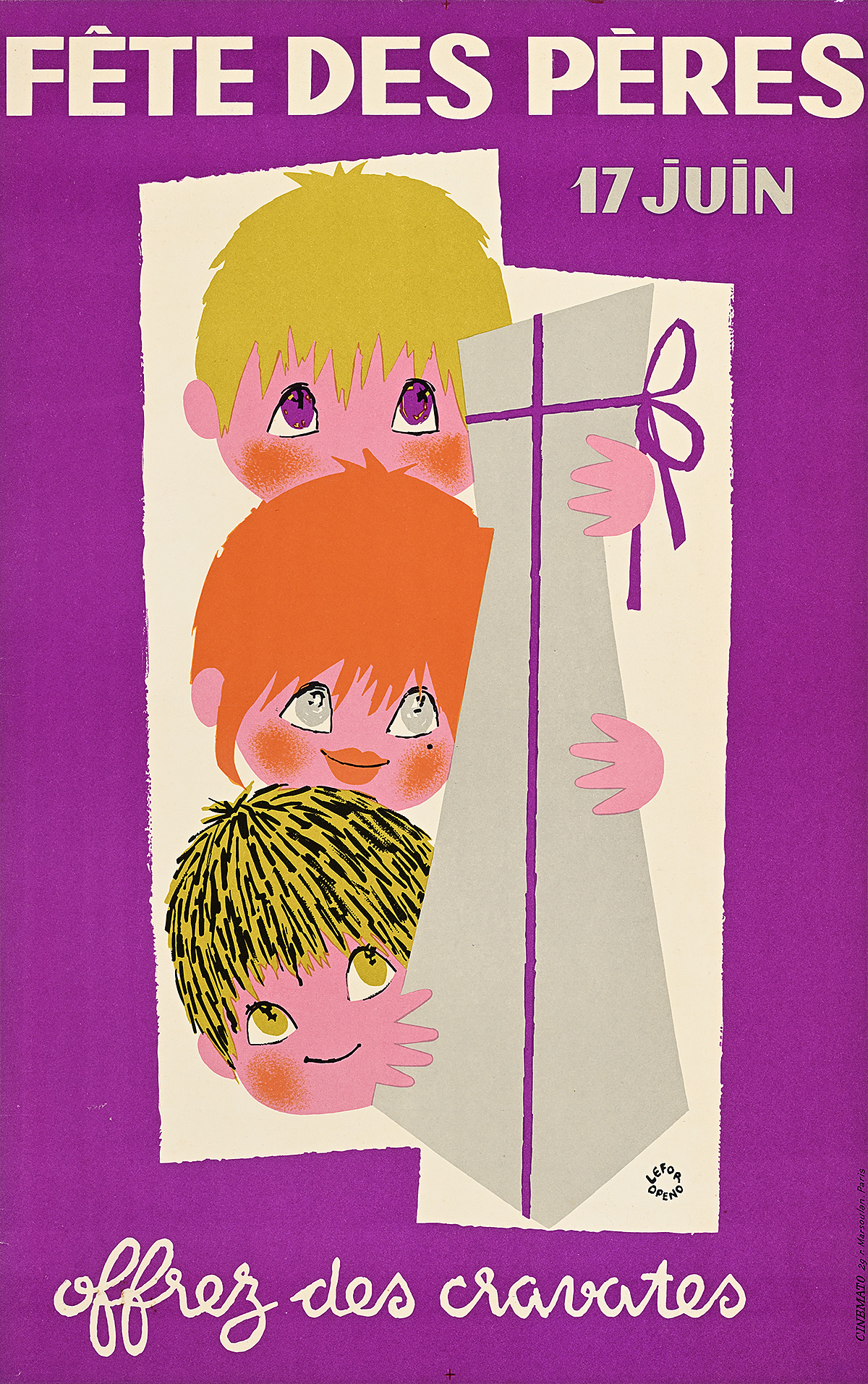
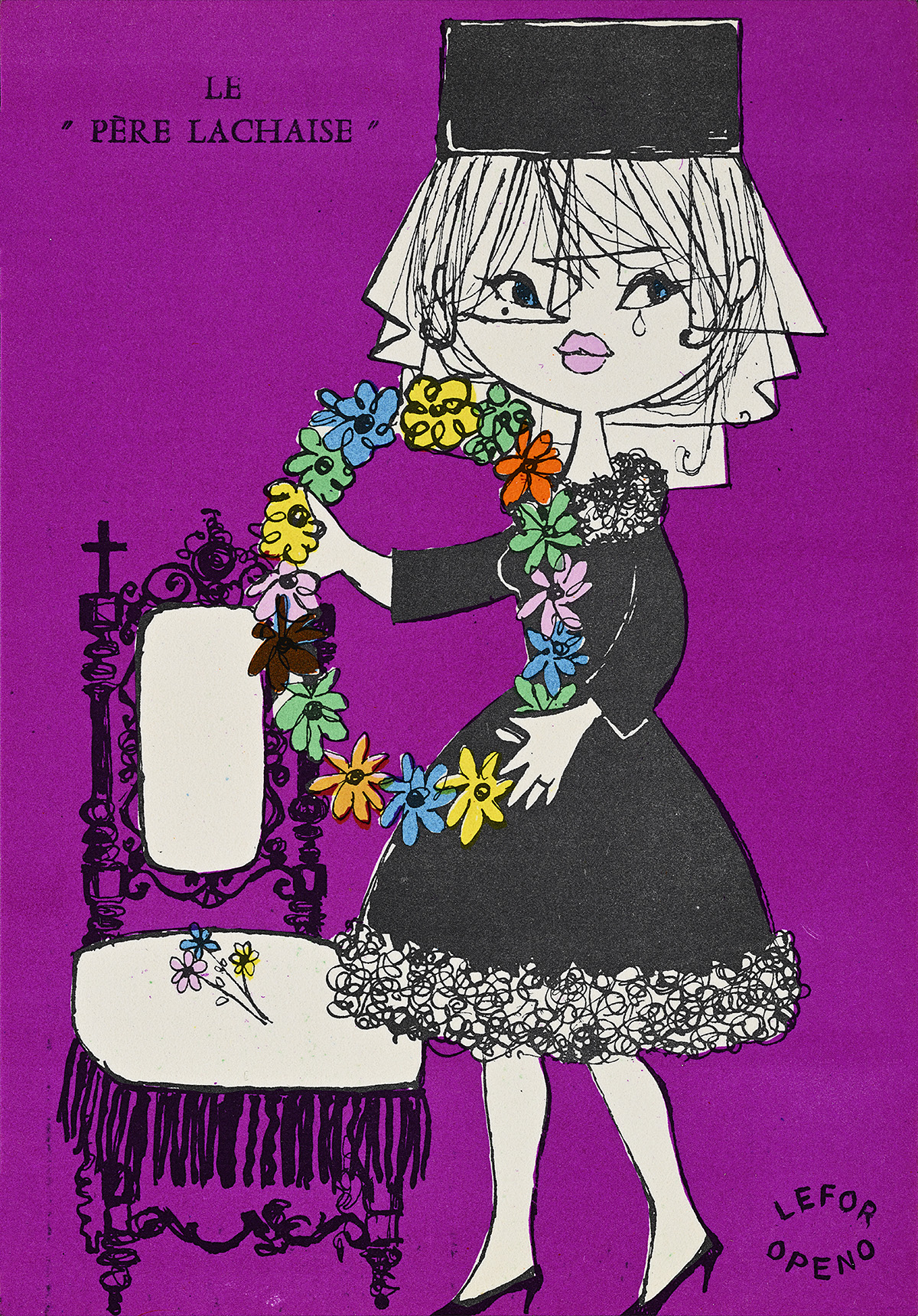
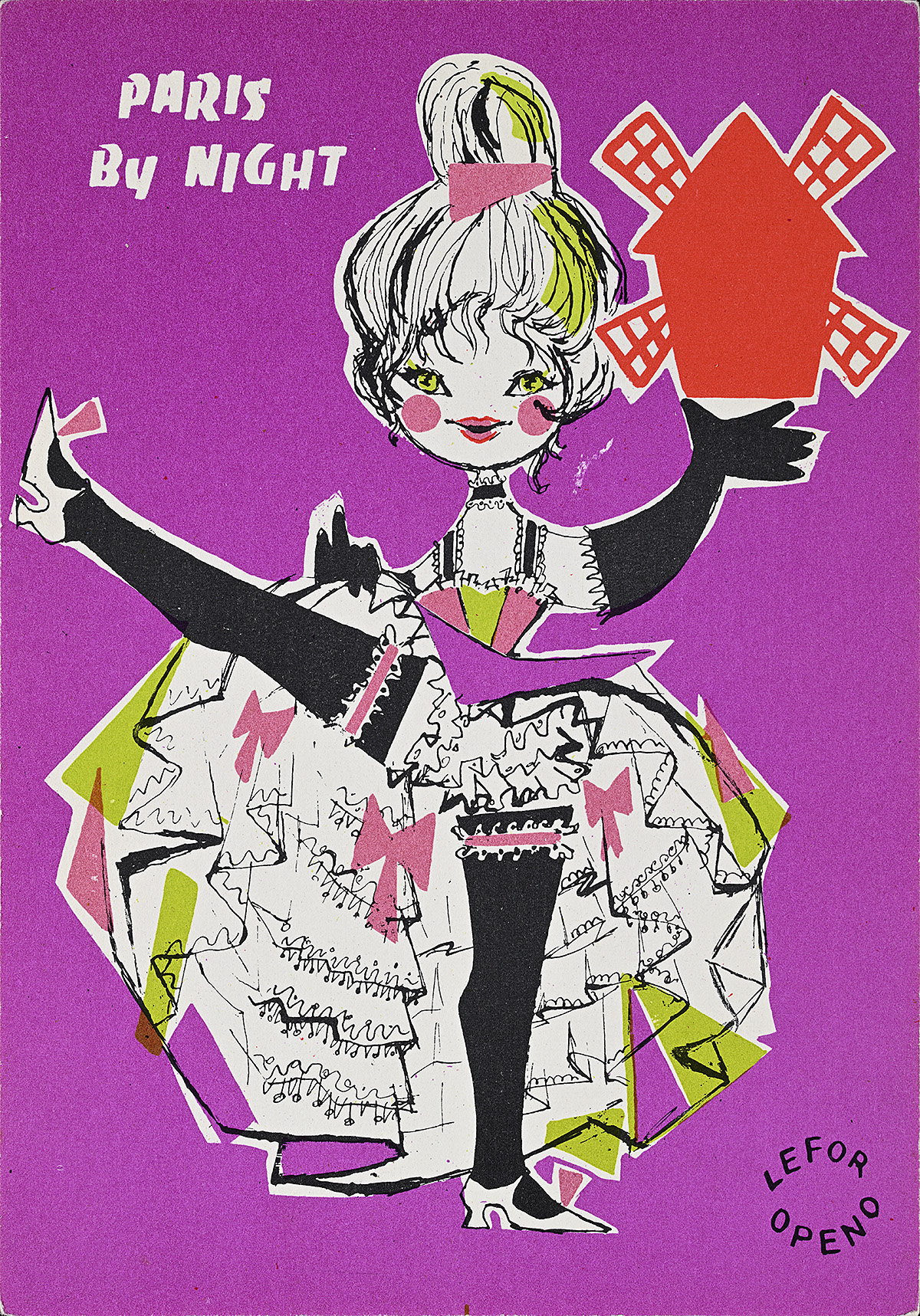
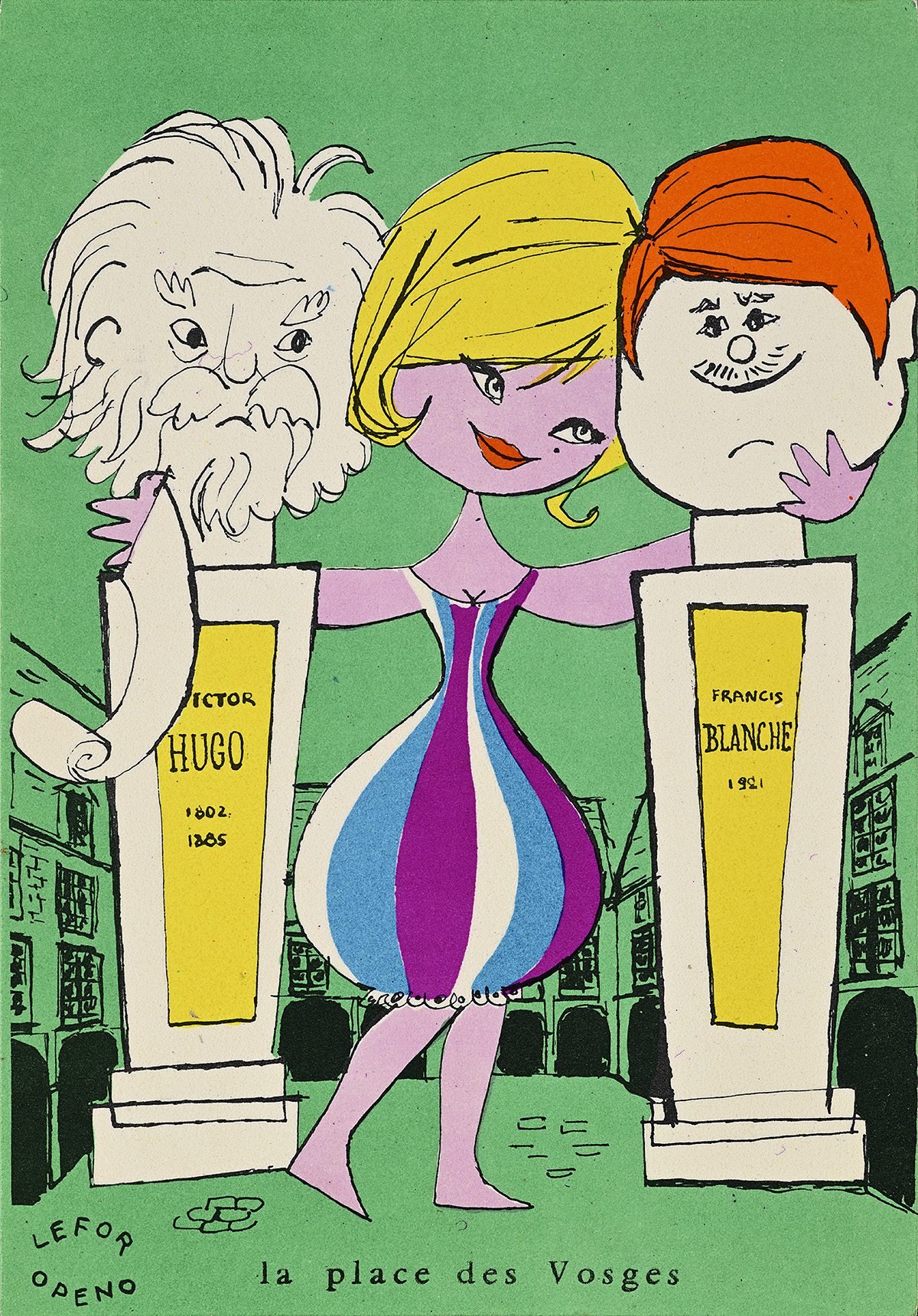
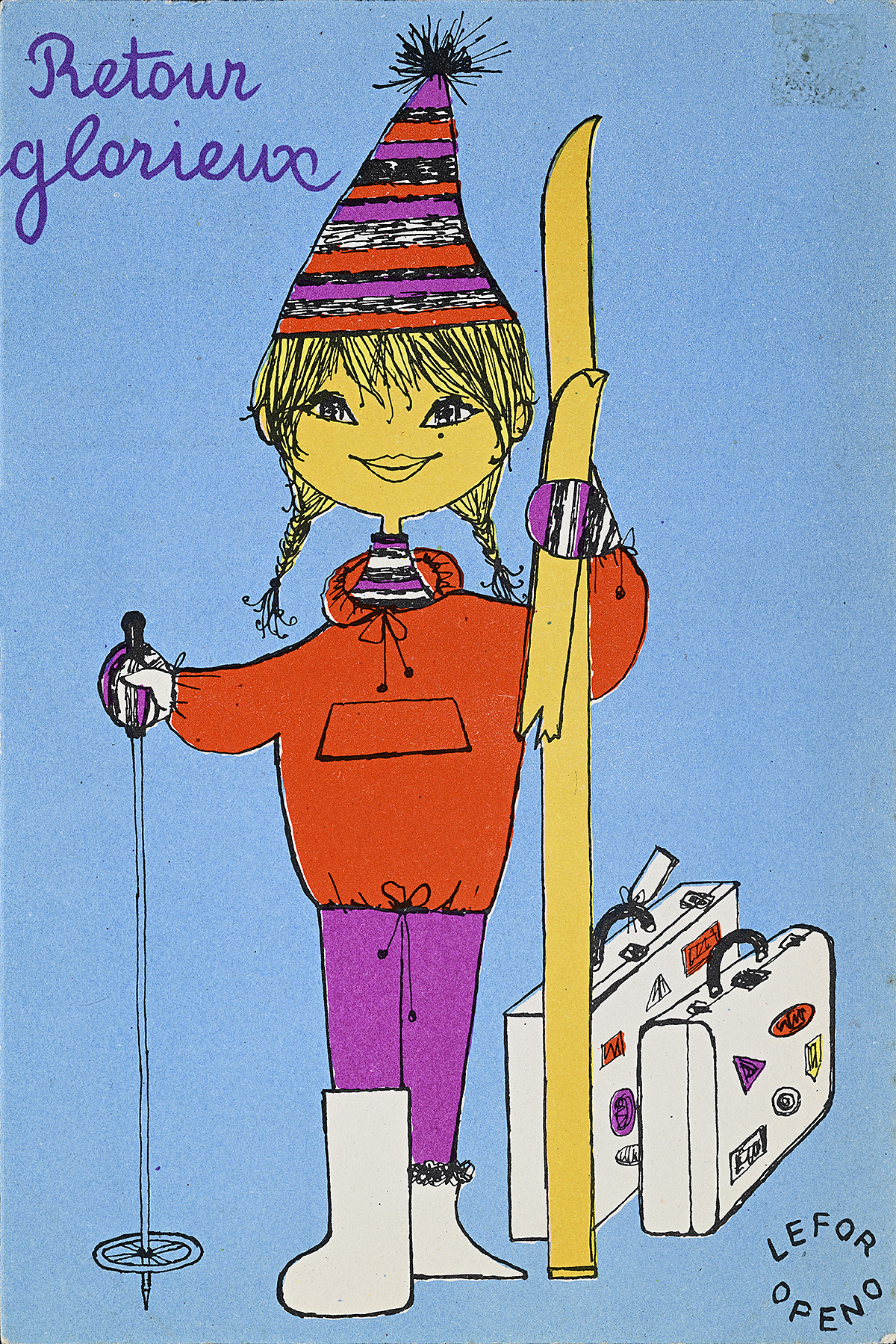
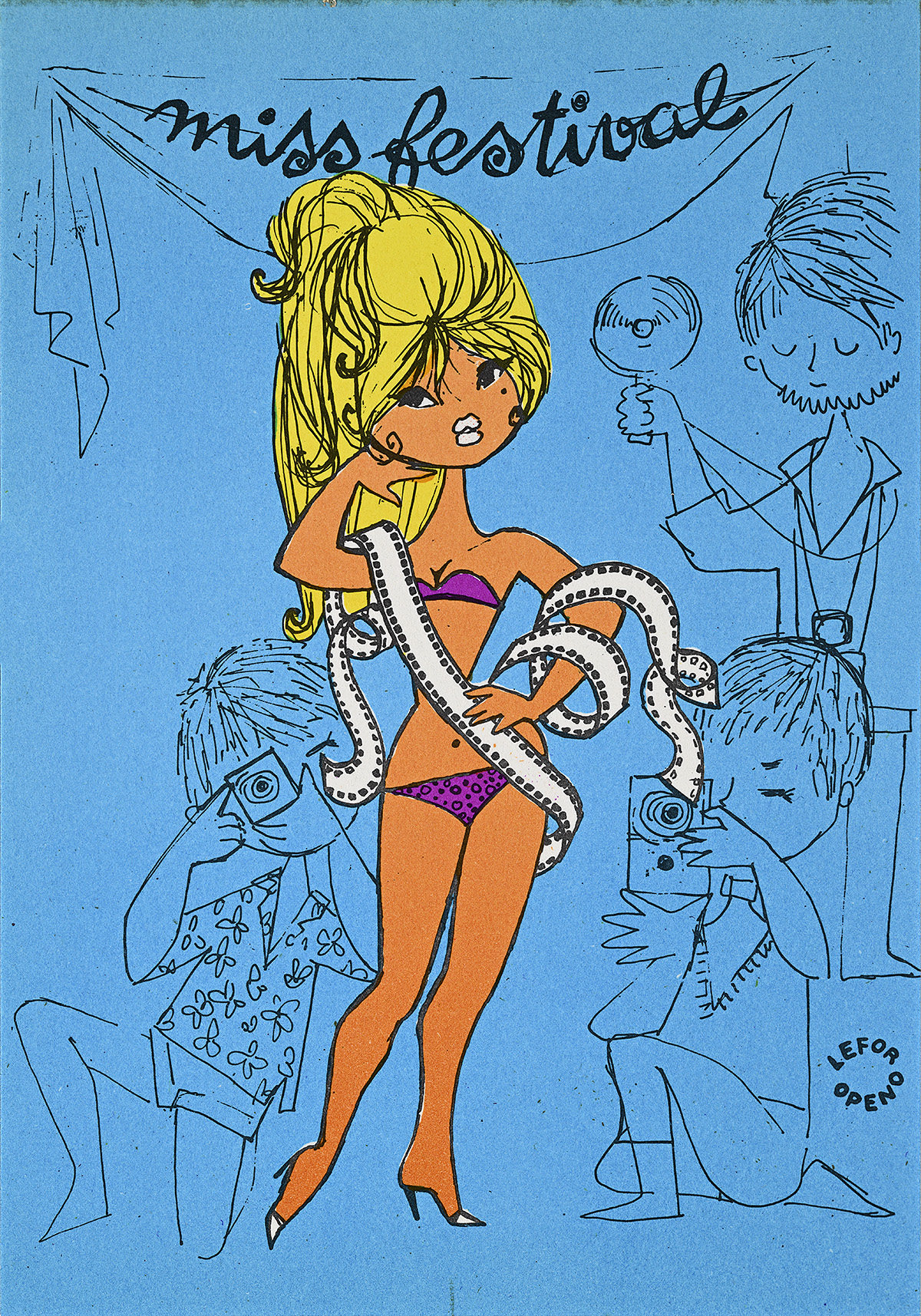
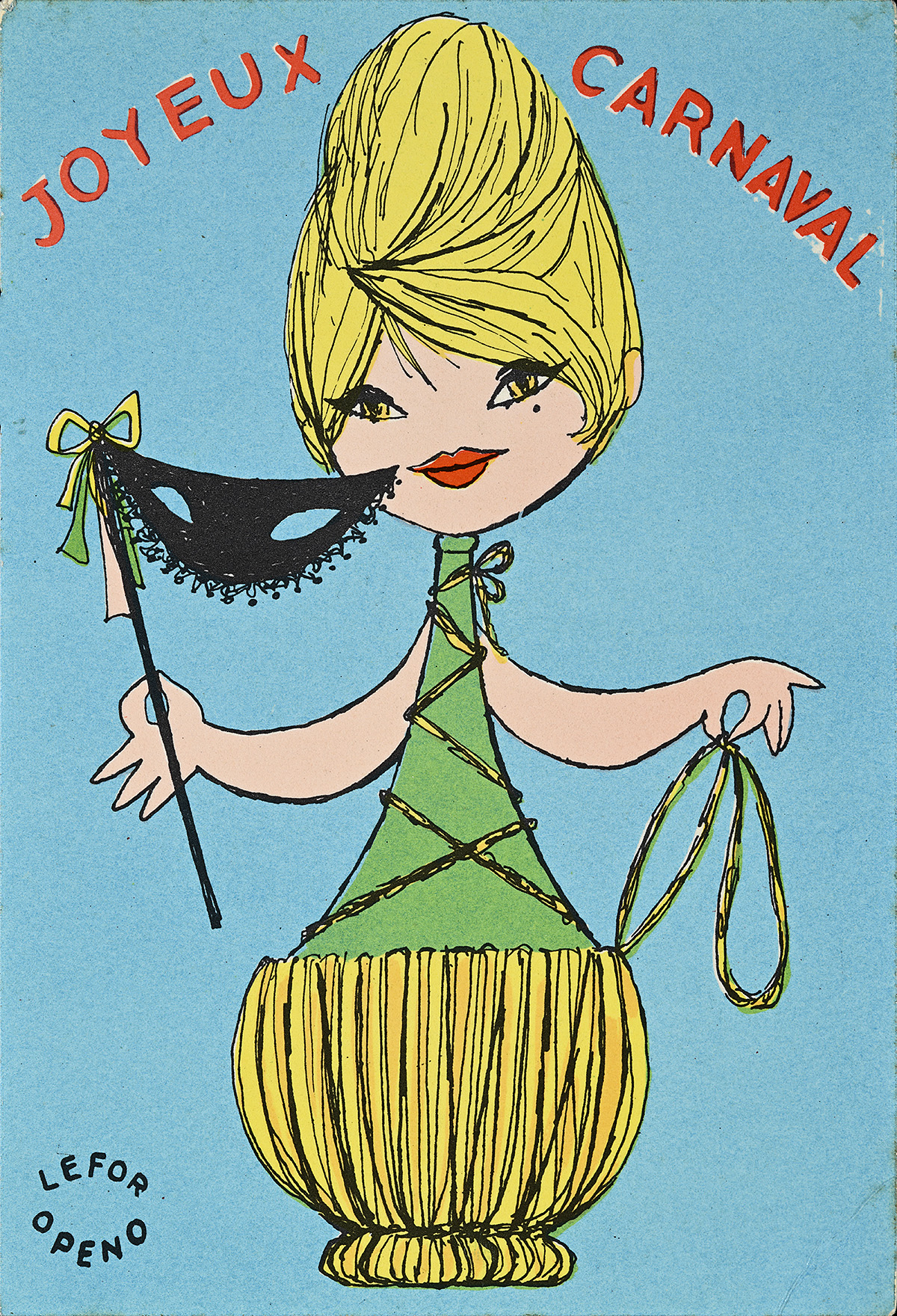
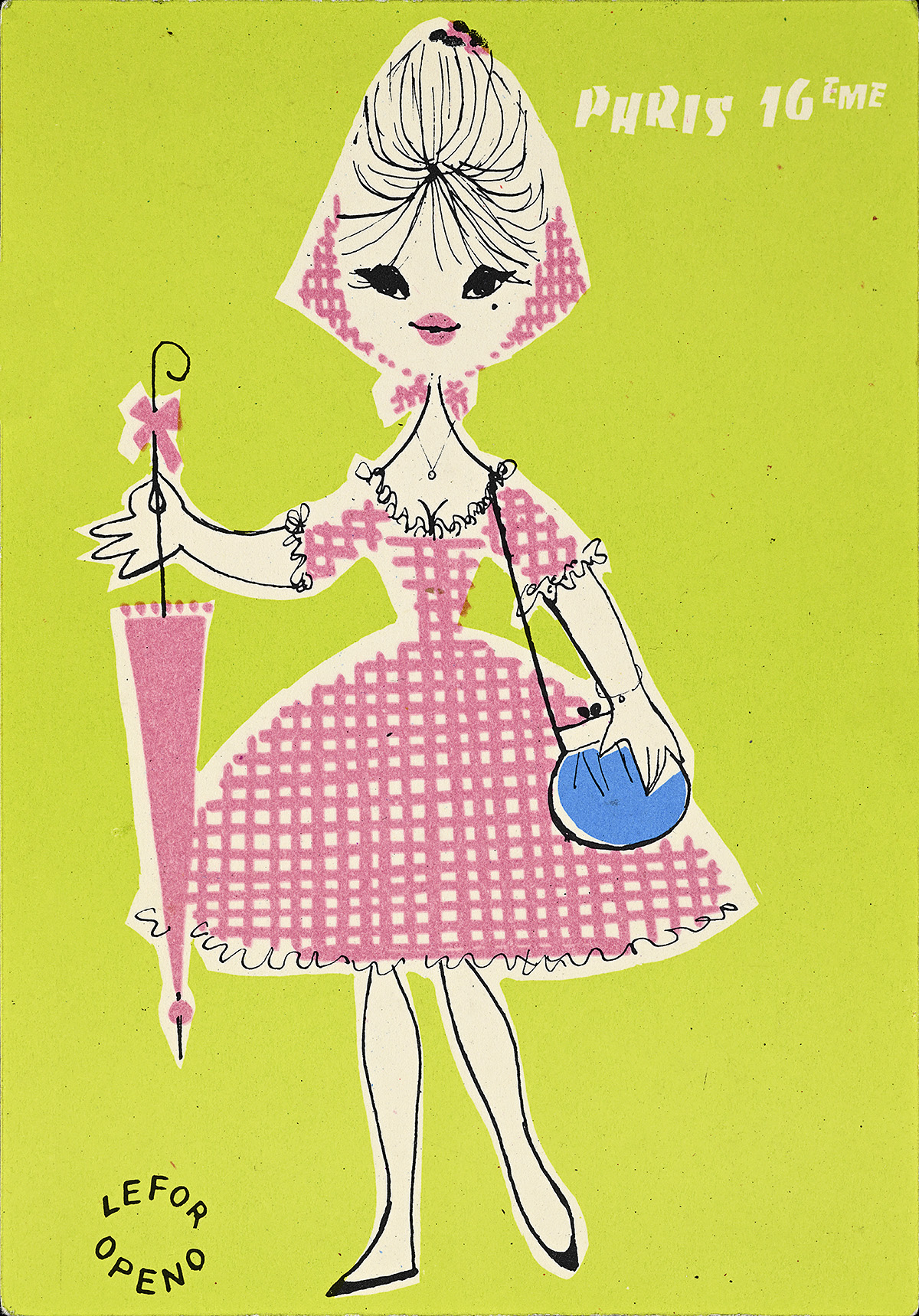
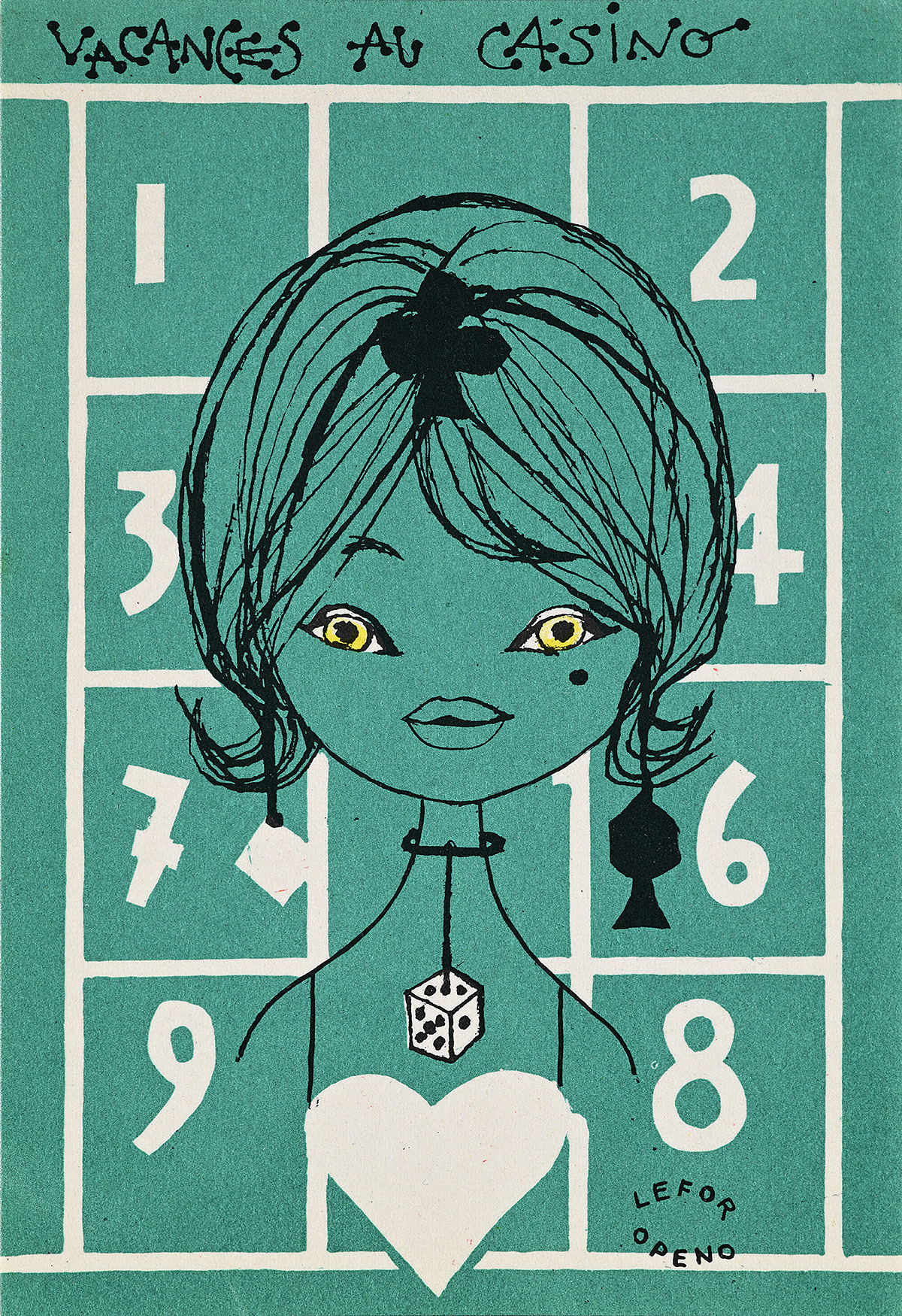
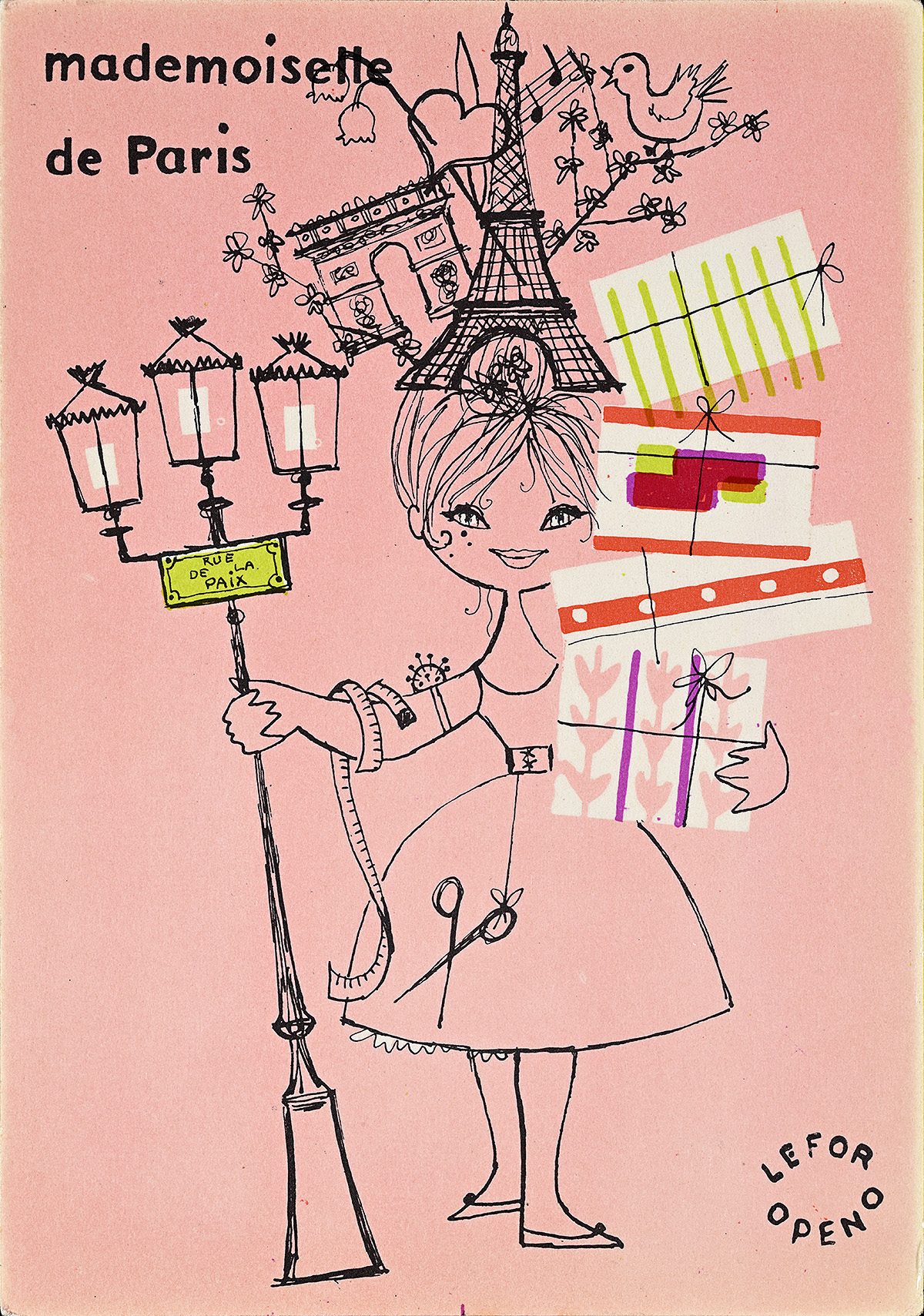
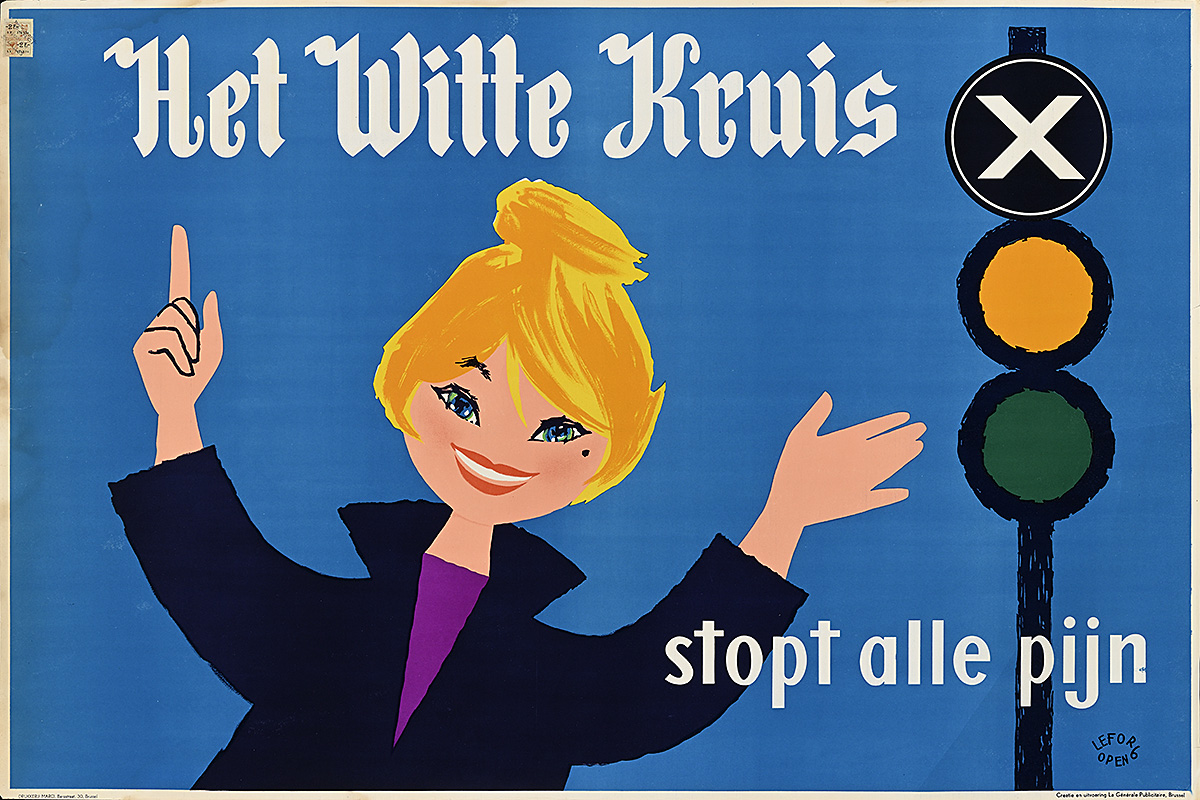
The next three decades would be defined by rapid demographic and economic growth, as well as by the significant social and political changes primarily brought about by General Charles de Gaulle after he was voted out of retirement in 1958. His vision to rebuild France as an independent global power impacted every part of French life, from its economy to its shopping habits, its moral codes to its leisure pursuits. The posters produced during this period, however, rarely hinted at this turbulent landscape. Instead, advertising focused on bright, optimistic images that saturated the streets with cute rather than with chaos. Along with major male artists like Raymond Savignac and Hervé Morvan, many of these extreme changes were also chronicled, indirectly, in the posters produced by a new female design team known as Lefor-Openo.
Marie-Claire Lefort and Marie-Francine Oppeneau came of age as France was searching for a new postwar identity. They met at the Lycée Claude Bernard in Paris where they were studying drawing with the goal of becoming teachers. They soon realized, however, that they preferred making art to instructing students, and that they wanted to work together on projects. They enrolled at the École Paul Colin, an art and design school founded in 1930 by Colin, one of the most successful and famous French poster designers of the 20th century. At a time when there were few other notable women in that profession in the country, Colin himself pushed them away from their original interest in theatrical set design toward the medium that had made him famous. Working collaboratively, the two women sought a simpler and catchier version of their long names with which to sign their posters. They ultimately embraced “Lefor-Openo” as their moniker—a choice that would stick with them throughout their 12-year career as poster designers.
Unless otherwise noted, all posters in this exhibition are part of the Poster House Permanent Collection.
Whenever feasible, Poster House reuses materials from previous shows to drive sustainable practice.
This program is supported, in part, by public funds from the New York City Department of Cultural Affairs in partnership with the City Council, and the New York State Council on the Arts (NYSCA).