Designed to Be Red: Native American & Indigenous Poster Works
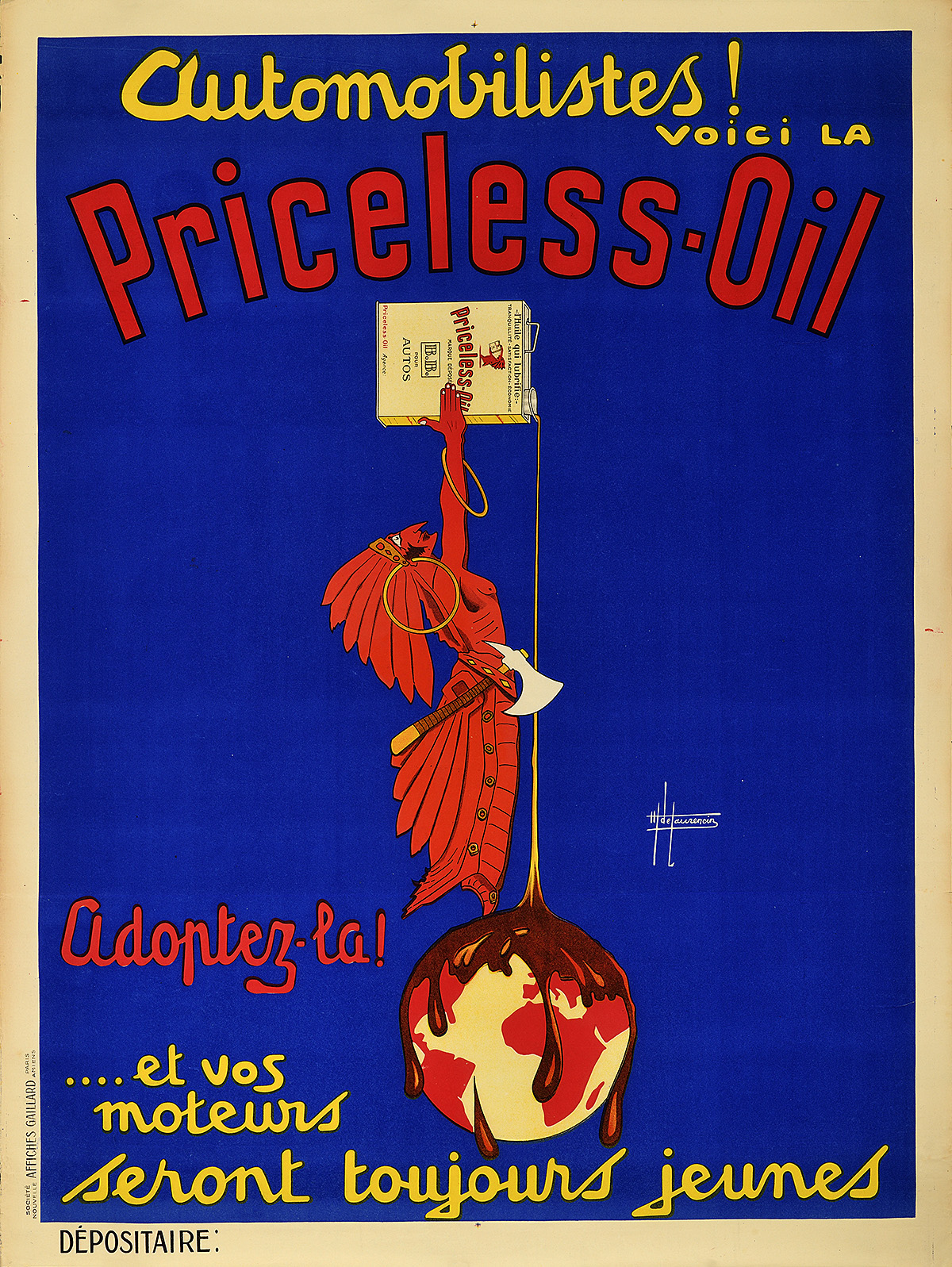
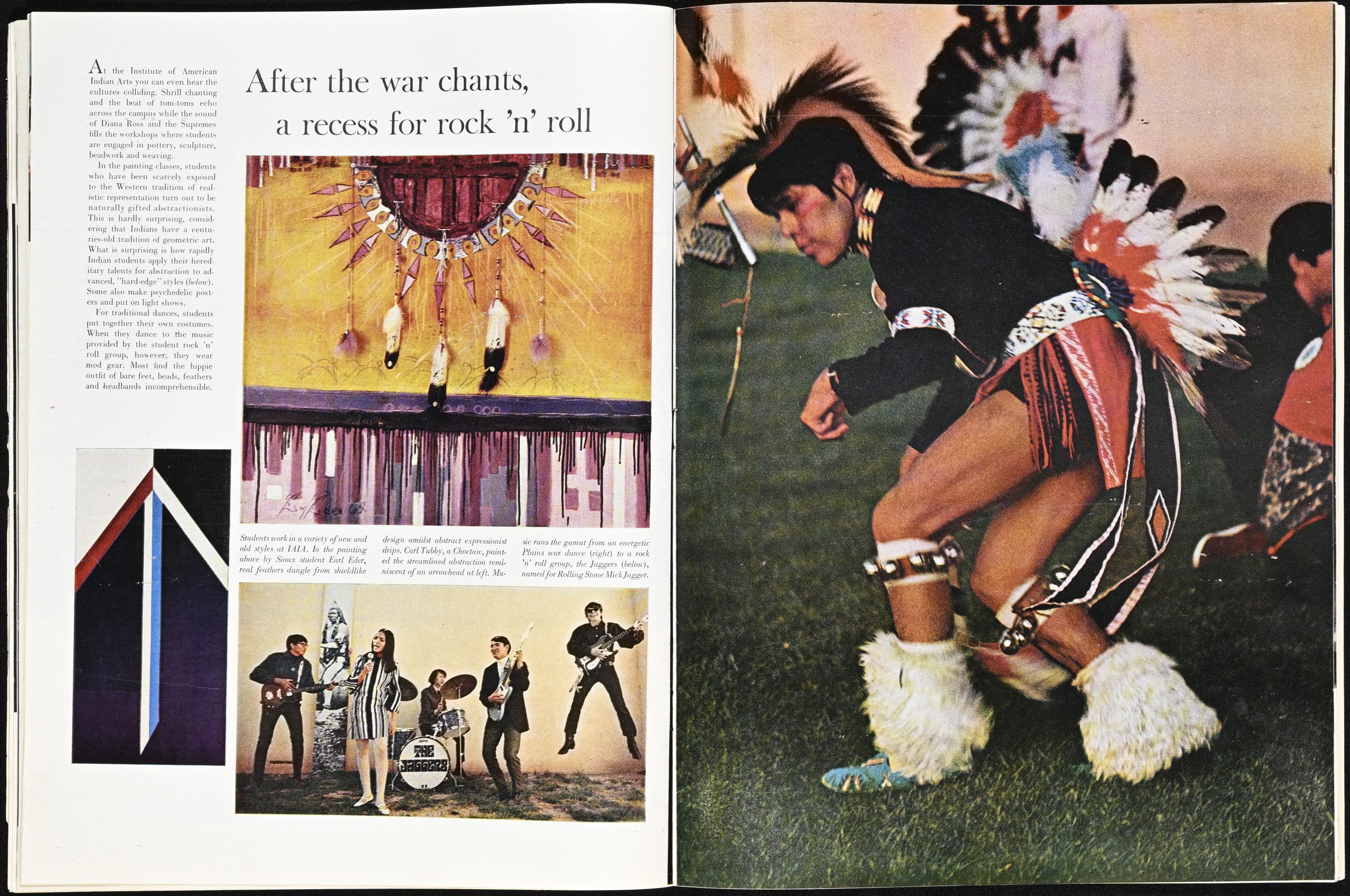
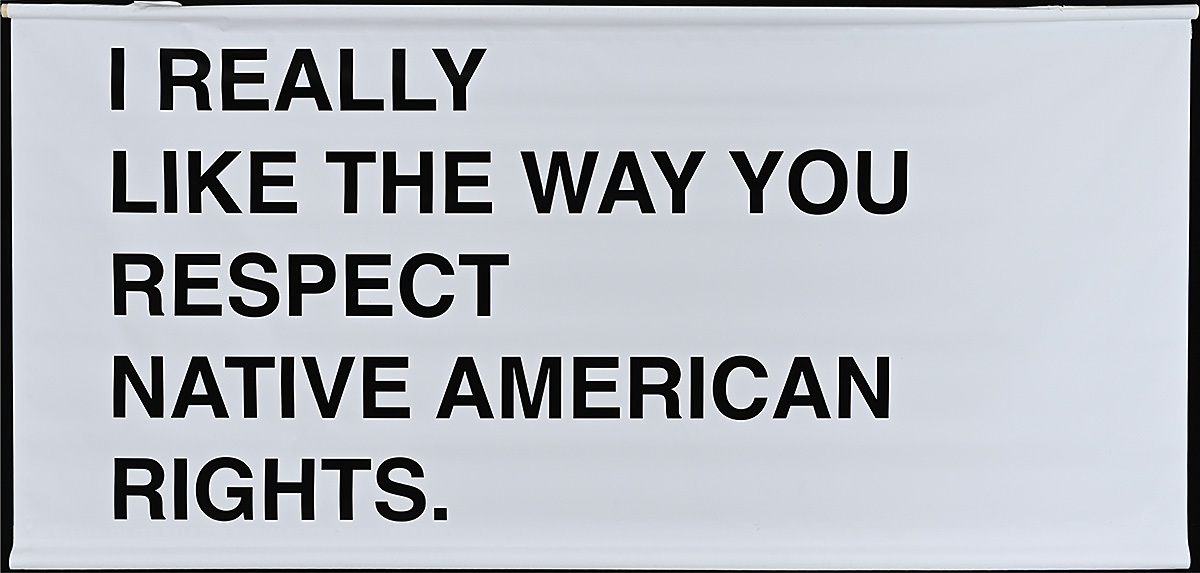
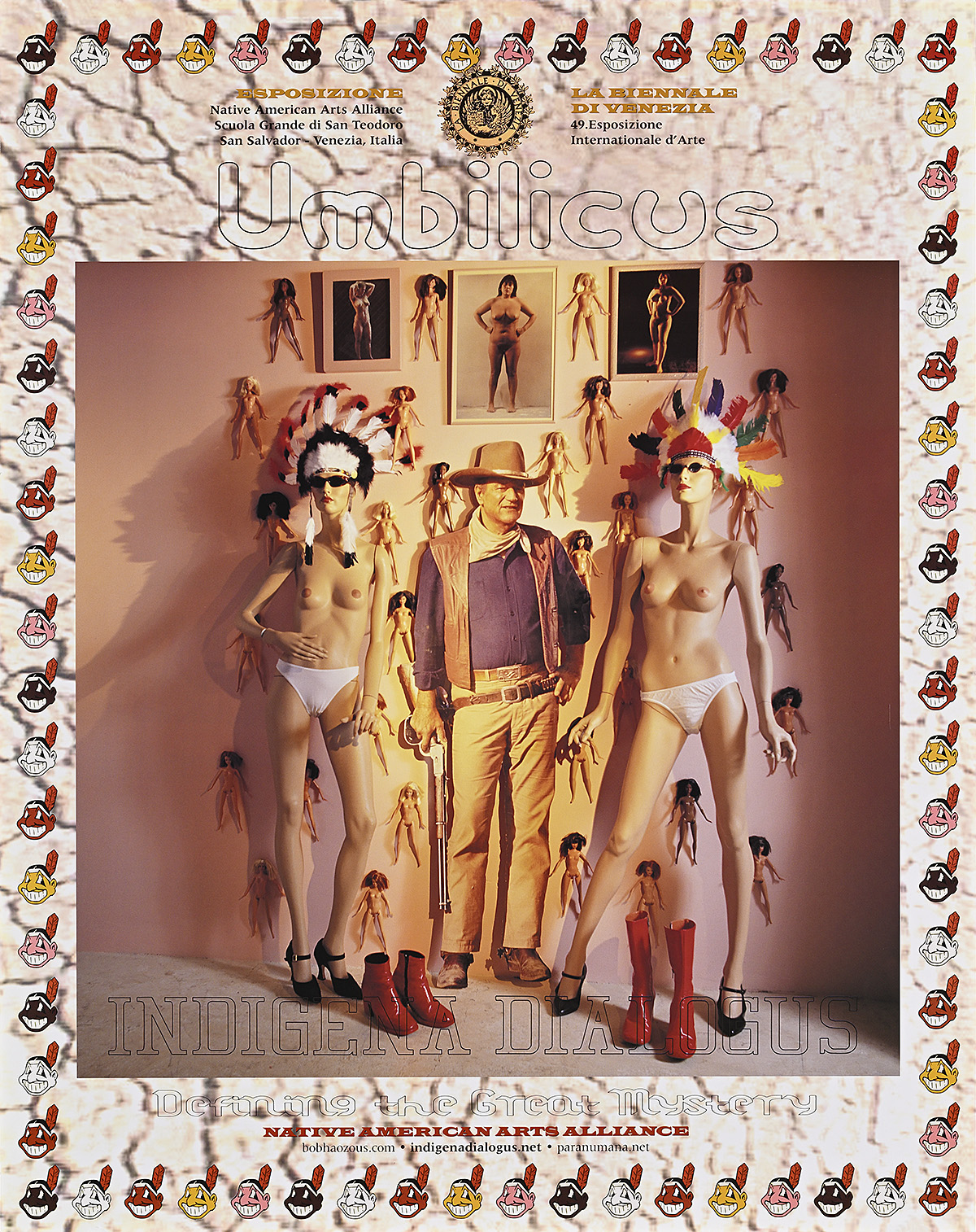
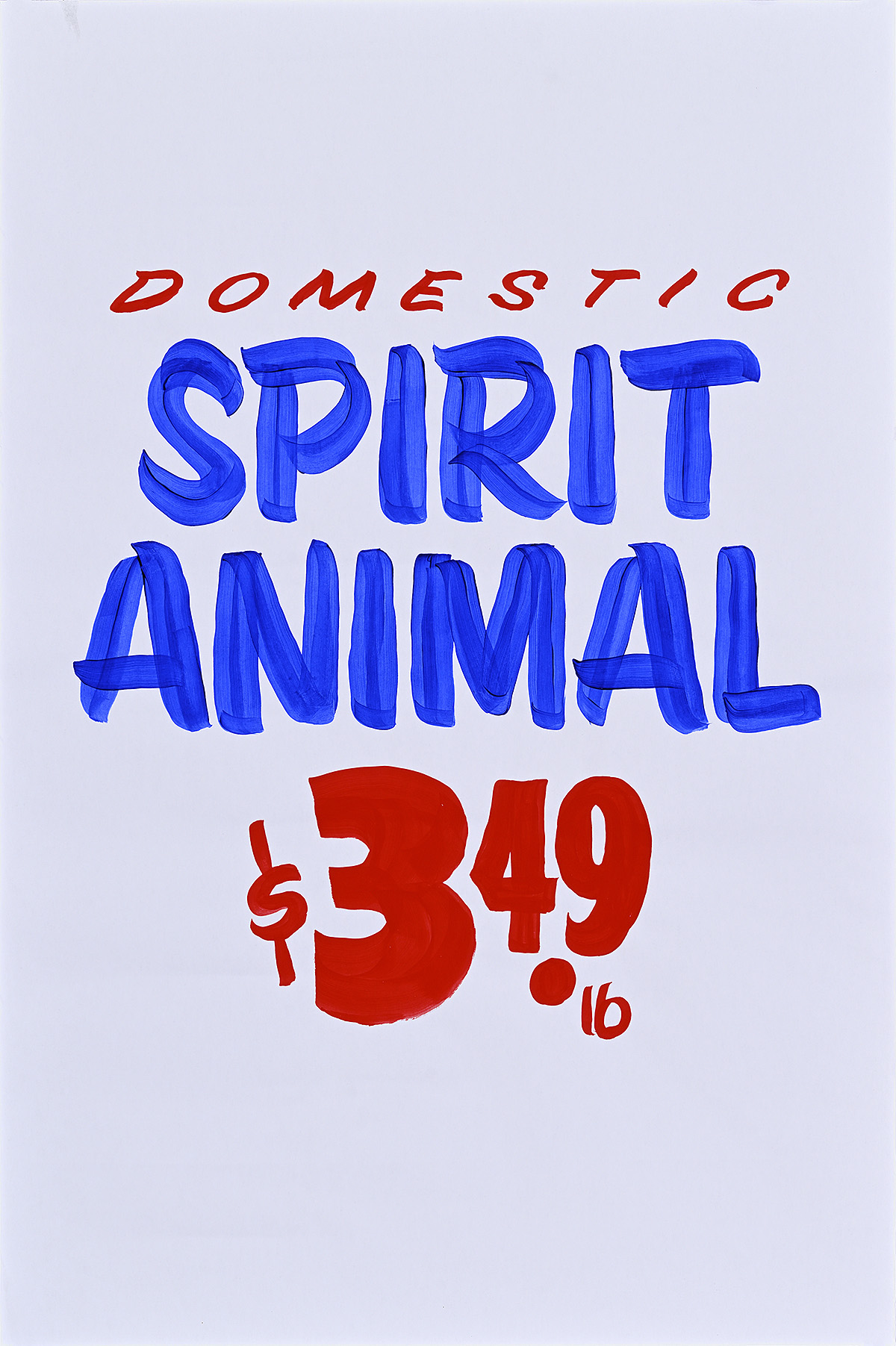
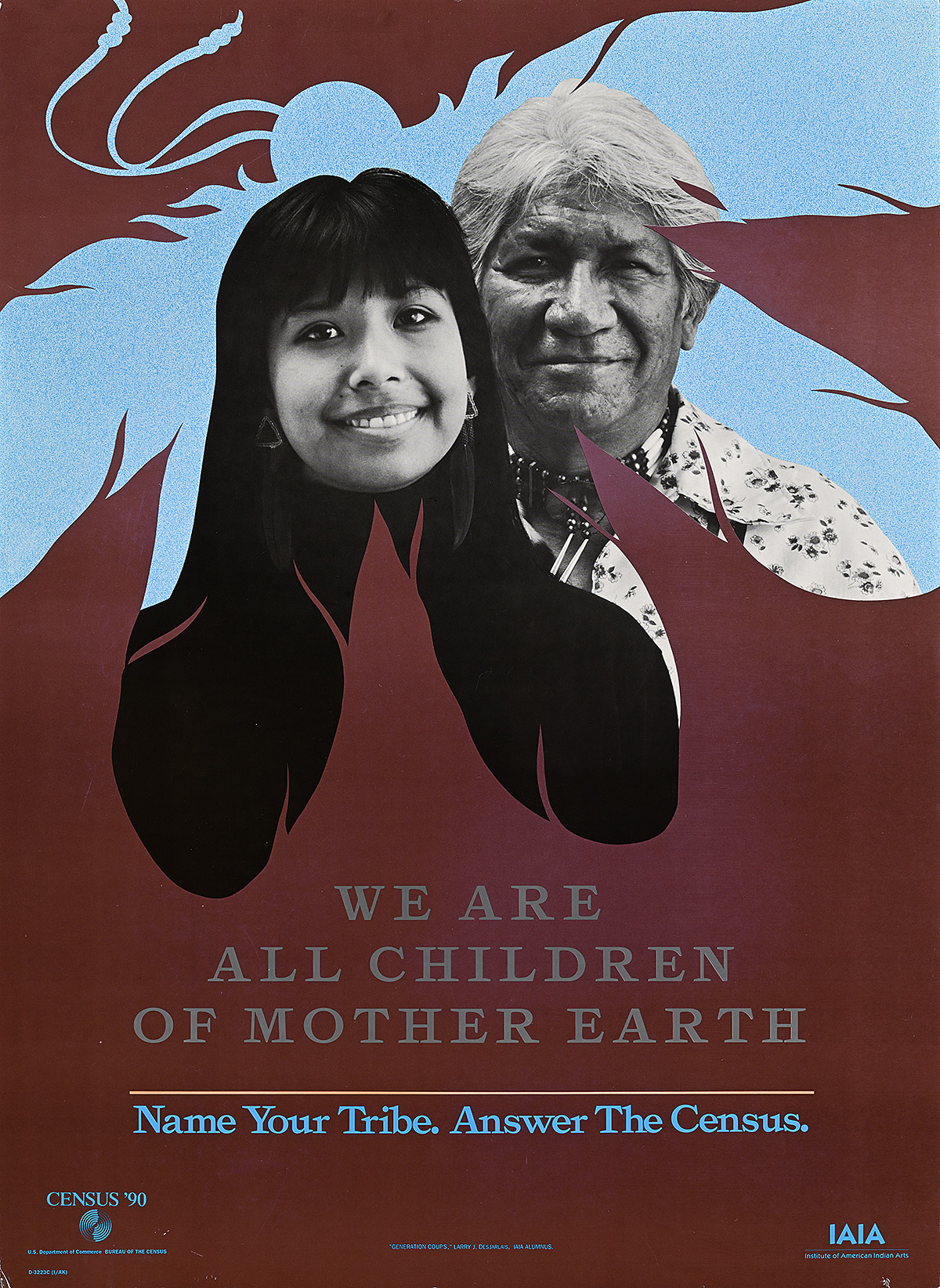
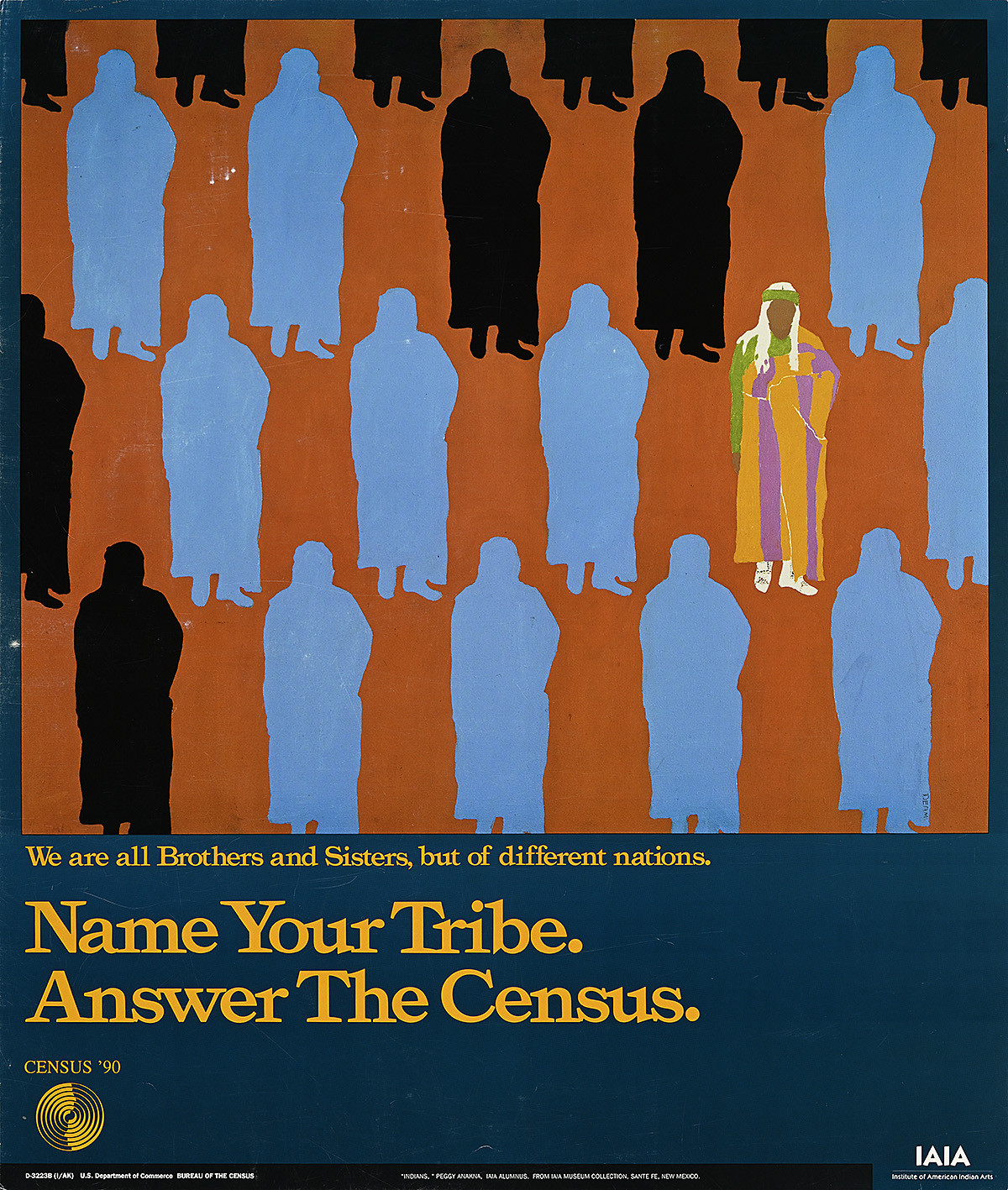
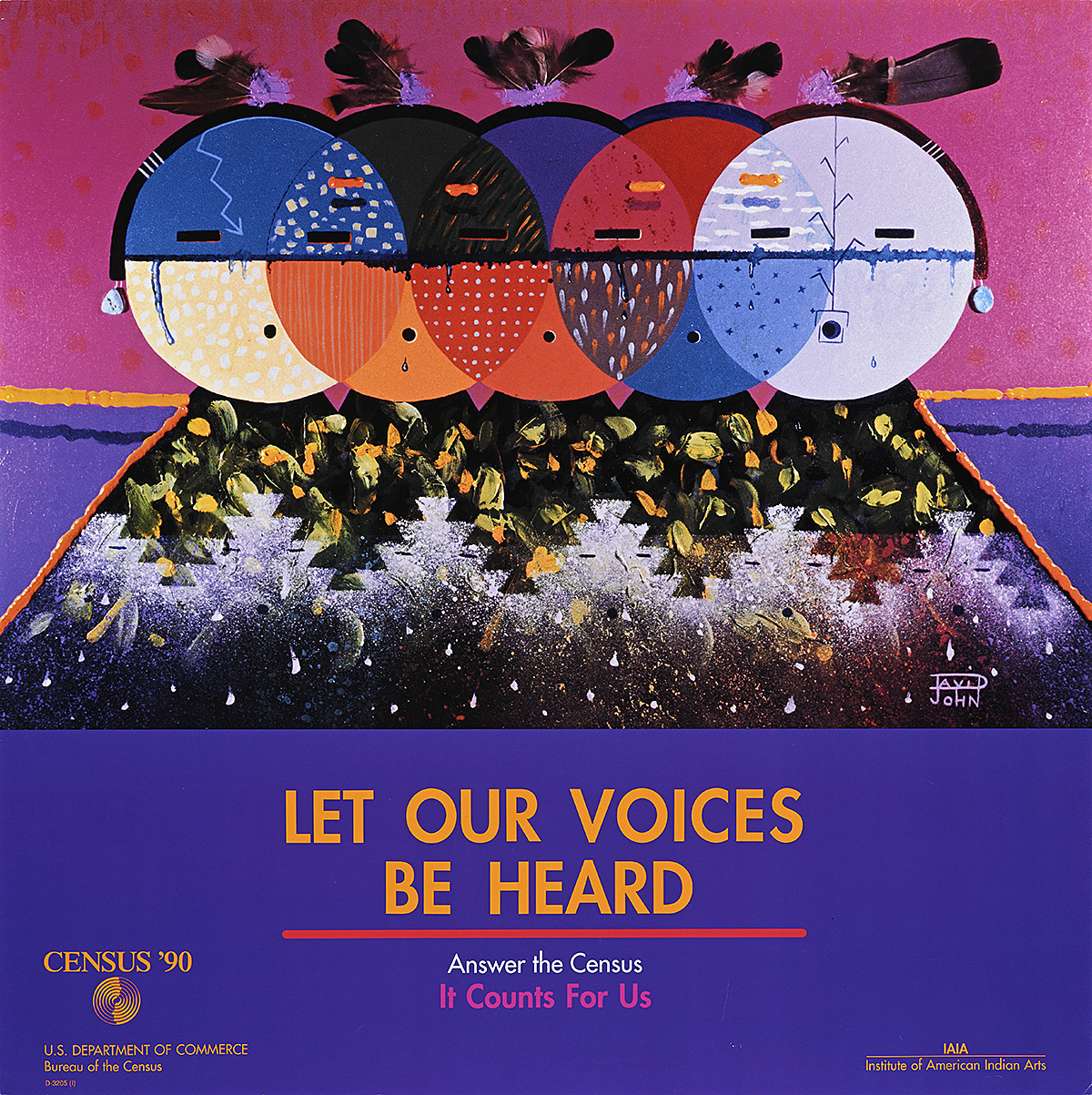
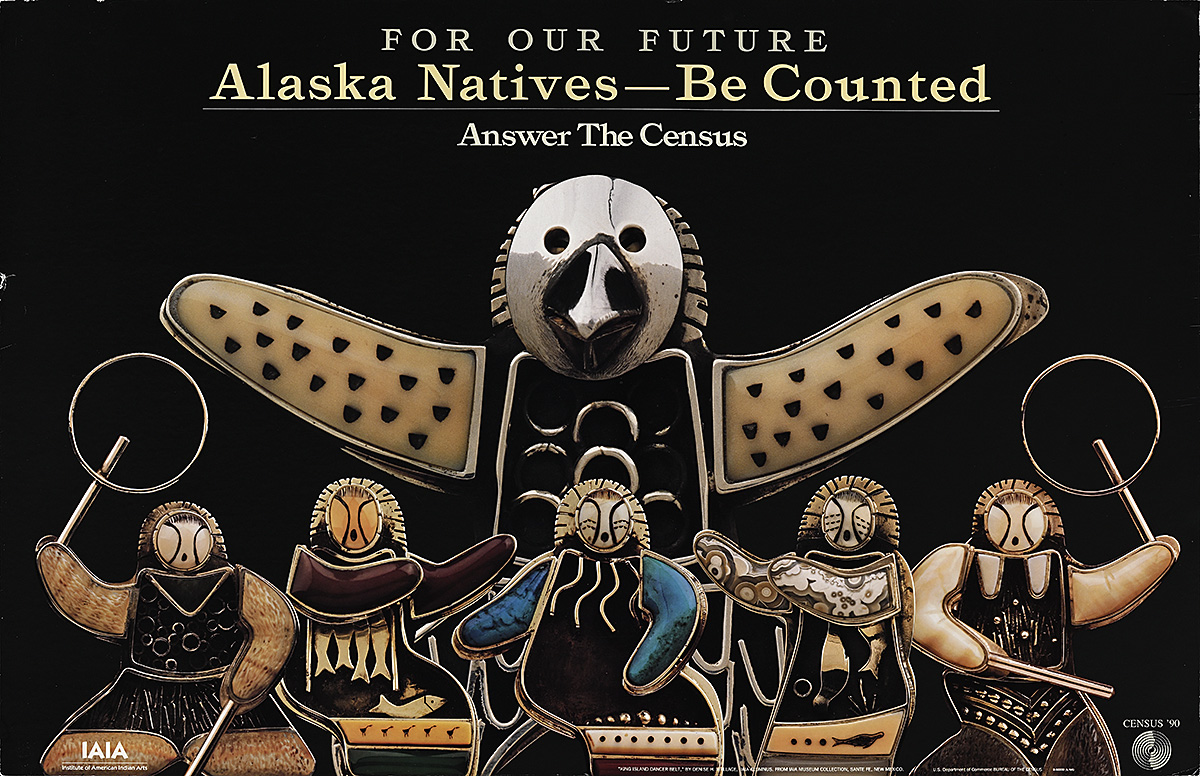
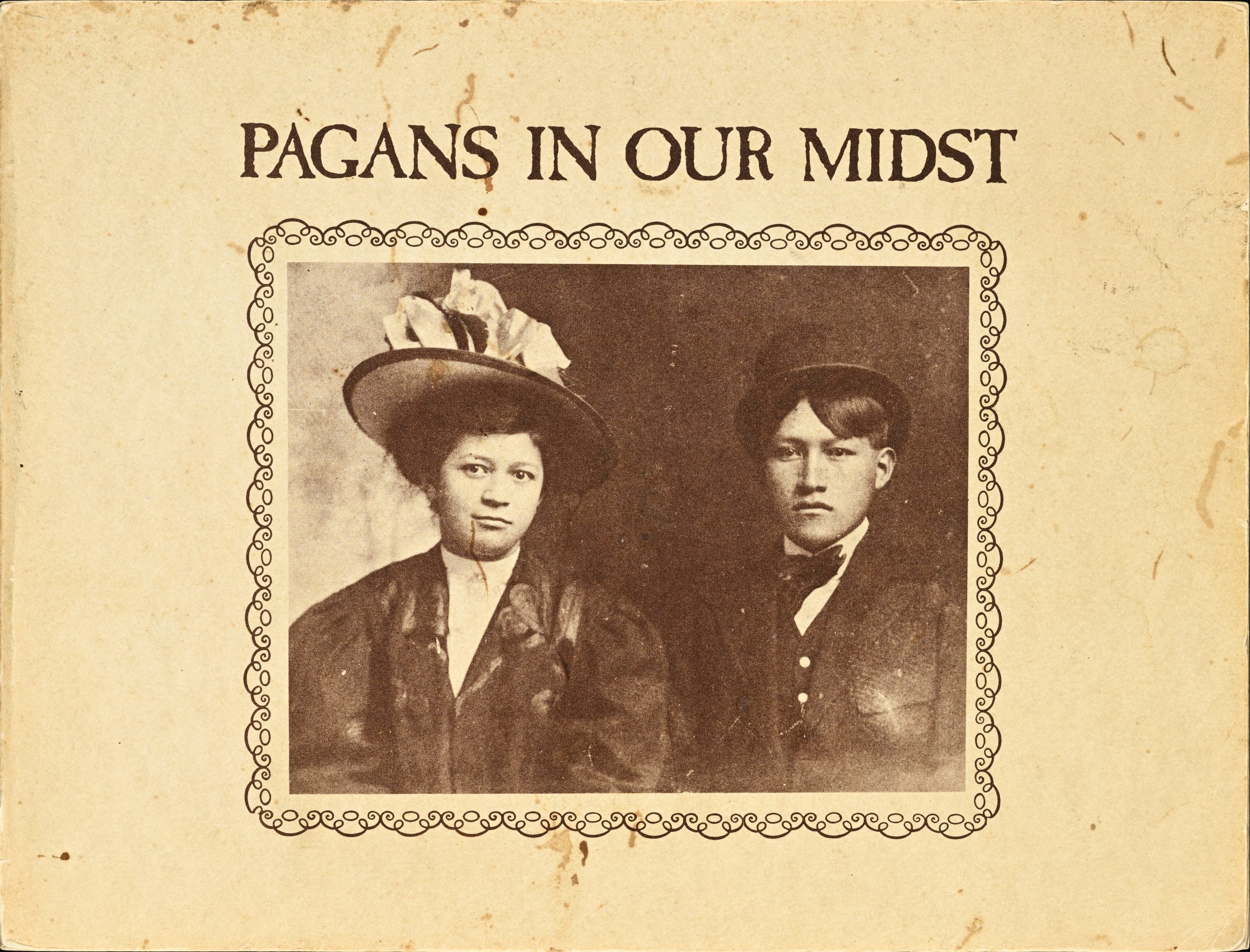
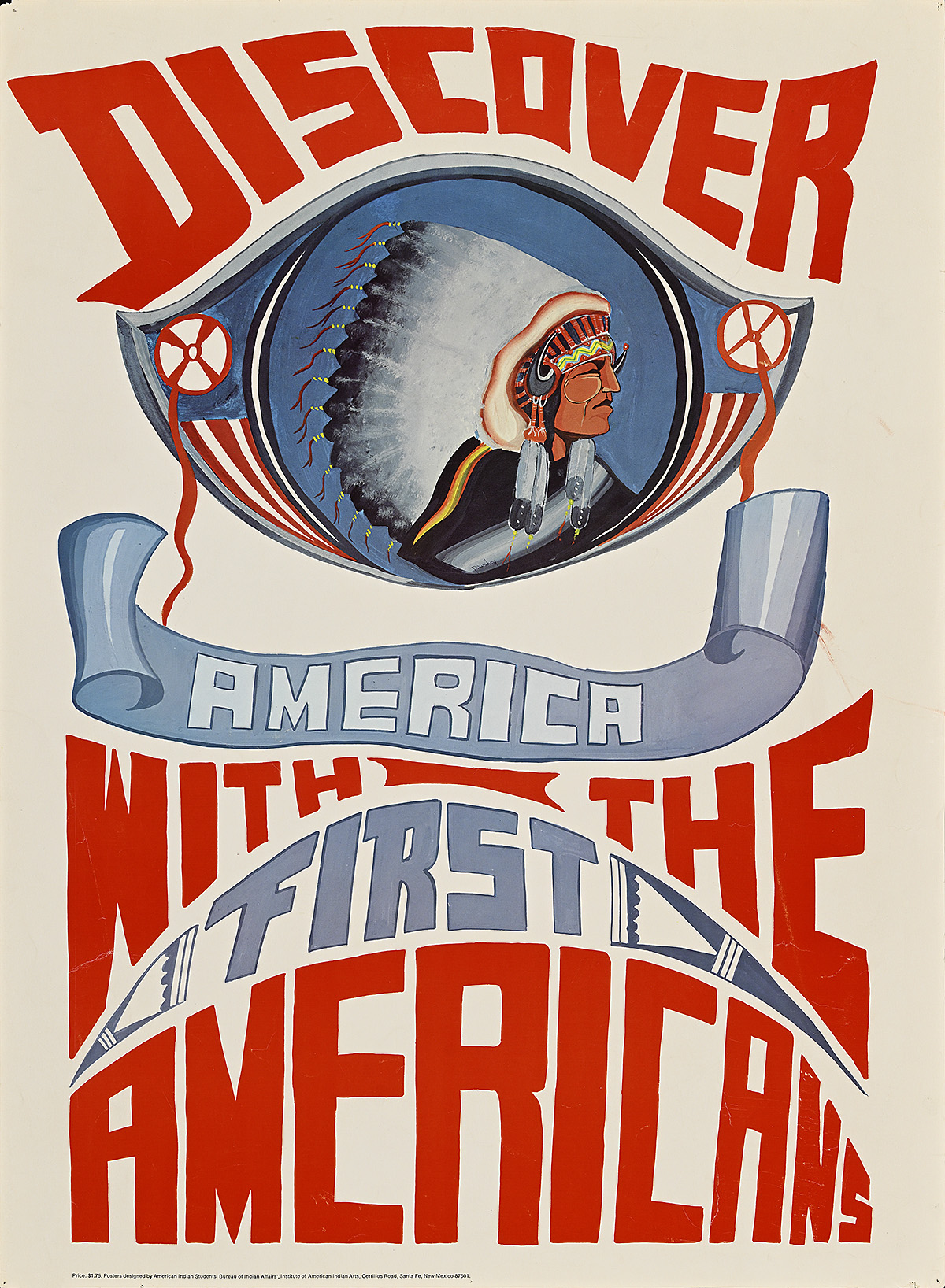
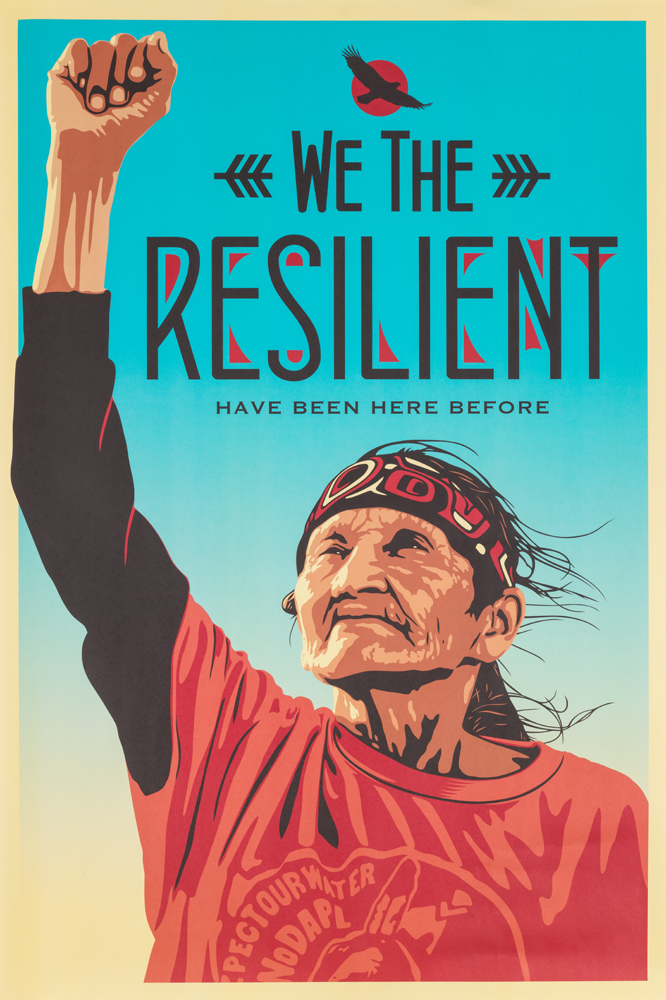
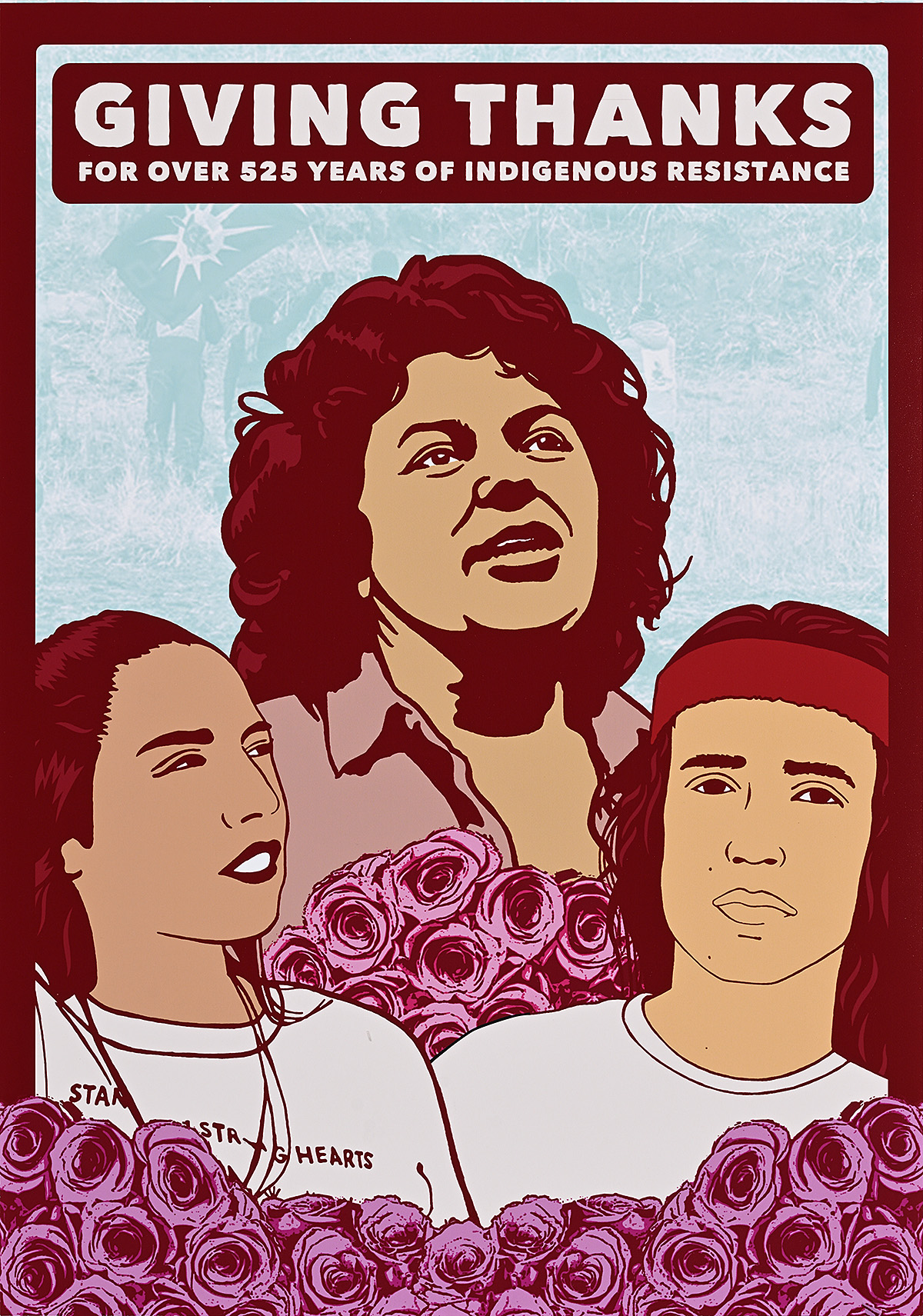
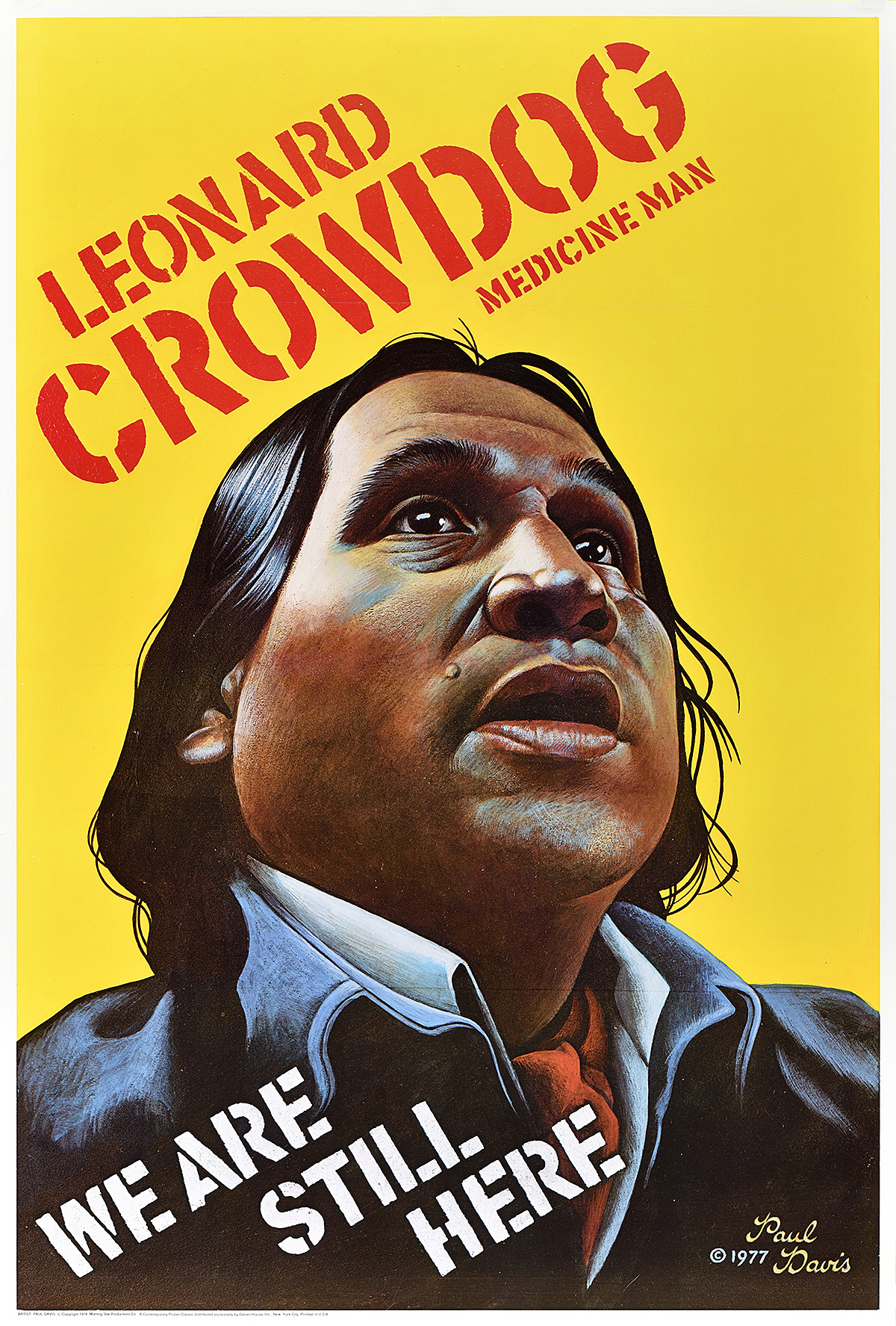
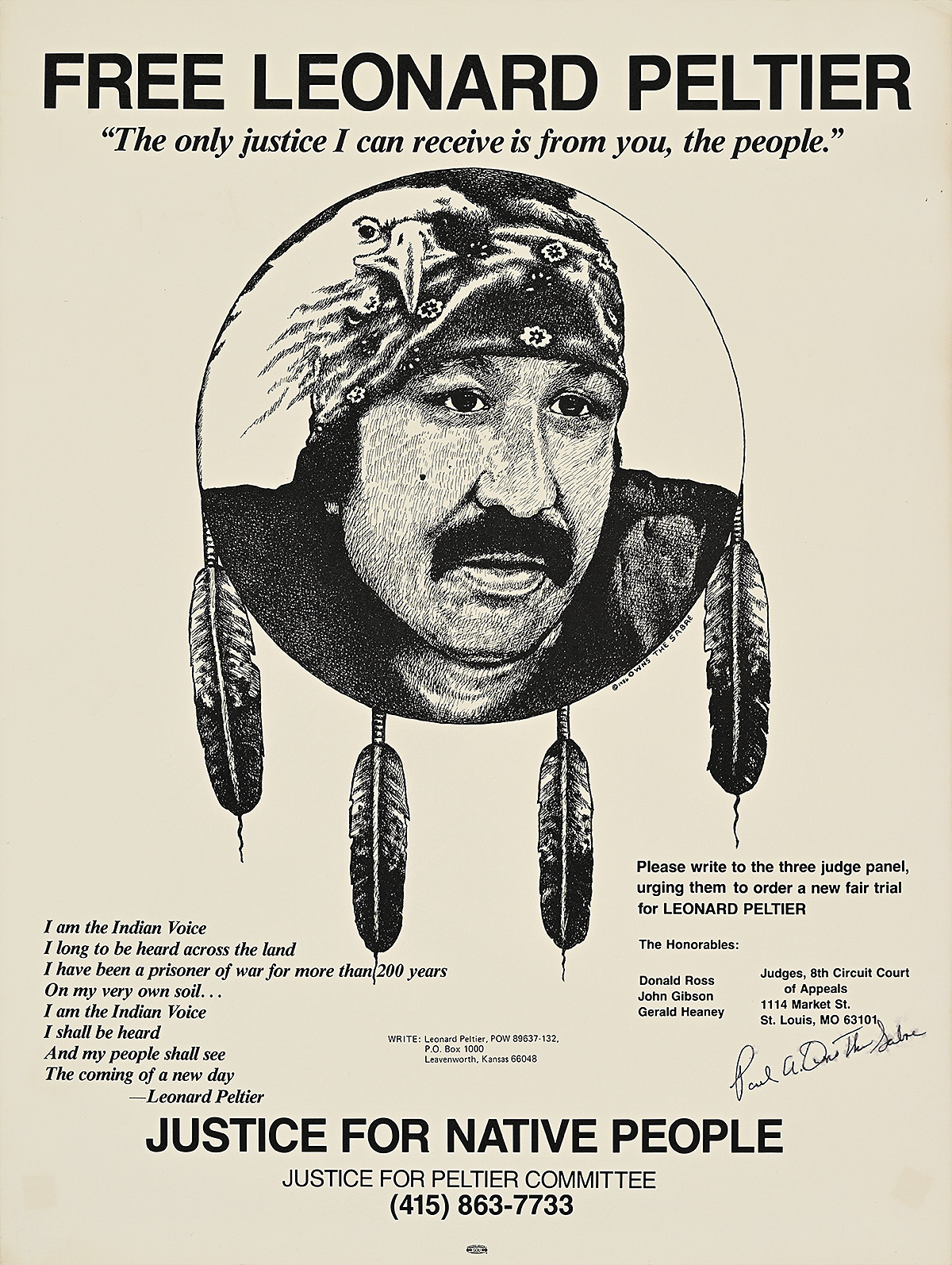
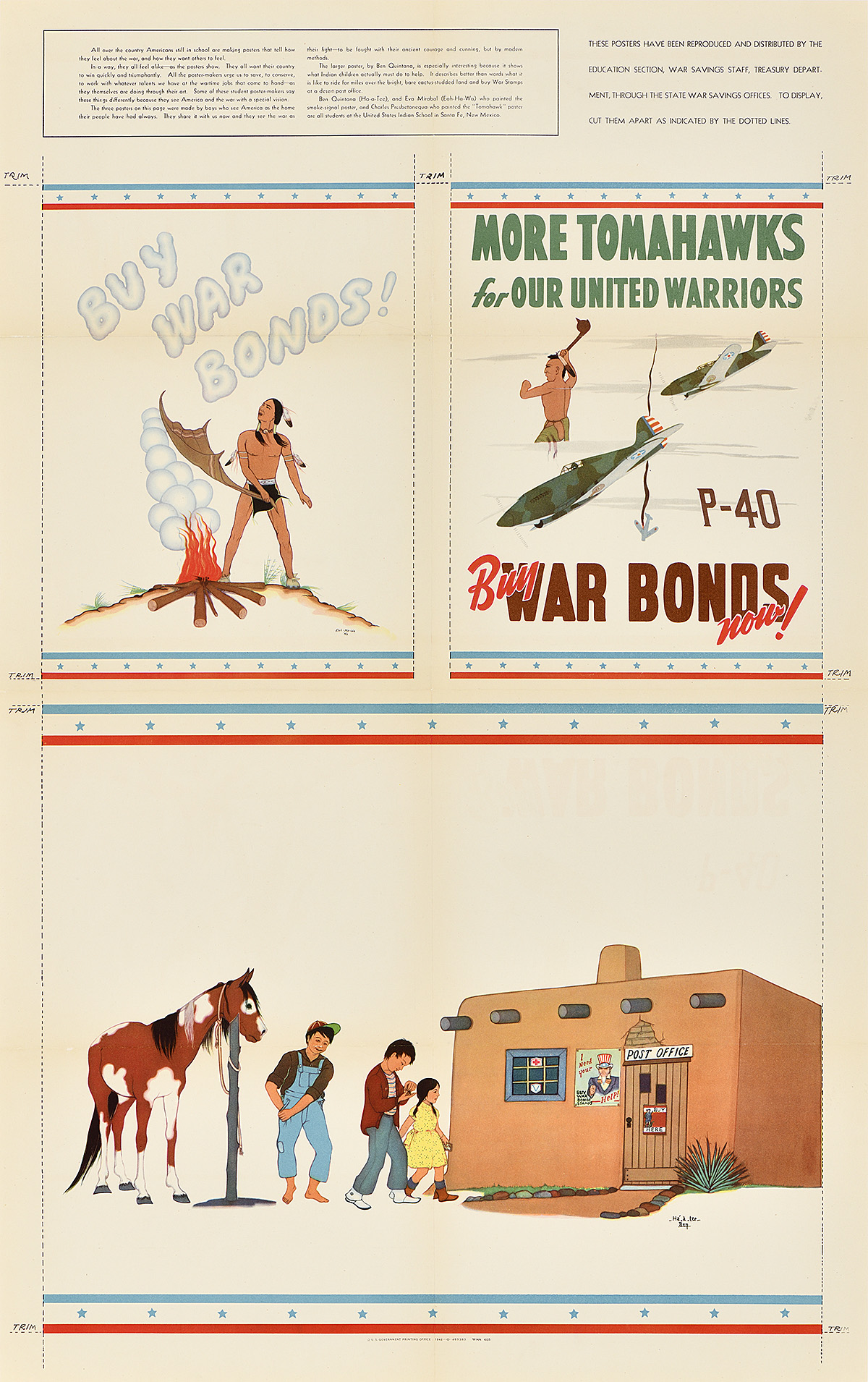
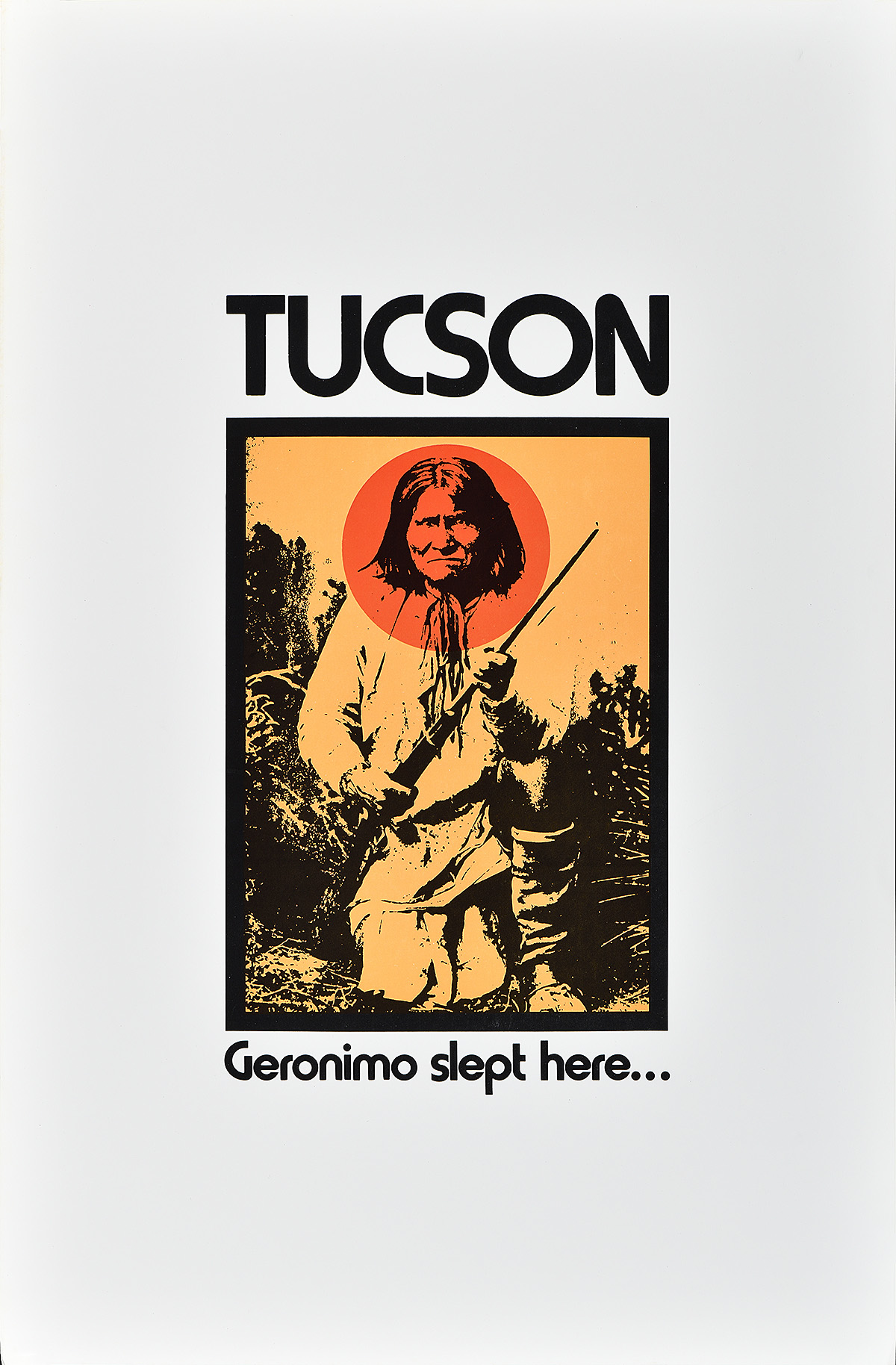
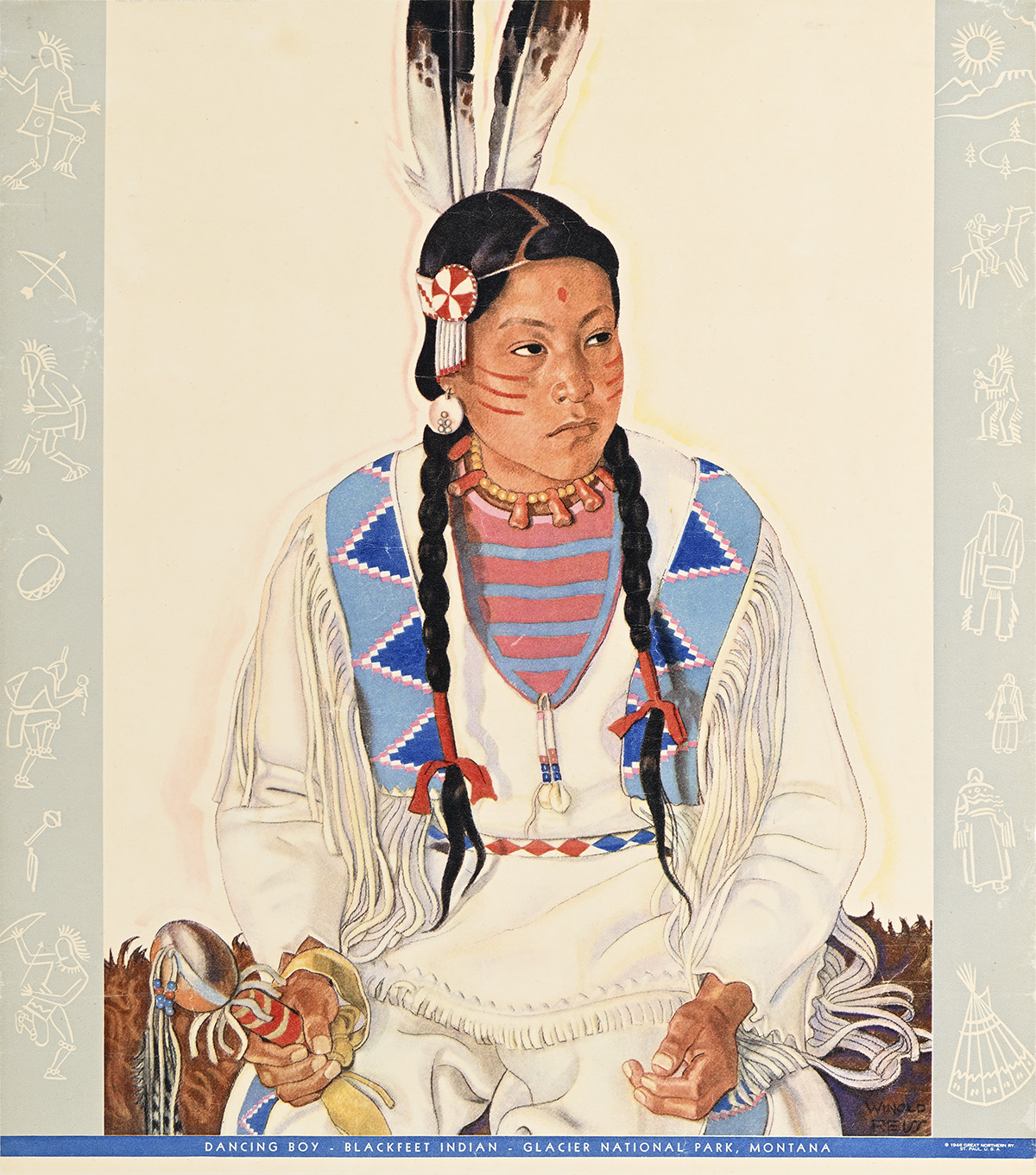
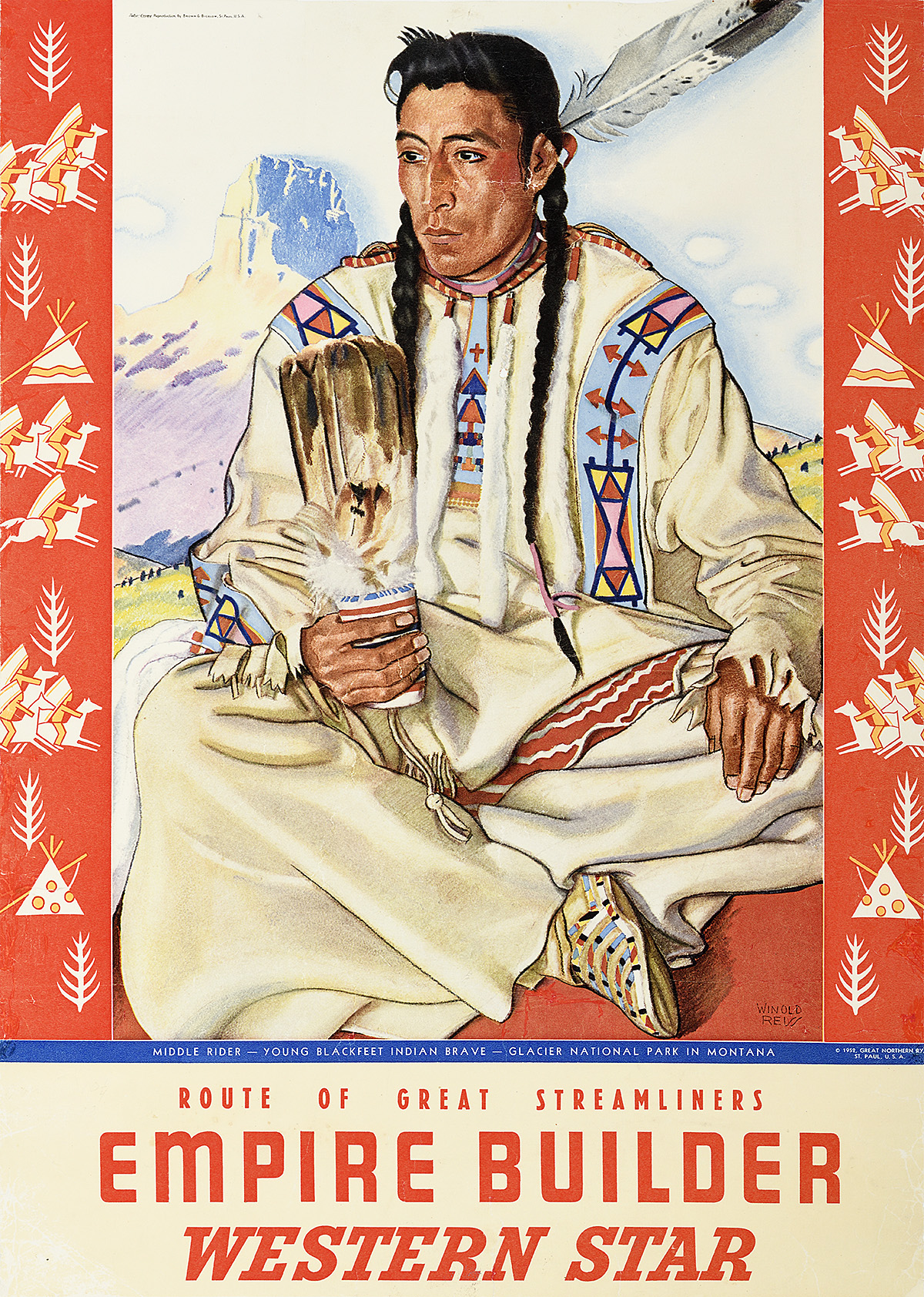
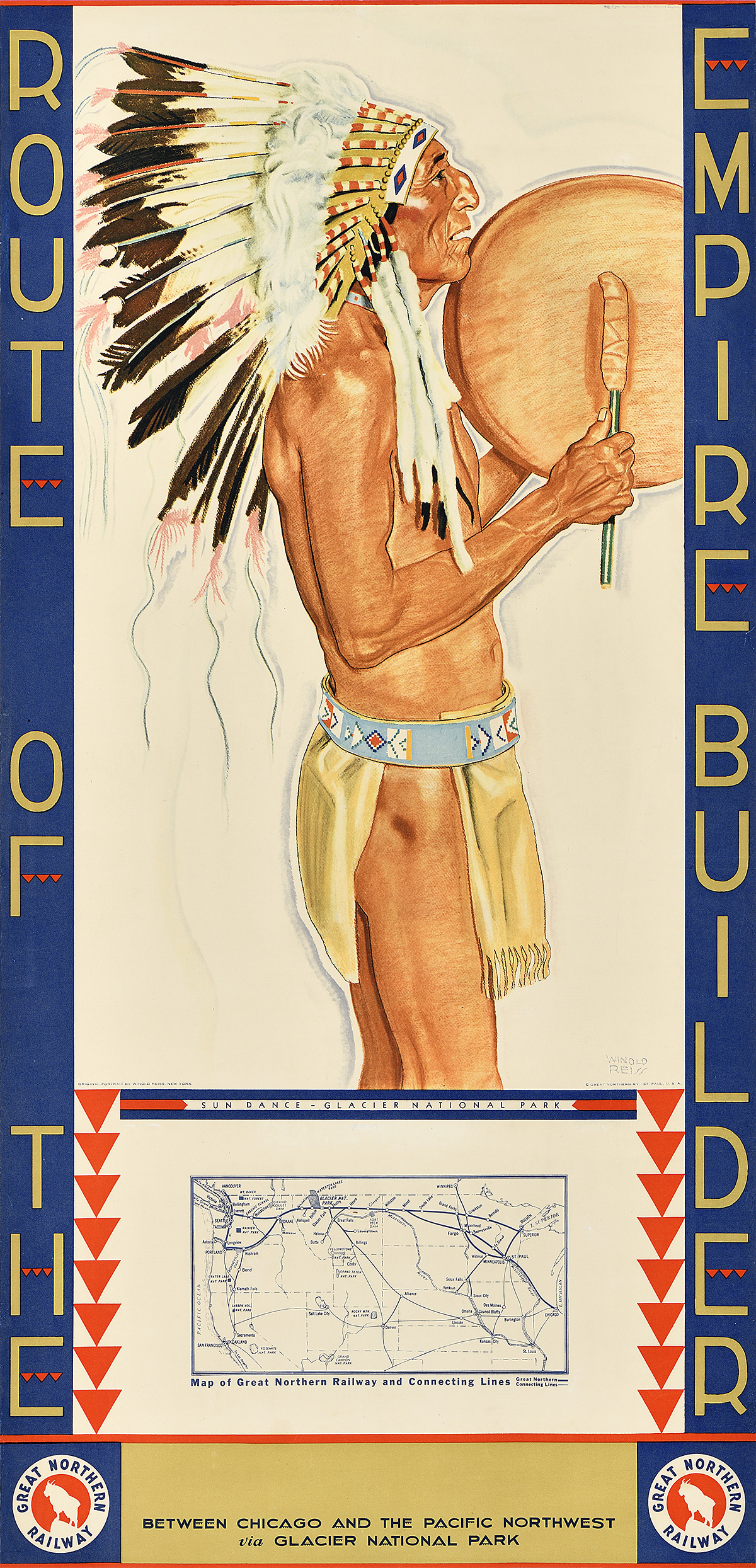
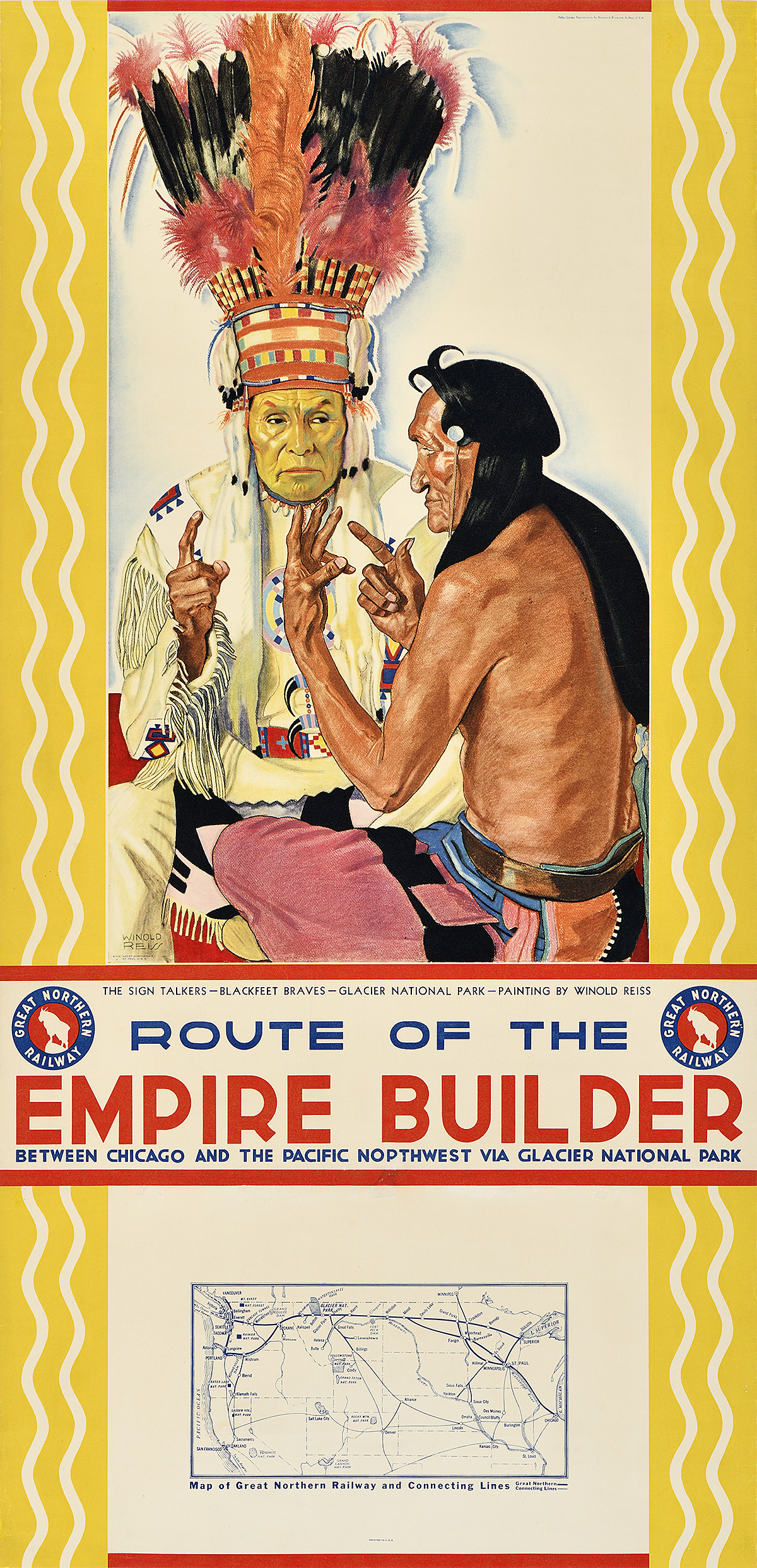
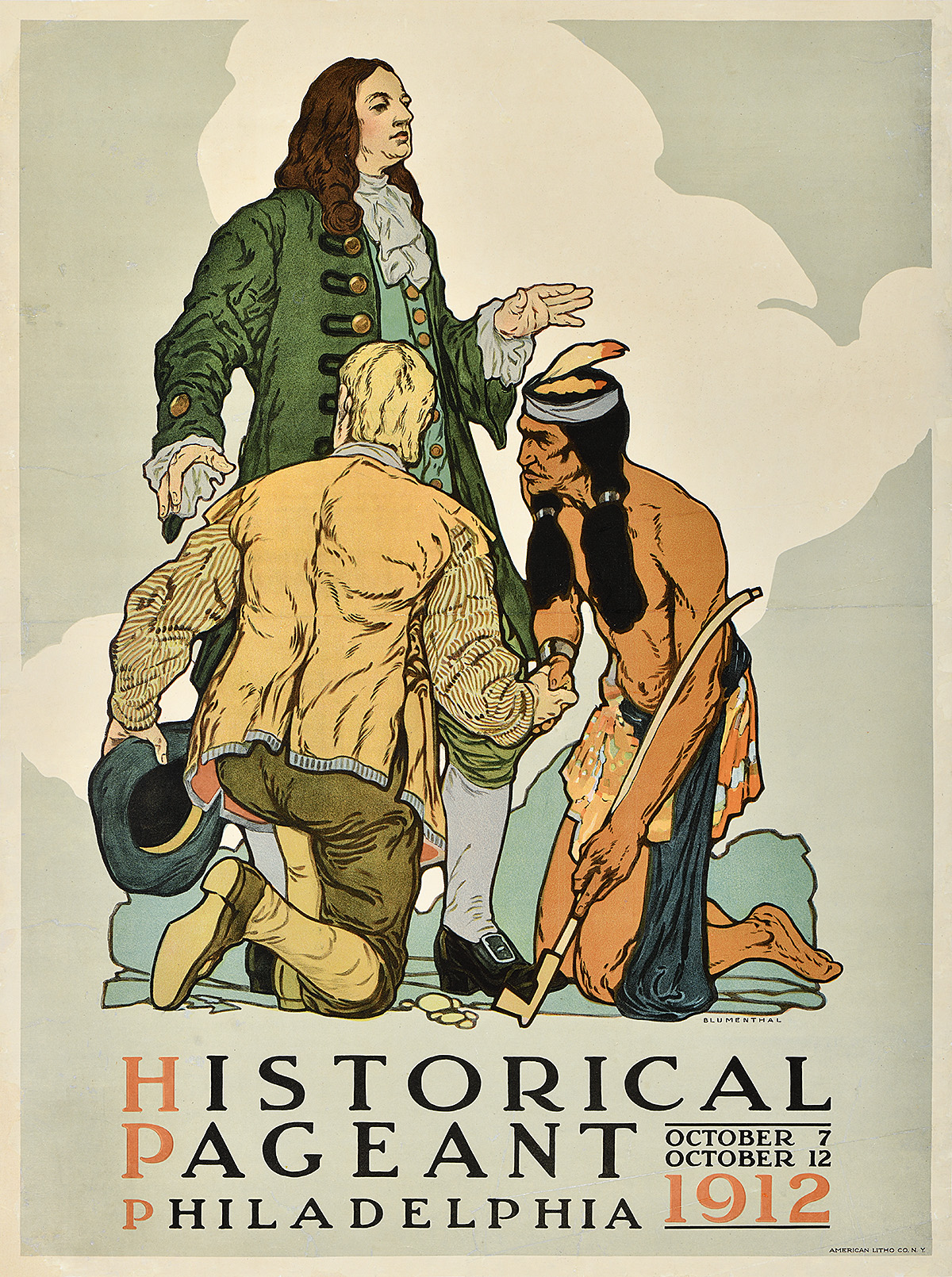
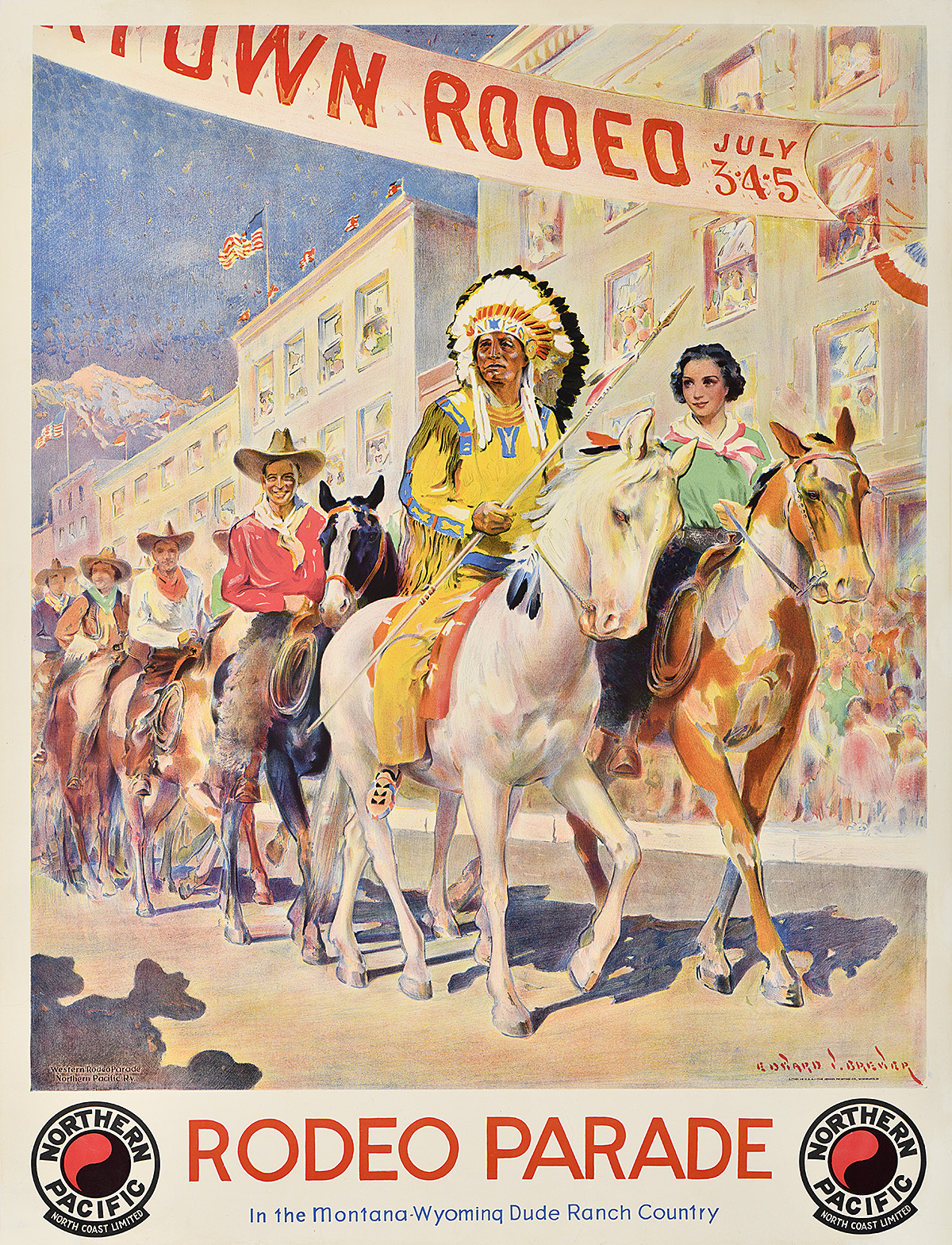
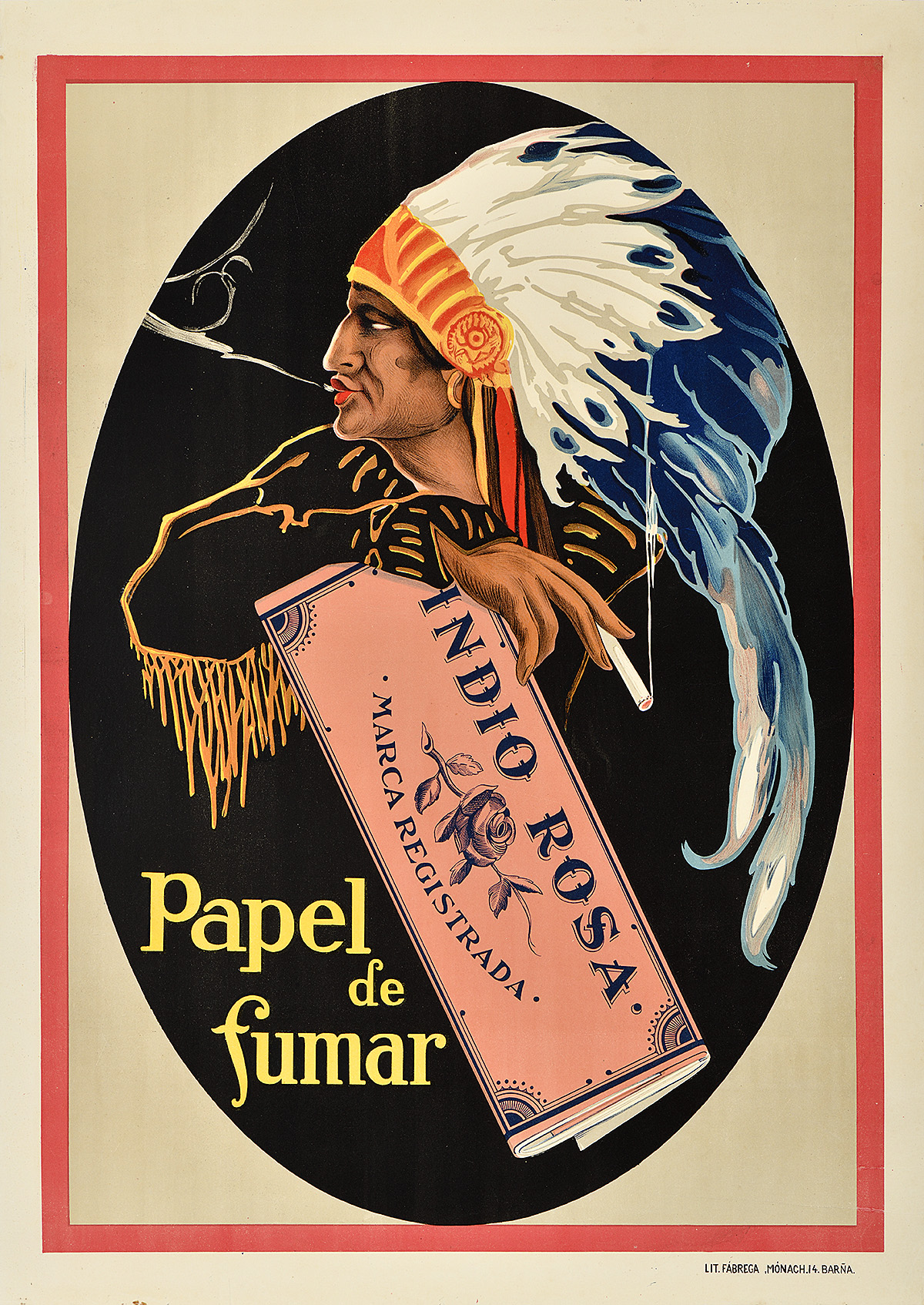
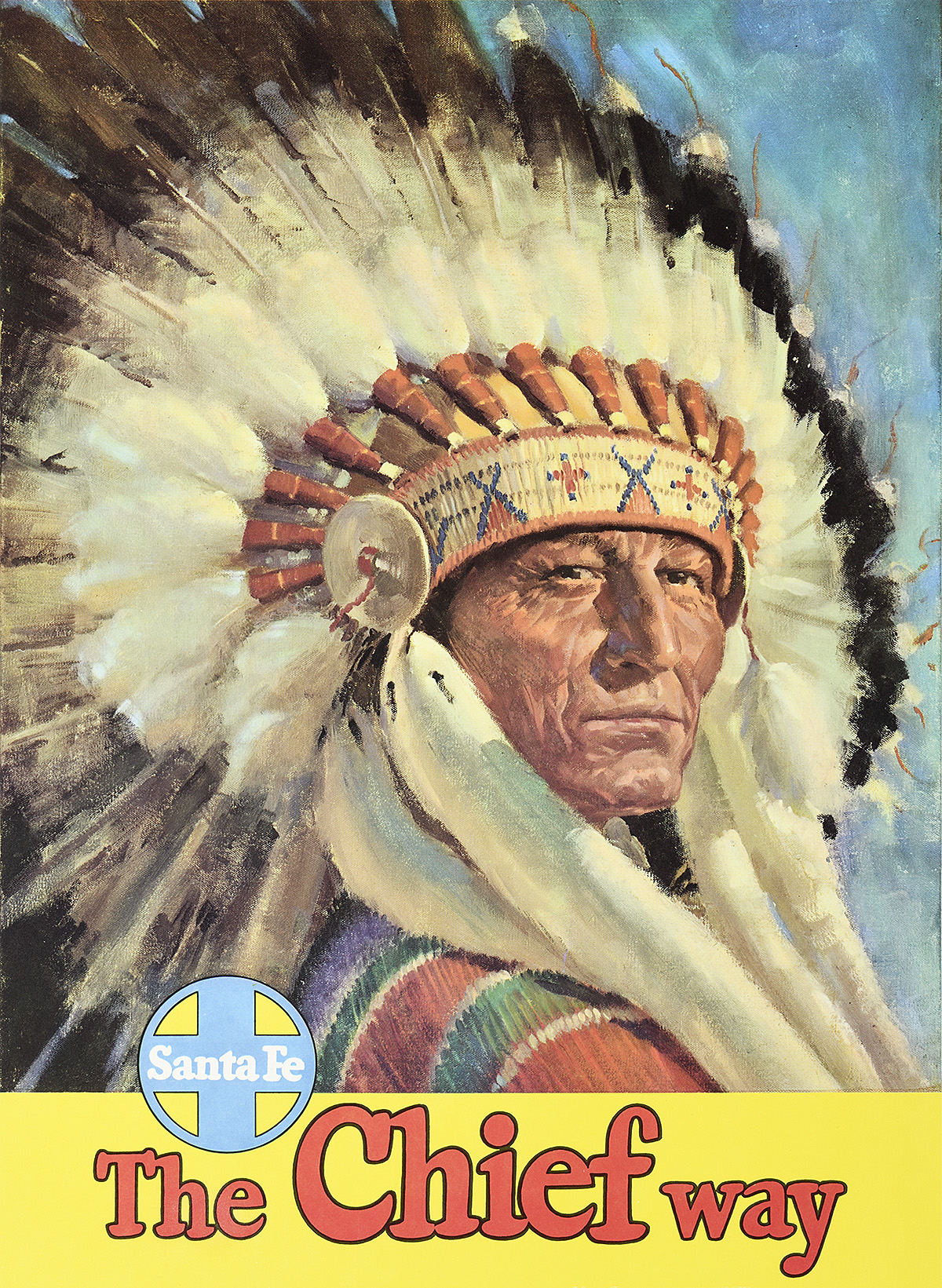
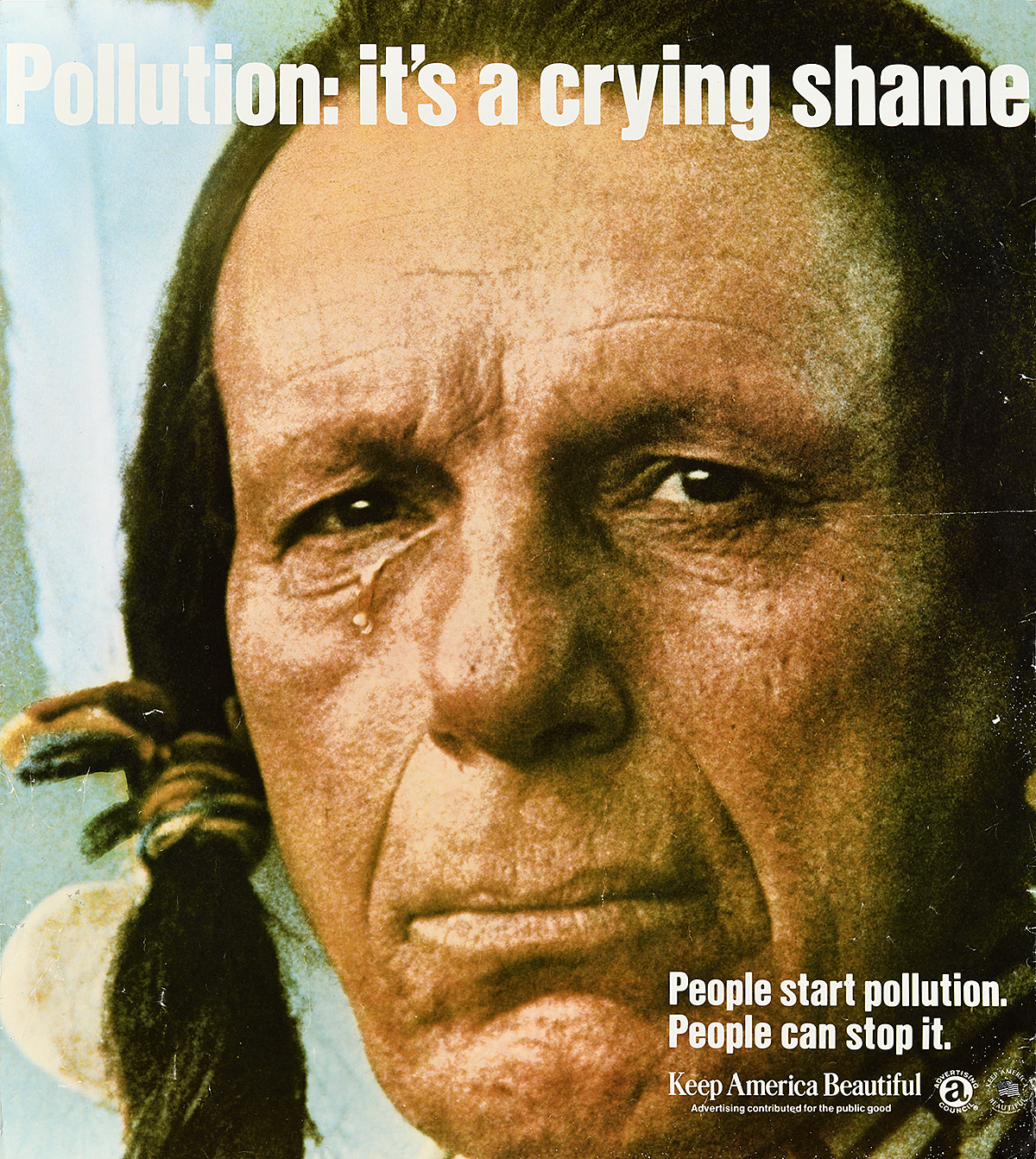
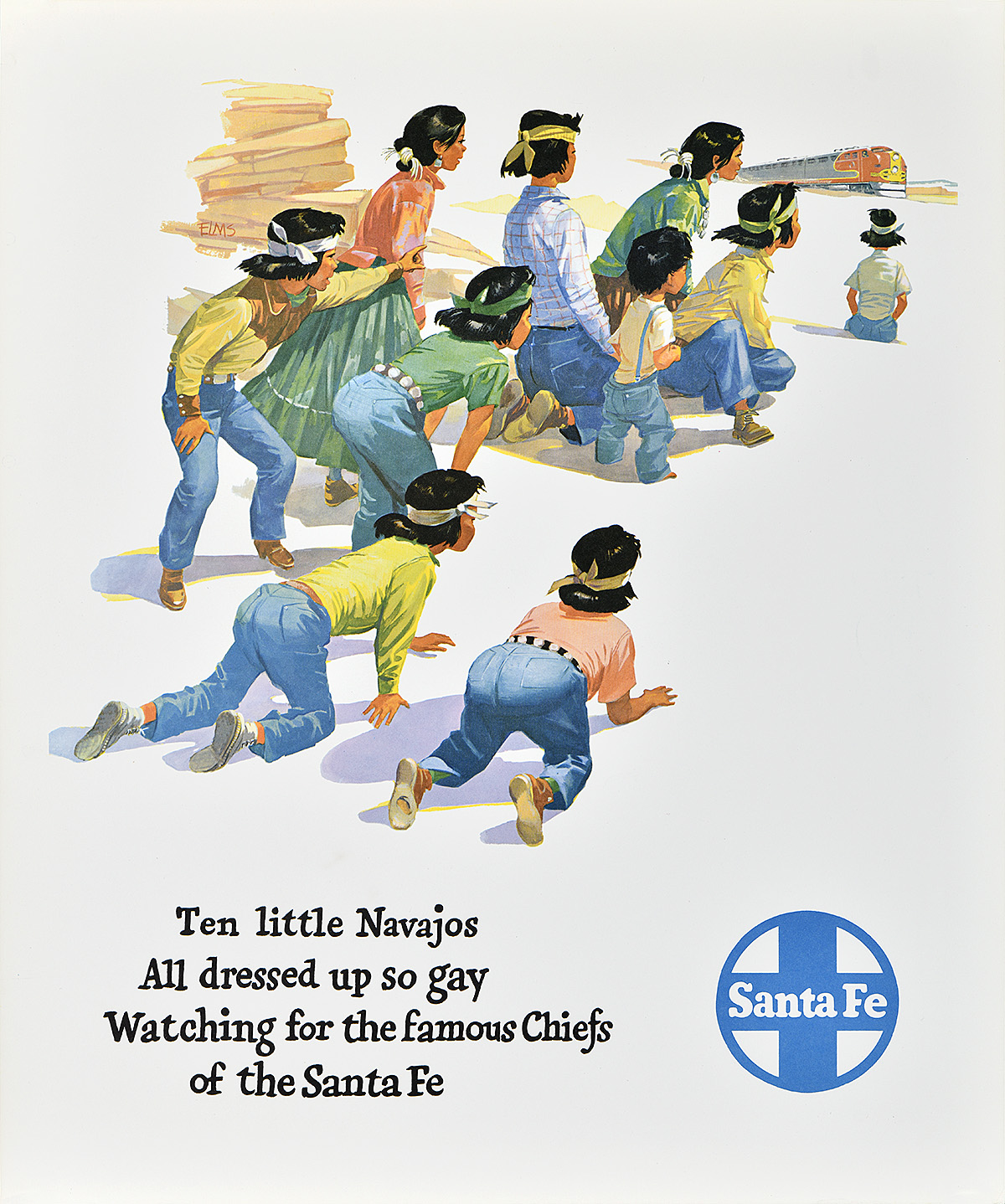
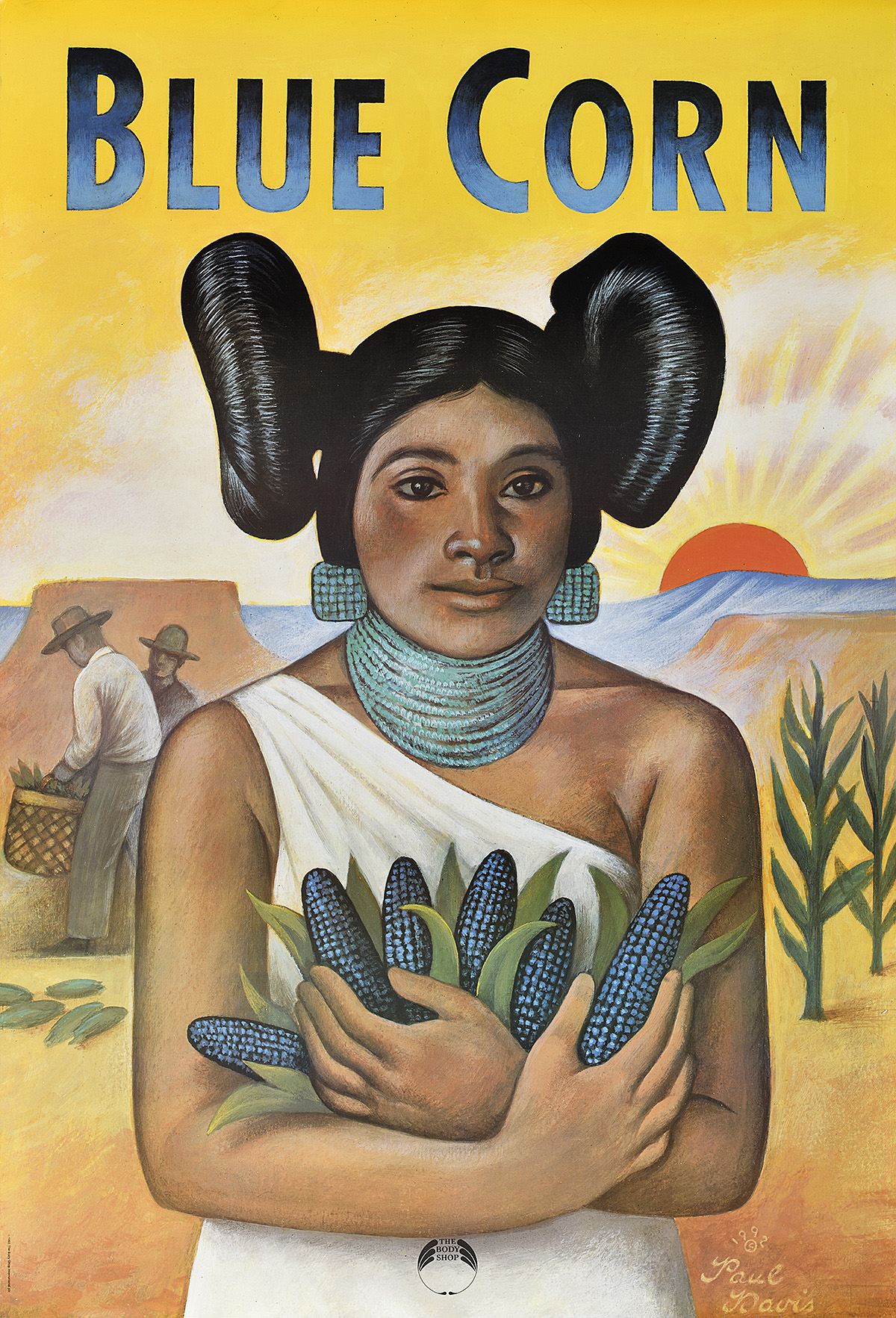
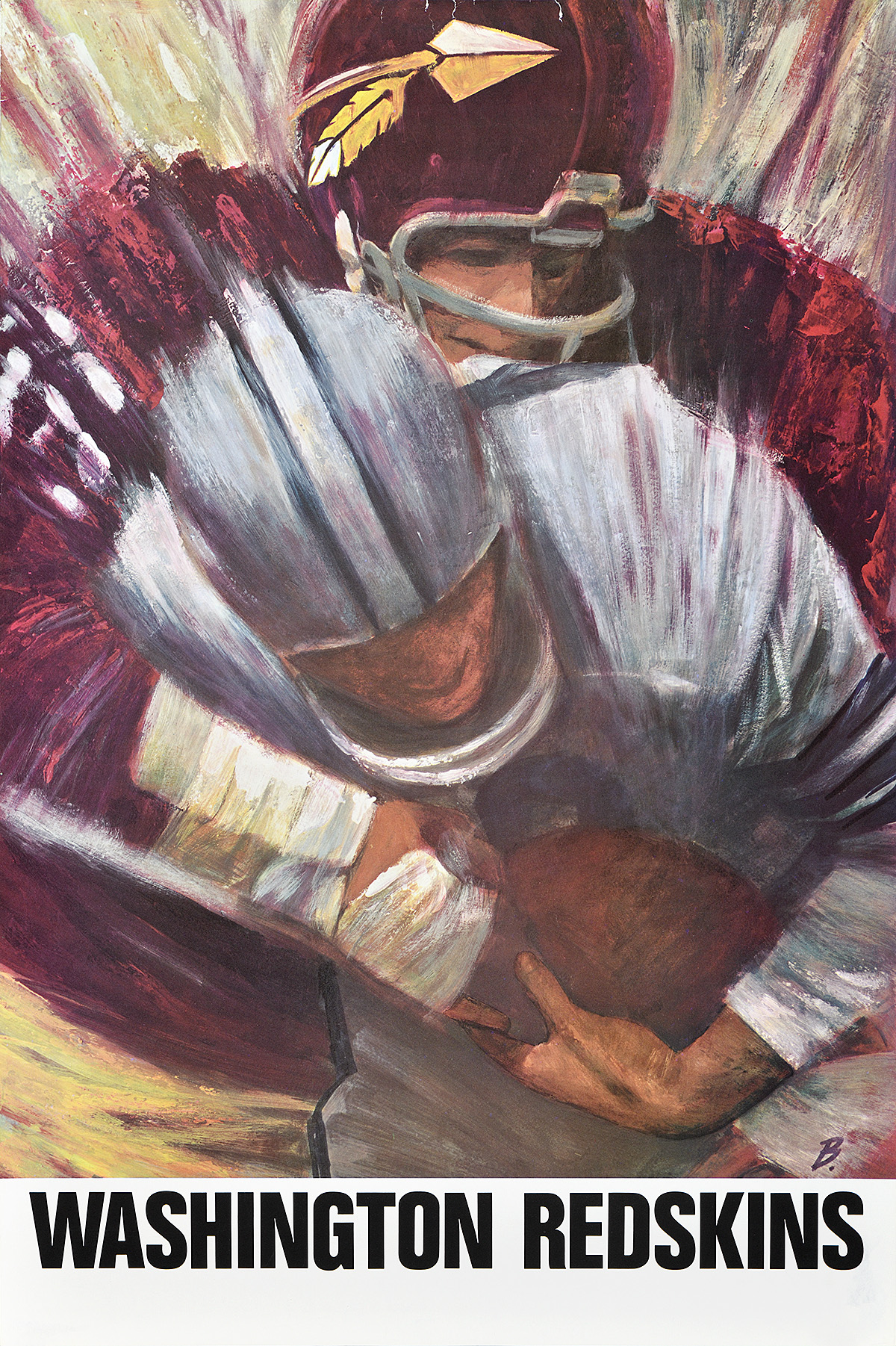
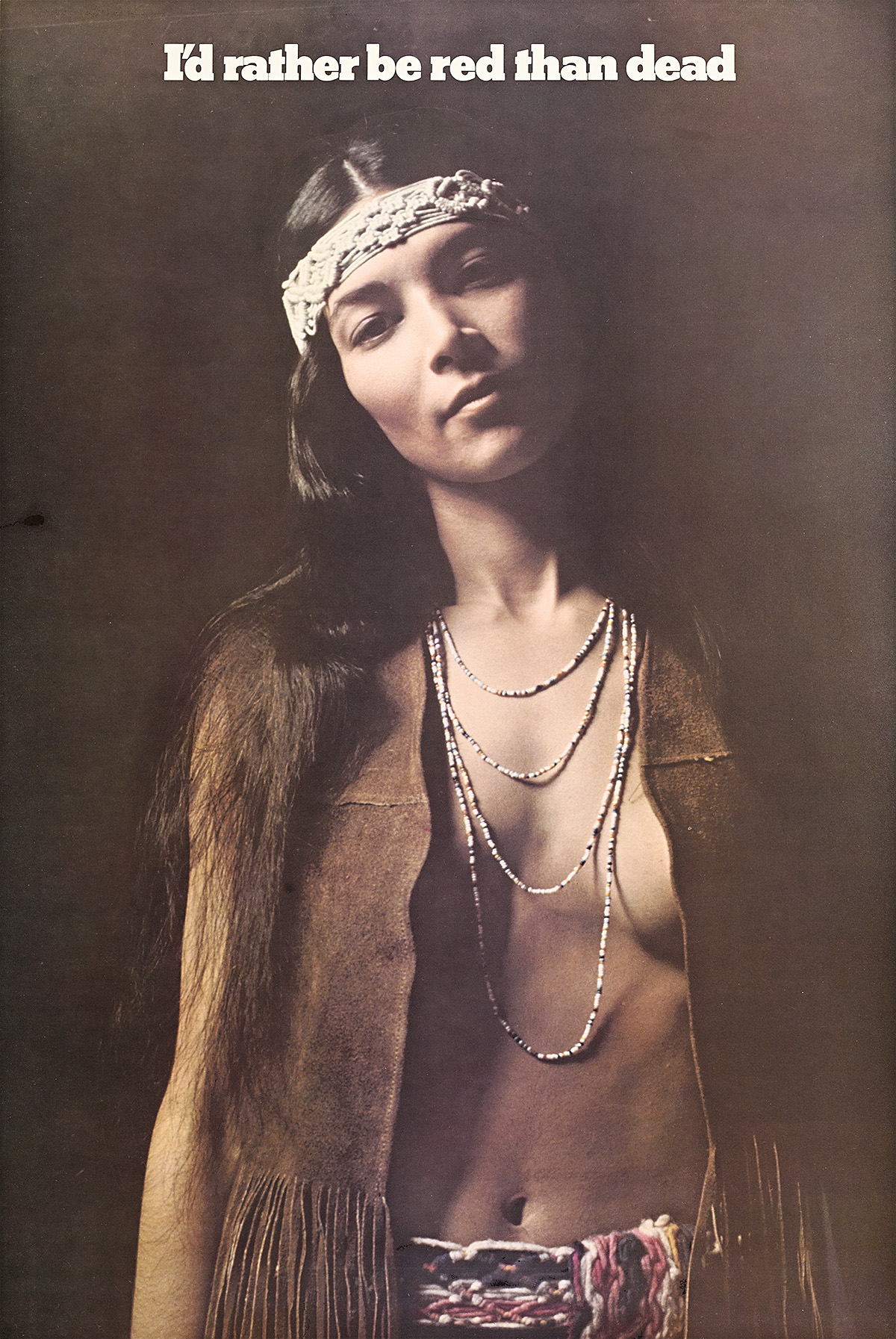
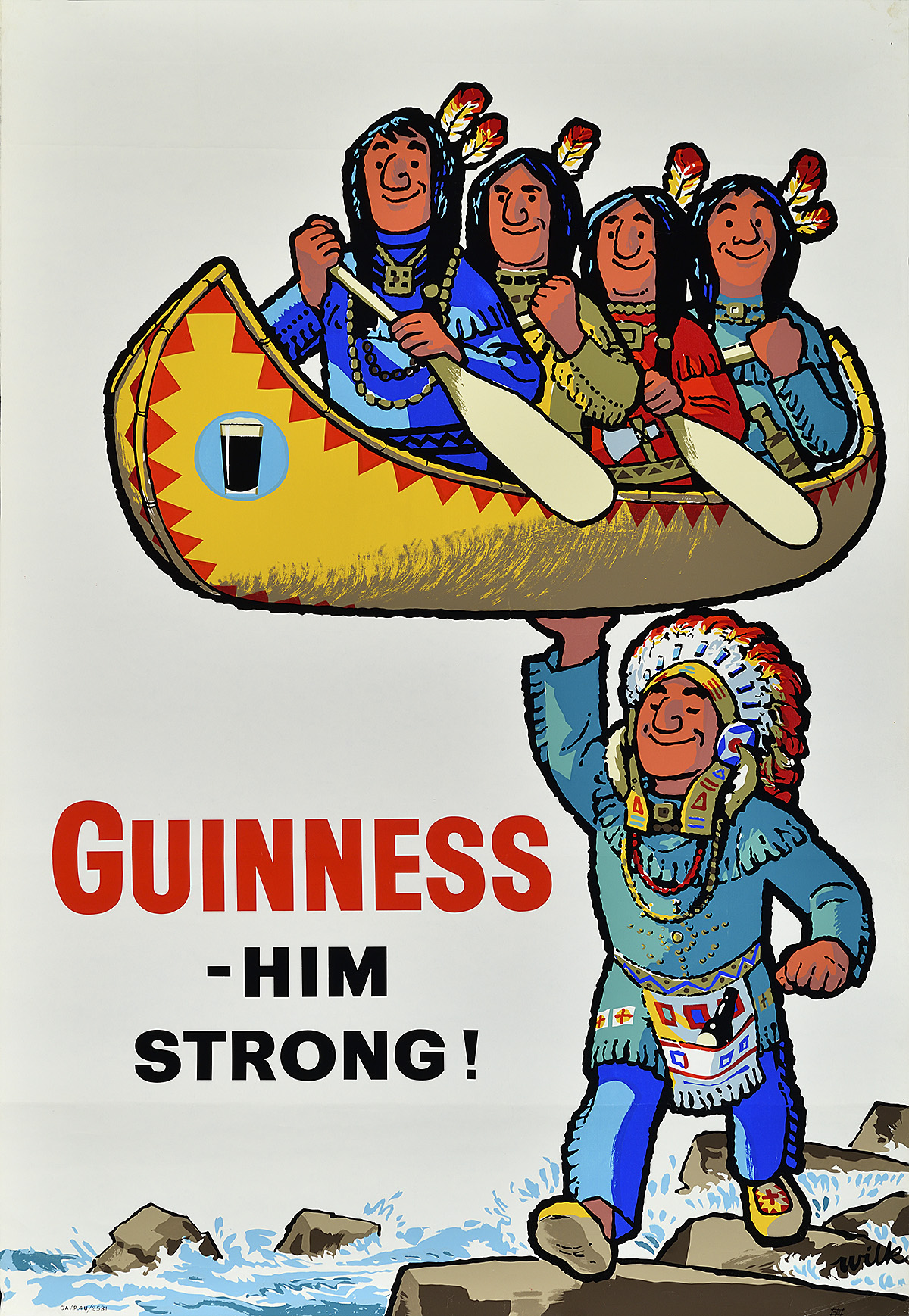
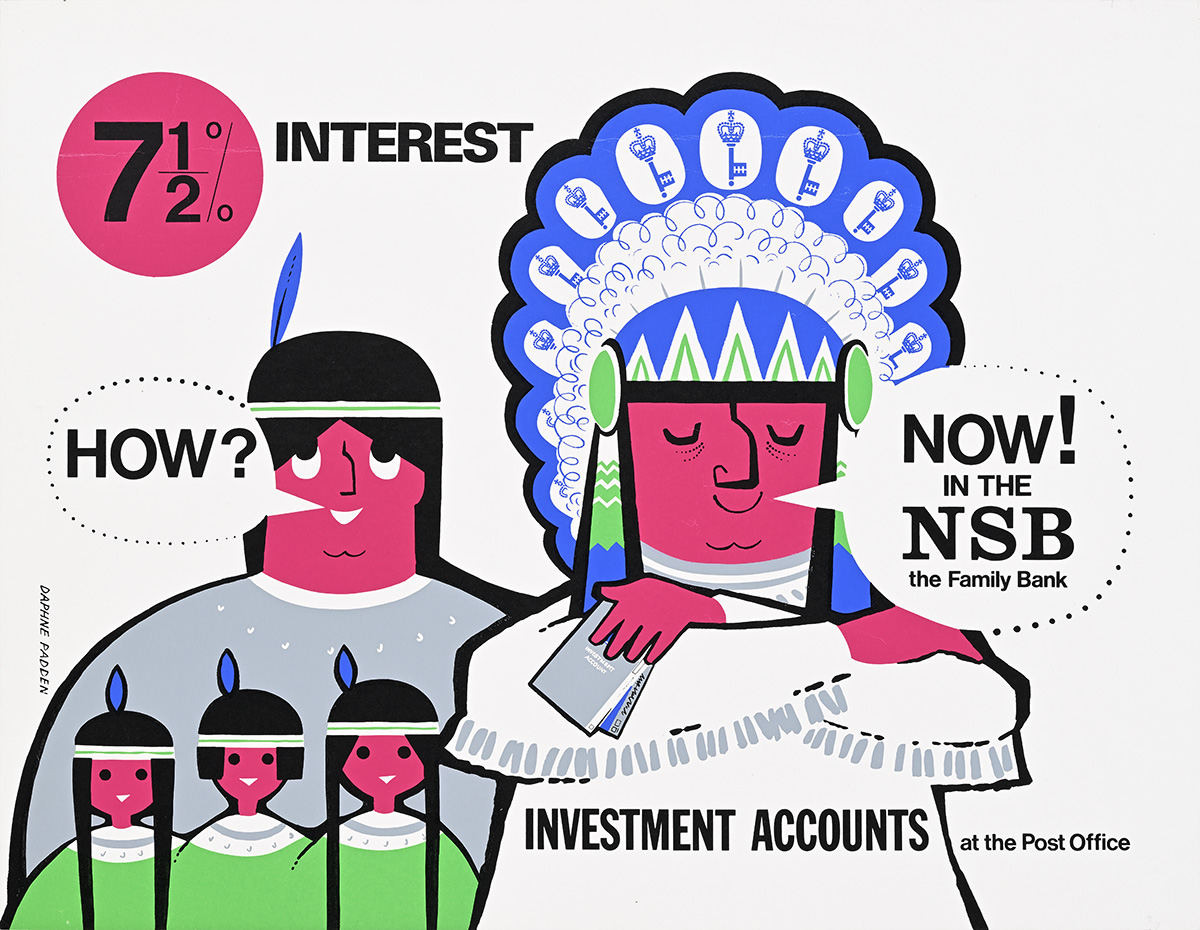
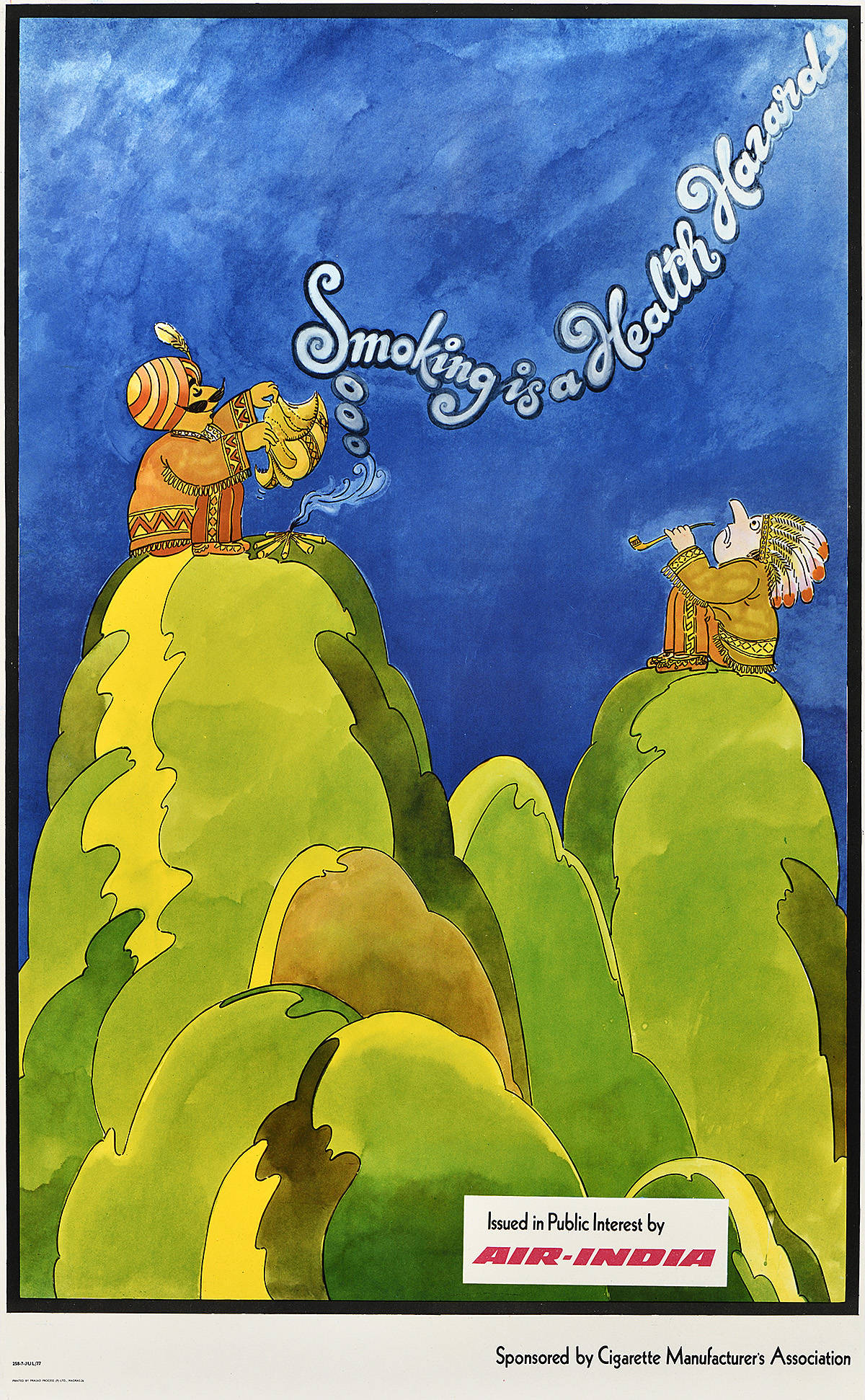
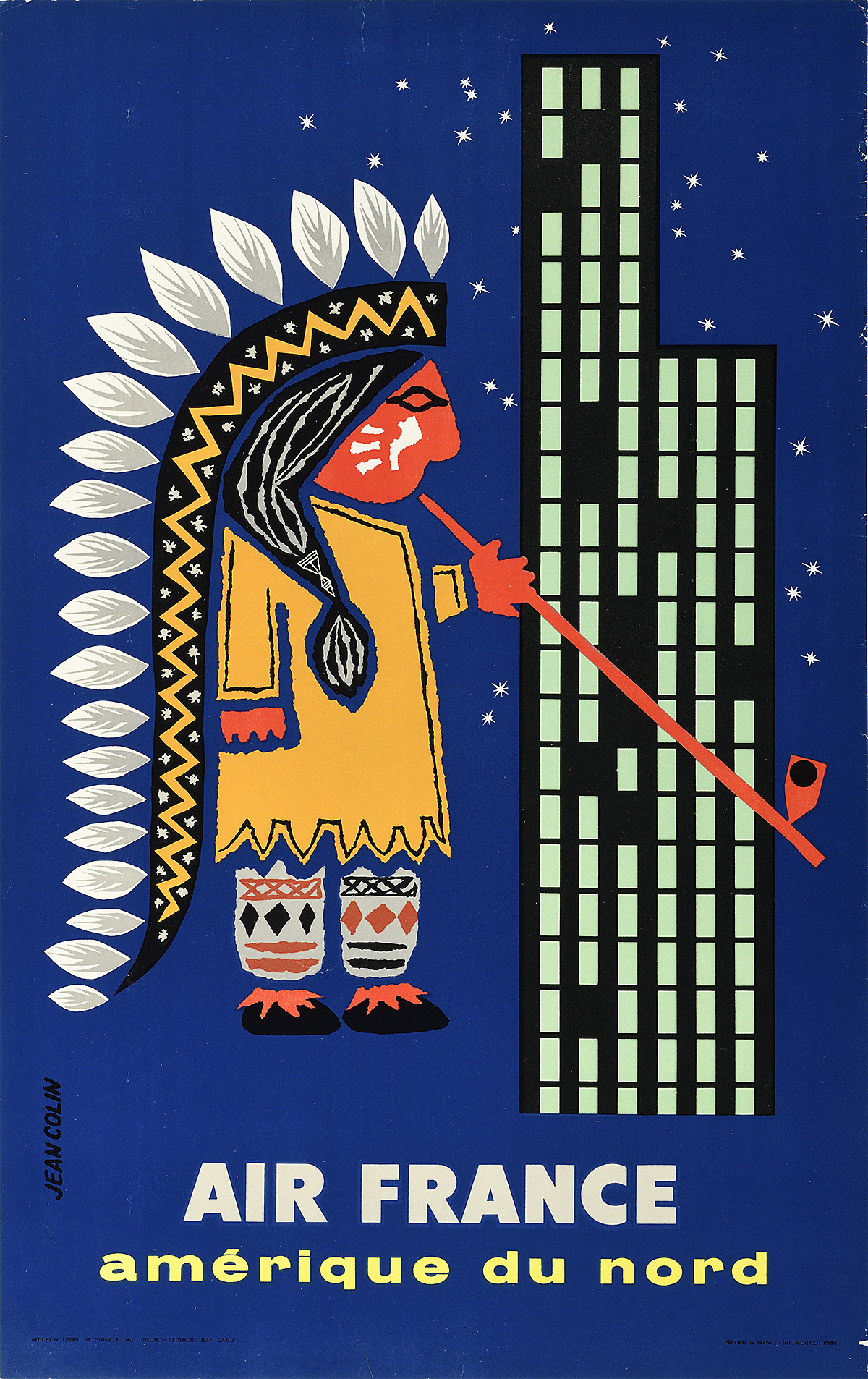
In advertisements for butter to beer and Fords to football, North American visual culture has perpetuated representations that serve commerce while erasing Indigenous humanity. Native designers are rarely shown as the authors of their own ideas or images, controlling neither how and where their stories are depicted nor the channels and mediums through which they are filtered. Instead, Indigenous life has been historically reduced to iconography that supports the American mythos that its numerous and distinct tribes are dead and in the past. Mythmakers and marketing teams have long used graphic design to tell stories about Native Americans, First Nations, Métis, Alaska Natives, and other Indigenous peoples rather than with them, creating reductive, inaccurate, and harmful characterizations of living, vibrant, and varied groups of people.
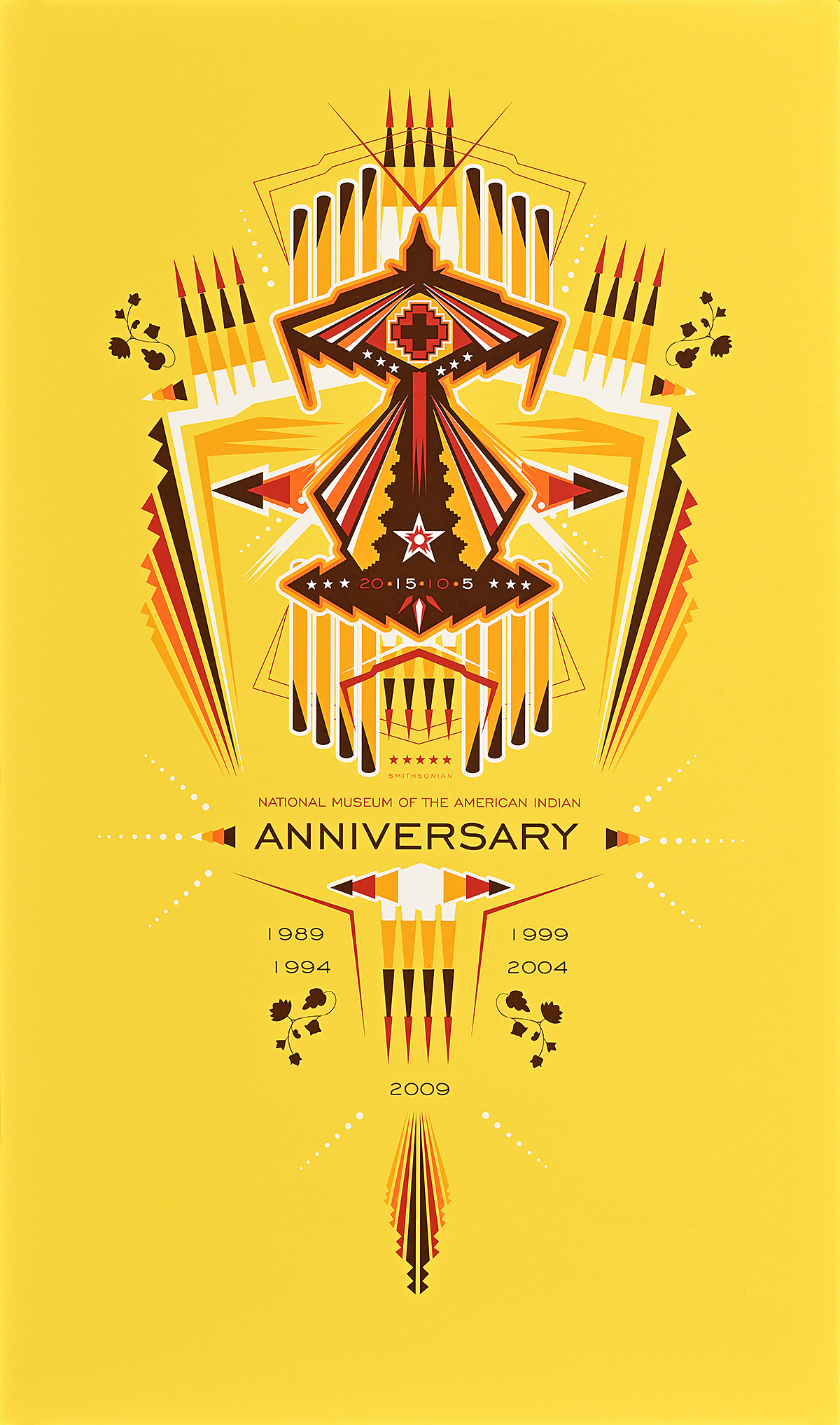
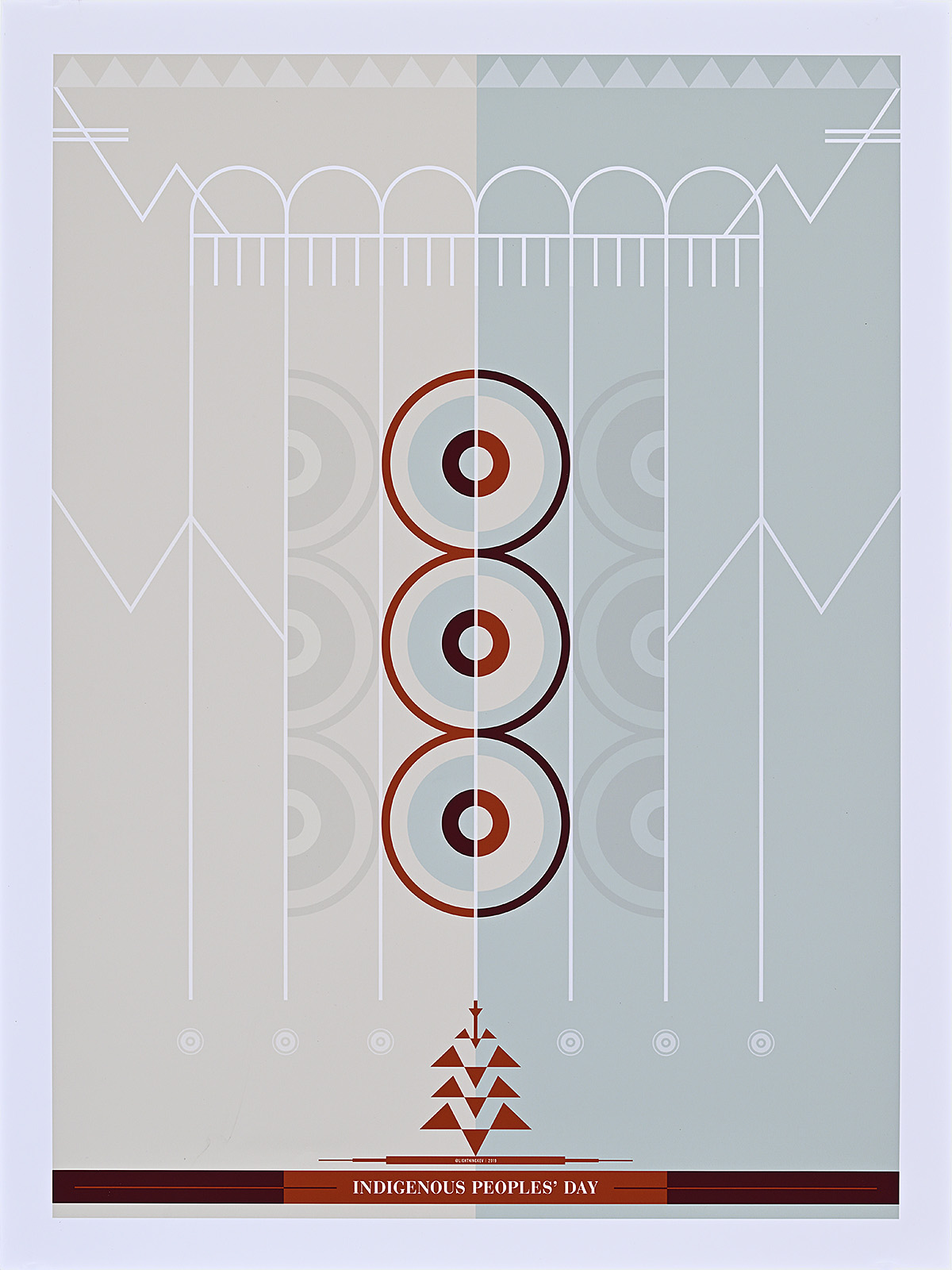
Despite this, the rich history of Native graphic art demonstrates that its practitioners are not merely the subjects of design but the shapers of it—innovators who have created dynamic, subversive, and optimistic work despite centuries of cultural obliteration, land theft, and socioeconomic marginalization.
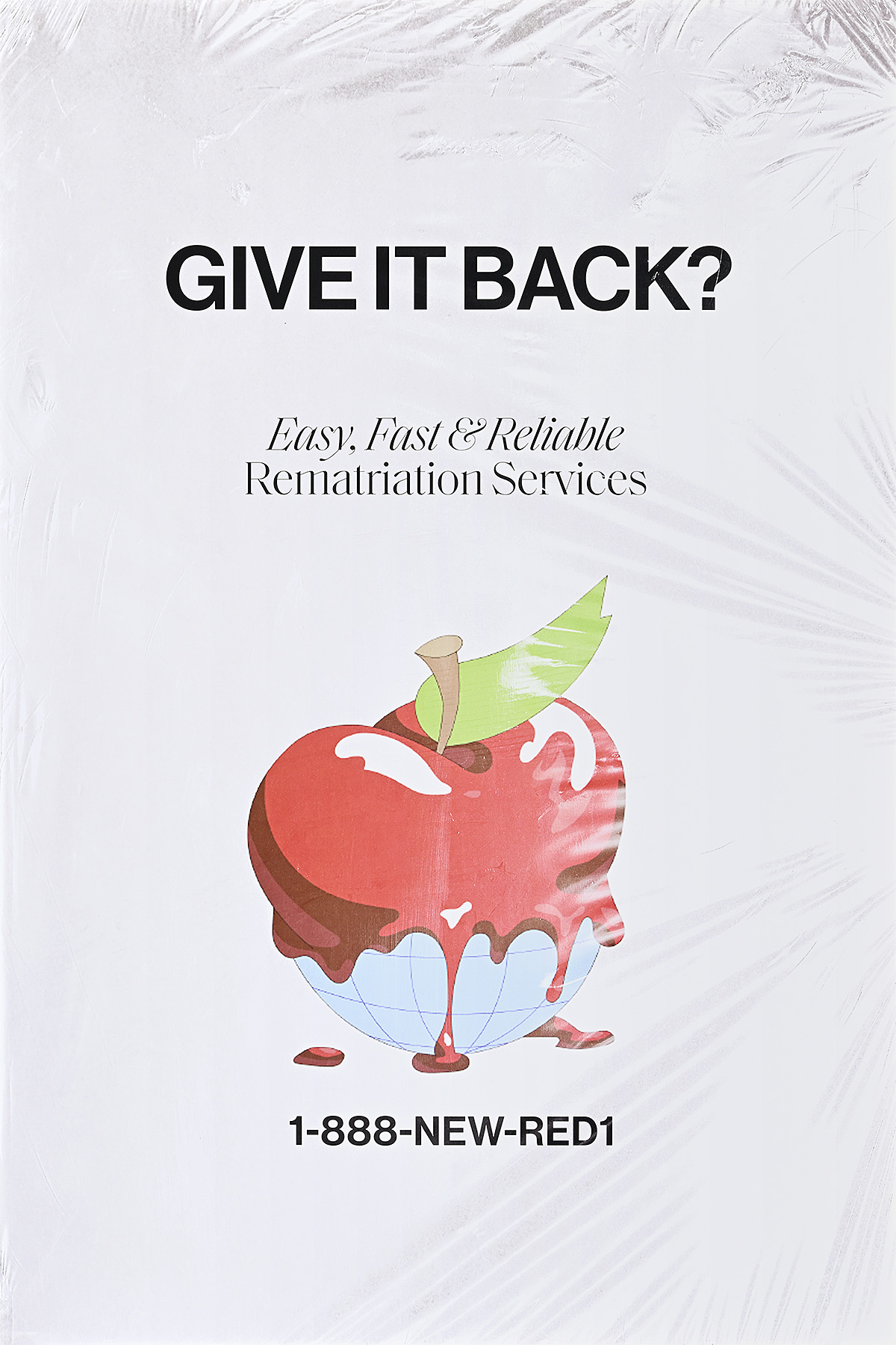
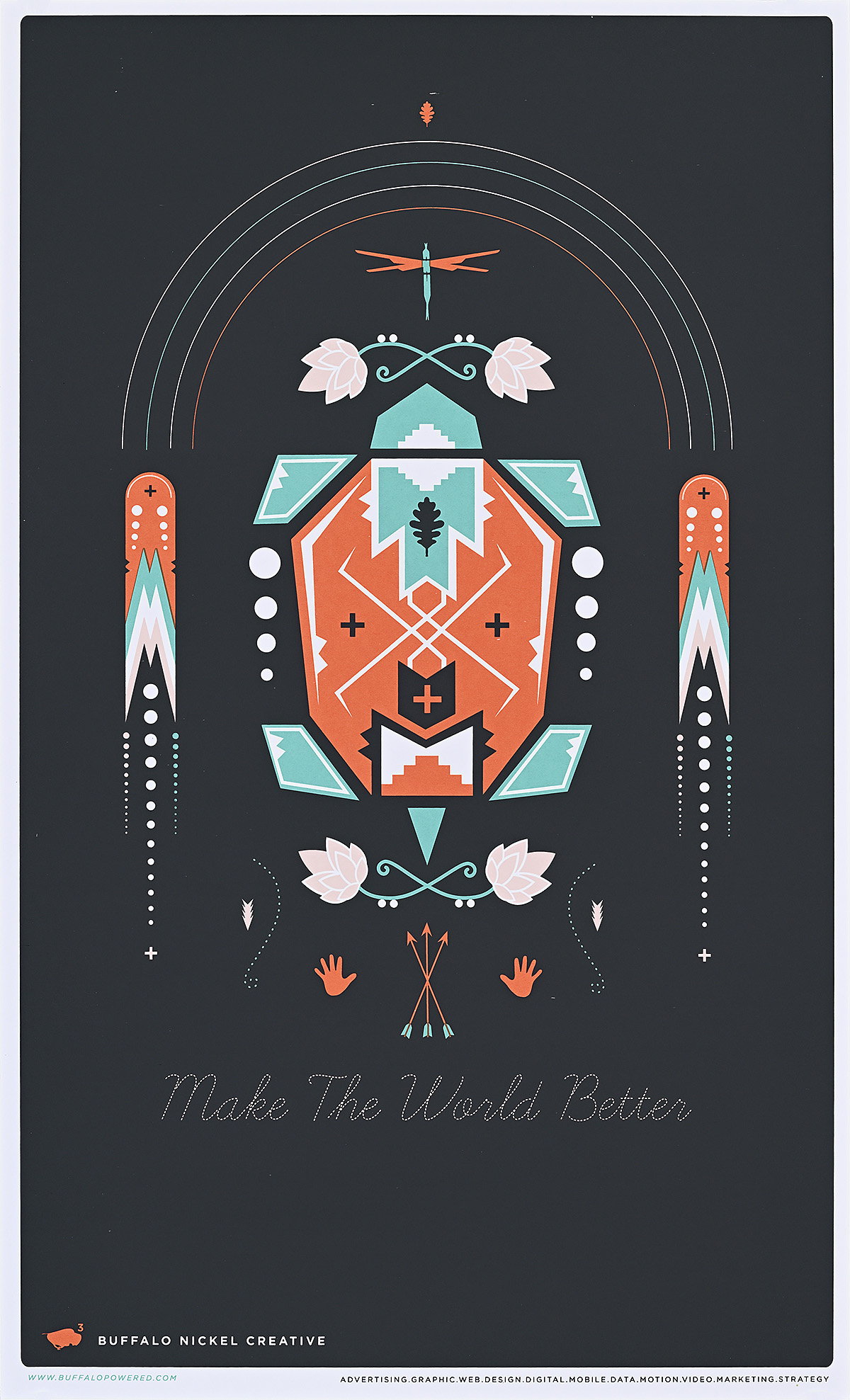
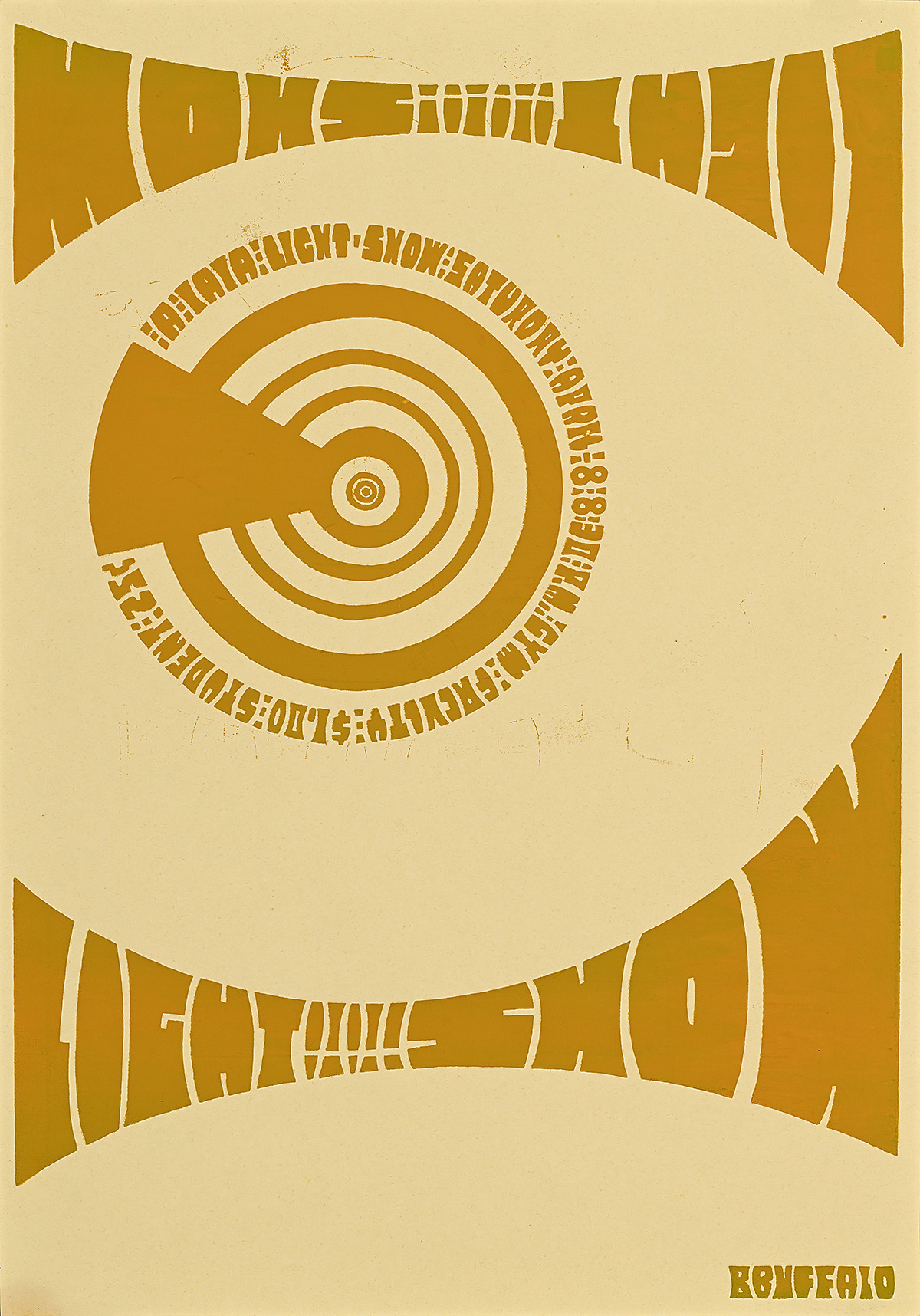
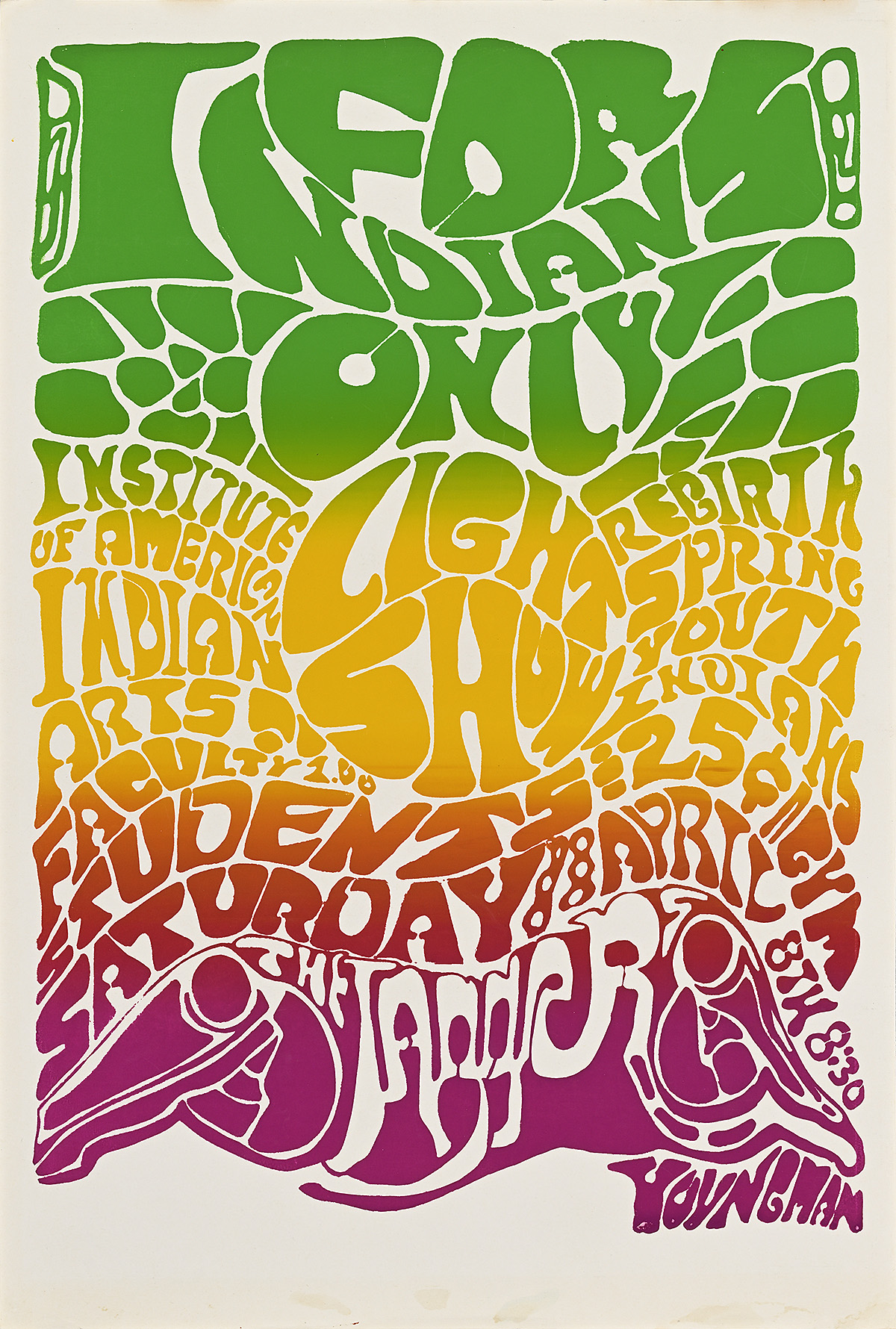
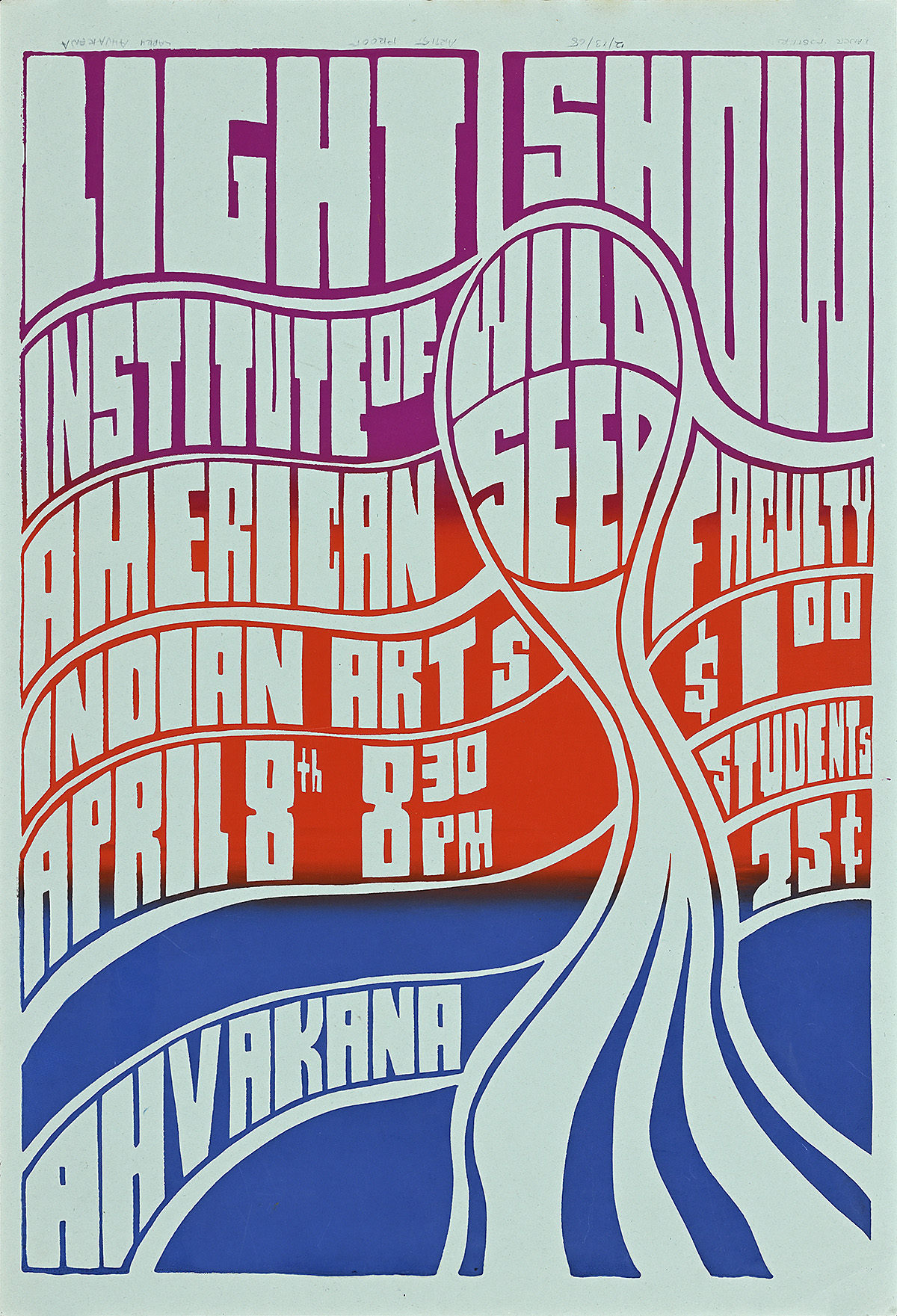
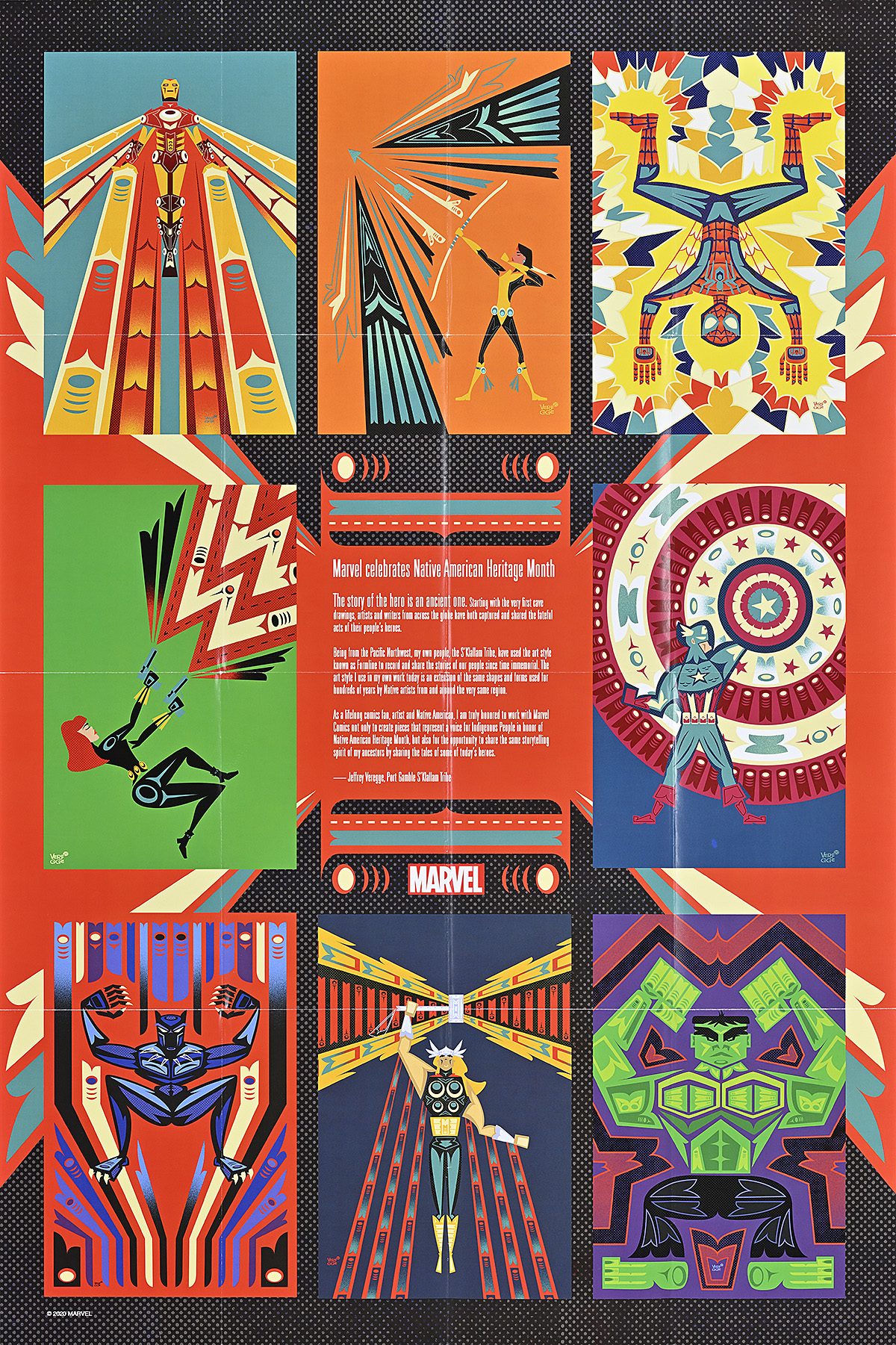
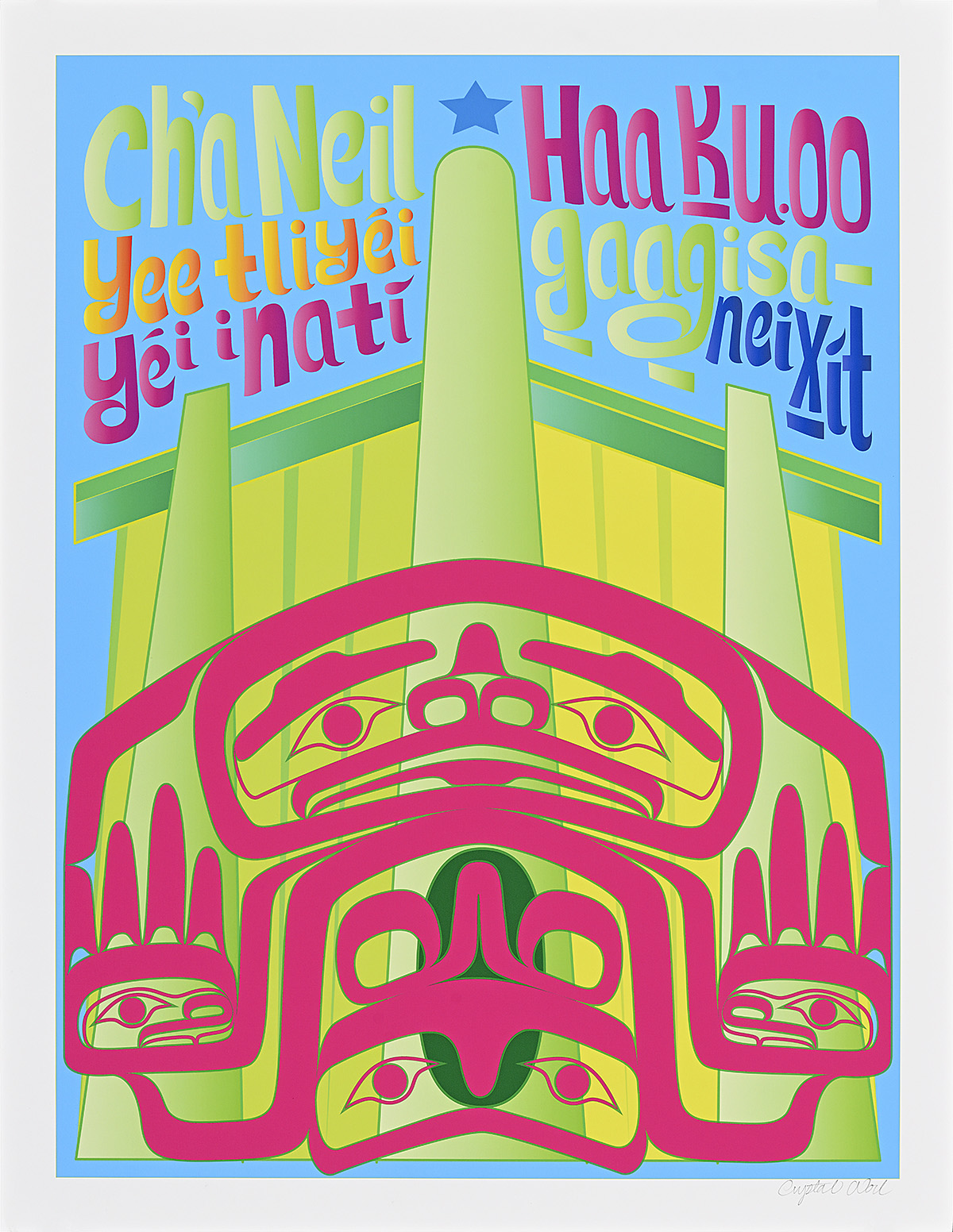
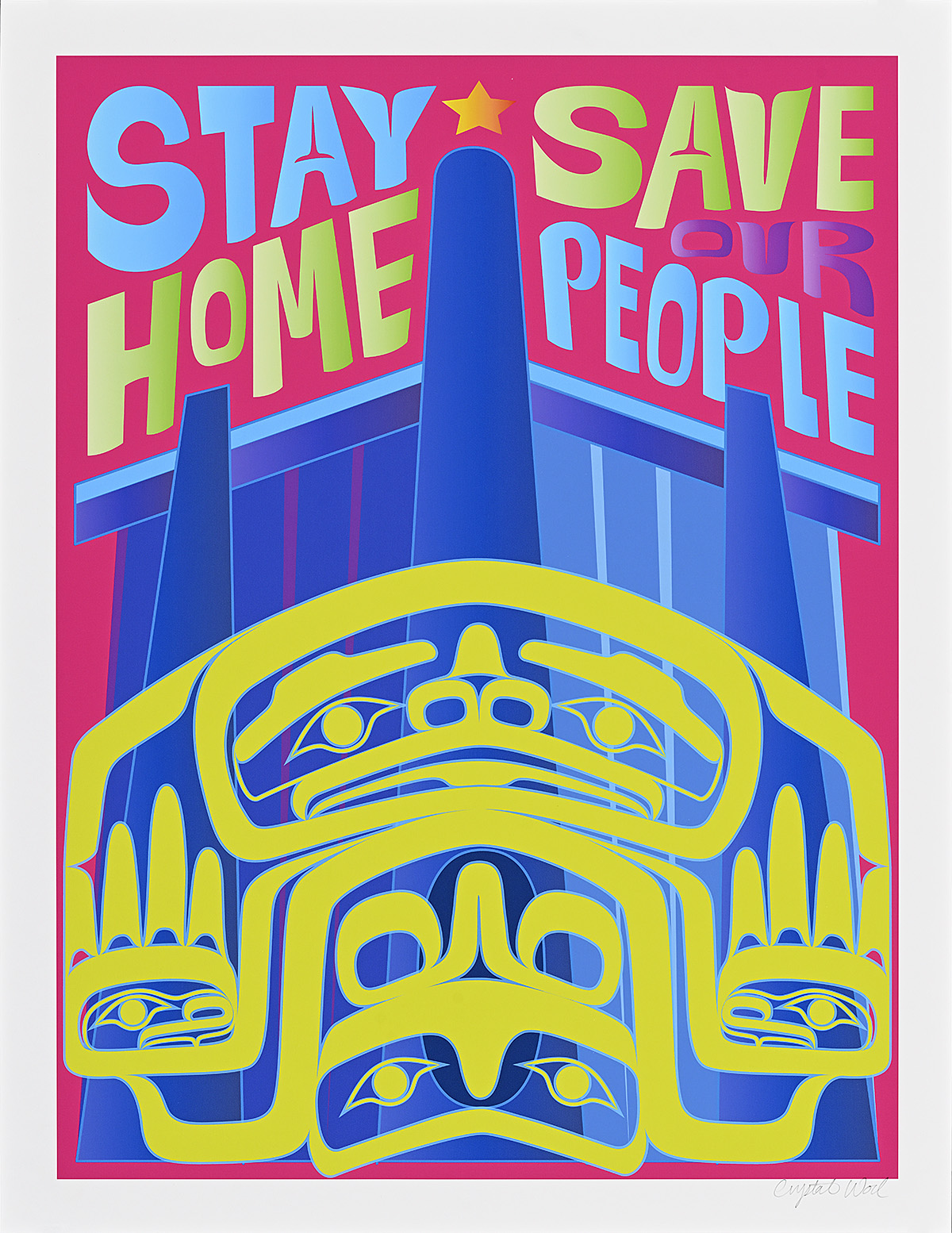
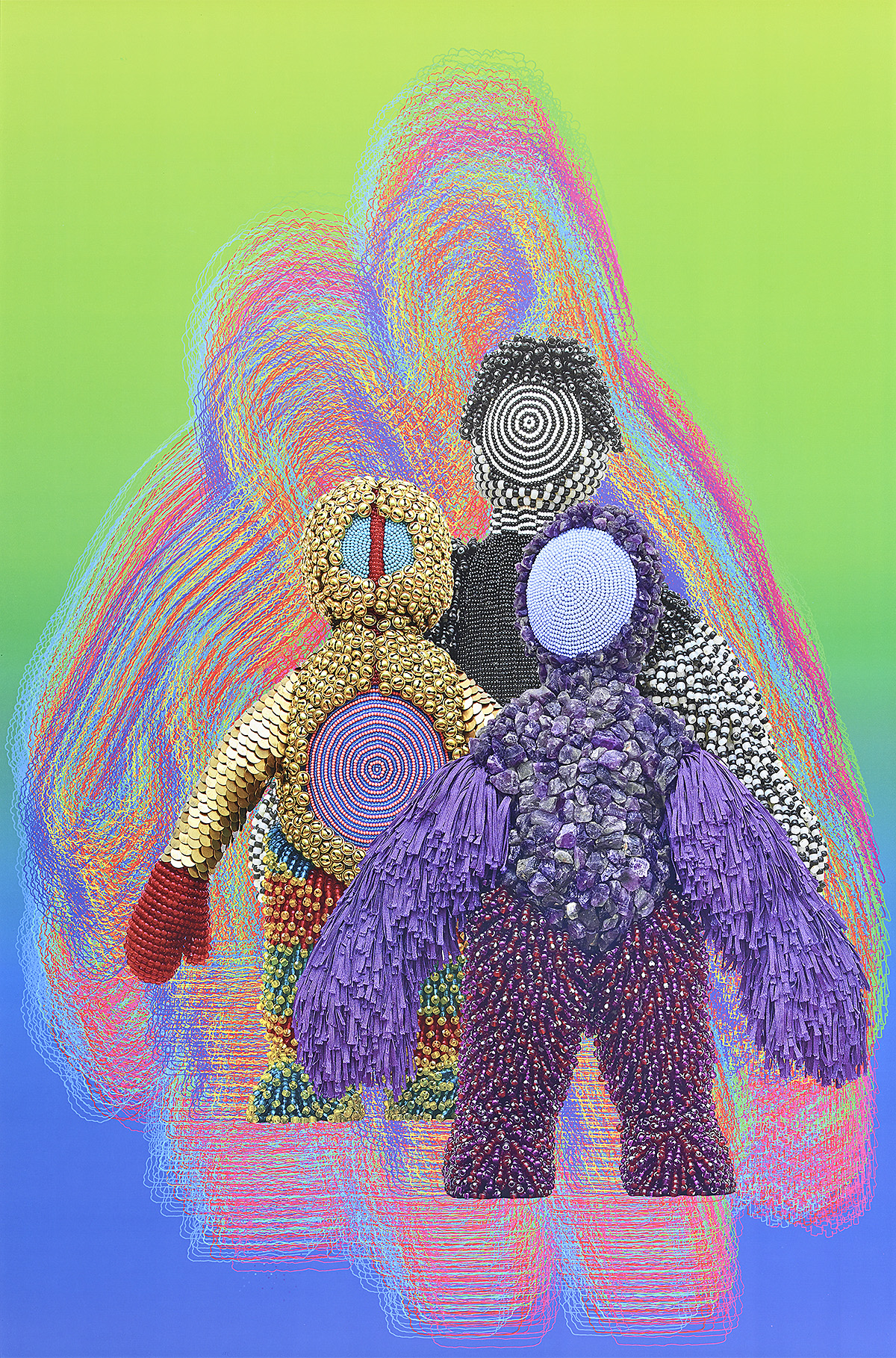
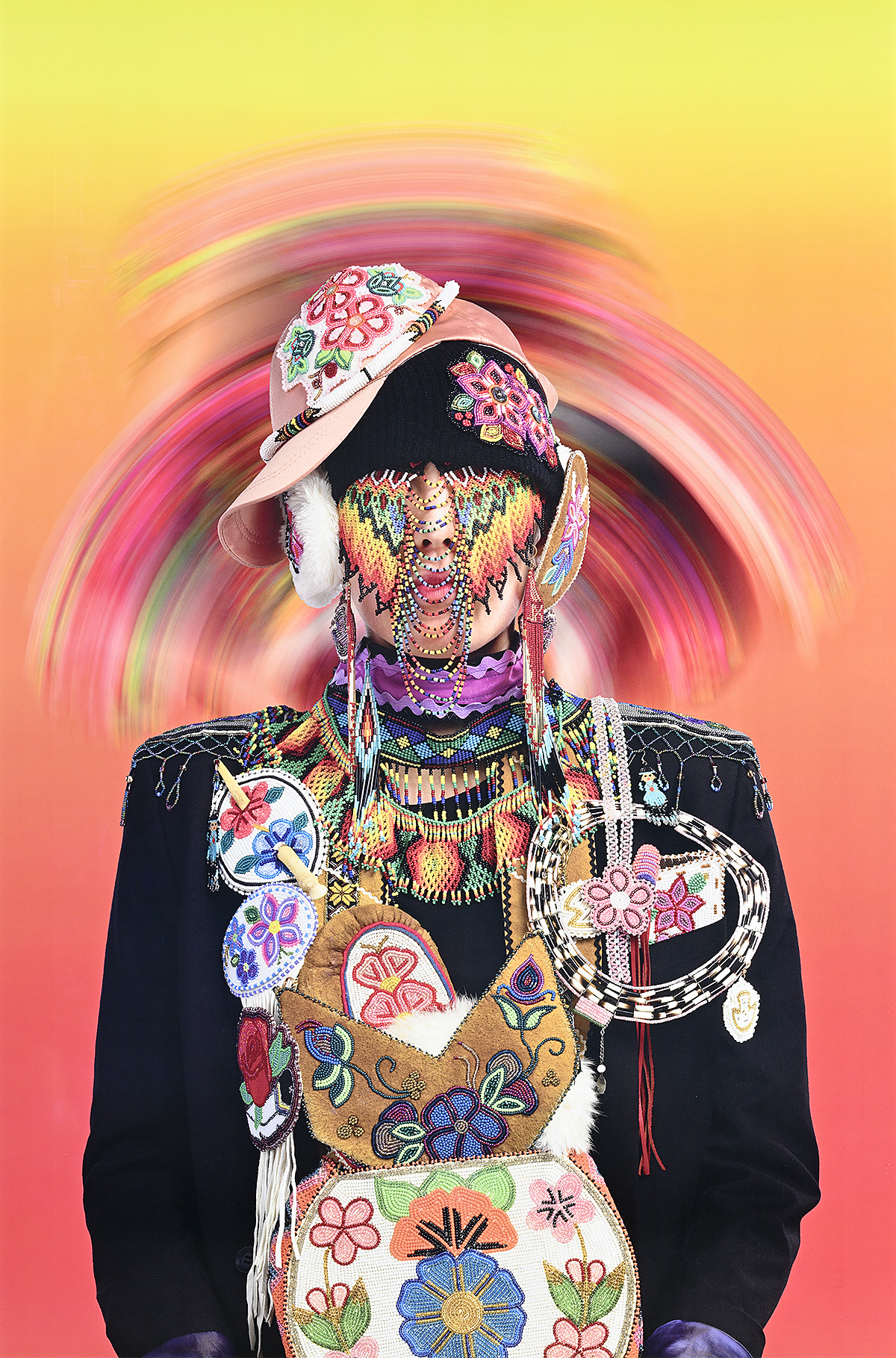
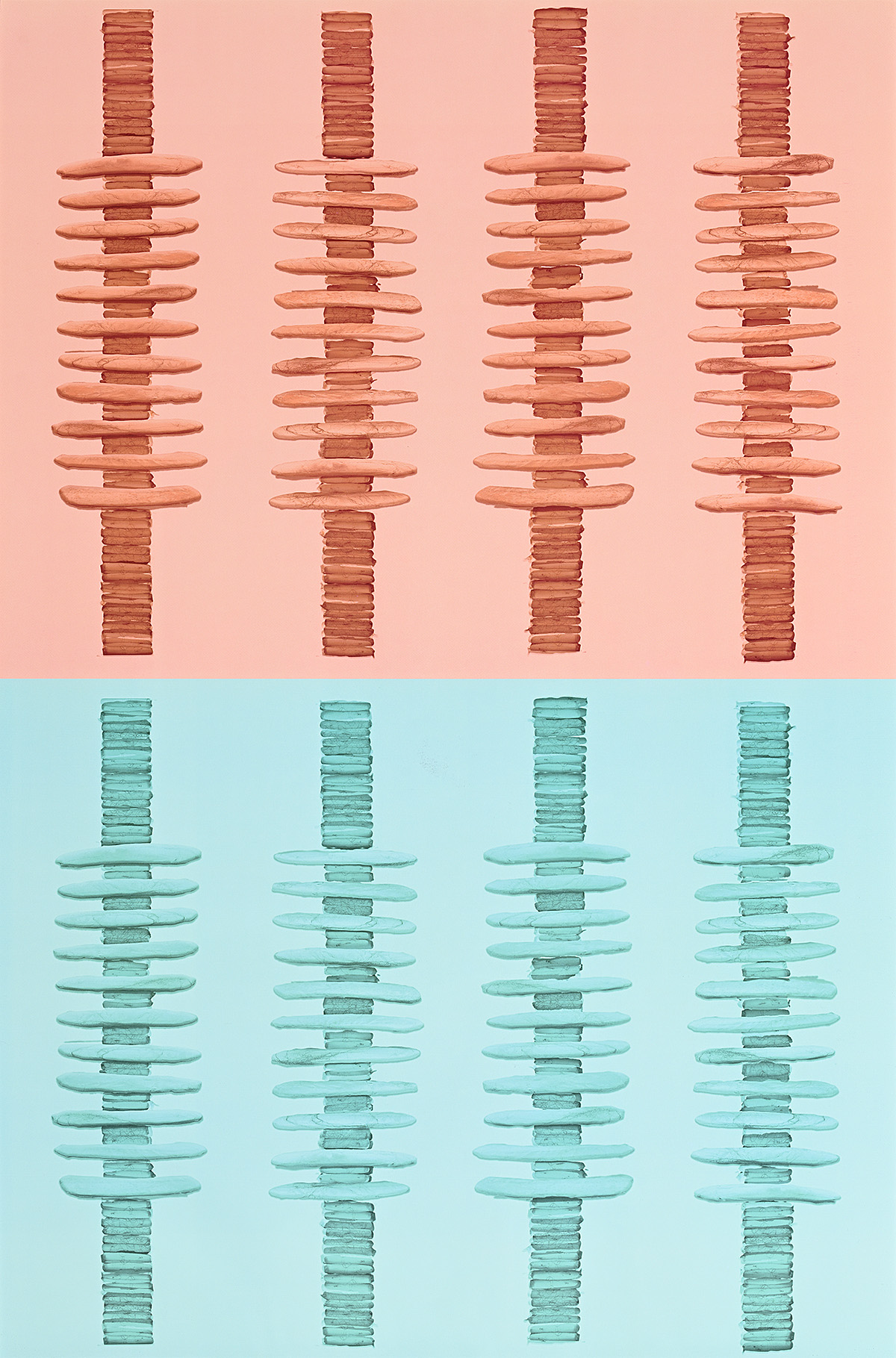
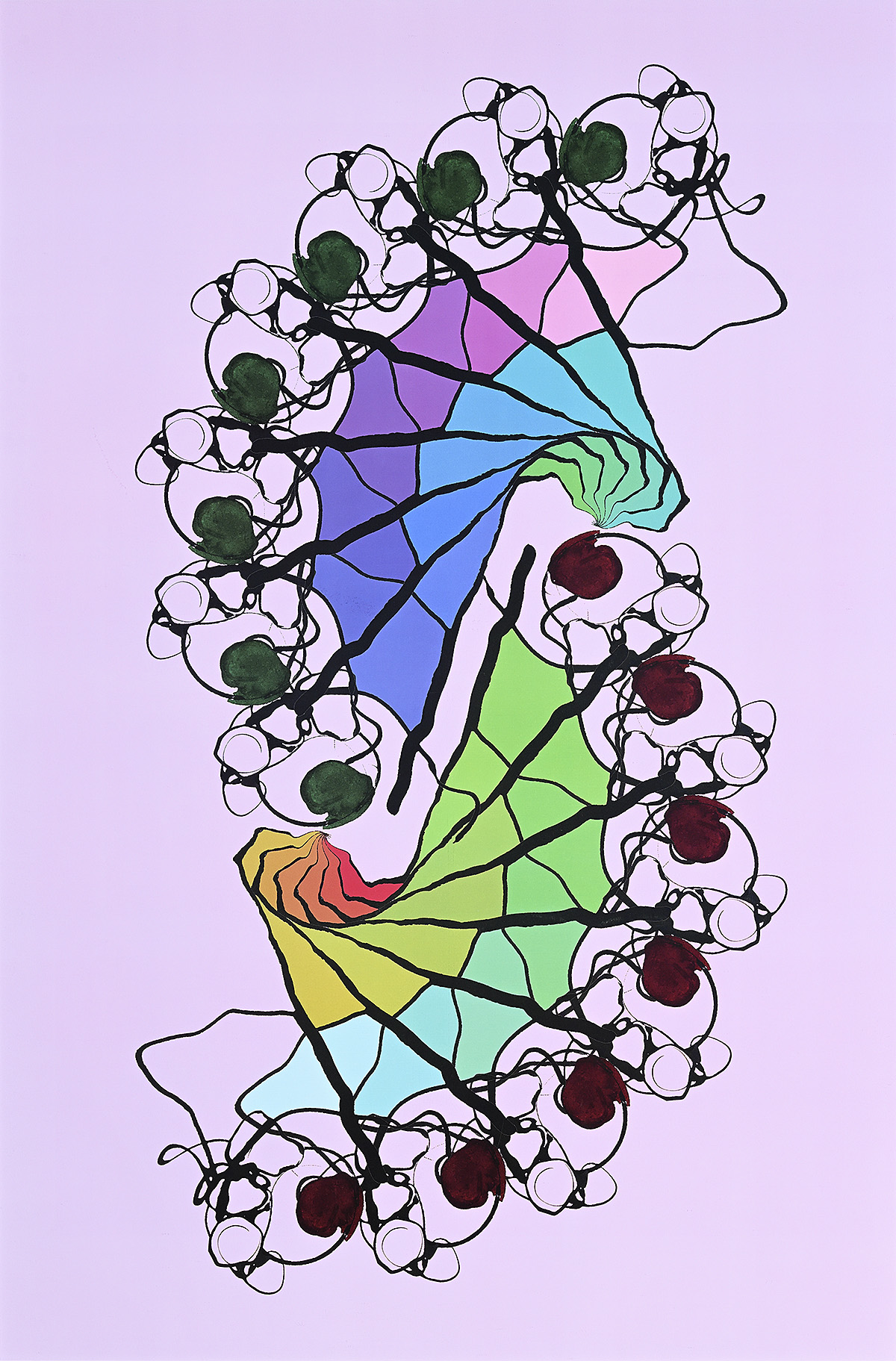
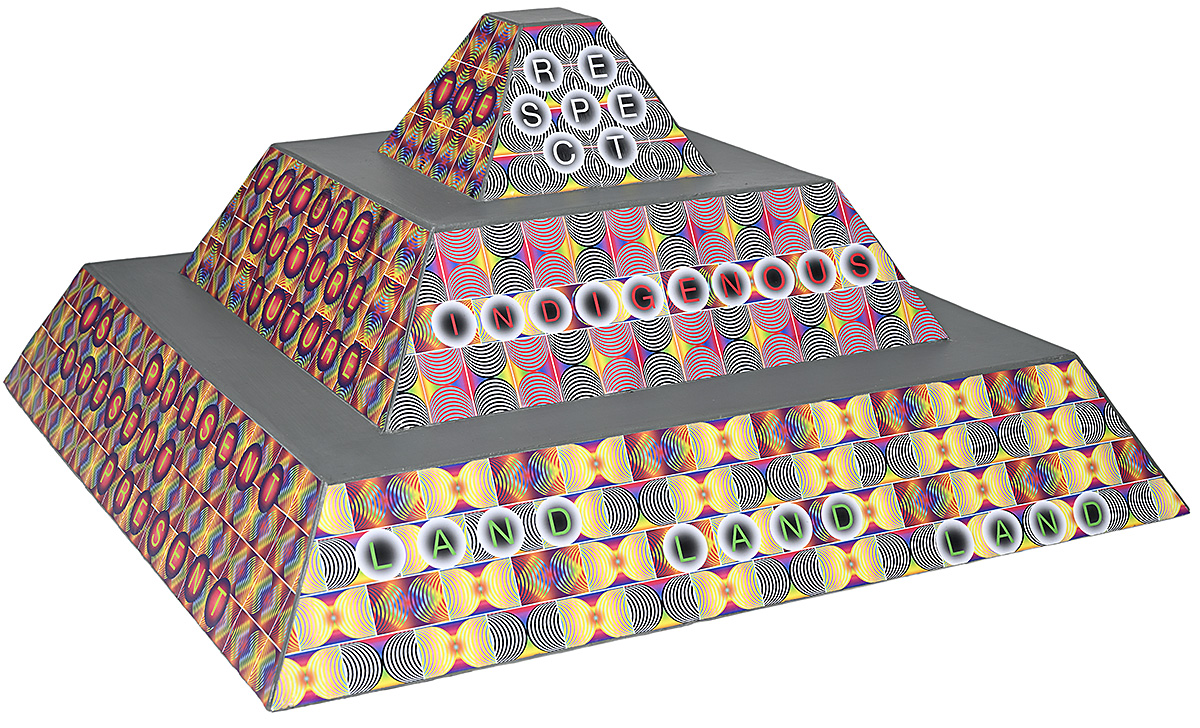
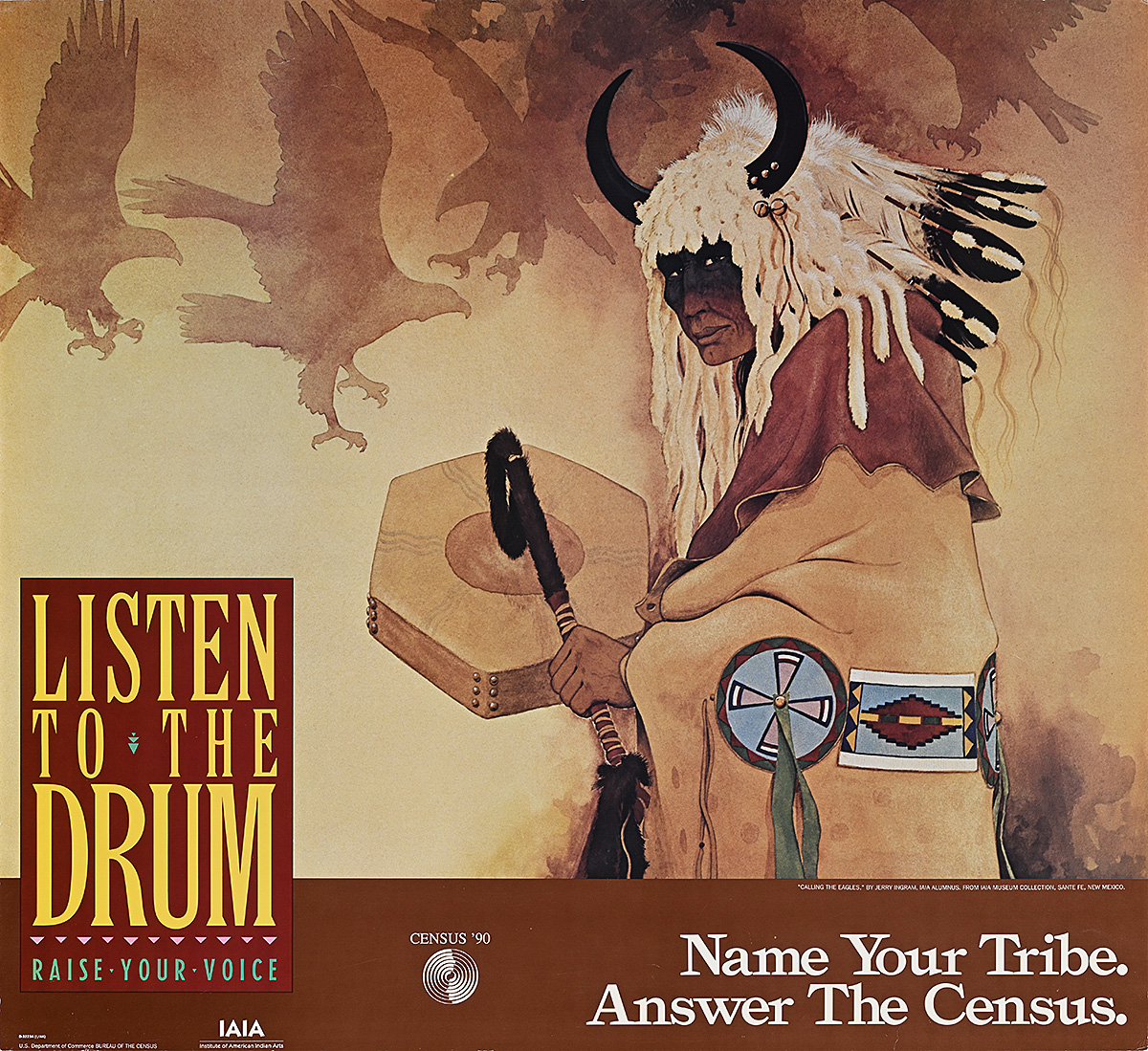
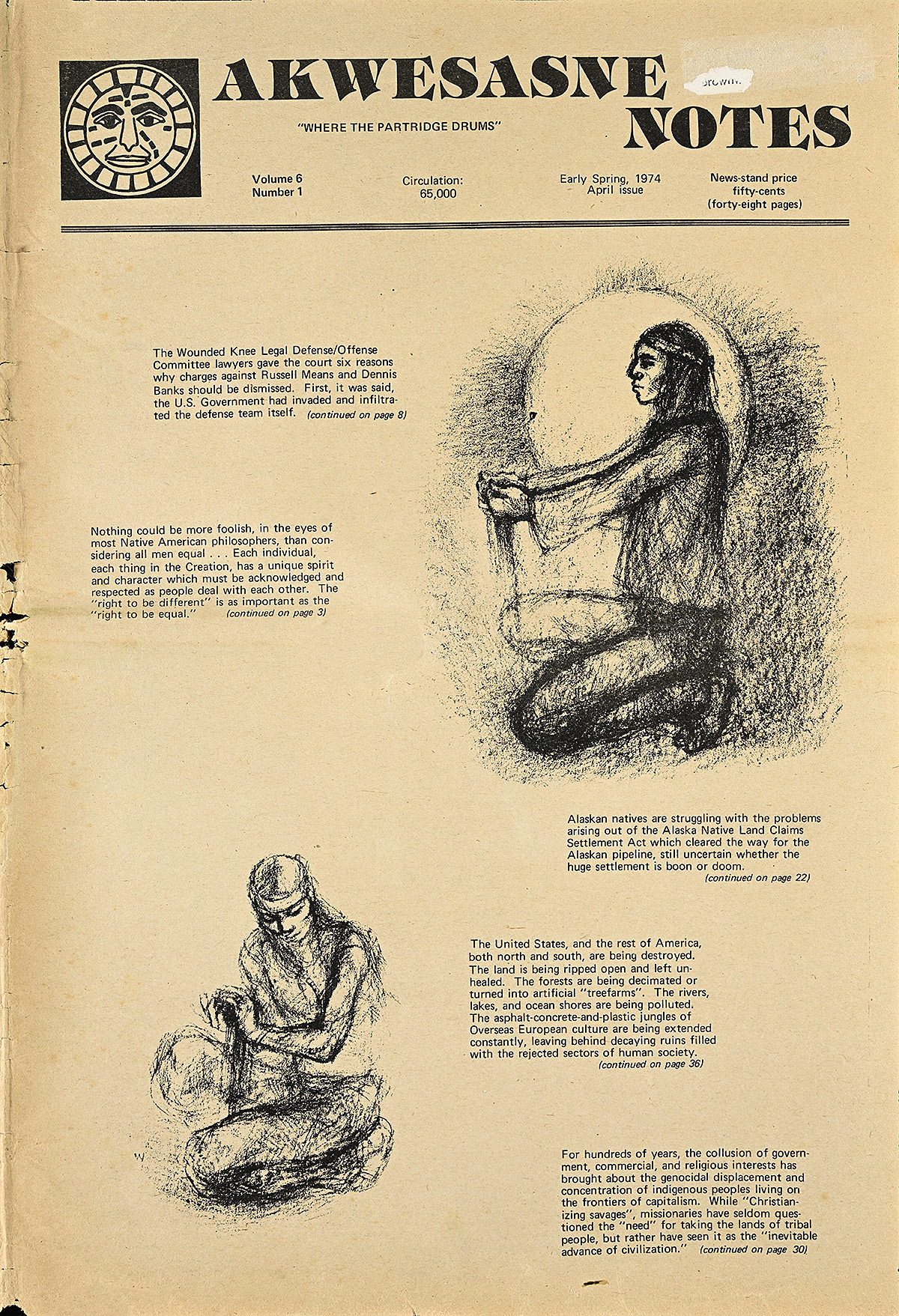
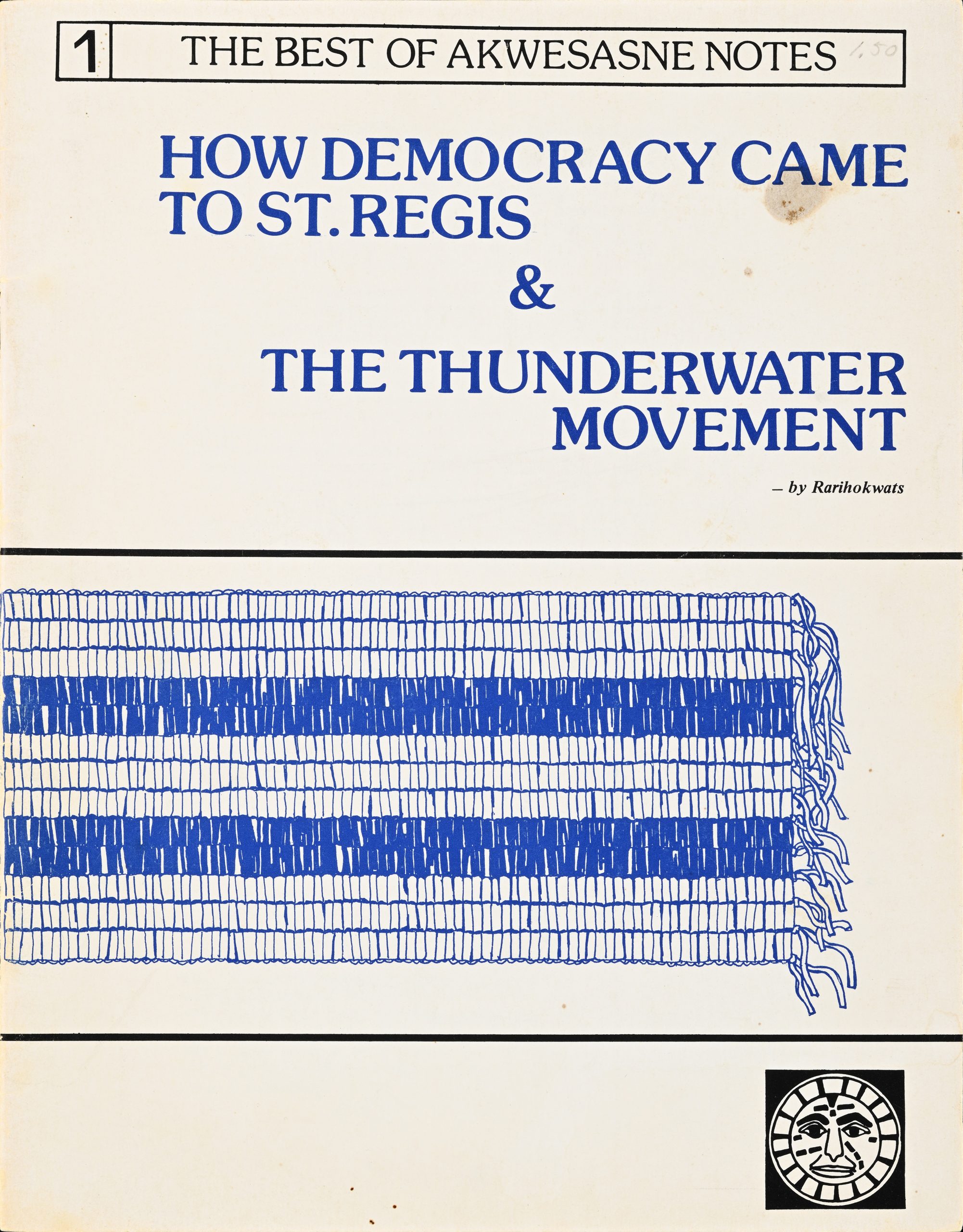
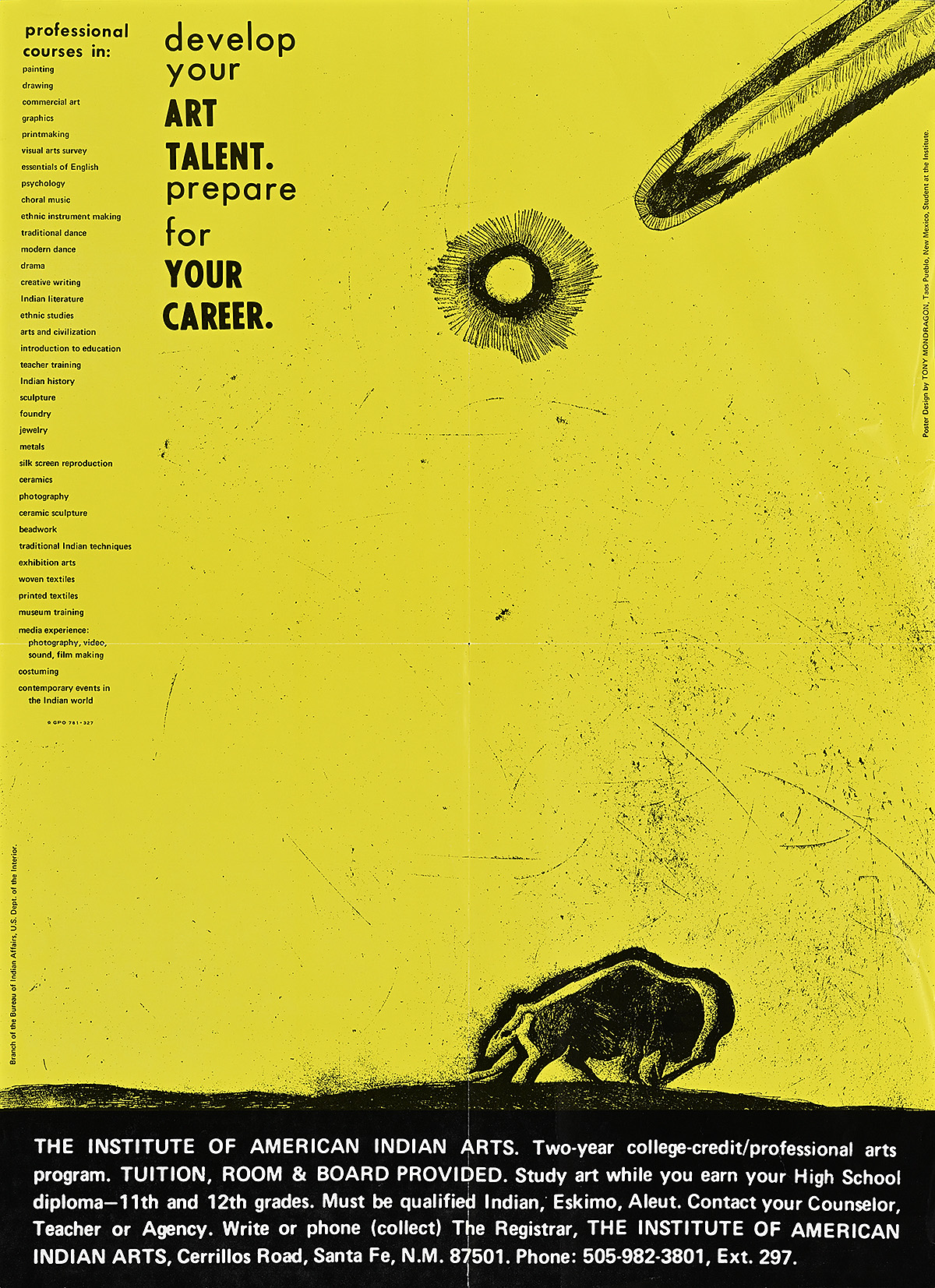
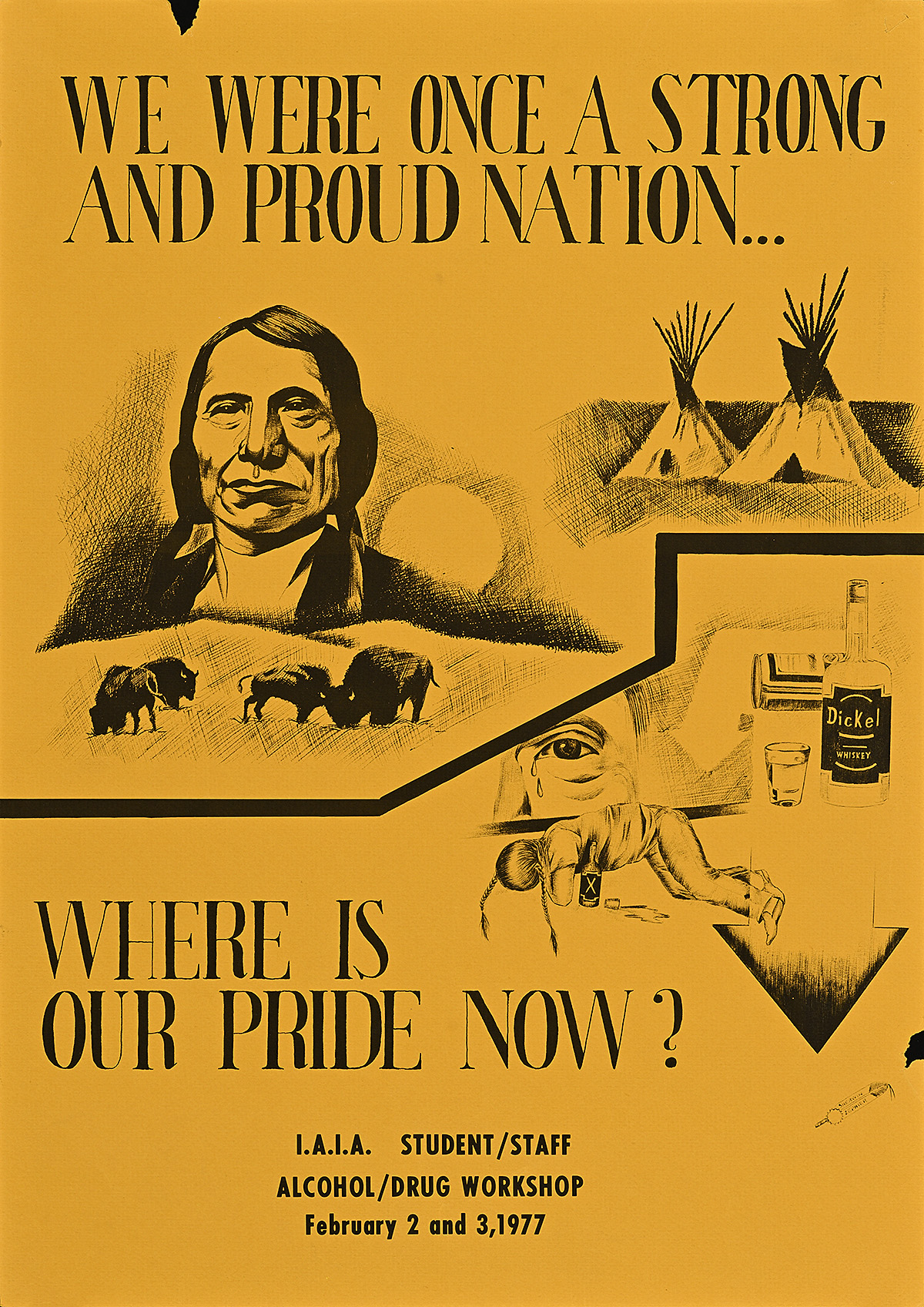
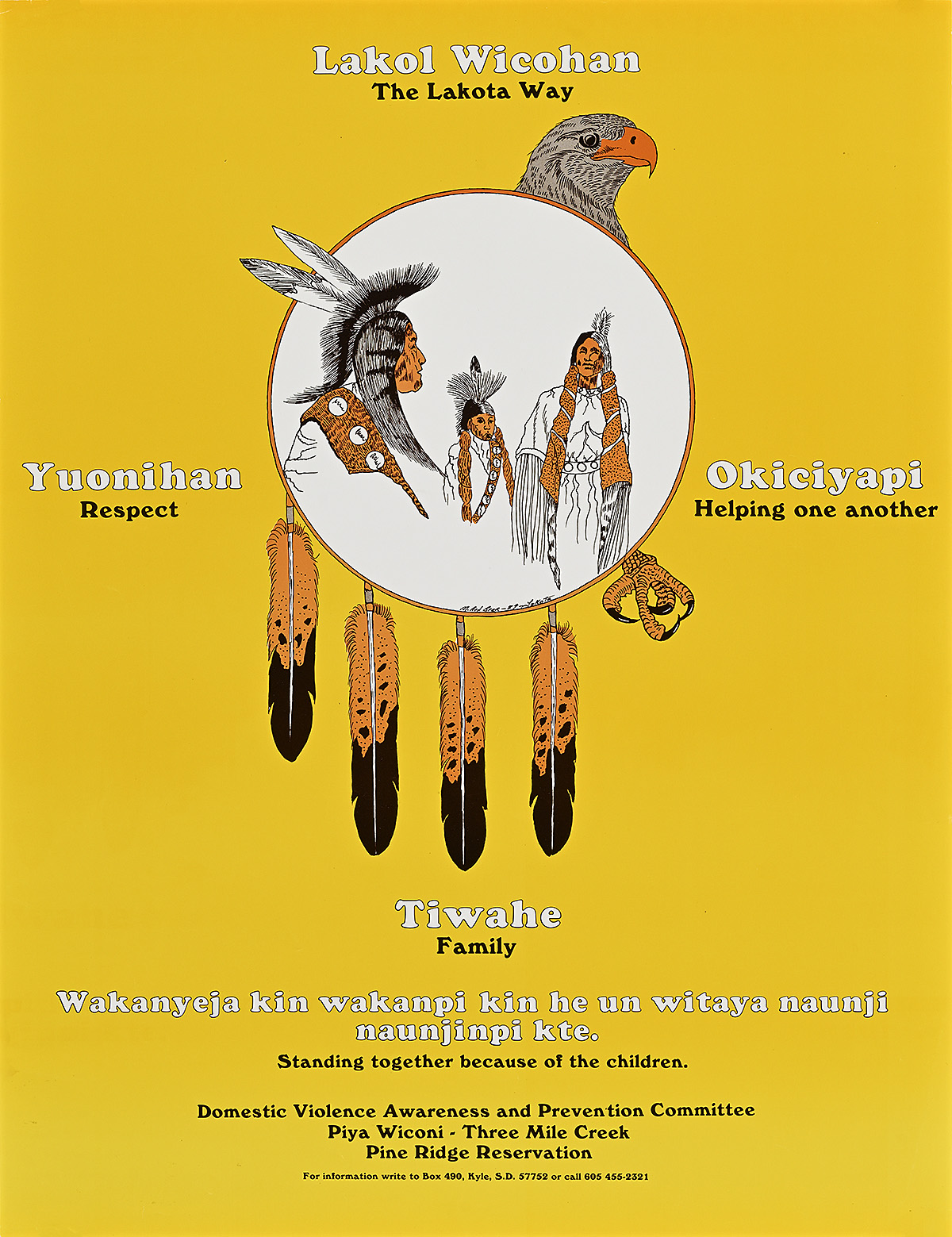
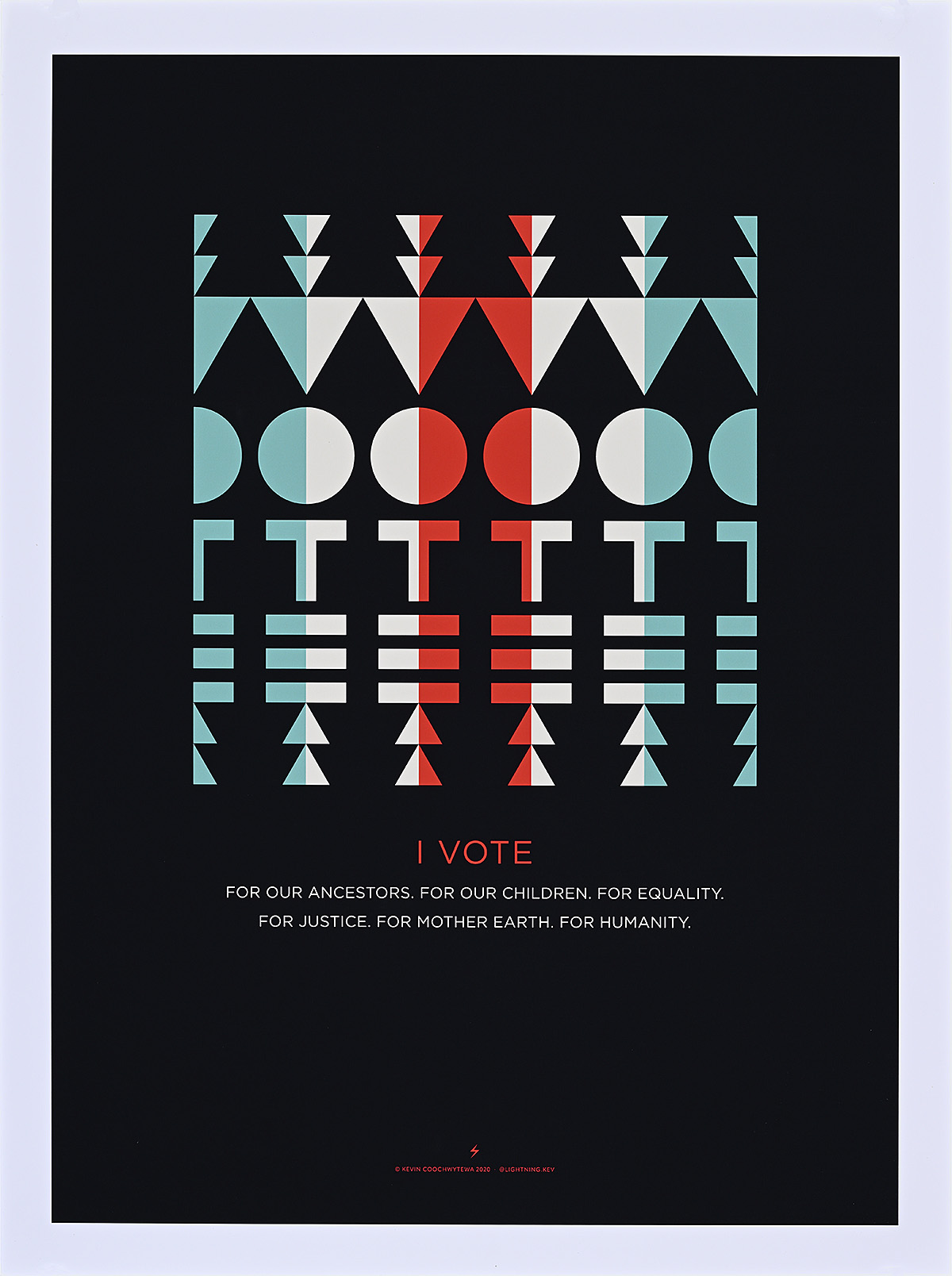
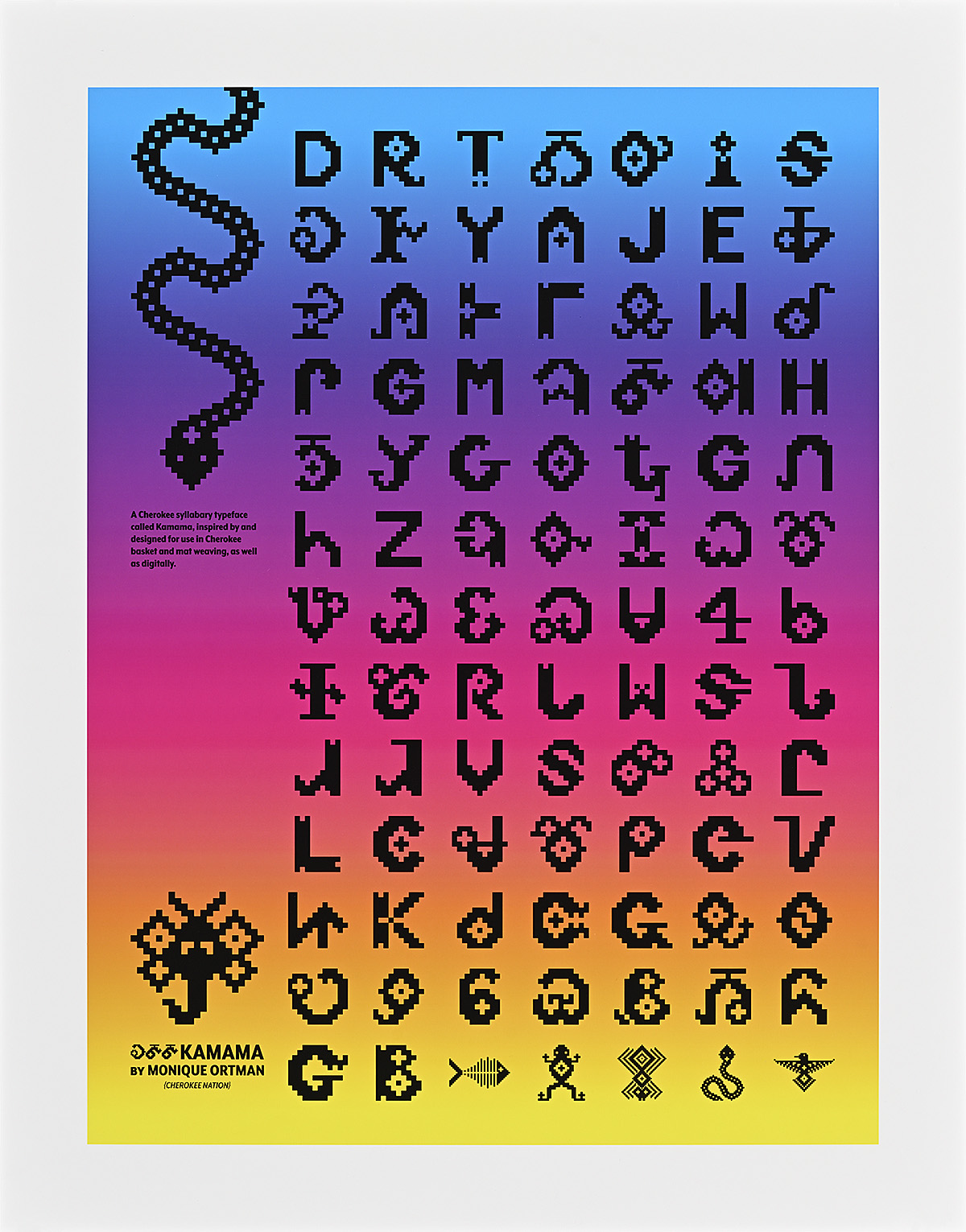
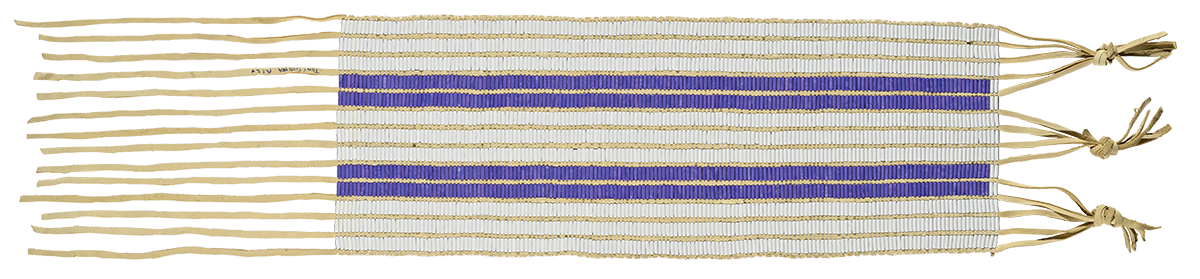
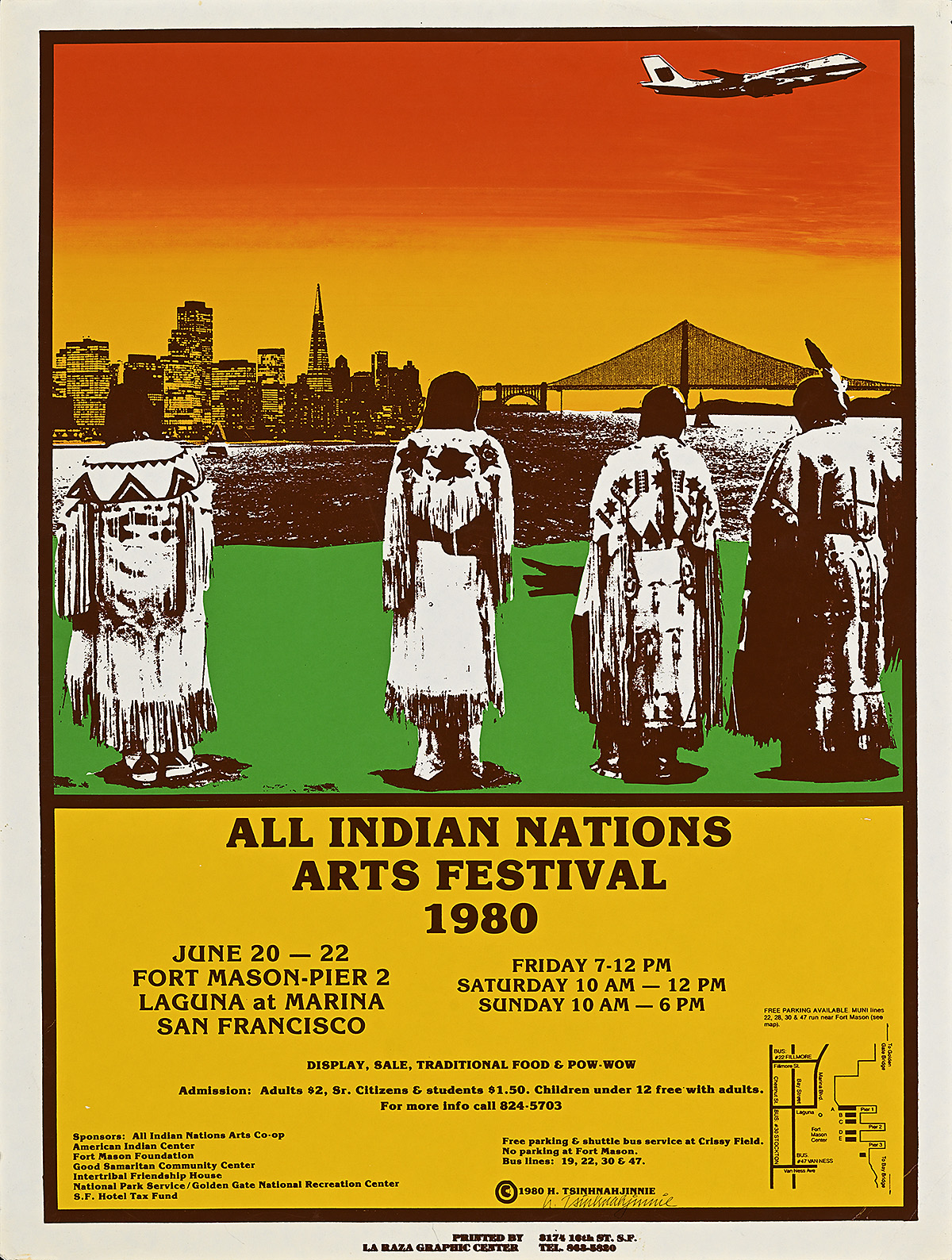
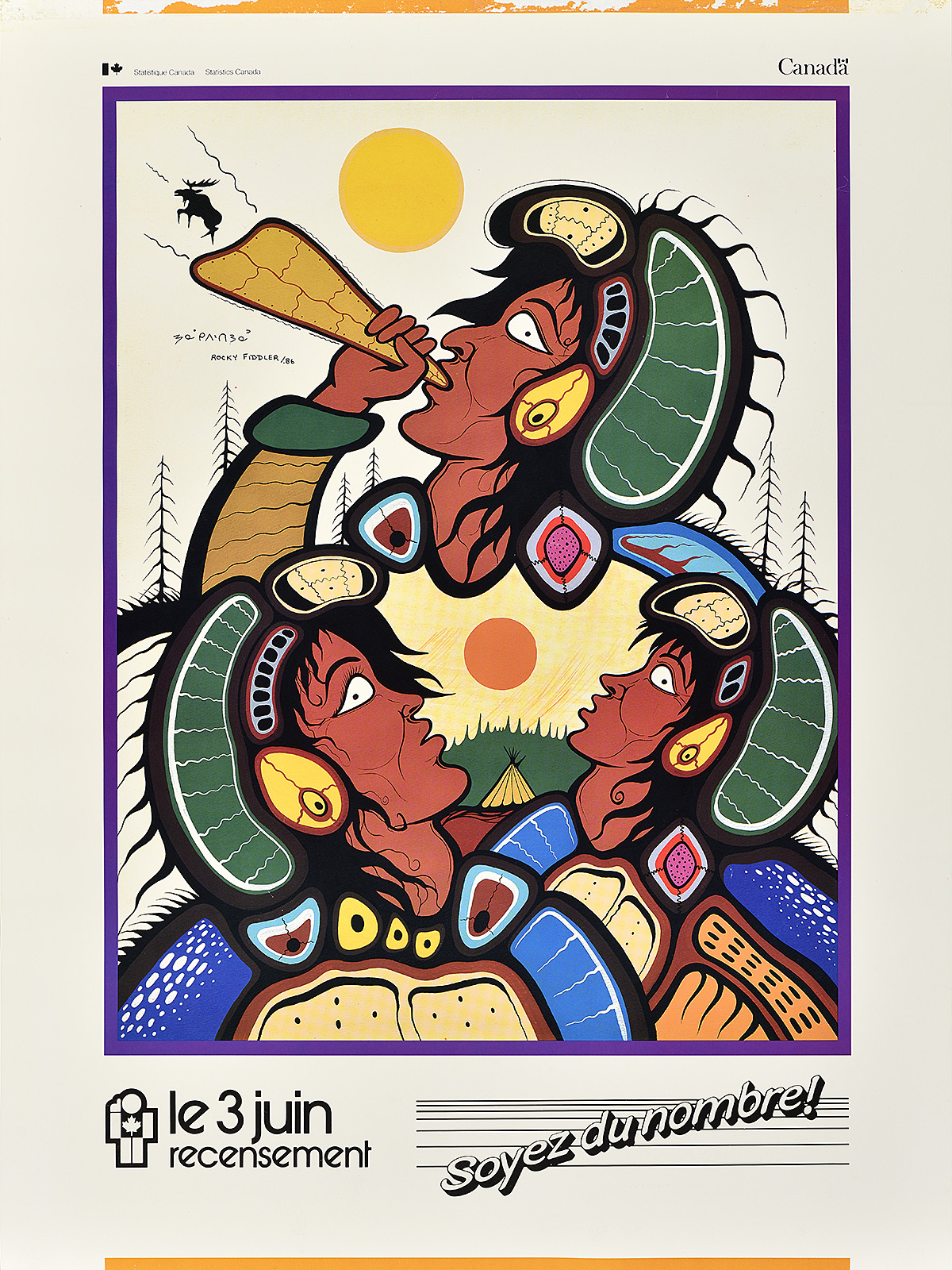
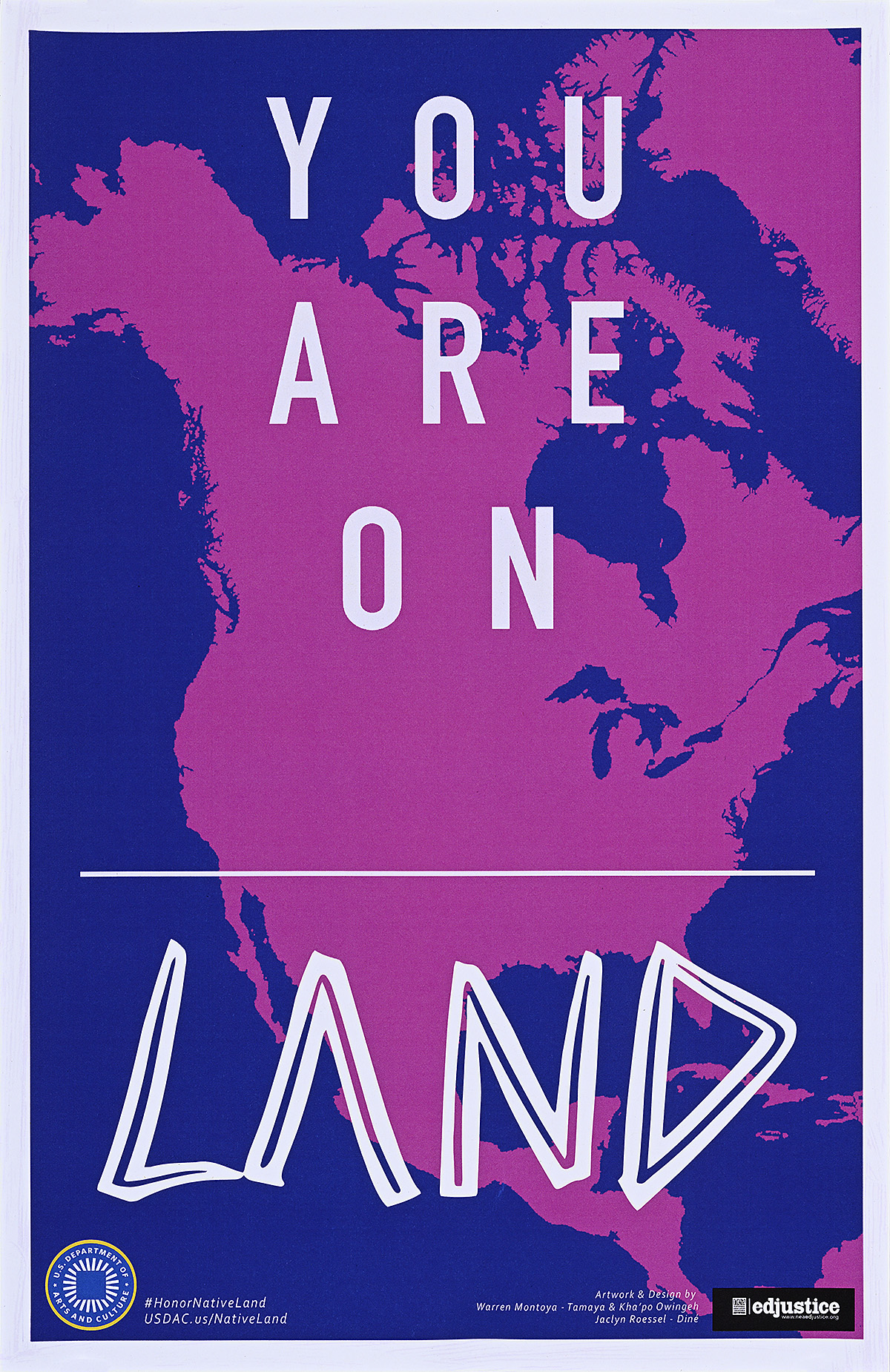
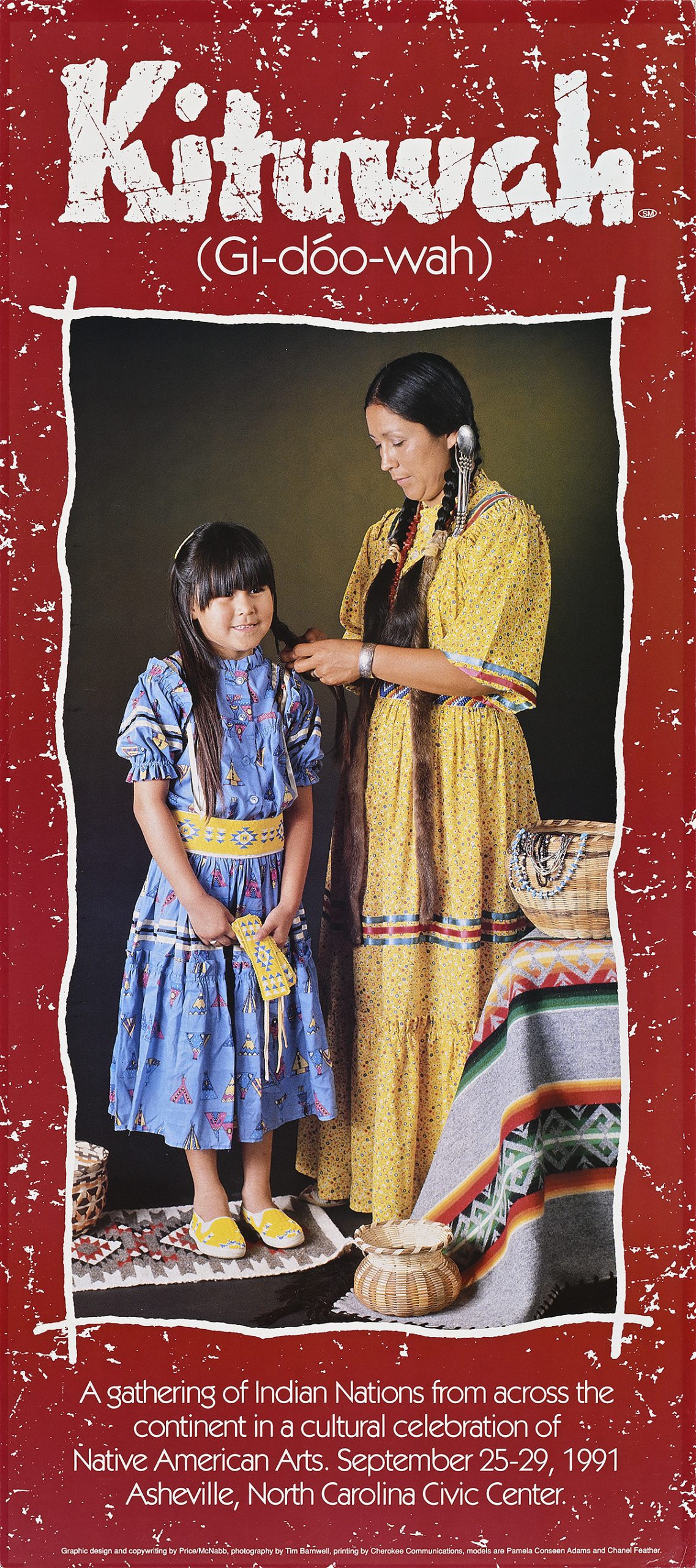
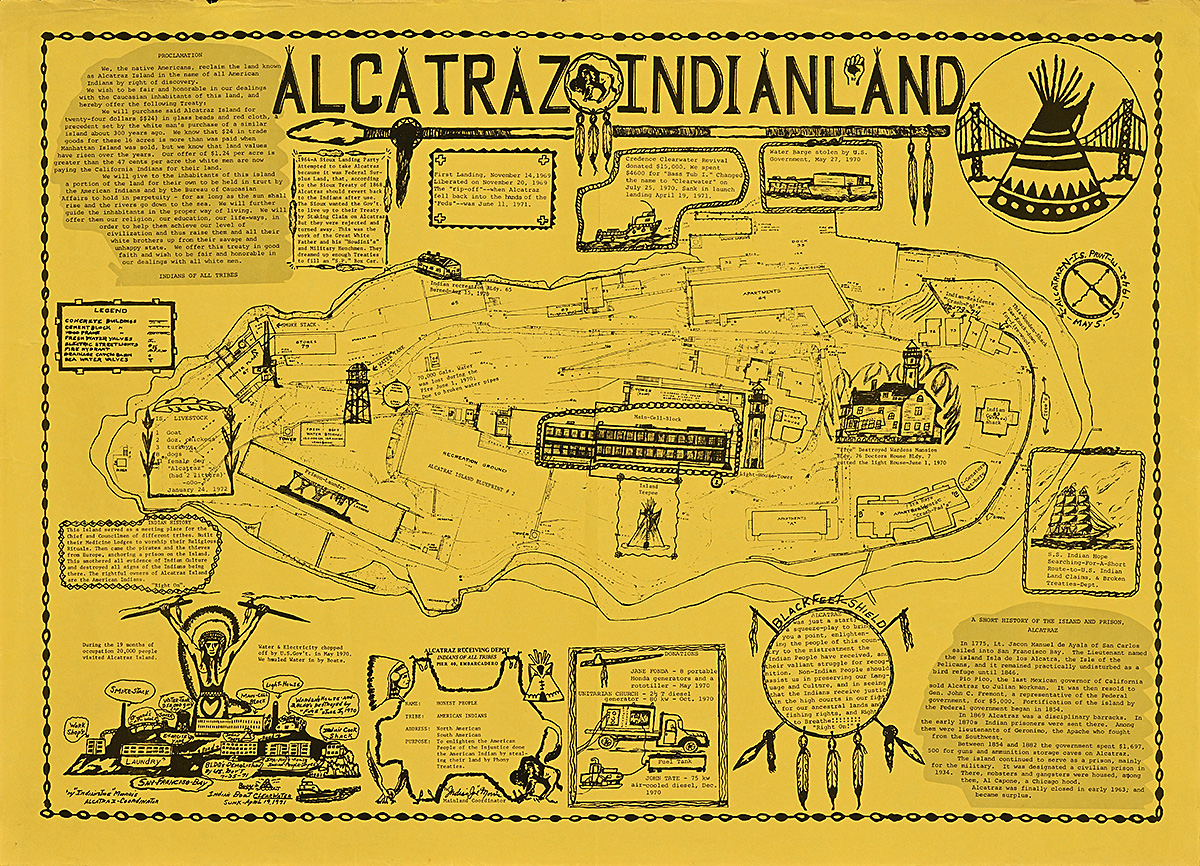
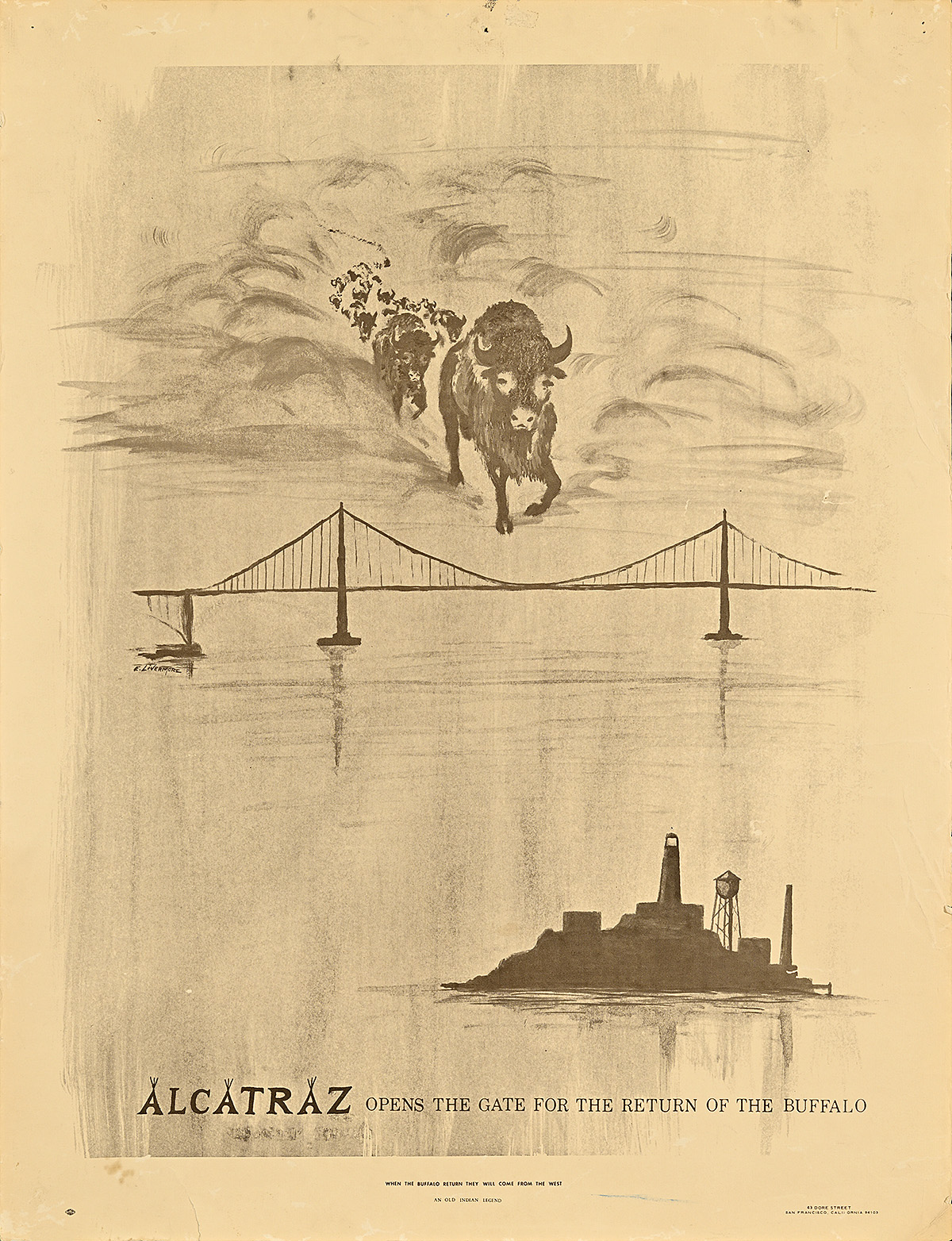
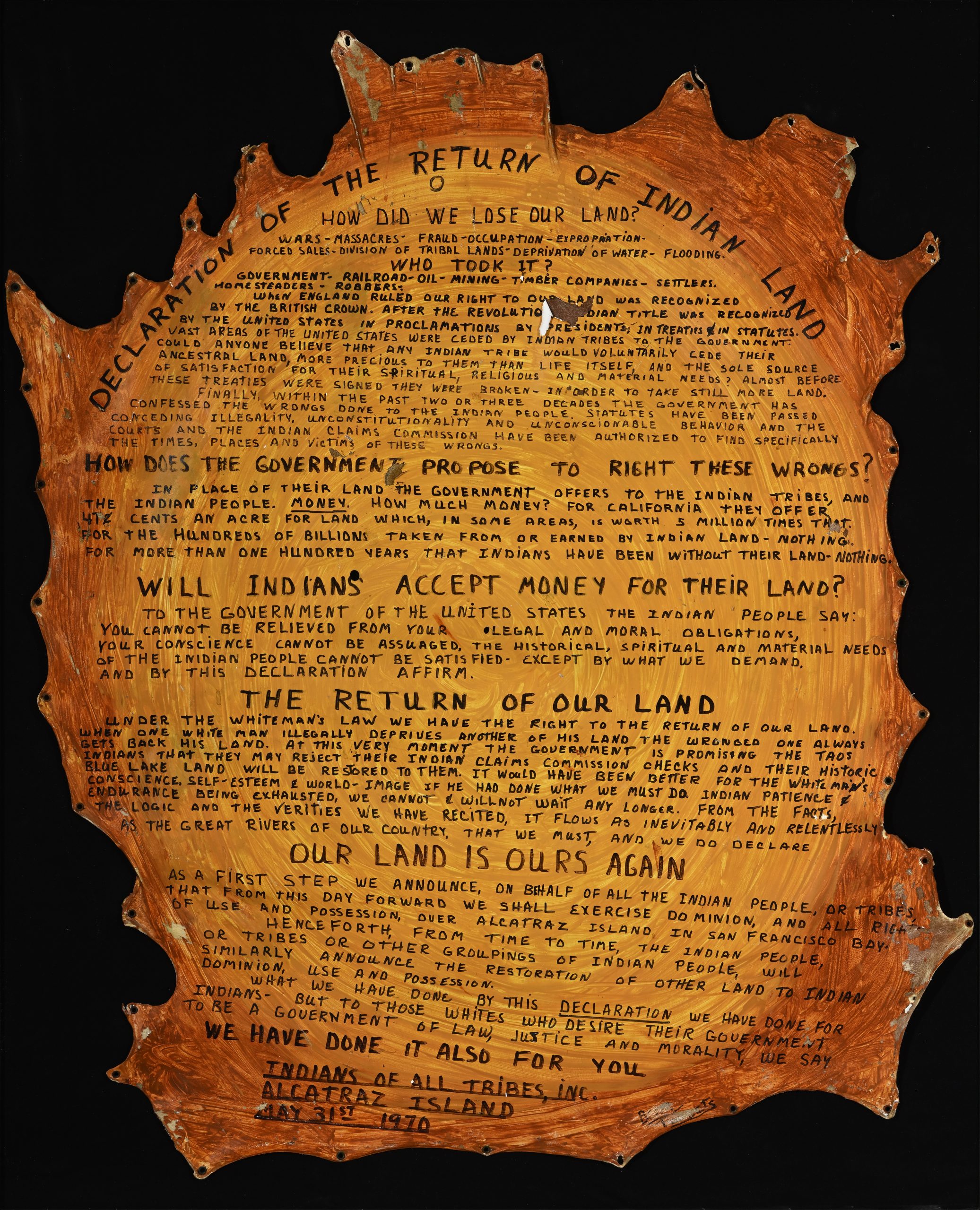
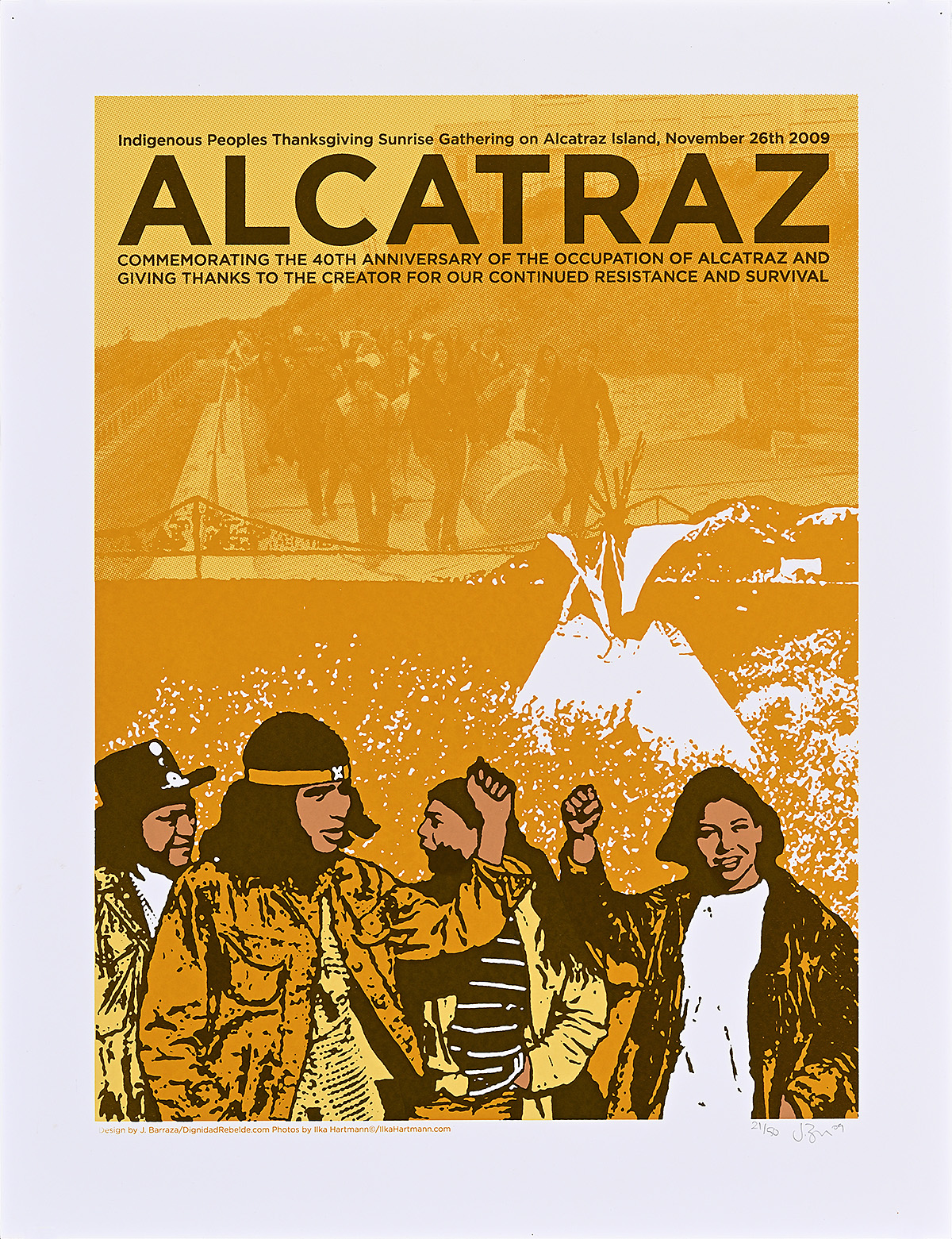
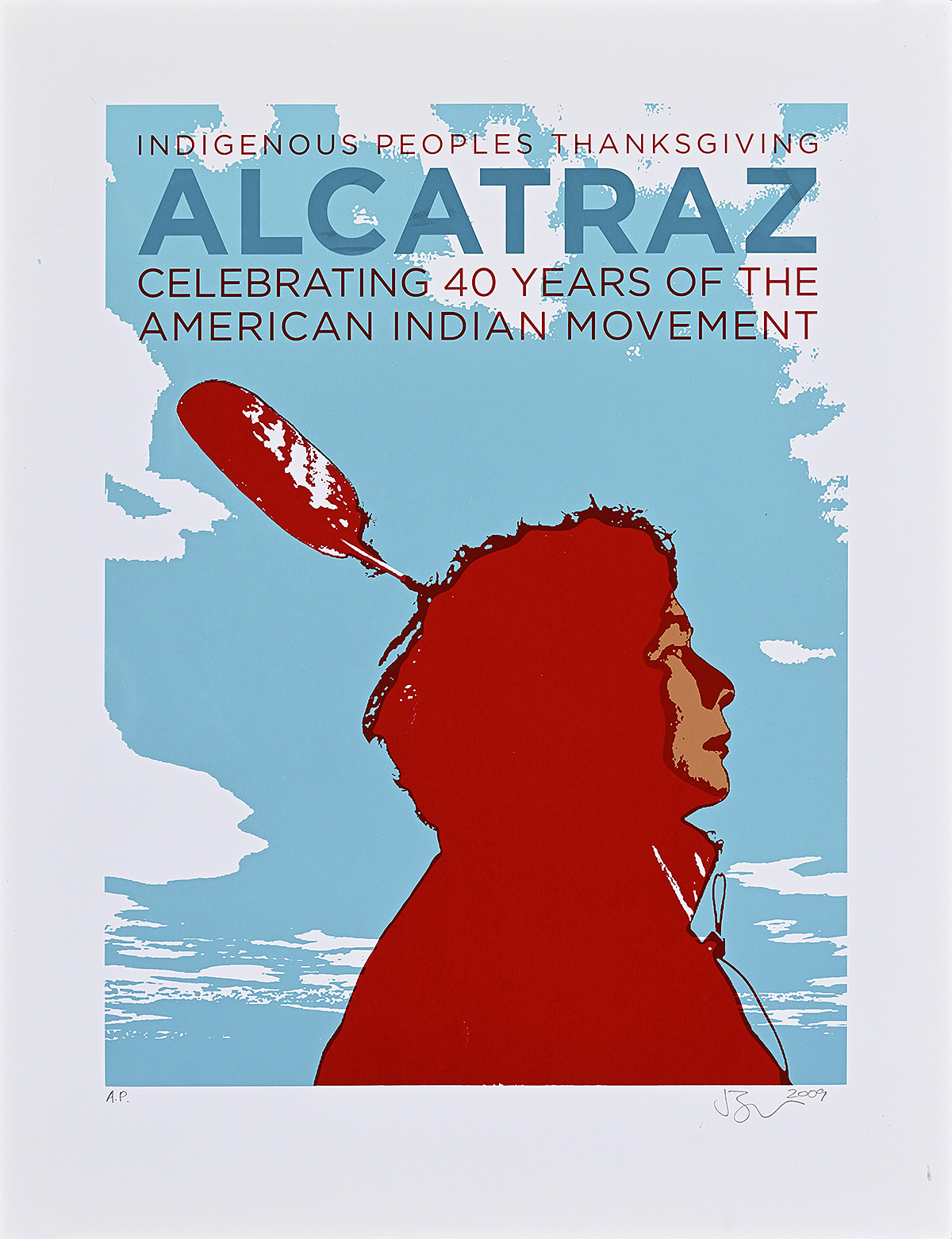
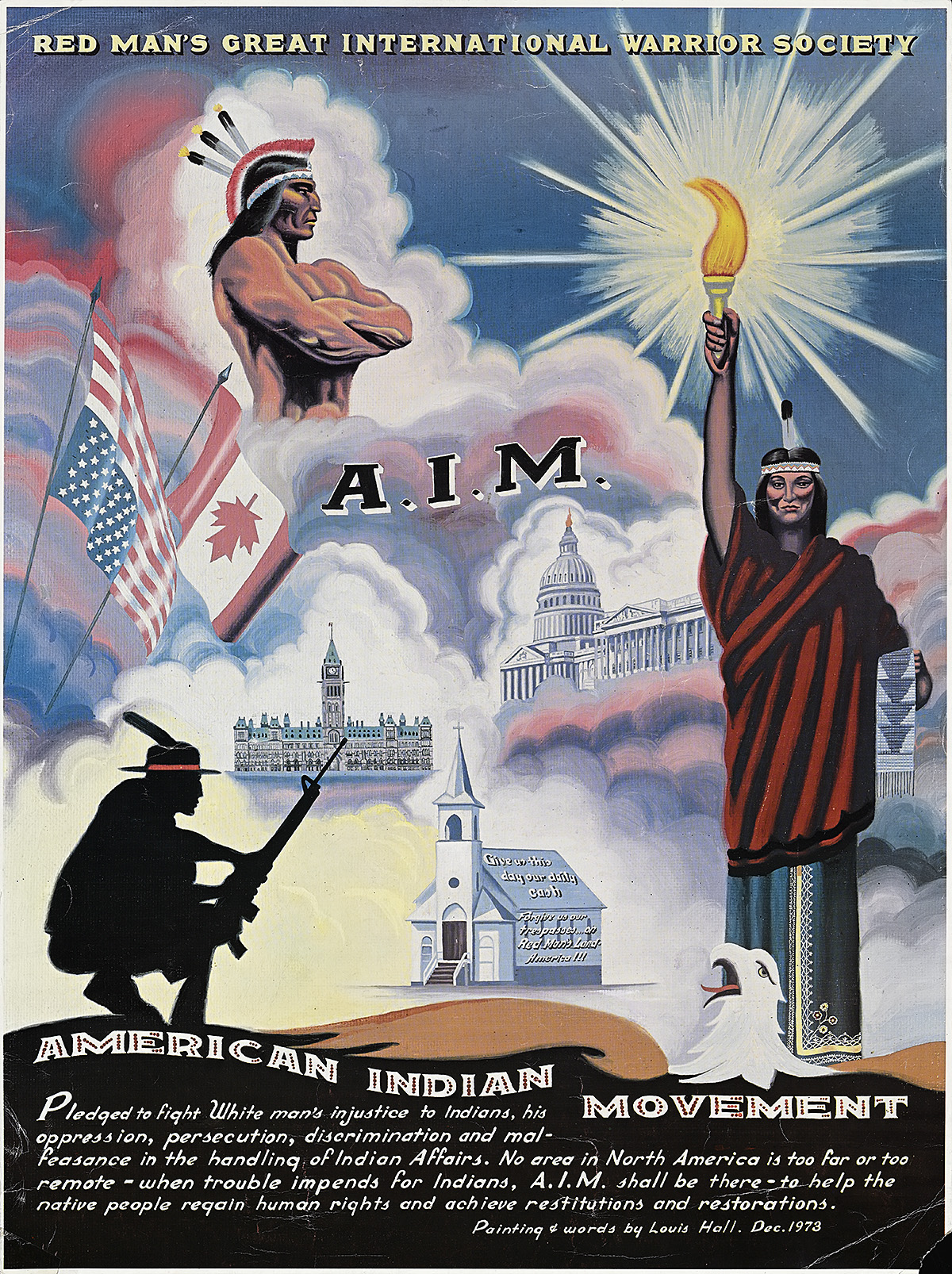
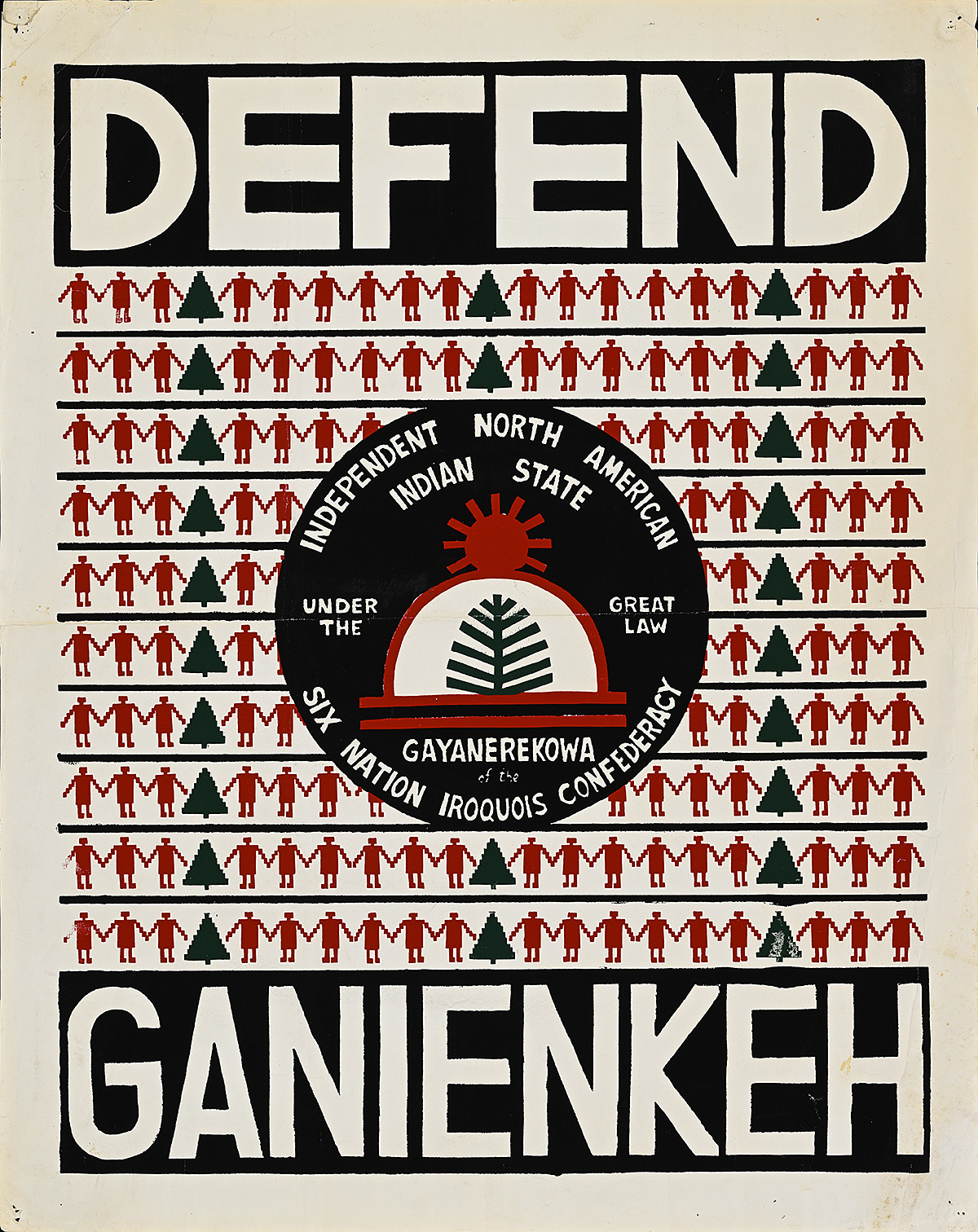
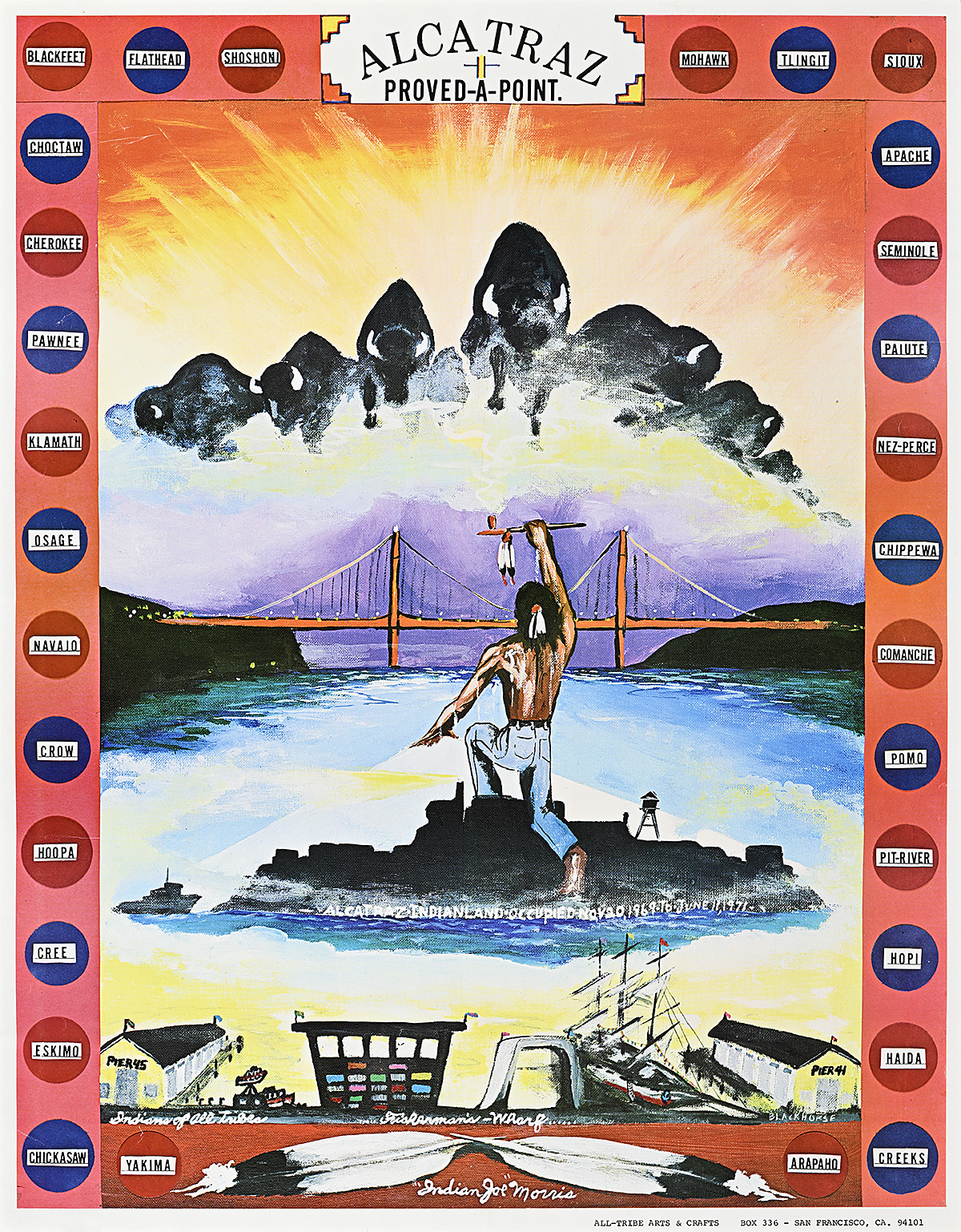
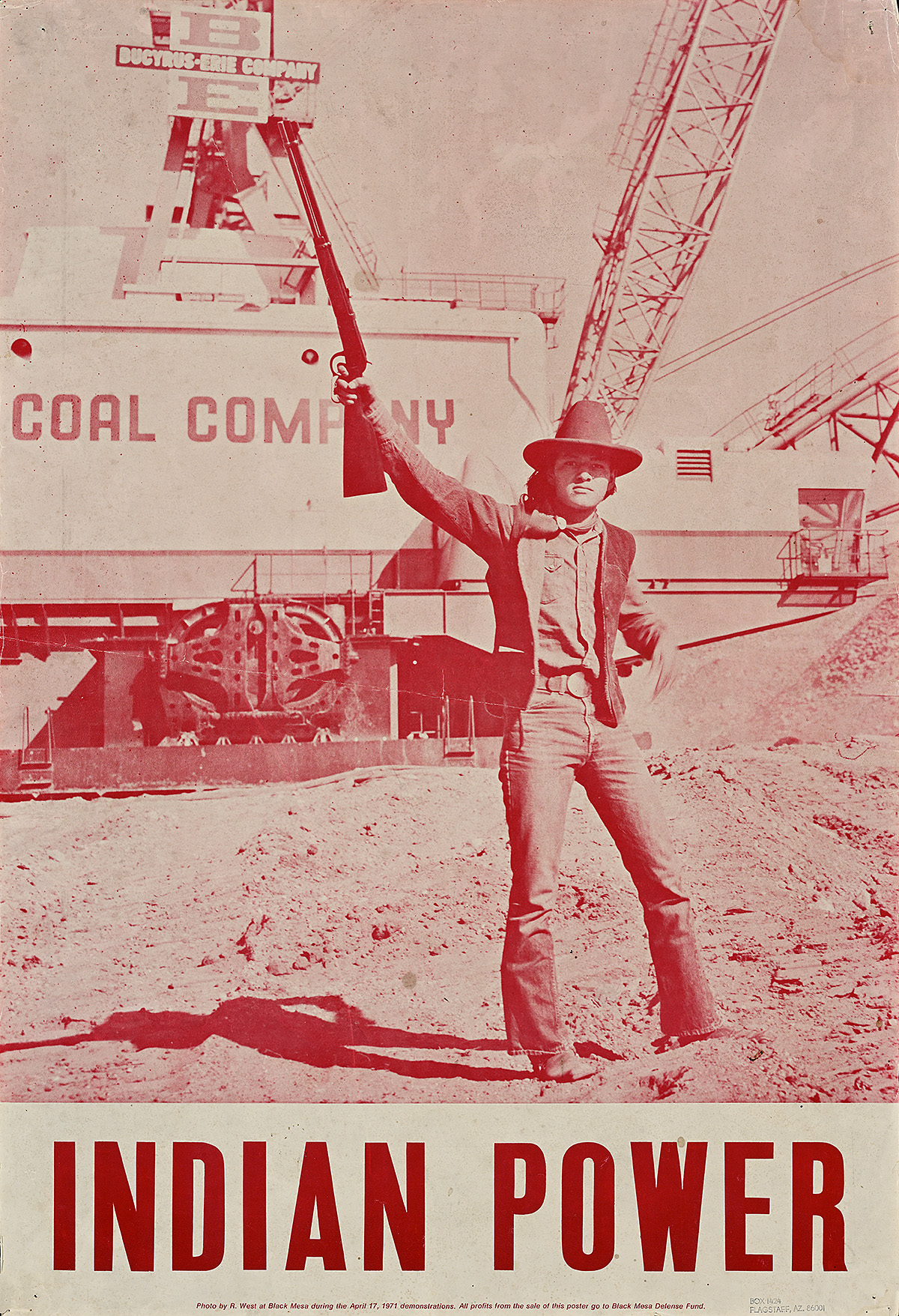
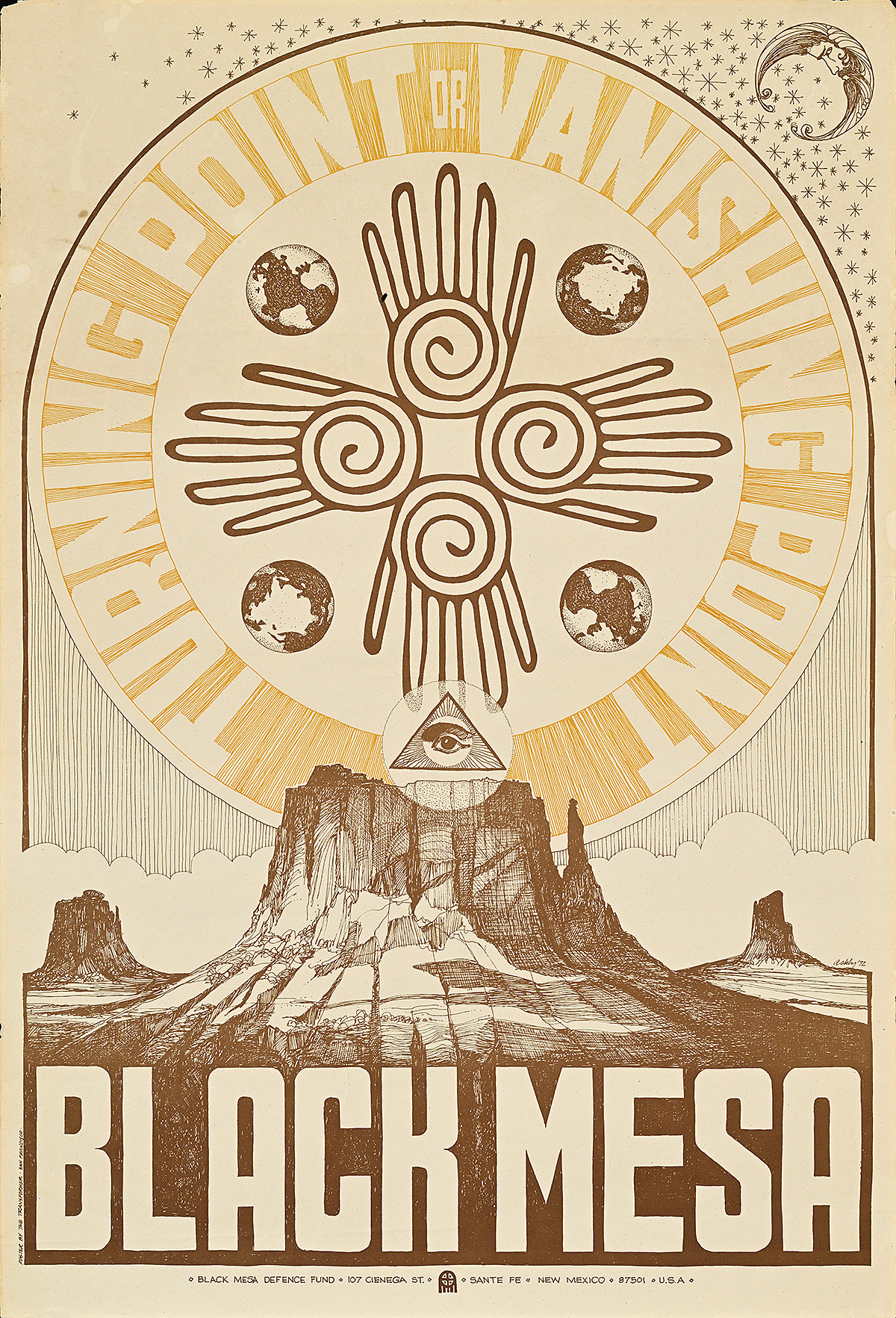
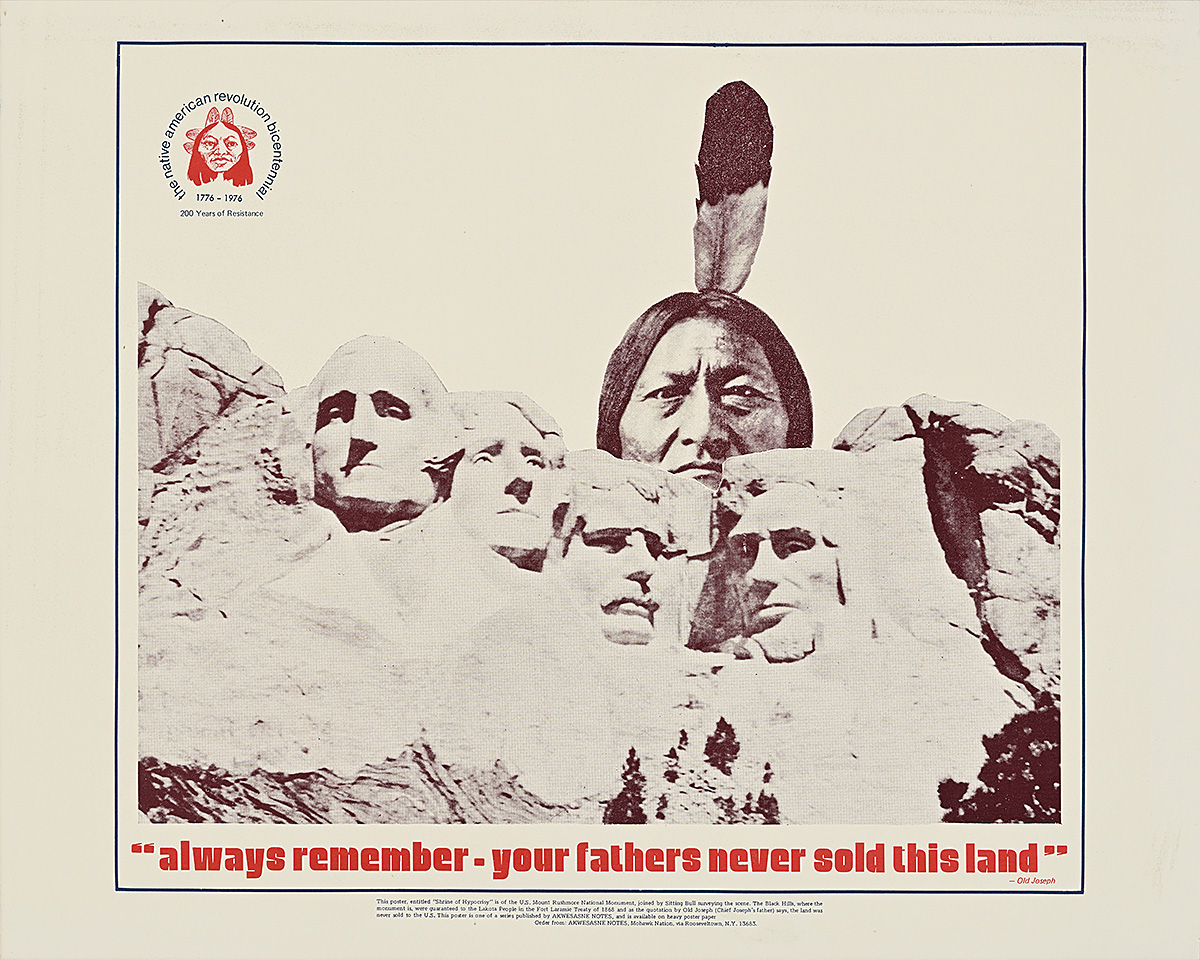
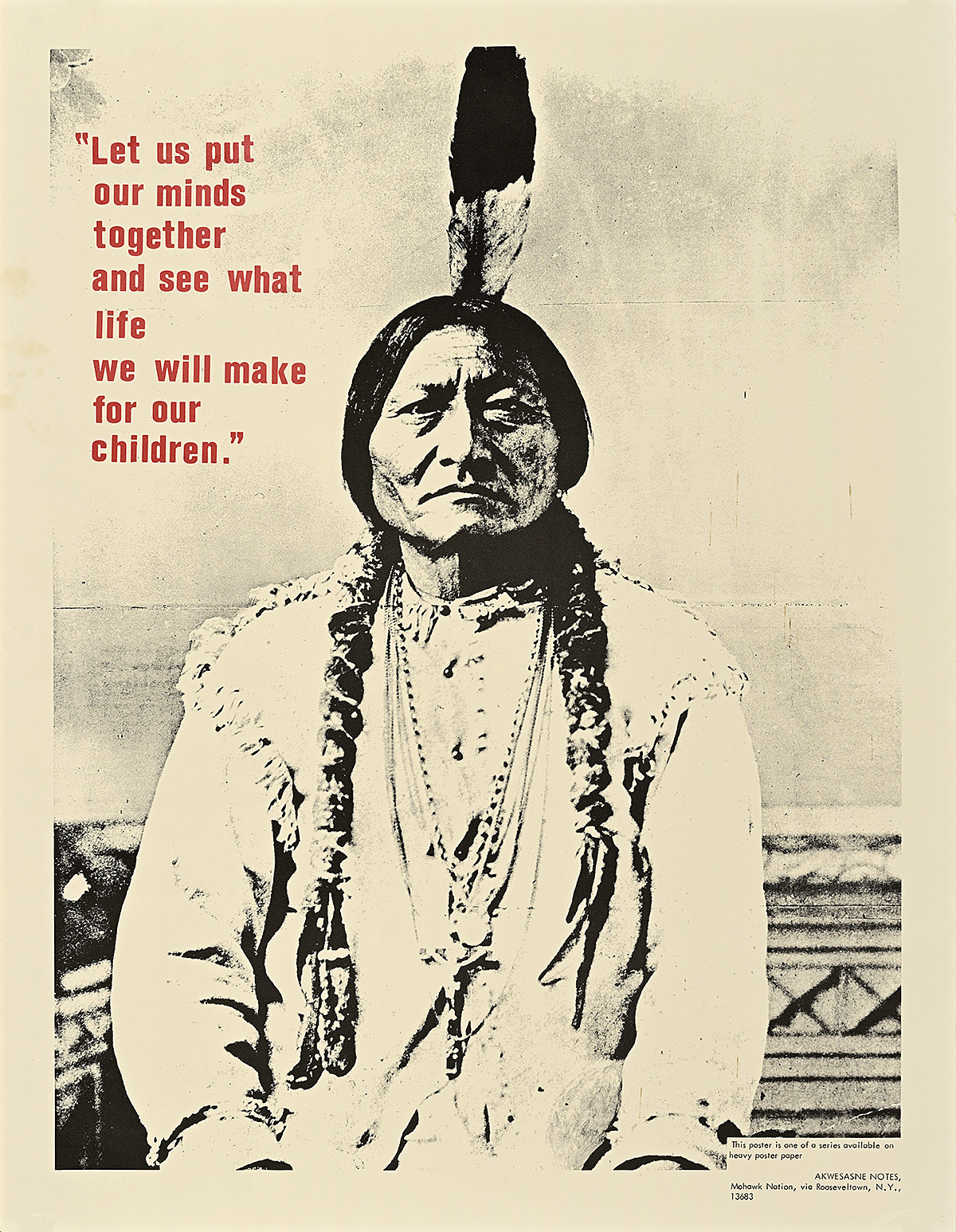
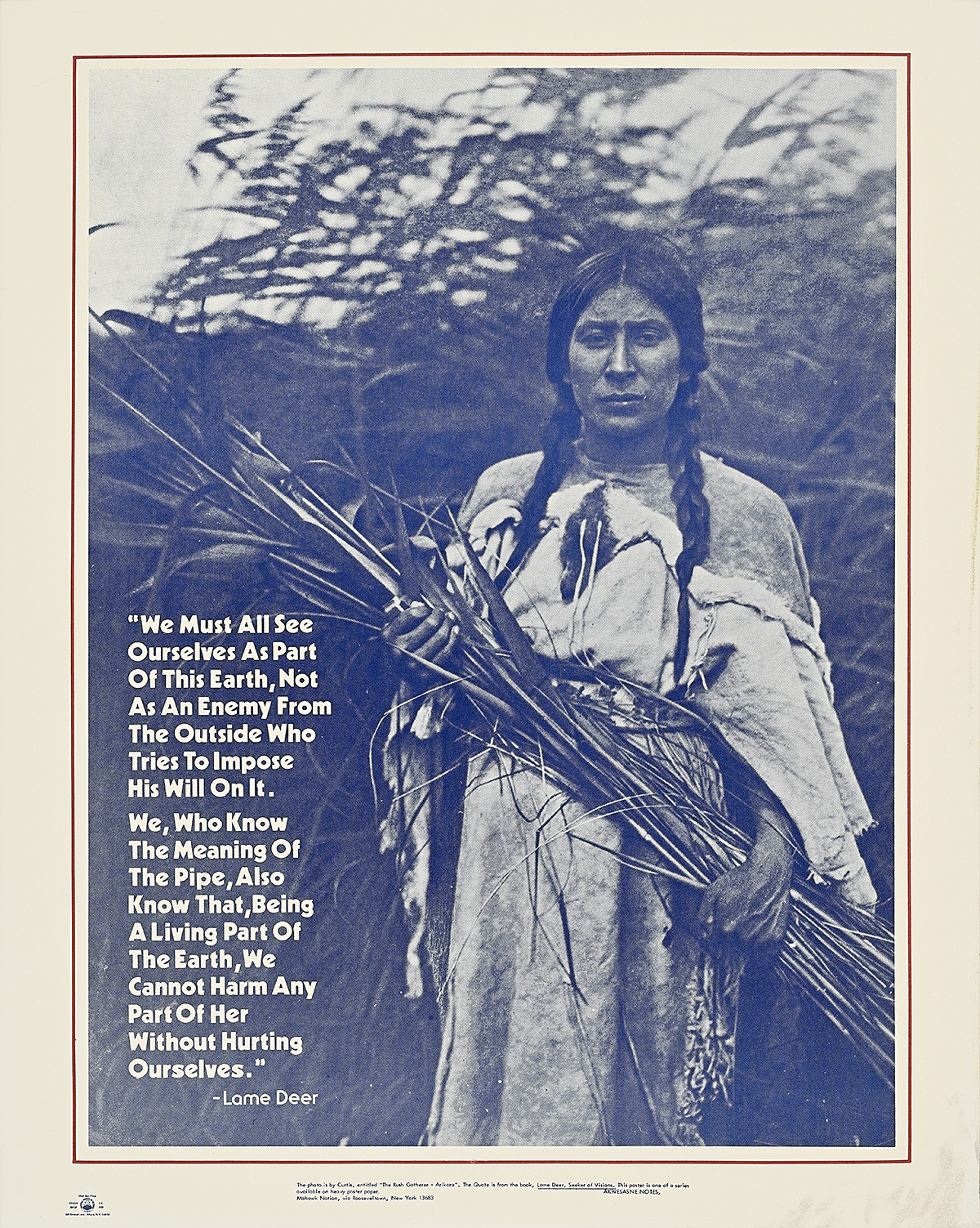
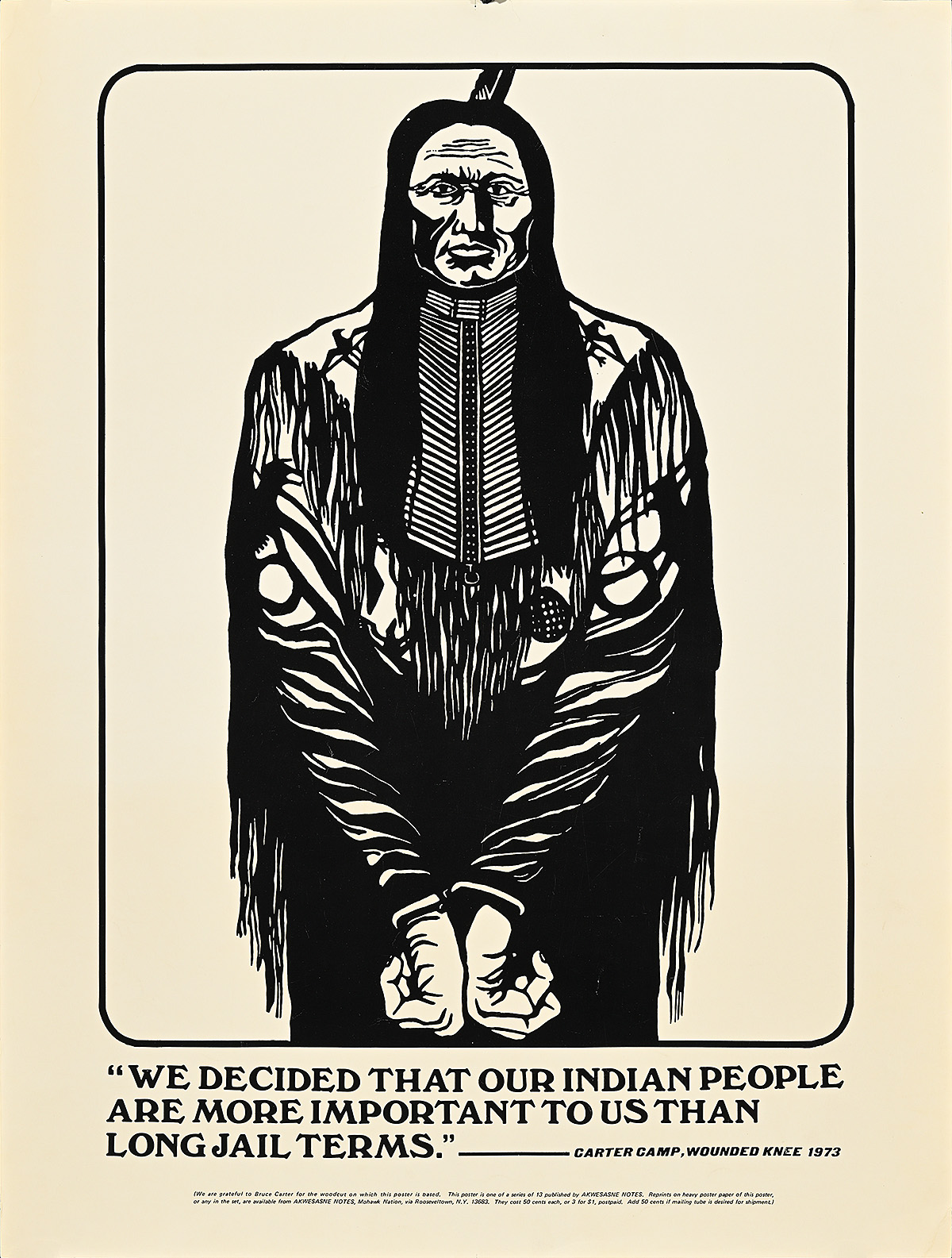
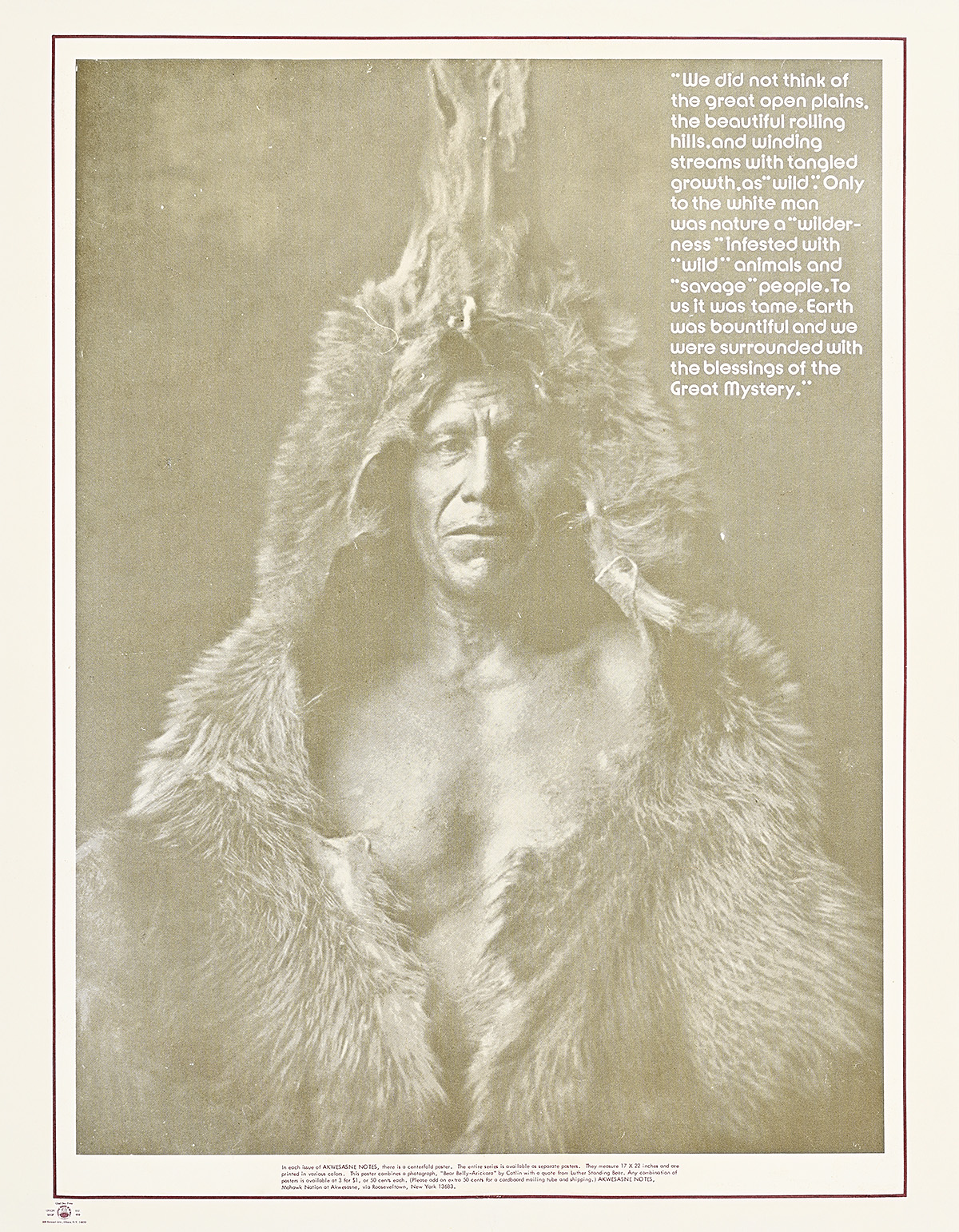
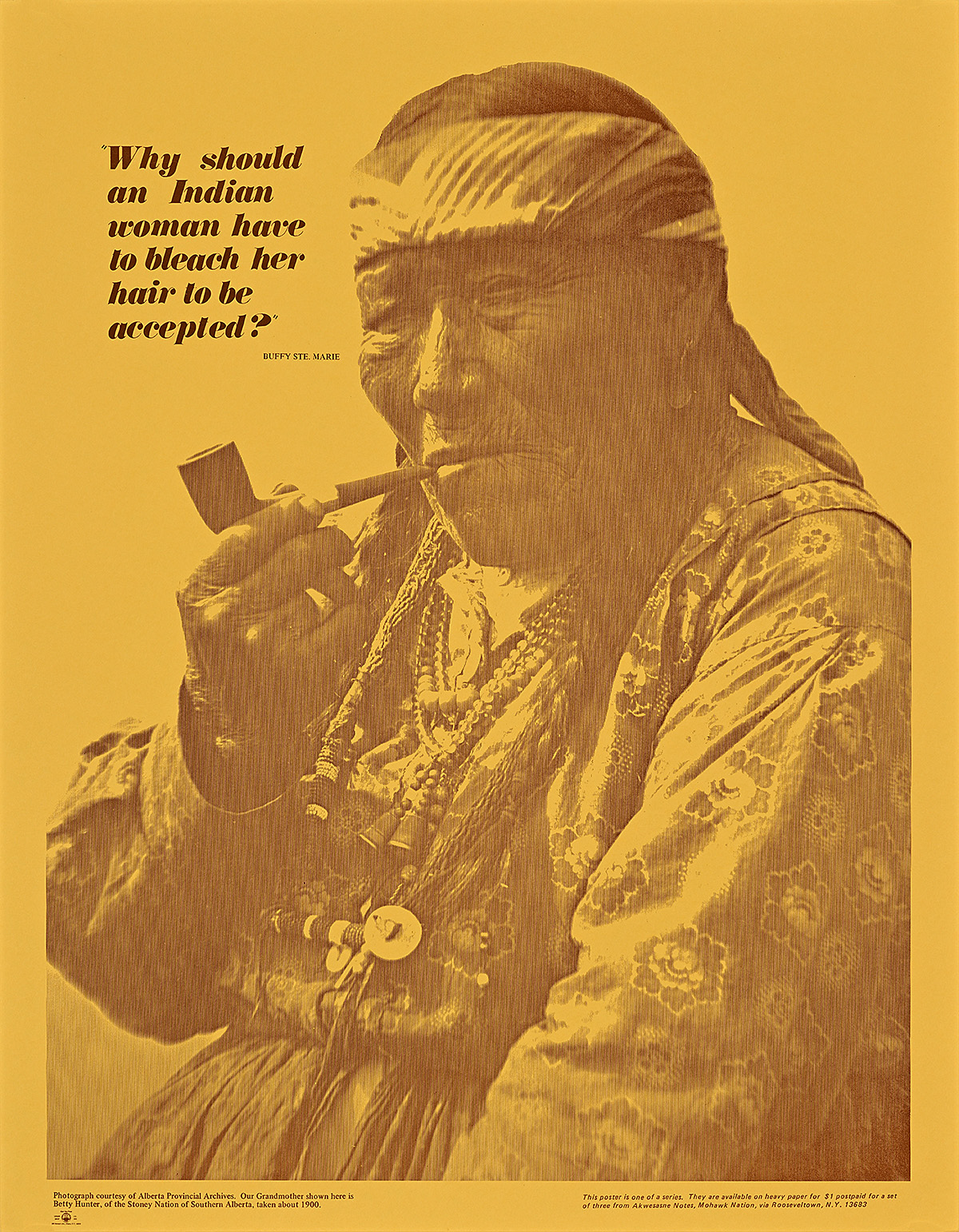
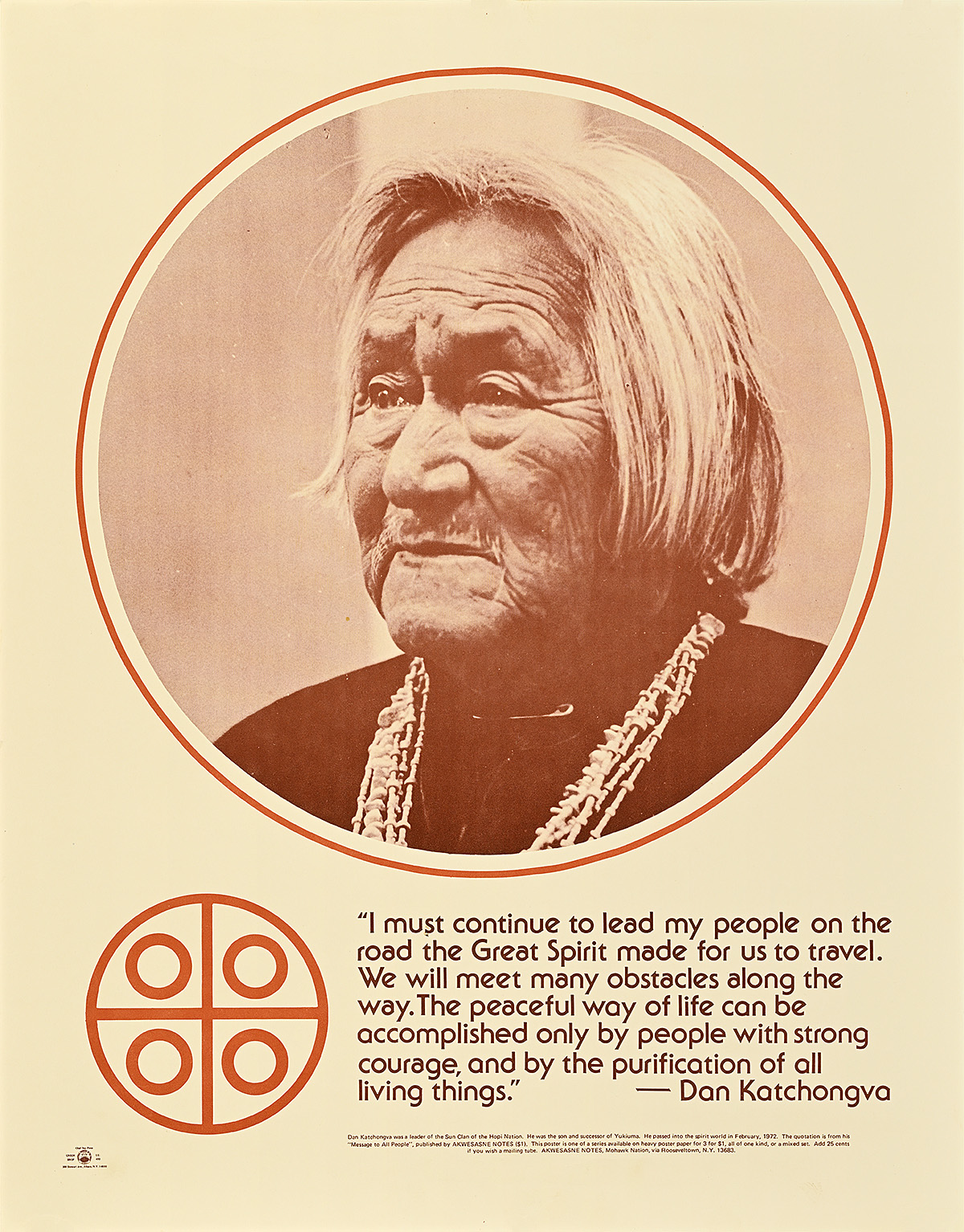
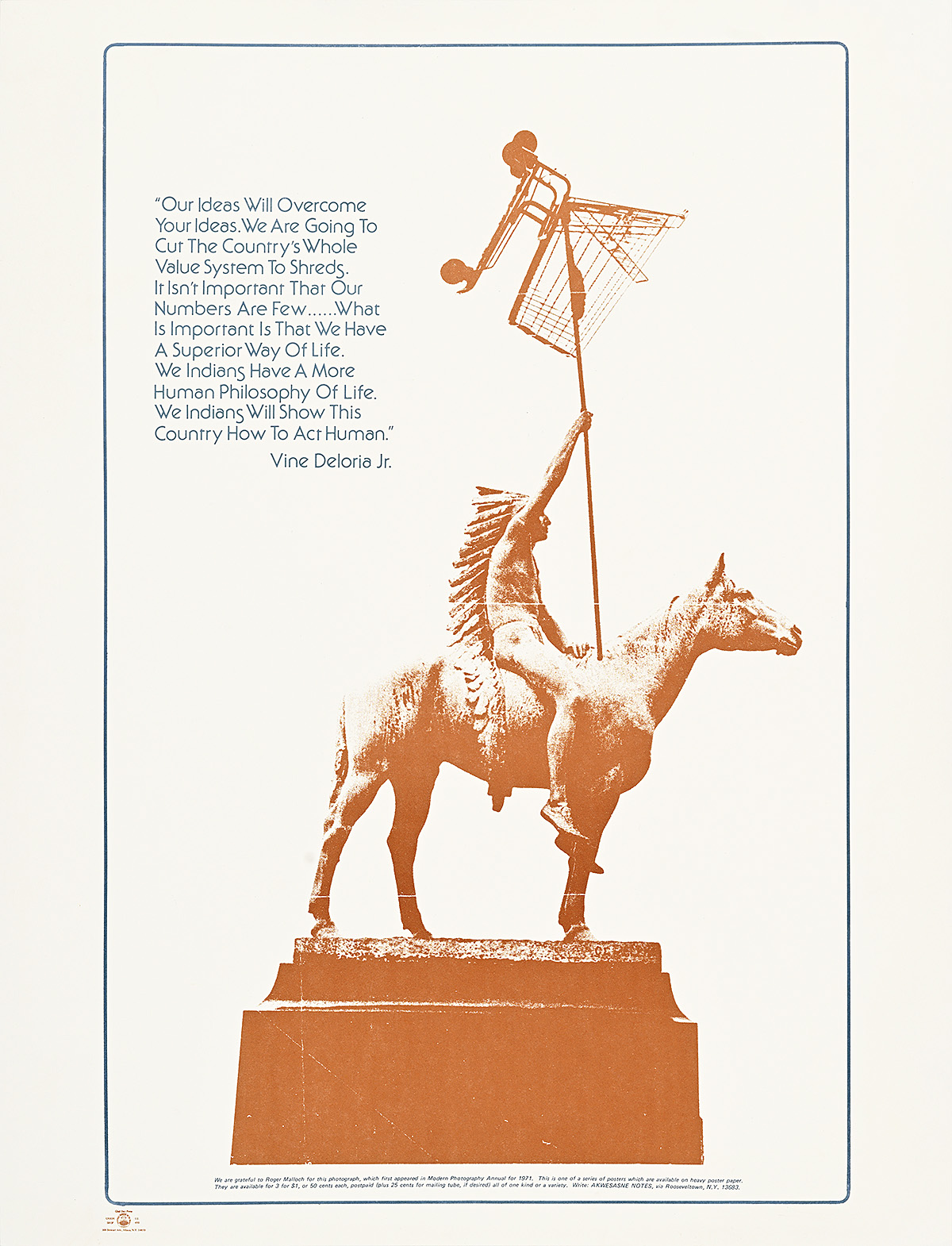
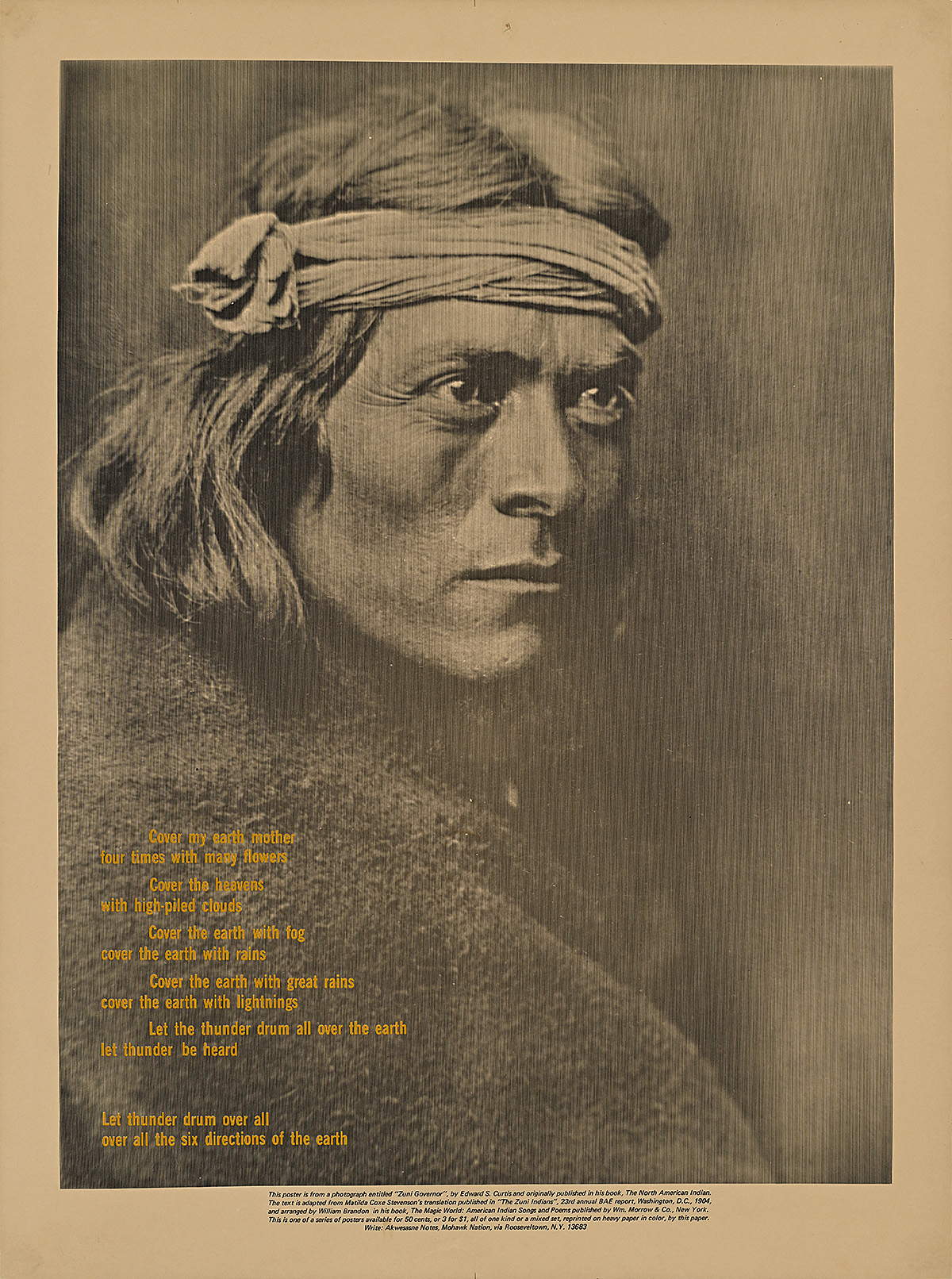
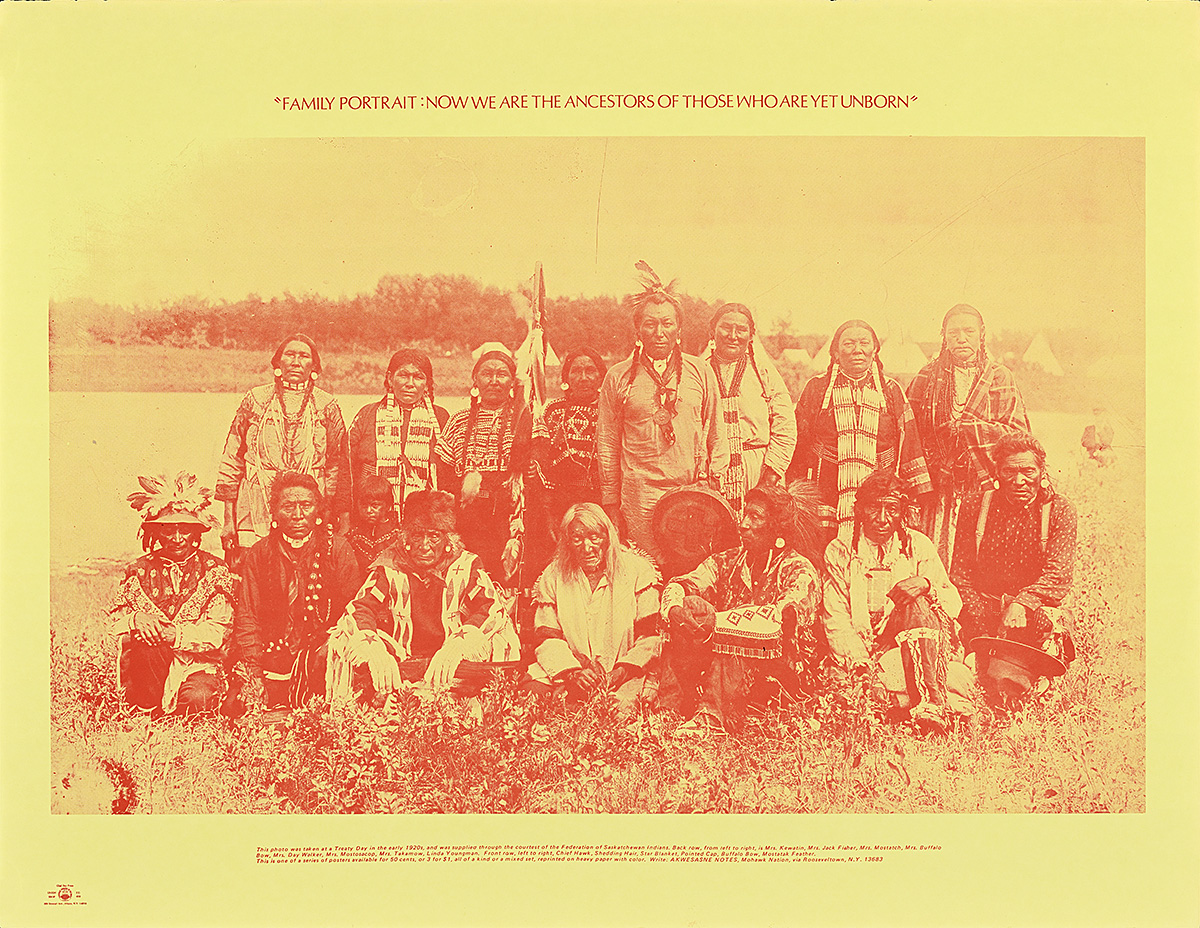
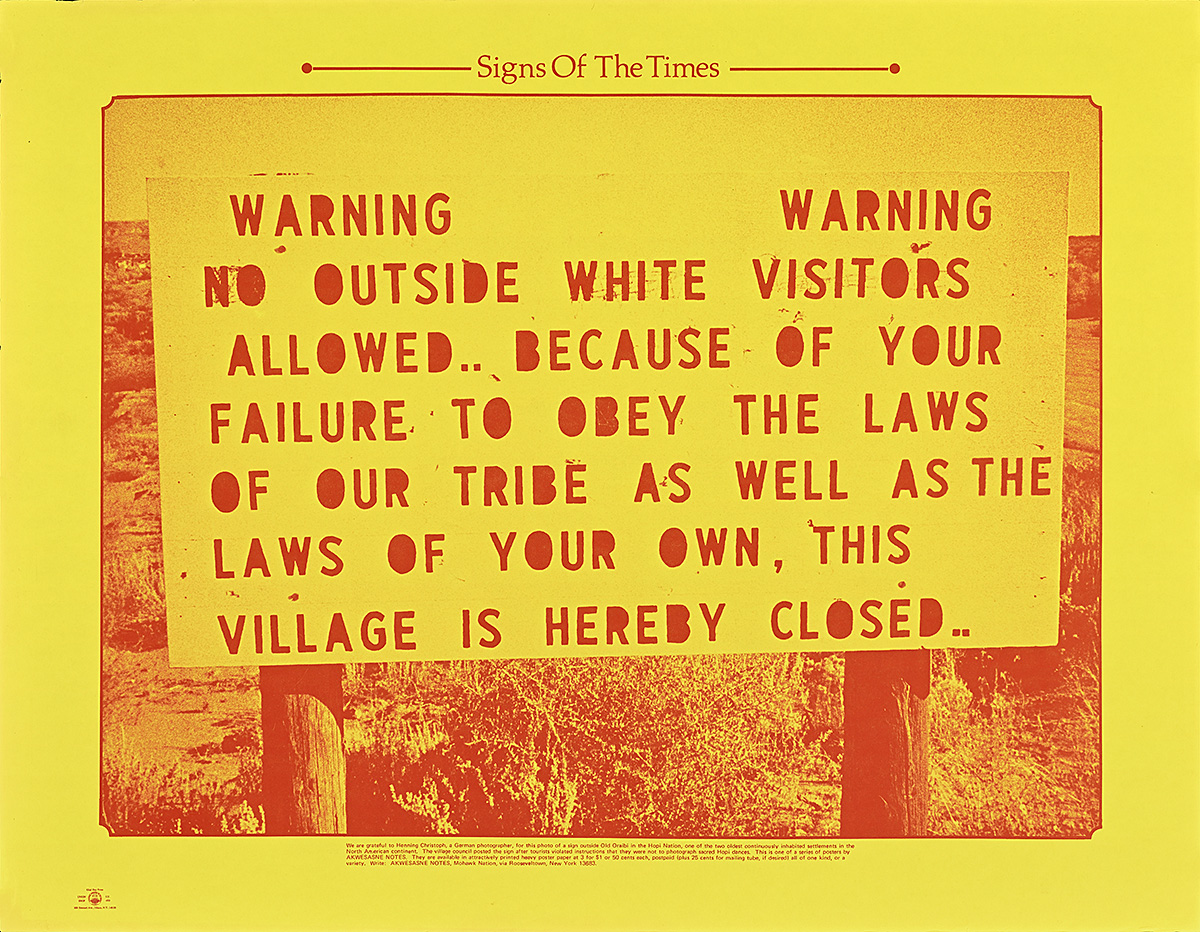
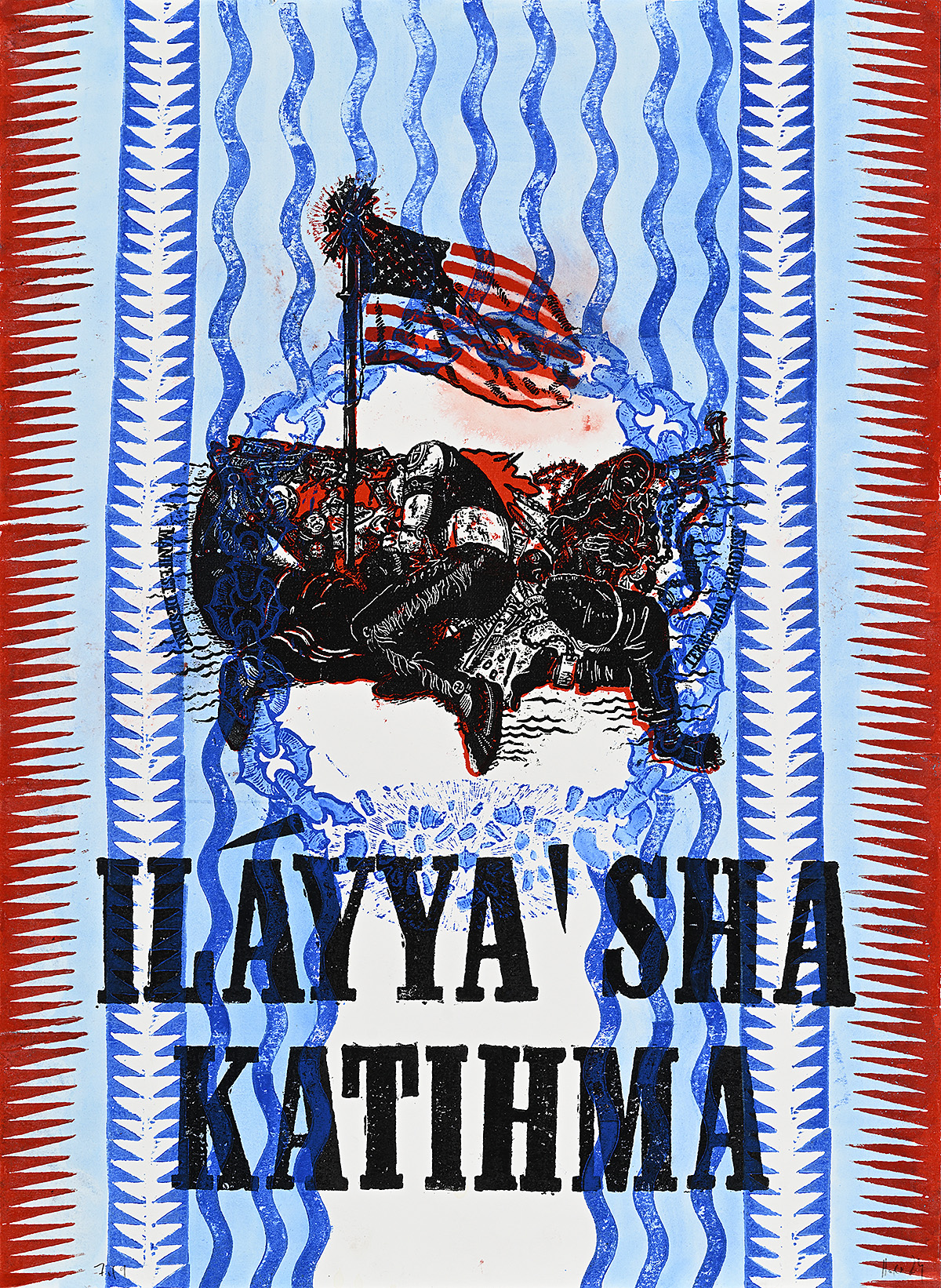
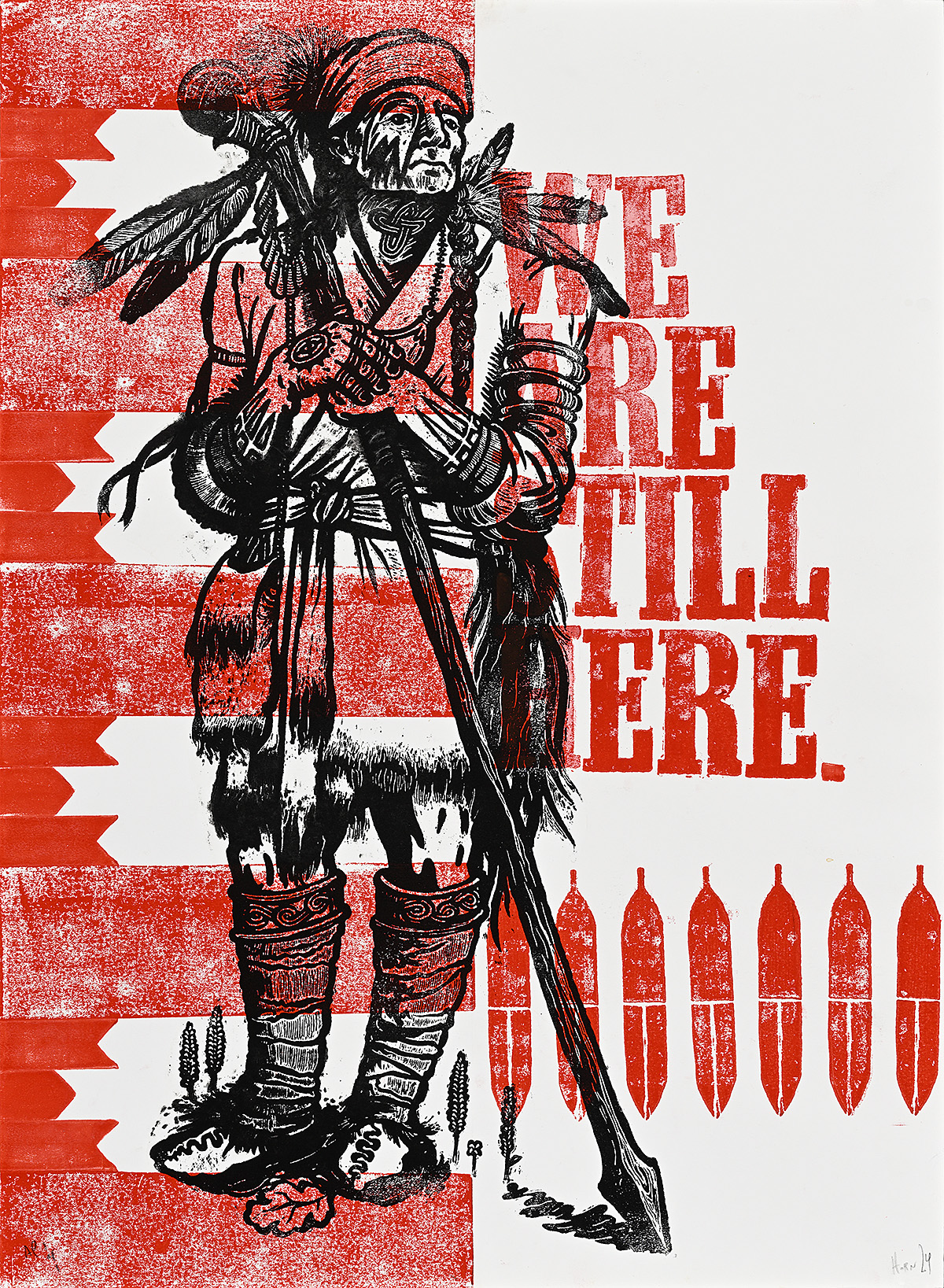
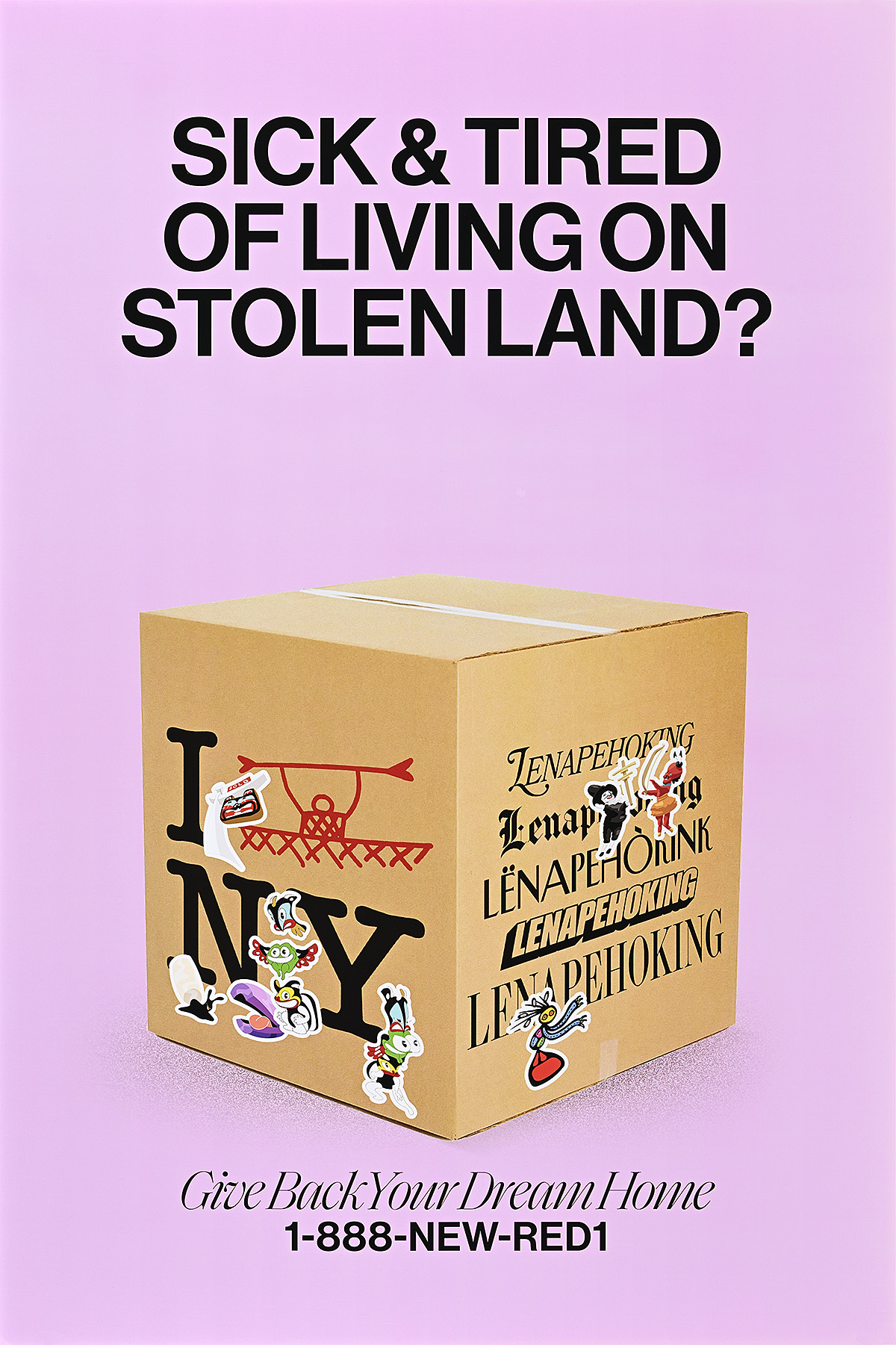
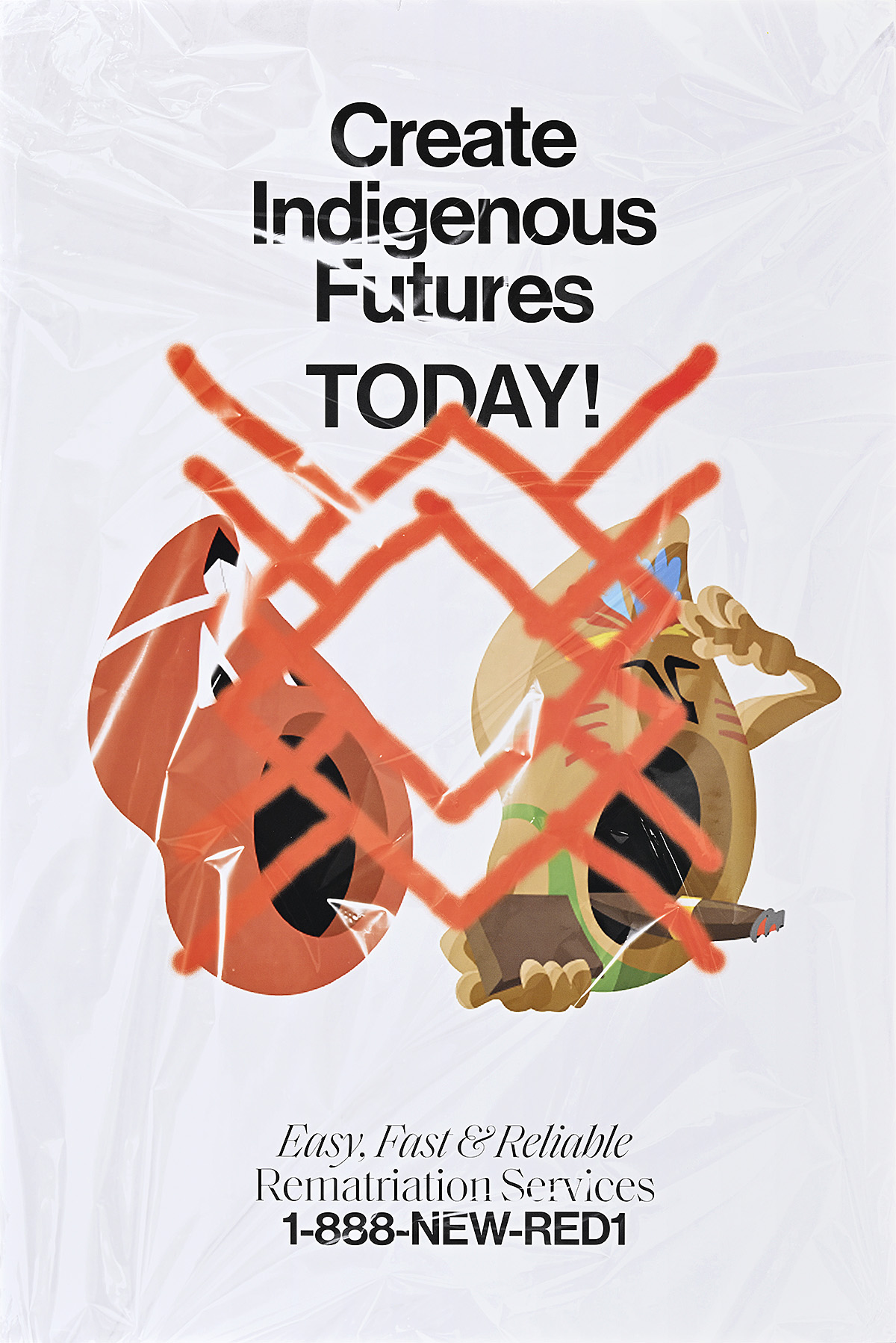
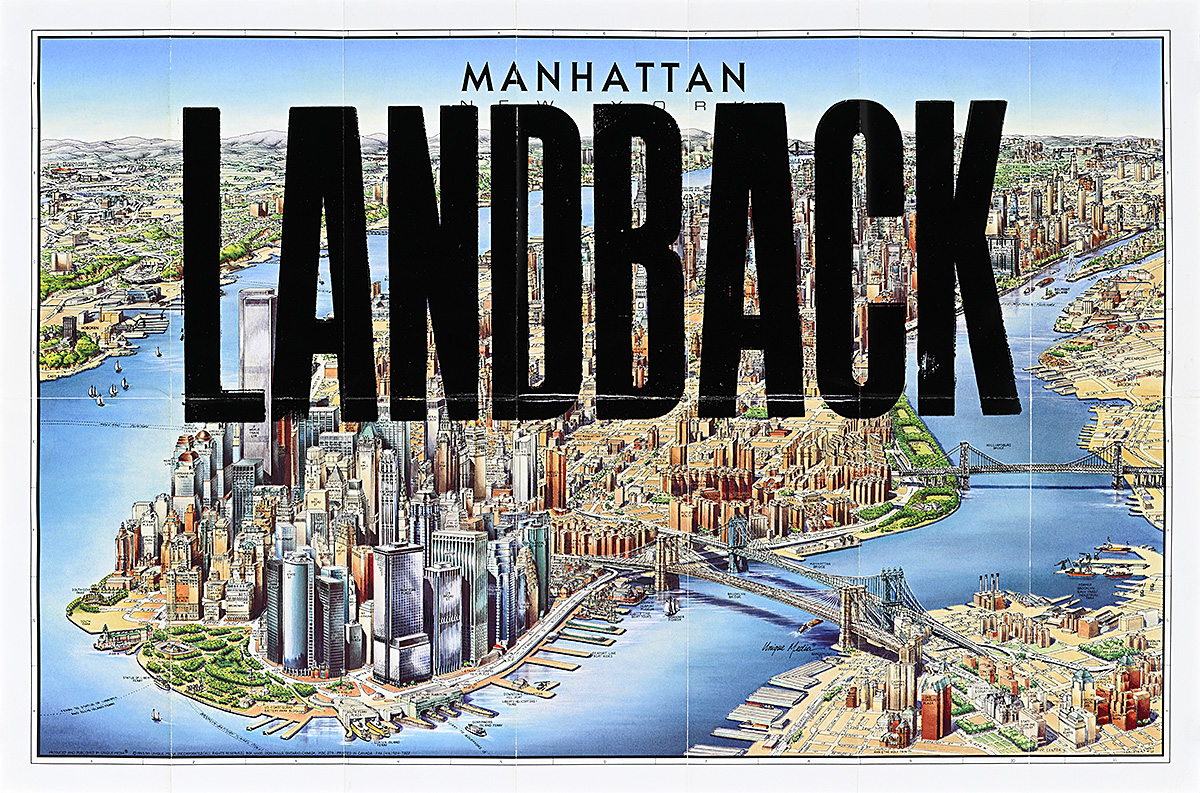
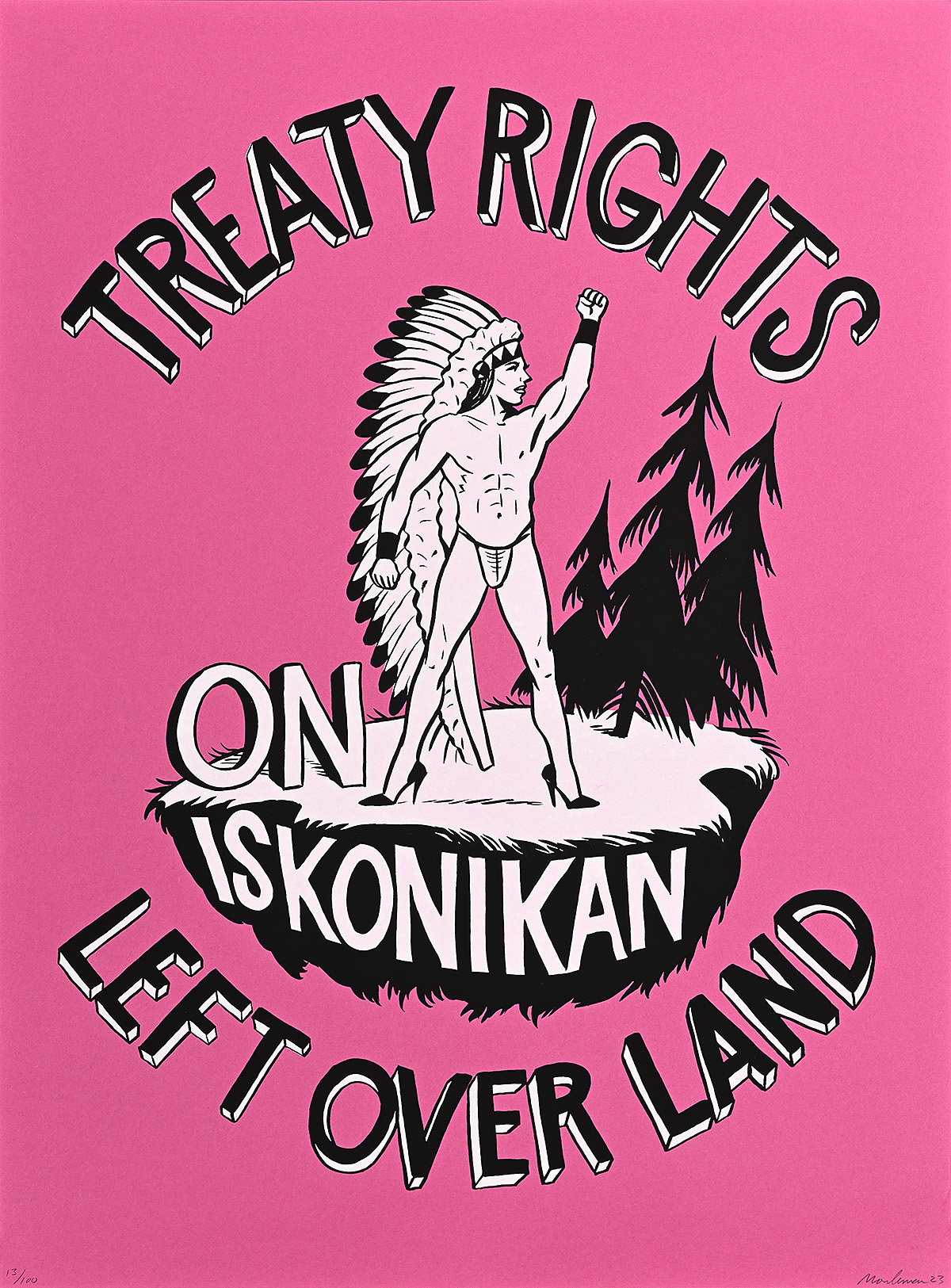
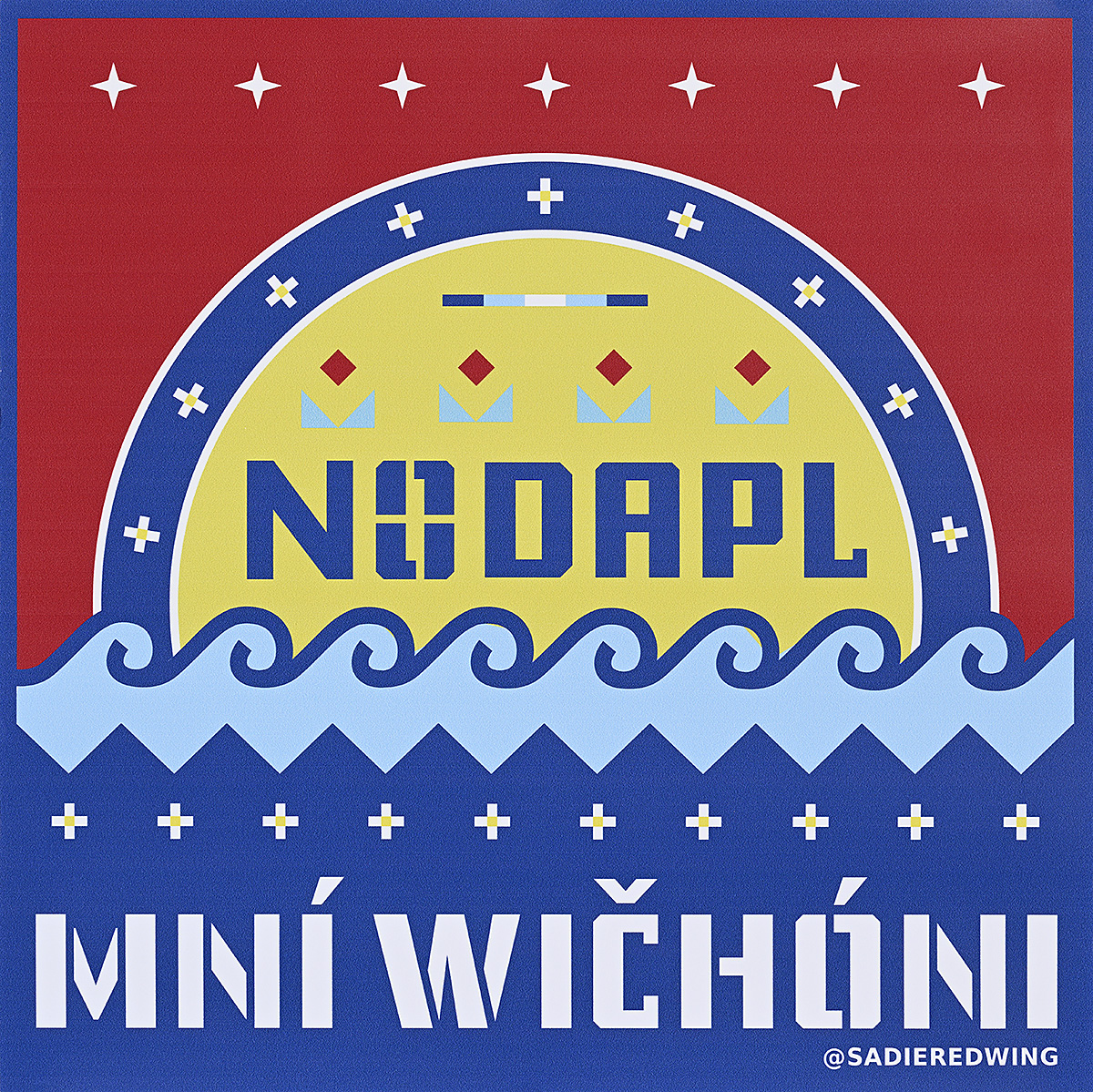
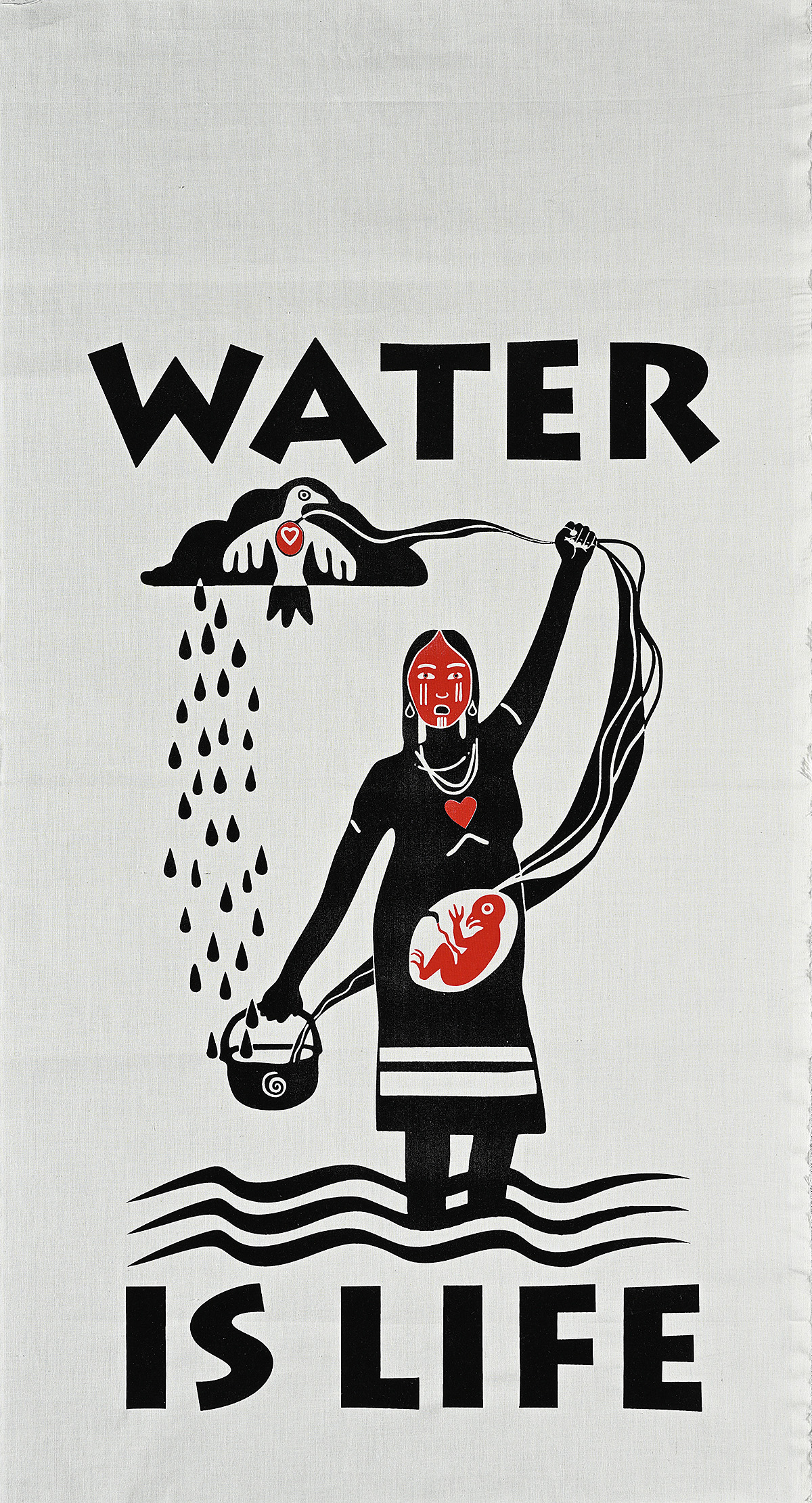
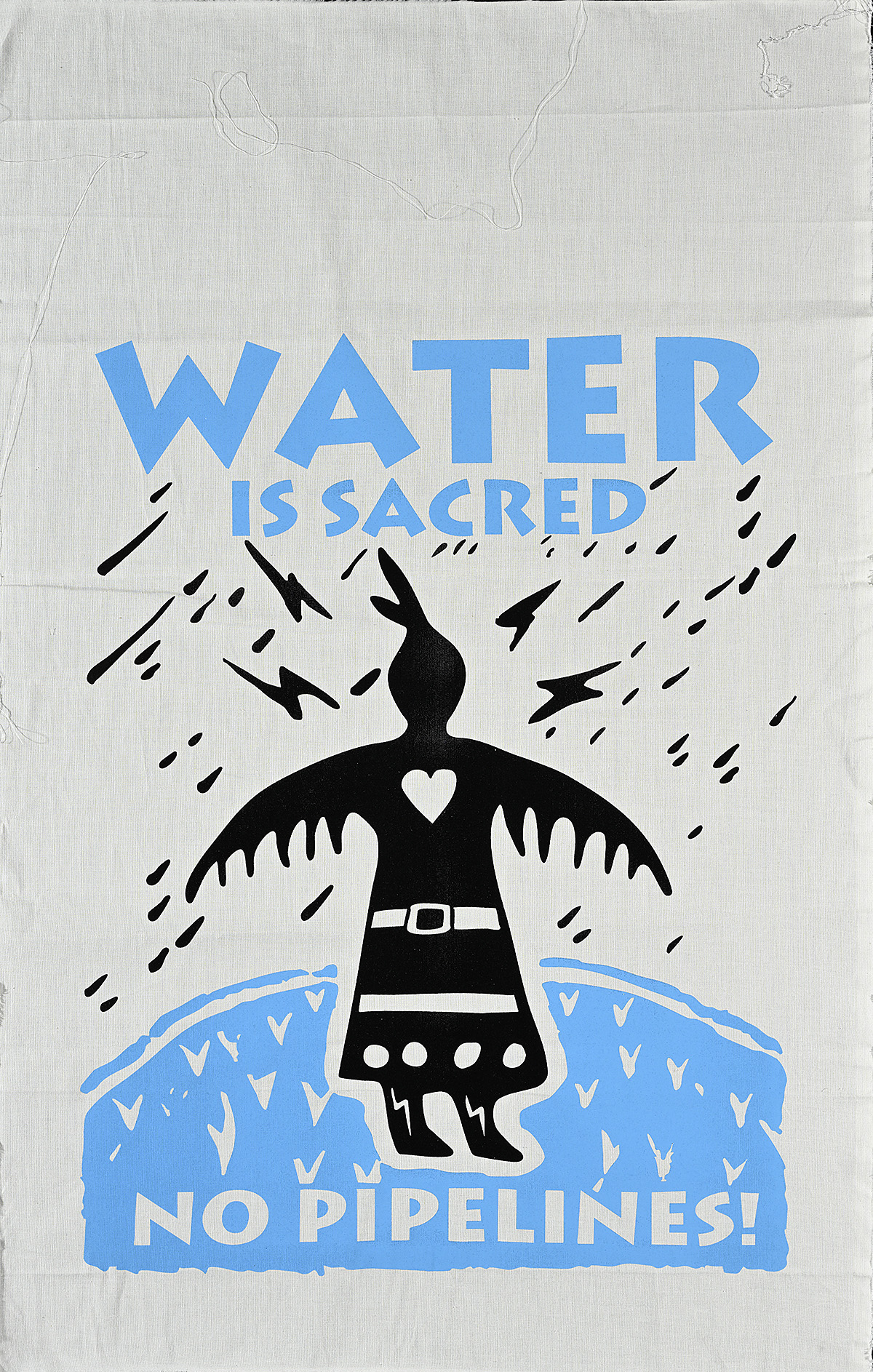
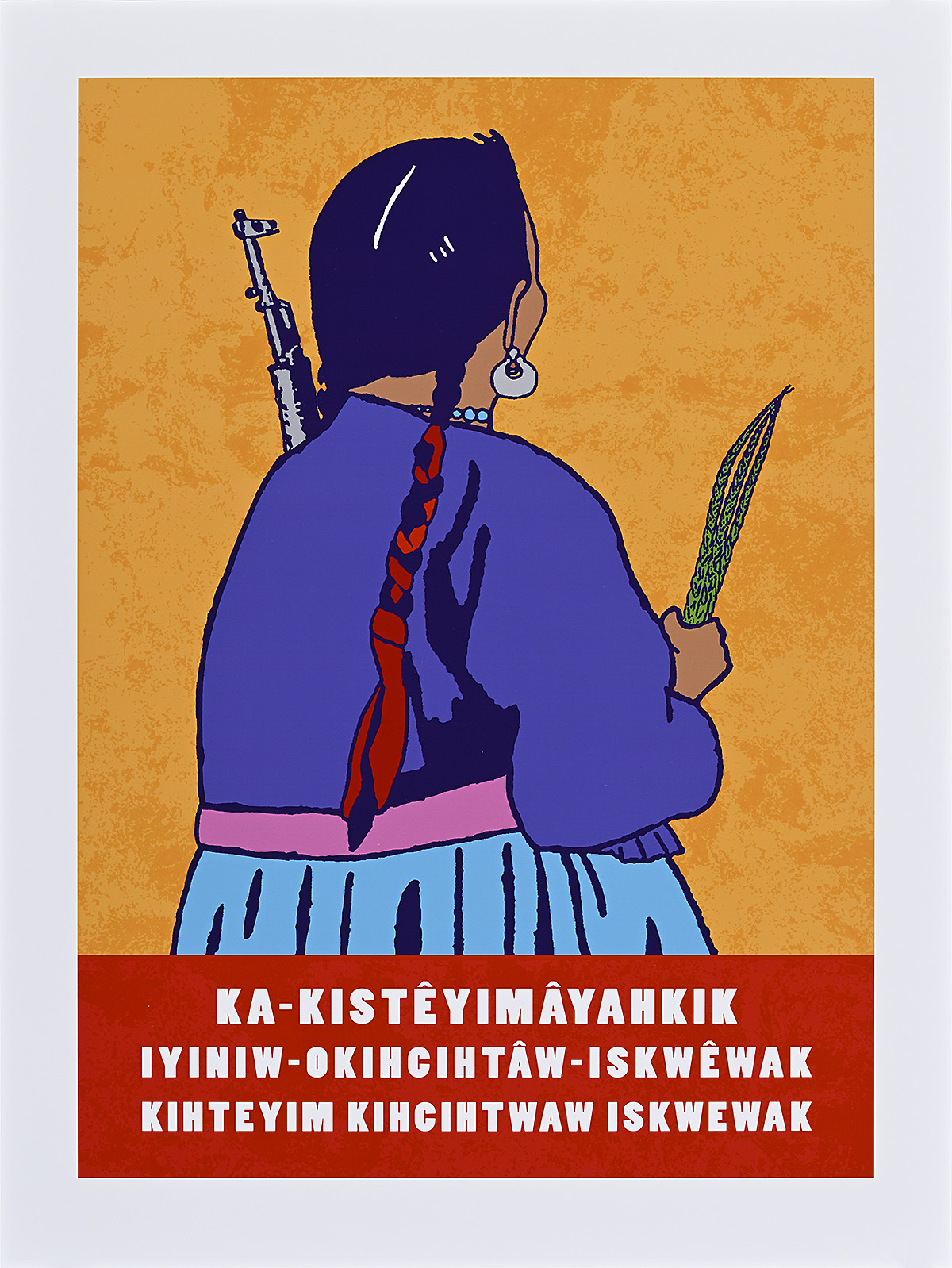
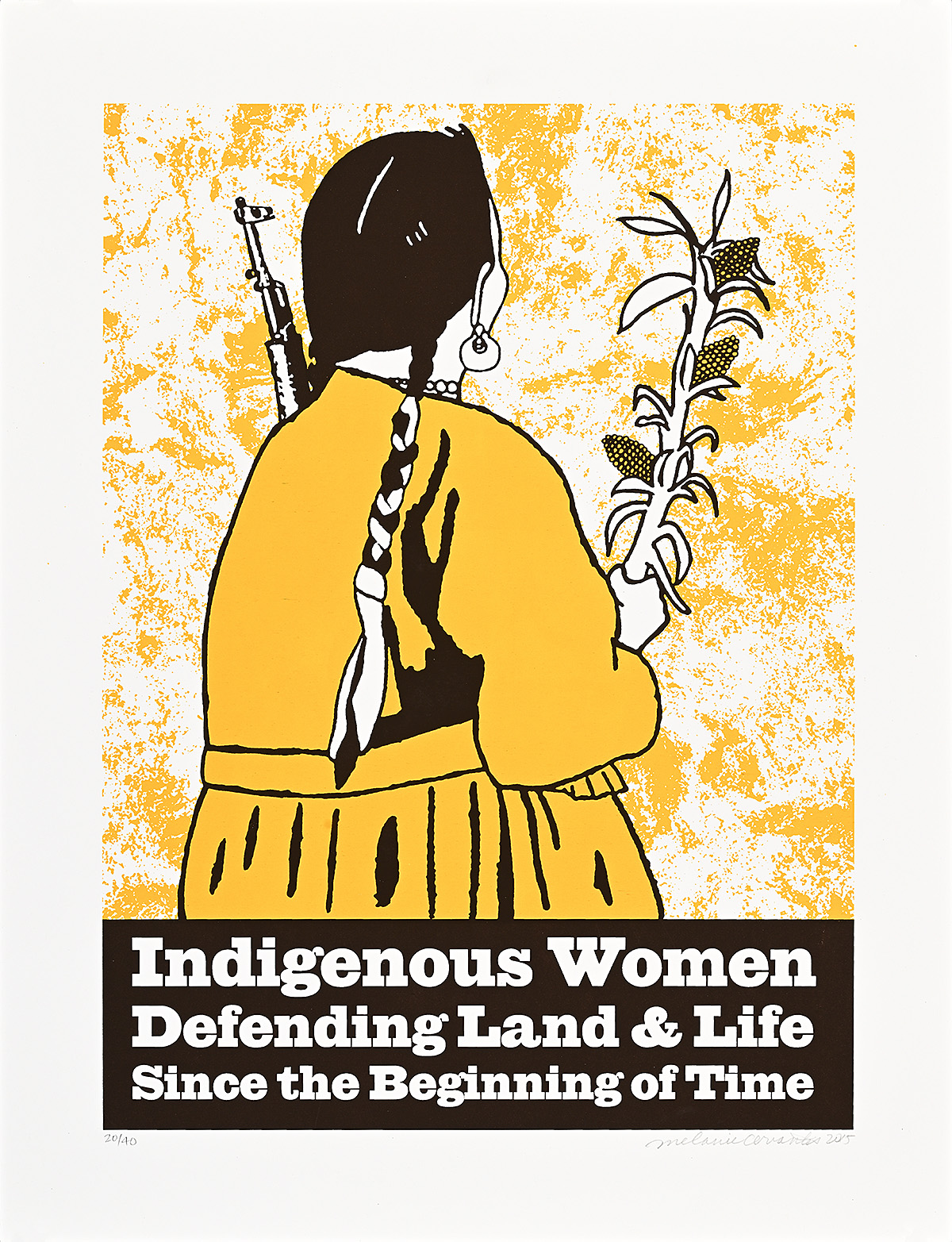
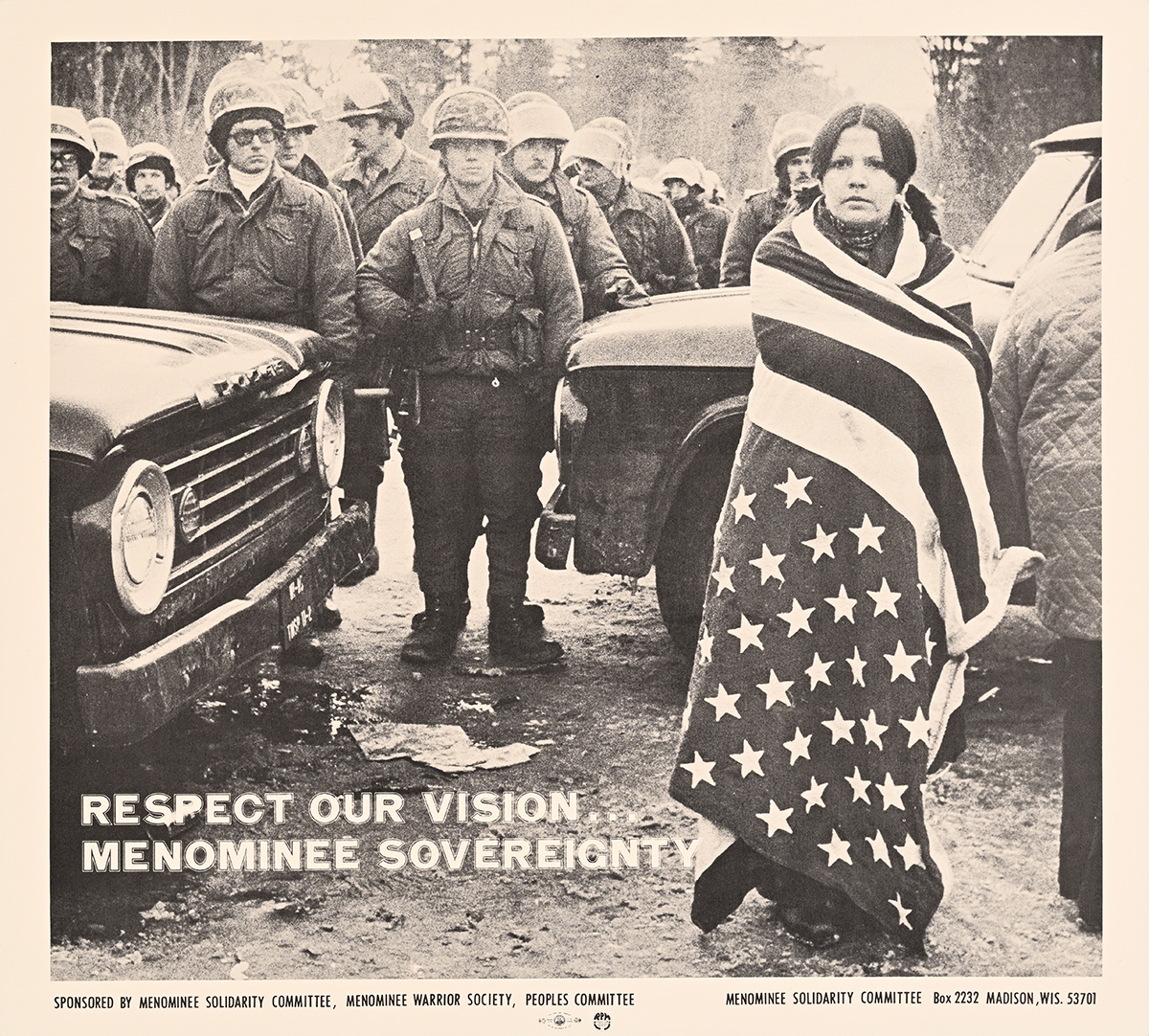
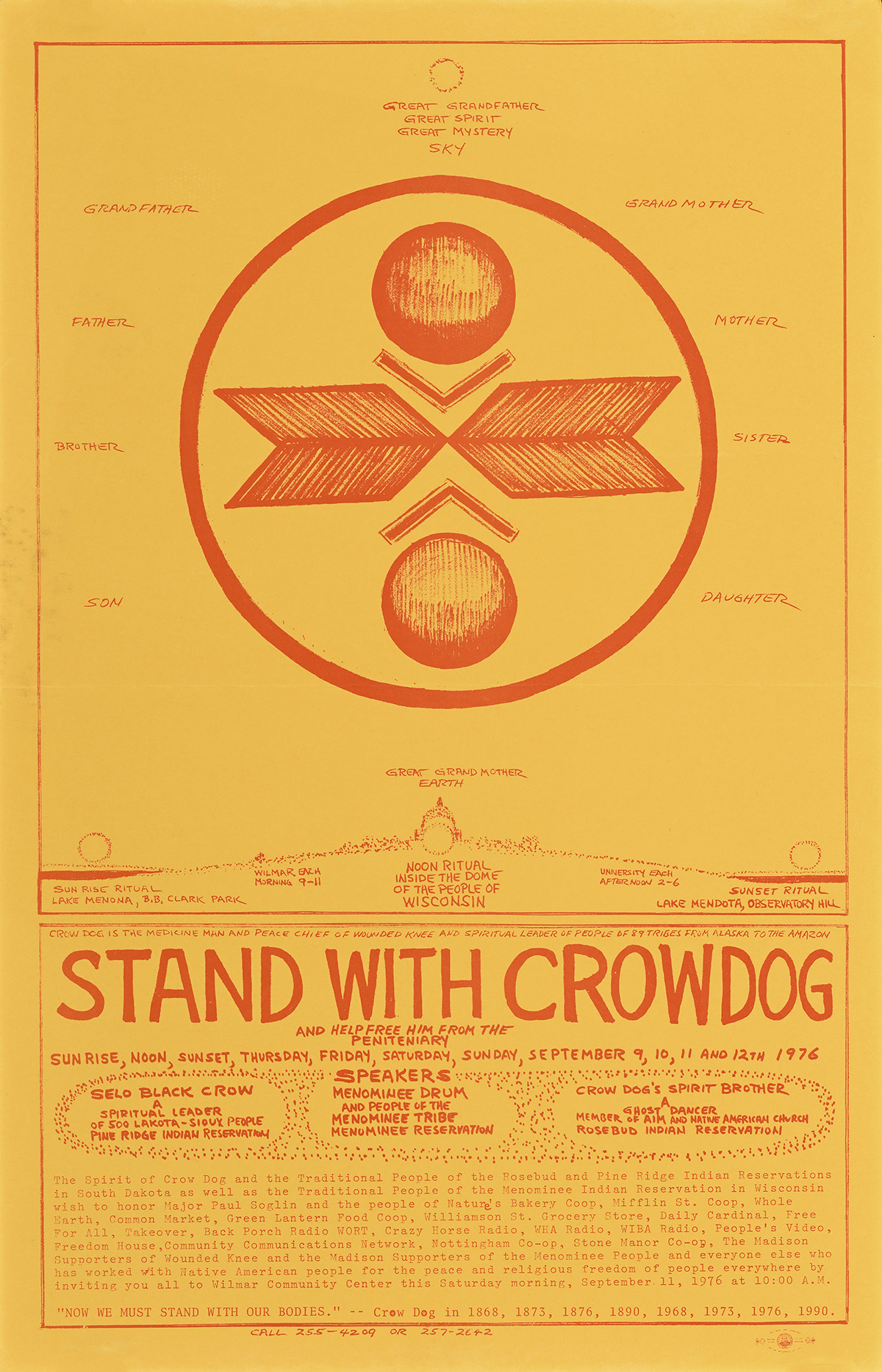
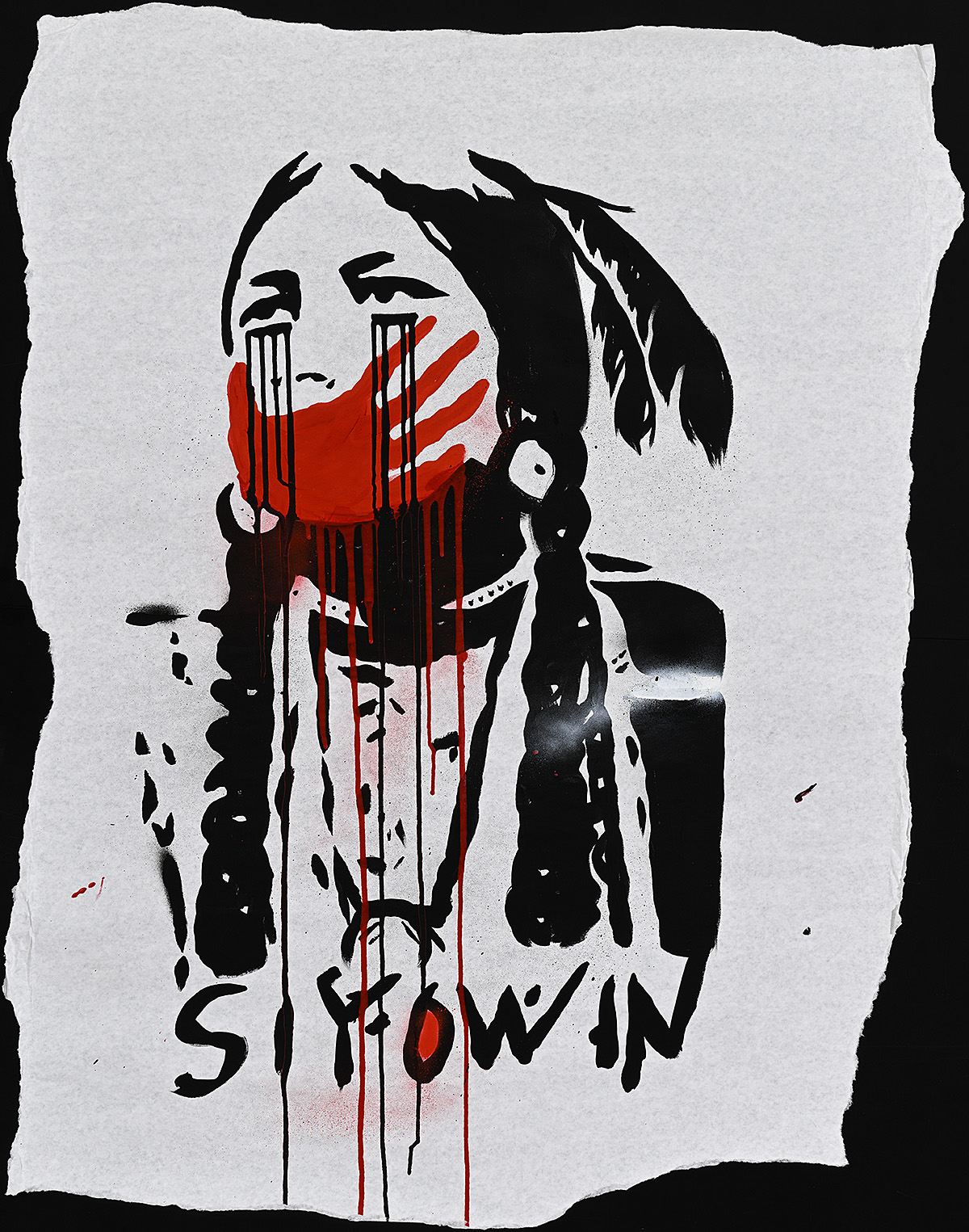
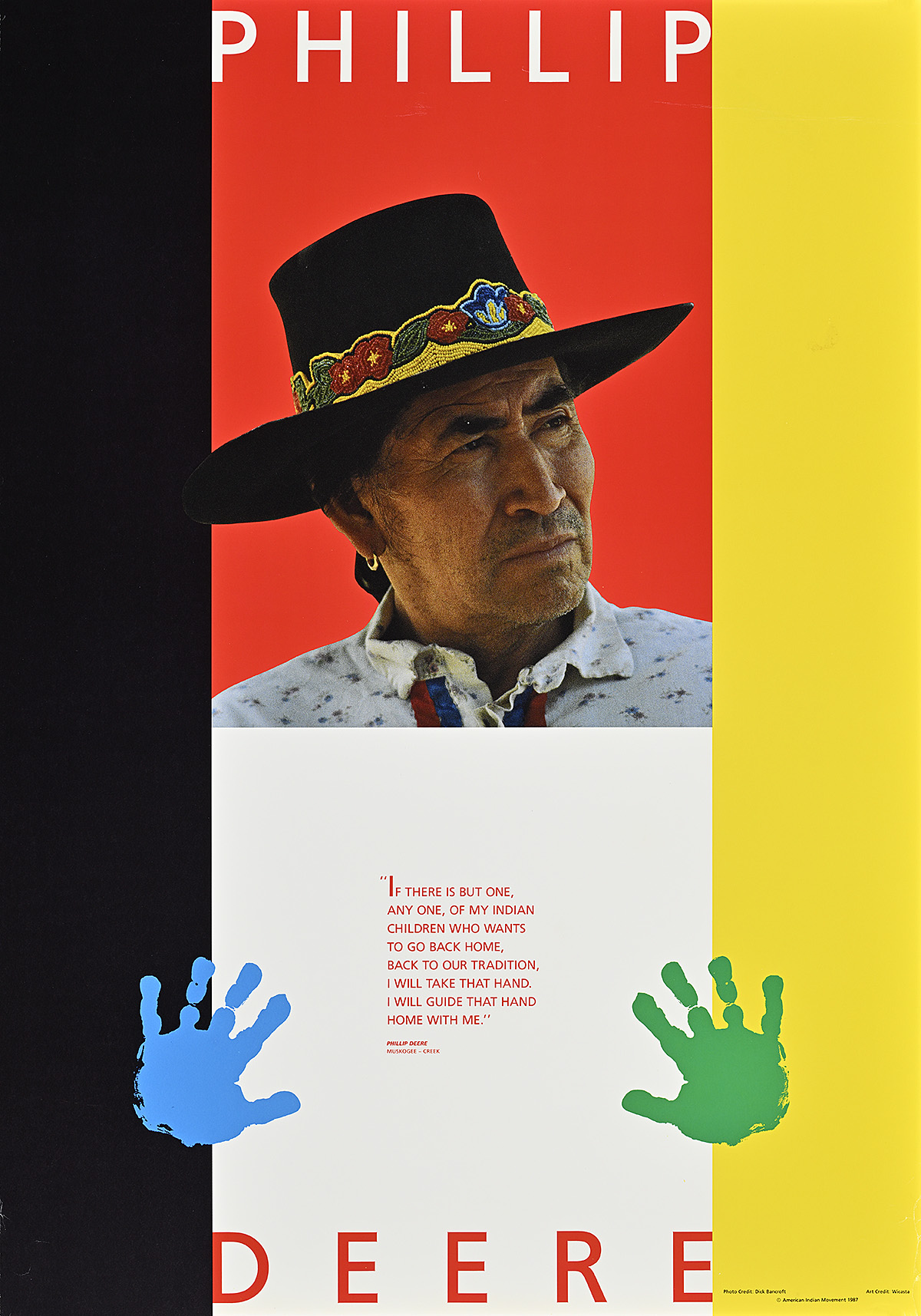
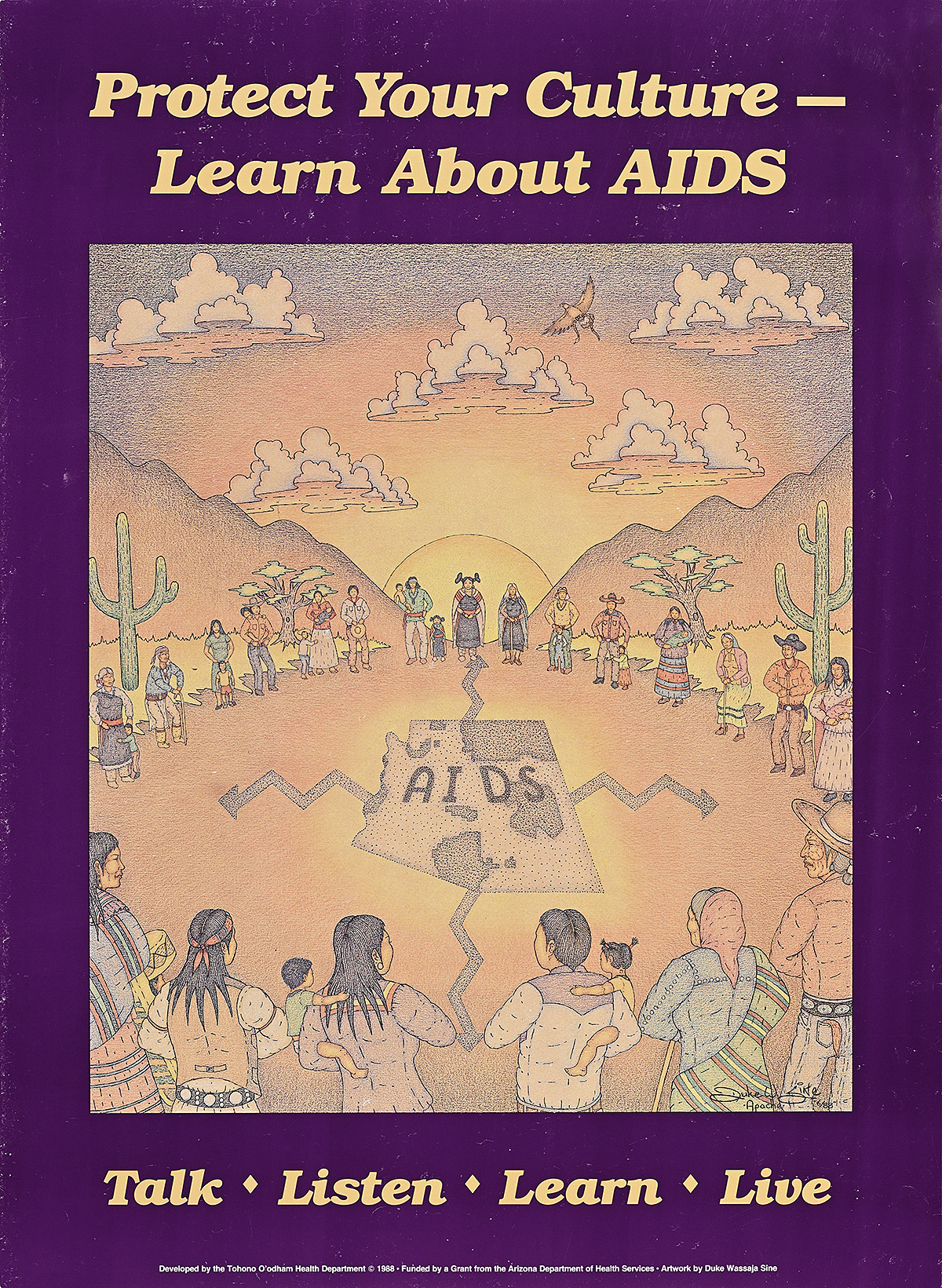
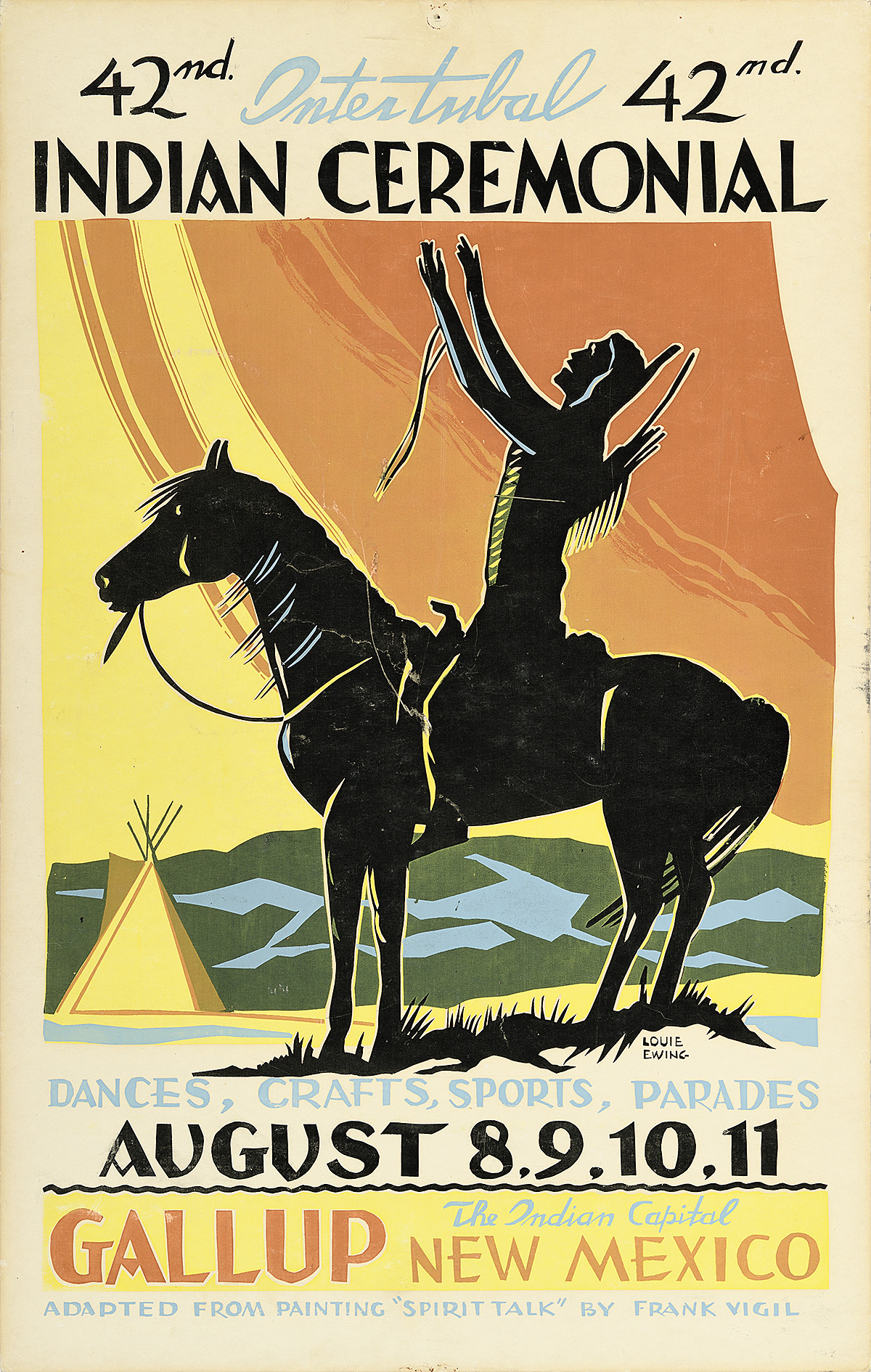
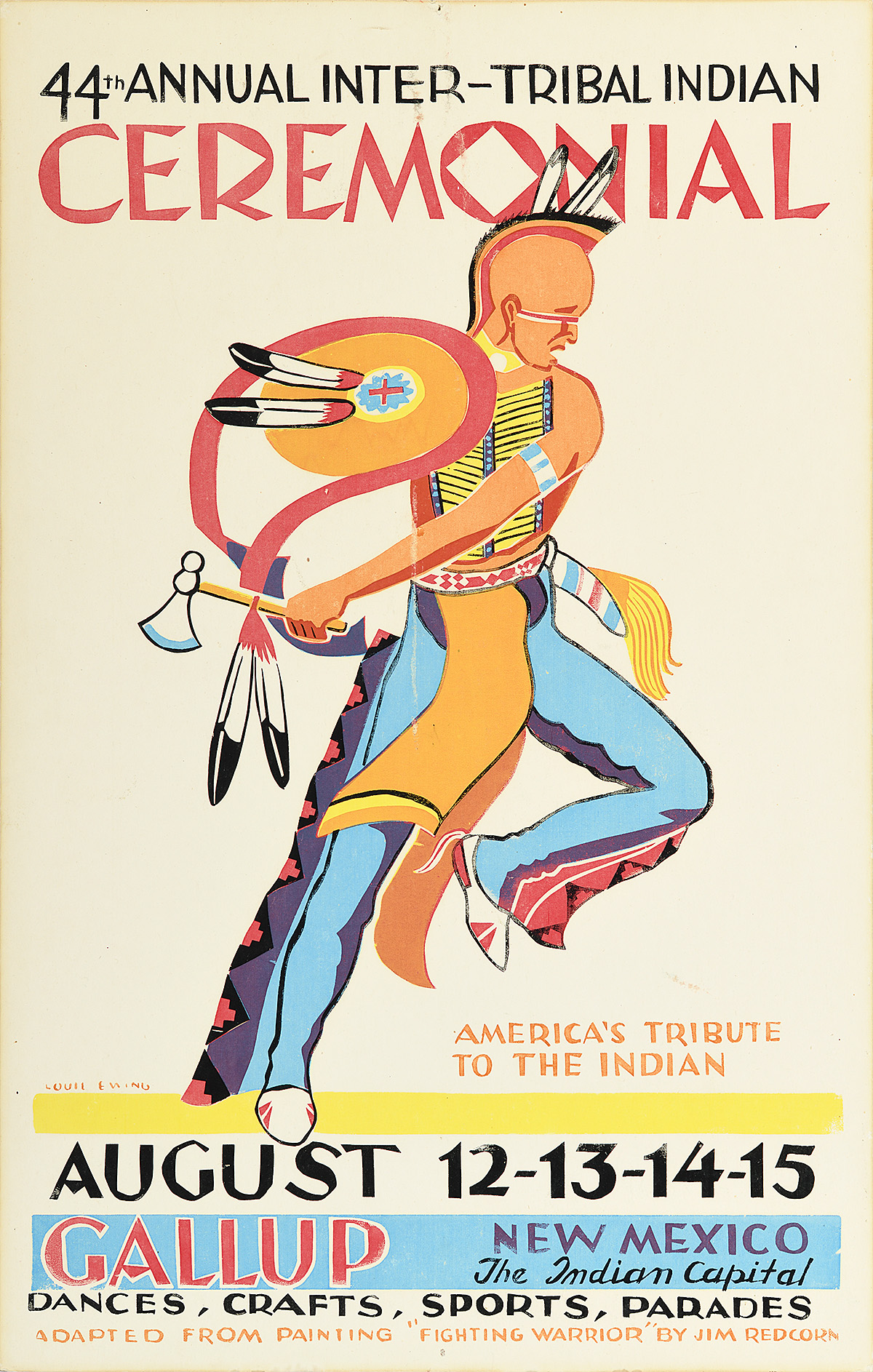
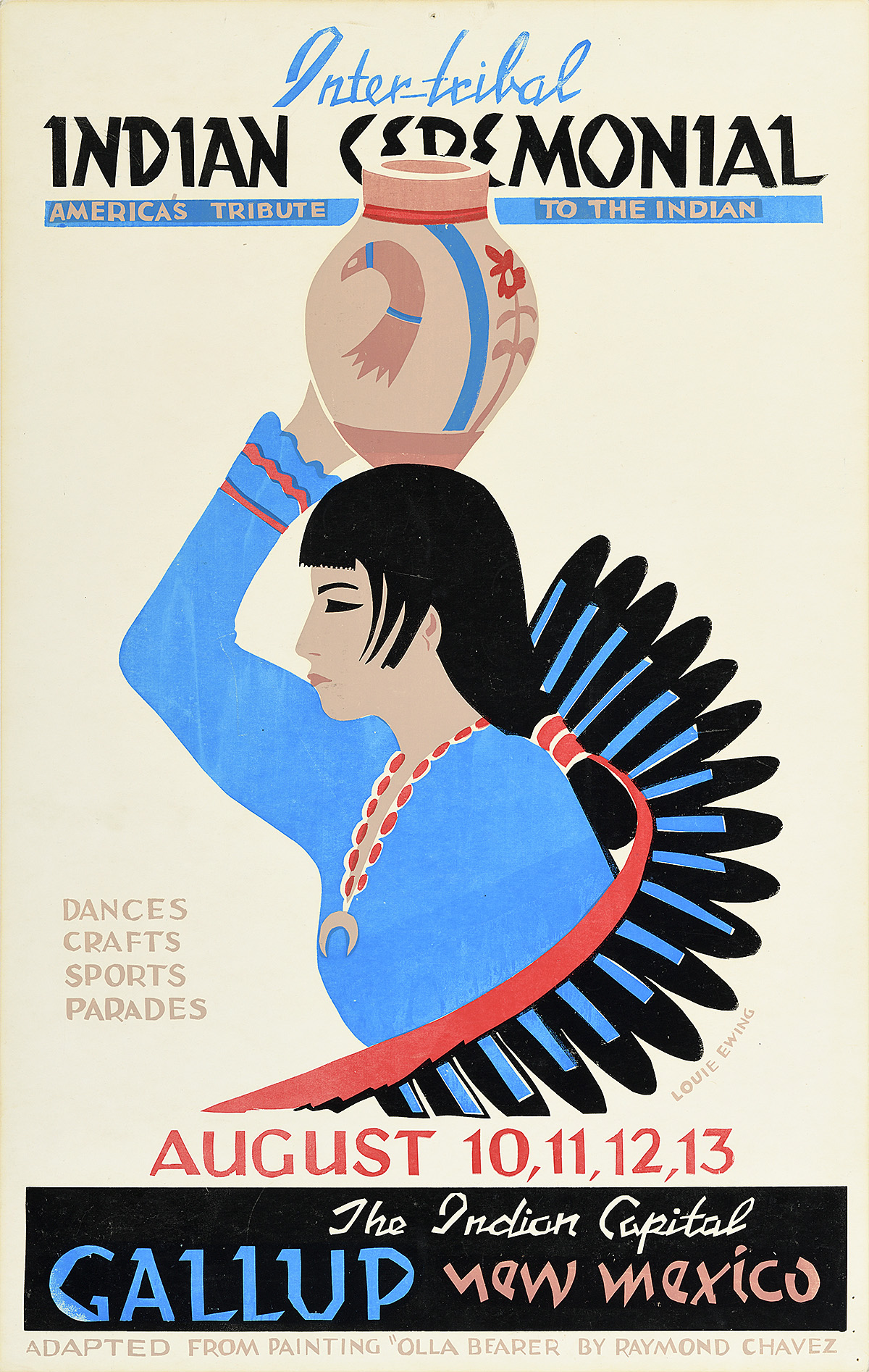
Through examples spanning nearly two centuries and representing more than 60 tribes and nations, this exhibition reveals and celebrates design histories that have always existed alongside, in spite of, and in resistance to dominant colonial narratives. These posters, highlighting details as varied as beadwork bling, frybread, and sacred corn as well as storytelling symbols and comic-book characters, emphasize that such imagery is part of the larger pantheon of design history, serving not merely as footnotes or corrections to it but as elements essential to its foundation and its future, offering innovation and joy despite ongoing suppression. They document stories and lineages that pulse with contemporary life and challenge dominant Western narratives by embracing ongoing—rather than purely historical—resistance, pride, humor, and ingenuity. They also challenge the conventional presumption that Indigenous authenticity requires subjugation, suffering, or segregation from the modern world, focusing instead on the full spectrum of Native life.
This exhibition contains racist imagery and language as well as references to sexual violence and murder that some viewers may find offensive and disturbing.
Whenever feasible, Poster House reuses materials from previous shows to drive sustainable practice.
This exhibition is supported by The Andy Warhol Foundation for the Visual Arts, with federal funds provided by the National Endowment for the Arts.
Additional support is provided through public funds from the New York City Department of Cultural Affairs in partnership with the City Council, and the New York State Council on the Arts (NYSCA).